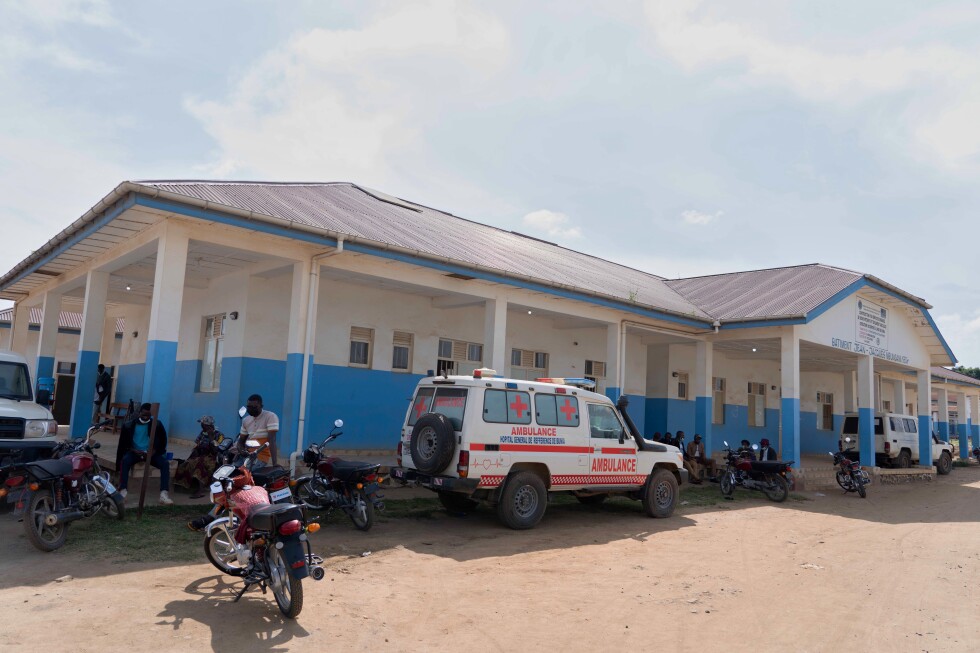
DAKAR, Senegal – As a rare and deadly Ebola outbreak continues its spread across the eastern Democratic Republic of the Congo and spill over into neighboring Uganda, global and national health authorities have ramped up emergency responses, marking one of the most pressing public health crises in Africa this year. During an official visit to the Ebola-impacted Ituri region Sunday evening, Congolese Health Minister Samuel Roger Kamba announced the launch of three new dedicated Ebola treatment centers to expand strained care capacity in the hard-hit area. Standing in Bunia, Ituri’s provincial capital and largest urban center, Kamba acknowledged that existing local healthcare facilities are already overwhelmed by a surge of patients showing Ebola symptoms, but emphasized that the new facilities will boost the country’s ability to care for infected people and slow transmission. The World Health Organization had formally designated the outbreak a Public Health Emergency of International Concern (PHEIC) – the WHO’s highest level of global public health alert – earlier the same day, following weeks of rising case counts. As of the announcement, officials have recorded more than 300 suspected Ebola cases, with 88 confirmed fatalities in the DRC and two additional deaths in Uganda, where the virus has crossed the shared border. While the epicenter of the outbreak remains Ituri, suspected cases have already been documented as far as Kinshasa, the DRC’s national capital, and Goma, the largest city in the country’s eastern region, raising alarms about potential wider spread across Central Africa. In a separate post to the social platform X Sunday, the WHO Regional Office for Africa confirmed that a joint 35-member expert team from the global health body and the Congolese Ministry of Health has already deployed to Bunia, carrying 7 tons of critical emergency medical supplies and protective equipment to support response efforts. Ebola is a highly contagious viral pathogen that spreads through direct contact with infected bodily fluids including blood, vomit, and semen. While the disease is relatively rare, it causes severe, often fatal organ damage and bleeding in a majority of untreated cases. What makes the current outbreak particularly alarming for public health experts is that it is caused by the Bundibugyo virus, a rare Ebola variant that was only confirmed as the source of this outbreak this past Friday. No officially approved vaccines or targeted therapeutics currently exist for this specific strain, creating a critical gap in response capacity. Prior to 2024, the Bundibugyo variant has only been detected two other times in recorded history: first in Uganda’s Bundibugyo District during a 2007–2008 outbreak that sickened 149 people and killed 37, and again in a 2012 outbreak in the DRC’s Isiro region that recorded 57 cases and 29 deaths. Speaking to Sky News Sunday, Jean Kaseya, Director-General of the Africa Centres for Disease Control and Prevention, acknowledged the urgent gaps in the global response, saying, “Currently I’m on panic mode because people are dying, I don’t have medicines, I don’t have vaccine to support countries.” Kaseya added that he has convened an emergency meeting of all global public health and aid partners to advance access to experimental candidate vaccines and therapeutics, with the goal of rolling out limited supplies to impacted areas in the coming weeks. The WHO’s PHEIC designation is only triggered when an outbreak meets three strict criteria: it poses a serious enough threat to global health to require coordinated action, it carries a significant risk of international spread across borders, and it demands a unified, cross-country response. Global health leaders hope the declaration will accelerate funding commitments from donor nations and spur rapid action from pharmaceutical partners to make experimental treatments available to frontline teams. With more than 20 previous Ebola outbreaks recorded across the DRC and Uganda over the past half century, health authorities have well-established protocols for containing viral spread, but the lack of targeted tools for the rare Bundibugyo variant has created an unprecedented challenge for the current response.
标签: Africa
非洲
-
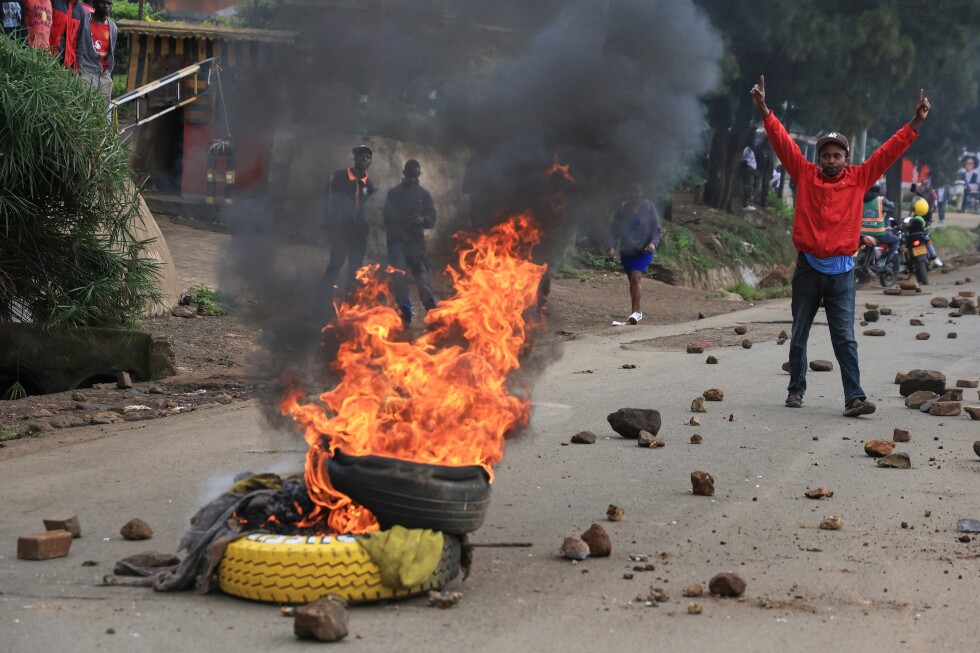
Protesters light bonfires during public transport strike in Kenya over fuel prices
On a Monday morning in Kenya’s capital Nairobi, widespread public protests erupted alongside a coordinated national public transport strike, called to oppose a historic surge in national fuel prices that has sent shockwaves through the East African economy. The industrial action brought the country’s most populous urban center to a standstill: commuters were left trapped across suburban neighborhoods, with central business districts largely empty of daily activity. Protesters set fire to tires along major arterial roads, prompting most private motorists to avoid travel entirely and keep their vehicles parked at home. In response to the unrest, the Kenya Association of Private Schools issued guidance for member institutions to prioritize student safety, leading the vast majority of schools across the affected region to shift to remote online learning for the day. The catalyst for the unrest came just four days prior, when Kenya’s energy regulators announced a new round of fuel price adjustments that pushed costs to all-time record highs. The update set diesel prices up by 23.5% and gasoline prices up by 8% nationwide, a jump far steeper than many households and businesses had anticipated. As of Monday, President William Ruto—who is currently traveling outside of Kenya—had not issued any public statement addressing the new price levels or the resulting protests. This is not the first time Kenya has faced a politically charged fuel price crisis: during an earlier price review in April, Ruto attributed a previous jump to global market volatility tied to the Iran conflict, and intervened to cut fuel taxes in order to prevent a similarly sharp increase at that time. Kenya’s leading business advocacy group, the Kenya National Chamber of Commerce and Industry, sounded the alarm over the price hike within hours of its announcement Friday. In an official statement, the chamber warned that elevated fuel costs would ripple through every sector of the national economy, driving up prices for nearly all consumer goods and public services. The organization also pushed back against claims that the surge is driven solely by global market trends, noting that between April and May, global crude oil prices rose only around 10.7% — less than half the percentage increase seen for Kenyan diesel prices over the same window. “This points to the continued role of domestic cost buildup,” the statement read, indicating that internal factors beyond global shifts are contributing to the extreme price jump. The political opposition has seized on the crisis to criticize the Ruto administration. Former Deputy President Rigathi Gachagua, who was impeached on corruption charges in October 2024 before aligning with the national opposition, has placed the blame for the sharp surge on corrupt business elites he says are inflating prices to pad their own profit margins. Gachagua pointed out a striking comparative inconsistency: neighboring landlocked nations that import all of their fuel through Kenyan ports—including Uganda—actually have lower retail fuel prices than Kenya, despite the additional cross-border transport costs those imports incur. As a regional trade hub, Kenya handles the vast majority of fuel and goods imports for multiple East African inland nations, with all cargo moving overland from the Indian Ocean port of Mombasa. As the strike and protests enter their first day, the Kenyan public is waiting for a formal response from President Ruto, with widespread anxiety over how the fuel price increase will erode already strained household budgets across the country.
-
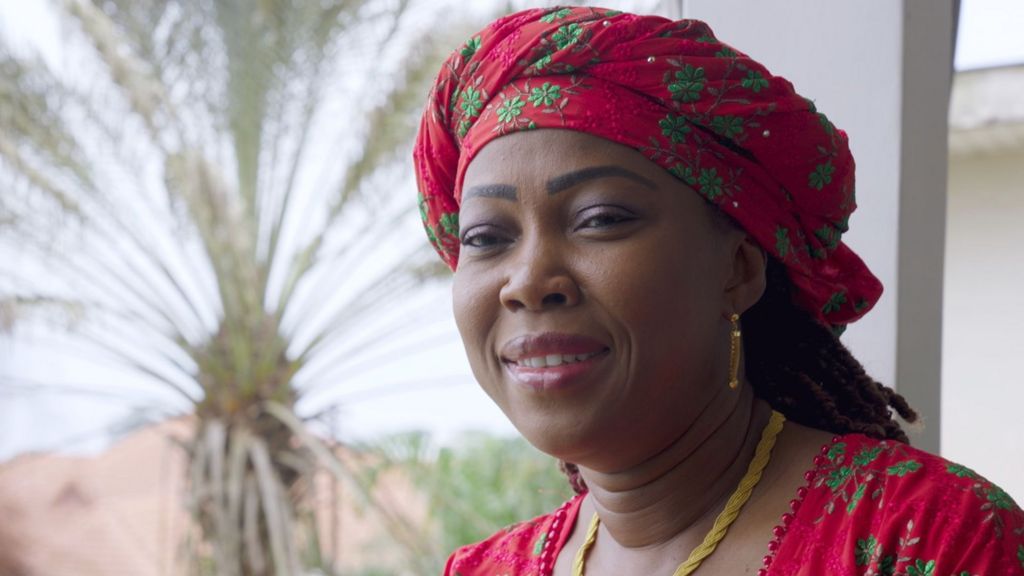
From escaping child marriage ‘to an old pervert’ to becoming Sierra Leone’s first lady
Against the backdrop of decades of civil conflict, public health crises, and persistent economic inequality in Sierra Leone, one woman has risen to become the country’s most debated public figure: Fatima Bio, the wife of President Julius Bio. Her life story is one of extraordinary escape, reinvention, and unapologetic activism that has split public opinion, turning her into both a beacon of women’s empowerment and a lightning rod for political criticism.
Fatima Bio’s fight for gender equality began long before she entered the presidential residence. Born to a diamond miner in Kano district, she was just 13 when her father arranged her marriage to a man in his 30s, a family acquaintance she had grown up knowing as an uncle. “There was no discussion. It was decided,” she recalls of the forced union. It was only the chaos of Sierra Leone’s 1996 civil war that created a window for her to escape, with help from relatives, and flee to the United Kingdom to claim asylum.
She arrived at London’s Gatwick Airport on Christmas Eve, clad only in a thin T-shirt, shocked by the biting British cold but overwhelmed with relief at the chance of a new life. Moving in with a distant relative, she carved out a new future for herself: building a career as an actress, and eventually meeting Julius Bio during an interview about prominent Sierra Leonean diaspora figures. Today, she still retains that humble starting point: she holds a subsidized council tenancy in Southwark, central London, where her children reside. This arrangement has drawn fierce criticism from media on both sides of the Atlantic, given that more than 18,000 people are on Southwark’s social housing waiting list, with even the most high-need applicants facing years of waiting. But Fatima Bio has vigorously defended her right to the home, noting her children are British citizens and she pays rent on the property herself, having broken no rules. Southwark Council has declined to comment on individual tenancies, confirming only that it conducts regular compliance checks for all tenants.
As first lady, Fatima Bio has broken long-held norms that frame the role as largely ceremonial. She has leveraged her personal experience of near child marriage to successfully champion a landmark national ban on child marriage, which came into force in 2024. She has also taken on the largely taboo issue of period poverty in Sierra Leone, where no national policy guarantees free sanitary products for schoolgirls. Unicef research confirms girls here often miss weeks of school each year due to a lack of access to hygiene products, and Fatima Bio has made free distribution of sanitary towels a core personal campaign. “If you miss 80 days of the school year, it is almost like missing an entire term. They are still not getting the equality they deserve,” she explains. “I want girls to get the education so they can be at the table, making decisions for themselves.”
This accessible, unfiltered approach has won her widespread acclaim, particularly among young Sierra Leoneans, and saw her elected as head of the Organization of African First Ladies for Development (OAFLAD). She has cultivated a huge social media following, regularly posting informal content, dancing, and engaging directly with supporters, pushing back against the outdated international narratives that have long defined Sierra Leone only by conflict and blood diamonds. An interfaith Muslim-Christian couple, Fatima and President Bio also highlight the country’s long history of religious tolerance, she notes, pointing to the fact that sub-Saharan Africa’s first girls’ high school was built in Sierra Leone.
But her refusal to stay in a traditional, ceremonial role has sparked fierce backlash. She is an active, visible member of the ruling Sierra Leone People’s Party (SLPP), openly campaigning for favored candidates, speaking at rallies without her husband, and publicly criticizing fellow politicians – even within her own party – and the Speaker of Parliament. During the 2025 State Opening of Parliament, she was booed and subjected to derogatory chants by opposition MPs. She responded by putting in earphones and listening to music, and shrugs off the hostility now: “It just shows that not all men are educated. Not all men believe in women’s empowerment and women’s equality. I have been an activist for far too long to be a calendar wife,” she says, rejecting the expectation that she only fill a symbolic role.
Further controversy has followed her over a 2025 incident in which a notorious European drug kingpin, Jos Leijdekkers – known as “Chubby Jos,” who was sentenced in absentia to 24 years in prison for cocaine trafficking – appeared in a deleted social media video behind the first couple at a public church service. Fatima Bio flatly denies knowing Leijdekkers, dismisses rumors of a family connection to him as lies, and notes that as a Muslim, she does not control access to church events she attends alongside her husband. Critics have also raised unsubstantiated questions about unreported properties the first family is alleged to own, including mansions in The Gambia, which Fatima Bio has declined to address, saying she will only respond when proof is presented.
Against the current backdrop of crippling cost-of-living pressures in Sierra Leone – exacerbated by global inflation, the fallout of the Russian invasion of Ukraine, and decades of uneven distribution of the country’s rich mineral wealth – most ordinary citizens prioritize daily survival over these controversies, political analysts note. Still, speculation has grown that Fatima Bio is laying groundwork to run for the presidency herself when her husband’s second and final term ends in 2028. While she dismisses claims of personal ambition, she leaves the door open to divine possibility: “I’m not hungry to be president. It’ll have to be the will of God. I’m a very fervent believer that when God wants something, he does it… If it is what God wants, no man can stop it.”
This profile is part of the BBC World Service’s Global Women series, which elevates underreported stories of impactful women across the globe.
-
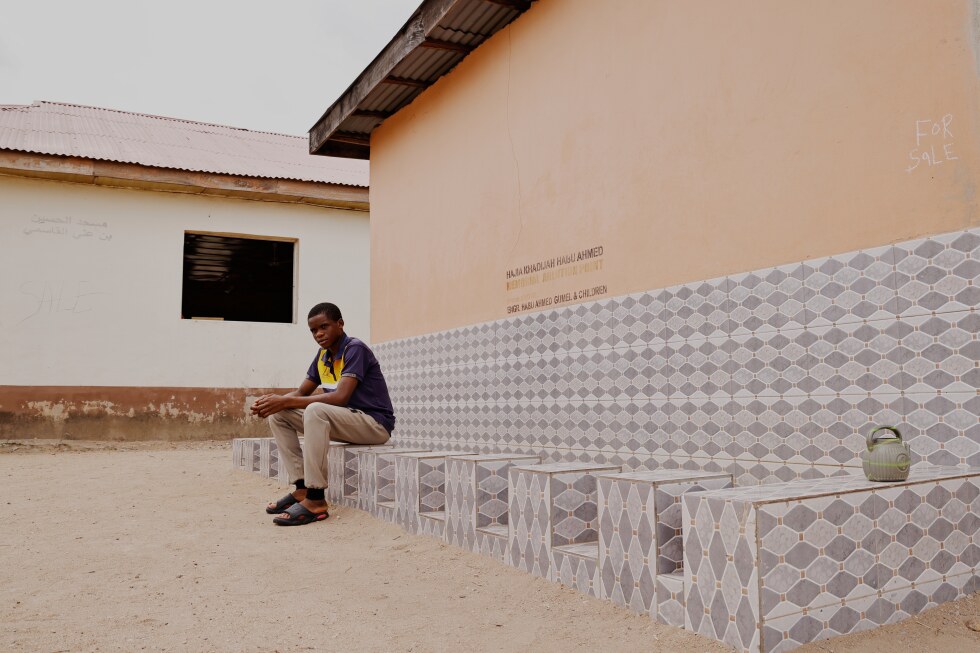
Latest militant attacks on schools in Nigeria leave more than 80 children missing, officials say
ABUJA, Nigeria – A spate of coordinated militant attacks targeting educational institutions across Nigeria has left more than 80 schoolchildren unaccounted for, local authorities and global human rights organization Amnesty International confirmed Sunday. The abductions mark the latest escalation of a persistent crisis of school kidnappings that has plagued the West African nation, where federal security forces are already engaged in prolonged counterinsurgency operations against multiple jihadi factions and other armed criminal groups.
The first documented assault unfolded between Wednesday and Thursday in the remote Askira Uba and Chibok local government areas of Borno State, Nigeria’s conflict-ravaged northeastern border region. According to official reports, 42 children were abducted from a local primary school in this strike. Amnesty International pinpointed the attack location as Mussa village, a settlement positioned on the edge of Sambisa Forest – the historic core stronghold for Boko Haram, the long-running insurgent group, and its offshoot, the Islamic State-aligned faction Islamic State West Africa Province (ISWAP).
Just two days later, a separate pair of attacks hit secondary schools in southwestern Nigeria’s Oyo State, an area where large-scale school abductions have historically been extremely rare. Though Amnesty’s Nigeria office initially put the number of abducted children from the two Oyo State schools at no fewer than 40, local government official Peter Wabba from Mussa confirmed Sunday that updated community counts place the total at 48. The attacks were carried out just hours apart from one another, in the Oriire local government area roughly 220 kilometers outside Nigeria’s commercial hub, Lagos.
In its public statement Sunday, Amnesty International issued a stark warning about the cascading social costs of the persistent abduction crisis. The organization noted that widespread fear of kidnapping has already driven thousands of children out of Nigeria’s educational system, with many families pulling underage girls out of classrooms specifically and forcing them into early marriage as a desperate protective measure against attack.
Local families of the missing children expressed growing frustration with the pace of official response. “The government is assuring us that they are doing their possible best to see that these children are rescued but up till now, we are still waiting,” Wabba told the Associated Press in an interview Sunday. Amnesty further criticized Nigerian authorities for longstanding failures to follow through on commitments to address the crisis, saying that officials “never fulfill promises to investigate the incidents and bring the perpetrators to justice,” adding, “Victims and their families continue to be denied access to justice.”
Security officials have made limited progress in the Oyo State case, however. On Saturday, police spokesperson Ayanlade Olayinka confirmed to AP that three suspected gunmen linked to the Oyo attacks had been taken into custody. Olayinka said community members identified the suspects, who were subsequently arrested by local law enforcement. Police have not yet clarified whether additional suspects remain at large in the incident.
Mass school abductions have become one of the most visible markers of systemic insecurity across Nigeria, Africa’s most populous country. While kidnappings for ransom and insurgency-driven abductions are most common in the country’s northern regions, the recent attacks in the southwest mark a troubling expansion of the crisis into previously low-risk areas. In 2023 alone, two high-profile mass school abductions in northern Nigeria shook national public opinion, with more than 300 children taken captive in separate incidents. Security analysts point to a clear strategic logic driving the targeting of schools: armed gangs and insurgent factions view soft, unguarded educational institutions as high-impact targets that generate widespread media and government attention, advancing their political and financial goals.
-
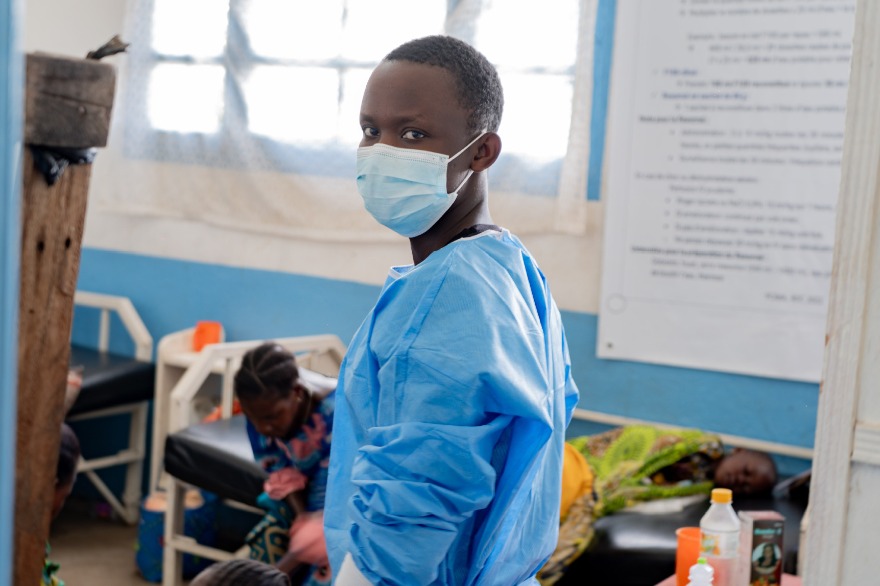
Africa’s Ebola outbreak public health emergency of int’l concern: WHO
GENEVA – In an official announcement posted to its website Sunday, the World Health Organization (WHO) has formally designated the ongoing Ebola outbreak driven by the Bundibugyo virus across the Democratic Republic of the Congo (DRC) and Uganda as a Public Health Emergency of International Concern (PHEIC), stopping short of classifying the event as a full pandemic emergency.
The latest epidemiological data published by the WHO, updated through May 16, 2026, paints a preliminary but concerning picture of the outbreak’s spread. In the DRC’s northeastern Ituri Province, health authorities have recorded eight confirmed Ebola cases, 246 suspected cases, and 80 reported deaths among suspected patients. One additional confirmed case has been detected in Kinshasa, the DRC’s capital, marking the virus’s reach into a major urban center far from the original outbreak zone. Neighboring Uganda has also confirmed two cases of Ebola traced back to importation from the DRC, both detected in the Ugandan capital Kampala. To date, researchers have found no clear epidemiological connection between the two Ugandan cases, adding to uncertainties around transmission dynamics.
Among the most alarming early developments is the death of at least four frontline healthcare workers who treated Ebola patients in affected regions. These fatalities have amplified experts’ concerns about ongoing nosocomial, or hospital-based, transmission of the virus, a risk that can quickly overwhelm under-resourced local health systems.
The WHO emphasized that large gaps remain in understanding the full scope of the outbreak. Significant uncertainty surrounds the actual total number of infections, the full geographic range of virus circulation, and the transmission links connecting confirmed and suspected cases. Compounding these challenges is the absence of any globally approved, targeted therapeutics or vaccines specifically designed to protect against or treat infection with the Bundibugyo strain of Ebola.
To coordinate a unified global response, the WHO announced it will convene an independent Emergency Committee in the near term to develop evidence-based guidance for response measures for affected nations and the international public health community.
WHO officials warn that early indicators suggest the outbreak is far larger than current detected and reported case counts indicate. Key red flags include a high positivity rate among initial patient samples, the confirmation of cases in two capital cities (Kinshasa and Kampala), and a steady upward trend in both suspected cases and deaths across Ituri Province. Multiple structural factors are amplifying the risk of widespread spread: persistent insecurity in affected regions that disrupts outbreak surveillance and response, an ongoing humanitarian crisis that has left millions of vulnerable people without access to adequate health care, high cross-border and internal population mobility, the location of current outbreak hotspots in urban and semi-urban areas, and an extensive network of unregulated informal health care facilities that lack infection control infrastructure.
-
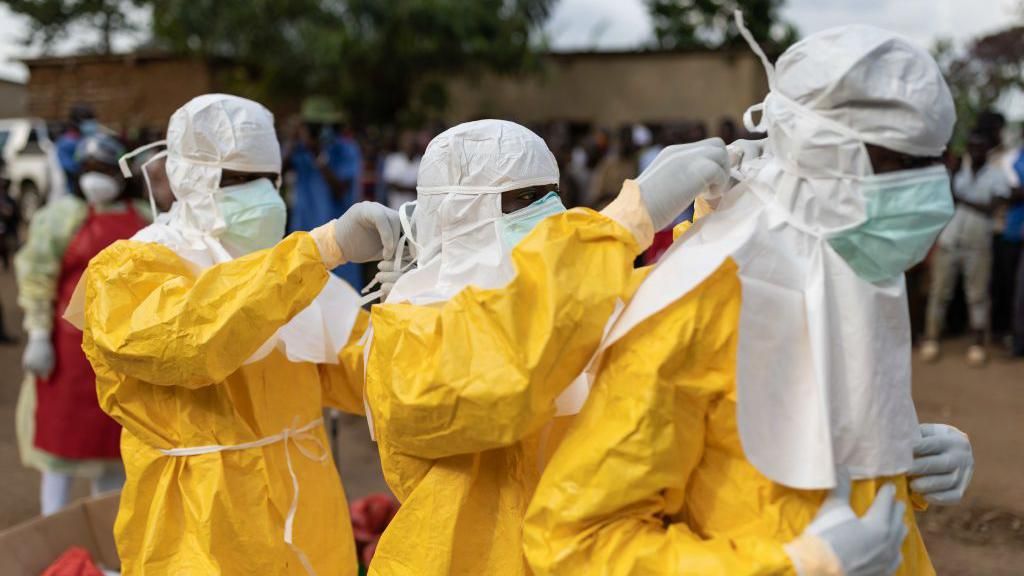
How worrying is the Ebola outbreak in DR Congo?
An evolving Ebola outbreak in the Democratic Republic of the Congo (DRC) has triggered urgent global concern, after weeks of undetected spread in a conflict-ravaged region that complicates containment efforts. Health officials warn that this outbreak, driven by the rare Bundibugyo Ebola species, carries unique challenges that put the global public health community at a critical turning point.
As of current reporting, nearly 250 suspected cases and 80 confirmed deaths have been recorded, with significant uncertainty around the true scope of transmission due to the late detection of the outbreak. The World Health Organization has designated the event a Public Health Emergency of International Concern (PHEIC) — a designation that does not predict a COVID-19-style global pandemic, but signals the complexity of the situation requires coordinated cross-border action.
“The overall global risk posed by this Ebola outbreak remains extremely low,” experts emphasize, echoing a reality seen even during the 2014-2016 West African disaster, the largest Ebola outbreak on record that infected more than 28,600 people and killed over 11,000, which only resulted in three cases in the United Kingdom, all among volunteer healthcare workers. But for the affected region and global public health, the stakes remain high.
Unlike more common Ebola strains that have proven vaccines and targeted treatments, Bundibugyo Ebola has only caused two prior outbreaks, recorded in 2007 and 2012, with mortality rates ranging between 30% and 50% of those infected. No vaccines or antiviral therapies have been formally approved for this specific strain, though a small number of experimental candidates are available. Even diagnostic testing for Bundibugyo is unreliable: initial test results for this outbreak returned negative for Ebola, requiring advanced laboratory analysis to confirm the rare strain was responsible.
Prof Trudie Lang, an expert from the University of Oxford, describes Bundibugyo as “one of the most significant concerns” of the current response. Ebola, a zoonotic disease that originates in wild animal populations (primarily fruit bats), spreads to humans through close contact with infected animals, then passes between people via exposure to infected bodily fluids, most often after symptoms develop.
Symptoms of Ebola emerge between 2 and 21 days after infection, beginning with flu-like indicators including fever, headache and fatigue, before progressing to severe vomiting, diarrhea, organ failure, and in some cases internal and external bleeding. Without approved targeted treatments for Bundibugyo, care relies on optimized supportive care — managing pain, secondary infections, fluid balance and nutrition — with early intervention dramatically improving survival odds.
The delayed detection of this outbreak is among the most worrying factors. The first confirmed case, a nurse, developed symptoms on April 24, but it took three weeks to confirm an Ebola outbreak was underway. “Ongoing transmission has occurred for several weeks, and the outbreak has been detected very late, which is concerning,” explained Dr Anne Cori of Imperial College London. This delay has put response teams at a disadvantage, with the World Health Organization noting the true number of infections is likely far higher than current reported figures.
Containment efforts are further complicated by the chaotic context of the outbreak zone: the eastern region of DRC has been torn by ongoing civil conflict, displacing more than 250,000 people from their homes. Most affected communities are located in mobile mining towns, where transient populations move frequently between local communities and across national borders, amplifying the risk of wider spread.
Despite these steep challenges, experts note that the DRC has accumulated extensive experience responding to repeated Ebola outbreaks over the past two decades. Dr Daniela Manno, a researcher at the London School of Hygiene & Tropical Medicine, points out that the national and international response capacity is “significantly stronger today than it was a decade ago,” ahead of the 2014 West African outbreak.
Core containment strategies focus on rapid identification of infected cases, contact tracing to stop chains of transmission, preventing spread within healthcare facilities where patients are most contagious, and conducting safe burials for victims, as deceased bodies remain highly infectious. The trajectory of the outbreak — whether it is quickly contained or spirals into a large-scale disaster like the 2014-2016 event — will depend entirely on the speed and effectiveness of the current response.
-
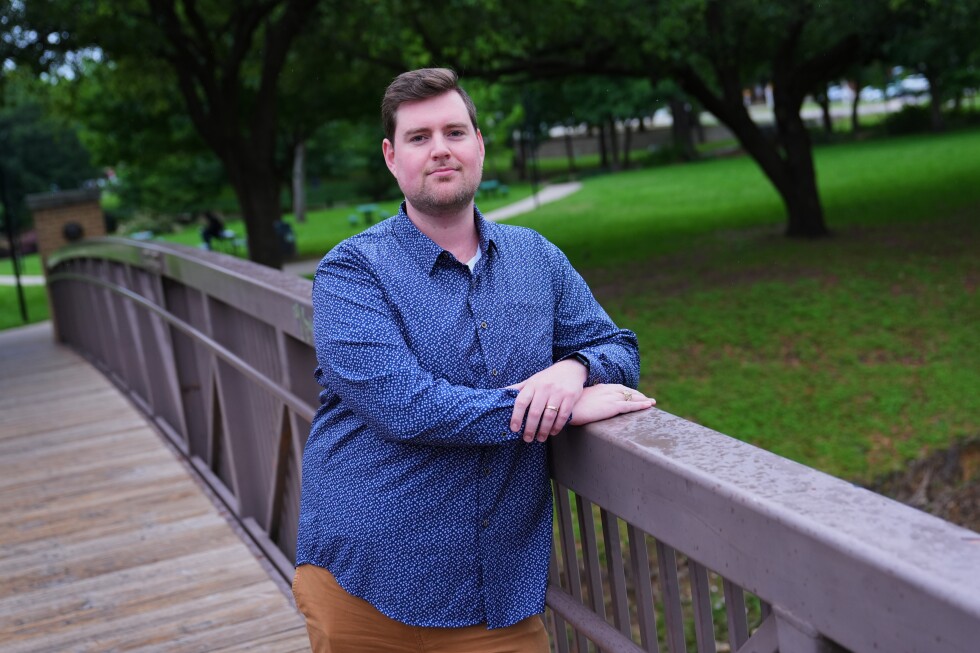
Trump administration promote program to check voter eligibility. Critics fear a midterm purge
TOPEKA, Kan. — A controversial mass voter eligibility verification initiative launched by the Trump administration is raising alarms among voting rights advocates, who warn the program could wrongfully remove thousands of legitimate voters from registration rolls ahead of the nation’s November general election, even as Democratic opponents challenge the policy in federal court.
Since the Trump administration dramatically expanded the search capabilities of the Systematic Alien Verification for Entitlements (SAVE), a program originally designed to block noncitizens from accessing public benefits, at least 25 states have run more than 67 million voter registrations through the national Department of Homeland Security database for citizenship status checks, according to U.S. Citizenship and Immigration Services (USCIS), a DHS division that manages the system. The vast majority of these checks have taken place in states under Republican leadership. To date, tens of thousands of registrations have been flagged as potential noncitizens or deceased individuals, with strict timelines that often leave eligible voters little room to correct errors.
The national-level scanning of state voter rolls is the centerpiece of a broader Trump administration push to federalize key election oversight functions and advance the president’s longstanding claim that widespread noncitizen voting undermines U.S. election integrity. Despite repeated independent studies confirming that noncitizen voting is extremely rare across the country, the administration has pressured states to participate in the mass verification program, with the Department of Justice filing lawsuits against states that have refused to turn over unredacted voter data for screening.
Civil rights and voting rights advocates warn the SAVE system is riddled with inaccuracies from outdated and incomplete data, leading to frequent false positive flags that target fully eligible U.S. citizens. At least six federal lawsuits have already been filed by advocacy groups against the Trump administration and participating states, arguing the program creates an unnecessary risk of mass disenfranchisement.
Anthony Nel, a 29-year-old college administrator in Denton, Texas, is one such case of wrongful flagging. Nel moved to the U.S. from South Africa with his parents at age 8, gained automatic citizenship when his parents naturalized when he was 16, and has voted regularly since turning 18. When Texas ran its voter rolls through SAVE last fall, Nel was flagged as a potential noncitizen while he waited for a replacement for his expired passport. He missed the 30-day deadline to provide proof of citizenship, and his registration was temporarily canceled before he could resolve the error. He is now a lead plaintiff in a federal lawsuit challenging the program.
“ It’s clear that this process that they’ve put into place for this doesn’t work,” Nel said in an interview. “You expect the system to know I’m a citizen, but instead I’m treated like an imposter until I prove otherwise.”
Another high-profile error came in Dallas, where Domingo Garcia, a 68-year-old voting rights activist and lawyer who has voted regularly for 50 years, had his registration abruptly canceled with no explanation. Garcia suspects he was incorrectly flagged as deceased, a common error in incomplete state and federal datasets.
USCIS officials defend the program, saying in an emailed statement that the agency is “committed to helping eliminate voter fraud” to rebuild public trust in U.S. elections. Kansas Republican Secretary of State Scott Schwab, who once publicly questioned whether noncitizen voting posed a meaningful fraud threat, now calls SAVE “one of the most important tools states have to verify voter information.”
To date, screening of 60 million registrations has identified roughly 24,000 potential noncitizens, plus another 350,000 potential deceased registrants, according to USCIS data. A separate check of 7.4 million registrations in North Carolina, where Republicans control the state election board, identified an additional 34,000 potentially deceased voters. Even if every flagged registration was confirmed ineligible, the total would amount to less than 1% of all registrations screened: roughly 400 potential noncitizens per 1 million registrations checked.
Republican officials argue the SAVE program is only intended as a first screening step, not a final determination, and that further review is required before any registration is canceled. Procedures for handling flagged voters vary widely by state, however. Some states give voters just 30 days to prove their eligibility, while others require immediate suspension of registration once a flag is issued. In Kansas, flagged voters are still allowed to cast a ballot, but their vote is set aside and may not be counted until the case is resolved. Ohio’s new law requires election boards to promptly cancel any registration flagged as noncitizen during mandatory monthly SAVE checks, leaving voters to retroactively restore their registration if they want to participate.
Ohio Republican Secretary of State Frank LaRose says the policy poses no threat to voting rights, noting “all they need to do to immediately restore their registration status is show proof of citizenship.” But Freda Levenson, an ACLU Ohio attorney challenging the state’s law, calls the approach “shoot first and ask questions later.”
“If a voter is wrongly removed, by the time they learn about it and correct it, they may miss their opportunity to vote in that election,” Levenson said. Critics note that even when voters ultimately correct errors, the uncertainty and administrative burden created by the program can lead to lower turnout among affected groups, particularly naturalized citizens who may face longer wait times for replacement citizenship documentation.
-
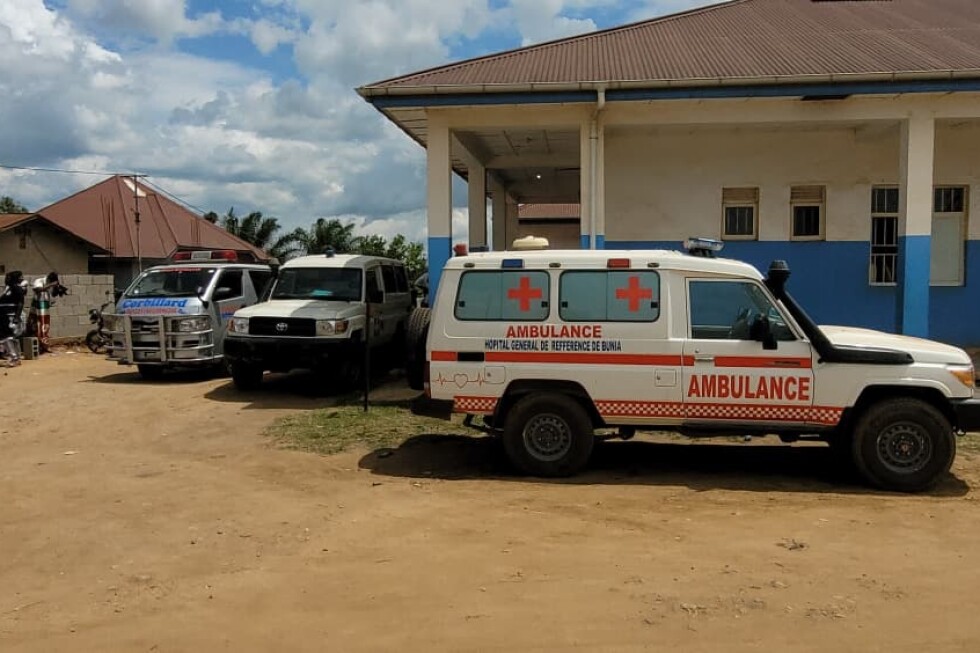
WHO declares global health emergency over Ebola outbreak in Congo and Uganda
On Sunday, World Health Organization Director-General Tedros Adhanom Ghebreyesus issued the highest global alert level for an ongoing Ebola outbreak spanning the Democratic Republic of the Congo and neighboring Uganda, following a surge in suspected infections that has already claimed 88 lives. As of the latest official count, more than 300 suspected cases have been documented across the two East-Central African nations.
In a public update posted to the social platform X, the WHO moved quickly to clarify that the outbreak does not qualify for a pandemic-level classification on par with the COVID-19 crisis, and explicitly recommended against nations closing international borders to contain the spread.
Ebola is a severe, highly contagious viral disease that spreads through direct contact with infected bodily fluids, including blood, vomit and semen. While outbreaks of the disease remain relatively rare, infections frequently result in death for affected patients. What makes the current crisis particularly challenging for global health authorities is that it is driven by the Bundibugyo variant — a rare strain of Ebola for which no approved vaccines or targeted treatments currently exist.
According to WHO data, the overwhelming majority of cases are concentrated in the Democratic Republic of the Congo, with only two confirmed cases detected across the border in Uganda. The outbreak was first officially reported last Friday, originating in the DRC’s eastern Ituri Province, a border region adjacent to both Uganda and South Sudan. By the following day, the Africa Centres for Disease Control and Prevention had logged 336 suspected cases and 87 confirmed deaths.
Ugandan health authorities confirmed their first imported case from the DRC on Saturday; that patient later died in a Kampala hospital, and a second case was shortly after confirmed in the capital. WHO officials noted that the two Ugandan cases have no known epidemiological links to one another, and both patients had recently traveled from the DRC.
Tedros acknowledged deep uncertainties surrounding the full scope of the crisis, telling reporters: “There are significant uncertainties to the true number of infected persons and geographic spread associated with this event at the present time. In addition, there is limited understanding of the epidemiological links with known or suspected cases.”
This is only the third documented outbreak of the Bundibugyo variant in recorded history. The strain was first identified during a 2007-2008 outbreak in Uganda’s Bundibugyo District, which infected 149 people and killed 37. The second outbreak occurred in 2012 in Isiro, DRC, where 57 cases were reported and 29 people died from the infection. More than 20 Ebola outbreaks of various strains have occurred across the DRC and Uganda in modern history.
The WHO’s declaration of a Public Health Emergency of International Concern, or PHEIC, is formally intended to accelerate international action and mobilize funding, supplies and coordination from donor nations and global aid agencies. But the move has drawn scrutiny amid a mixed track record for past emergency declarations. When the organization declared mpox outbreaks across the DRC and other African nations a global PHEIC in 2024, public health experts criticized the global response for failing to rapidly deliver critical supplies including diagnostic tests, therapeutics and vaccines to affected regions.
-

Ngannou tells Jones to exit UFC contract after quick KO
The landscape of mixed martial arts reached a potential turning point this weekend, as one of the sport’s most recognizable heavyweights delivered a devastating reminder of his dominance on the first MMA card ever broadcast live on Netflix.
Headlining the undercard for the highly anticipated Ronda Rousey-Gina Carano main event at Los Angeles’ Intuit Dome, Francis Ngannou, the 39-year-old Cameroonian powerhouse, lived up to his billing with a clinical first-round knockout of Brazil’s Philipe Lins. Staged by Most Valuable Promotions, the event marked a landmark moment for MMA, opening the door for a potential challenge to the UFC’s long-standing dominance of the sport if regular streamed events continue under the new model.
Ngannou, who left the UFC as the promotion’s reigning heavyweight champion in 2023, came into the bout with a eight-fight winning streak, seven of which ended in knockout. He made short work of Lins, who was returning to the heavyweight division after three years competing at light-heavyweight and entered the contest 30 pounds lighter than Ngannou. From the opening bell, Ngannou imposed his will, landing a thudding early leg kick before wearing down his opponent with his signature heavy strikes. As the first round wound down, Lins made a desperate, wild swing, and Ngannou capitalized with a flush, fight-ending left hook that dropped his opponent instantly. Confident the contest was over, Ngannou chose not to follow Lins to the canvas to add further damage, standing over his fallen opponent as the referee stopped the fight.
The win improves Ngannou’s professional MMA record to 19 wins against just 3 losses, and he used his post-fight interview to push for the biggest bout in the sport: a matchup against former UFC legend Jon Jones, who worked as part of Netflix’s broadcast team for the event. Calling Jones one of the greatest MMA fighters of all time, Ngannou said the fight must happen before both athletes retire, adding a jab that Jones still has room to learn from Ngannou’s business acumen.
Jones, who retired from active competition in 2025, has expressed enthusiasm for the bout, but significant obstacles stand in the way of the matchup becoming reality. Jones remains bound by his contract with the UFC, and the long-standing frosty relationship between UFC leadership and Ngannou means a sanctioned bout under the promotion’s banner is off the table. Jones noted that the only path forward would be to finalize his exit from his UFC contract and stage the event through Most Valuable Promotions, adding: “If this fight is going to happen, I don’t think Dana [White] is going to do any business with Francis [Ngannou], so doing it with MVP is the only way.”
Despite the UFC crowning two new heavyweight champions since Ngannou’s departure, a large segment of MMA fans and analysts still recognize Ngannou as the best heavyweight in the world, making his signing with MVP a major breakthrough for the upstart promotion. After the bout, Ngannou doubled down on his claim to the throne, saying: “If someone doesn’t remember who I am, they must have amnesia or something because I made a statement here tonight again.”
The card’s co-feature, billed by fans as the “people’s main event”, delivered a similarly action-packed result, as American welterweight Mike Perry defeated fan favorite Nate Diaz when the bout was stopped at the end of the second round. Perry dominated the contest from start to finish, landing a barrage of punches, knees and elbows that opened a deep cut above Diaz’s eye, leaving the veteran unable to see as blood poured down his face. The ringside doctor determined Diaz could not continue, bringing the fight to a premature end.
Diaz, 41, a cult hero among MMA fans for his 15-year UFC career and rebellious persona, ended his tenure with the promotion in 2022 after submitting Tony Ferguson, and spent the intervening years testing the waters in professional boxing. He returned to MMA for the bout seeking high-profile matchups, but was hindered by an early injury. “I think I broke my finger in the first two seconds, and I spent too much time worrying about that rather than focusing on the animal that I am,” Diaz said after the fight, acknowledging the referee’s stoppage was the correct call. “I had blood in my eye. I couldn’t see anything, I wasn’t going to do anything but next time he’s not going to be able to do anything.”
-

WHO declares Ebola outbreak in DR Congo a global health emergency
The World Health Organization (WHO) has issued its highest-level alert for the ongoing Ebola outbreak spreading across eastern Democratic Republic of the Congo (DRC), classifying the event as a Public Health Emergency of International Concern (PHEIC). As of the latest official update, the outbreak — which is caused by the rare Bundibugyo Ebola strain — has recorded roughly 246 suspected cases and 80 confirmed deaths across the region, though global health officials stress that the event does not rise to the level of a pandemic emergency.\n\nIn an official statement, WHO Director-General Dr Tedros Adhanom Ghebreyesus highlighted critical gaps in current outbreak data, noting that “significant uncertainties remain around the true size of the infected population and the full geographic scope of the virus’s spread.” Unlike more common Ebola strains, for which multiple approved vaccines and antiviral treatments exist, there are currently no licensed medical countermeasures for the Bundibugyo strain, raising additional concerns for frontline response teams.\n\nTo date, eight cases have been definitively confirmed through laboratory testing. Infections and suspected deaths have been recorded across three high-risk health zones: Bunia, the provincial capital of Ituri; Mongwalu, a major gold-mining hub; and Rwampara, another mining-focused town. Alarmingly, the virus has already crossed international borders, with two confirmed cases detected in neighboring Uganda. Ugandan health authorities confirmed that one of those cases, a 59-year-old man, died from the virus earlier this week.\n\nThe WHO warns that all countries sharing a border with the DRC face elevated risk of further spread, driven by high volumes of cross-border population movement, routine trade activity, and regular travel between affected and unaffected regions. In response to the outbreak, the global health body has issued a series of formal guidance for affected and at-risk nations. It has called on the DRC and Uganda to immediately activate emergency operations centers, tasked with scaling up case monitoring, contact tracing, and evidence-based infection prevention protocols. To curb transmission, the WHO recommends that all confirmed cases be isolated immediately and receive clinical care until two consecutive Bundibugyo-specific PCR tests, collected at least 48 hours apart, return negative results.\n\nFor neighboring countries that have not yet recorded cases, the WHO advises strengthening routine disease surveillance and improving real-time public health reporting to detect imported cases early. The agency has also pushed back against overly restrictive public health measures, emphasizing that countries outside the affected region have no scientific justification for closing borders or imposing broad bans on travel and trade, noting that such actions are typically driven by public fear rather than data.\n\nFirst identified in 1976 in what is now the DRC, Ebola is a zoonotic virus believed to originate in bat populations, and this current event marks the 17th Ebola outbreak the country has faced since the virus was first discovered. The pathogen spreads through direct contact with infected bodily fluids or broken skin, and causes progressive illness that often leads to severe internal bleeding and multiple organ failure. Early, non-specific symptoms include fever, muscle aches, extreme fatigue, headache, and sore throat, which quickly progress to vomiting, diarrhea, widespread rash, and abnormal bleeding. The WHO reports that the average global fatality rate for Ebola sits around 50%, and no universal curative treatment has been fully validated for all strains to date.\n\nThe Africa Centres for Disease Control and Prevention (Africa CDC) has previously echoed the WHO’s concern over the outbreak’s trajectory, pointing to multiple elevated risk factors that could drive rapid spread. These include the presence of transmission in densely populated urban areas of Rwampara and Bunia, as well as informal, mobile workforces in Mongwalu’s gold mining sector that make contact tracing extremely challenging. Africa CDC Executive Director Dr Jean Kaseya emphasized that large-scale cross-border population movement between affected DRC regions and neighboring countries means coordinated regional action is non-negotiable to contain the outbreak.\n\nOver the past 50 years since Ebola was first discovered, approximately 15,000 people across African nations have died from the virus. The DRC’s deadliest Ebola outbreak on record occurred between 2018 and 2020, when nearly 2,300 people lost their lives to the disease. Just last year, another smaller outbreak in a remote DRC region killed 45 people before it was fully contained.