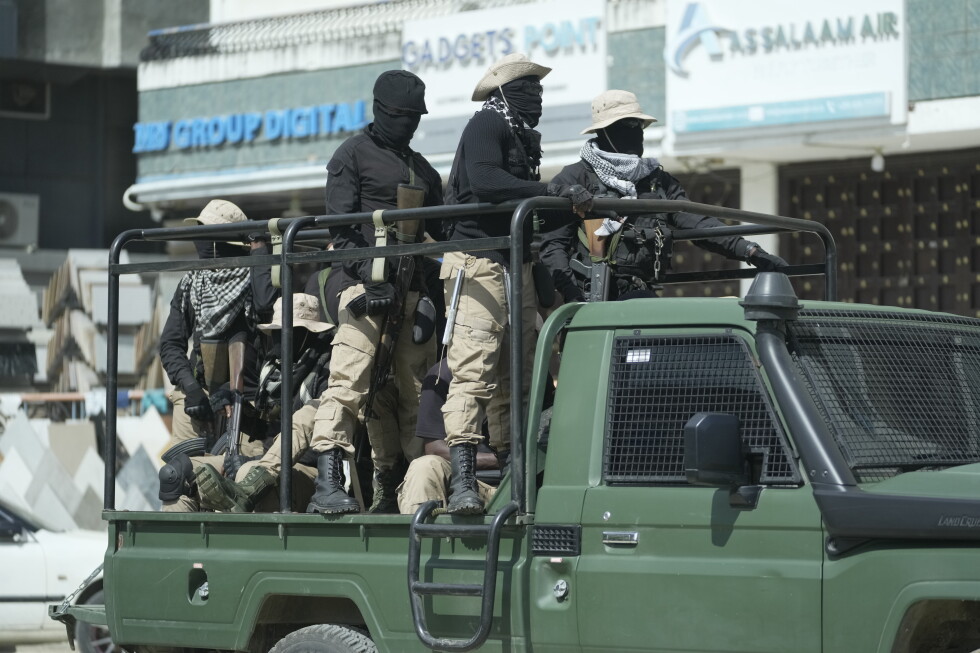
A bitter political battle is unfolding in Zimbabwe over a sweeping set of proposed constitutional changes that have reignited fears of authoritarian backsliding, just decades after the end of Robert Mugabe’s decades-long authoritarian rule. At the heart of the conflict is a draft bill championed by the long-ruling Zanu-PF party, which has held uninterrupted power since Zimbabwe gained independence in 1980. If passed, the legislation would upend the country’s electoral system, stripping ordinary voters of their three-decade-old right to directly elect the president and shifting that power exclusively to parliament. It would also extend both presidential and parliamentary terms from five years to seven, delay the 2028 general election to 2030, and allow sitting President Emmerson Mnangagwa—whose second and constitutionally mandated final term was set to end in 2028—to remain in office for an extra two years.
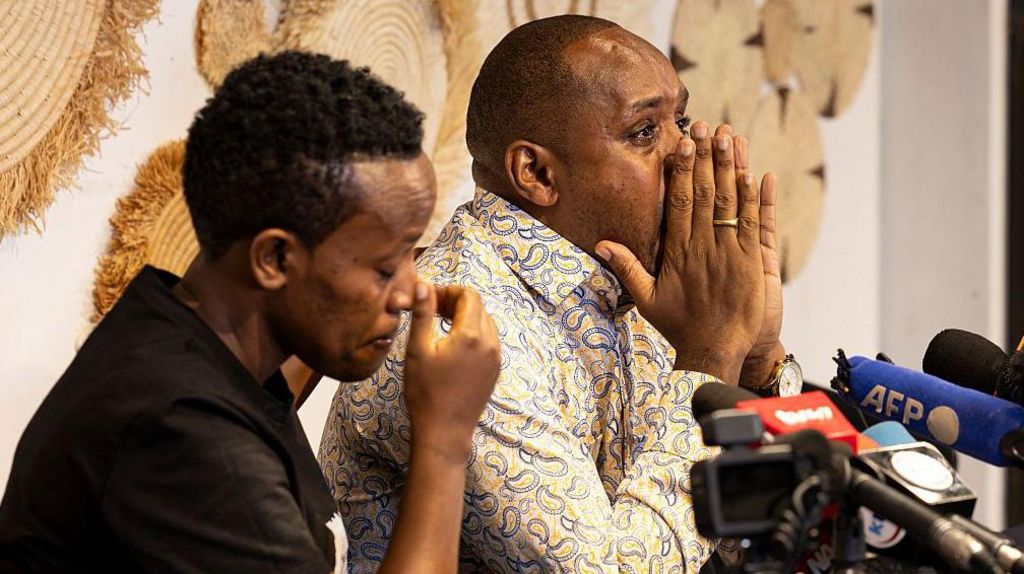
Mnangagwa first rose to power in 2017, when a military-backed coup ousted Mugabe, who had ruled the country for 37 years. Mnangagwa went on to win disputed presidential elections in 2018 and 2023, and the proposed changes now have opposition leaders sounding the alarm over what they call a calculated power grab. “This is a coup, a slow coup that is unfolding in Zimbabwe,” Tendai Biti, a veteran opposition figure and former finance minister who now leads the Constitution Defenders Forum, told the BBC.
Biti’s warning comes amid a growing crackdown on opposition voices ahead of parliamentary consideration of the bill, which is expected to pass in the coming weeks. The campaign to advance the changes first launched in 2024, with supporters rallying behind the slogan “2030 – he will still be the leader.” In the lead-up to recent public hearings held to gather public input on the draft legislation, Zimbabwean police banned more than a dozen opposition events aimed at organizing against the bill. Biti himself has been released on bail after being charged with holding an unauthorized public meeting. Last month, Lovemore Madhuku, leader of the opposition National Constitutional Assembly, said he was beaten by masked attackers while police stood by and did not intervene.
Tensions boiled over during the public hearings, which drew thousands of attendees to a Harare sports arena. While speaker after speaker voiced support for the bill and called for Mnangagwa to stay in office beyond 2028, chaos erupted when critics attempted to speak. Opposition lawmaker and lawyer Fadzayi Mahere told the BBC that Zanu-PF supporters instigated commotion, including pushing, shoving, physical fighting, theft of mobile phones, and forced deletion of footage of the unrest to silence opposing views. Zanu-PF spokesperson Patrick Chinamasa rejected the accusations, arguing that the ruling party has no need for violence because it holds majority public support, and instead blamed the opposition for the unrest, saying opponents refuse to accept that their views are not widely shared.
Zanu-PF officials have forcefully defended the proposed overhaul, framing it as a pragmatic, cost-saving reform that will reduce the political violence that has plagued popular presidential elections for decades. “There’s nothing that stops us to change, to go to another system that’s less costly, less controversial,” Chinamasa said, noting that electoral violence linked to direct presidential votes is not unique to Zimbabwe. He added that the changes are intended to preserve the political stability and ongoing economic development that the country has seen since Mnangagwa took office in 2018, and dismissed claims that the bill marks a permanent power grab, saying “When his time is up we will choose other leaders.” Zanu-PF also argues that the changes comply with the country’s 2013 constitution, claiming the two-term limit for presidents remains intact, and that only the length of each term is being adjusted, eliminating the need for a public referendum as required for term extensions.
But critics counter that the bill directly violates the 2013 constitution, a document that was the product of years of activism to curb executive power after Mugabe’s rule. The 2013 charter restricts presidents to two terms and explicitly requires any extension of term limits to be approved by voters in a public referendum, with a second separate referendum required if a sitting president wants to benefit from an extended term. Opposition leaders say the proposed changes roll back hard-won democratic gains and open the door to a complete elimination of term limits down the line. “If they can get away with two years what stops them from getting away with 20 years?” Biti said. Critics add that the changes would recreate the over-powerful “imperial presidency” that activists fought to end during Mugabe’s tenure, and that the shift to parliamentary presidential elections will entrench Zanu-PF’s permanent hold on power, as the party already controls a parliamentary majority.
Even within Zanu-PF, the proposal faced initial internal opposition, but the most prominent internal critic, Blessed Geza—commonly known by his nickname “Bombshell”—died earlier this year, clearing a path for the bill to move forward. The deep divide over the proposed amendments has laid bare the persistent polarization that defines Zimbabwe’s modern political landscape, pitting a ruling party that has held power for 44 years against an opposition that says the country is sliding back into the authoritarian patterns of the Mugabe era. “They are making the mistake that Mugabe made. That of closing [the democratic] space absolutely,” Biti said.
标签: Africa
非洲
-

Plan to scrap presidential elections puts Zimbabweans at loggerheads
-

Detained aid worker Joseph Figueira Martin freed in Central African Republic
After 22 months of detention on controversial national security charges, a foreign aid worker has been freed from custody in the Central African Republic (CAR), his family has confirmed to the Associated Press. Joseph Figueira Martin, a dual Belgian-Portuguese national working as a consultant for U.S.-based development organization FHI 360, was released from detention on Tuesday, according to his immediate family. His brother told reporters that early confirmation of the release is solid, and the freed aid worker was expected to touch down in Lisbon, Portugal’s capital, within hours of the announcement.
Figueira Martin was first taken into custody in May 2023, not 2024 as initially cited in some early official statements, during a security sweep in Zemio, a remote southeastern CAR town that has been trapped in chronic interethnic and anti-government violence for more than a decade. The CAR prosecutor’s office leveled serious allegations against the aid worker, including claims of espionage, unlawful collaboration with armed rebel factions, plotting to overthrow the sitting government, and endangering the country’s national sovereignty. Held in a maximum-security military prison, Figueira Martin previously launched a hunger strike to draw attention to poor and abusive conditions during his detention.
As of Tuesday evening, CAR’s presidential administration and national law enforcement bodies had not issued an official confirmation of the aid worker’s release, nor had they offered any public comment on the future of his outstanding legal case.
While cases of foreign aid workers being detained on national security charges remain uncommon in the country, the CAR government has ramped up regulatory and security scrutiny of international non-governmental organizations operating in conflict zones where state military forces are battling insurgent groups. In the wake of Figueira Martin’s arrest, national authorities issued a public warning that all foreign NGO personnel must avoid any activities deemed to threaten national security, or they would face formal legal prosecution.
The release comes amid more than a decade of ongoing instability in CAR, a resource-rich central African nation that plunged into full-scale civil conflict in 2013, when a coalition of mostly Muslim rebel groups seized the capital and ousted sitting president François Bozizé. The subsequent counteroffensive by mostly Christian anti-rebel militias spiraled into widespread ethnic violence that has killed thousands and displaced millions. A 2019 nationwide peace agreement between the government and major armed factions reduced large-scale clashes, but six of the 14 original signatory armed groups have since withdrawn from the deal, restarting insurgent activity across large swathes of the countryside.
Currently, CAR’s President Faustin-Archange Touadéra, who has held office since 2016, relies on military support from the Russian private mercenary group Wagner to hold off insurgent offensives and maintain government control over key national territory.
-

US still wants to deport Kilmar Abrego Garcia to Liberia, despite new agreement with Costa Rica
A high-stakes legal clash over immigration policy moved back into a Maryland federal courtroom this week, as U.S. government attorneys reaffirmed on Tuesday that the Department of Homeland Security (DHS) remains committed to deporting Salvadoran national Kilmar Abrego Garcia to Liberia — even after a new bilateral agreement with Costa Rica to accept migrants who cannot be safely returned to their home countries.
Abrego Garcia’s case has emerged as one of the most high-profile flashpoints in the ongoing national U.S. debate over immigration enforcement, rooted in a catastrophic administrative error by federal authorities last year. The 30-year-old, who has lived in Maryland for years, is married to a U.S. citizen and shares a child with her, and entered the country illegally as a teenager. Back in 2019, an immigration judge had already formally ruled that he could not be deported to his native El Salvador, citing documented threats against him and his family from a violent local gang that put his life at risk. Despite this court-ordered protection, immigration officials mistakenly deported him to El Salvador anyway in 2024.
Facing intense public backlash and a binding court order, the Trump administration ultimately arranged for Abrego Garcia to be returned to the U.S. in June 2024. But before his return, authorities secured a controversial indictment on federal human smuggling charges in Tennessee. Abrego Garcia has pleaded not guilty to all counts and has filed a motion to dismiss the criminal case entirely.
Since his return to U.S. soil, Abrego Garcia has been locked in a battle to block a second deportation, which DHS officials have proposed to a series of unnamed African nations. He has long argued that if deportation is ultimately required, he should be sent to Costa Rica, which has previously agreed to accept him under existing deportation protocols. However, Todd Lyons, acting director of U.S. Immigration and Customs Enforcement (ICE), pushed back against this proposal in a March internal memo, arguing that transferring Abrego Garcia to Costa Rica would be “prejudicial to the United States.” Lyons noted that the U.S. has already invested significant government resources and political capital in negotiating an agreement with Liberia to accept third-country deportees, making the West African nation the only acceptable destination.
U.S. District Judge Paula Xinis, who presides over the case, had previously barred ICE from detaining Abrego Garcia or moving forward with his deportation, arguing that federal authorities have never presented a viable, realistic plan to carry out the removal. Back in February, she criticized the agency’s sequence of proposals, dismissing them as “one empty threat after another to remove him to countries in Africa with no real chance of success.”
During Tuesday’s hearing, Ernesto Molina, director of the Department of Justice’s Office of Immigration Litigation, sparked pushback from the judge when he suggested that Abrego Garcia could simply “remove himself” to Costa Rica to resolve the impasse. Judge Xinis rejected that suggestion outright, calling the idea a “fantasy” — pointing out that Abrego Garcia remains facing active criminal prosecution in Tennessee, and cannot legally leave the jurisdiction while the case is pending.
Xinis has since set a formal briefing schedule for the legal dispute, with the next hearing in the case scheduled for April 28, as the court continues to sort through conflicting claims over the government’s deportation authority and the legality of its proposed plan.
-

Fifa starts disciplinary action over Spain v Egypt chants
International football governing body Fifa has launched formal disciplinary proceedings against the Royal Spanish Football Federation (RFEF) following reports of Islamophobic and xenophobic chanting from fans during an international friendly match between Spain and Egypt last month, according to a official statement from the global regulator. The ill-tempered match was held at Barcelona’s RCDE Stadium, where stadium screens had already posted pre-game warnings urging supporters to refrain from xenophobic language and discriminatory chanting. When the reminder was re-broadcast early in the second half, sections of the crowd responded with boos and jeers, highlighting ongoing tensions around discriminatory behavior in the sport. In the wake of the incident, the RFEF moved quickly to publicly condemn the anti-Muslim chants. Spain’s senior men’s national team head coach Luis de la Fuente also spoke out against the behavior, labeling the chants “intolerable” and arguing that bad-faith actors deliberately use football platforms to spread hate and carve out space for extremist views. Fifa confirmed the opening of disciplinary measures in an official media statement issued this week, marking the formal start of the governing body’s probe into the crowd unrest. Spanish law enforcement authorities had launched their own criminal investigation into the incident just one week prior, adding a parallel legal layer to the sports governance process. For its part, the Egyptian Football Association has decried the offensive chants as a “repugnant act of racism” that falls far below acceptable standards of global sporting conduct. However, the federation emphasized that the harmful actions of a small minority of fans would not damage the longstanding warm and cooperative relationship between the Egyptian and Spanish national football bodies. The friendly, which ended in a goalless draw, carried unintended consequences beyond the disciplinary fallout: the result led Spain, one of three co-hosts for the 2030 FIFA World Cup, to drop from the top position in the global men’s national team rankings published after the match. The incident has sparked renewed calls for stronger anti-discrimination enforcement across international football, with stakeholders calling for meaningful action to root out hate speech in stadiums. The case is expected to proceed through Fifa’s disciplinary process in the coming weeks, with potential sanctions ranging from fines to stadium restrictions for future Spanish national team matches.
-

Carnival fever hits Lagos as locals celebrate Afro-Brazilian heritage
On a bustling Monday this April, the streets of Nigeria’s Lagos Island transformed into a vibrant tapestry of color, sound, and celebration as the annual Fanti Carnival kicked off its 2026 iteration. For over two centuries, this beloved festival has turned Lagos’ central financial hub into a stage for cultural joy, drawing attendees from across the country and beyond to honor a unique shared history.
The roots of the Fanti Carnival stretch back to the 19th century, when hundreds of formerly enslaved Africans and their descendants chose to resettle on the African continent after generations living in Brazil and Cuba. Many of these Afro-Brazilian returnees put down roots on Lagos Island, bringing with them a rich tapestry of new cultural traditions, performance styles, and community practices that had evolved during their time in the Americas.
Over decades, these imported customs blended seamlessly with the longstanding cultural traditions of Nigeria’s majority Yoruba people, giving birth to a one-of-a-kind celebration that cannot be traced to either origin alone. As carnival organizers put it, the Fanti Carnival is “neither wholly Brazilian nor wholly Yoruba, but entirely its own.”
This year’s event lived up to its storied reputation, featuring a packed lineup of spectacles that wowed onlookers. Booming live musical performances echoed between island buildings, while elaborately costumed stilt walkers danced through crowds alongside ornately decorated horses and giant, vibrant dragon displays. Seven historic community associations, each rooted in a different neighborhood of Lagos Island, have carried the responsibility of organizing and sustaining the carnival for generations, with each group identifiable by its own distinct signature color palette. The Lafiaji association, for example, sticks to a iconic red and white color scheme that sets its participants apart during processions. One attendee even designed a custom eye-catching outfit emblazoned with the names of all seven organizations to honor their work.
For attendees, the carnival is far more than just a street party: it is a vital link to shared history that must be preserved for future generations. “I love the energy, the artistic splendour, the creativity” of the event, Glamour Sandra, a first-time attendee, told the Associated Press on the sidelines of the parade. Longtime participant Ademola Oduyebo emphasized the cultural importance of the annual gathering, noting: “It is important that we preserve this, so that… generation after generation everybody will get to understand the importance of this and how Brazilians and Lagos came to be.”
That commitment to intergenerational transmission was on clear display Monday, as dozens of children and teenagers joined the processions, decked out in handcrafted creative costumes that reflected the event’s traditions. After days of celebration wrapping up this week, organizers have already confirmed that the beloved festival will return to Lagos Island next April, continuing a legacy that has endured for more than 200 years.
-

Ringleader of suspected human trafficking network arrested in Ethiopia
In a landmark cross-border law enforcement operation, Ethiopian federal police have announced the capture of Yetbarek Dawit, the man accused of leading a brutal transnational human trafficking network that preyed on thousands of migration hopefuls across East Africa for nearly eight years. Dawit, who has not yet issued a public response to the allegations against him, was apprehended alongside nine suspected accomplices in Shire, a northern town located in Ethiopia’s Tigray region near the borders of Eritrea and Sudan. None of the 10 detainees have been formally charged in court as of the latest updates.
Authorities allege that since 2018, Dawit’s criminal organization lured more than 3,000 primarily young migrants from six East African nations — Djibouti, Eritrea, Ethiopia, Kenya, Somalia and Sudan — with false promises of safe passage to Europe via Libya. Once the migrants arrived in Libya, the network confined them in five purpose-built detention warehouses run by Dawit, where they systematically subjected captives to extreme violence and abuse to extort additional ransom payments from their families back home.
Investigative testimonies collected from more than 100 survivors and their families spanning six countries (Ethiopia, Libya, the Netherlands, Switzerland, the United Kingdom and Canada) have linked the network to the deaths of over 100 migrants and the sexual abuse of more than 50 women. Survivor accounts detail horrific conditions inside the warehouses: captives who could not meet ransom demands were fed only once daily, and endured torture methods including beatings with rubber clubs, wooden sticks and electric wires, prolonged chaining of hands and feet, and burns from melted plastic dripped onto their skin. Women held captive were systematically subjected to sexual violence that left lasting physical and psychological trauma, authorities confirmed.
Law enforcement officials note that Dawit, who is wanted by law enforcement agencies across multiple countries, used a network of aliases to evade capture for years: he went by “Adhanom” in Sudan, “Ahmed” in Djibouti and Somalia, “Munir” in Kenya, and “Kibrom” in Sweden and other European nations. Investigators ultimately combined advanced tracking technology, witness testimonies, and cross-border collaboration to pinpoint his location in Shire. Following the arrest, authorities froze all bank accounts linked to Dawit and his co-conspirators, and seized all real estate and assets tied to the criminal group.
The successful operation was the culmination of a complex, months-long cross-border investigation led in partnership with the Regional Operational Centre (Rock), an East African anti-smuggling initiative funded by the European Union that was created specifically to disrupt transnational human smuggling and trafficking networks operating in the region. Official arrest photos of the suspects — seven men and three women — have been publicly shared on the Ethiopian Federal Police official Facebook page. Following their capture in Tigray, all 10 suspects were transferred to Ethiopia’s capital Addis Ababa on Monday for ongoing judicial processing. Ethiopian police estimate the criminal network generated more than $19 million (roughly £14 million) in illicit profits from its years of trafficking and extortion activities.
-

Thousands flood Lagos’ vibrant Fanti Carnival to celebrate Afro-Brazilian heritage
LAGOS, Nigeria — Against the bustling backdrop of Nigeria’s coastal megacity Lagos, thousands of celebrants from across the region packed the streets this year for the long-standing annual Lagos Fanti Carnival, a vivid cultural celebration honoring the unique Afro-Brazilian legacy of the Aguda community—descendants of formerly enslaved people who resettled in West Africa from Brazil in the 19th century.
In recent years, the vibrant gathering has been held during the Easter season, and has grown to become one of West Africa’s most high-profile cultural festivals, drawing comparisons to Brazil’s world-famous Rio Carnival, the largest public celebration on the globe.
The roots of the carnival stretch back to the arrival of the returning formerly enslaved people, the majority of whom made their new homes in Lagos alongside the city’s existing Yoruba community. Rather than abandoning the cultural traditions they adopted during their time in Brazil, these returnees wove Brazilian and Portuguese cultural practices into their daily lives, leaving enduring marks on local music, cuisine, architecture, religious traditions and social customs. Over generations, this blended cultural identity gave rise to the Fanti Carnival that continues to draw crowds today.
For long-time attendees, the carnival is far more than a street party—it is a critical act of historical preservation for Lagos. “If you know the history of Lagos, you will understand how this carnival is important to the city and its history,” shared Ademola Oduyebo, a first-time attendee this year. “It is important that we preserve this for our children.”
This year’s celebration, held under the official theme “A Homecoming of Heritage”, culminated in a grand procession where community groups from across Lagos marched to the iconic Tafawa Balewa Square in the city center. The procession included Aguda descendants of all age groups, reflecting the intergenerational bond of the community’s shared history.
Revelers turned out in eye-catching, culturally rooted attire that nodded to their blended Afro-Brazilian identity: many danced on foot in vibrant patterned costumes, while others paraded through the streets on horseback. Artists and performers from across the continent wore elaborate ensembles adorned with handcrafted beads and flowing feathers, and some participants decorated their bodies with bright, symbolic body paint, all moving to the hypnotic beat of traditional Yoruba rhythms.
Glamour Sandra, a frequent attendee who has also joined Rio Carnival celebrations in Brazil, says the Lagos event holds a special place on her annual calendar. “I love the energy, the artistic splendor that they create,” she said of the Fanti festival.
Unlike large national-scale festivals, the Fanti Carnival remains deeply rooted in local community leadership: community associations representing the original Aguda settlements play a central role in organizing the event every year, ensuring the celebration stays true to its historical and cultural origins.
-

Dozens killed as Angola flood death toll rises
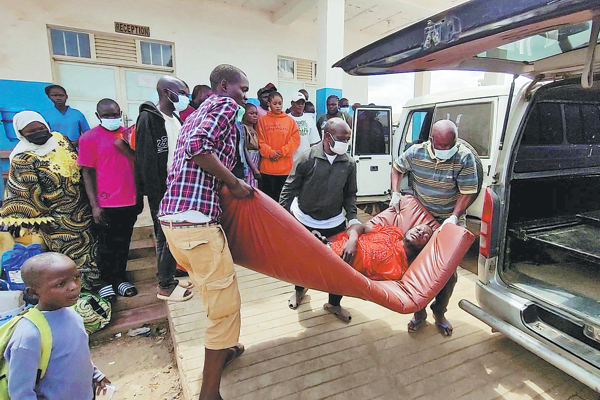
Torrential downpours sweeping across Angola have triggered catastrophic flooding that has claimed dozens of lives, displaced tens of thousands of residents, and caused widespread destruction of critical infrastructure across multiple regions of the southern African nation.
As of the latest official updates from Angola’s Civil Protection and Fire Service (SPCB), the disaster has already left at least 29 people confirmed dead in the hardest-hit areas: the capital city of Luanda and the central provincial hub of Benguela. Of these confirmed fatalities, 23 were recorded in Benguela, with another six lives lost in Luanda. An additional 17 people have been injured by flood-related hazards, ranging from collapsed structures to falling debris. Local broadcaster Radio Solidária has since added four more fatalities recorded in Cuanza-Sul province, pushing the total national death toll to 33.
More than 34,000 people across the country have been directly impacted by the disaster, with thousands forced to evacuate their damaged or destroyed homes. Widespread flood damage has extended beyond residential properties to cripple key public infrastructure: roadways have been washed out, bridges damaged, and utility lines toppled by floodwaters and saturated soil. A particularly critical disruption occurred when a pillar of the Hâlo River bridge collapsed, cutting off the primary transportation link between Benguela and Huambo provinces, complicating emergency response efforts in the region.
Angolan President João Lourenço has publicly mourned the lives lost to the disaster, emphasizing that the nation is now in a urgent “race against the clock” to locate missing residents, extract trapped people from flood zones, and deliver urgent medical care and emergency aid to all those affected. In an official statement from the presidency, Lourenço confirmed that extensive damage has been done to housing, transportation networks, and core public utilities including potable water systems. He added that all relevant state agencies have been fully mobilized to coordinate relief efforts and deliver support to displaced and affected residents.
While intense seasonal rainfall is a common occurrence across southern Africa during the annual rainy season, the frequency and severity of deadly flood events has grown in recent years. Neighboring countries Namibia and Zambia have both experienced fatal flood disasters in recent years, and Angola itself faced a similarly catastrophic flood event in 2023, when severe flooding across 15 of the nation’s 18 provinces killed 30 people and impacted more than 116,000 Angolan residents.
-

Cameroon says Russia has confirmed 16 Cameroonian soldiers died in Ukraine
YAOUNDE, Cameroon – In an official confirmation that shines new light on the ongoing trend of African citizens being drawn into Russia’s military campaign in Ukraine, Cameroon’s foreign ministry has acknowledged that 16 of its soldiers have been killed while deployed in the war zone, according to a formal notification submitted to Russia’s diplomatic mission in Yaounde this Monday. The government statement confirms that the 16 Cameroonian service members died while operating in the area designated by Moscow as its special military operations zone, and authorities have already initiated required protocols to reach out to the deceased soldiers’ next of kin. On the same day, the ministry issued a separate, public call for the families of six other Cameroonian citizens currently residing in Russia to report to its headquarters for urgent, unspecified discussions related to their loved ones, with no additional details released about the status of these six individuals. This confirmation comes 15 months after Cameroon’s top defense official ordered military commands across the country to enforce strict emergency protocols to crack down on growing numbers of active and retired Cameroonian soldiers leaving the country to enlist in foreign conflicts. The development is far from isolated. Ukrainian officials estimate that more than 1,700 African citizens have been recruited to fight alongside Russian forces, and multiple African governments have documented cases of their people being deceived into joining the war effort through false promises of high-paying jobs or specialized professional training. Just this year, an intelligence brief submitted to Kenya’s national parliament detailed that roughly 1,000 Kenyans were lured to Russia with fake job offers, only to be redirected to frontline combat positions against Ukraine. Earlier this April, Ukraine’s intelligence service announced that two Nigerian citizens had been killed in late 2023 while fighting under Russian command. A 2024 independent investigation by The Associated Press further uncovered that African women have also been targeted for deception: lured through social media advertisements marketing study and work opportunities, they were instead sent to Russian facilities to assemble attack drones intended for use against Ukrainian forces. This pattern of deceptive recruitment has put Moscow in a difficult position amid its ongoing military manpower needs in Ukraine, while leaving dozens of African families grappling with the loss or disappearance of their loved ones thousands of miles from home.
-

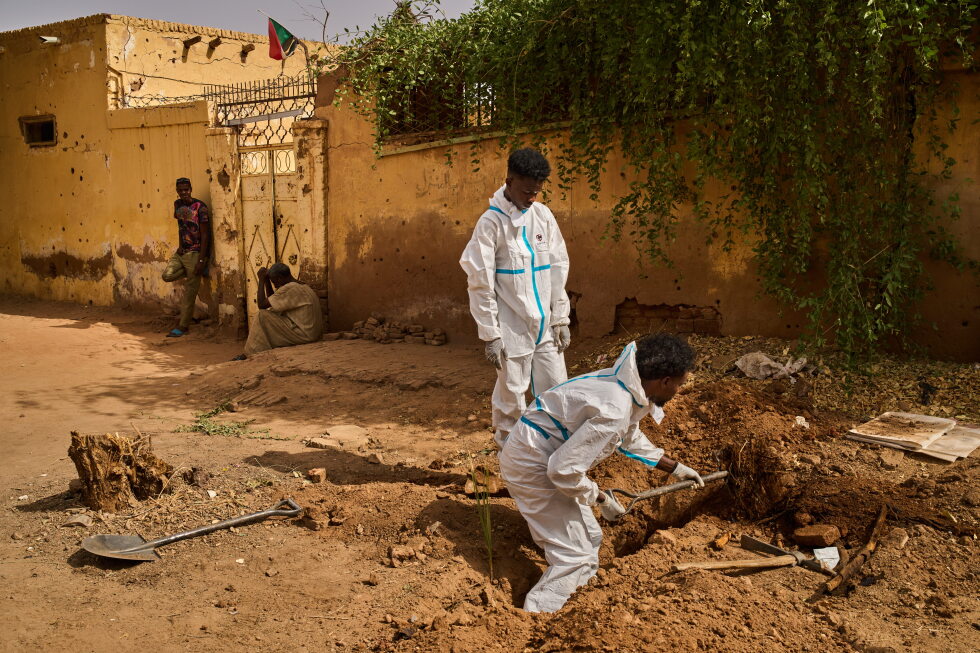
Sudan drone attacks endanger civilians, strain aid response: UN
As Sudan’s brutal internal conflict approaches its third year, United Nations humanitarian officials have issued a stark warning that escalating drone attacks are killing growing numbers of civilian non-combatants, destroying critical public infrastructure, and pushing an already catastrophic humanitarian crisis to new depths.
In its latest public briefing, the UN Office for the Coordination of Humanitarian Affairs (OCHA) confirmed that drone strikes have increasingly targeted densely populated civilian areas and healthcare facilities — core protected sites under international humanitarian law — severely limiting local communities’ access to life-sustaining essential services.
One of the deadliest recent incidents took place last Thursday in Sudan’s White Nile State, where a drone attack on Al-Jabalain Hospital left 10 health workers dead and 22 more injured, according to on-ground reports. The strike forced an immediate shutdown of most medical operations at the facility, leaving tens of thousands of local residents without access to routine and emergency care.
In a weekend social media statement, Tom Fletcher, UN Under-Secretary-General for Humanitarian Affairs, reiterated the global body’s demand for full protection of medical personnel and facilities. He emphasized that binding international humanitarian law mandates unwavering safeguards for healthcare systems operating in conflict zones. OCHA officials added that the Al-Jabalain Hospital attack is not an isolated incident, but part of a sustained pattern of violence against healthcare across Sudan.
Data from the World Health Organization, verified over the course of the nearly three-year conflict, confirms more than 200 documented attacks on healthcare facilities across the country that have killed over 2,000 people. Just in the first three months of 2026 alone, 13 verified attacks have left 184 people dead and nearly 300 injured.
Another deadly strike hit civilian areas last Wednesday in Blue Nile State, where drone bombings targeted a public market in the village of Balila and surrounding communities, killing seven civilians according to initial reports.
Beyond direct casualties, the rapidly escalating insecurity has triggered a new wave of forced displacement. Data from the International Organization for Migration shows that between mid-February and late March 2026, more than 10,000 people fled their homes in Kurmuk locality, with a large share crossing the border into neighboring Ethiopia to seek safety.
Displaced families that have relocated to Blue Nile’s state capital Ed Damazine currently face acute shortages of food, medical care, and safe shelter, OCHA reports. Vulnerable groups including women and children are at drastically increased risk of gender-based violence and exploitation, while humanitarian aid groups still face major barriers to reaching affected communities in the region.
Despite the mounting operational and security challenges, UN humanitarian agencies say they have not suspended life-saving work across the country. The UN Sudan Humanitarian Fund has allocated nearly $200 million to deliver critical assistance to approximately 4 million vulnerable Sudanese people to date.
As the conflict marks its third anniversary, OCHA also noted that more than 1.6 million people have chosen to return to Sudan’s capital Khartoum in recent months, even though unexploded ordnance and widespread damage to public infrastructure continue to pose severe daily risks to returnees. In response, UN agencies are expanding their operational footprint in the capital, including reopening offices that have been closed since the outbreak of fighting in 2023.
Stephane Dujarric, chief spokesperson for UN Secretary-General Antonio Guterres, told reporters that Pekka Haavisto, Guterres’ personal envoy for Sudan, is currently conducting a series of diplomatic engagements across the region aimed at de-escalating hostilities and protecting civilian populations. Currently based in Nairobi, Haavisto recently held talks with Mohamed Hamdan Dagalo, commander of the paramilitary Rapid Support Forces, following separate negotiations last week with Abdel Fattah al-Burhan, Sudan’s army chief and president of the Transitional Sovereign Council.
Dujarric confirmed that the diplomatic meetings provided a constructive space for dialogue, with all parties exploring tangible, practical pathways to reduce violence and protect civilians. All negotiating parties expressed their willingness to cooperate with the United Nations’ mediation efforts, the spokesperson added.
“This is encouraging and must swiftly translate into concrete progress towards ending the suffering of all Sudanese people, once and for all,” Dujarric said. He also confirmed that Denise Brown, the UN Resident and Humanitarian Coordinator for Sudan, has returned to Khartoum alongside a core operations team to scale up aid delivery, even as most OCHA staff remain based in Port Sudan for security reasons. Multiple UN agencies have now resumed operations in Khartoum after three years of closure.
“As the three-year mark of hostilities in Sudan approaches, we reiterate our call for the protection of civilians and civilian infrastructure, including health facilities, an immediate cessation of hostilities, and rapid, safe, unimpeded and sustained humanitarian access,” Dujarric said. He added that the international response is currently hampered by a severe critical funding gap: Sudan’s 2026 Humanitarian Needs and Response Plan, which requests $2.9 billion to assist more than 20 million vulnerable people across the country, is only 16 percent funded, with just $465 million received by aid organizations to date.