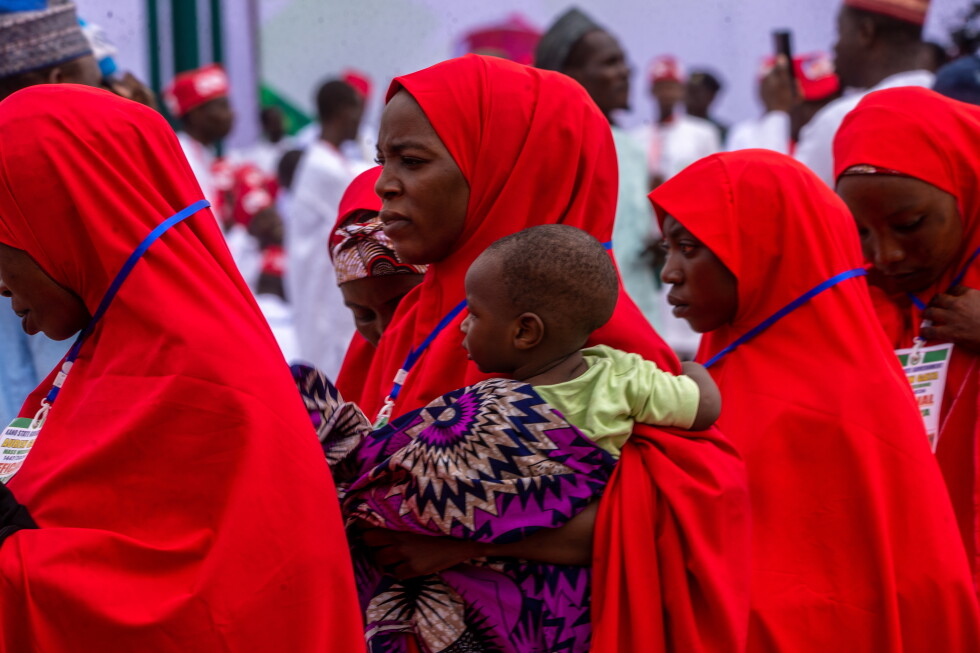
In the heart of Kano, Nigeria’s most populous northern state, a weekend of collective celebration has opened the door to fresh beginnings for 1,500 couples, many of whom have carried grief, economic hardship, and social vulnerability for years. For Haruna Bashir, one groom participating in the state-organized event, the mass wedding was far more than a traditional ceremonial gathering—it was a long-awaited turning point after unfathomable tragedy earlier this year, when a brutal attack claimed the lives of his first wife and all six of his children.
Organized by Kano State Governor Abba Kabir Yusuf, the two-day event unfolded across all 44 of the state’s local government areas simultaneously, marking the second mass wedding initiative launched under Yusuf’s administration, which took office in 2023. The program was crafted to target vulnerable groups: widows seeking to remarry, young women from low-income backgrounds, and people like Bashir who lost their families and needed support to rebuild their lives. Unlike traditional weddings in the region that often impose crippling financial burdens on couples and their families, this state-led effort covers most core costs and provides direct financial support to help new households get started.
Sheikh Aminu Ibrahim Daurawa, commander-general of the Kano State Hisbah Board, which coordinated the logistics of the ceremony, shared that Bashir had isolated himself from community life after his tragic loss, but the wedding has pulled him back toward connection and normalcy. Daurawa added that every participating couple completed mandatory pre-wedding screening, counseling, and fulfilled all religious and legal requirements before the event to ensure long-term compatibility and compliance with local norms.
Each bride received 200,000 naira, equal to approximately $145, which serves both as a formal dowry and startup capital for a small independent business. Couples also went home with essential household goods, including beds, mattresses, blankets, linens, and rugs—foundational items many would have been unable to afford on their own.
Governor Yusuf framed the initiative as a deliberate, bold social intervention designed to restore hope and foster dignified family life across the state. “This program is not just about helping people who cannot afford to marry on their own,” he explained. “It is about strengthening family units and advancing social stability across Kano.” The mass wedding forms part of a broader slate of social welfare policies that Yusuf has prioritized since taking office in 2023, all aimed at reducing economic hardship for vulnerable residents.
The ceremony concluded with prayers from Kano Chief Imam Prof. Sani Zahraddeen, who asked for divine guidance, blessings, and lasting peace for every new household. Many beneficiaries have already spoken publicly about their gratitude for the opportunity to start over with dignity. For Malama Ainau Mudi, a 38-year-old widow who had been unmarried for four years after her first husband’s passing, the day marks an unforgettable new chapter. “Today’s date will never be forgotten in my life,” Mudi said. “My husband died four years ago, and today I wed my new husband whose love and caring will ease my years of being a widow.”
Mass wedding programs have a long history in Kano, a major center of Islamic culture in West Africa, where successive state administrations have embraced the practice as a tool to support widows, divorcees, and low-income young women. The initiative arrives at a critical moment, as northern Nigeria grapples with soaring inflation and rising costs of living that have made marriage unobtainable for thousands of vulnerable households.
Social welfare experts have praised the program for addressing a pressing social need, while noting that long-term impact will require complementary support. Dr. Musa Abdullahi, a university lecturer specializing in social welfare, explained that removing economic barriers to marriage can meaningfully boost family stability for marginalized groups, but lasting change depends on pairing wedding support with broader economic and social development programs. Even with that caveat, for the 1,500 couples who crossed this threshold this weekend, the program has already delivered life-changing change: for people who thought they would never get a second chance at happiness, the mass wedding has turned that hope into reality.