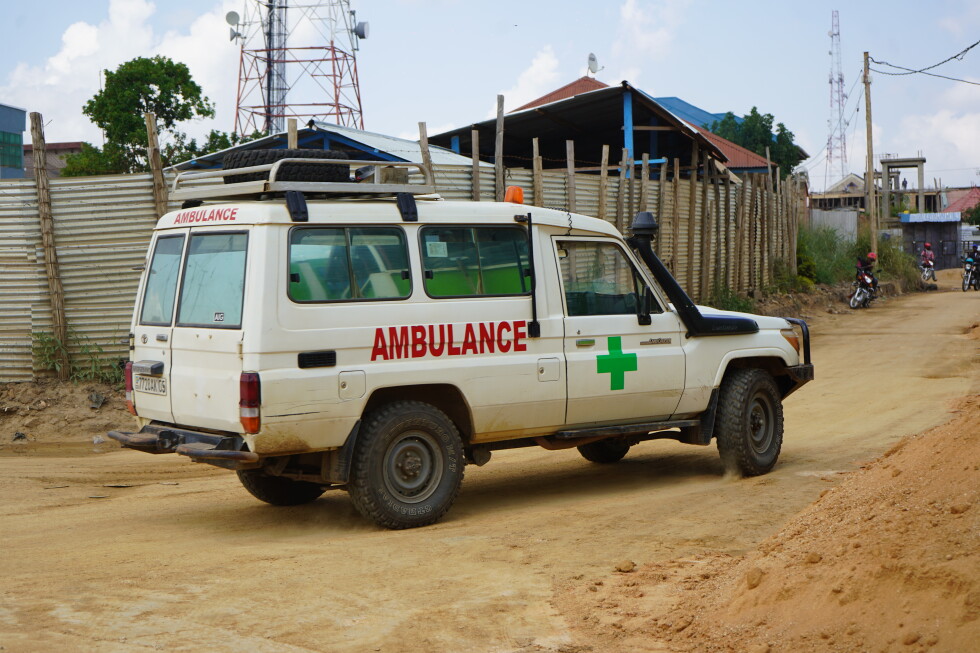
NAIROBI, Kenya — Tensions have escalated in East Africa after Kenyan civil society groups accused national authorities of deliberately flouting a court order to activate an American-supported Ebola quarantine facility, following confirmed reports that U.S. personnel evacuated from the Democratic Republic of the Congo are already isolated in the country. The controversy comes amid an ongoing deadly Ebola outbreak in eastern DRC that has already claimed more than 900 lives, reigniting fierce debate over public health risk and rule of law in Kenya. The two-month-old outbreak in DRC has recorded 2,344 confirmed infections to date, with a death toll climbing to at least 930, according to official data. To manage risk for U.S. citizens responding to the crisis, Washington backed a plan to quarantine evacuated American workers in Kenya, a stable U.S. ally hundreds of miles east of DRC with no confirmed Ebola cases of its own to date. U.S. humanitarian organization Samaritan’s Purse, which runs two Ebola treatment centers in the DRC towns of Bunia and Nyankunde, confirmed over the weekend that seven of its American staff, deployed to the outbreak front lines, are currently serving a 21-day quarantine period in large military tents in Kenya. The group emphasized none of the personnel have developed any Ebola symptoms so far. While the organization declined to disclose the exact location of the quarantine site, local Kenyan media has identified Laikipia Air Base, a military installation located roughly 115 miles north of the capital Nairobi, near the town of Nanyuki, as the intended site for the U.S.-backed facility. Local residents in Nanyuki have already held multiple demonstrations against the planned quarantine center, and two civilians have lost their lives in clashes that broke out when protests turned violent. As of Monday, neither Kenya’s Ministry of Health nor the U.S. State Department had responded to repeated requests for comment on the reports of quarantined Americans. Officials at Laikipia Air Base also could not be reached for a statement. The U.S. government has committed $13.5 million to support Kenya’s national Ebola preparedness programming, and Kenyan President William Ruto has publicly defended the planned quarantine facility as a core component of the bilateral public health partnership between the two nations. Ruto added that U.S. funding will also support the construction of 24 additional regional Ebola preparedness centers across Kenya. But the project hit a legal block last month, when Kenya’s high court issued a formal order barring the facility from being opened or operationalized. Kenyan Health Minister Aden Duale subsequently issued a formal order suspending all construction work on the site. The court order stemmed from a legal petition filed by two Kenyan civic groups — the Law Society of Kenya and constitutional advocacy organization Katiba Institute. The petitioners argued that hosting a quarantine for at-risk Americans evacuated from the DRC outbreak posed an unacceptable threat to Kenya, noting that the country’s already overstretched public health system could be completely overwhelmed if a local outbreak were to occur. Following the emergence of reports that Americans are already being quarantined in violation of the court order, leaders of the civic groups are demanding accountability. Nora Mbagathi, chief executive of the Katiba Institute, told the Associated Press that the activist community is deeply alarmed by the new reports. “Should any Kenyan government official be involved in this ongoing operation, they have completely betrayed the public trust and must be held personally accountable,” Mbagathi said. In its own official statement to the AP on Monday, the Law Society of Kenya called any deliberate violation of the court order a clear act of “impunity and lawlessness.” In his statement on the quarantine, Samaritan’s Purse President and CEO Franklin Graham confirmed additional details of the operation: the quarantined staff are housed in large military tents within a secured fenced gravel compound, sleep on military cots, and receive all meals from the U.S. military. Graham has not responded to repeated questions asking why the quarantine is active in Kenya despite the formal court order halting the project.
标签: Africa
非洲
-
West Africa signs off $25bn mega gas-pipeline plan
After nearly 10 years of diplomatic negotiations and technical planning, one of Africa’s most ambitious cross-border energy infrastructure projects has cleared its final major political hurdle. West African regional leaders gathered in Freetown on Sunday to formally sign off on the Nigeria-Morocco Atlantic Gas Pipeline, a transformative initiative that experts say could reconfigure the continent’s energy economy and strengthen Africa’s position in global energy markets.
“Don’t be surprised when the gas comes your way,” Julius Maada Bio, Sierra Leone’s president and current chair of the Economic Community of West African States (ECOWAS), joked following the endorsement ceremony, reflecting the widespread optimism among participating nations for the long-awaited project.
Stretching 6,000 kilometers along Africa’s Atlantic coast, the massive pipeline will traverse the territory of 14 African countries. It will carry natural gas from Nigeria — home to Africa’s largest proven natural gas reserves — north to Morocco, where it will connect to existing European gas infrastructure via a link to Spain. If executed according to plan, the pipeline will transport up to 30 billion cubic meters of natural gas annually, serving more than 400 million consumers across West Africa, North Africa and Europe, and ranking among the longest offshore gas pipelines in the world.
Construction is currently scheduled to break ground in 2028, with an estimated total price tag of $25 billion. Unlike the existing Trans-Saharan Gas Pipeline that crosses the Sahel region through Niger and Algeria, the Atlantic coastal route avoids the Sahel’s most politically unstable and insecure areas, though extensive offshore construction drives up the project’s overall costs.
Energy analysts and African academics frame the pipeline as a break from the exploitative energy model that has long defined resource extraction on the continent. For decades, African gas has typically been extracted locally, shipped abroad for processing, then sold back to African nations at markups of 300% to 400%, Charles Majomi, an energy expert and former advisor to the Nigerian government, explained to BBC Focus on Africa. That cycle, he argues, devalues the abundant natural resources that African nations are endowed with, and it must end.
When leveraged strategically, proponents argue the pipeline will deliver far-reaching benefits beyond simple energy export. It will stimulate regional industrial development, expand access to affordable energy for domestic consumers, and strengthen Africa’s negotiating power in global energy forums. “In terms of Africa’s regional security and its ability to negotiate and have a seat at the global table, if you will, it does need this measure of usefulness to countries in Europe and Asia potentially,” Majomi noted.
Beyond energy security, the project will position West Africa as a strategic energy corridor connecting global supply and demand, according to Professor Ganiyat Adejoke Adesina-Uthman of the National Open University of Nigeria. She called the project a powerful symbol of what African nations can accomplish through cross-border collaboration.
For nations across the Atlantic coast that currently rely on overpriced imported fuel, the pipeline will open new opportunities to build domestic power generation facilities, fertiliser production plants, petrochemical facilities and manufacturing hubs, driving inclusive economic growth across the region. For Nigeria, the project unlocks a clear path to monetise its vast untapped gas reserves while strengthening economic and political ties between West and North Africa.
Sunday’s agreement establishes the formal legal and governance framework for the project, clearing the last major political barrier before moving forward with financing and construction planning. First proposed in 2016, the initiative has now advanced further into political and technical development than at any previous point. To reduce initial risk, the project will be built in sequential phases rather than all at once, with construction starting along the Morocco-Mauritania-Senegal corridor first, before extending east to Ghana and Côte d’Ivoire, and finally connecting to Nigeria to begin gas flows.
Feasibility and front-end engineering design studies are already complete, and the pipeline’s route has been agreed by all participating parties. Still, major obstacles remain before construction can begin. The $25 billion cost projection could rise due to ongoing global inflation, and securing the 6,000-kilometer route across 14 jurisdictions will require coordinated security efforts from all member states, including the use of drone surveillance and engagement with local host communities to prevent attacks on infrastructure. Analysts also note that competing export projects, including existing liquefied natural gas (LNG) initiatives and the alternative Trans-Saharan Gas Pipeline, could draw investment away. Long-term uncertainty also remains around European gas demand, as the continent accelerates its transition to renewable energy sources.
Despite these challenges, proponents remain upbeat about the project’s long-term potential. “Nigeria has the gas and there’s market access from Morocco to Europe. It’s not just extracting energy, it will lead to access to clean energy for many countries with Morocco as a gateway,” Adesina-Uthman said. “It will also create industries, job opportunities and ultimately a global market. It’s not just for regional integration but a global project.”
The project is jointly led by Nigeria’s state oil company and Morocco’s national mining body, with support from regional and international institutions including ECOWAS, the Islamic Development Bank and the OPEC Fund for International Development.
-
Dozens feared dead in another Nigeria boat disaster but why do they keep happening?
For millions of rural Nigerians, winding rivers and sprawling waterways are not just geographical features—they are lifelines. With crumbling overland roads, few bridges, and remote villages tucked along riverbanks, rickety, aging wooden boats are often the only option to reach markets, attend family gatherings, or connect to the outside world. But this reliance on water transport comes at a devastating, recurring cost: a steady stream of preventable capsizings and sinkings that have left thousands dead and countless families shattered.
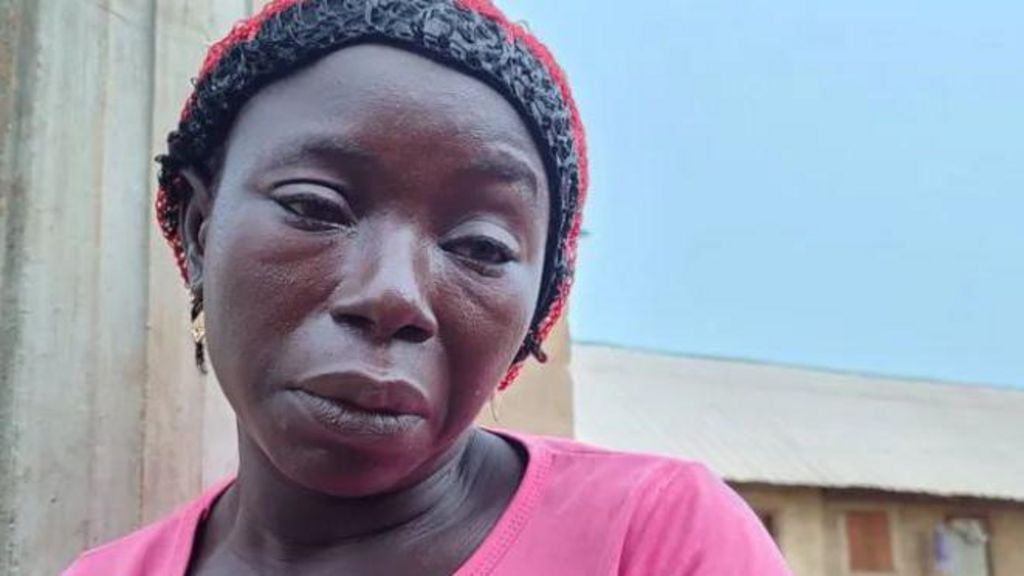
Three years ago in Kwara State, Aisha Mohammed endured a loss no parent should ever face: she lost three of her daughters in a boat disaster that claimed more than 100 lives. Her grief is far from unique. Just this past Sunday, a wooden canoe carrying 40 people—most of them female farmers and laborers—capsized in Jigawa State, where search-and-rescue teams have recovered seven bodies so far and continue to hunt for survivors. The tragedy is the latest in a string of fatal incidents this year alone: last month, 12 people, including a pregnant woman and six children, died in a wreck on the Central Nigerian River Benue; earlier in 2026, 14 people returning from a wedding procession in Kebbi State lost their lives when their boat overturned. To date, more than 55 Nigerians have died in boat accidents in 2026, with dozens of bodies still missing from submerged vessels.
For survivors of past tragedies, the pain never fades. Isiyaka Bello, a Kebbi State resident, still carries the fresh wound of losing his wife last year. She was returning from a village market when her boat sank, killing her and eight other passengers. “It seems like just yesterday. She left behind four children, and I am still struggling to adjust to raising them on my own,” Bello told reporters. “Whenever I pass by a large body of water, all I think about is her.”
The root causes of Nigeria’s water transport crisis are well-documented, and all point to systemic failure rather than random bad luck: chronic overcrowding, structurally unsound vessels, and near-total failure to enforce even the most basic safety regulations, such as mandatory life jacket use. After every high-profile tragedy, government officials vow to crack down on unsafe practices and improve infrastructure—but years of broken promises have left waterways just as dangerous as ever.
Mallam Sala Altine holds the traditional title of Sarkin Ruwan Shiroro, tasked with overseeing safety on Shiroro Lake in Niger State, a region that has seen some of Nigeria’s deadliest boat disasters. The Niger River, Africa’s third-longest waterway, cuts through the state that shares its name, fed by dozens of smaller tributaries that create a vast, high-risk network for passenger transport. Between 2023 and 2025, Nigeria recorded nearly 860 boating-related deaths nationwide, with Niger State accounting for a disproportionate share—one report counted 253 fatalities in the state between June 2023 and August 2025 alone.
Altine says the core problem is simple: a crippling shortage of life-saving equipment, despite repeated government pledges to deliver supplies. “Our boats usually carry well over 100 passengers. But most of the time, we can only provide life jackets for 10 people, or even fewer, because we simply don’t have enough,” he explained. “We want to make it a rule that everyone who boards a boat must wear a life jacket. But we can’t enforce it because we don’t have any to give them.” After one 13-fatality accident, the government promised a large shipment of new life jackets, Altine recalled, but only a tiny number ever arrived. “It breaks my heart to see passengers boarding boats without any protection,” he said.
Local safety advocates frame the recurring deaths as entirely preventable. “These are not acts of fate. They are the predictable consequences of systemic negligence,” one local observer noted.
But government officials push back on that narrative, arguing that cultural resistance to safety measures also plays a role. Ibrahim Husseini, director of information at Niger State’s National Emergency Management Agency, says the government regularly distributes life jackets, but many lifelong riverine residents refuse to wear them, saying they do not need the equipment or find it uncomfortable. “We have people who are born and raised in riverine communities who take it for granted that this is the life they are used to,” Husseini told the BBC. “Sometimes it is difficult to force them to wear life jackets.”
This dynamic disproportionately puts women at risk: while many men in riverine communities learn to swim from childhood, far fewer women have the same training, making them far more likely to die if a boat capsizes. Yet women are also the group most likely to rely on water transport to travel to markets and attend large family events like weddings.
After a particularly deadly 2025 disaster in Niger State that killed 32 passengers, the National Inland Waterways Authority (Niwa) reaffirmed a national mandate requiring all passengers to wear life jackets, and banned commercial boats from picking up passengers outside of officially registered, approved docking areas. But these rules are not new—they were first written into Nigeria’s 2023 Water Transport Code—and they are almost never enforced across most of the country.
Timothy Iwuagwu, president of the Institute of Safety Professionals of Nigeria, says weak enforcement is the core of the crisis. “Any regulation is as good as its implementation,” Iwuagwu explained. Beyond missing life jackets, he pointed to a widespread lack of formal training and licensing for boat operators: most local vessel pilots have no formal education in reading water conditions, from tides and currents to hidden hazards, and operate without official approval. Overcrowding is also rampant, he added, with no clear markings of maximum passenger capacity on most vessels. Even when life jackets are available, Iwuagwu noted, they are often low-quality, and passengers rarely receive instruction on how to wear them correctly.
Last year, the federal government announced a plan to phase out traditional wooden boats, which are often decades old, structurally unsound, and never receive major repairs. Iwuagwu supports the long-term goal of replacing wooden vessels but says immediate action to enforce existing safety rules is far more urgent. He also called for safety professionals to be directly involved in designing and rolling out water safety policy, a step the government has not yet taken.
One proposed intervention—stationing water marshals at terminals to stop overloading and enforce safety rules—has had little impact to date, because there are not enough marshals to cover the thousands of informal docking points across the country. A further hidden hazard clogs many Nigerian waterways: thousands of sunken tree stumps left behind by decades of unregulated logging. At low tide, the stumps are visible, but when water levels rise, they disappear beneath the surface, where they can slice through boat hulls and cause vessels to capsize. Husseini blames poor dredging and maintenance for the problem, noting that removing submerged tree debris falls under Niwa’s jurisdiction, not state governments, and the national authority has failed to address it.
Federal officials acknowledge the scope of the crisis. “The time has come for a decisive break from outdated practices,” Nigeria’s Minister of Marine and Blue Economy Adegboyega Oyetola said late last year, after a nine-fatality accident on Sokoto State’s Jaranja River. “Wooden boats have served their time, but they cannot be the future of water transport in Nigeria. The tragic mishaps we continue to witness are a direct consequence of the continued reliance on unsafe vessels.” Oyetola said the ministry has distributed thousands of life jackets to riverine states and mandated their use, but added that “life jackets alone cannot guarantee safety without safe boats.” He has called on state governments to encourage operators to switch to stronger, more durable fiber and aluminum vessels, which are far safer than traditional wooden craft.
There is already proof that systematic reform can drastically reduce fatalities. In Lagos, Nigeria’s largest coastal city, where one-third of the metropolitan area is covered by water and water transport is a critical alternative to crippling road congestion, aggressive safety reforms have cut deaths dramatically. Between 2018 and 2023, Lagos recorded 92 boating-related deaths. But after the state government implemented four key reforms—replacing old wooden boats with standardized new vessels, distributing free life jackets, dredging clogged water channels, stationing trained water guards at every jetty, and requiring all operators to complete formal training and licensing—fatalities plummeted: only one person died in a boating accident in 2024, six died in 2025, and there have been no fatal accidents so far in 2026.
“Even when there is an accident or mechanical fault, the water guard quickly informs the control room and a rescue boat is deployed in record time,” said Abdulbaq Balogun, managing director of Lagos Ferry Services. Public awareness campaigns have also shifted cultural attitudes: today, many Lagos passengers now ask for life jackets before boarding, a practice that is almost unheard of in other parts of the country.
While the Lagos model proves reform works, scaling it across Nigeria’s vast network of rural waterways will take significant time, political will, and funding. For those who have already survived tragedy, the decades of inaction are a devastating disappointment. Aminu Bagwai, a popular Nigerian singer, survived an 18-year-old boating disaster in Kano State that killed 36 people, including a bride traveling to her wedding. None of the passengers on the boat wore life jackets. Bagwai wrote a hit Hausa-language song, *Ruwan Bagwai (Bagwai’s Water)*, about the tragedy that made him a household name across northern Nigeria. But 18 years later, he says nothing has changed. “I still think about it every day, and it is sad I still see boat accidents happen leading to loss of lives,” he said. “My prayer at the time was that ours would be the last one.”
-
Eight worshippers die in crush at Burundi preacher’s gathering
A devastating crowd crush at a massive evangelical religious gathering in Bujumbura, Burundi’s most populous city, has left eight people dead and nine others injured, according to local police and witness accounts. The tragedy unfolded on Saturday night at the Senior Technical School of Kamenge, where thousands of worshippers had gathered to hear a sermon from well-known Burundian preacher Chris Ndikumana, whose charismatic ministry draws massive crowds across multiple African nations.
As the religious service concluded late in the evening, the large crowd surged toward the venue’s exit simultaneously. Eyewitnesses and law enforcement confirm that the external wall lining the exit collapsed under the pressure of the pushing crowd, triggering a chaotic stampede that left multiple people trampled and trapped. A school teacher who works at the event venue told Agence France-Presse that the sheer volume of attendees all attempting to exit at once created the dangerous conditions that led to the disaster.
Local law enforcement released a formal statement breaking down the casualty toll: six deaths, including five women and one man, were recorded at Bujumbura’s King Khaled Hospital, where four injured people remain receiving treatment. The remaining two fatalities were documented at a nearby military hospital, which is also caring for five other injured people. Police officials noted that most of the casualties showed no visible external trauma, indicating suffocation caused by the compressed crowd was the primary cause of death and injury.
Ndikumana, who leads the popular Kanguka (Wake Up) evangelical ministry and boasts more than 1 million subscribers to his YouTube channel, has not yet issued any public comment on the incident, nor have representatives of the event’s organizing committee. Many of the preacher’s followers believe his prayers hold the power to cure illnesses, which regularly contributes to the huge turnout he draws for public events.
Tragic crowd crushes at large religious gatherings are a recurring hazard across the African continent. In 2020, a similar incident in neighboring Tanzania killed at least 20 people when attendees rushed forward to receive anointing with blessed oil at an outdoor service. Two years later, 31 people lost their lives in Nigeria’s southern city of Port Harcourt during a food distribution event at a local church that drew crowds of hungry people who had waited overnight for aid. The same year also saw 29 people, including 11 children, killed in a crush in Liberia after thieves began robbing attendees leaving a large evangelical gathering, triggering a panicked surge. Additional reporting for this story was contributed by Bernard Bankukira.
-
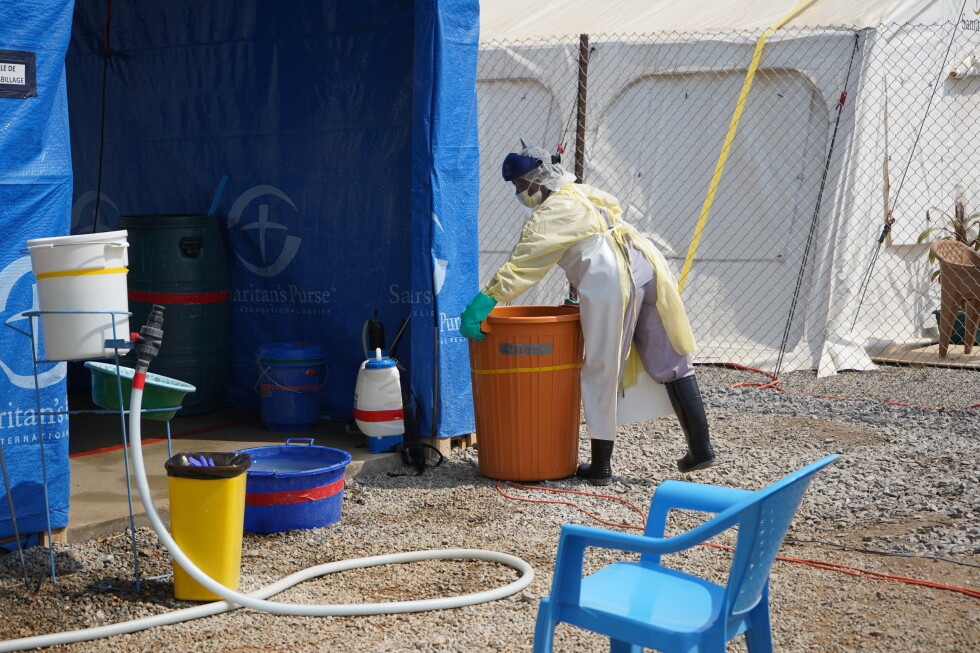
Ebola death toll in Congo rises to at least 930, including dozens of health workers
In a grim update released on Monday, the Democratic Republic of Congo’s Ministry of Health announced that the total death toll from the rapidly spreading Ebola outbreak in the country’s eastern region has climbed to at least 930. Among the most concerning recent developments is the report of 37 new fatalities recorded between Friday and Saturday, marking one of the highest single-day death increments registered since the outbreak was first declared.
As of Saturday, official data confirms a total of 2,344 diagnosed cases across five affected eastern provinces, a region long plagued by persistent rebel insurgency and instability. First announced on May 15, this outbreak is now classified as the fastest-expanding Ebola event ever documented. Unlike more widely studied Ebola strains, the outbreak is driven by the Bundibugyo virus, a rarer variant for which no universally approved vaccine or targeted treatment currently exists.
Ebola, a highly contagious viral pathogen, initially jumps to human populations from wild animals, then spreads rapidly through direct contact with infected bodily fluids including blood, vomit and semen, as well as exposure to contaminated surfaces such as clothing, bedding and medical equipment. While the disease remains rare in global terms, it causes severe, acute illness that carries an extremely high fatality rate.
The recent sharp rise in fatalities is directly tied to widespread safety concerns that have severely hampered response efforts in Ituri, the hardest-hit province. According to authorities, at least 12 targeted attacks against Ebola treatment centers and response teams have been recorded since mid-May, most driven by widespread public skepticism, misinformation and harmful rumors about the outbreak. Compounding this crisis, many frontline health workers have halted work in protest over unpaid salaries, leaving critical response gaps. To date, at least 36 infected health workers have lost their lives to the virus.
Last week, the World Health Organization issued an urgent warning highlighting that roughly 80% of all new confirmed Ebola cases are stemming from unidentified transmission chains. This statistic serves as a clear indicator that the outbreak is outpacing the ability of health officials to track and contain it, even as international and local response teams scale up their operations.
Analysis of Congolese Health Ministry data reveals that over the first two and a half months of the outbreak, the average weekly increase has reached approximately 272 new cases and 111 deaths. What is more, the rate of growth has accelerated steadily, with a particularly sharp jump in both new cases and fatalities recorded throughout July compared to the opening weeks of the outbreak.
In its latest statement, the ministry noted that 724 patients are currently receiving care in hospital isolation units, and response teams are ramping up intervention efforts across all impacted health zones. Despite the overwhelming challenges, officials added that care and support capacity is gradually being consolidated, with 22 new patient recoveries confirmed in a single 24-hour period.
-
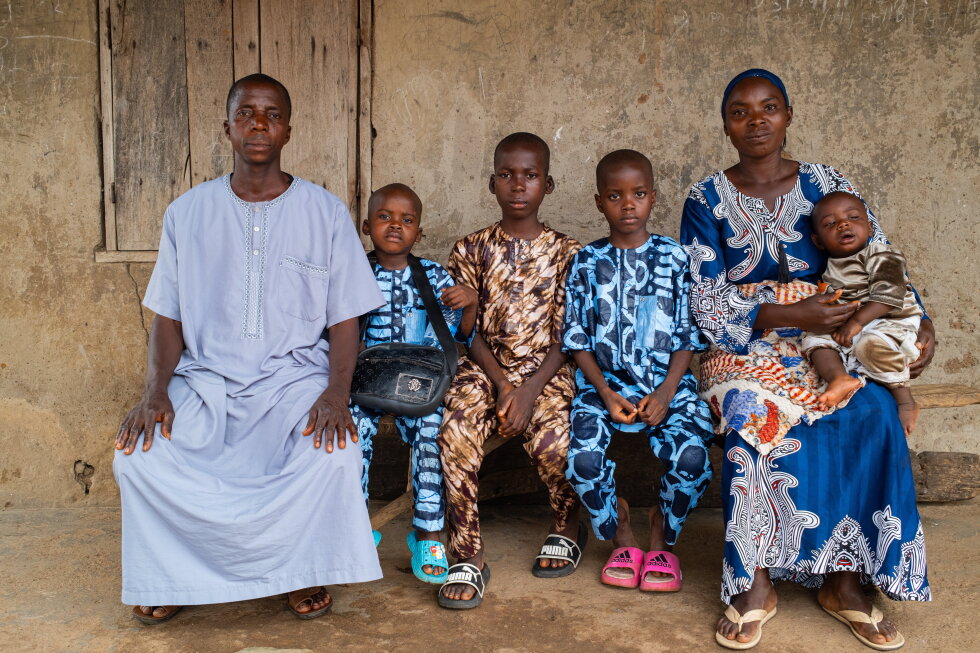
Children describe how Nigerian militants moving south are seizing more young captives
In the quiet agrarian community of Oriire, southwestern Nigeria’s Oyo state, a day of joyous feasting and interfaith prayer unfolded Friday as dozens of schoolchildren snatched from their classrooms by al-Qaida-linked militants returned to the embrace of their families. For Aliyu Saheed, a local farmer whose three young sons – the youngest just 5 years old – were among the captives, the news of their July 10 rescue marked the most euphoric moment of his life, ending two months of sleepless nights haunted by fear he would never see his boys again.
The mass abduction carried out on May 15 marked a worrying new chapter for Nigeria, Africa’s most populous nation. For years, large-scale school kidnappings by armed jihadist groups were concentrated in the conflict-battered northeast and northwest. But this attack, which targeted children as young as 3 in a region previously untouched by such violence, confirms what security analysts have warned about for months: armed factions are expanding southward, pushing beyond their traditional strongholds to seize new territory and control key natural resources.
When the gunmen stormed three local schools, they abducted 39 children and three teachers, marching their captives into a sprawling nearby forest reserve that connects northward to Kwara State, a region already grappling with persistent militant abduction activity that often targets students for large ransom payments. The attack left one teacher dead during the abduction, with two more losing their lives while in captivity, local media reports confirm. Nigerian President Bola Tinubu has identified the perpetrators as Ansaru militants, a breakaway faction of the notorious Boko Haram group that has reemerged and grown more active across the country in recent years.
Survivors of the two-month captivity have shared harrowing accounts of abuse and deprivation at the hands of their captors. Nine-year-old Shuaib, Saheed’s eldest son, recalled that the group was held in open ground without any shelter, left exposed to sweltering sun and heavy rain, fed only a meager diet of boiled rice and palm oil. “I could not say anything for fear of getting beaten,” Shuaib told the Associated Press. “They flogged us with a cane all over the body, and they hit me in the back with the butt of their gun.” Alamu Folawe, head of one of the targeted schools, added that the youngest children suffered the worst violence, with their mouths stuffed with cloth to muffle their cries and avoid drawing attention to the militants’ hideout.
While the rescue operation – a joint effort by Nigeria’s military, intelligence services and police forces – resulted in eight kidnappers arrested and multiple other militants killed, many of the freed children carry lasting physical scars and deep psychological trauma. Eight-year-old Kehinde Kaosarat, one of the last children released from hospital, has not left her mother’s side since returning home, and multiple families report that their children now refuse to consider going back to school. For Saheed, this fear is shared: “Sending them back to the school does not sound meaningful to me right now,” he said. The trauma comes at a time when Nigeria already has one of the highest out-of-school child populations in the world, a crisis that deepens with every attack on educational institutions.
The abduction has drawn urgent new attention to Nigeria’s under-patrolled forest reserves, which have increasingly become strategic corridors and hiding spots for expanding armed groups. “The thing to learn is that the forested areas of the country must be much better surveilled because that is where those armed groups operate and keep their victims,” explained Joachim MacEbong, senior analyst at global risk consultancy Control Risks.
The militant expansion into the southwest has piled mounting pressure on President Tinubu, who was elected in 2023 on a campaign promise to end Nigeria’s persistent security crisis. While the U.S. military provides limited logistical and intelligence support to Nigerian forces focused on the northern insurgency, the country’s overstretched security apparatus remains largely absent from remote southern communities bordering forest zones. Though Tinubu announced that the Ansaru informant network was dismantled during the rescue, analysts note that the root drivers of insecurity – including systemic corruption and weak governance – remain unaddressed.
James Barnett, an Africa security research fellow at the U.S.-based Hudson Institute, pointed out that Ansaru has spent years quietly building networks in southwestern Nigeria, and a high-profile attack like this could encourage further militant activity in the region. Even as the community came together Friday to celebrate the children’s safe return – with Christian and Muslim leaders joining in prayers of gratitude – many residents remain on edge. Hundreds fled the area after the abduction, and while some have begun to trickle back, farmers whose lands sit close to the forest reserve still hesitate to resume their daily work.
“The rescue of the Oriire abductees is wonderful news and should inspire some confidence in Nigeria’s ability to better manage these threats,” Barnett said. “But it is not the end of insecurity in the southwest or Nigeria as a whole.”
-
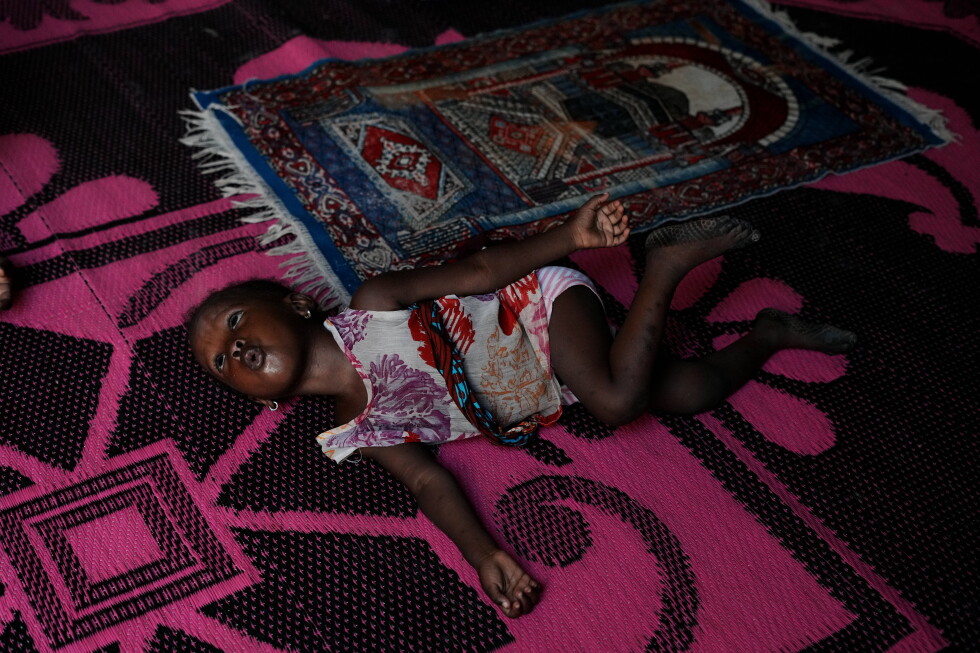
Nigerian children pay the price for the Iran war as malnutrition and poverty surge
In the quiet Sokoto State town of Kware, northwestern Nigeria, Maryam Aminu felt a familiar mix of grief and frustration when her 18-month-old toddler became the second of her six children to relapse into acute malnutrition this April. For months, the family has struggled to put consistent, nutrient-dense meals on the table, a hardship that intensified sharply in February after her husband Shehu lost his job as a taxi driver, a casualty of skyrocketing petrol prices triggered by the ongoing war in Iran.
“Even though I suspected what the diagnosis would be, I was heartbroken and angry because I knew exactly why this happened,” Aminu explained from the plain living area of her family’s two-bedroom home, where coal stove ash drifted through the small space. “Meals are irregular, and we can barely afford enough to eat, let alone food that keeps children healthy.”
Child malnutrition relapse is no longer an isolated case in Sokoto or across northern Nigeria, local health workers and international aid officials confirm. The ripple effects of the Middle East conflict have piled a new crisis onto a region already reeling from extreme poverty and a years-long insurgency that has displaced thousands and cut off many farming communities from their land. Now, the global fuel shock sparked by the war has pushed food insecurity to catastrophic levels for millions of impoverished people, with children bearing the brunt of the harm.
This growing crisis comes as Nigeria is already grappling with sustained economic volatility sparked by President Bola Tinubu’s sweeping economic reforms, which included the elimination of national fuel subsidies and currency devaluation three years ago. New data from the World Bank released this week underscores the scale of deprivation: more than 139 million Nigerians now live below the poverty line or are classified as vulnerable to falling into poverty.
The global spillover of the conflict reaches far beyond the Middle East, the United Nations Children’s Fund (UNICEF) warned in a new report published this week. If hostilities continue through the end of 2024, an additional 23.4 million children worldwide will fall into monetary poverty, defined as lacking sufficient income to cover basic needs. Eighty percent of these newly vulnerable children will live across Africa and Asia, the agency estimates.
“Children are paying the heaviest price for the escalating conflict in the Middle East, even children thousands of miles from the fighting,” UNICEF Executive Director Catherine Russell said during a visit to Sokoto this week. “The longer hostilities continue, the more devastating the long-term consequences will be for a generation of children.”
The disruption to global energy supplies stems from the closure of the Strait of Hormuz, the critical chokepoint that carried one-fifth of the world’s total oil and gas trade before the outbreak of war. The shutdown triggered a cascading global fuel crisis that drove up prices for nearly every essential good, from household groceries and gasoline to agricultural fertilizer and commercial travel. In Nigeria, retail petrol prices jumped nearly 75% between February and April, surging from 800 naira ($0.58) per liter to 1,400 naira ($1.02) per liter, passing higher costs directly to low-income households that already spend most of their income on food.
For months, U.S. President Donald Trump has pursued a range of strategies to force Iran to reopen the strait, including targeted airstrikes, naval blockades, negotiations, and public threats, but the waterway remains closed to commercial traffic.
At public health facilities across Sokoto, frontline workers say they have seen a sharp and steady rise in the number of children returning for repeat malnutrition treatment this year. Unofficial hospital records shared with the Associated Press show nearly 40 children who had previously recovered from malnutrition after February are now back in care for a second diagnosis — a figure that does not include the many families who cannot afford to travel to facilities for treatment.
“I’m worried, and often angry, about how quickly these numbers are growing,” said Halimah Muhammad, a community health worker based in Sokoto.
Beyond the immediate threat to child health, soaring prices and persistent economic hardship are setting the stage for long-term developmental harm, Russell warned. Children growing up in chronically food-insecure households face far higher rates of stunting, which irreversibly impacts physical and cognitive growth. Financial stress also pushes more children to drop out of school to support their families, locking intergenerational poverty in place for decades.
“Their long-term development will be compromised, and many will not be able to stay in school because their parents face such extreme financial pressure,” Russell said. “The long-term implications for these children are absolutely terrible.”
The conflict has also disrupted global fertilizer supplies and sent prices soaring, compounding risks for northern Nigeria’s majority farming communities. Many of these communities are already unable to access their farmlands regularly due to ongoing violence by armed insurgent and bandit groups, and higher input costs have made this year’s planting season far more precarious, threatening future harvests and deepening the food crisis.
Shehu Aminu, Maryam’s husband, says the erosion of purchasing power has been overwhelming. “Two years ago, 2,000 naira could buy a nutritious meal for my whole family. Now that same basket of food costs 5,000 naira,” he said. Most days, the family only eats pap, a cheap corn pudding, and plain rice. “There is simply no way to give our children the food they need to grow. I wake up every morning unhappy, because I can no longer provide for the people I love.”
Communities across northwestern Nigeria are already caught between overlapping security crises: routine attacks by bandit groups that specialize in kidnapping for ransom, and expanding territorial control by Islamist insurgent groups. The distant war in Iran has only multiplied existing vulnerabilities, analysts say.
“This distant conflict offers no reprieve for the north’s most vulnerable populations, it only makes every existing crisis worse,” said Ikemesit Effiong, a partner at SBM Intelligence, a Lagos-based geopolitical risk advisory firm.
The pattern of repeated child malnutrition seen in Maryam Aminu’s family plays out across hundreds of households in the region. Larai Malami, a 35-year-old mother of 10, gave birth to her youngest child last December, and the infant has already been diagnosed with malnutrition twice. Her husband lost his job as a motorcycle taxi rider last year, and crossed the border into neighboring Niger to search for work, leaving Malami to care for their children alone.
Skyrocketing fuel prices keep food costs unaffordable and keep her husband from being able to afford to return home, Malami says. “I worry that my child will never get fully healthy,” she said.
It is a fear Maryam Aminu shares. For her 18-month-old daughter, she says, “I just wish she were excited and full of life, like a toddler should be.”
-
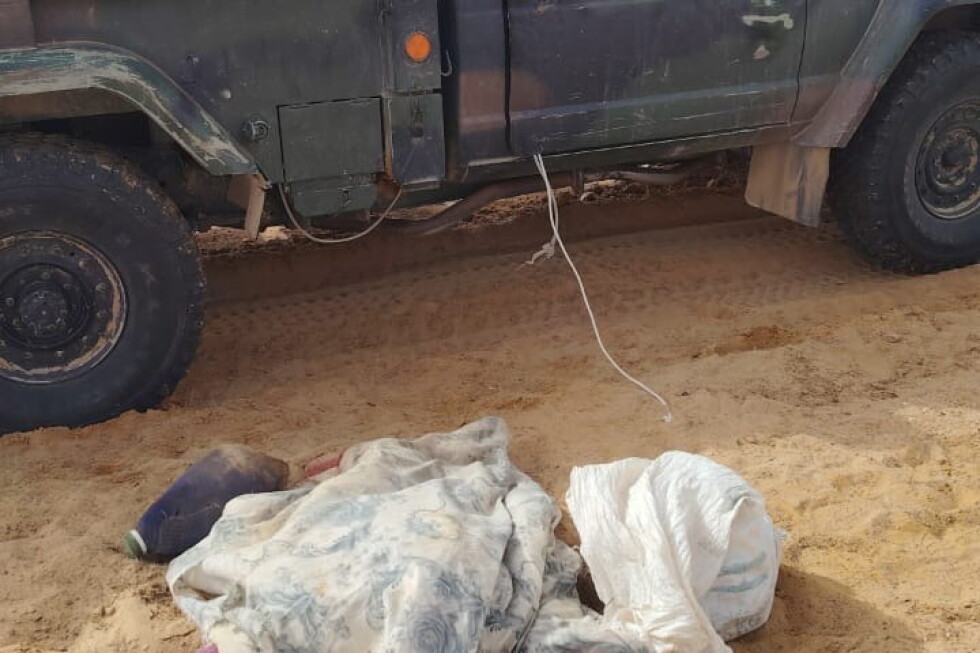
Mali rebels ambush an army convoy, killing or capturing scores of soldiers
In a coordinated pre-planned assault that underscores the growing security crisis in the Sahel, an alliance of jihadi militants and Tuareg separatist fighters ambushed a Malian military convoy in Mali’s violence-plagued northern region on Saturday, with rebel spokespeople confirming dozens of government troops were either killed or taken prisoner. The attack, which took place in a remote stretch of the Gao region, has been officially confirmed by Mali’s national military, which issued a brief statement confirming the assault on the convoy carrying Malian soldiers and their foreign allies. The military declined to release further details on casualties or damage, noting only that a counteroffensive against the armed groups is currently ongoing.
Two separate groups have independently claimed joint responsibility for the operation: Jama’at Nusrat al-Islam wal-Muslimin (JNIM), the regional al-Qaeda affiliate active across the Sahel, and the Azawad Liberation Front (FLA), a unified Tuareg separatist movement formed in 2024 to push for an independent Azawad state in northern Mali. In their public statements, both groups confirmed that the targeted convoy included members of Mali’s regular military alongside personnel from Russia’s Africa Corps, the paramilitary force that has propped up Mali’s ruling junta since the country cut ties with United Nations peacekeeping forces in 2020.
FLA spokesperson Mohamed Elmaouloud Ramadane outlined the details of the assault in a press statement, noting that the convoy was traveling from the northern outpost of Anefis toward the regional capital of Gao when the attack unfolded in the open Sahara Desert. Observers have identified the convoy as a likely logistics support unit, as visible fuel tankers accompanying the column indicate it was moving supplies to forward government positions. Ramadane added that multiple army vehicles, including armored vehicles, were destroyed in the ambush, while other working vehicles were seized by the alliance.
The rebel alliance has released multiple videos purportedly documenting the aftermath of the attack. The footage, which has not been independently verified by The Associated Press, shows captured Malian soldiers surrendering while surrounded by rebel fighters, as well as armed rebels transporting detainees in their own vehicles. One clip shows rebels opening fire on a group of soldiers lying on the ground, confirming the heavy violence of the assault.
This attack marks the latest in a growing pattern of coordinated operations between the once ideologically opposed JNIM and FLA, a partnership that regional security analysts warn poses a severe threat to Mali’s fragile stability and the authority of its military junta, which has ruled the country since a 2020 coup. Mali, a landlocked nation at the heart of the Sahel, a vast semi-arid belt stretching across Africa south of the Sahara, has become the global epicenter of Islamist extremist violence over the past decade. Tuareg separatist groups have waged an on-again off-again insurgency for independence since 2012, and the FLA unified multiple separate separatist factions into a single movement earlier this year.
The April 2024 coordinated assault on Malian forces, the largest such attack in the country in more than 10 years, first signaled the depth of the growing collaboration between JNIM and the FLA. The new ambush adds to a sharp upward trend in militant attacks against government forces across the Sahel, where armed groups are increasingly pushing to expand their territorial control and influence amid a fragmented security landscape.
-
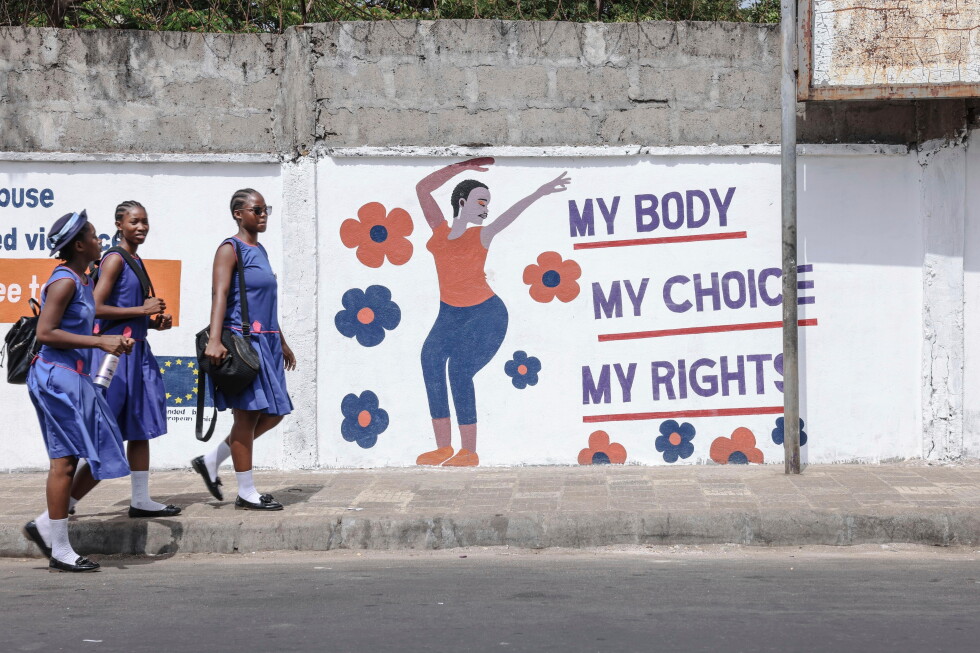
Takeaways from AP’s report on the impact of US aid restrictions on reproductive rights in Africa
Half a world away from the polarized abortion debate playing out across the United States, thousands of African women face heightened danger to their lives and health as American anti-abortion groups expand their influence and funding on the continent. This growing international push gained new momentum from the Trump administration, which implemented sweeping cuts to U.S. foreign aid for any global organization that provides or advocates for abortion-related services — changes that threaten to cut off access to reproductive health support tied to as much as $30 billion in global assistance.
For decades, conservative American anti-abortion organizations have pushed for restrictions both domestically and internationally, and Africa has become a key front for their efforts, given that many African national health systems rely heavily on foreign donor funding to operate. New analysis from the Institute for Journalism and Social Change has pulled back the curtain on the scale of this funding: 17 major U.S. anti-abortion nonprofits poured more than $16 million into African operations between 2019 and 2022, followed by an additional $9.3 million in spending across 2023 and 2024. Researchers warn that even these figures are an underestimate, as U.S. churches and many religious anti-abortion groups are exempt from mandatory public financial disclosure requirements, leaving millions more in unreported spending off the books. Institute researcher Claire Provost describes the documented spending as “just the tip of the iceberg” of the full scope of U.S. anti-abortion investment in the continent.
This influx of American funding and support has emboldened a widespread campaign of harassment against local reproductive health workers and rights advocates across multiple African nations. A 2024 report from Marie Stopes International, a leading global reproductive health provider, documented a surge in online harassment, legal threats, and even criminal detention of staff delivering legal abortion and reproductive care. In the Democratic Republic of Congo, health workers have been detained for days for providing services that are fully legal under local law, before being released without any formal charges. In Ethiopia, the local head of U.S.-based anti-abortion group Family Watch International has targeted senior reproductive health leaders with social media trolling and published YouTube videos spreading harmful misinformation about abortion. In Kenya, personal contact information for staff at reproductive rights organizations has been published online, with workers falsely accused of murder. One anonymous Nairobi-based private abortion clinic owner told the Associated Press that staff have been repeatedly detained by police, who demand bribes in exchange for dropping fabricated criminal charges. Kenyan government officials declined repeated requests for comment on these reports.
Health and rights advocates warn that this growing anti-abortion push is rolling back decades of incremental progress toward expanding safe reproductive care across Africa. The Maputo Protocol, adopted by the African Union 20 years ago, enshrines safe abortion as a human right and requires signatory nations to legalize the procedure in cases of rape, incest, risk to the pregnant person’s health, and fatal fetal abnormality. But implementation of the protocol has been inconsistent at best, leaving millions of women with no access to legal care. The African Institute for Development Policy estimates that sub-Saharan Africa records more than 6 million unsafe abortions every year, and the region already has the world’s highest rate of maternal mortality, making it the deadliest place globally for women of reproductive age.
In recent months, the anti-abortion movement has notched high-profile policy wins across the continent, powered by U.S. funding and organizing. Last year, U.S., European, and African anti-abortion groups joined with senior Kenyan government officials for a Nairobi conference focused on advancing a conservative “family values” agenda. Charles Kanjama, vice chairman of the conference organizing body the African Christian Professionals Forum, framed the fight over abortion access as an international “culture war.” In May 2024, that work paid off when a Kenyan appeals court overturned a lower court ruling that had affirmed abortion access as a fundamental constitutional right; Kanjama led the legal challenge, and called the ruling a victory that “restored constitutional balance.” Just one month later, delegates from 20 African nations finalized a draft regional charter in Ghana that calls for rejecting established sexual and reproductive health rights, which will go to a vote before the African Union in 2025. Sharon Slater, co-founder of U.S.-based anti-abortion group Family Watch International, was among the organizers fundraising for the charter’s adoption at a European Parliament event in Brussels earlier this year.
In response to questions about the new aid restrictions, the U.S. State Department defended the policy in a statement, saying “the American people expect their tax dollars to support programs that save lives … and reflect American values, not fund abortion-related activities, left-wing social agendas, or wasteful overseas bureaucracies.” The department added that U.S. assistance continues to support broad maternal and child health programming under the administration’s America First Global Health Strategy. But healthcare providers and reproductive rights advocates say the reality on the ground tells a different story: while the Trump administration and anti-abortion groups frame their work as protecting life, the end result is a growing number of preventable deaths among African women.
-
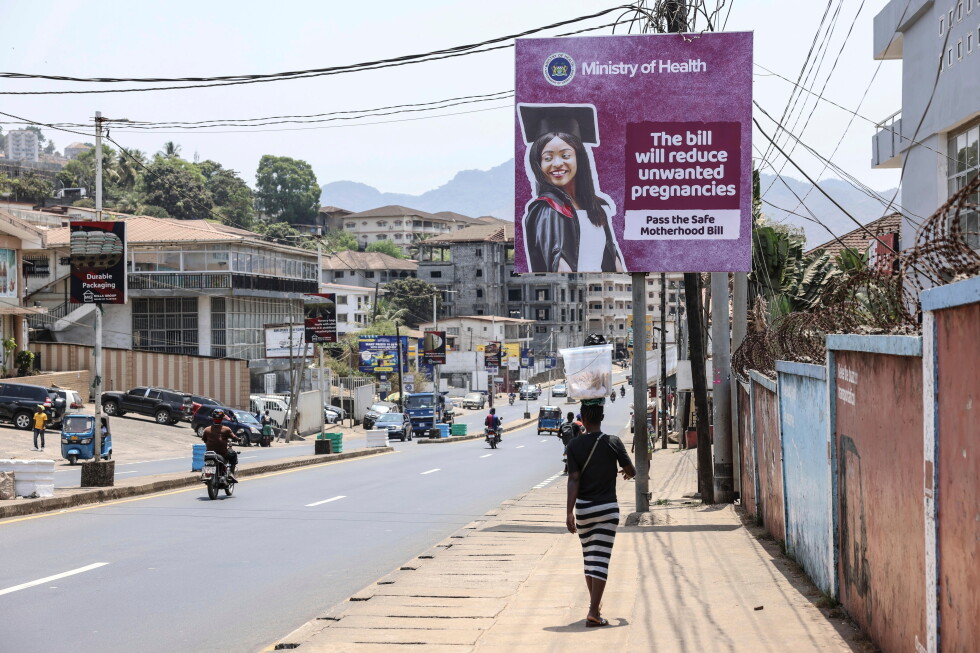
Women are dying in Africa as US ramps up its global battle against abortion
Decades of advocacy by U.S.-based anti-abortion groups have reshaped reproductive health policy both at home and abroad, with the reversal of Roe v. Wade marking their biggest domestic victory. Now, the second Trump administration is injecting dramatic new momentum into their cross-border campaign to export conservative “family values” to nations across the globe.
Speaking at the annual March for Life anti-abortion demonstration in Washington D.C. in January, Vice President JD Vance unveiled sweeping new restrictions on U.S. funding for international nongovernmental organizations, foreign governments, and United Nations agencies that work to expand access to abortion, gender-affirming care, and diversity programming overseas. “We’re going to start blocking every international NGO that performs or promotes abortion abroad from receiving a dollar of U.S. money,” Vance told the gathered crowd.
These expanded restrictions build on decades of on-the-ground anti-abortion advocacy led by U.S. conservative nonprofits, particularly in sub-Saharan Africa, a region where local health systems rely heavily on foreign assistance. Already home to the world’s highest rate of unsafe abortions and the highest maternal mortality linked to pregnancy termination, sub-Saharan Africa bears 70% of the world’s global maternal deaths, recording roughly 180,000 preventable pregnancy-related fatalities each year.
Analysts estimate the new policy could impact at least $30 billion in U.S. foreign aid, upending global reproductive health frameworks that have been in place for decades. For conservative advocates, the shift represents a long-sought alignment of U.S. foreign aid with their ideological goals. “We’re seeing opportunity here to have a consistently pro-life ethic,” explained Nicole Hunt, a representative of Colorado-based conservative evangelical group Focus on the Family. “We’ve been influencing health policies for a long time with our foreign aid. This is just a new direction.”
A key target of the movement is the Maputo Protocol, a 20-year-old international agreement signed by most African nations that enshrines safe abortion as a human right. The protocol requires signatory countries to legalize abortion in cases of rape, incest, fatal fetal abnormality, and when a pregnancy threatens a woman’s life or health, but implementation across the continent has been uneven, forcing millions of women to seek unregulated, unsafe procedures each year. The African Institute for Development Policy records more than 6 million unsafe abortions annually across sub-Saharan Africa, and emboldened by the new U.S. policy, anti-abortion activists are now working to roll back even the limited access guaranteed by the protocol.
Reproductive health advocates say the policy shift has already created a new, hostile landscape for reproductive rights work across the continent. “We’ve now moved into a new era where we are the ones who are in opposition because the most powerful and influential supporters of reproductive health — the U.S. and a lot of Europe — are now more aligned with anti-rights groups,” said Nardos Hagos, regional representative for the International Planned Parenthood Federation in Nairobi. “We’re gonna see more women dying from unsafe abortions.”
Tracking the full scope of U.S. anti-abortion funding flowing into Africa is complicated by loose disclosure rules for religious and charitable groups. An analysis by the Institute for Journalism and Social Change, a research organization, of public tax filings from 17 major U.S. anti-abortion groups found funding to Africa jumped 50% between 2019 and 2022, reaching more than $16 million. Previously unreported data from the institute shows the same groups spent nearly $9.4 million across the continent in 2023 and 2024 alone.
Claire Provost, a researcher with the institute, notes that these numbers are just “the tip of the iceberg,” because U.S.-based churches and many religious organizations are exempt from mandatory annual financial disclosure requirements that would reveal how much funding they direct to anti-abortion work in Africa. One major group increasingly active on the continent is The Church of Jesus Christ of Latter-day Saints, commonly known as the Mormon church, which has more than 1 million followers across Africa and has hosted “Strengthening Families” conferences across the continent over the past eight years.
Sean E.R. Donnelly, the church’s Africa communications manager, told the AP roughly a quarter of the $1.5 billion the church spent on international programs last year went to African development projects focused on healthcare, education, and emergency relief “with the goal of helping people, especially families.” When asked about reproductive rights, Donnelly said the church is “not really active” on abortion issues, though it does invite government officials to its conferences to help craft “policy and strategy to make sure that we protect the family.” The church’s official position opposes elective abortion in most cases, but allows exceptions for rape, incest, and threats to a pregnant woman’s life or health.
Local rights groups have noted that the church held a major conference in Sierra Leone last year, just as the country was moving forward with plans to decriminalize abortion. Pressure from local religious lobbies ultimately stalled the reform, a change that advocates link to the ideological and financial support from U.S. conservative groups. Donnelly denies the church interfered in the process, saying “This is not how the church operates in Africa or globally.”
Beyond shifting funding, the growing influence of U.S. anti-abortion groups has emboldened a wave of harassment and intimidation targeting reproductive health workers and providers across Africa. Hannah Ruguru, who works at a reproductive health clinic in Kisumu, western Kenya, entered the field after her own sister died from an unsafe backstreet abortion. Today, her work has become increasingly dangerous: she has been screamed at by anti-abortion protesters, and deleted her Facebook account after years of relentless online abuse. “Sometimes you can get scared,” she said. “But at the end of the day, I’m helping women.”
A 2024 report from Marie Stopes International, which operates the clinic Ruguru works at, documents widespread coordinated attacks across multiple African countries led by U.S.-based groups and U.S.-funded local organizations. In the Democratic Republic of Congo, health workers have been detained for days for providing legally allowed abortion services before being released without charge. In Ethiopia, the head of the local office of U.S.-based anti-abortion group Family Watch International has targeted senior reproductive health leaders with online harassment and spread anti-abortion misinformation via YouTube. In Kenya, staff contact information has been published online with false accusations of murder, and private clinic owners report repeated police harassment, detention, and extortion.
Musoba Kitui, regional director of the Ipas Africa Alliance, which advocates for safe abortion access, called the combination of new U.S. aid restrictions and growing ideological incursion deeply concerning. “The changes in U.S. foreign aid policy combined with this advancing American interest in ideology in Africa is really concerning,” Kitui said. “We think the consequences are going to be dire,” especially for women and marginalized LGBTQ+ communities who already face barriers to care.
Anti-abortion leaders frame the campaign as a necessary defense of traditional cultural values against what they describe as an imposed global progressive agenda. At a 2023 conference in Nairobi bringing together U.S., European, and African anti-abortion Christian leaders alongside senior Kenyan government officials, attendees framed the fight over reproductive rights as an global cultural conflict. “It’s a culture war, really,” said Charles Kanjama, vice chairman of the African Christian Professionals Forum, the conference organizer. He noted that international aid previously flowed overwhelmingly to reproductive rights groups, but “we are hoping that … we can start attracting money from people who think like us.”
That momentum is already translating to institutional change across the continent. In June 2024, representatives from 20 African nations finalized a draft charter in Ghana that calls for rejecting international sexual and reproductive health rights frameworks; the charter will go to a vote before the African Union in 2025. Anti-abortion activists from the U.S. have already begun international fundraising to support the charter’s passage.
In Kenya, one of Africa’s largest economies, the impact of shifting policy is already visible on the ground. The African Population and Health Research Center records an average of seven preventable deaths from unsafe abortion complications every single day. While the 2010 Kenyan constitution allows abortion when a woman’s life or health is at risk, and courts have expanded access to cases of rape, incest, and threats to mental health, a colonial-era penal code still criminalizes abortion providers and patients, who face up to 14 years in prison. Most public hospitals refuse to perform even legal abortions, leaving women to choose between costly private care or unregulated dangerous procedures. In May 2023, a Kenyan appeals court overturned a lower court ruling that affirmed abortion access as a fundamental right — a case led by Kanjama, who called the ruling a restoration of “constitutional balance.”
The Kenyan government did not respond to repeated requests for comment on the issue. In a statement responding to questions about the new U.S. aid rules, the U.S. State Department defended the policy: “The American people expect their tax dollars to support programs that save lives … and reflect American values, not fund abortion-related activities, left-wing social agendas, or wasteful overseas bureaucracies. U.S. assistance continues to support a wide range of maternal and child health services as part of the America First Global Health Strategy.”
On the ground in Kenyan public hospitals, doctors and public health workers say the reality of the policy is a growing tide of preventable death. “By the time the women come, we are often dealing with a life-threatening situation,” said Dominic Omollo, reproductive health coordinator in Bondo, western Kenya, where public hospitals only treat life-threatening complications from unsafe abortions, not the procedures themselves.
For 25-year-old Mary Olouch, that reality proved fatal. A fish seller in rural Karabok village, Olouch discovered she was pregnant while already raising a young child, and hid her pregnancy from her husband. She did not qualify for a legal abortion at a public hospital, and could not afford the cost of private care. She bled to death after an illicit abortion, leaving her young child motherless. Today, two trees mark her grave just meters from her home.
After Olouch’s death, Loice Ochieng, a local community health volunteer, said women in the village began speaking openly about abortion for the first time — a topic that had long been taboo. “Because they have seen that this thing can cause death,” Ochieng said.