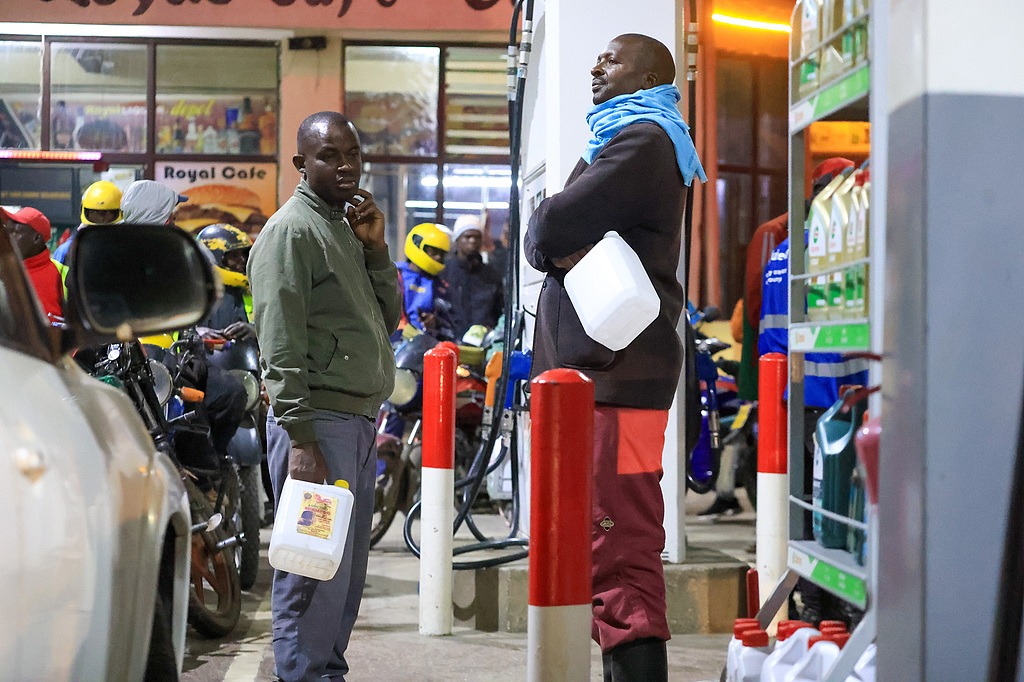
The ongoing geopolitical unrest in the Middle East is sending shockwaves through global energy markets, and one of its most immediate impacts is being felt by ordinary consumers in the East African nation of Kenya. On Tuesday, the country’s Energy and Petroleum Regulatory Authority (EPRA) confirmed what many had feared: a dramatic upward adjustment to fuel prices that will raise costs for transportation, commerce and households across the country.
In its bi-monthly pricing review, covering the period from April 15 to May 14, 2026, the regulator announced steep increases across most fuel grades. Diesel, which powers the vast majority of Kenya’s freight transport, agricultural machinery and public transit vehicles, saw the largest jump at 24.1 percent. Super petrol rose by a smaller but still significant 16.2 percent. The adjustments pushed the retail price of both fuels above $1.59 per liter in the capital Nairobi, according to the new pricing schedule.
In a statement signed by Joseph Oketch, EPRA’s acting director-general, the authority announced it would hold kerosene prices steady, capping the domestic cooking fuel at a maximum retail price of $1.18 per liter in Nairobi.
The price hikes are directly tied to a sharp surge in global benchmark oil prices, which has been triggered by escalating conflict between the US-Israel alliance and Iran in the Middle East. As a country that relies entirely on imports for all its refined petroleum products, Kenya has no domestic refining capacity to insulate itself from global market volatility, leaving the nation fully exposed to external energy price shocks.
Even as it enforced the new global-market-aligned prices, the Kenyan government moved quickly to roll out targeted measures to soften the blow for consumers. Oketch confirmed that the value-added tax (VAT) applied to super petrol, diesel and kerosene has been cut from 16 percent to 13 percent to reduce overall costs. To further stabilize retail pump prices, the government will draw approximately $48 million from the national Petroleum Development Levy Fund to offset part of the elevated landed cost of imported fuel products.
Oketch moved to reassure Kenyans that the regulator remains committed to upholding fair competition in the energy sector, and will continue working to protect the interests of both consumers and industry investors amid the ongoing market instability.