标签: Africa

非洲

  • Zimbabwe stun Sri Lanka to finish top of Group B

    Zimbabwe stun Sri Lanka to finish top of Group B

    In a spectacular display of cricketing prowess, Zimbabwe delivered a stunning six-wicket victory against Sri Lanka in Colombo, securing top position in Group B of the Men’s T20 World Cup. The match saw Zimbabwe successfully chase down a target of 179 runs with three balls remaining, maintaining their unbeaten record in the tournament.

    Opening batsman Brian Bennett emerged as the hero for Zimbabwe, remaining undefeated with 63 runs from 48 deliveries. This remarkable performance follows his previous unbeaten 64 runs against Australia last week. Bennett established a solid foundation with an opening partnership of 69 runs with Tadiwanashe Marumani, who contributed 34 runs. Captain Sikander Raza provided crucial acceleration with a explosive 45 runs from just 26 balls before falling in the penultimate over.

    The victory becomes particularly significant as Zimbabwe, who failed to qualify for the 2024 T20 World Cup, now progress unbeaten to the Super 8s stage. Their campaign continues with a match against West Indies in Mumbai on Monday, having been placed in a group with co-hosts India, South Africa, and the Caribbean team.

    Sri Lanka, despite being already qualified for the next round, faced considerable challenges with dropped catches and fielding errors. The absence of injured bowler Matheesha Pathirana and rested seamer Dushmantha Chameera further weakened their bowling attack. Pathum Nissanka’s respectable 62 runs from 44 balls provided the highlight for Sri Lanka, who now face England in their Super 8s opener on Sunday.

    In related tournament news, West Indies maintained their perfect record with a 42-run victory over Italy in Kolkata. Shamar Joseph achieved a historic feat by becoming the first player to take four catches and four wickets in a single T20 international. Meanwhile, Afghanistan concluded their campaign with an emphatic 82-run win against Canada, featuring Ibrahim Zadran’s unbeaten 95 runs and Mohammad Nabi’s exceptional bowling figures of 4-7.

  • Over 1,000 Kenyans enlisted to fight in Russia-Ukraine war, report says

    Over 1,000 Kenyans enlisted to fight in Russia-Ukraine war, report says

    Kenya’s National Intelligence Service (NIS) has delivered a damning parliamentary report revealing an extensive human trafficking operation that has recruited approximately 1,000 Kenyan citizens to fight for Russia in the Ukraine conflict. The intelligence assessment, presented to lawmakers on Wednesday, documents a sophisticated network involving rogue government officials collaborating with trafficking syndicates to funnel Kenyans into Russia’s military apparatus.

    As of February, 89 Kenyan nationals were confirmed to be actively deployed on front-line positions in the Russia-Ukraine war theater. The report confirms at least one combat death—29-year-old Clinton Mogesa—with numerous others returning home with physical injuries or psychological trauma. An additional 35 recruits are stationed at Russian military camps, while 39 are wounded and 28 remain unaccounted for.

    Parliamentary Majority Leader Kimani Ichung’wah characterized the operation as ‘deeply disturbing,’ detailing how recruitment agencies conspired with corrupt airport personnel, immigration officers, criminal investigation agents, anti-narcotics officers, and employment authority officials to facilitate the illicit transports. The scheme allegedly extended to complicit staff at both the Russian Embassy in Nairobi and Kenya’s diplomatic mission in Moscow, who expedited visa processing for recruits.

    Targeting primarily ex-military personnel, former police officers, and unemployed Kenyans aged 20-50, recruiters promised lucrative compensation packages reaching 350,000 Kenyan shillings ($2,400) monthly, with signing bonuses between $6,200-$8,300. Instead, recruits received minimal combat training—some as brief as nine days for explosives and weapons instruction—before being deployed to high-risk front-line positions.

    Initially routing recruits through Istanbul and UAE via Nairobi’s Jomo Kenyatta International Airport using tourist visas, traffickers have recently shifted to alternative pathways through South Africa and neighboring East African nations amid heightened Kenyan surveillance.

    Foreign Minister Musalia Mudavadi confirmed Nairobi has shuttered over 600 dubious recruitment agencies while collaborating with Moscow to establish protective bilateral labor agreements explicitly excluding military conscription. Thus far, 27 Kenyans have been repatriated from combat zones and are receiving psychological support and deradicalization therapy.

    The revelations emerge amid growing international concern over Russia’s recruitment practices across Africa, with Ukrainian intelligence estimating over 1,400 Africans from 36 nations have been recruited to fight for Russian forces.

  • UN says Sudan atrocities are ‘hallmarks of genocide’

    UN says Sudan atrocities are ‘hallmarks of genocide’

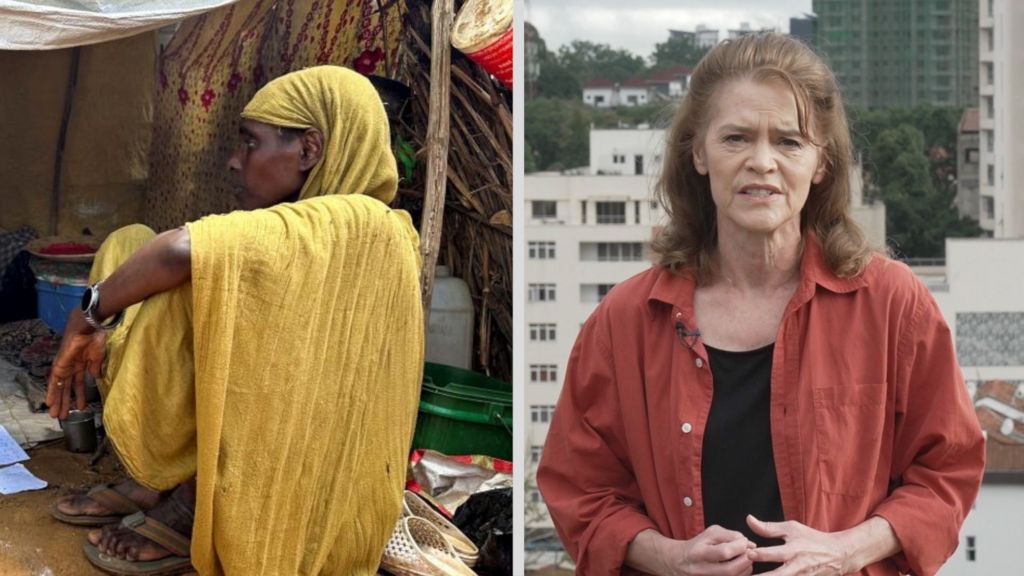
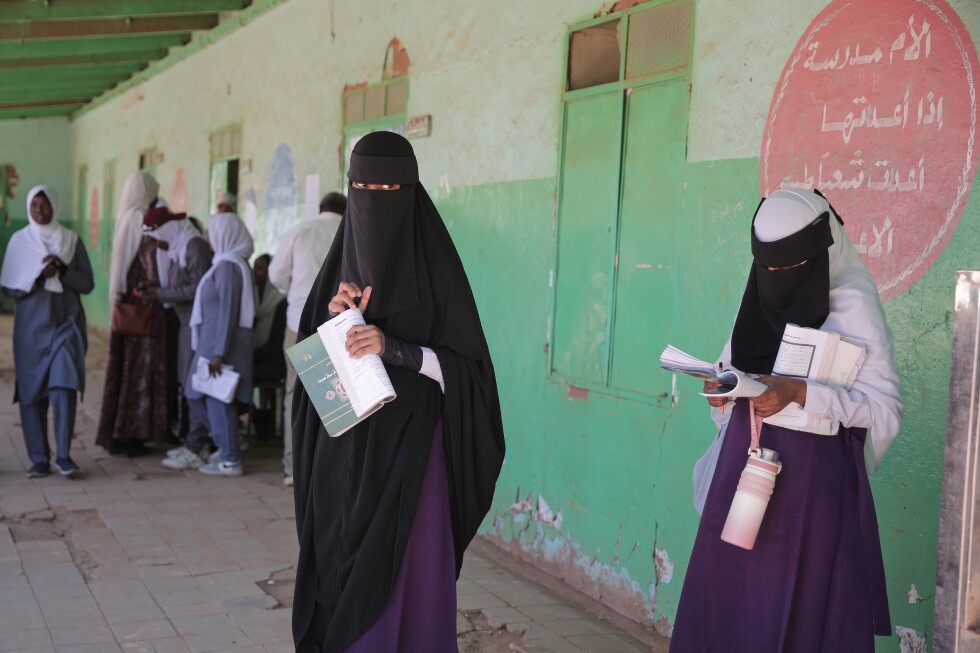
    A United Nations fact-finding mission has concluded that atrocities committed during the paramilitary Rapid Support Forces’ (RSF) siege and capture of the Sudanese city of el-Fasher exhibit clear indicators of genocide. The investigation, representing the UN’s strongest condemnation to date, details systematic violence targeting the Zaghawa and Fur communities in what experts describe as a calculated campaign of destruction.

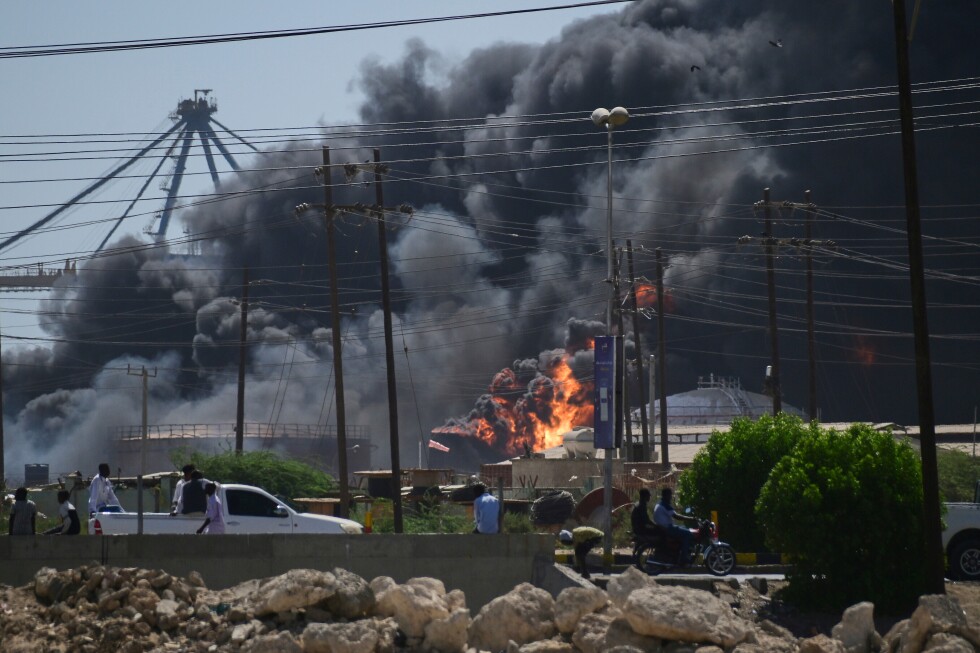
    The RSF, after maintaining an 18-month blockade, seized control of el-Fasher in late October 2023 in one of the most brutal episodes of Sudan’s ongoing civil war. The UN report identifies three core genocidal acts: mass killings of protected ethnic groups, infliction of severe physical and psychological harm, and deliberate creation of conditions intended to physically destroy these communities.

    Mission expert Mona Rishmawi stated: ‘The evidence portfolio—encompassing prolonged siege tactics, engineered starvation, humanitarian access denial, followed by coordinated killings, sexual violence, torture, and enforced disappearances—supports only one reasonable conclusion: the RSF acted with genocidal intent against specific ethnic populations.’

    The documentation reveals that during three days of intensive violence, thousands of Zaghawa individuals were killed, raped, or disappeared as RSF forces made no distinction between civilians and combatants. The report notes that the siege systematically weakened the targeted population, leaving them defenseless against subsequent atrocities.

    UK Foreign Secretary Yvette Cooper characterized the findings as ‘truly horrific’ and committed to presenting the report to the UN Security Council. She emphasized the necessity of international criminal investigations, perpetrator accountability, victim justice, and halting arms transfers perpetuating the conflict.

    The investigation identifies RSF leader Lt Gen Mohamed Hamdan Dagalo (Hemedti) and spokesperson Lt Col Al-Fatih Al-Qurashi through their public celebrations of the military operation. While Hemedti acknowledged some ‘violations,’ he simultaneously justified the assault as necessary. The report also names commander ‘Abu Lulu,’ arrested after footage of his brutality circulated, though the RSF provided no information regarding judicial proceedings.

    Crucially, the mission notes the RSF’s military campaign received reinforcement from foreign mercenaries equipped with advanced weaponry and communication systems. While not explicitly naming nations, investigators confirm engagement with several states regarding ‘credible information’ about their involvement, promising future reporting on this matter.

    The report condemns the lack of cooperation from Sudanese authorities and both warring parties, describing such obstructions as ‘shameful and unacceptable.’ It warns that without prevention mechanisms and accountability measures, the risk of further genocidal acts remains serious and ongoing.

    Investigators urge the international community to fully enforce and expand the Darfur arms embargo, prevent weapons transfers to violators, implement targeted sanctions, cooperate with the International Criminal Court, and consider establishing complementary judicial mechanisms.

    Cooper emphasized the systematic sexual violence as ‘a war against women’s bodies’ and called for global action toward ceasefire achievement and humanitarian access. The Security Council session aims to advance elusive truce discussions despite both parties framing the conflict as existential and continuing to fight with sophisticated foreign-supplied weapons.

    ‘The world is still failing the people of Sudan,’ Cooper concluded. ‘The el-Fasher horrors should have been a turning point, but violence continues. Today, the UK will ensure the world does not look away.’

  • UN experts say destruction by Sudan’s rebels in el-Fasher in October bears ‘hallmarks of genocide’

    UN experts say destruction by Sudan’s rebels in el-Fasher in October bears ‘hallmarks of genocide’

    A United Nations-backed human rights mission has issued a damning report concluding that Sudanese paramilitary forces executed a systematic “campaign of destruction” against non-Arab communities in Darfur, exhibiting clear indicators of genocide. The investigation focused on the Rapid Support Forces (RSF) takeover of el-Fasher in late October, following an 18-month siege that crippled the city.

    According to the independent fact-finding mission, the RSF and allied Arab militias, historically known as Janjaweed, perpetrated mass killings, summary executions, widespread sexual violence, torture, and abductions. UN officials estimate several thousand civilians were killed during the city’s fall, with only 40% of its 260,000 residents managing to escape alive. The report documents a deliberate pattern of ethnically targeted violence, particularly against the Zaghawa and Fur communities.

    The expert team applied the legal framework of the 1948 Genocide Convention, finding the RSF’s actions met at least three of the five criteria for genocide. These included killing members of a protected group, causing serious bodily and mental harm, and deliberately inflicting conditions calculated to bring about the group’s physical destruction. The report cited public statements by fighters explicitly calling for the elimination of non-Arab communities as evidence of genocidal intent.

    Team chair Mohamed Chande Othman, former Chief Justice of Tanzania, emphasized these were not “random excesses of war” but a planned, organized operation. The conflict, which erupted in April 2023 between military and paramilitary forces, has killed over 40,000 people according to UN figures, though aid groups believe the actual toll is significantly higher. The mission called for urgent accountability measures and warned of expanding violence across Sudan.

  • A beloved teacher in Morocco unmasked: Frenchman investigated over abuse of 89 boys

    A beloved teacher in Morocco unmasked: Frenchman investigated over abuse of 89 boys

    The quiet Moroccan town of Khenifra faces an existential crisis following the shocking arrest of Jacques Leveugle, a 79-year-old French national who embedded himself deeply within the community over decades. Previously celebrated as a benevolent figure who swept streets at dawn, offered free language instruction, and organized children’s excursions, Leveugle now stands formally investigated in France for the systematic rape and sexual assault of 89 minors across a 55-year span in multiple nations.

  • A Kenyan school like no other may be an African education blueprint

    A Kenyan school like no other may be an African education blueprint

    In the Kenyan town of Kitengela, an innovative educational institution is transforming the learning experience for students with dyslexia through specialized teaching methodologies. Rare Gem Talent School has developed a unique educational framework that replaces traditional lecture-based instruction with multi-sensory techniques specifically designed for neurodiverse learners.

    The school addresses a critical gap in Kenya’s educational landscape, where despite significant improvements in general education access, students with learning disabilities frequently struggle within conventional systems. Dyslexia affects approximately 10% of learners nationwide, creating substantial barriers to literacy development and academic achievement.

    Educational specialists at Rare Gem employ what they term a ‘multi-sensorial approach’ to reading instruction. This methodology incorporates visual techniques such as color-coding word sounds, auditory methods including musical spelling patterns, and tactile learning using physical objects to represent word construction. “You teach step by step until the learner comprehends the material, moving beyond the traditional teacher-centered lecture model,” explained Dorothy Kioko, an educator at the institution.

    Founded in 2012 through the Dyslexia Organisation Kenya, the school began with fewer than ten students and has expanded to serve approximately 210 learners today. While primarily focused on dyslexia, the institution also accommodates students with other learning challenges including autism spectrum disorders.

    The school’s founder, Phyllis Munyi, established Rare Gem after witnessing the educational struggles of her own son with dyslexia. “Early identification and intervention are crucial,” Munyi emphasized. “With proper support, these students can develop their skills, discover their talents, and complete their education successfully.

    Despite Kenya’s remarkable progress in educational access—with primary school enrollment increasing from 5.9 million in 2002 to 10.2 million in 2023—special needs education has lagged considerably. Official statistics indicate that while 11.4% of Kenyan children have special educational requirements, only 250,000 such students are currently enrolled in appropriate educational programs.

    Rare Gem offers a potentially scalable model for inclusive education, utilizing a modified version of Kenya’s standard curriculum rather than creating an entirely separate educational framework. The school charges $180 per term, making it more affordable than elite private institutions while remaining financially inaccessible to many Kenyan families compared to government schools.

    Significant challenges remain, including persistent social stigma, limited parental awareness, and the traumatic impact of bullying that many students experienced in previous educational settings. Former student Geoffrey Karani, now an art teacher at the school, noted: “In conventional schools, there was extensive discrimination and bullying. Now I mentor students by showing them I’ve traveled the same difficult journey.”

  • UAE Rulers pardon thousands of prisoners as Ramadan 2026 begins

    UAE Rulers pardon thousands of prisoners as Ramadan 2026 begins

    In a profound demonstration of Ramadan’s spirit of compassion and forgiveness, the rulers of the United Arab Emirates have enacted sweeping prisoner pardons across all seven emirates. This annual tradition, marking the commencement of the holy month in February 2026, represents one of the largest clemency initiatives in recent years.

    The presidential decree from Sheikh Mohamed bin Zayed Al Nahyan secured freedom for 1,440 inmates from penal institutions—a significant increase of 145 prisoners compared to the previous year’s figures. Simultaneously, Dubai’s Ruler and UAE Vice President Sheikh Mohammed bin Rashid Al Maktoum authorized the release of 1,856 individuals from correctional facilities throughout the emirate.

    Beyond mere liberation, the ruling authorities have committed to assuming all outstanding financial penalties owed by the pardoned inmates. This extraordinary financial relief ensures that returning citizens can reintegrate into society without economic burdens, enabling them to celebrate Ramadan with their families under improved circumstances.

    The compassionate initiative extended across the federation with Sheikh Dr. Sultan bin Muhammad Al Qasimi of Sharjah ordering 407 releases, while Ajman’s Ruler Sheikh Humaid bin Rashid Al Nuaimi granted clemency to 134 inmates. Ras Al Khaimah witnessed 407 prisoners pardoned under Sheikh Saud bin Saqr Al Qasimi’s directive, and Fujairah’s Sheikh Hamad bin Mohammed Al Sharqi authorized 125 releases.

    Selection criteria prioritized individuals demonstrating exemplary conduct and behavioral rehabilitation during their incarceration, with the amnesty benefiting prisoners of diverse nationalities. This collective act of mercy reflects the UAE leadership’s commitment to social reconciliation and the core Islamic values of redemption during the sacred month.

  • Over 70% of cyber threats targeting UAE are state-sponsored, authority says

    Over 70% of cyber threats targeting UAE are state-sponsored, authority says

    The United Arab Emirates faces an unprecedented volume of sophisticated cyber attacks, with over 70% originating from state-sponsored threat groups, according to Dr. Mohamed Hamad Al Kuwaiti, Head of the UAE Government Cybersecurity Council. Since January 2026, authorities have documented 128 confirmed cyber incidents targeting critical national infrastructure, including ransomware attacks, government breaches, and sensitive data leaks.

    Dr. Al Kuwaiti revealed that UAE defenses withstand between 90,000 to 200,000 breach attempts daily, all successfully neutralized without compromising service continuity or data integrity. Threat intelligence analysis indicates that Asia serves as the primary origin point (66.7%) for state-sponsored attacks, followed by Europe (14.3%), with remaining threats emanating from Middle Eastern or cross-regional actors.

    The cybersecurity landscape has evolved beyond traditional attacks, with digital disinformation campaigns and deepfake technologies becoming weapons of choice to erode public trust, manipulate financial markets, and damage international reputation. Although no official statistics exist for deepfake incidents, fabricated videos depicting public figures promoting fraudulent schemes have increased significantly.

    Government administration (9.4%) and financial services (9.3%) emerged as the most targeted sectors, with real estate (5.5%), construction (4.7%), and transportation (3.9%) following closely. Attack methodologies show website defacement accounting for 38.3% of incidents, while data leaks (25.8%), data breaches (13.3%), and ransomware attacks (7.8%) represent other significant threats.

    The UAE counterstrategy employs an integrated technical and legislative framework featuring early detection systems, advanced content analysis, and community awareness programs. The National Security Operations Center serves as the central hub for real-time threat intelligence sharing and coordinated response across multiple operations centers nationwide.

    Dr. Al Kuwaiti emphasized the nation’s commitment to developing national cybersecurity talent through specialized programs and leadership academies, while simultaneously strengthening international partnerships through multilateral channels and bilateral agreements for threat intelligence exchange and incident response coordination.

  • LINKS Business Consultants ranked among UAE’s top 10 advisory firms for service excellence

    LINKS Business Consultants ranked among UAE’s top 10 advisory firms for service excellence

    The United Arab Emirates’ corporate advisory landscape is experiencing significant transformation as regulatory frameworks evolve and investor confidence remains robust. In this dynamic environment, LINKS Business Consultants has achieved notable recognition by being ranked among the nation’s top ten business setup and compliance advisory firms.

    The prestigious ranking emerged from an independent industry assessment conducted by a UAE-based digital platform, highlighting the growing emphasis on service quality and regulatory expertise within the sector. This acknowledgment reflects the increasing demand for comprehensive advisory partnerships rather than transactional setup services.

    Usman Baig, Chief Executive Officer of LINKS Business Consultants, emphasized the significance of this recognition: “This accolade based on service quality and compliance capability underscores the critical importance of strategic early-stage planning and transparent advisory support in today’s business climate.” Mr. Baig brings over thirteen years of market experience, specializing in company formation, compliance structuring, and regulatory navigation.

    Since its establishment in 2023, the consultancy has developed a substantial portfolio, advising more than 400 clients across both mainland and free zone jurisdictions. The firm maintains professional collaborations with key free zones including IFZA Dubai and RAK Innovation City, offering services encompassing company formation, accounting, tax compliance, and operational structuring aligned with UAE regulations.

    Industry analyst Jonathan Gill, co-founder of the assessment platform, observed a paradigm shift in client expectations: “Businesses are progressively seeking sustained advisory engagement rather than one-time setup services.” This trend reflects the market’s movement toward continuous compliance oversight amid increasing regulatory complexity.

    The UAE’s business setup sector continues to demonstrate steady growth, supported by regulatory reforms and streamlined licensing procedures across various jurisdictions. As the nation consolidates its position as a global entrepreneurship hub, enterprises entering the market are prioritizing regulatory clarity, structured compliance management, and long-term advisory relationships.

  • The two farms in Senegal that supply many of the UK’s vegetables

    The two farms in Senegal that supply many of the UK’s vegetables

    In the arid landscapes of northern Senegal, where temperatures frequently exceed 35°C and rainfall is virtually absent, an agricultural transformation is underway. British-run farms are harnessing innovative irrigation systems to cultivate fresh produce that now fills UK supermarket shelves during winter months.

    At the forefront of this operation is Diarra, one of 9,000 predominantly female workers harvesting corn cobs under the relentless Saharan sun. Protected by specialized sunhats, these workers demonstrate remarkable efficiency—within sixty minutes of harvesting, produce is chilled to 0°C in refrigerated facilities, beginning its six-day journey to British retailers including Tesco, Sainsbury’s, and Aldi.

    The agricultural venture originated in the early 2000s when French agronomist Michael Laurent utilized satellite imagery to identify Senegal’s Saint-Louis region as possessing ideal conditions: abundant sunlight, available land, and a skilled workforce. Despite the challenging desert environment, the proximity of the Senegal River enabled the development of an extensive canal network that now irrigates 2,000 hectares of previously barren land.

    Two major British companies dominate production: Cambridgeshire-based G’s Fresh operates West African Farms, supplying weekly during UK winter months two million spring onion bunches, 100 tonnes of green beans, and 80 tonnes of radishes. Sussex-based Barfoots partners with Laurent’s SCL business in a larger joint venture that annually provides 55 million corn cobs alongside chillis, butternut squash, and additional green beans.

    The logistical operation is precisely coordinated—produce travels five hours by road to Dakar’s deep-water port, where container ships depart weekly for the 3,000-mile voyage to Poole, Dorset. This supply chain has positioned Senegal as an emerging alternative to traditional UK winter produce sources in Southern Europe and Latin America.

    Multiple factors drive this geographic shift: intensified land competition around the Mediterranean, increasing drought frequency in Spain, reduced consumer acceptance of air-freighted produce, and post-Brexit import dynamics. Senegal’s political stability—unique in West Africa—and structured lease agreements for foreign investors have facilitated approximately £70 million in agricultural investment.

    While creating significant employment in a nation grappling with 19% unemployment rates, the economic model faces scrutiny. Agricultural workers earn approximately $4.50 daily—Senegal’s minimum wage—with bonus opportunities for exceeding targets. Critics question the environmental sustainability of long-distance food transportation, despite maritime shipping’s lower emissions compared to air freight.

    The economic calculus continues to favor expansion—with Senegalese labor accounting for less than one-third of production costs compared to 60% in UK operations. Industry executives acknowledge that consumer preferences will ultimately determine whether year-round availability outweighs considerations of origin and environmental impact.