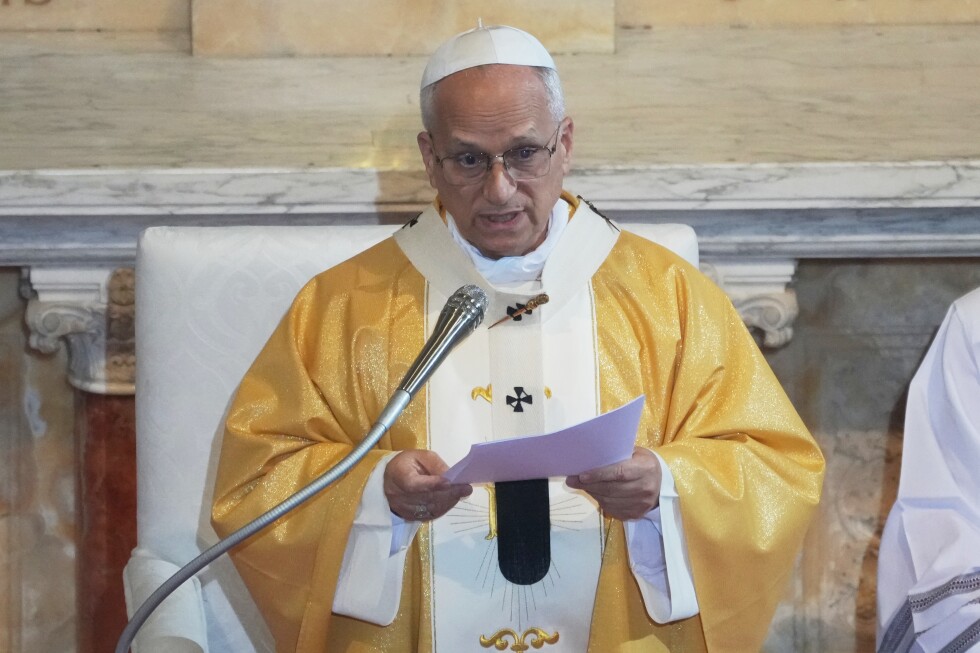
In the opening leg of his four-nation African tour following a stop in Algiers, Algeria, Pope Leo XIV — the first American pope in history — is set to arrive in Yaoundé, Cameroon’s capital, on Wednesday for a high-stakes visit focused on advancing peace, confronting systemic corruption, and clarifying the ethical obligations of political leadership. This trip puts the Vatican at the center of one of central Africa’s longest-running crises, pitting the Church’s commitment to democratic governance against the entrenched authoritarian rule of 93-year-old President Paul Biya, who has held uninterrupted power since 1982 and secured a disputed eighth term in national elections last October.
The disputed election result has remained a flashpoint of national tension since October 2023. Biya’s main challenger, Issa Tchiroma Bakary, has publicly rejected the official outcome, claiming he won the vote and urging Cameroonians to refuse to recognize Biya’s new term. Even ahead of the pope’s arrival, Vatican officials have made clear that Catholic social doctrine stands in opposition to the authoritarian style of leadership Biya has cultivated over his four decades in power. Just days before the visit, Pope Leo outlined his broader vision for ethical governance in a message to the Pontifical Academy of Social Sciences, dated April 1, that did not name Biya or Cameroon explicitly but carried clear resonance for the trip. In the address, the pope argued that authentic democracy acts as a critical guardrail against the abuse of political power, and that democratic systems only remain healthy when rooted in moral principle and a universal commitment to human dignity. Without that foundational commitment, he warned, democracy risks devolving into either majoritarian tyranny or a thin facade that masks unchecked control by narrow economic and technological elites.
Upon his arrival in Yaoundé, the pope’s first official engagement will be a face-to-face meeting with Biya at the presidential palace. Following that audience, Leo will address a gathering of government officials, civil service leaders, and foreign diplomats, before traveling to a local orphanage operated by a Catholic congregation of nuns. With roughly 29 percent of Cameroon’s population identifying as Catholic, the visit carries deep cultural and spiritual weight for the country, alongside its political implications.
The centerpiece of Pope Leo’s time in Cameroon will be a landmark peace gathering scheduled for Thursday in Bamenda, the capital of the country’s Northwest Region, which has borne the brunt of nearly a decade of separatist violence. The conflict erupted in 2017, when English-speaking separatist factions launched an armed rebellion to split from Cameroon’s French-speaking majority and form an independent state, Ambazonia. According to data from the International Crisis Group, the years of fighting have left more than 6,000 people dead and forced over 600,000 residents from their homes.
In a gesture of goodwill timed to the pope’s visit, separatist groups have announced a temporary ceasefire. The Unity Alliance, a coalition of multiple separatist factions, confirmed the three-day pause in hostilities in a statement released Monday evening, noting that the truce reflects the profound spiritual importance of Pope Leo’s trip and is intended to ensure safe passage for civilians, pilgrims, and visiting dignitaries throughout the visit.
Following the peace meeting in Bamenda, the pope’s second major public event will be an open-air Mass on Friday in Cameroon’s largest coastal city, Douala, where event organizers are projecting an attendance of roughly 600,000 worshippers and attendees. After wrapping up his time in Cameroon on Friday, Pope Leo will travel on Saturday to Angola for the third leg of his African tour, which will conclude the following week in Equatorial Guinea.
This Associated Press religion coverage is produced through a collaboration with The Conversation US, with financial support from Lilly Endowment Inc. The AP retains sole editorial responsibility for all content.