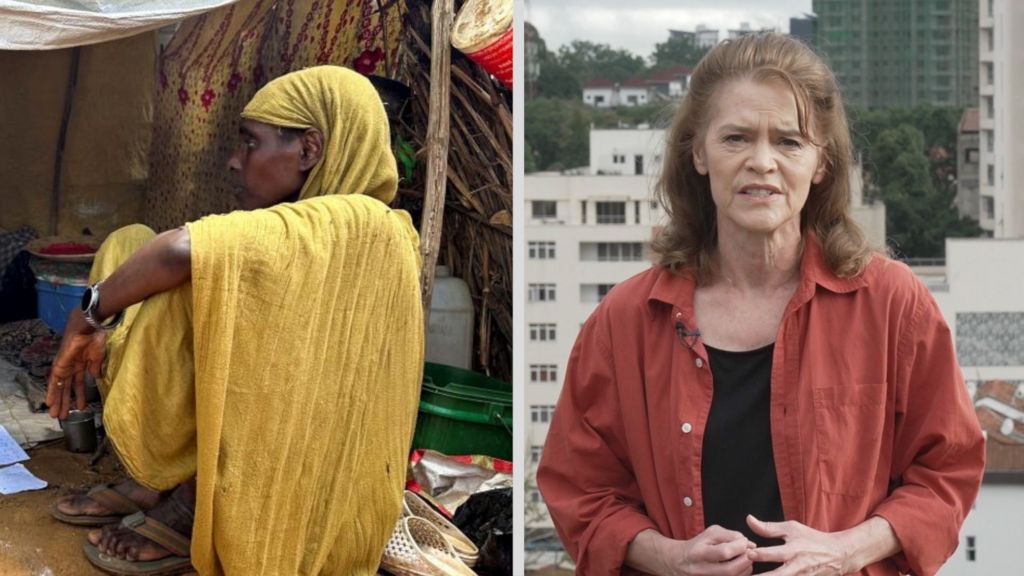
It has now been three full years since violent conflict first erupted across Sudan in 2023, and the accumulated human cost of the ongoing crisis has reached a scale that can only be described as staggering, according to senior BBC correspondent Barbara Plett Usher. What began as a clash between rival military factions quickly spiraled into a full-scale civil conflict that has upended the lives of millions of Sudanese people, leaving a trail of destruction that extends far beyond the front lines of battle. Unlike statistics that often reduce human suffering to numbers on a page, the toll of this war is measured in broken families, displaced communities, and lost futures that will shape the nation for generations to come.
In the three years since hostilities began, millions of Sudanese have been forced to flee their homes, with hundreds of thousands seeking refuge in neighboring countries such as Chad, South Sudan, and Egypt. Inside the country, critical infrastructure including hospitals, schools, and water treatment facilities have been repeatedly targeted or destroyed, leaving countless communities without access to basic life-saving services. Food insecurity has reached catastrophic levels in large swathes of the country, with the United Nations warning that millions of children and vulnerable adults face acute malnutrition and even starvation as aid organizations struggle to deliver assistance to hard-to-reach areas.
Civilian casualties continue to mount, with thousands of non-combatants killed and many more injured in cross-fire, airstrikes, and targeted attacks on residential areas. Healthcare workers, aid volunteers, and journalists documenting the crisis have also been targeted, making it even harder to capture the full extent of the human suffering unfolding across the country. As the international community has largely turned its attention to other global conflicts, the people of Sudan have been left largely abandoned to bear the brunt of a war that shows no immediate signs of ending. Plett Usher’s reporting underscores the urgent need for renewed global diplomatic efforts to broker a ceasefire and open up unimpeded access for humanitarian aid, before the human toll grows even more catastrophic in the months ahead.