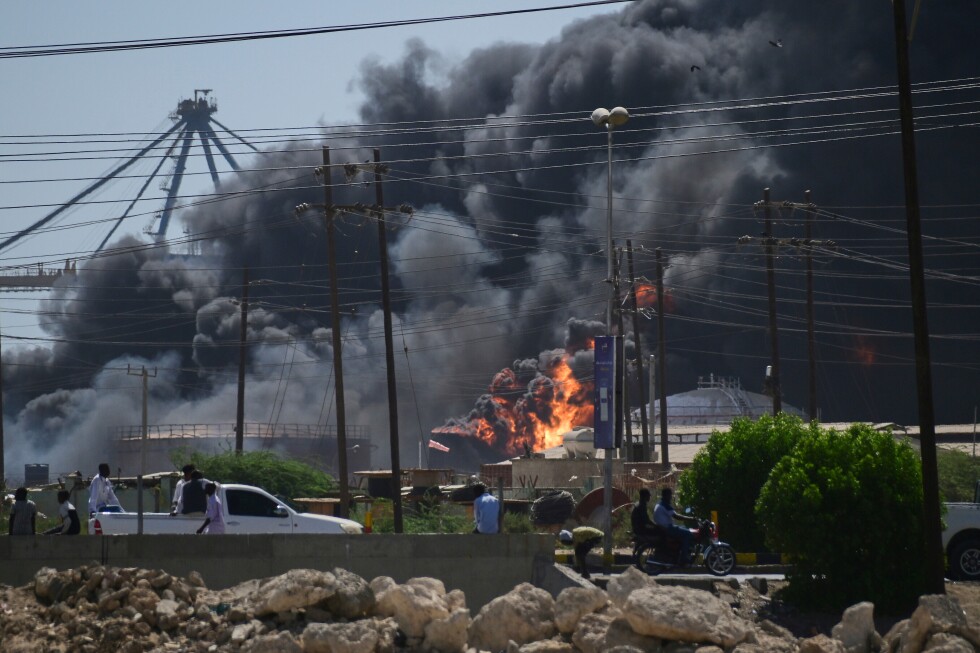
As Sudan enters its fourth year of brutal internal conflict between the national military and the Rapid Support Forces, a harrowing portrait of widespread human suffering and systemic collapse has emerged, one that has largely been sidelined by global headlines of other crises. What started as a clash between the two rival power centers in April 2023 has spiraled into one of the world’s worst humanitarian disasters, leaving millions grappling with starvation, displacement, and persistent violence against innocent civilians. Both warring factions have faced widespread allegations of gross human rights violations, including ethnic cleansing, extrajudicial executions, and widespread sexual violence targeting civilian populations. To fully grasp the scale of the catastrophe, a data-driven breakdown reveals the staggering impact of 36 months of uninterrupted fighting.
The human cost of the conflict starts with a death toll that continues to climb, even as full access to conflict zones remains blocked. Conflict tracking organization ACLED has documented at least 59,000 confirmed fatalities since the war began, but humanitarian aid organizations warn the actual number is far higher. With much of Sudan’s vast territory cut off from independent monitors, thousands of unrecorded deaths from violence, starvation, and preventable disease have likely gone uncounted.
The displacement crisis triggered by the war is one of the largest the world has seen in decades. Roughly 4.5 million Sudanese have fled across international borders, seeking refuge in neighboring countries including Egypt, South Sudan, Libya, and Chad. Another 9 million remain displaced within Sudan’s own borders, crammed into overcrowded makeshift shelters or abandoned public buildings with little access to basic necessities.
Hunger has emerged as one of the conflict’s deadliest weapons, according to global food security experts. The United Nations World Food Program reports that more than 19 million Sudanese are currently facing acute food insecurity, a figure that has pushed millions to the brink of famine. The crisis has been exacerbated by spillover from the escalating conflict in the Middle East, which has driven a 24% spike in fuel prices across Sudan, crippling supply chains for food and humanitarian aid and making it even harder to reach vulnerable communities. Even community-run kitchens that once acted as a lifeline for millions of hungry Sudanese have been forced to shut down: Islamic Relief reports that 354 of these facilities have closed in just the last six months, leaving millions without their primary source of daily meals.
Children have borne a disproportionate share of the war’s harm, UNICEF data confirms. More than 4,300 children have been killed or maimed by violence since the conflict began, and at least 8 million children are currently out of school. Roughly 11% of all schools in Sudan are now occupied by warring factions or repurposed as emergency shelters for displaced families, robbing an entire generation of access to education.
Sudan’s once-functional public health system has also been torn apart by fighting. World Health Organization Director-General Tedros Adhanom Ghebreyesus confirmed that only 63% of the country’s health facilities are still fully or partially operational. Since the war began, the WHO has verified 217 deliberate attacks on hospitals and health care centers, targeting critical infrastructure that civilians depend on for survival. Even as the humanitarian situation deteriorates, ACLED data shows that air and drone strikes have intensified over the past year, killing 1,032 civilians in 2025 alone as these strikes increasingly target populated areas.
With the war showing no sign of ending and global attention focused elsewhere, Sudanese officials have described the crisis as a “forgotten” or “abandoned” catastrophe, with millions of civilians left to suffer without sufficient international support or intervention to end the conflict.