标签: Africa

非洲

  • Wanted activist arrested in South Africa over support for Benin coup plot

    Wanted activist arrested in South Africa over support for Benin coup plot

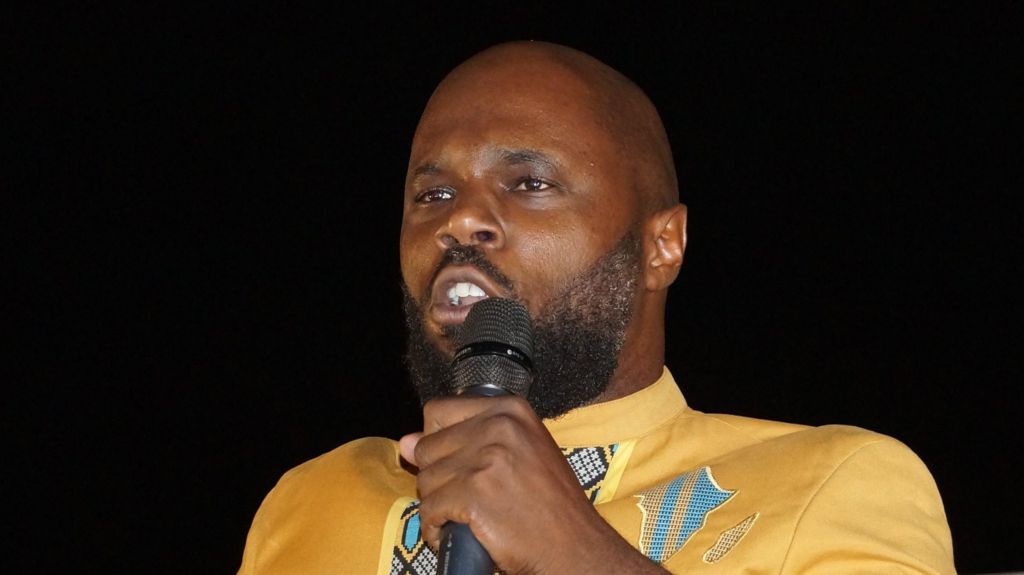
    In a coordinated sting operation carried out at a Pretoria shopping center earlier this week, South African law enforcement has detained high-profile French-born Beninese activist Kemi Seba, who was wanted internationally for charges tied to an alleged failed coup attempt in his home country of Benin. Alongside Seba, 45, officials also took his 18-year-old son and a third individual accused of acting as a paid smuggler into custody, as the group was reportedly plotting an escape route to Europe via neighboring Zimbabwe.

    Seba, whose full legal name is Stellio Gilles Robert Capo Chichi, has built a large international following as a vocal Pan-Africanist, known above all for his vehement opposition to long-standing French political and cultural influence across the African continent. He currently leads the Pan-Africanist Emergency NGO, an organization focused on advancing African sovereignty and cross-continental solidarity, and counts 1.5 million followers across his social media platforms.

    The arrest stems from charges filed by Beninese authorities, who accuse Seba of inciting rebellion after he openly supported a December 2025 attempted coup against Benin’s sitting government. The mutiny, carried out by rogue soldiers, was quickly defeated within hours with security support from Nigeria and France, but Seba released a public video calling the attempted overthrow a “day of liberation” for Benin, a former French colony. That statement prompted Benin to issue an international arrest warrant for the activist. Preliminary investigations from South African police also confirmed Seba is wanted on additional criminal charges related to crimes against the state in his native France.

    The smuggling facilitator detained alongside Seba and his son had reportedly been paid 250,000 South African rand, equal to roughly $15,000, to help the group cross the Limpopo River into Zimbabwe, from where they planned to travel onward to Europe, according to an official statement released by South African police this Thursday. All three detainees appeared in court on Wednesday and remain in police custody ahead of a next hearing scheduled for 20 April, with formal extradition proceedings already underway.

    Seba’s history of political activism has long been marked by controversy. He has been convicted multiple times in France on charges of inciting racial hatred, and has repeatedly faced accusations of anti-Semitism. In 2024, France stripped him of his citizenship, a move he responded to by publicly burning his French passport and declaring he had been “freed from the burden of French nationality.”

    He has also been repeatedly accused by Western officials of spreading Russian propaganda across the African continent. Thomas Gassilloud, who chaired France’s National Assembly defence committee in 2024, labeled Seba a mouthpiece for Russian interests, claiming he served a foreign power that actively fuels anti-French sentiment across West Africa. Later that same year, the ruling military junta in Niger granted Seba a diplomatic passport naming him a special adviser to junta leader Abdourahamane Tchiani. Like neighboring military-led governments in Mali and Burkina Faso, Niger’s junta cut military counterterrorism cooperation with France after seizing power and has aligned itself closely with Russia instead.

    As of this report, Seba has not issued any public comment responding to the charges against him.
  • Calls intensify for urgent action to end Sudan war

    Calls intensify for urgent action to end Sudan war

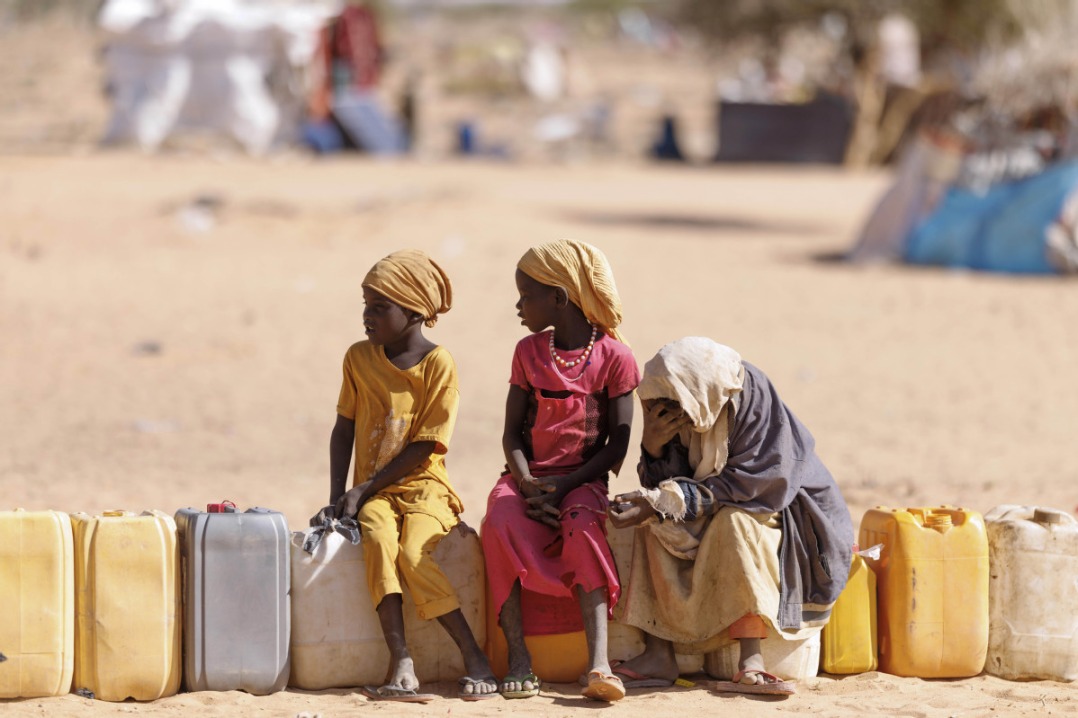
    As Sudan’s devastating civil conflict enters its fourth year this week, humanitarian organizations from across the globe are ramping up calls for immediate, coordinated diplomatic intervention to end the fighting, warning that ongoing violence threatens to push one of the world’s worst displacement crises to even more catastrophic levels. Since fighting first broke out in April 2023, the conflict has already displaced an estimated 14 million people, according to senior officials from the United Nations High Commissioner for Refugees (UNHCR).

    Of that staggering total, 9 million people remain internally displaced within Sudan’s borders, while an additional 4.5 million have fled across the country’s borders to seek safety in neighboring nations including Egypt, Chad and others. Mamadou Dian Balde, UNHCR’s regional director for Eastern and Southern Africa, laid out the core demands of displaced Sudanese people in a public statement this week: an immediate end to hostilities, and urgent, scaled-up support to ease widespread suffering while diplomatic efforts progress.

    “Every corner of Sudan’s society has been upended by this war,” Balde explained, noting that students, working professionals, small business owners and ordinary families have been forced to abandon their homes with almost no advance warning, leaving behind nearly all their possessions and livelihoods. Beyond the immediate human cost, he warned that a lack of decisive international engagement risks creating broader regional instability, and could push growing numbers of displaced people to seek safety far beyond Africa’s borders, including in Europe and the Gulf Cooperation Council states.

    Alongside the displacement crisis, children and women are bearing the brunt of the conflict, aid groups warn. Development NGO Plan International released a new assessment Wednesday estimating that 12 million Sudanese people — nearly a quarter of the country’s entire pre-war population — face heightened risk of gender-based violence, including widespread rape and sexual assault. The organization confirmed that repeated targeted attacks on healthcare facilities across the country have gutted medical systems’ ability to care for survivors, leaving most without access to life-saving emergency care, mental health support or legal recourse to hold perpetrators accountable.

    The conflict has also collapsed Sudan’s entire education system, leaving more than 14 million children — the majority of them girls — unable to attend classes, with no clear timeline for when schools will be able to reopen safely. “This conflict has not just destroyed buildings and infrastructure — it has destroyed entire communities and shattered the futures of generations of young Sudanese,” said Mohamed Kamal, Plan International’s country director for Sudan. “If the global community fails to act now, we will be living with these consequences for decades to come.”

    Across the country, an estimated 30 million people require immediate life-saving humanitarian assistance, but the international response has been severely hampered by a crippling funding shortfall. In February, a coalition of humanitarian agencies launched a coordinated regional response plan covering seven host countries, asking for $1.6 billion to fund food aid, emergency shelter, clean water access and education support for displaced Sudanese communities. As of this month, that appeal is only 10 percent funded, far less than the amount needed to address the full scale of the crisis, Balde confirmed.

    “Without immediate, sustained financial support, countless lives — and the entire futures of girls and young women across Sudan — will be lost,” Kamal added.

    The International Rescue Committee (IRC) has sounded the alarm over the full human cost of the conflict, confirming that more than 150,000 people have been killed since fighting began in 2023. Today, Sudan accounts for 10 percent of all unmet global humanitarian needs, the organization said.

    UNICEF has also highlighted the catastrophic toll the conflict has taken on children, who have faced unrelenting violence and displacement for three years. “For three years, children across Sudan have been killed, injured and displaced at staggering levels,” said Catherine Russell, UNICEF’s executive director. “Their homes, their schools and their hospitals continue to come under attack. There is no justification for violence against children. It reflects a collective failure by all parties to this conflict to uphold and protect the most basic human rights of the youngest and most vulnerable Sudanese.”

  • South African opposition figure Malema sentenced to five years in prison

    South African opposition figure Malema sentenced to five years in prison

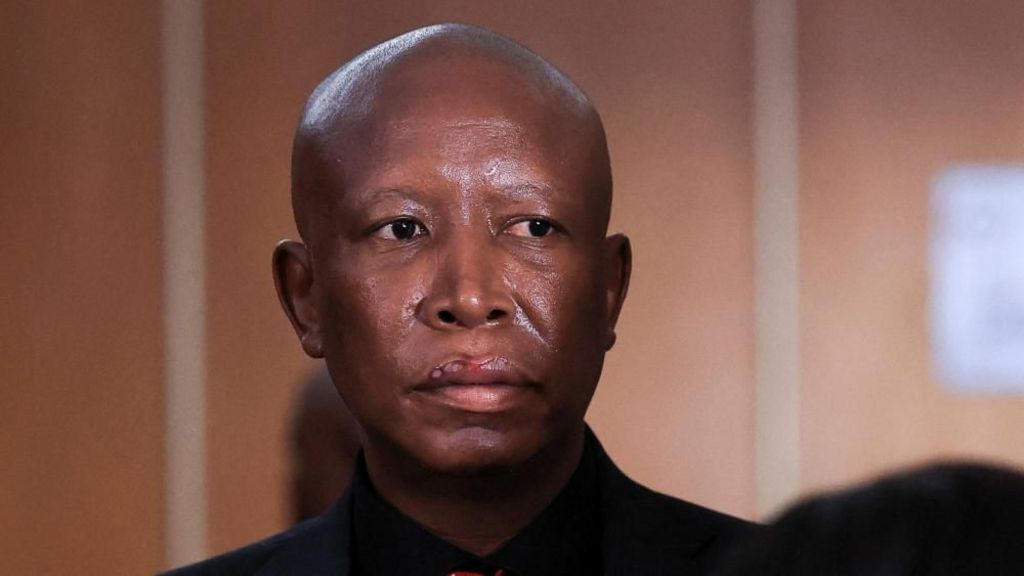
    In a landmark ruling that sends major ripples through South Africa’s political landscape, prominent opposition figure and Economic Freedom Fighters (EFF) leader Julius Malema has been sentenced to five years behind bars following a guilty verdict on charges of illegal firearm possession and unlawful weapon discharge in a public area.

    Malema, who also serves as a sitting member of South Africa’s parliament, showed no visible reaction as the magistrate delivered the sentence in court, where he appeared dressed in a dark formal suit paired with his party’s signature red tie. His legal team has already confirmed they will immediately launch an appeal against the conviction and sentence in a bid to block his immediate incarceration.

    The charges against Malema stem from a 2018 incident captured on video during the EFF’s fifth-anniversary rally held in South Africa’s Eastern Cape province. The footage clearly showed Malema firing multiple shots into the air with a semi-automatic rifle. Last year, he was formally convicted on five total criminal charges related to the episode, including unlawful possession of both a firearm and ammunition, intentional discharge of a weapon in a public space, and reckless endangerment of bystanders.

    Under South African electoral law, any sentence exceeding 12 months in length automatically disqualifies a person from holding a seat in parliament. However, this disqualification will not take effect until all legal appeal processes have been fully exhausted, leaving Malema’s parliamentary status in limbo for the coming months. This is a developing breaking news story, with additional details expected to emerge as the appeal process moves forward.

  • Pope heads to epicenter of Cameroon’s separatist conflict to preach message of peace

    Pope heads to epicenter of Cameroon’s separatist conflict to preach message of peace

    YAOUNDE, Cameroon – In a high-stakes visit focused on reconciliation and accountability, Pope Leo XIV has arrived in Cameroon as part of his groundbreaking four-nation tour of Africa, marking the first papal visit to the continent by the first American pope. His journey centers on Bamenda, the heart of a long-simmering separatist conflict in Cameroon’s Anglophone northwest that humanitarian organizations have labeled one of the globe’s most underreported and neglected humanitarian crises.

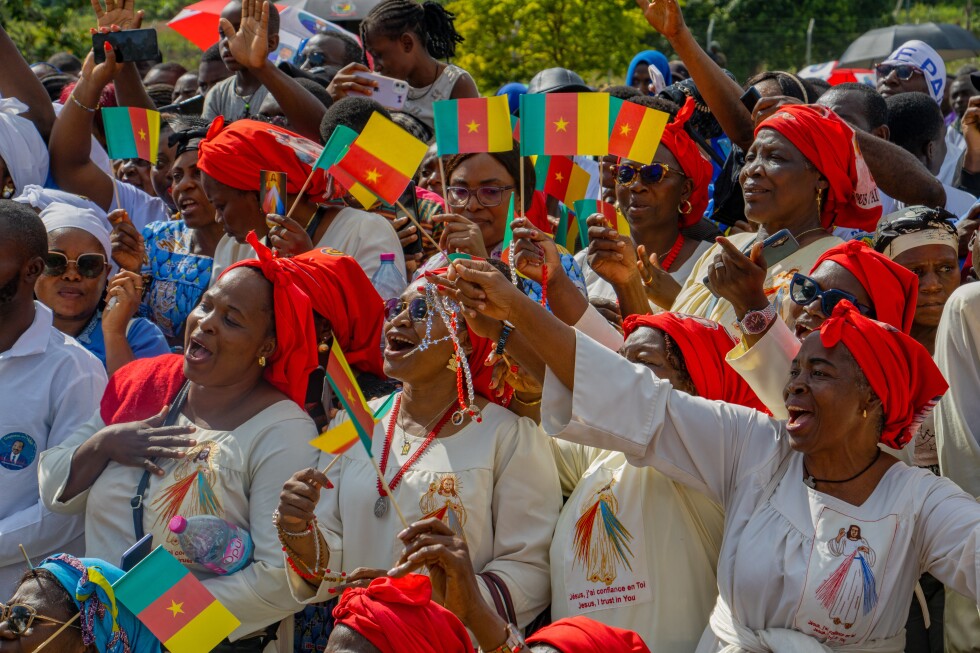
    The 93-year-old pontiff is scheduled to lead an interfaith peace gathering Thursday in Bamenda, a city located just kilometers from Cameroon’s western border with Nigeria. The dialogue will bring together leaders from across Cameroon’s religious and traditional communities, including a Mankon traditional ruler, a Presbyterian Church moderator, a Muslim imam, and a Catholic nun. The gathering is designed to amplify the work of local interfaith movements that have spent years working to end the violence and support thousands of civilians left traumatized by the conflict. Following the peace meeting, Pope Leo will celebrate an open-air Mass for local residents.

    The conflict, which stretches back to 2017 when separatists launched an armed rebellion for an independent Anglophone state called Ambazonia, has deep roots in Cameroon’s colonial history. After World War I, the former German colony of Cameroon was split into two territories administered by Britain and France. In a 1961 United Nations-supervised referendum, the two British-administered Anglophone regions voted to unite with the independent French-speaking Republic of Cameroon. Separatist leaders argue that for decades, the Anglophone minority has faced systematic political and economic marginalization at the hands of the country’s French-speaking majority. The ongoing conflict has killed more than 6,000 people and forced more than 600,000 residents to flee their homes, per data from the International Crisis Group, even as global media and diplomatic attention has largely overlooked the crisis.

    In a notable gesture ahead of the pope’s visit, separatist military factions announced a three-day ceasefire to facilitate safe passage for the papal delegation and local worshippers. Lucas Asu, spokesperson for the separatist Unity Alliance, framed the pause in fighting as a demonstration of the movement’s commitment to humanitarian principle even amid active conflict. “This pause reflects a deliberate commitment to responsibility, restraint and respect for human dignity, even in the context of ongoing conflict,” Asu said, adding that the pope’s visit should remain a spiritual rather than political event, and should not be interpreted as an endorsement of Cameroon’s sitting government.

    Upon his arrival in Cameroon Wednesday, the first stop of his leg in the country, Pope Leo delivered a blunt address to the nation’s leadership, calling for an end to systemic graft in the resource-rich nation. He directly urged that “the chains of corruption” be broken, in a public rebuke to long-ruling President Paul Biya. At 93, Biya is the world’s oldest sitting head of state, having held uninterrupted power since 1982. He secured a disputed seventh term in 2018 and claimed victory in last year’s contested election that extended his rule to an eighth term, a result that opposition leaders rejected as fraudulent.

    While the frequency of deadly attacks has dropped in recent years, the conflict remains far from resolved. International-mediated peace negotiations between the Cameroonian government and separatist factions have stalled, with both sides repeatedly accusing the other of negotiating in bad faith. This visit marks a rare moment of global attention on a crisis that has spent years off the international agenda, with hopes among local peacebuilders that the papal spotlight will reinvigorate efforts toward a lasting negotiated settlement.

    This Associated Press religion coverage is produced through AP’s collaboration with The Conversation US, with funding from Lilly Endowment Inc. AP retains sole editorial responsibility for all content.

  • A dispatch from inside the Vatican bubble during a remarkable exchange between pope and president

    A dispatch from inside the Vatican bubble during a remarkable exchange between pope and president

    Traveling with the Vatican press pool while covering Pope Leo XIV comes with a unique, almost secluded experience. Chaperoned between stops by police motorcades that cut through even the gridlock of the busiest urban centers, this exclusive press access offers no shortage of perks for working journalists. But during Leo XIV’s landmark four-nation tour of Africa, life inside the carefully managed Vatican “bubble” has taken on a surreal edge, as an unprecedented public exchange of words plays out across continents between the first American pope in history and U.S. President Donald Trump.

    Every morning of this tour, the roughly 70 accredited reporters traveling with the papal delegation wake to new overnight developments out of Washington, and one set of questions hangs over the entire press corps: Will Pope Leo engage directly with the latest attacks? How, if at all, will he address Trump’s criticism while staying focused on the pre-planned pastoral and diplomatic agenda he set for his African trip?

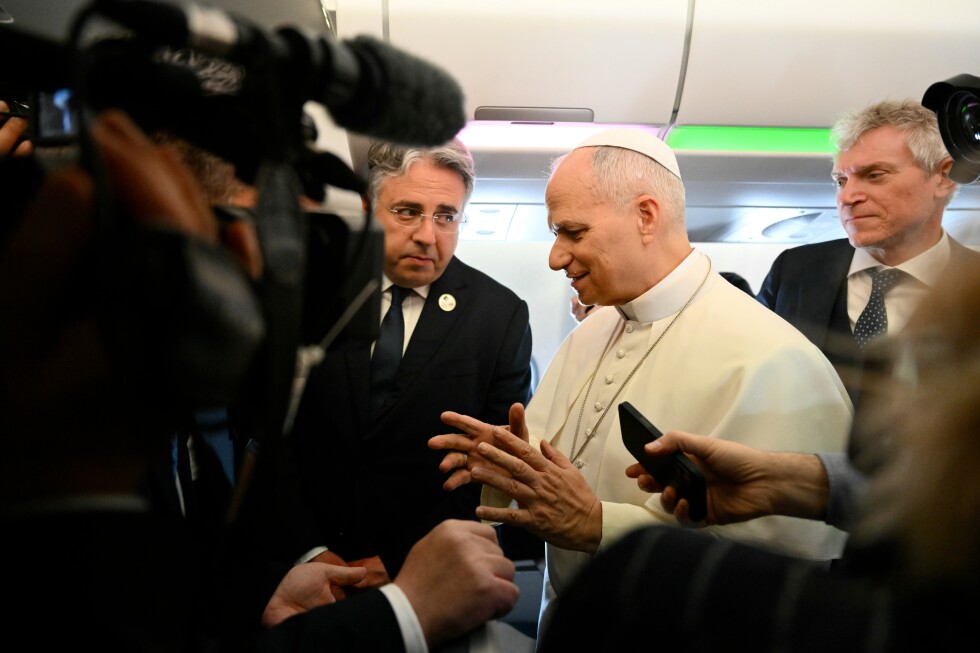
    That dynamic was on full display Wednesday, when the pontiff, his Vatican entourage and the traveling press pool boarded an ITA Airways charter for the second leg of Leo’s 11-day journey: a flight from Algiers, Algeria bound for Yaounde, Cameroon.

    Early in the trip, the pope had already delighted reporters by confronting Trump head-on. Shortly after departing Rome for Algiers on April 13, Leo stopped to answer press questions about a Truth Social post Trump had published the day prior, in which the U.S. president accused the pontiff of being soft on crime, aligned with progressive U.S. political factions, and even claimed Leo owed his election as pope to his own administration’s influence.

    Trump’s original criticism came in response to comments Leo made regarding the ongoing conflict between the U.S. and Iran, where the pope had called for urgent peace and labeled Trump’s threat to annihilate Iranian civilization “truly unacceptable.” Aboard that first flight, the pope told reporters his calls for peace and rejection of war were nothing more than a straightforward articulation of Gospel values, and that he held no fear of the Trump administration.

    On Wednesday, however, Leo chose not to take new questions from reporters, and directed his brief on-plane remarks to his just-concluded visit to Algeria — the first papal visit to the North African nation in history — where he honored the legacy of St. Augustine of Hippo, his own reported spiritual inspiration. While he made no explicit mention of the Iran conflict or Trump’s latest attacks, his choice to deliver the entire address in English, a break from his usual multilingual remarks on the trip, left little doubt that the overnight broadsides from Washington had not gone unheard. In the hours leading up to the flight, Trump had renewed his criticism on Truth Social, while U.S. Vice President JD Vance — a convert to Catholicism — publicly warned the pope to “be careful” when discussing theological matters.

    In his remarks, Leo highlighted the “goodness,” “generosity,” and “respect” extended by the Algerian government during his visit, noting the honor of a full military aerial escort that accompanied the papal plane through Algerian airspace. He also reflected on his historic stop at Algiers’ Great Mosque, framing the visit as a powerful demonstration that even with differing religious beliefs, worship practices and ways of life, diverse communities can coexist peacefully. He added that St. Augustine’s core message — of seeking God and truth, building cross-community bridges, and working toward unity — is a lesson the modern world desperately needs to hear, and one the apostolic trip would continue to lift up through his papal witness.

    Beyond the high-profile transatlantic tension, the papal traveling press pool operates by its own set of rules. Like other heads of state, the pope travels internationally with both an in-house Vatican media team and a cohort of reporters from external global news organizations, which pay substantial fees to secure a spot on the papal plane and gain exclusive access to the pontiff’s events.

    Life inside the Vatican bubble carries clear journalistic tradeoffs. On one hand, reporters get unrivaled access to the pope and his delegation, travel under the protection of the Vatican’s robust security apparatus, and face none of the logistical hurdles that come with independent international reporting: the Vatican handles advance visa processing, secures local SIM cards, arranges accommodation and ground transportation, freeing journalists to focus on reporting rather than planning. Reporters also receive advance copies of the pope’s speeches, occasional off-the-record access to senior Vatican officials, and real-time updates from the Vatican spokesman.

    For most news organizations, however, the primary draw of investing thousands of dollars per reporter for a single papal trip is the chance to be present for impromptu on-board press briefings, the only setting where popes regularly take unscripted questions from reporters while cruising at 35,000 feet. One of the most iconic papal quotes of modern history came from exactly this setting: Pope Francis’ famous “Who am I to judge” remark, made during his 2013 maiden papal trip to Rio de Janeiro when asked about a reportedly gay priest.

    The downside of the bubble, however, stems from the same perks that make it appealing: it deliberately separates reporters from the on-the-ground reality of the countries the pope visits, whether that’s Algeria or any other nation, leaving little time for the independent grassroots reporting that creates balanced, nuanced news coverage. Large news organizations with sufficient resources often offset this gap by deploying separate reporting teams on the ground to produce local context, or allow bubble-based reporters to break away for independent trips, resulting in a mix of official Vatican access and on-the-ground insight.

    But when the biggest breaking news involving the pope is unfolding thousands of miles away, across multiple time zones, life inside the bubble becomes a distinctly jarring experience. The story every news outlet is chasing is not always the formal pastoral agenda the pope has laid out for the trip. Even so, for a historic trip that marks the first visit by an American pope to Africa, the bubble has offered unrivaled front-row access to a moment that will shape both Vatican-U.S. relations and the pope’s global legacy.

    This reporting on religion from the Associated Press is supported through a collaboration with The Conversation US, with funding provided by Lilly Endowment Inc. The AP retains full editorial responsibility for all content.

  • Middle East conflict drives fuel prices in Kenya

    Middle East conflict drives fuel prices in Kenya

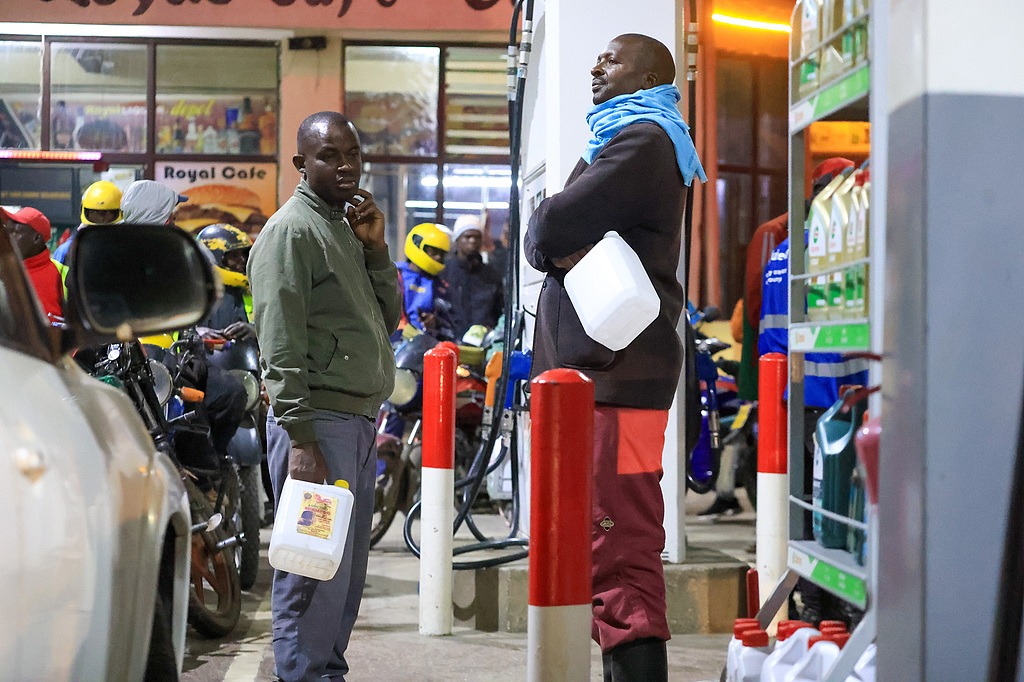
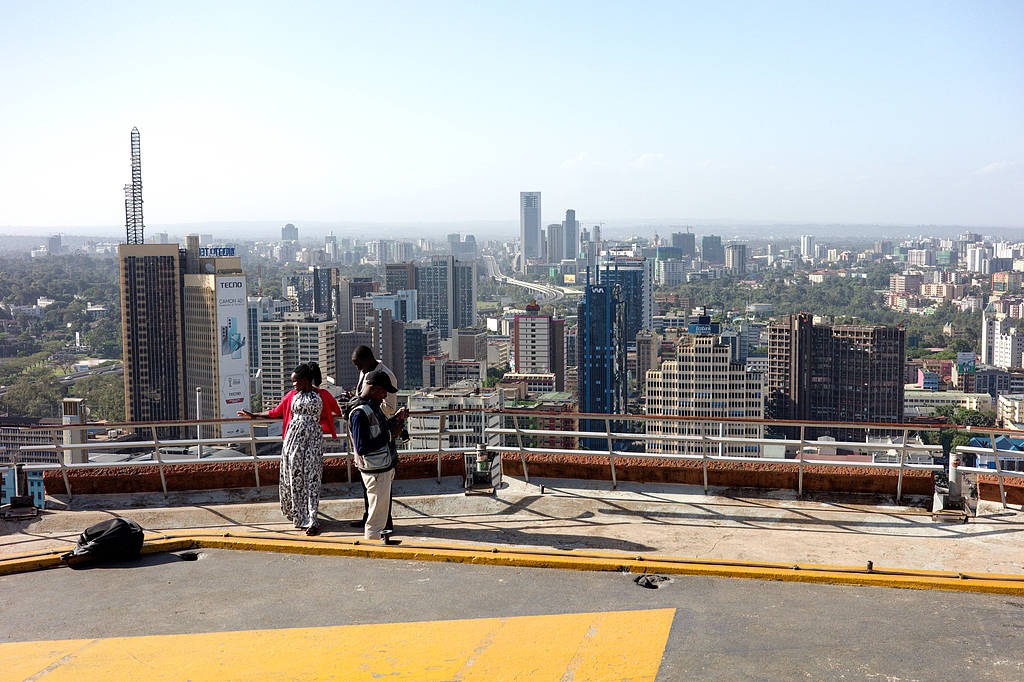
    The ongoing geopolitical unrest in the Middle East is sending shockwaves through global energy markets, and one of its most immediate impacts is being felt by ordinary consumers in the East African nation of Kenya. On Tuesday, the country’s Energy and Petroleum Regulatory Authority (EPRA) confirmed what many had feared: a dramatic upward adjustment to fuel prices that will raise costs for transportation, commerce and households across the country.

    In its bi-monthly pricing review, covering the period from April 15 to May 14, 2026, the regulator announced steep increases across most fuel grades. Diesel, which powers the vast majority of Kenya’s freight transport, agricultural machinery and public transit vehicles, saw the largest jump at 24.1 percent. Super petrol rose by a smaller but still significant 16.2 percent. The adjustments pushed the retail price of both fuels above $1.59 per liter in the capital Nairobi, according to the new pricing schedule.

    In a statement signed by Joseph Oketch, EPRA’s acting director-general, the authority announced it would hold kerosene prices steady, capping the domestic cooking fuel at a maximum retail price of $1.18 per liter in Nairobi.

    The price hikes are directly tied to a sharp surge in global benchmark oil prices, which has been triggered by escalating conflict between the US-Israel alliance and Iran in the Middle East. As a country that relies entirely on imports for all its refined petroleum products, Kenya has no domestic refining capacity to insulate itself from global market volatility, leaving the nation fully exposed to external energy price shocks.

    Even as it enforced the new global-market-aligned prices, the Kenyan government moved quickly to roll out targeted measures to soften the blow for consumers. Oketch confirmed that the value-added tax (VAT) applied to super petrol, diesel and kerosene has been cut from 16 percent to 13 percent to reduce overall costs. To further stabilize retail pump prices, the government will draw approximately $48 million from the national Petroleum Development Levy Fund to offset part of the elevated landed cost of imported fuel products.

    Oketch moved to reassure Kenyans that the regulator remains committed to upholding fair competition in the energy sector, and will continue working to protect the interests of both consumers and industry investors amid the ongoing market instability.

  • Middle East conflict slows Africa growth outlook, IMF and World Bank warn

    Middle East conflict slows Africa growth outlook, IMF and World Bank warn

    Sub-Saharan Africa’s fragile post-shock economic recovery is at growing risk of stalling this year, the International Monetary Fund (IMF) and World Bank have warned, as spillover effects from the ongoing Middle East conflict drive up critical commodity prices and amplify pre-existing economic vulnerabilities across the continent.

    In joint comments released following a Tuesday meeting in Washington between IMF leadership and the African Consultative Group, the two global financial institutions cut their 2026 growth projections for the region, confirming that the conflict has erased earlier optimism for accelerating expansion. The IMF now forecasts aggregate African GDP growth will cool to 4.2% in 2026, down from an estimated 4.5% growth in 2025. Sub-Saharan Africa’s growth, specifically, is projected to ease to 4.3% this year, with the World Bank trimming its own Sub-Saharan forecast by an even steeper 0.3 percentage points to 4.1%.

    Citing the Middle East conflict as a major new disruptive force, analysts warn that higher prices for fuel, food and fertilizer – three commodities critical to African household budgets and industrial activity – have reignited inflationary pressures that were starting to ease. The World Bank projects regional inflation will climb back up to 4.8% in 2026, a sharp jump from 3.7% recorded in 2025, a surge that hits low-income and poor households the hardest, as they spend the majority of their income on basic necessities.

    “Growth momentum in Africa is expected to slow down in 2026 contrary to earlier projections,” the joint statement reads, adding that the conflict has deepened fragility that already stemmed from soaring debt service costs, restricted access to affordable financing, and unmet development needs that have long constrained policy options for low-income and conflict-affected nations. “The war has further complicated the situation, with risks of lasting economic scarring driven by renewed inflation, food shortages and growing social tensions.”

    Pierre-Olivier Gourinchas, director of the IMF’s research department, told reporters on Tuesday that the economic hit is already visible, with growth downgrades and rising inflation recorded across a large number of African countries. He noted that the impact varies by national economy: energy-importing nations face far steeper headwinds than energy-exporting countries that benefit from elevated global oil prices.

    Beyond growth and inflation, the geopolitical uncertainty sparked by the conflict is already starting to disrupt planned investment flows into the continent. The World Bank estimates that more than $100 billion in investment commitments from Gulf Cooperation Council sovereign wealth funds – concentrated in the United Arab Emirates, Saudi Arabia and Qatar – could face delays or be scaled back as funds reassess their risk exposure amid heightened global volatility. These investments, which target priority African sectors including renewable energy, port infrastructure, logistics, mining and large-scale agriculture, have been a key source of financing for major development projects across Sub-Saharan Africa in recent years.

    IMF officials added that the combination of higher commodity prices, tighter global financial conditions, and declining foreign aid has created even more severe pressure for low-income African countries already struggling to unsustainable high debt burdens.

    Both institutions and African finance leaders have laid out a clear policy path for governments to navigate the crisis: in the near term, policymakers must prioritize keeping inflation expectations anchored and rolling out targeted, time-bound financial support to protect the most vulnerable households from price hikes. Over the medium term, countries need to accelerate structural reforms focused on economic diversification, deepen regional integration, and expand critical infrastructure to build long-term resilience against future external shocks. World Bank Africa chief economist Andrew Dabalen emphasized that maintaining core macroeconomic stability through inflation control and prudent fiscal management remains non-negotiable to set the continent up for faster growth once the current crisis eases.

  • Nigerian security forces on high alert for large-scale attack on airport and prison, memo says

    Nigerian security forces on high alert for large-scale attack on airport and prison, memo says

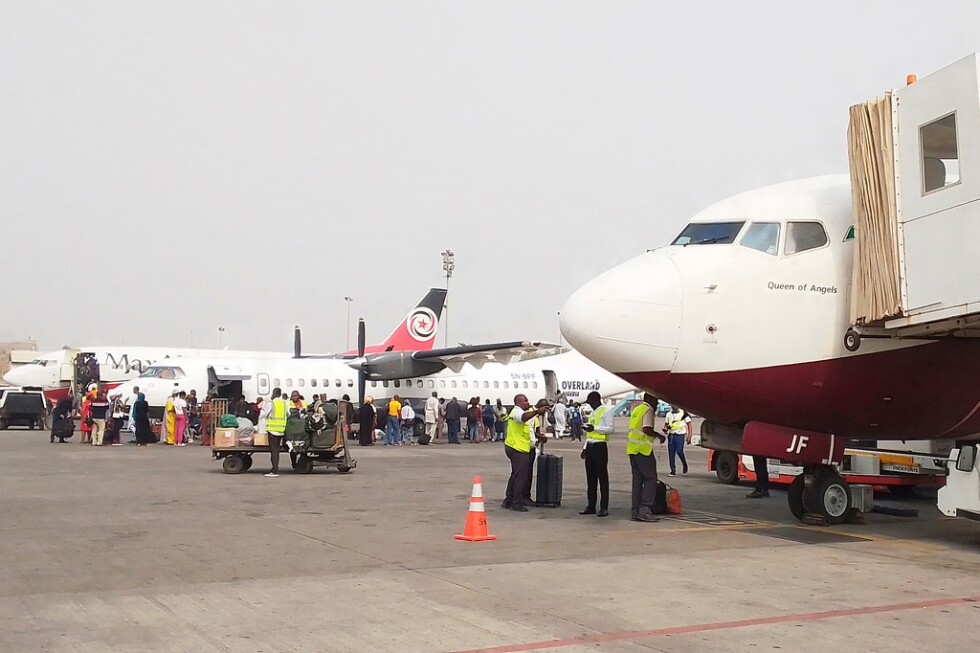
    ABUJA, Nigeria — Nigeria’s national security apparatus has been placed on heightened alert following a leaked internal intelligence memo that uncovered coordinated planned attacks by Islamist militant networks targeting critical public infrastructure across Abuja and neighboring Niger State. The confidential document, dated April 13 and obtained by the Associated Press from the Nigeria Customs Service on Wednesday, outlines specific high-value targets selected by the attackers: Nnamdi Azikiwe International Airport in Abuja, a federal prison in the capital, and a military detention facility located in Niger State.

    According to the memo’s text, the militants’ dual objectives are to free dozens of detained terror group members and cause catastrophic damage to Nigeria’s key aviation infrastructure. The warning draws a clear parallel to a deadly January assault on an air force base in Niamey, the capital of neighboring Niger Republic, noting that terror operatives are actively seeking to replicate that successful attack model within Nigeria’s borders. “An analysis of the report reveals a concerning correlation between the potential targeting of the Nnamdi Azikiwe Airport Abuja and recent large-scale attacks on aviation facilities in Niger Republic, notably in Niamey and Tahoua. This suggests a possible intent by terrorists to replicate the attack patterns within Nigeria,” the memo states.

    The Abuja prison referenced in the warning was the site of a major 2022 militant breakout, when an attack organized by the Islamic State West Africa Province (ISWAP) allowed 879 inmates to escape, including 64 confirmed ISWAP members. The latest planned operation is set to be executed by deep-cover sleeper cells belonging to two of Nigeria’s most active militant groups: Boko Haram and its offshoot ISWAP, the memo confirms.

    A senior Nigeria Customs Service official, who spoke on condition of anonymity due to restrictions on speaking to the media, confirmed that all branches of the military and national paramilitary forces have been placed on high alert and are actively preparing to disrupt the planned attacks. As of press time, neither the Nigeria Customs Service nor the Nigerian military has issued an official response to AP’s requests for comment on the intelligence alert.

    The revealed plot comes amid a long-running and evolving security crisis across Nigeria, Africa’s most populous nation. For more than a decade, insurgent violence has plagued the country’s northern regions, where multiple armed extremist groups operate, carrying out attacks, kidnappings for ransom, and community raids. Alongside Boko Haram and ISWAP, the IS-affiliated Lakurawa group has expanded its operations in northwestern Nigeria’s border regions adjacent to Niger Republic in recent years.

    The new terror warning also follows a recent security adjustment by the United States, which last week authorized the evacuation of non-emergency government staff and their family members from its Abuja embassy, citing a sharp rise in terrorist attacks, kidnapping incidents, and violent crime across northern Nigeria. The U.S. mission has since suspended regular public operations. Nigerian Information Minister Mohammed Idris downplayed the U.S. move, framing it as a standard precautionary step following internal security protocols, and stressed that the decision does not reflect the full security landscape across the country.

  • Nigeria drops terrorism financing charges against ex-justice minister

    Nigeria drops terrorism financing charges against ex-justice minister

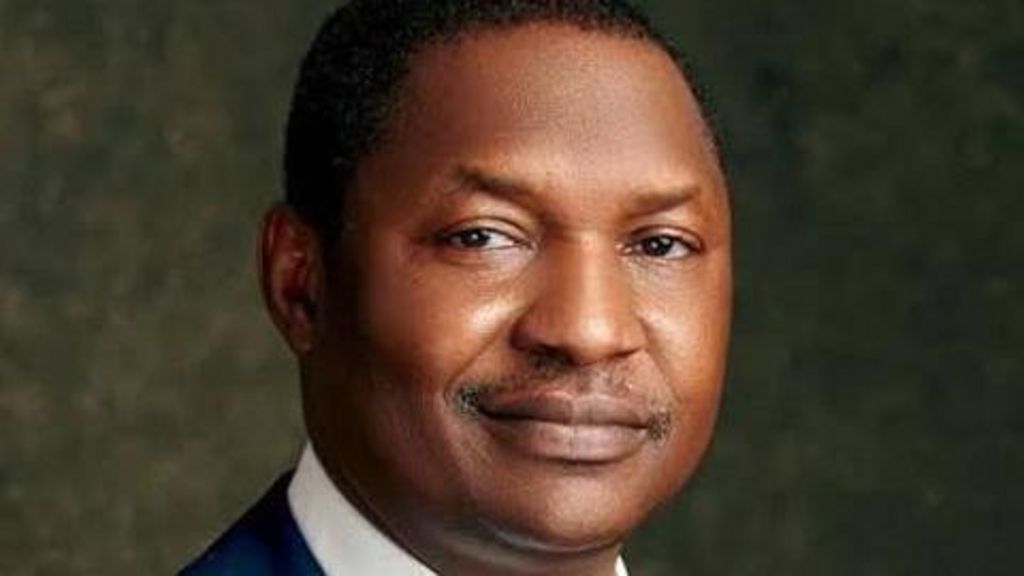
    In a high-profile legal development that has gripped Nigerian political circles, federal authorities have withdrawn terrorism financing charges against former Nigerian Justice Minister Abubakar Malami and his son, leaving only an illegal firearms possession charge on the court docket.

    Malami, 58, held the position of Justice Minister throughout former President Muhammadu Buhari’s two consecutive terms from 2015 to 2023. A close ally of the ex-president, he is married to Buhari’s daughter and was widely regarded as the most powerful and influential cabinet member in the previous administration. His standing in Nigerian politics has made this ongoing legal battle one of the most closely watched cases in the country this year.

    During a court hearing held on Wednesday, lead prosecution counsel Akinlolu Kehinde, representing Nigeria’s Department of State Services (DSS), formally notified the presiding judge of the decision to drop the terrorism financing charges. The revised charge sheet now only alleges that Malami illegally possessed firearms and live ammunition, which authorities claim were recovered during a search of his private residence in Birnin Kebbi, located in Nigeria’s northwestern Kebbi State.

    Both Abubakar Malami and his son Abdulaziz, who is also named in the revised charge, entered not guilty pleas to the remaining allegation. The defendants’ lead defense counsel Shaibu Aruwa confirmed that his clients had received and reviewed the amended charge sheet, and raised no objections to it being read aloud during the open court proceeding.

    Presiding Justice Joyce Abdulmalik ruled that the existing bail conditions for the two defendants would remain in place. Each is required to maintain a 500 million naira bail bond (equivalent to approximately £260,000 or $350,000), and both have surrendered their international travel documents to the court to prevent any attempt to leave the country ahead of the trial. The case has been adjourned until May 26, when formal trial proceedings will get underway.

    This legal matter is not the only challenge Malami currently faces. In a separate, ongoing case, he is also facing multi-count money laundering charges that name his wife and son as co-defendants.

    Malami has repeatedly pushed back against all allegations against him, framing the entire prosecution as a politically motivated attack. He claims the charges stem directly from his decision to exit the ruling All Progressives Congress (APC), the party of current Nigerian President Bola Tinubu, and join the newly formed African Democratic Congress (ADC). The ADC has positioned itself as the primary opposition challenger to APC control ahead of upcoming national elections, making Malami’s defection a high-stakes political shift.

    The overlapping legal cases against one of the Nigerian opposition’s most prominent new figures have drawn intense public scrutiny across the country, with political observers and citizens alike debating the motivations behind the prosecutions and their potential impact on Nigeria’s upcoming electoral cycle.

  • Visa-free policy urged to drive African integration

    Visa-free policy urged to drive African integration

    Across the African continent, business leaders, policy experts and senior officials are amplifying longstanding calls for a unified visa-free travel regime, framing the elimination of cross-border visa requirements as a non-negotiable step to unlock intra-regional trade, revitalize tourism and deliver on the long-held goal of continental integration.