
One of South Africa’s most prestigious annual running events has been marred by a brazen act of cheating that saw two male runners disqualified for posing as female competitors to secure top-10 finishes at the iconic Two Oceans Marathon. Held in Cape Town on April 12, the race draws more than 16,000 competitors annually across two distances: a 56-kilometer ultramarathon and a 21.1-kilometer half marathon. Earning a spot in the top 10 is widely considered a major career milestone for most amateur and professional runners alike, making the deceptive scheme all the more damaging to honest participants who trained for months to compete. The two men, identified as Luke Jacobs and Nic Bradfield, initially crossed the finish line in seventh and 10th place in the women’s division, pushing two legitimate female runners outside of the top 10 rankings before the fraud was uncovered. The cheating plot was ultimately exposed by Stuart Mann, a member of the Two Oceans Marathon board, after online photos and race timing technology revealed the ruse. Mann first received a public tip after Jacobs posted social media photos of himself at the finish line, where sharp-eyed observers noticed the name printed on his race bib was “Larissa” — not a name matching any male competitor. Further investigation confirmed Jacobs was running under a bib registered to Larissa Parekh, a female athlete originally signed up for the women’s race. A second discrepancy emerged when official finish line observer records clashed with data from the RFID timing chips embedded in all race bibs: officials had only recorded 10 women crossing the top-10 mark, but chip data showed two additional female-registered bibs had finished in the top window. That mismatch led investigators to Bradfield, who was found to be running under a bib registered to another female runner, Tegan Garvey. Garvey later admitted she had given Bradfield her bib after a sudden hip injury left her unable to compete just one day before the race. “The day before, my hip gave in completely, leaving me unable to even walk. I felt bad as to give up my race entry so my friend ran in my place,” Garvey explained in a post-scandal statement. In the wake of the exposure, Jacobs issued a written apology for his actions, admitting he had made a severe lapse in judgment. “I made an error in judgment and did not consider the consequences. I should not have taken part,” Jacobs wrote. Parekh has not offered a clear public explanation for her role in the scheme, Mann confirmed, though both Garvey and Parekh have issued formal apologies and already received two-year competition bans from the Two Oceans Marathon event. The two disqualified male runners now face formal disciplinary action from the race’s independent disciplinary subcommittee, with additional sanctions likely to be announced in the coming weeks. Following the disqualification, the two female runners who were originally pushed outside the top 10 have been officially recognized for their legitimate top-10 finishes. Mann, who led the investigation into the cheating, emphasized that bib swapping has grown increasingly common in distance running in recent years — but the practice carries far more severe consequences than just unfair competition. Beyond the ethical breach that undermines the hard work of honest runners, Mann warned bib swapping poses serious life-threatening health risks during races. “Not only is it considered unethical, but it also poses health and medical risks in case of an emergency as wrong medication may be administered to a wrong person,” Mann explained. Runners engage in bib swapping for a range of motivations, he added: some do it to avoid losing entry fees when an injury or last-minute emergency prevents them from competing, while more intentional cheaters use the tactic to secure faster qualifying times for prestigious future races. The scandal comes as distance running governing bodies around the world are cracking down on fraudulent entry practices, with many events increasing the use of chip timing, photo verification and post-race social media monitoring to catch cheaters before unfair results are finalized.
标签: Africa
非洲
-
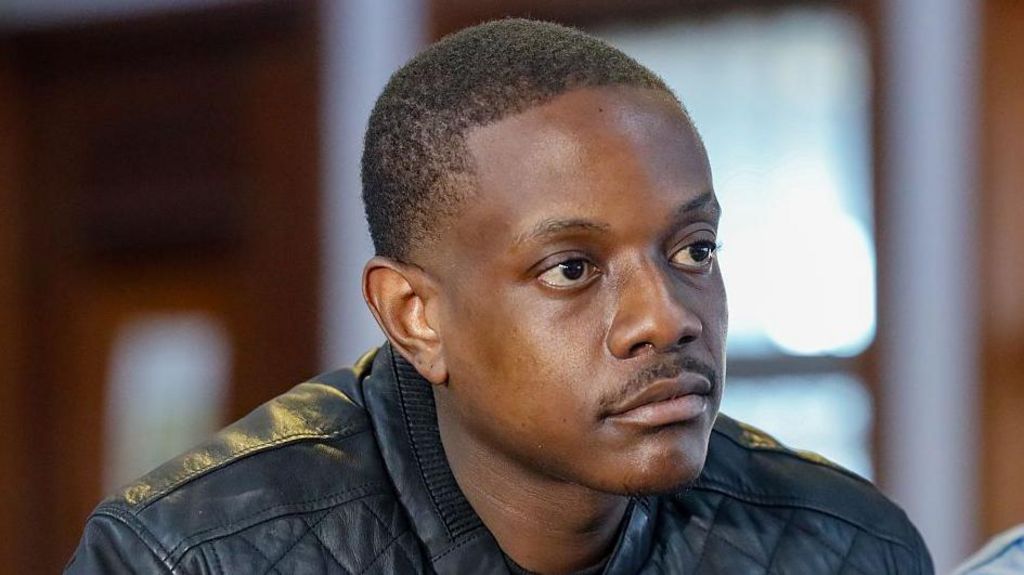
Mugabe’s son pleads guilty to pointing a gun in South Africa
Almost two months after his arrest over a shooting that left a 23-year-old security guard critically injured in South Africa’s Johannesburg, Bellarmine Mugabe, the youngest son of Zimbabwe’s late long-ruling former president Robert Mugabe, has entered guilty pleas to two of the charges against him: pointing a firearm and unlawful presence in South Africa. The 28-year-old entered the pleas following a pre-trial deal with prosecutors, leaving the original attempted murder charge against him unresolved as the National Prosecuting Authority (NPA) of South Africa has not issued any public comment on the status of that count. Mugabe appeared alongside his 33-year-old co-accused Tobias Matonhodze at the Alexandra Regional Court on Friday, with both men having remained in custody since their arrest on 19 February. Matonhodze has pleaded guilty to four separate charges: attempted murder, defeating the ends of justice, unlawful immigration and illegal possession of ammunition. According to prosecution accounts, the shooting broke out following a heated altercation between the two accused and the victim at Mugabe’s residential property in Hyde Park, one of Johannesburg’s most affluent suburban neighborhoods. As the victim attempted to flee the scene, he was shot twice in the back, and was rushed to a nearby hospital in critical condition. Law enforcement officers launched a full search of the property following the incident, but have not yet recovered the weapon used in the attack. Lawyers representing both defendants informed the court that their clients are willing to voluntarily return to Zimbabwe at their own cost if the court chooses not to hand down custodial sentences. Sentencing hearings have been scheduled for 24 April, the NPA confirmed. This high-profile case has already been marked by multiple procedural delays, with two postponements of Mugabe’s initial bail application since his arrest. This is not the first time Bellarmine Mugabe, one of two children Robert Mugabe shared with his second wife Grace, has run afoul of the law. In 2024, he was arrested on allegations of assaulting a police officer at the Zimbabwean border town of Beitbridge. Though he was granted bail after that arrest, a warrant was subsequently issued for his detention when he failed to appear for scheduled court proceedings, according to Zimbabwe’s state-owned *Herald* newspaper. Just one year later, in June 2025, he was taken into custody again for an alleged assault on a security guard at a mining site in Mazowe, located roughly an hour’s drive north of Zimbabwe’s capital Harare. That case remains pending before Zimbabwean courts. Robert Mugabe, the former Zimbabwean leader, held presidential power for 37 years before he was removed from office in a 2017 military-led coup, and he died in 2019 at the age of 95.
-
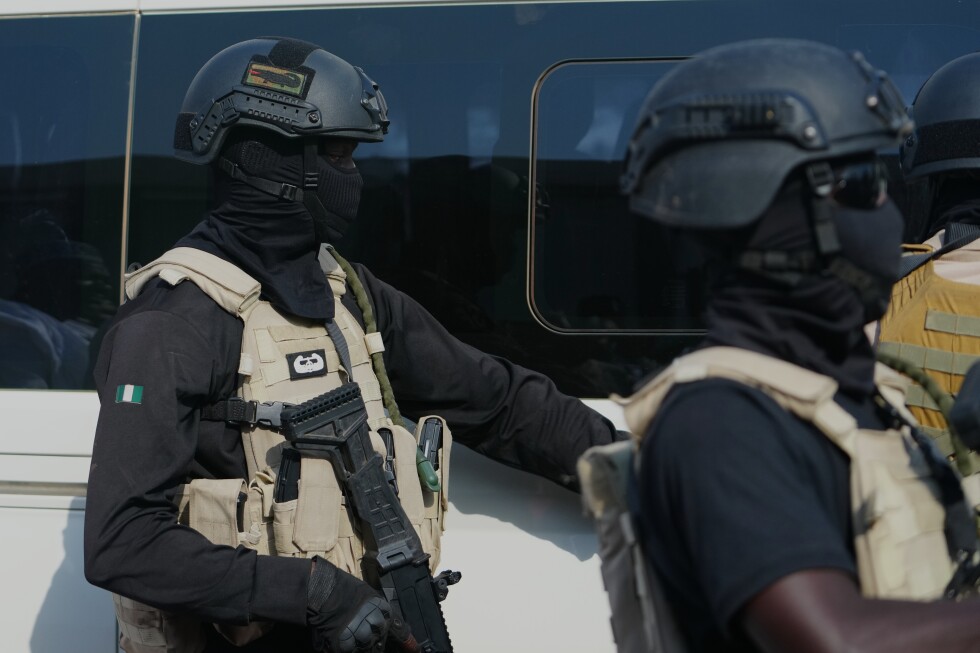
Nigeria students abducted as gunmen attack pasenger bus in Benue state
ABUJA, Nigeria – A targeted attack on a civilian passenger bus traveling through Nigeria’s Benue State has left multiple university students, who were heading to sit for their final examinations, in captivity after gunmen intercepted the vehicle Thursday, state government officials confirmed. The abduction took place along the busy Otukpo-Makurdi highway, a major transportation route connecting communities across the central state, Governor Hyacinth Alia announced in an official statement released Thursday evening.
While Alia did not release an exact count of abducted individuals, local Nigerian news outlets have reported the bus was carrying 14 passengers total, all of whom were taken by the attackers. In his statement, Governor Alia strongly condemned the act of violence against vulnerable civilians. “The targeting of innocent citizens, particularly students on their way to sit for examinations, is unacceptable and stands against every norm of humanity and civil order,” he said.
Benue State, located in north-central Nigeria, has long been classified as a high-risk zone for armed violence in the country’s northern region. For years, criminal armed gangs operating in the area have routinely targeted isolated rural villagers and passing travelers, carrying out mass killings and large-scale kidnappings to extract ransom payments. No criminal or insurgent group has yet stepped forward to claim responsibility for Thursday’s abduction.
State security forces have already launched active search and rescue missions across the region, with the explicit goal of securing the safe release of all captives, Alia confirmed. The governor called on local residents to remain calm and maintain close cooperation with security agencies throughout the rescue operation and broader counter-insurgency efforts. “We will continue to take decisive actions to protect lives and property,” he added.
Widespread kidnapping of students has become one of the most visible markers of systemic insecurity across Africa’s most populous nation. Security analysts who study criminal violence in Nigeria note that gangs deliberately target students and educational institutions because they view these targets as strategically valuable: attacks on students draw rapid, widespread media and public attention, increasing pressure on authorities and families to pay large ransom payments quickly.
-
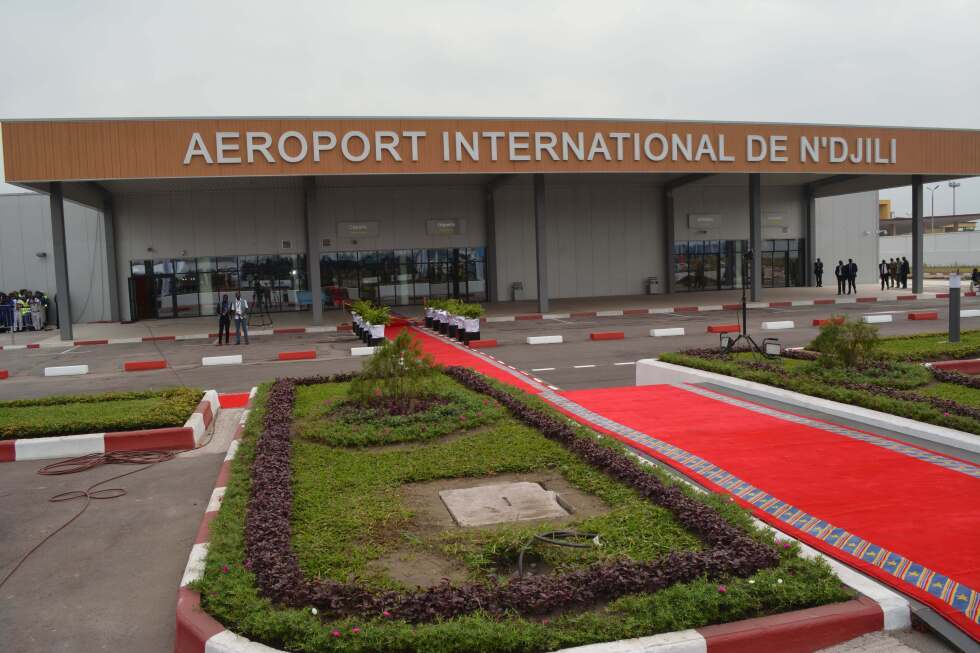
About 15 Latin American deportees from the US arrive in Congo, lawyer says
In the pre-dawn hours of Friday, a plane carrying 15 migrants deported from the United States touched down in Kinshasa, the capital of the Democratic Republic of Congo, according to legal counsel representing the group. This arrival marks the first operational delivery under a new controversial agreement between the Trump White House and the Central African nation that accelerates the U.S. government’s effort to remove non-African migrants through third-country partnerships.
All 15 people on the flight were born in Latin American nations, and the Congolese government has confirmed their stay in the country will only be temporary, explained Alma David, a U.S.-based attorney representing the deportees. A senior official from Congo’s national migration administration verified the arrival of the group to the Associated Press but declined to share further operational or personal details about the migrants.
David told reporters that every one of the 15 deportees had already been granted formal legal protection by U.S. immigration judges, who ruled they could not be forcibly returned to their home countries due to credible fears of persecution or harm. Since landing, the group has been housed in a local Kinshasa hotel while authorities work out next steps. The United Nations’ International Organization for Migration (IOM), the global body tapped to coordinate post-arrival support, will lead efforts to organize what the program terms “assisted voluntary return” to the migrants’ countries of origin.
David, however, raised sharp alarm over the framing of this next step, noting that the migrants spent months in U.S. immigration detention fighting specifically to avoid being sent back to their home countries. “For them to now be pushed toward ‘voluntary’ return after all that struggle is deeply troubling,” she emphasized. The IOM had not issued a public response to requests for comment from AP as of Friday.
Earlier this month, Congo’s Ministry of Communications confirmed in an official statement that it had agreed to accept migrants as part of the Trump administration’s third-country deportation initiative. The statement characterized the arrangement as a temporary measure that demonstrates the Congolese government’s commitment to upholding human dignity and practicing international solidarity. It also stressed that the deal would impose no financial burden on Congolese public funds, with the U.S. government covering all logistical and operational costs associated with the arrivals. Per the terms of the agreement, there will be no automatic mass transfer of deportees; each individual’s case will undergo a separate review aligned with Congolese national law and domestic security requirements.
The Democratic Republic of Congo is not the only African nation to have signed on to this policy. U.S. officials have struck identical third-country deportation deals with at least seven other African countries. Many of these partner nations are among those that have faced the strictest new restrictions on trade, aid and migration from the Trump administration, according to Senate records.
A recent analysis from Democratic committee staff on the U.S. Senate Foreign Relations Committee found that the Trump administration has spent at least $40 million in public funds to deport roughly 300 migrants to third countries outside their nations of origin since launching the program. The deals have drawn growing criticism from immigration lawyers and human rights activists, who point out that multiple participating African nations are ruled by notoriously repressive regimes with well-documented poor human rights records. Those problematic partners include Eswatini, South Sudan and Equatorial Guinea, according to public human rights reporting.
-
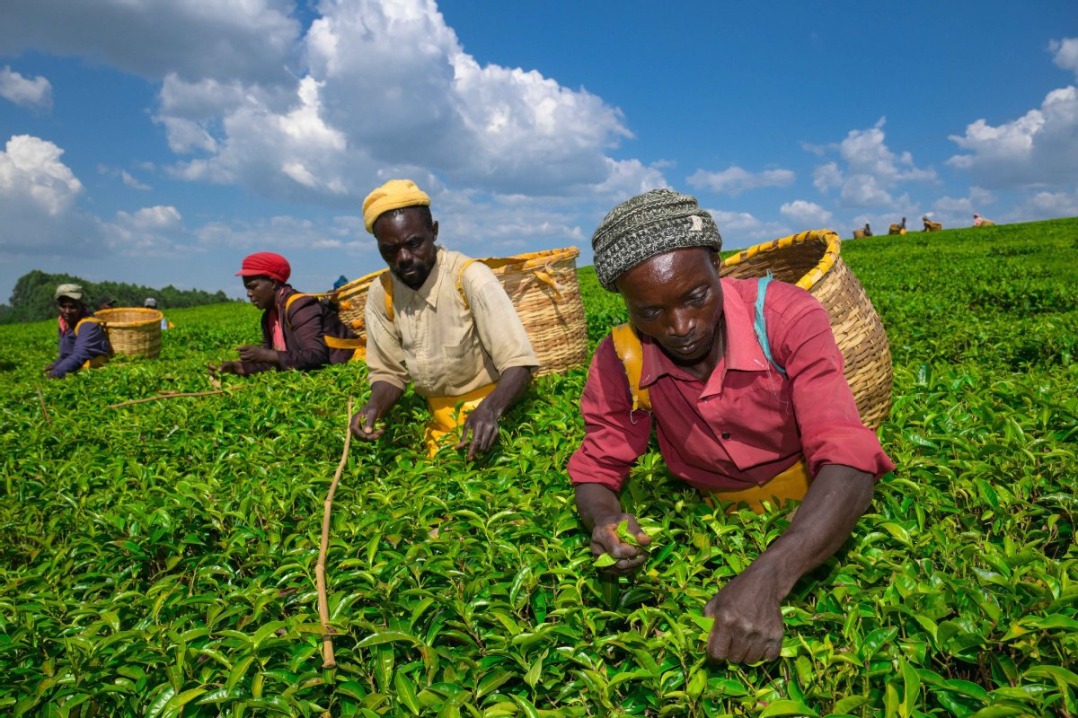
Kenya eagerly awaits zero-tariff export boom to China
Across Kenya’s sprawling agricultural and manufacturing export sectors, anticipation is reaching a fever pitch as China prepares to implement a sweeping zero-tariff policy for most African exports starting May 1. Industry leaders across the East African nation say this landmark trade measure has the potential to reshape bilateral trade routes and unlock unprecedented opportunities for small and large producers alike, granting unrivaled access to one of the world’s largest and fastest-growing consumer markets.
For many Kenyan exporters, the policy shift is far more than a simple reduction in shipping costs: it removes a longstanding trade barrier that has kept many competitive Kenyan goods out of reach for most Chinese buyers. Joel Mwiti Kobia, managing director of Kenyan agro-exporter Nutri Nuts and Fruits, noted that the combination of zero tariffs and China’s 1.4 billion consumers creates an unparalleled growth opportunity for African agricultural producers.
Kenya already launched its first zero-tariff test shipment to China in late March, loaded with high-demand fresh products including avocados, coffee, and green beans. For Kobia’s firm, which focuses on nut and fruit exports, early forays into the Chinese market have already exceeded expectations. The company began shipping macadamia nuts to China in 2021 with a single 16-metric-ton container; by 2025, annual exports had skyrocketed to 120 tons. With the existing 15 percent tariff set to drop completely, Kobia projects exports will more than double again, hitting nearly 250 tons in the next few years, while also creating new formal jobs at local processing facilities.
Shifting consumption trends in China are working heavily in Kenyan producers’ favor. Kobia pointed out that China’s rapidly expanding middle class, driven by rising disposable incomes, rapid urbanization, and growing public focus on health and wellness, is driving soaring demand for high-quality, nutrient-dense premium food products. This changing demand landscape has created a particularly fertile market for unique African agricultural exports.
Margaret Njoki, commercial manager for fresh and frozen produce at Vertical Agro Group, said Kenyan avocado exporters are already positioning for a major breakthrough in the Chinese market. Currently, Kenya competes with established avocado exporters like Peru and Mexico for Chinese market share, but Njoki said the elimination of tariffs will cut her product prices enough to expand both the volume and quality of avocado shipments to China.
The benefits of the policy are expected to ripple across the entire Kenyan agricultural value chain, from large exporting firms down to smallholder farmers. Njoki explained that higher export demand will encourage more Kenyan smallholders to plant avocado orchards, boosting household incomes and creating new rural employment opportunities across growing regions.
Even Kenyan tea producers, who have long been sidelined in the Chinese market due to uncompetitive pricing, are newly optimistic about their prospects. Kelvin Mbugi, a representative of Kenya Tea Packers, noted that zero tariffs will finally give quality Kenyan tea a fair shot at gaining traction in the world’s largest tea consumer market. “Currently we are unable to export tea to China because we are not competitive in prices. However, with zero tariffs, we will now have a chance not only to deliver quality, but also to have a competitive advantage in pricing,” Mbugu said.
Kenyan exporters are specifically targeting China’s growing cohort of health-conscious consumers with unique specialty tea offerings. Products like antioxidant-rich purple tea and antiaging-focused white tea, which are already produced in Kenya at scale, align perfectly with shifting Chinese consumer preferences, and producers say they are already prepared to meet rising demand.
The new zero-tariff framework opens doors beyond traditional agricultural food exports too. Small-scale Kenyan manufacturers are already exploring entry to the Chinese market with niche products, including premium pet food, that would become far more price competitive with tariffs eliminated. Irene Nzovo, a Kenyan manufacturer focused on pet food, said the policy will allow her to secure larger bulk orders and expand her customer base across China.
While industry leaders widely welcome the policy, they also emphasize the work that remains to help Kenyan producers fully capitalize on the opportunity. Erick Rutto, president of the Kenya National Chamber of Commerce and Industry, stressed that targeted training is critical to help smallholder farms and small exporting companies meet China’s strict sanitary and phytosanitary standards, ensuring their products can clear customs and access the mainstream Chinese market.
As the May 1 implementation date approaches, the entire Kenyan export sector is poised to test the transformative potential of this new trade arrangement, with many expecting long-term benefits for both bilateral trade and Kenyan economic growth.
-
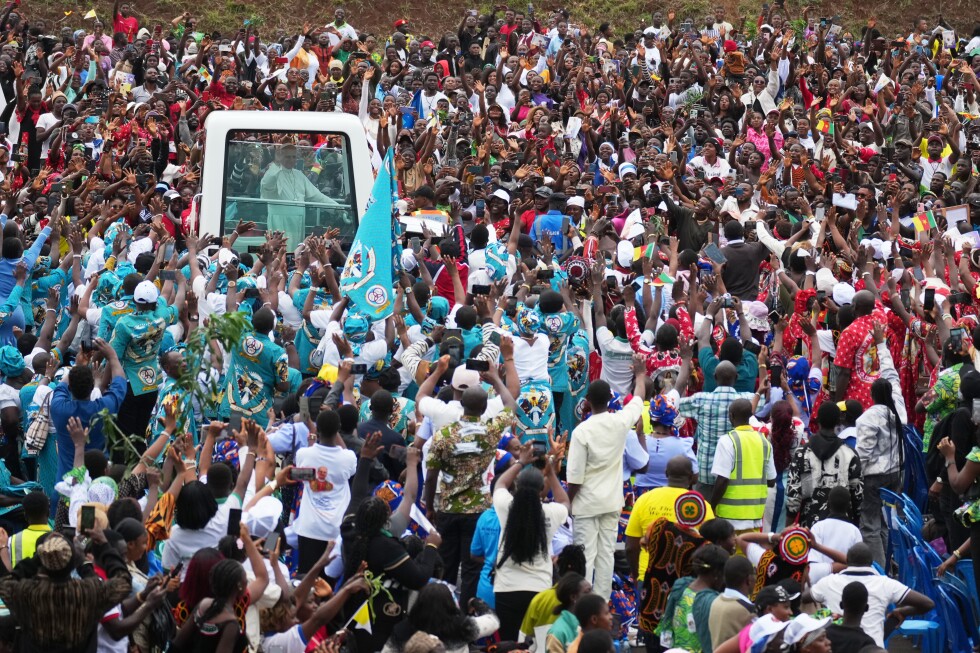
More than a half-million people expected at Pope Leo XIV’s Mass in Cameroon
As Pope Leo XIV, the first American pope in history, approached the midpoint of his 11-day four-nation African tour on Friday, his schedule in Cameroon centered entirely on lifting up and engaging the Central African nation’s massive youth population, a demographic that sits at the heart of growing political and economic friction in the country.
The day kicked off with a high-profile trip to Douala, Cameroon’s largest commercial port city, where Leo planned to lead an open-air Mass and visit a local hospital. Vatican organizers projected that as many as 600,000 worshippers and attendees would gather for the liturgy — a turnout that would mark the largest crowd the pontiff has drawn over the entire course of his African journey, his first visit to the continent since assuming the papacy.
After the Douala events, Leo returned to Cameroon’s capital Yaoundé to meet with students, faculty and senior leadership at the Catholic University of Central Africa. For popes visiting developing nations, these campus encounters have long served as a key platform to urge young people to persist through systemic challenges ranging from entrenched poverty to widespread public corruption.
Cameroon offers a striking case study of the gap between Africa’s burgeoning youth population and its long-tenured aging leadership. Roughly 29% of the nation’s 29 million residents identify as Catholic, and the country has one of the youngest age profiles in the world, with a median age of just 18 years old. At the same time, Cameroon is led by 93-year-old President Paul Biya, the world’s oldest sitting head of state, who has held uninterrupted power since 1982 and secured an eighth consecutive term in deeply contested presidential elections held last October.
In his opening address to Biya and senior government officials shortly after arriving in Cameroon, Leo did not shy away from the country’s most pressing tensions. He called for the immediate dismantling of what he termed the “chains of corruption” that have held back widespread progress, and emphasized that Cameroon’s young people are the sole source of the nation’s future and lasting hope.
While Cameroon is an oil-rich state that has recorded modest economic growth in recent years, the vast majority of young Cameroonians report that economic benefits have never trickled down beyond a small circle of political and business elites. Official World Bank data puts the country’s overall unemployment rate at 3.5%, but more than half — 57% — of workers between the ages of 18 and 35 are stuck in unstable, unregulated informal employment that offers little to no job security or social benefits.
Widening economic frustration has triggered two interconnected crises for the nation: widespread brain drain, and a catastrophic shortage of skilled workers in critical public sectors including healthcare. According to Cameroon’s Ministry of Higher Education, roughly one-third of all newly graduated trained doctors left the country in 2023 alone, lured by higher-paying roles and better working conditions in Europe and North America. The outflow of medical professionals has left already under-resourced public hospitals and clinics critically understaffed.
In his address to government leaders, Leo warned of the risks of leaving youth grievances unaddressed. “Of course, when unemployment and social exclusion persist, frustration can lead to violence,” the pontiff said. “Investing in the education, training, and entrepreneurship of young people is, therefore, a strategic choice for peace. It is the only way to curb the outflow of wonderful talent to other parts of the world.”
Tensions over Biya’s decades-long rule boiled over after last October’s election, when main opposition candidate Issa Tchiroma Bakary challenged the official election results, sparking deadly protests across the country. The visit comes as Cameroon continues to grapple with nearly a decade of armed conflict in its Anglophone regions, with many local residents hoping the papal tour will bring progress toward national healing.
-
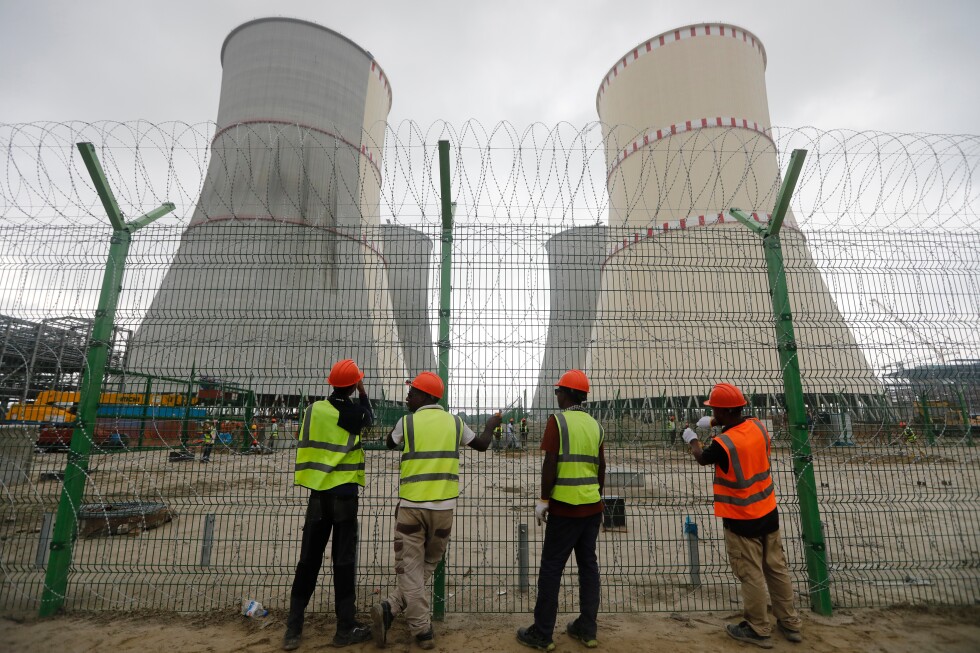
Iran war energy shock drives nuclear power plans in hard-hit Asia and Africa
The ongoing conflict between Iran and Western powers has sent shockwaves through global fossil fuel markets, triggering ripple effects that are reshaping long-term energy policy across two of the world’s fastest-growing regions: Africa and Asia. Disruptions to key shipping lanes for Middle Eastern oil and natural gas – which supplied the bulk of Asia’s energy demand – have sent energy prices soaring worldwide, with both developing Asian and African economies feeling the strain earliest and most acutely. Even wealthy Western nations including the United States and across Europe have not escaped the pressure of inflated energy costs driven by the conflict.
Against this backdrop of market volatility, nations across both continents are moving rapidly to expand nuclear power generation. Countries with existing nuclear infrastructure are ramping up output to address immediate short-term energy gaps, while nations with no operational nuclear capacity are accelerating long-term nuclear development plans to insulate themselves against future fossil fuel supply shocks. Experts note that while nuclear energy cannot resolve the current energy crisis overnight, as new nuclear projects can take decades to complete for first-time nuclear nations, today’s policy commitments will permanently embed atomic power in many countries’ future energy portfolios.
“The war has accelerated a global ‘nuclear renaissance,’ as countries seek an escape from the volatility of global fossil fuel markets,” explained Rachel Bronson, executive director of the Bulletin of the Atomic Scientists. Data from the International Atomic Energy Agency underscores this growing momentum: 31 countries currently operate nuclear power plants, which generate roughly 10% of the world’s total electricity, and an additional 40 nations are either exploring nuclear technology or actively preparing to break ground on their first facilities.
In hard-hit Asia, the shift toward nuclear power is already well underway. Across the region, where governments have turned to emergency measures from increased coal burning to discounted Russian crude imports to shore up supplies, nations with existing reactors are maximizing output from their current fleets. South Korea has boosted generation at all operational plants and fast-tracked maintenance work on five idled reactors, with restarts scheduled for May. Both Taiwan and Japan are rolling back post-Fukushima policies that shuttered large numbers of nuclear facilities after the 2011 earthquake and tsunami that triggered the catastrophic Fukushima Daiichi meltdown.
Taiwan is now launching the multi-year process of restarting two mothballed reactors, a move that requires extensive safety inspections, system upgrades and regulatory approval. In Japan, Prime Minister Sanae Takaichi has moved aggressively to expand nuclear power since the outbreak of the Iran war, signing a $40 billion reactor development deal with the United States, a nuclear fuel recycling agreement with France, and a new cooperation pact with Indonesia. Japan also restarted the world’s largest nuclear facility, the Kashiwazaki-Kariwa plant, in January. While the conflict has also boosted public and policy support for renewable energy, historically high electricity prices have swung Japanese public opinion firmly in favor of nuclear acceptance, according to Michiyo Miyamoto of the U.S.-based Institute for Energy Economics and Financial Analysis. Critics, however, note that renewables remain a more affordable and secure long-term solution.
Further south in Asia, Bangladesh is rushing to commission two new reactors built by Russia’s state-owned nuclear giant Rosatom, with plans to connect 300 megawatts of capacity to the national grid by summer to ease crippling domestic gas shortages. Vietnam signed an agreement with Moscow in March to develop two Russian-designed reactors, while the Philippines – which declared a national energy emergency earlier this year – is weighing plans to activate a half-built nuclear plant constructed after the 1973 oil crisis but never brought online. “The Iran war is providing a needed push for nuclear,” said Alvie Asuncion-Astronomo of the Philippine Nuclear Research Institute.
Across Africa, the energy crisis triggered by the Iran conflict has reinvigorated long-dormant nuclear energy plans, with more than 20 of the continent’s 54 nations now advancing atomic energy projects. Global nuclear powers including the United States, Russia, China, France and South Korea have identified Africa as a key growth market for nuclear technology, and are pitching small modular reactors (SMRs) as a flexible solution to the continent’s widespread energy shortages. Unlike large conventional nuclear plants, SMRs offer a cheaper, more compact alternative that can be scaled to meet weak grid capacity.
While proponents frame SMRs as a faster path to nuclear deployment, projects still require years of planning and regulatory work: Kenya for example, which launched its first nuclear planning phase in 2009, targets bringing an SMR online only by 2034. Even so, African leaders frame nuclear power as an urgent strategic priority. “Nuclear energy is no longer a distant aspiration for African countries; it is a strategic necessity,” said Justus Wabuyabo of Kenya’s Nuclear Power and Energy Agency. Speaking at a March summit hosted by the U.N.’s nuclear watchdog, Rwandan President Paul Kagame predicted Africa will become “one of the most important global markets” for small modular reactors in the coming decades. SMRs are seen as a particularly strong fit for Africa, as they can deliver low-emission baseload power that matches the continent’s rapidly rising electricity demand, addresses underdeveloped national grids, and reduces overreliance on expensive imported diesel. South Africa, which hosts the continent’s only operational nuclear plants, plans to grow nuclear’s share of its energy mix from roughly 5% today to 16% by 2040, with SMRs playing a central role.
The race to develop nuclear energy in Africa has also intensified great power competition between the United States and Russia, which are both vying for market share as leading nuclear exporters. Russia’s Rosatom already holds a dominant position, building Egypt’s first operational reactor and signing cooperation agreements with Ethiopia, Burkina Faso, Ghana, Tanzania and Niger covering everything from full-scale plant construction to research facilities and workforce training. The U.S., which has only secured commitments from Kenya and Ghana to join its American-led modular reactor initiative, is working to close the gap, hosting a high-level nuclear development conference in Nairobi last month alongside South Korea. “Washington is working with African nations to rapidly develop secure and safe civil nuclear reactors,” said Ryan Taugher of the U.S. State Department.
Despite the growing momentum for nuclear expansion, critics and experts continue to highlight the significant risks that accompany the technology. Beyond the persistent threats of catastrophic meltdowns and long-term radioactive waste management, nuclear development also carries proliferation risks, as civilian nuclear programs can provide a pathway to developing nuclear weapons. Advocacy groups also note that most countries remain reliant on imported enriched uranium for nuclear generation, keeping them exposed to global supply chain volatility. “Nuclear is very risky,” said Ayumi Fukakusa of Japanese environmental advocacy group Friends of the Earth Japan.
Critics add that because nuclear projects take decades to deliver, governments should prioritize rapid expansion of renewable energy to achieve long-term energy security. Bronson also notes that nuclear plants themselves are vulnerable targets during conflict, pointing to targeted attacks on reactors during both the ongoing Iran war and the Russia-Ukraine conflict as a stark reminder of this risk. Even so, Bronson acknowledged that for many developing nations facing immediate fossil fuel disruptions, the tradeoffs are clear: “Countries are now weighing those kinds of risks against the other risks, which Asia and Africa are seeing first and foremost, about what happens when gas and oil stops.”
This reporting from the Associated Press, with contributions from correspondents based in Bangkok, Seoul, Tokyo and Hanoi, is supported by private foundation grants, with the AP retaining full editorial control over all content.
-
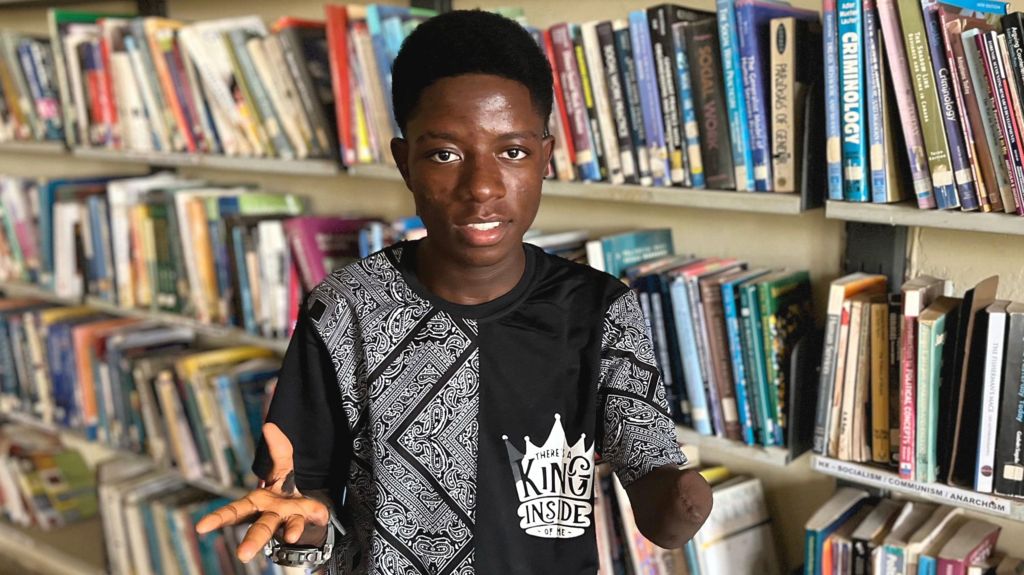
‘I was tortured and lost my hand’ – one student’s struggle to get an education in Nigeria
Six years after Nigeria passed landmark anti-discrimination legislation for people living with disabilities, widespread systemic barriers continue to lock millions of citizens out of education, employment and public life, even as activists push for faster, more meaningful inclusive reform across the country.
For 19-year-old Ovey Friday, the lifelong trauma of a childhood attack nearly cost him the educational opportunity he had worked his entire life to earn. At age 13, Friday’s stepmother falsely accused him of witchcraft and turned him over to a traditional herbalist in Nigeria’s central Nasarawa State, where he was brutally tortured. When a neighbor finally intervened and alerted police, the damage to his hands was too severe to repair. Surgeons were forced to amputate his entire left hand, and remove or permanently scar most of the fingers on his right hand, leaving him without usable thumbprints for biometric verification.
When Friday qualified to take Nigeria’s national university entrance exam administered by the Joint Admissions and Matriculation Board (Jamb) two years ago, the testing system’s mandatory fingerprint scan could not recognize his damaged hands. It was only through the urgent advocacy of his guardians and disability rights activists that officials agreed to accept a toe print as a valid form of identification. Today, Friday is the first member of his family to attend university, where he studies English and literary studies, re-learning how to write and adapt to independent life on campus. Despite his traumatic past and the barriers he has faced, Friday has emerged as an example of what disabled people can achieve when given access to opportunity. “Not everyone has someone to push for them. Some people will just stop trying,” he reflected.
Friday’s struggle is far from unique. Scarlett Eduoku, a radio presenter based in Nigeria’s northern Kano State, lost her left eye when she was just 18 months old, and she now faces constant barriers to basic digital services. Most modern facial recognition-enabled identity verification apps are unable to scan her face correctly, preventing her from completing routine tasks remotely. When she needed to upgrade her mobile SIM card from 3G to 5G, she was forced to travel across the city to her provider’s main headquarters to complete the process in person, a time-consuming and frustrating inconvenience that most Nigerians never have to navigate.
Invisible disabilities bring their own unique set of challenges. Opeyemi Ademola, a 28-year-old project manager based in Lagos, lives with mixed hearing loss, an invisible condition that creates constant communication barriers. “People assume that if you can speak fluently, you don’t experience communication challenges,” Ademola explained. He requires intense focus to follow conversations in meetings, and crowded, noisy environments leave him completely mentally exhausted. Simple, low-cost adjustments like post-meeting written summaries and closed captions for video calls would drastically improve his ability to participate fully in the workplace, he said. “Accessibility is not about ability. It’s about support.”
Experts estimate that more than 35 million Nigerians – roughly 15% of the country’s total population – live with some form of disability. In 2019, Nigeria’s national parliament passed landmark legislation that banned discrimination against disabled people and guaranteed equal access to public services, leading to the creation of the National Commission for Persons with Disabilities (NCPWD) to advocate for disabled rights. But according to NCPWD executive secretary Ayuba Burki-Gufwan, progress on implementation has moved at a glacial pace.
Burki-Gufwan notes that small, incremental gains have already proven how impactful policy change can be. Jumb has eliminated exam fees for disabled students and set up dedicated testing centers for people with diverse accessibility needs. At the Federal University of Lafia in Nasarawa State, officials have waived up to 75% of tuition fees for disabled students, which led to an immediate surge in disabled enrollment as hundreds of students rushed to access the opportunity they had long been denied.
Disability advocates emphasize that true inclusion requires far more than incremental adjustments. Lagos-based special educator Chukwuemeka Chimdiebere argues that accessibility extends well beyond physical building ramps, a common afterthought in most Nigerian infrastructure. True inclusion requires sign-language interpreters in all classrooms, adaptive learning materials for students with visual impairments, specialized training for educators, and digital platforms designed from the start to accommodate diverse user needs. “Many persons with disabilities are not limited by their impairment. They are limited by systems that were never designed with them in mind,” Chimdiebere said. “Inclusion is not a favour. It is a responsibility.”
Physical infrastructure remains one of the most persistent daily barriers for disabled Nigerians, especially for people who use wheelchairs. Abiose Falade, a 48-year-old author and wheelchair user based in Ibadan in southwestern Nigeria, says disability “is part of the circle of life,” but public spaces are not built to welcome people like her. In most Nigerian cities, sidewalks are uneven, blocked by open drainage ditches, or non-existent, and accessibility-focused dropped curbs are extremely rare. Rural areas have no paved sidewalks at all, forcing wheelchair users to travel on unsafe, unpaved public roads. Most public buildings, from banks to hospitals to government offices, do not have ramps, meaning wheelchair users cannot enter without physical assistance from another person. “There’s a list of places I can go and a list I can’t,” Falade said. “When I want to go out, I take someone with me so that when people start staring, start pointing, I don’t notice. It’s easier than facing it alone.”
Compounding these challenges is a total lack of local manufacturing for assistive devices. Every wheelchair, hearing aid and mobility aid used in Nigeria must be imported, driving up costs and making critical tools inaccessible to most low-income disabled Nigerians. “If nine out of every 10 person with disabilities requires some form of assistive device and none are locally manufactured, then we have a huge challenge on our hands,” Burki-Gufwan said.
Disability advocates are calling for all levels of Nigerian government to set aside 1% of public budgets for accessibility initiatives and disabled rights. They acknowledge that limited public funding and competing national priorities slow progress, even for government leaders who support inclusion. Expanding accessible infrastructure and local assistive device production will require significant upfront investment, but activists stress that stronger political commitment and consistent enforcement of existing anti-discrimination laws are just as critical as increased funding.
For Burki-Gufwan, the end goal is clear: true accessibility that leaves no one behind, in education, in employment, and in public life. For young students like Ovey Friday, that vision is already becoming a reality – one hard-won victory at a time.
-
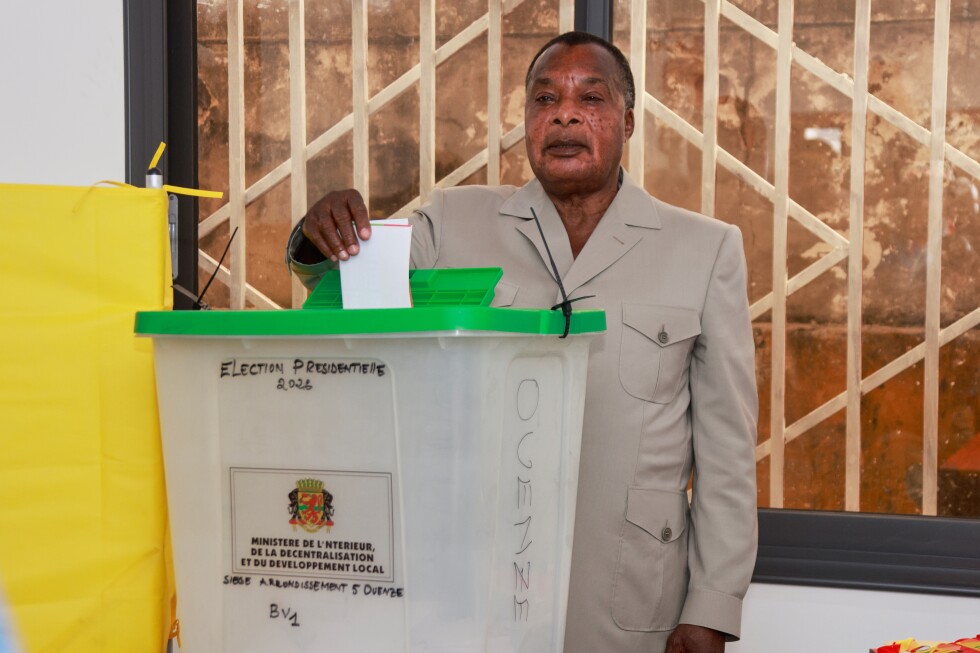
Denis Sassou N’Guesso sworn in for another term in Republic of Congo, extending 42-year rule
On a busy Thursday in the Republic of Congo, long-serving leader Denis Sassou N’Guesso officially took office for another five-year presidential term during a well-attended inauguration ceremony held at a stadium in Kintélé, a small community located just north of the national capital Brazzaville. The venue was filled to capacity with supporters and dignitaries gathered to mark the start of his new mandate.
-
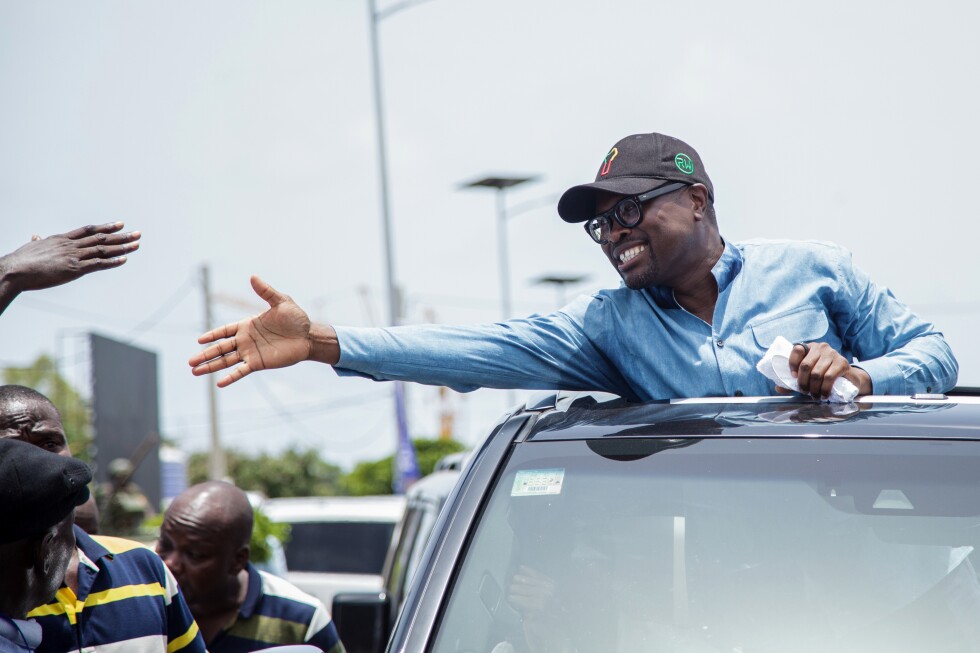
Benin court confirms Finance Minister Romauld Wadagni’s election as next president
COTONOU, Benin — Benin’s highest constitutional judicial body has formalized the landslide presidential election win of the country’s long-serving Finance Minister Romuald Wadagni, wrapping up the initial vote counting process for the West African nation’s weekend poll.
The 49-year-old candidate, widely recognized as a close political protégé of outgoing two-term President Patrice Talon, secured a commanding 94.27% of the valid ballots cast across the country, according to the official declaration released by the Constitutional Court Thursday. His sole challenger, independent opposition candidate Paul Hounkpè, took just 5.73% of the total vote. Turnout for the election reached 63.57%, a figure that aligns with pre-election projections, court officials confirmed.
Under Benin’s electoral rules, the opposition candidate now holds a five-day window to submit any formal appeals to the Constitutional Court before the body publishes the final, legally binding election results. The outcome had been widely predicted by regional political analysts for weeks, who noted that Wadagni’s unassailable lead was all but guaranteed by the full backing of Talon, who is stepping down after a decade in national leadership.
The election has not been without controversy, however. Talon’s administration has faced repeated international and domestic criticism over accusations of systematic opposition restrictions in the lead-up to the vote. Most notably, Renaud Agbodjo, leader of the Democrats — Benin’s largest registered opposition bloc — was barred from running for failing to meet new eligibility requirements that demand parliamentary backing for presidential candidates. Opposition figures argue the regulation was explicitly crafted to exclude major challengers from the ballot, creating an uneven electoral playing field.
As Wadagni prepares to take office, he will immediately inherit a set of pressing national security and governance challenges. Northern Benin has grappled with a growing Islamist insurgency linked to regional extremist groups, which has displaced thousands of civilians and strained the country’s security forces. In addition, just last year, a faction of military personnel carried out a failed coup attempt aimed at ousting Talon, highlighting underlying instability within the country’s security establishment that the new president will need to address.