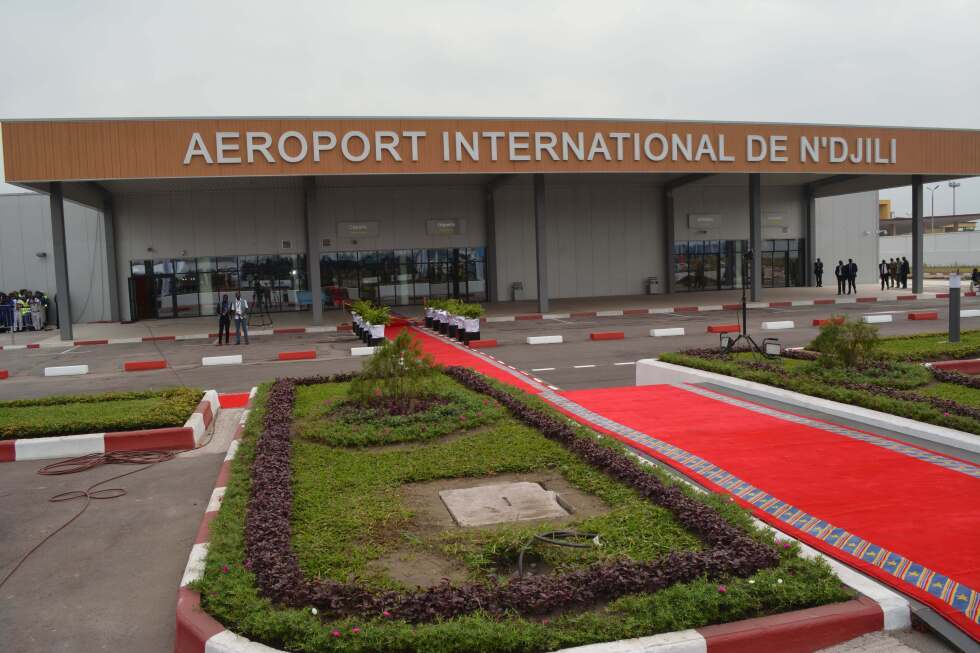
In the pre-dawn hours of Friday, a plane carrying 15 migrants deported from the United States touched down in Kinshasa, the capital of the Democratic Republic of Congo, according to legal counsel representing the group. This arrival marks the first operational delivery under a new controversial agreement between the Trump White House and the Central African nation that accelerates the U.S. government’s effort to remove non-African migrants through third-country partnerships.
All 15 people on the flight were born in Latin American nations, and the Congolese government has confirmed their stay in the country will only be temporary, explained Alma David, a U.S.-based attorney representing the deportees. A senior official from Congo’s national migration administration verified the arrival of the group to the Associated Press but declined to share further operational or personal details about the migrants.
David told reporters that every one of the 15 deportees had already been granted formal legal protection by U.S. immigration judges, who ruled they could not be forcibly returned to their home countries due to credible fears of persecution or harm. Since landing, the group has been housed in a local Kinshasa hotel while authorities work out next steps. The United Nations’ International Organization for Migration (IOM), the global body tapped to coordinate post-arrival support, will lead efforts to organize what the program terms “assisted voluntary return” to the migrants’ countries of origin.
David, however, raised sharp alarm over the framing of this next step, noting that the migrants spent months in U.S. immigration detention fighting specifically to avoid being sent back to their home countries. “For them to now be pushed toward ‘voluntary’ return after all that struggle is deeply troubling,” she emphasized. The IOM had not issued a public response to requests for comment from AP as of Friday.
Earlier this month, Congo’s Ministry of Communications confirmed in an official statement that it had agreed to accept migrants as part of the Trump administration’s third-country deportation initiative. The statement characterized the arrangement as a temporary measure that demonstrates the Congolese government’s commitment to upholding human dignity and practicing international solidarity. It also stressed that the deal would impose no financial burden on Congolese public funds, with the U.S. government covering all logistical and operational costs associated with the arrivals. Per the terms of the agreement, there will be no automatic mass transfer of deportees; each individual’s case will undergo a separate review aligned with Congolese national law and domestic security requirements.
The Democratic Republic of Congo is not the only African nation to have signed on to this policy. U.S. officials have struck identical third-country deportation deals with at least seven other African countries. Many of these partner nations are among those that have faced the strictest new restrictions on trade, aid and migration from the Trump administration, according to Senate records.
A recent analysis from Democratic committee staff on the U.S. Senate Foreign Relations Committee found that the Trump administration has spent at least $40 million in public funds to deport roughly 300 migrants to third countries outside their nations of origin since launching the program. The deals have drawn growing criticism from immigration lawyers and human rights activists, who point out that multiple participating African nations are ruled by notoriously repressive regimes with well-documented poor human rights records. Those problematic partners include Eswatini, South Sudan and Equatorial Guinea, according to public human rights reporting.