Across Kenya’s sprawling agricultural and manufacturing export sectors, anticipation is reaching a fever pitch as China prepares to implement a sweeping zero-tariff policy for most African exports starting May 1. Industry leaders across the East African nation say this landmark trade measure has the potential to reshape bilateral trade routes and unlock unprecedented opportunities for small and large producers alike, granting unrivaled access to one of the world’s largest and fastest-growing consumer markets.
For many Kenyan exporters, the policy shift is far more than a simple reduction in shipping costs: it removes a longstanding trade barrier that has kept many competitive Kenyan goods out of reach for most Chinese buyers. Joel Mwiti Kobia, managing director of Kenyan agro-exporter Nutri Nuts and Fruits, noted that the combination of zero tariffs and China’s 1.4 billion consumers creates an unparalleled growth opportunity for African agricultural producers.
Kenya already launched its first zero-tariff test shipment to China in late March, loaded with high-demand fresh products including avocados, coffee, and green beans. For Kobia’s firm, which focuses on nut and fruit exports, early forays into the Chinese market have already exceeded expectations. The company began shipping macadamia nuts to China in 2021 with a single 16-metric-ton container; by 2025, annual exports had skyrocketed to 120 tons. With the existing 15 percent tariff set to drop completely, Kobia projects exports will more than double again, hitting nearly 250 tons in the next few years, while also creating new formal jobs at local processing facilities.
Shifting consumption trends in China are working heavily in Kenyan producers’ favor. Kobia pointed out that China’s rapidly expanding middle class, driven by rising disposable incomes, rapid urbanization, and growing public focus on health and wellness, is driving soaring demand for high-quality, nutrient-dense premium food products. This changing demand landscape has created a particularly fertile market for unique African agricultural exports.
Margaret Njoki, commercial manager for fresh and frozen produce at Vertical Agro Group, said Kenyan avocado exporters are already positioning for a major breakthrough in the Chinese market. Currently, Kenya competes with established avocado exporters like Peru and Mexico for Chinese market share, but Njoki said the elimination of tariffs will cut her product prices enough to expand both the volume and quality of avocado shipments to China.
The benefits of the policy are expected to ripple across the entire Kenyan agricultural value chain, from large exporting firms down to smallholder farmers. Njoki explained that higher export demand will encourage more Kenyan smallholders to plant avocado orchards, boosting household incomes and creating new rural employment opportunities across growing regions.
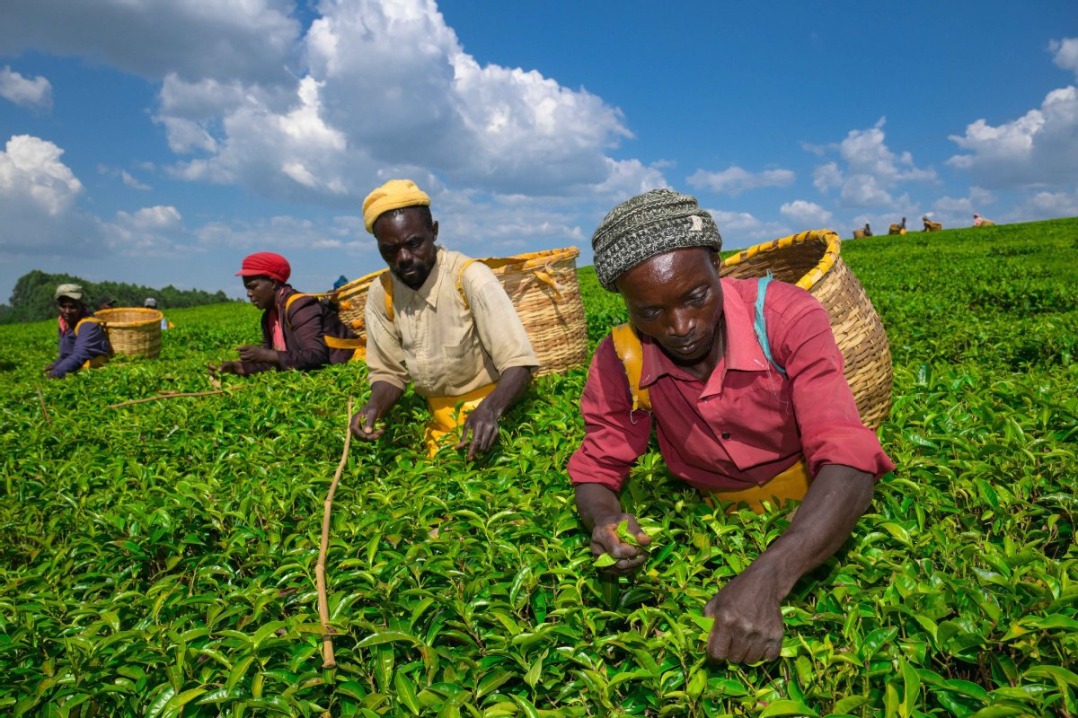
Even Kenyan tea producers, who have long been sidelined in the Chinese market due to uncompetitive pricing, are newly optimistic about their prospects. Kelvin Mbugi, a representative of Kenya Tea Packers, noted that zero tariffs will finally give quality Kenyan tea a fair shot at gaining traction in the world’s largest tea consumer market. “Currently we are unable to export tea to China because we are not competitive in prices. However, with zero tariffs, we will now have a chance not only to deliver quality, but also to have a competitive advantage in pricing,” Mbugu said.
Kenyan exporters are specifically targeting China’s growing cohort of health-conscious consumers with unique specialty tea offerings. Products like antioxidant-rich purple tea and antiaging-focused white tea, which are already produced in Kenya at scale, align perfectly with shifting Chinese consumer preferences, and producers say they are already prepared to meet rising demand.
The new zero-tariff framework opens doors beyond traditional agricultural food exports too. Small-scale Kenyan manufacturers are already exploring entry to the Chinese market with niche products, including premium pet food, that would become far more price competitive with tariffs eliminated. Irene Nzovo, a Kenyan manufacturer focused on pet food, said the policy will allow her to secure larger bulk orders and expand her customer base across China.
While industry leaders widely welcome the policy, they also emphasize the work that remains to help Kenyan producers fully capitalize on the opportunity. Erick Rutto, president of the Kenya National Chamber of Commerce and Industry, stressed that targeted training is critical to help smallholder farms and small exporting companies meet China’s strict sanitary and phytosanitary standards, ensuring their products can clear customs and access the mainstream Chinese market.
As the May 1 implementation date approaches, the entire Kenyan export sector is poised to test the transformative potential of this new trade arrangement, with many expecting long-term benefits for both bilateral trade and Kenyan economic growth.