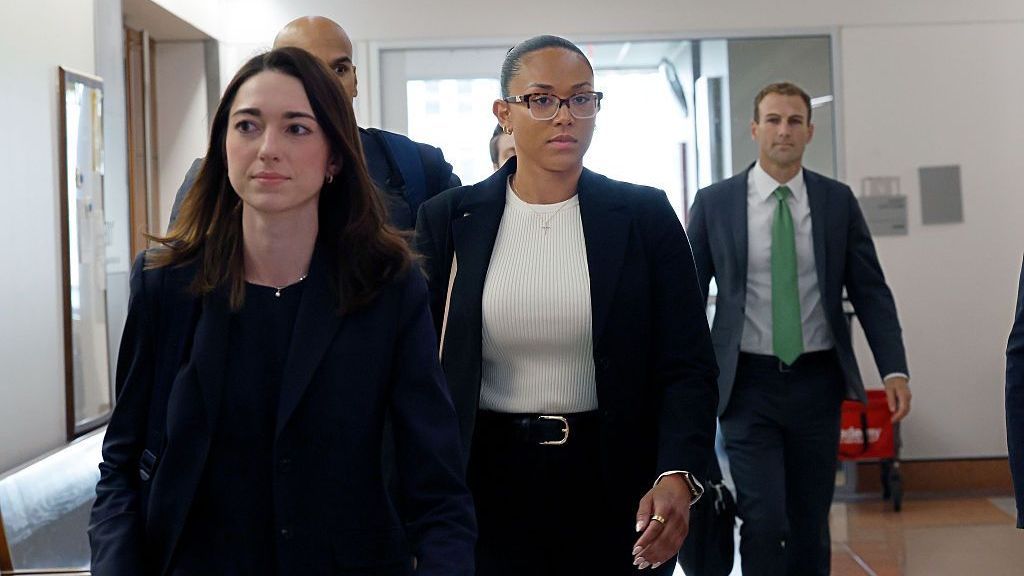
A high-stakes legal battle over custody of a newborn with a life-threatening congenital heart defect has landed before the U.S. Supreme Court, after a gestational surrogate refused the intended parents’ request to terminate the pregnancy and carried the child to term against their wishes.
McKenna West, the surrogate involved in the case, has filed an emergency appeal asking the nation’s highest court to overturn a lower California court ruling that granted full parental rights to Omar Ahmed and Nausheen Gilkar, the California couple who contracted her to carry their child. The conflict erupted after a 20-week prenatal scan revealed the fetus had hypoplastic left heart syndrome, a severe condition that leaves the left side of the heart underdeveloped and unable to effectively pump blood throughout the body. The U.S. Centers for Disease Control and Prevention notes that while multiple surgeries can extend survival, the condition is not curable and often leads to lifelong health complications.
After receiving the diagnosis, Ahmed and Gilkar asked West to undergo an abortion. Rather than comply, West—who has received public backing from multiple Republican officials—relocated to Texas, a state where abortion access is heavily restricted, and gave birth to the baby last month. Following her move, Texas’ Republican Attorney General Ken Paxton stepped into the case, securing an emergency court order that required the infant to receive all medical treatment within Texas, and the newborn underwent surgery shortly after birth.
In her Supreme Court filing, West stated she rejected the abortion request after reviewing potential treatment options for the child, saying she could not terminate what she calls “this precious baby.” She argues that the intended biological parents should not be granted custody because of their original request to terminate the pregnancy, claiming they would withhold the necessary ongoing medical care the child needs and potentially place him in hospice care without her intervention. West also says that without the Supreme Court’s involvement, she will be cut off entirely from updates on the child’s health status.
The California couple has pushed back against West’s claims, with court records showing Gilkar telling a previous hearing that the child—who they have named Rumi—is “our child” and “the love of our lives.” They accuse West of traveling to Texas without any advance notice, cutting off their access to the infant’s medical records and blocking their ability to make decisions about his care. Lower courts have issued conflicting rulings: a California court already awarded full parental rights to Ahmed and Gilkar, while a Texas court issued a restraining order barring West from contacting or seeing the child. As of the latest update, attorneys for the couple confirmed Rumi remains in critical condition, with doctors monitoring him for potential post-surgery complications. The BBC has reached out to legal representatives for Ahmed and Gilkar to request additional comment on the appeal.