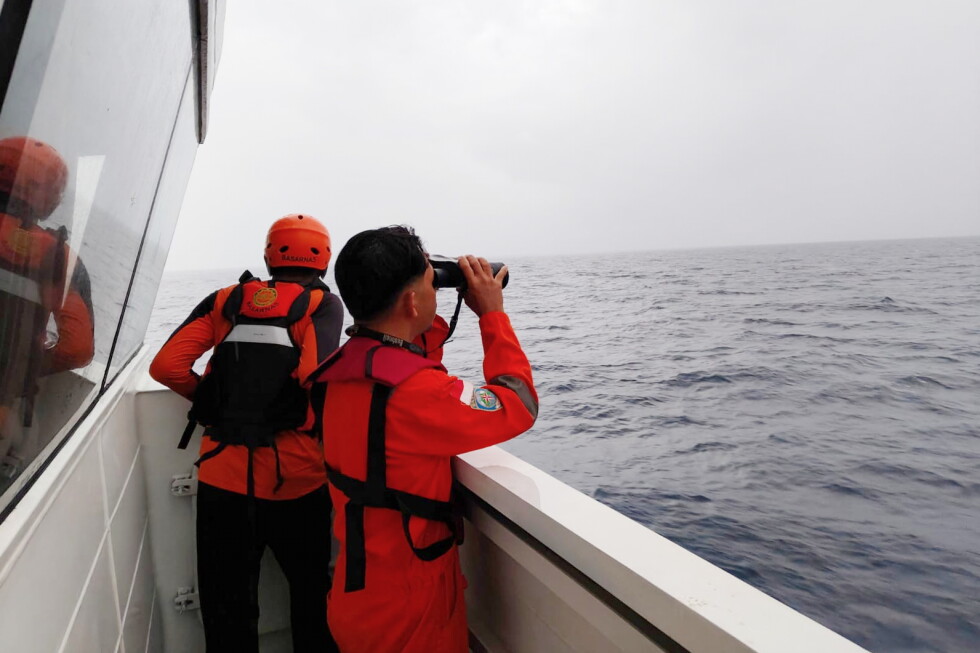
Rescue teams working across the choppy waters off eastern Indonesia have pulled a mother and her son from the remote area where the KM Nurul Salsa passenger vessel sank earlier this week, extending a streak of small glimmers of hope amid a devastating maritime disaster. As of Sunday, search operations continue for 18 people still unaccounted for, following the vessel’s sinking off South Sulawesi Province.
Local emergency officials confirmed that the 46-year-old woman and 24-year-old son were discovered stranded on Balaloho Island, a small populated island part of the Selayar island chain, by local fishermen who were assisting in the search effort. The pair joins seven other survivors already pulled from the sea or surrounding coastlines, after five survivors including a 7-year-old child were recovered Saturday evening. That group was found clinging to an anchored fish trap after spending three days adrift following the sinking. At least one casualty has been confirmed so far.
In total, the stricken boat was carrying 78 passengers and crew members when it suffered catastrophic engine failure Wednesday. The sinking occurred roughly 43 nautical miles (79 kilometers) from the main port servicing the Selayar Islands. The massive search operation that followed has mobilized more than 200 professional rescuers across dozens of search vessels, with additional support from the Indonesian national military, local police forces, independent commercial fishermen, and volunteer residents from nearby island communities.
Andi Sultan, the lead coordinator for emergency response based in Makassar, told reporters that search crews have been pushed to their limits by brutal environmental conditions. Search teams have had to operate through consistent rough seas, with waves reaching heights of 2 to 3 meters paired with persistent strong gusting winds that have complicated detection efforts and slowed search progress.
Maritime passenger transport is an essential lifeline across Indonesia, a sprawling archipelagic nation made up of more than 17,000 separate islands that connect hundreds of distinct communities. Unfortunately, the sector is plagued by systemic safety gaps: lax enforcement of international and national safety standards, combined with frequent overloading of passenger and cargo capacity, makes frequent deadly accidents an ongoing public safety challenge across the country.