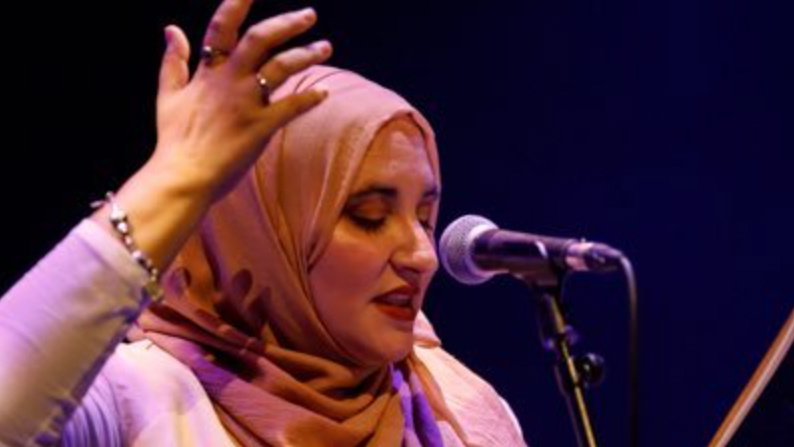
A controversy has erupted over artistic expression and political speech in Wales after the national poet was excluded from the opening ceremony of the Senedd, the country’s devolved parliament, which was presided over by King Charles III, when officials rejected her work for referencing pressing global and domestic political issues.
Hanan Issa, a Welsh-Iraqi writer who holds the title of Wales’s national poet, was commissioned to compose and perform an original poem for Thursday’s official opening in Cardiff. But just one day before the event, Issa revealed that her original submission had been turned down explicitly on the basis that its political content made it unsuitable for the occasion.
Issa’s original poem, titled *To Grow*, was crafted to blend English and Welsh language, framing Wales as a community garden and elected lawmakers as the garden’s caretakers—an extended metaphor to explore the responsibilities of governance. Rejecting calls to produce a generic, apolitical piece focused only on natural scenery, Issa wove in references to urgent ongoing issues, most notably a passage calling out violence against civilian children in Gaza. The poem also touched on contentious domestic policy debates around cuts to transgender healthcare and the rising threat of far-right fascism across Europe.
When told the direct political references were unacceptable, Issa revised the poem, softening the language to be more abstract and replacing the explicit reference to “Gazan children” with the coded phrase “watermelon children”—a widely recognized symbolic reference to Palestinians, as the watermelon’s green, white, black and red stripes match the colors of the Palestinian flag. Even this toned-down second version was rejected by Senedd organizers.
Following the second rejection, Issa announced she would boycott the entire ceremony, saying she was no longer welcome to participate. In an interview with BBC Radio Wales Breakfast, she explained her reasoning for including political content: the original commission brief only requested a poem celebrating elected representatives and their commitment to the Welsh public, with no explicit rule barring engagement with current issues. “It felt like a disservice to write something that was quite surface level, when so many pressing issues are affecting the lives of people in Wales today,” she said. Issa added that she found the rejection deeply concerning: the Senedd is Wales’s legislative body, where political debate is the core function, so barring political commentary from a national poet’s contribution sends a worrying message about open discourse in Welsh democracy.
In a brief statement responding to the controversy, the Senedd Commission, the governing body that oversees parliamentary operations, only said that “after a development process, we concluded that the poem was not the right fit for this occasion.”
Literature Wales, the organization that supports literary work and the national poet role, acknowledged the Senedd Commission’s final decision while expressing regret over the outcome. “The role of the national poet is to inspire reflection, conversation and positive change,” the group said in a statement. “We are disappointed that this formal celebration of Welsh democracy will not include a literary contribution.”
The incident has reignited conversations across the United Kingdom about the limits of free expression in institutional public events, particularly when it comes to commentary on the ongoing Israel-Gaza conflict, which has become one of the most divisive global political issues in recent years.