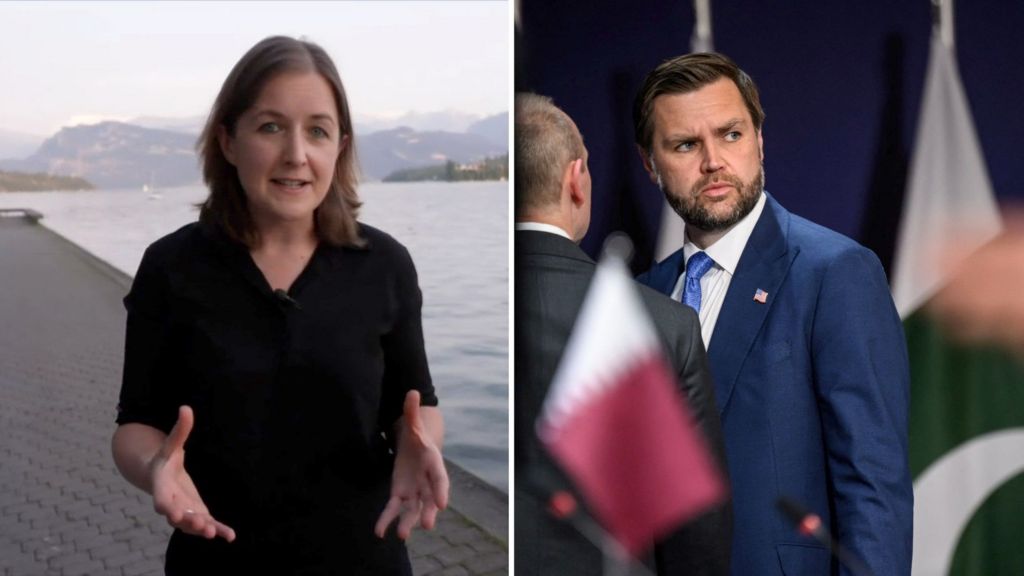
In a move that has sent ripples through global diplomatic circles, United States Vice-President JD Vance made an unexpected and under-the-radar trip to a high-end Swiss alpine resort to hold direct talks with Iranian representatives, a development that has sparked widespread curiosity and analysis from international observers. BBC senior correspondent Jessica Parker has broken down the critical context and key takeaways surrounding this unorthodox diplomatic encounter, shedding light on what many see as a significant shift in how the US is engaging with Iran behind closed doors.
First, it is important to contextualize the long-strained diplomatic relationship between Washington and Tehran. For decades, formal direct negotiations between the two nations have been rare, with most talks mediated by third-party European or global powers in established diplomatic settings. The choice of a remote, luxury Swiss resort – a location long favored for secret, off-the-record diplomatic negotiations due to Switzerland’s long-standing policy of neutrality and strict privacy protections – was no accident. The secluded setting allowed both sides to speak freely without the immediate pressure of global media scrutiny or domestic political backlash that often derails early diplomatic efforts.
Parker notes that while the Biden administration has maintained limited, structured talks with Iran over its nuclear program in recent years, this meeting involving the sitting US vice-president marks a notable escalation in direct engagement. While official statements from both sides have remained scarce, early reports indicate that discussions covered a range of pressing topics, including ongoing nuclear enrichment activities, regional security tensions in the Middle East, and the potential for limited prisoner exchanges that have long been a sticking point in bilateral relations.
Diplomatic analysts suggest the off-the-record nature of the meeting indicates that both sides are testing the waters for more formal negotiations down the line, rather than pushing for immediate, sweeping agreements. The choice of venue also reinforces Switzerland’s historic role as a neutral intermediary between hostile nations, a function it has fulfilled for decades during periods of global geopolitical tension. As details continue to emerge, the international community is closely watching to see whether this informal encounter will open the door to a broader thaw in US-Iran relations, or remain a one-off exploratory meeting with no long-term policy impact.