博客

  • Why Kim Jong Un never talks about his mother – or her controversial bloodline

    Why Kim Jong Un never talks about his mother – or her controversial bloodline

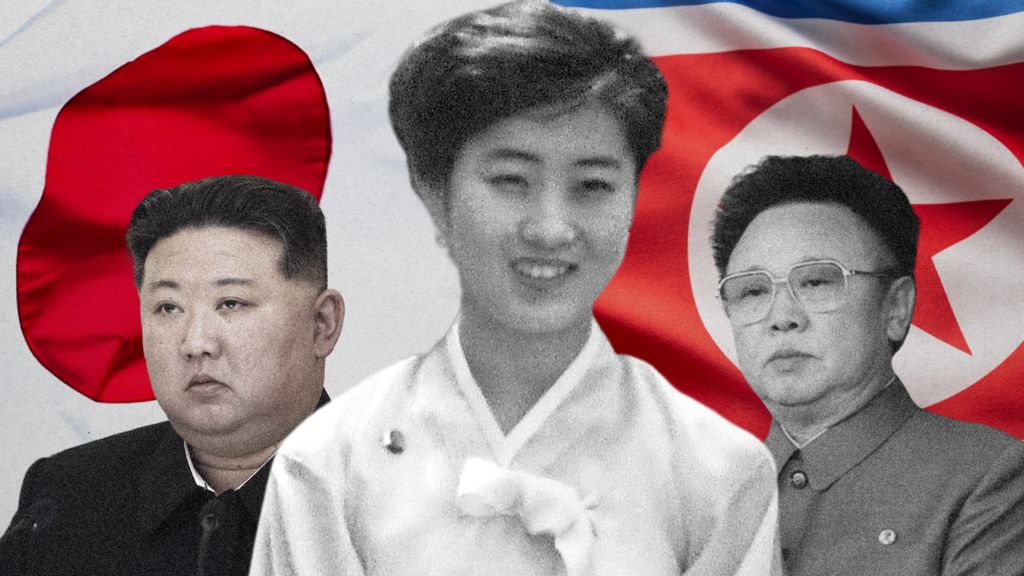
    For 15 years of leadership under Kim Jong Un, one secret has remained among the most tightly guarded in the isolated authoritarian state: the public identity of his mother. Within North Korea’s ruling ideology, the legitimacy of the Kim family’s dynastic rule hinges entirely on the mythologized “Mount Paektu bloodline”—a lineage tied to Dangun, the legendary founder of the Korean people, and cultivated for decades to frame the Kims as inherently entitled to power. But the truth of Kim Jong Un’s maternal heritage directly undermines this foundational narrative, making his mother’s identity not just a state secret, but a potential existential threat to the regime.

    Mount Paektu, the volcanic peak straddling the China-North Korea border, has long been central to the Kim dynasty’s legitimacy-building. Myth holds it is the birthplace of Dangun, founder of Korea’s first ancient kingdom. Centuries later, North Korea’s founding leader Kim Il Sung framed the mountain as his guerrilla hideout during Japan’s colonial occupation of the Korean Peninsula, while his son and successor Kim Jong Il was officially proclaimed to have been born on the mountain’s sacred slopes—despite widespread evidence of his actual birth in the Soviet Union. As former exiled North Korean diplomat Ryu Hyun-woo noted in his book *Kim Jong Un’s Secret Vault*, Kim Jong Un’s rise to power as an untested man in his 20s was enabled solely by this carefully constructed Paektu bloodline narrative.

    The reality of Kim’s maternal origins tells a far different story. Historians and biographers have documented that Kim Jong Un’s mother, Ko Yong Hui, was born in 1952 in Osaka, Japan, to ethnic Korean parents originally from Jeju Island, off the southern coast of modern-day South Korea. Ko’s family were Zainichi Koreans—ethnic Koreans who resided in Japan during its 1910–1945 colonial rule of Korea. When Ko was around 10 years old, her family joined an estimated 93,000 Zainichi Koreans who resettled in North Korea between 1959 and 1984, lured by state promises of free healthcare, education, and stable employment.

    While early Zainichi migrants were initially envied for the cash, clothing, and appliances they brought from Japan, they were quickly labeled “jjaepo”—a derogatory term for people deemed contaminated by foreign capitalist ideologies. Under North Korea’s strict hierarchical social classification system called songbun, jjaepo fall into the “wavering class,” positioned between the regime’s trusted core class and the marginalized hostile class. They face constant state surveillance and are routinely barred from elite universities and high-level government positions. This stands in stark contradiction to the regime’s narrative of pure, sacred Paektu bloodline. “The [regime’s] Paektu bloodline is seen as sacred,” explains Kim Hyung-su of the Northern Research Association. “So the idea of the leader being a jjaepo’s son is unimaginable.”

    Unlike most Zainichi Korean migrants, Ko avoided the lower-caste fate of her community after catching the attention of Kim Jong Il, who was already being groomed as Kim Il Sung’s successor. At the time, Kim Jong Il was already in an arranged political marriage to Kim Young Sook, daughter of a high-ranking military official, and had two other known mistresses. But Ko, a performer with the elite Mansudae Art Troupe, won Kim Jong Il’s attention through her natural beauty and dancing skill, according to Japanese journalist Yoji Gomi, who published a book on Ko in 2025. The pair went on to have three children together, though their relationship was never officially recognized by the North Korean regime.

    Because children born outside of official wedlock carry severe social stigma in North Korea, Ko and her children were sequestered in the coastal town of Wonsan, 130 miles outside of Pyongyang, where Kim Jong Il’s official wife resided. Even so, Gomi notes Ko lived what he describes as a “Cinderella-like life” of elite privilege hidden from public view. Still, she was never publicly recognized as Kim Il Sung’s daughter-in-law, and the founding leader never appeared in public with Ko’s children. Dr. Cheong Seong-chang of the Sejong Institute notes that if Ko had won Kim Il Sung’s approval, photos of him with his grandchildren would have been widely distributed to the public.

    After Kim Il Sung’s death in 1994, Kim Jong Il took power, and Ko became the de facto first lady of North Korea. She accompanied Kim on military inspections, built close ties to his inner circle, and even was consulted on policy decisions before they were finalized, according to Kenji Fujimoto, Kim Jong Il’s former personal chef. A 2011 state documentary included footage of Ko joining Kim on local tours, but it never named her or disclosed her social background. The film was only screened for senior party officials in 2012 before it was leaked, spreading to ordinary citizens via smuggled USB drives. “As it spread… people’s curiosity about Ko Yong Hui skyrocketed, so the regime quickly recalled [the documentary],” Dr. Cheong explains, adding that her background could directly call the regime’s legitimacy into question. Ko died of breast cancer at a Paris hospital in 2004, and her death was never acknowledged or reported by North Korean state media.

    The question of how Kim Jong Un, the second son of an unacknowledged mistress, ultimately inherited power begins with the elimination of other potential heirs. Kim Jong Il’s official wife only had daughters, who were barred from succession under the dynasty’s patriarchal norms. His first son with another mistress, Kim Jong Nam, was long considered a potential candidate until he fell out of favor: Gomi, who corresponded with Kim Jong Nam for years, notes that he openly questioned North Korea’s hereditary system and advocated for political reform, and gained a reputation for a jet-setting, party-focused lifestyle that included frequent trips to foreign casinos. After years in exile in Macau, Kim Jong Nam was assassinated with a lethal nerve agent at a Malaysian airport in 2017. Kim Jong Un’s older brother Kim Jong Chul was also ruled out, with former diplomat Ryu reporting that he was disqualified due to a severe opium addiction.

    Ko, aware that her family would face peril if her son did not take power, actively pushed to position Kim Jong Un as the next heir on the advice of her own sister, according to journalist Anna Fifield in her book *The Great Successor: The Secret Rise and Rule of Kim Jong Un*. Kim Jong Un quickly became his father’s favorite, with analysts citing his strong leadership demeanor and competitive nature. Though he briefly studied in Switzerland as a teenager, he remained far more isolated from foreign influence than his older half-brother Kim Jong Nam. When Kim Jong Il died in 2011, 27-year-old Kim Jong Un secured his position as the third supreme leader of North Korea, and has since elevated his sister Kim Yo Jong to a senior role leading the country’s powerful propaganda department, according to South Korea’s Unification Ministry.

    Even after more than a decade in power, the secret of his mother’s origins continues to shape the North Korean leader’s public behavior. Analysts point to the fact that Kim Jong Un’s birthday has never been declared a national holiday, unlike the birthdays of his grandfather and father—drawing attention to his birth would inevitably raise uncomfortable questions about his mother and his childhood sequestration outside Pyongyang. Experts also argue that his decision to publicly introduce his wife Ri Sol Ju early in his rule was shaped by this secrecy: unlike Ko, Ri comes from an upper-middle class Pyongyang family with a solid songbun status, a former singer with an elite performance troupe who studied classical music in China, per South Korean intelligence.

    “The sense of illegitimacy and resentment Kim Jong Un experienced because of his mother’s background paradoxically became a powerful motivation for him to publicly reveal his wife Ri Sol Ju and daughter Ju Ae at an early stage,” Gomi says, adding these public displays stem from a “perceived ‘deficiency’” surrounding Ko’s origins. For the North Korean regime, the risk of this secret coming to light is catastrophic. Ryu argues that if Ko’s Japanese-born Zainichi Korean origins became widely known to the North Korean public, “it would not only shake his legitimacy but also destabilise the hereditary system at its roots. It would have the impact of a nuclear bomb on North Korean society.”
  • Colombia-Portugal World Cup match draws sky-high ticket prices, some fans make financial sacrifices

    Colombia-Portugal World Cup match draws sky-high ticket prices, some fans make financial sacrifices

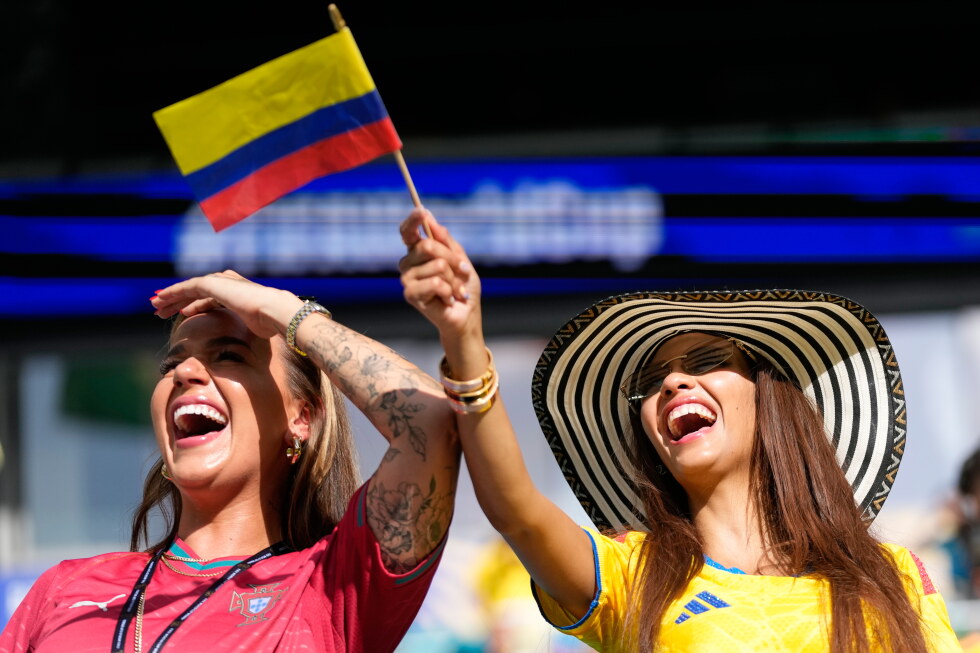
    MIAMI GARDENS, Florida — When the 2026 FIFA World Cup group stage draw locked in a matchup between Colombia and Portugal at Miami’s Hard Rock Stadium, football fans across the globe immediately marked the contest as a can’t-miss event. Few understood just how high demand would climb, not even Portugal’s head coach Roberto Martínez, who secured his family’s seats months in advance, long before most fans even tried to purchase entry. What makes Martínez’s story stand out? As the Portuguese national team manager, he had one of the easiest paths to a ticket — a privilege nearly no other fan in the sold-out crowd of 64,000 could claim.

    By kickoff on Saturday, the scale of fan demand had sent resale market prices soaring to unprecedented levels for a group-stage World Cup match. Early Saturday, the cheapest available entry hovered around $3,500 per seat, and data from major ticketing platform StubHub showed prices ranging from $2,676 to more than $22,000 on the day before the match. Even with those exorbitant costs, nearly every attendee interviewed said the experience was well worth the investment, with many traveling thousands of miles and saving for months just to be in the stands.

    For many fans, the draw of the match came down to one historic factor: this could be one of the final World Cup appearances of Portuguese football legend Cristiano Ronaldo, who at 41 continues to compete at the highest level of international football. Pablo Ceballos, a 40-year-old Mexico native and lifelong Ronaldo supporter, dropped $3,000 on a single ticket for his first ever World Cup match, calling the opportunity a decades-long dream. “I am old — 40 — and this is the last time I will get to see Cristiano,” Ceballos said. “I cried when I stepped in the stadium. Forty years for this, that’s why I paid that.”

    Brothers Juan and Felipe Ramirez, Colombian expats living in Europe, made a multi-day trip to Miami specifically for the match, paying $2,400 per ticket. They framed the expense as an investment in a once-in-a-lifetime experience they would never get again. For lifelong Colombian supporter Gustova Borda and his wife, the match carried extra personal meaning: Miami is the city where she received breast cancer treatment two years prior, making the trip to watch their national team a meaningful celebration of her recovery. The pair paid $8,300 total for their two tickets, and Borda said every dollar was worth it.

    Even fans who paid lower prices described getting a deal worth celebrating. Colombian supporter Gina Barrios paid $1,500 per ticket through a family friend, a price she called a bargain compared to public resale rates. “This is my country … so I was very excited to see them here again,” she said.

    Martínez, who got to watch the match from the sidelines rather than the stands, said the outpouring of passion from fans of both nations reinforced the unifying power of global football at a time of widespread uncertainty around the world. “I think it’s fascinating, the passion of the game in a difficult moment in the world,” Martínez said. “Football still brings unity, it brings passion, it brings inspiration for the kids, all the values that you want to see in a human being. It makes me extremely proud.”

    FIFA confirmed that this matchup was one of the most sought-after group-stage matches in the entire tournament during initial ticket sales, cementing its status as a must-see event even before the first ball was kicked.

  • One Extraordinary Photo: Capturing the physicality of the Spain-Uruguay match

    One Extraordinary Photo: Capturing the physicality of the Spain-Uruguay match

    GUADALAJARA, Mexico — For Ricardo Mazalan, the Associated Press’ deputy director of storytelling and photography for Latin America, FIFA World Cup coverage is nothing new. The seasoned photojournalist has documented every iteration of the world’s biggest soccer tournament since the 1998 competition hosted by France, and he has also brought his lens to multiple Olympic Games across his decades-long career.

    In a behind-the-scenes reflection, Mazalan opened up about the creative process and narrative power of one standout photograph he captured during a recent World Cup group stage encounter between two historic champions, Spain and Uruguay.

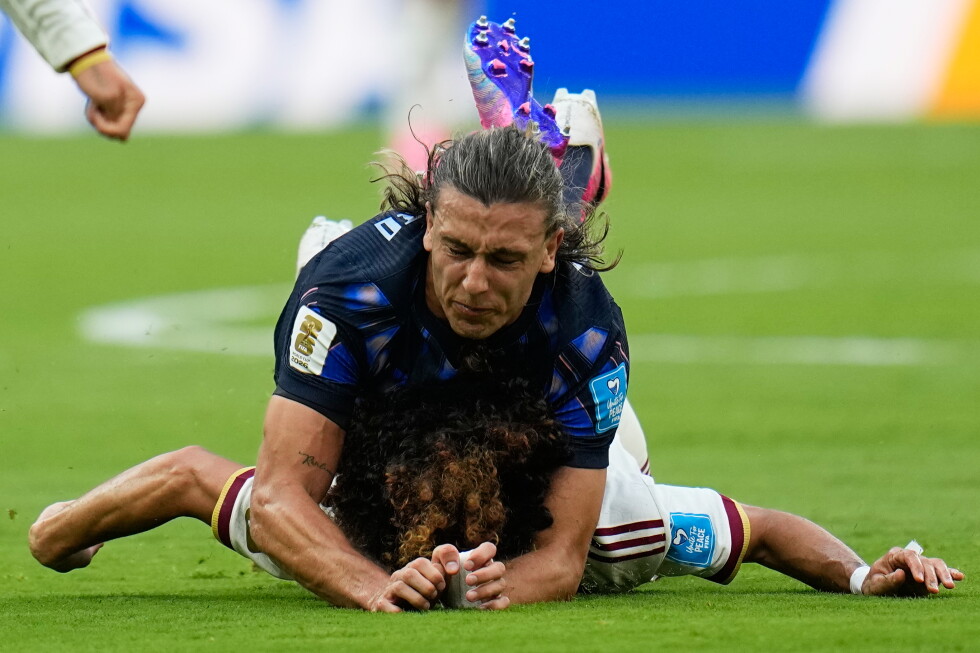
    This matchup carried unique stakes: it was the only opening-round game that pitted two prior World Cup winners against one another, making it one of the most highly anticipated fixtures of the tournament’s early slate. With Uruguay’s hopes of advancing to the knockout stage hanging in the balance, Mazalan went into the match expecting a tightly contested, physically grueling battle. He set out not just to capture generic on-pitch action, but to create images that distilled the raw emotion and unforgiving physicality that defined the high-stakes contest. The moment he landed on — a hard challenge for the ball between Uruguay’s Agustin Canobbio and Spain’s Marc Cucurella — perfectly encapsulated just how intense the 90 minutes would become.

    Mazalan emphasizes that the final, powerful image was not a product of his work alone. One of the greatest advantages of covering global elite sporting events for a major news agency is the opportunity to collaborate with seasoned, respected editors who shape work into its strongest form. For photographers, there is always a quiet thrill mixed with anticipation when a veteran photo editor or top agency photographer reviews your shots. That excitement becomes even more rewarding when an editor immediately sees the same narrative in a frame that the photographer spotted through the viewfinder. For Mazalan, the partnership between photographer and editor has always mirrored a tango: one partner feels the moment in real time, the other identifies and interprets that energy, and together they craft a story neither could create independently.

    So what makes this particular image resonate more than countless other match snapshots? It succeeds because it captures far more than a routine tackle — it captures the entire soul of the match. Early in the first half, as Canobbio and Cucurella collided and fell to the turf, Mazalan knew the moment summed up the entire contest that was unfolding. What was supposed to be a showcase of fluid attacking soccer devolved into a gritty, physical battle, and by the final whistle, the outcome matched that scrappy energy: Uruguay had been eliminated from the tournament, and Canobbio had been shown a red card and ejected from the match. Mazalan notes that iconic sports photography rarely hinges on capturing the winning goal or a game-saving stop. More often than not, one quiet, visceral moment can reveal the full unwritten story of a match long before the final whistle blows.

  • Australia to double maximum penalty for platforms in breach of social media ban

    Australia to double maximum penalty for platforms in breach of social media ban

    Nearly seven months after Australia implemented its groundbreaking ban on social media access for children under 16, the federal government is escalating enforcement efforts by doubling the maximum penalty for regulatory violations to AU$99 million (£51.7 million). The legislative update also grants expanded authority to the country’s independent digital safety regulator, the eSafety Commissioner, enabling the agency to force major social media platforms to submit documented evidence of compliance measures they have implemented to block underage users.

    Australia’s minimum age restriction for 10 major social platforms — including Meta-owned Facebook and Instagram, ByteDance’s TikTok, Snap Inc.’s Snapchat, and Google’s YouTube — took effect on December 10, 2025. Despite the high-profile launch of the policy, widespread enforcement gaps have been well-documented, with multiple independent checks confirming that a large share of under-16 users retain access to platforms they used before the ban.

    On-ground reporting from the BBC in February 2026 found that most underage social media users at a Sydney secondary school still maintained access to their accounts months after the ban went into effect. Internal data from the eSafety Commission echoed this finding, revealing that seven in 10 under-16 users who held accounts prior to the ban still have at least partial access to platforms today. Regulators have already launched formal investigations into alleged non-compliance by the five aforementioned major platforms.

    In an official statement released Saturday, the Australian government acknowledged the significant enforcement challenges it has faced, framing stiffer penalties as a clear signal that it is cracking down on platforms that have failed to meet their regulatory obligations. “Doubling down on platforms that are not doing enough to keep kids off social media,” the government noted, the expanded powers granted to the eSafety Commissioner will streamline investigations and enable more robust enforcement action against bad actors.

    Australian Prime Minister Anthony Albanese emphasized that while the policy has shifted global conversation around child online safety and built international momentum for similar restrictions, big tech firms have not done enough to comply with Australian law. “There are still too many children on social media,” he said. Communications Minister Anika Wells echoed the prime minister’s criticism, accusing major platforms of deliberately following a big tech playbook of doing the absolute bare minimum to satisfy regulatory requirements rather than taking meaningful action to block underage access. “I am not satisfied that tech companies are doing everything they can to keep children off these platforms,” Wells said.

    Australia’s pioneering policy has already spurred copycat action across the globe, with the United Kingdom the latest country to announce plans for a similar restriction. In June 2026, UK Prime Minister Sir Keir Starmer unveiled plans to introduce a ban on social media use for children under 16, set to take effect by spring 2027. While the full list of platforms covered by the UK ban has not yet been published, Downing Street confirmed the rule will apply to all platforms designed primarily for social interaction that support user-generated content posting. The UK government is also considering additional child protection measures, including an overnight curfew for under-18 users and rules to limit or disable infinite scrolling feeds on popular platforms.

  • Panic attacks and fractures – Venezuela hospital treats earthquake victims

    Panic attacks and fractures – Venezuela hospital treats earthquake victims

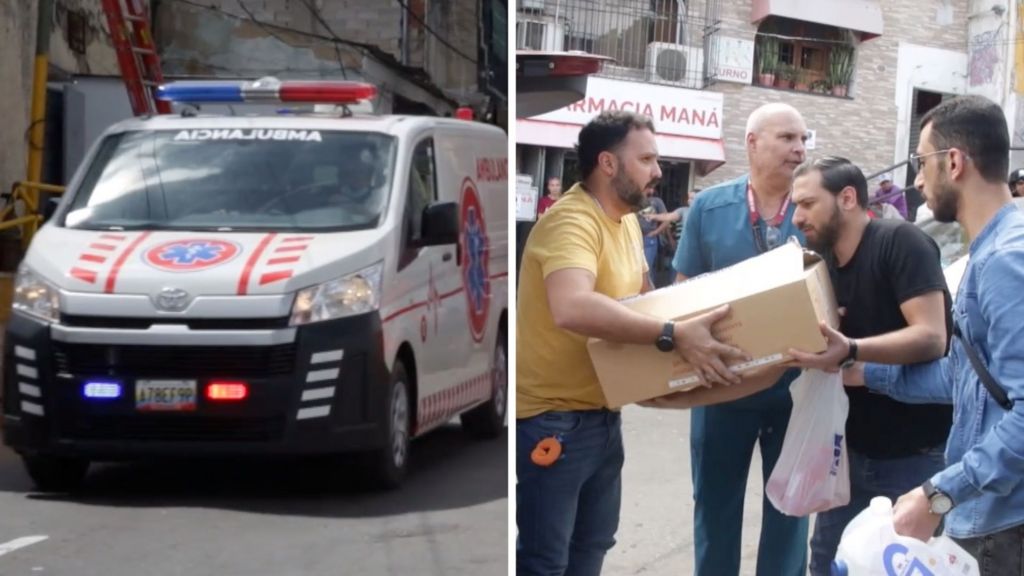
    A devastating earthquake that tore through parts of Venezuela has left hundreds of survivors grappling with both physical injuries and severe psychological trauma, with a major Caracas hospital now on the front lines of caring for those from the hardest-hit zones. A reporting team from the British Broadcasting Corporation recently gained access to this busy medical facility, where medical workers are working around the clock to address the overwhelming influx of patients.

    Inside the hospital’s wards, the dual toll of the disaster is impossible to miss. Many survivors have been admitted with serious bone fractures, crushed limbs, and other traumatic injuries sustained when buildings and infrastructure collapsed during the seismic event. Alongside these physical wounds, medical teams are also seeing a sharp rise in acute panic attacks, as survivors struggle to process the destruction of their homes, the loss of loved ones, and the persistent fear of aftershocks.

    The situation underscores the immense strain that natural disasters place on already stretched healthcare systems, even in capital cities far from the epicenter of a catastrophe. As medical staff continue to triage and treat patients, the full scope of the earthquake’s human impact is only beginning to emerge through on-the-ground reporting from inside the country’s medical response system.

  • Trump bombs Iran after strike on cargo ship in Strait of Hormuz

    Trump bombs Iran after strike on cargo ship in Strait of Hormuz

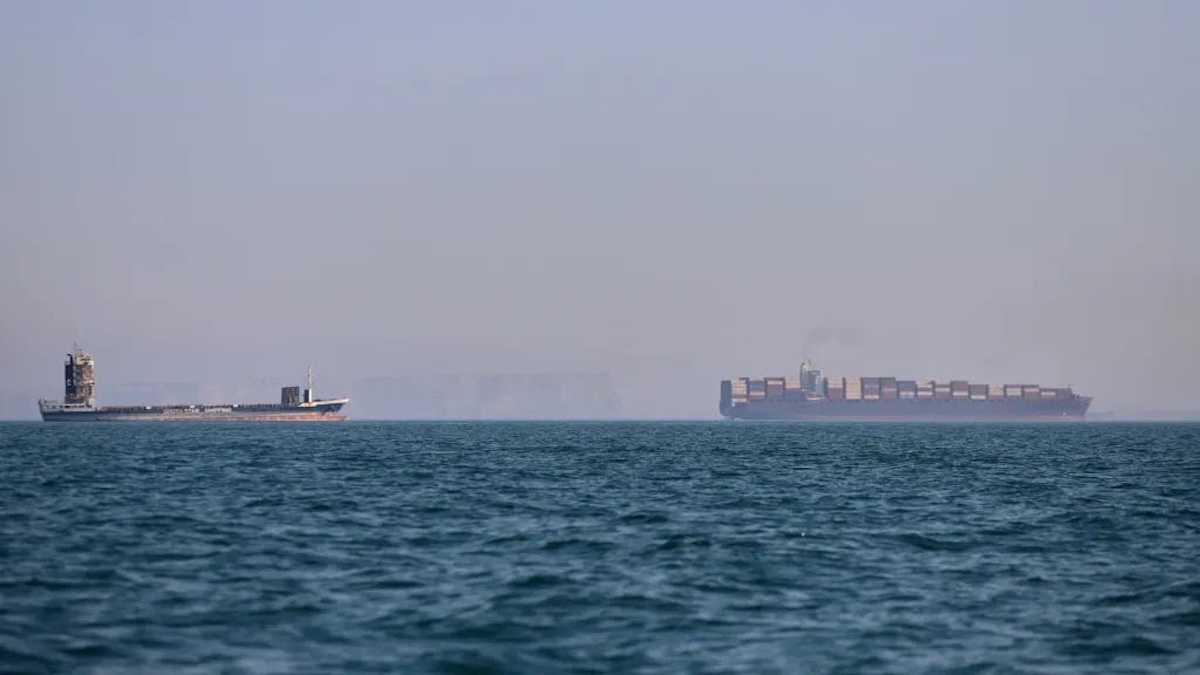
    Tensions in the Middle East reignited dramatically on Friday when former U.S. President Donald Trump announced the resumption of military strikes against Iranian targets, just days after the two sides reached a fragile ceasefire memorandum and hours after an alleged drone attack on a commercial cargo vessel in the strategically critical Strait of Hormuz. The escalation comes as the U.S., Israel, and Lebanon signed a separate trilateral framework to de-escalate conflict along the Israel-Lebanon border, raising urgent questions about whether regional ceasefire efforts can hold.

  • Budapest’s first Pride since Orban left power

    Budapest’s first Pride since Orban left power

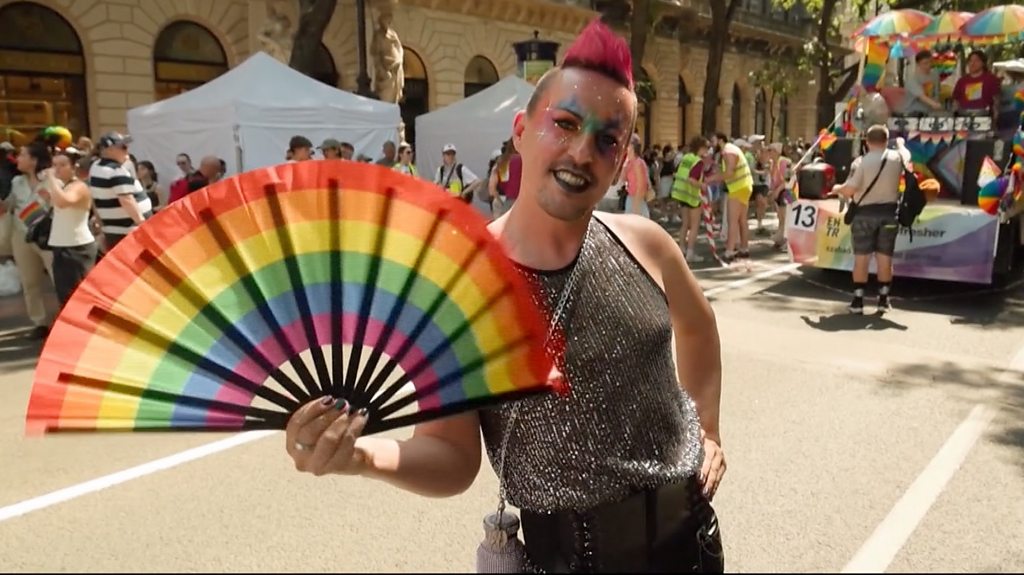
    After 16 years of conservative leadership under former prime minister Viktor Orban, Budapest marked a historic moment for LGBTQ+ rights activists and allies this week, hosting the capital’s first Pride parade since the dissolution of Orban’s government. Thousands of participants from across Hungary and neighboring countries filled the city’s central streets, carrying rainbow flags, homemade signs calling for equal legal protection, and chanting demands for greater social inclusion.

    The march comes on the heels of a recent national election that unseated Orban’s long-ruling Fidesz party, ending one of Europe’s most high-profile conservative administrations that had implemented a series of policies targeting LGBTQ+ communities, including restrictions on same-sex marriage adoption rights and public gender-affirming education. Organizers of the event framed the gathering as both a celebration of the political transition and a call to action for the new incoming government to deliver on promised equality reforms.

    Witnesses reported a joyful, energetic atmosphere, with participants of all ages joining the procession from Budapest’s historic city center to a public park on the Danube riverbank, where community groups hosted booths offering resources, live performances, and discussions about policy priorities for the LGBTQ+ community moving forward. While the new government has not yet released a full timeline for equality legislation, many attendees expressed cautious optimism that the end of Orban’s tenure opens a new chapter of progress for marginalized groups in Hungary.

  • Ronaldo, Portugal set to learn Round of 32 matchup in World Cup

    Ronaldo, Portugal set to learn Round of 32 matchup in World Cup

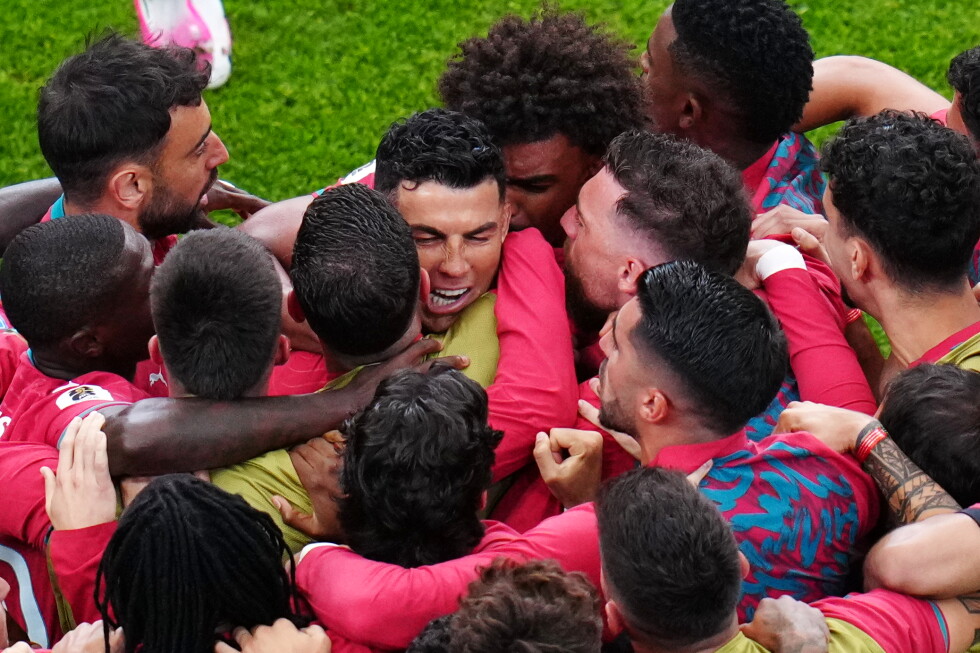
    MIAMI GARDENS, Florida — Under scorching 38-degree Celsius heat that has gripped south Florida this weekend, global football icon Cristiano Ronaldo led his Portuguese national team into their final Group K World Cup showdown against Colombia, with the side already guaranteed a spot in the tournament’s Round of 32 ahead of kickoff Saturday.

    Despite the oppressive near-100-degree Fahrenheit temperatures that had many locals and fans seeking shade, Ronaldo cut a composed figure as he made his way from the team bus to the stadium’s player entrance. Dressed in a combination of a light outer jacket, a casual tee and athletic shorts, the five-time Ballon d’Or winner took a moment to acknowledge waiting supporters along his route, offering a cheerful thumbs-up to the small crowd gathered to catch a glimpse of the star.

    The match carries high stakes for the group’s final standings: a Portuguese victory would see Jorge Santos’ side claim the top position in Group K, while any result other than a win hands the group lead to Colombia. As widely anticipated by football pundits and fans alike, Ronaldo was named in Portugal’s starting XI for the decider, bringing his years of big-match experience to the critical encounter.

    Heading into Saturday’s fixture, Ronaldo has already cemented his place in World Cup history, with two strikes in this year’s tournament pushing his all-time men’s World Cup goal tally to 10 across six tournament appearances. He remains the only male player in the history of the competition to find the back of the net in six separate World Cup editions, a record that highlights his unprecedented longevity and consistency at the sport’s biggest stage.

    Beyond group standings, the outcome of the match carries extra narrative weight for the tournament. If Portugal emerges victorious, they will land in the same half of the Round of 32 draw as Lionel Messi’s Argentina. That alignment would open the door for a dream quarterfinal showdown between two of the greatest players in football history on July 11, a matchup that has been anticipated by football fans across the globe for years.

  • Damascus races to reassure Beirut as Trump pushes Syria to take on Hezbollah

    Damascus races to reassure Beirut as Trump pushes Syria to take on Hezbollah

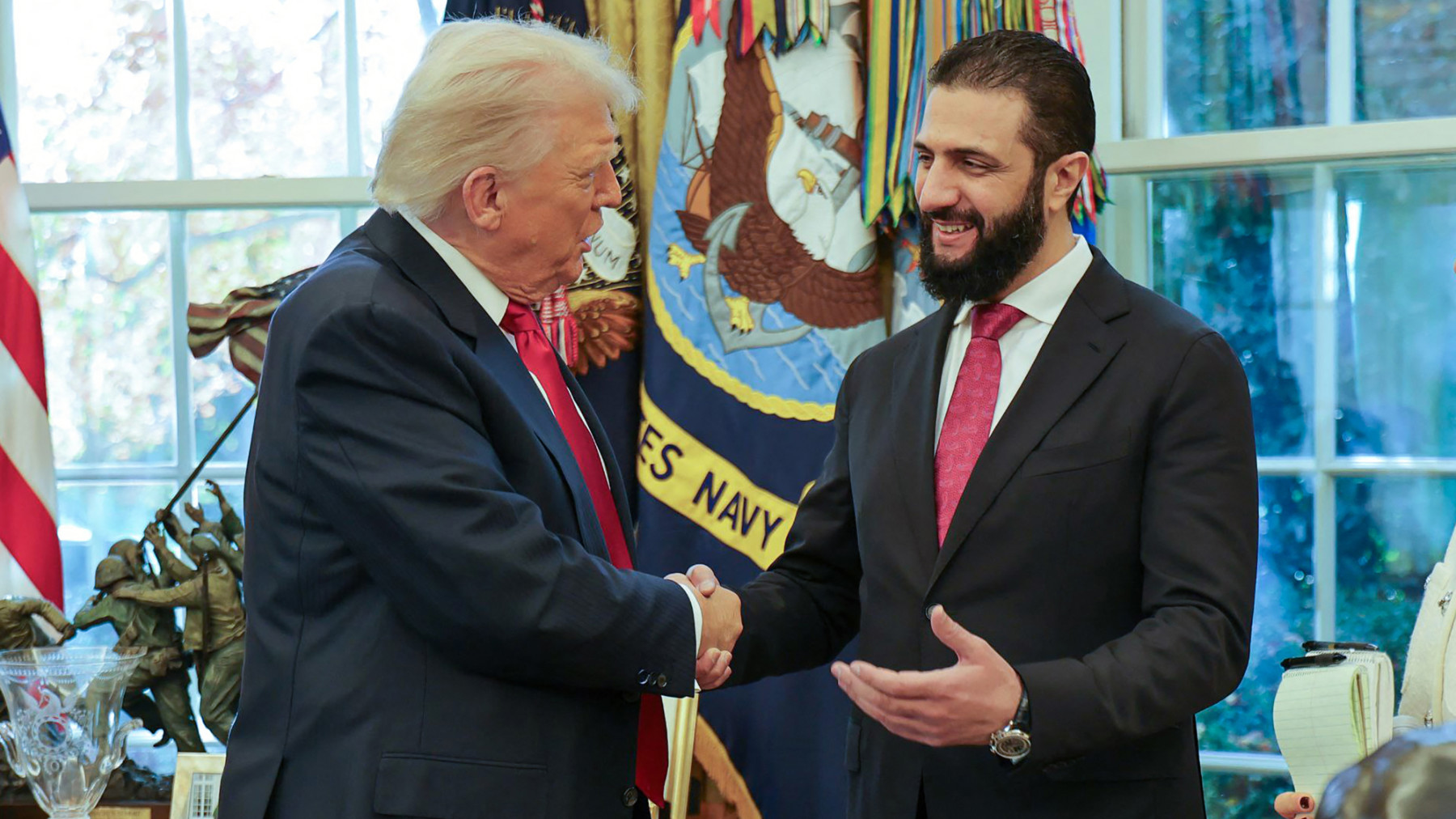
    In recent months, successive public statements from U.S. President Donald Trump suggesting Syria take charge of addressing the Hezbollah issue have rekindled deep-seated anxiety in Lebanon over a potential return of Syrian military involvement to the country, even as Syrian President Ahmed al-Sharaa and his administration have repeatedly rejected any plans for armed intervention. Trump’s increasingly explicit framing of a Syrian role has also exposed apparent inconsistencies in the Biden administration’s earlier messaging, directly contradicting a previous categorical denial from U.S. Ambassador to Syria Tom Barrack, who dismissed claims Washington had pressured Damascus to deploy troops into Lebanon as “false and inaccurate.”

    The most recent comments from Trump came during a June 21 interview with Fox News, where the U.S. leader expressed open disappointment with Israel’s ongoing campaign against Hezbollah, criticizing the operation for its widespread collateral damage. “They can’t do anything without knocking buildings down,” Trump told the outlet, adding “I’m close to giving it over to Syria.” Notably, Trump offered no additional context to clarify his use of the phrase “giving it over,” leaving observers uncertain whether he was referencing a full-scale Syrian military operation, regional political mediation, targeted pressure on Hezbollah, enhanced cross-border security coordination, or expanded cooperation with Lebanon’s central government. Even so, his remarks mark the latest in a string of public signals that the White House has actively explored assigning Damascus a formal role in managing the Lebanese armed group.

    The discourse around a potential Syrian involvement first emerged in public view on March 17, when Reuters published a report claiming U.S. officials had encouraged Damascus to consider deploying military forces into eastern Lebanon to support efforts to disarm Hezbollah. Citing five anonymous sources with direct knowledge of the behind-the-scenes talks, the outlet noted that Syrian officials had already expressed reluctance to move forward with the proposal, warning that intervention could drag Syria into a wider regional conflict and reignite volatile sectarian tensions in both Syria and Lebanon. According to the report, the proposal was first raised during bilateral talks between U.S. and Syrian officials in 2025, before being revisited in late February, shortly after the outbreak of the U.S.-Israeli war on Iran. Within hours of the report’s publication, Barrack issued a forceful public rejection of the claims, writing on the social platform X that “Reporting regarding the United States encouraging Syria to send forces into Lebanon is false and inaccurate.”

    Despite these denials, regional outlet Middle East Eye (MEE) subsequently reported that Sharaa held a meeting with leaders of Syrian armed factions shortly after the Reuters report to discuss the circulating claims. A Syrian source briefed on the gathering told MEE that “Those present agreed that Syria had neither the intention nor the desire to intervene militarily in Lebanon.” A separate senior Lebanese source also confirmed to MEE that Lebanese authorities in Beirut had received multiple formal reassurances that Damascus had no plans to deploy troops across the shared border. The outlet further reported that Syrian officials have begun coordinating with regional allies including Saudi Arabia, Qatar, and Turkey to push back against U.S. pressure for intervention. A second senior Syrian source told MEE that to avoid directly complying with Washington’s demands, Sharaa has laid out a series of preconditions for any Syrian involvement that would be nearly impossible for the U.S. to meet.

    Trump first floated the idea of a Syrian role in Lebanon publicly during a June 5 appearance on NBC’s *Meet the Press*, where he called for a more “surgical” campaign against Hezbollah and suggested Washington could either directly assist the effort or “recommend Syria” take the lead. “We can help them with that, or we can recommend Syria,” Trump said at the time, praising Sharaa and claiming the Syrian leader “would love to help.” While that initial stop stopped short of an explicit call for Syrian troops to enter Lebanon, Trump adopted a far more direct tone during a press availability at the G7 summit in Evian-les-Bains, France, on June 16. “I suggested to Israel to let Syria take care of Hezbollah, because, to be honest with you, I think they do a better job of doing it,” he told reporters. He doubled down on his criticism of Israel’s campaign, arguing it has progressed too slowly, caused unnecessary civilian casualties, and destroyed large swathes of residential infrastructure. He also reiterated his praise for Sharaa, claiming the Syrian leader has done an “amazing job” consolidating state control across Syria and “does not like” Hezbollah.

    The following day, when pressed by reporters to confirm whether he had directly discussed the Hezbollah issue with Sharaa, Trump confirmed the conversation had occurred but declined to share whether the Syrian leader had agreed to take on a role, saying only that he would address the matter at a later date. The exchange confirmed that Trump’s proposal was not merely an abstract suggestion for Israeli policymakers, but that the prospect of a Syrian role had already been raised directly with the Damascus government.

    In recent weeks, Sharaa has moved aggressively to quell growing speculation over potential intervention. During a June 11 meeting with dignitaries from the Damascus countryside, he dismissed reports of an imminent Syrian military entry into Lebanon as baseless rumors. Later, in an interview with Al Arabiya, Syrian presidential adviser Ahmed Muwaffaq Zaidan confirmed that Washington had proposed Syrian involvement amid the ongoing regional escalation, but said Damascus had rejected any military or security role in Lebanon. He added that Syria supports extending the authority of Lebanon’s central government across all of its territory, but that this goal should be achieved by strengthening Lebanese state institutions rather than deploying Syrian troops.

    Sharaa expanded on this position in a June 21 interview with Al Mashhad TV, pushing back against claims that Trump’s comments were a signal Syrian forces would enter Lebanon imminently. He argued Trump’s remarks had been misinterpreted, explaining that the U.S. president had raised concerns over the ongoing war and discussed potential Syrian contributions to a peaceful, secure resolution, rather than calling for an invasion. Sharaa emphasized that Syria’s top priority is ending the war and halting Israeli bombardment, noting that Damascus has discussed political, economic, and social pathways forward with U.S. officials. “Our vision is based on supporting the Lebanese state once again, strengthening its institutions, and seeking a solution that everyone believes in,” he said. “We are looking for economic channels between Lebanon and Syria, not military ones.” Sharaa also noted that Damascus is open to dialogue with all Lebanese political factions, including Hezbollah, acknowledging that the group’s role in Syria’s civil war left a “deep Syrian wound” but adding he would meet with Hezbollah representatives if it advanced the shared interests of both Lebanon and Syria.

    Lebanese President Joseph Aoun welcomed Sharaa’s public clarification, saying the reassurances had been well received in Beirut and helped put an end to rampant speculation over a Syrian military role. While Syrian statements have eased immediate public anxiety in Lebanon’s capital, Trump’s repeated calls for a Syrian role, paired with conflicting accounts of earlier U.S.-Syrian talks, have left lingering, unresolved questions about what role Washington ultimately expects Damascus to play in the future of Hezbollah and Lebanese stability.

  • Heatwave breaks more records in northern and central Europe

    Heatwave breaks more records in northern and central Europe

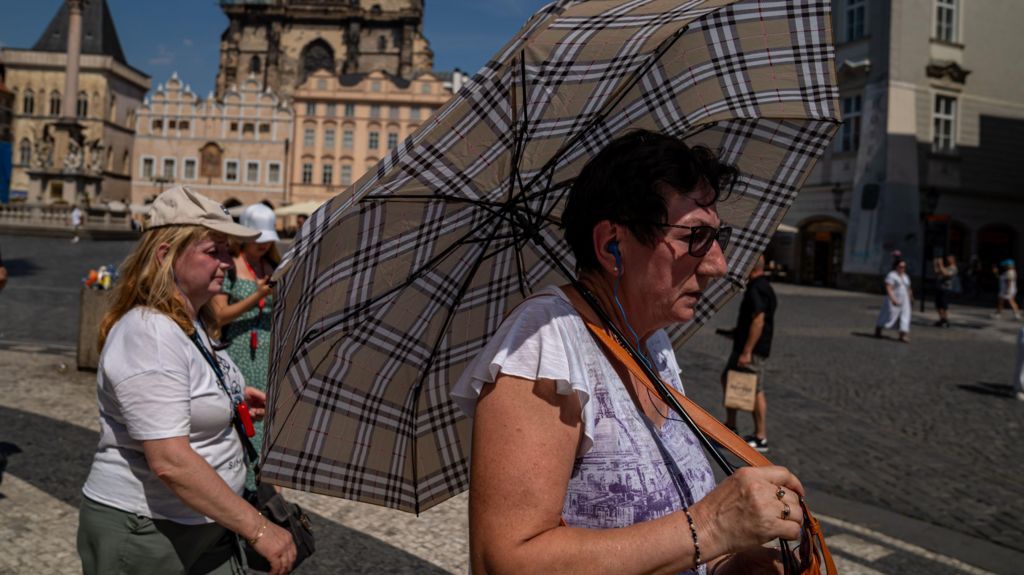
    A historic early summer heatwave is sweeping across Europe, bringing with it a cascade of broken all-time temperature records that have left communities and authorities grappling with a growing public health emergency. Over the weekend of June 27-28 2026, the unprecedented heat pushed thermometers past century-old benchmarks in multiple nations, marking one of the most intense early-season heat events ever recorded on the continent.

    Germany became a focal point of the extreme conditions, notching a new national all-time high temperature for the second consecutive day. According to provisional data from the country’s national meteorological service, the town of Möckern-Drewitz in the eastern state of Saxony-Anhalt hit 41.5°C on Saturday. This reading surpassed the 41.3°C record set just 24 hours earlier in Saarbrücken, a city near the French-German border. German authorities have moved quickly to address public discomfort and risk: in Berlin, police deployed two water cannons to spray cooling mist over crowds of heat-weary residents, a measure that provided much-needed relief to thousands struggling with the sweltering conditions.

    The heatwave, which first emerged on the Iberian Peninsula before expanding north and east, claimed new national records in other parts of the continent as well. The Czech Republic’s national meteorological service CHMI confirmed a new all-time high of 40.8°C measured at a station in Doksany, north of the capital Prague. In Denmark, forecasters recorded a provisional national record of 37°C in Odum near the city of Aarhus, breaking the previous benchmark of 36.4°C that had stood since 1976. Switzerland extended its streak of broken June heat records to three straight days on Saturday, when Basel in the country’s north reached 39°C, the hottest June temperature ever recorded in the alpine nation.

    Currently, an estimated 150 million people across Europe are enduring temperatures above 35°C, according to preliminary impact assessments. The World Meteorological Organization has issued a stark warning that the prolonged extreme heat will deliver major damage to both public health and regional ecosystems. Since the heatwave began a week ago, hundreds of fatalities across the continent have already been linked to the high temperatures. Spain’s MoMo mortality monitoring system recorded 327 heat-associated deaths between the previous Sunday and Thursday, while in France, at least 55 people have died from drowning amid a surge in people seeking cooling in open water—two-thirds of these fatalities occurred in unmonitored swimming areas with no lifeguards on duty.

    Meteorologists have explained the extreme conditions as the result of a slow-moving, persistent high-pressure system commonly called a “heat dome.” “Underneath the high pressure system, sinking air compresses and warms, lifting temperatures day by day,” explained Ben Rich, lead weather presenter for the BBC. “The skies have remained largely cloud-free, allowing strong sunshine to heat things up even more.”

    Climate scientists have long warned that Europe is warming faster than any other continent on Earth, a trend driven by factors including rapid Arctic heating and shifting jet stream patterns. A rapid attribution analysis by the World Weather Attribution network found that a heatwave of this intensity so early in the summer would have been virtually impossible without human-caused climate change. The group concluded that climate change is unequivocally to blame for the event.

    Looking ahead, the extreme heat is expected to persist through the weekend and into Monday, with temperatures as high as 40°C still possible in many affected regions. However, forecasters say a cooler air mass developing in western Europe will gradually move eastward across the continent, bringing much-needed temperature relief by the end of the coming week.

    German politician Katrin Goering-Eckardt, former leader of the Green Party, framed the event as a clear call to action on climate, writing on social media platform X: “This heat isn’t pleasant summer weather. It’s a health crisis.”