博客

  • Ukrainian strike sets fire to an oil refinery in southern Russia

    Ukrainian strike sets fire to an oil refinery in southern Russia

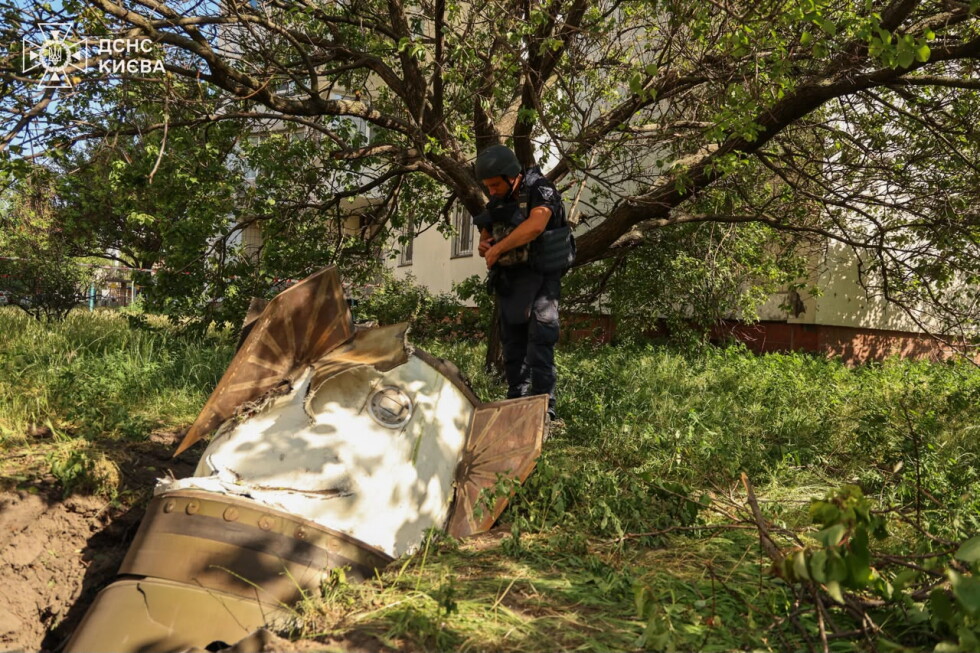
    On Sunday, Russian authorities confirmed that Ukraine had continued its intensifying campaign of long-range drone attacks across Russian territory, igniting a major blaze at a key southern oil refinery and leaving at least two civilians dead.

    This latest wave of strikes forms part of Kyiv’s expanding strategic campaign targeting Russian fuel logistics and military supply chains, a push Ukrainian officials frame as a deliberate effort to force the Kremlin to engage in meaningful peace negotiations. According to Veniamin Kondratyev, governor of Russia’s Krasnodar Krai—located east of Moscow-occupied Crimea—falling debris from intercepted Ukrainian drones sparked the fire at the Slavyansk-na-Kubani refinery. Regional officials confirmed one fatality in Slavyansk-na-Kubani itself, with a second person injured in a neighboring rural settlement. Visuals shared across Russian social media platforms showed thick plumes of black smoke billowing from the facility, though the Associated Press has not yet been able to independently verify the authenticity of these images.

    Ukrainian President Volodymyr Zelenskyy publicly claimed responsibility for the coordinated strikes, confirming that a second Russian refinery in the Yaroslavl region, roughly 430 miles northeast of the Ukrainian border, was also hit in the overnight operation. In a post on the Telegram messaging platform, Zelenskyy framed the attacks as part of what he calls Ukraine’s “long-range sanctions” campaign against Russian war capacity. “Each strike means a reduction in the resources that fuel the Russian war machine, and another step toward peace,” he wrote.

    Over the past several months, Ukraine has dramatically ramped up the frequency and scale of long-range strikes targeting Russian military industrial sites and energy infrastructure. The strategic goal of this campaign is twofold: to cut into Moscow’s revenue generated from energy exports that fund its full-scale invasion, now in its third year, and to bring the realities of the war home to the Russian public. Western officials familiar with the battlefield situation note that the campaign has already helped slow Russian offensive momentum on front lines in Ukraine and put sustained domestic and international pressure on the Kremlin.

    The Slavyansk-na-Kubani refinery ranks among the largest oil processing facilities in southern Russia, with an annual crude processing capacity of nearly 4 million tons, per data published by its operating company. It also serves as a critical hub for petroleum product exports bound for global markets through Russian Black Sea ports, supplying fuel oil, naphtha, and marine fuel to international buyers.

    Russian officials have not yet released any official confirmation of damage to the Yaroslavl region refinery. However, regional governor Mikhail Evraev announced Sunday morning that multiple key highways connecting Moscow to the regional capital city of Yaroslavl were temporarily shut down in response to what he described as “an enemy attack by Ukrainian drones.” Russia’s federal civil aviation authority also confirmed that Yaroslavl’s main airport temporarily suspended operations overnight, joining a number of other airports across southern and western Russia that implemented temporary flight ground stops during the assault.

    The strikes were not limited to energy infrastructure deep inside Russian territory. In Russia’s Belgorod region, which shares a border with northeastern Ukraine, acting governor Alexander Shuvayev confirmed Sunday that a separate Ukrainian drone strike killed one civilian and injured a second.

    Russia’s Defense Ministry claimed that its air defense systems intercepted and destroyed 213 Ukrainian drones launched during the overnight wave of attacks, with intercepts reported over Russian mainland territory, occupied Crimea, and the Black and Azov seas. In a reciprocal escalation, the Ukrainian Air Force reported that Russia launched its own massive overnight assault on Ukraine, deploying 142 long-range attack drones and eight short- and long-range missiles. Ukrainian air defenses successfully intercepted 125 of the drones and seven of the missiles, the service confirmed.

    Coverage of the ongoing Russia-Ukraine conflict is updated continuously on the Associated Press’ dedicated hub.
  • Ugandan army chief orders the closure of a major news platform

    Ugandan army chief orders the closure of a major news platform

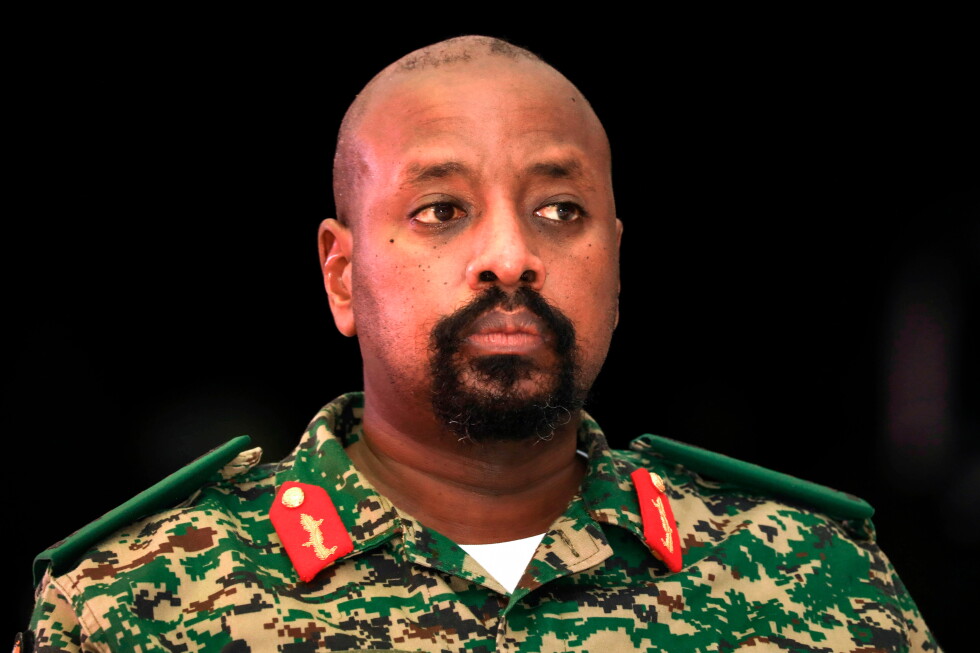
    In a stark demonstration of expanding authoritarian power in East Africa, Uganda’s top military commander Gen. Muhoozi Kainerugaba — eldest son of long-serving President Yoweri Museveni — has ordered the closure of multiple prominent media outlets operated by Kenya-based Nation Media Group, marking a sharp escalation in his consolidation of control over the country just weeks after Museveni was sworn in for a seventh consecutive presidential term.

    Sunday’s crackdown targeted two of the most high-profile outlets in the nation: the *Daily Monitor* newspaper, Uganda’s leading independent daily, and local television broadcaster NTV. By the end of the day, the National Association of Broadcasters confirmed that all six Nation Media Group-affiliated publishing and broadcasting operations across Uganda had been shut down, with armed soldiers deployed to secure the entrance of *Daily Monitor*’s Kampala headquarters to enforce the order.

    Kainerugaba, who was appointed to the post of top military commander in 2024, made no attempt to hide his use of military authority to silence media, announcing the move publicly on his social media platform X, his primary communication channel. “I have the power in Uganda to shut down ANY media house I want to,” the general wrote in a public post. “I have had this power since 2017. This power was given to me by my great father.” He added a blunt warning for all independent media operating in the country: “From now on ALL media in Uganda will follow the rules.”

    The media crackdown is the latest in a string of aggressive power moves from Kainerugaba, who has openly stated his intention to succeed his 81-year-old father as president. Political analysts widely view the succession as increasingly likely, as Museveni — who has held uninterrupted control of Uganda since 1986 — has grown increasingly reliant on his son’s military backing to maintain regime stability, and faces no viable internal opposition within the ruling party.

    Just earlier this month, Kainerugaba launched retaliatory action against prominent attorney Erias Lukwago, who represents imprisoned opposition leader Kizza Besigye. Besigye, who was abducted by Ugandan forces in Nairobi in 2024, is currently being held on treason charges that he and his supporters describe as politically motivated. Lukwago, who had challenged Kainerugaba over his alleged role in human rights violations against Besigye, was forcibly taken from his home and subsequently charged with concealing treason.

    The National Association of Broadcasters issued an official statement Sunday expressing alarm over the unprecedented media shutdown. “We are deeply concerned about this action and its impact on the media ecosystem,” the organization said, highlighting the systemic threat to press freedom posed by the military’s interference in independent journalism.

    Supporters of Kainerugaba, including close associates, frame him as a disciplined, reform-minded leader who rejects the lavish corruption common among many Ugandan political elites, and has vowed to crack down on graft if he assumes the presidency. A graduate of elite military academies in both the United States and the United Kingdom, Kainerugaba worked his way through the ranks to command the presidential guard unit, which he later expanded into a powerful elite special forces division. Beyond his military career, he also founded the Patriotic League of Uganda, a pro-government political activist group that draws support from across the ruling party establishment, including the speaker of parliament and multiple sitting cabinet ministers.

    Museveni has not publicly announced a timeline for his retirement, leaving the official succession unconfirmed. But many political observers agree that the Ugandan military, now firmly led by Kainerugaba, will ultimately control the process of selecting the country’s next leader.

  • Aerial footage reveals scale of destruction in La Guaira

    Aerial footage reveals scale of destruction in La Guaira

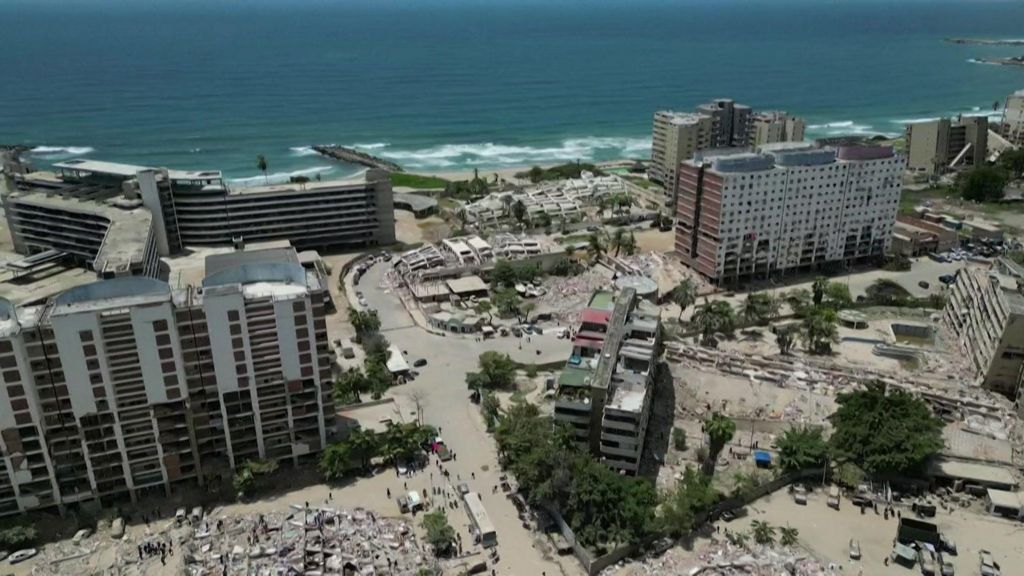
    Newly released aerial footage has laid bare the catastrophic scale of destruction that has swept across Venezuela’s coastal La Guaira region in the wake of two powerful back-to-back earthquakes. The geologic events, registering magnitudes 7.2 and 7.5 respectively, have triggered one of the deadliest natural disasters the South American nation has faced in recent years.

    As of the latest official updates from Venezuelan government authorities, the confirmed death toll from the seismic events has climbed to at least 1,430 people. The aerial perspective captured by drones and reconnaissance aircraft offers a sweeping, unflinching view of collapsed infrastructure, leveled residential neighborhoods and damaged public facilities that have left thousands of survivors displaced and in urgent need of aid.

    La Guaira, a key coastal region that sits along Venezuela’s northern Caribbean coast, has long been recognized as an area at high risk for seismic activity, but the intensity of the two consecutive quakes has outpaced many local emergency preparedness expectations. Rescue and recovery teams are still working to clear rubble, reach isolated communities and account for hundreds of people who remain unaccounted for in the hardest-hit zones, even as emergency response efforts ramp up across the country.

    International disaster relief organizations have already begun coordinating with local officials to deliver food, clean water, medical supplies and temporary shelter to affected populations, as the full scope of the tragedy continues to emerge in the days following the seismic shocks.

  • Meet 3 members of Albania’s ‘Flamingo Revolution’ trying to torpedo a Kushner-linked development

    Meet 3 members of Albania’s ‘Flamingo Revolution’ trying to torpedo a Kushner-linked development

    In the capital city of Tirana, Albania, a weeks-long grassroots protest movement has captured international attention, uniting citizens across generations against a luxury coastal development project tied to Jared Kushner, former U.S. President Donald Trump’s son-in-law. Dubbed the “Flamingo Revolution” for the iconic pink cardboard cutouts carried by demonstrators, the movement targets a two-part construction plan: a boutique resort on the untouched, uninhabited island of Sazan, and a large coastal buildout in Narta Lagoon — a protected wildlife reserve that serves as a critical habitat for flocks of migratory flamingos and dozens of other wetland species.

    For weeks, thousands of protesters have gathered each evening to march through Tirana’s streets, turning a local environmental dispute into a nationwide movement demanding greater government transparency, an end to elite-linked corruption, and the resignation of Prime Minister Edi Rama. Unlike many of Albania’s partisan political demonstrations over its 30-plus years of post-communist democracy, this movement remains fully independent of any political party, a feature that organizers say has helped foster widespread public trust and cross-community solidarity.

    At the heart of the movement’s visual identity is the work of Fatma Paja, a 28-year-old Tirana-based artist who runs a creative studio with her sisters. Paja leads a collective of local artists that produces the thousands of pink flamingo cutouts that have become the protest’s defining symbol. Even on protest days, she can be found painting foam cutouts ahead of the evening march, while her group organizes art activities for the children of participating parents to remove barriers to attendance. “I have long used art as a way to speak out against the injustices and frustrations that ordinary Albanians face every day,” Paja explained in an interview with the Associated Press ahead of a late June 2026 rally.

    During marches, Paja leads crowds in chants that have become the movement’s rallying cries: “Albania is not for sale!” and “Don’t touch Narta!” For Paja and many other participants, the objection goes beyond environmental harm: she calls the project an elitist initiative that would permanently destroy a fully protected ecosystem, with no verified environmental impact assessment and no clear legal foundation to approve construction. Still, she remains optimistic about the movement’s impact, noting that the protest has already re-energized grassroots civic engagement across the country. “This protest has motivated people to speak up and push back,” she said. “Because it is not tied to any political party, it has built real trust and solidarity between all of us who are here.”

    One of the movement’s earliest organizers is Arben Kola, a 46-year-old tour guide who has led visitors through Albania’s natural and historic sites — including the Narta Lagoon region — for more than a decade. In recent years, Albania has seen a booming tourism boom driven by its vast, undeveloped Adriatic coastline, a draw that even caught the attention of Kushner and his wife Ivanka Trump. Ivanka Trump revealed on a recent podcast that the couple discovered the development site while stopping for a swim during a private boat trip with friends.

    For Kola, the project is just the latest example of the Albanian government’s pattern of abusing power to hand over public natural lands to wealthy, connected interests, and he decided to join the movement in its earliest days. “Albania is facing a crisis of deep corruption, where public land — our coasts, valleys, rivers and beaches — is being privatized and given away for next to nothing,” Kola said during an interview while leading a tour through central Tirana. Today, he serves as a key crowd organizer, addressing thousands of marchers through a loudspeaker each evening. He told reporters he never expected the small initial protest to grow into a nationwide movement. “We didn’t believe the protest would reach this size,” he said, noting that the movement’s future remains in the hands of the participating public.

    Environmental activists have warned that the project would cause irreversible damage to Narta Lagoon’s delicate, pristine ecosystem, a claim that has resonated with citizens already frustrated by a long pattern of unregulated development that ignores environmental protection rules. While Prime Minister Rama has dismissed environmental concerns as misinformation, framing the project as a sign that Albania is now attracting major international investment after decades of being overlooked by global capital, protesters say construction has already begun: heavy machinery and excavators have already started clearing land inside the protected reserve, even before a formal environmental impact assessment has been completed.

    Rama has confirmed Kushner’s involvement in the project, though the exact scope of his investment role remains unclear. The prime minister has claimed that no formal environmental assessment can begin until the project’s final plans are completed, and that international architects and environmental specialists are still refining the proposal. Albania’s national anti-corruption agency has already launched an investigation into the project’s approval process. While the government claims the land is now privately owned, competing legal claims over the original privatization process have already emerged.

    What makes the Flamingo Revolution stand out from past Albanian protest movements is its broad intergenerational participation: alongside thousands of young demonstrators, growing numbers of retirees have joined the nightly marches. Among the most beloved figures is 70-year-old Bujare Ishmi, a former engineer who has become the movement’s unofficial matriarch. Protesters greet her with chants of “Nona! Nona!” — an Albanian term of endearment for a beloved older grandmother — as she arrives each evening, carrying a handwritten placard that reads: “You have the power of crime, we have the power of truth.”

    Ishmi, whose husband was a political prisoner during Enver Hoxha’s 40-year communist regime, says she has waited decades for a grassroots movement like this, describing Albania’s current political system as a “half-hearted democracy.” She stresses that she and other older protesters are not opposed to foreign investment in general — their core demand is greater transparency and respect for environmental protections. “Investment brings progress, but we have to choose the right locations and follow all the rules to protect our land,” she explained.

    As the protest enters its eighth consecutive week, the Flamingo Revolution continues to draw thousands of participants, turning a local dispute over a coastal wetland into a national referendum on corruption, transparency, and the future of Albania’s most precious natural landscapes.

  • South Africa look to lay ghosts of 2010 to rest

    South Africa look to lay ghosts of 2010 to rest

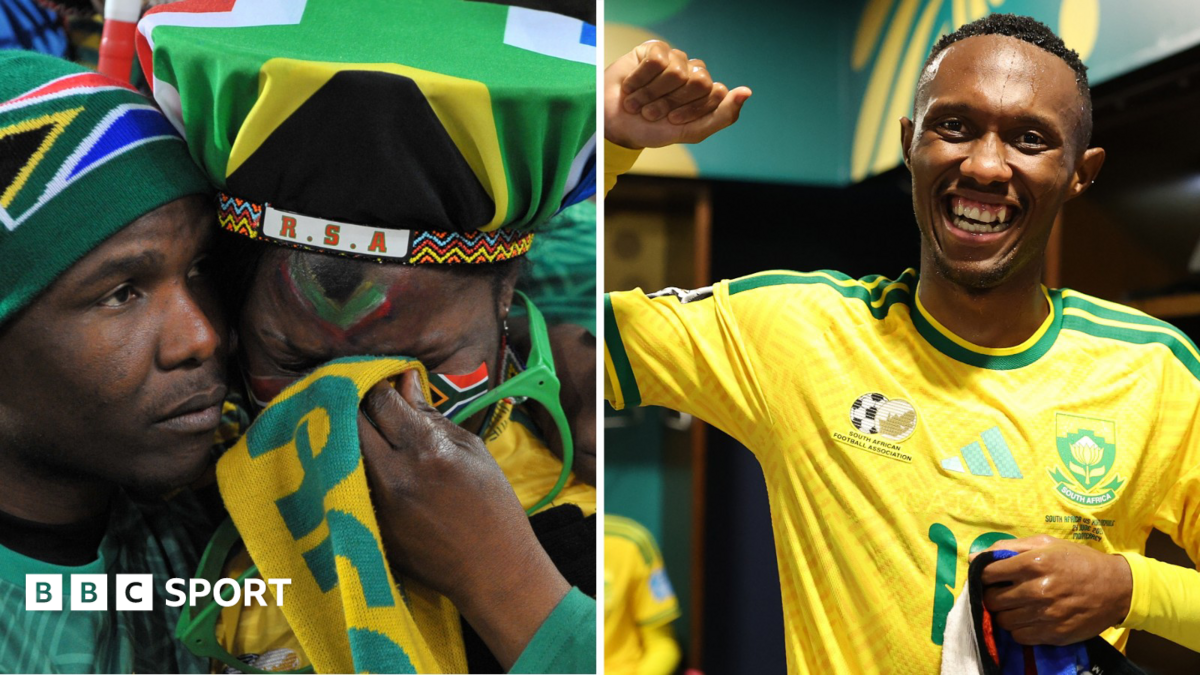
    Sixteen years after a crushing early exit as the first African host nation of the FIFA World Cup, South Africa’s men’s national football team, Bafana Bafana, has rewritten its story by reaching the knockout stage of the 2026 World Cup for the first time in the country’s history.

    The 2010 tournament remains a bitter memory for South African football supporters. Then, Siphiwe Tshabalala’s iconic opening-game opener against Mexico was hailed by a television commentator as “a goal for all of Africa”, but the moment quickly faded into disappointment. A 1-1 draw with Mexico and a final-group win over France were not enough to save Bafana Bafana from elimination on goal difference, making South Africa the first host nation in modern World Cup history to crash out in the group stage. That missed opportunity cast a long shadow over South African football for more than a decade.

    Cape Town-based veteran sports journalist Mark Gleeson told BBC World Service that domestic football entered a period of stagnation after the 2010 tournament, exacerbated by a national economic downturn that drained sponsorship and funding from the local game. “There was much excitement in the build-up to 2010, but then it all went a little bit dead, combined with an economic downturn,” he explained. “There are not many sponsors in the domestic game. There’s not a lot of money floating around.” In the years that followed, South Africa missed out on three Africa Cup of Nations (Afcon) tournaments in 2012, 2017 and 2021, marking a prolonged lean spell for the national side.

    In recent years, however, signs of a revival began to emerge. Top domestic club Mamelodi Sundowns claimed its first African Champions League title in 2016, then secured a second continental crown in May 2026, one year after finishing as runner-up. The national team’s qualification for the 2026 World Cup, paired with Sundowns’ continental success, has delivered a transformational boost to football across the country, Gleeson noted. “Hopefully this is the start of a new era for South Africa, maybe 16 years too late. This is how things should have been in 2010,” he said.

    The turnaround for Bafana Bafana traces back to a key coaching change after the team failed to qualify for Afcon 2021. The South African Football Association sacked head coach Molefi Ntseki and turned to 74-year-old Belgian manager Hugo Broos, who had previously guided Cameroon to the 2017 Afcon title. A former defender who played for Belgium at the 1986 World Cup in Mexico, Broos set about overhauling the squad, prioritizing young domestic-based talent over aging veterans. His rebuild quickly bore fruit: Bafana Bafana finished third at the 2023 Afcon, then topped its 2026 World Cup qualifying group ahead of fan-favorite Nigeria to secure a spot in the tournament.

    A rocky opening match against Mexico — a rematch of the 2010 opener — sparked fresh criticism of Broos’ conservative tactics. Bafana Bafana finished the game with nine players and dropped a 2-0 defeat, leading many fans and analysts to call for a change in leadership. The team quickly bounced back, however: they fought back from a deficit to earn a draw with the Czech Republic, then secured a crucial 1-0 win over South Korea to claim second place in Group A and a spot in the round of 32. After sealing qualification, Broos hit back at his critics, saying his side had silenced the “big mouths” that had questioned his approach.

    Team captain and goalkeeper Ronwen Williams says Broos deserves the highest honor for transforming the team’s fortunes. “He deserves a statue. He deserves the highest recognition for the belief he has shown in this team. When our backs are against the wall and people don’t believe in us, he is always there,” Williams said.

    Even Dean Furman, a former South Africa national team captain who was cut from the squad by Broos shortly after the Belgian took over, has praised the coach’s squad remodeling. “The first thing he did was get rid of the older players of the group and develop a younger team,” the former Oldham Athletic and Rangers midfielder told BBC Sport Africa. “I never got the chance to work with him, disappointingly. But in hindsight, it was the best decision. What he’s done with the team, to go third place in the Afcon, qualify for the World Cup and get to the knockouts, I think he’s done a phenomenal job.”

    This breakthrough marks the first time Bafana Bafana has advanced past the group stage in four World Cup appearances, after early exits in 1998 and 2002 in addition to the 2010 heartbreak. Yet the achievement comes as South Africa faces significant socio-political unrest, with recent anti-migrant violence prompting several African nations to repatriate their citizens. While South African officials have condemned the violence and rejected accusations of xenophobia, some football fans across the continent celebrated Mexico’s opening-game win over South Africa at organized “hate-watch” gatherings.

    Williams has called for pan-African unity, urging fans across the continent to put political tensions aside to support the team. Furman echoed that call, noting that South Africans have long celebrated the success of other African sides at the World Cup. “Despite the political unrest in the country I’m hoping that Bafana, on the football pitch, have given the continent a team to be proud of,” Furman said.

    Furman also praised Williams, who he called an “incredible leader” for steadying the squad after the opening loss to Mexico. “I know how deflated the boys were, and then the added scrutiny and pressure that comes with playing in a World Cup,” he said. “Massive credit to him as captain to galvanize the team — to get the mood back in the camp and ultimately deliver the performances that have led the team to the knockouts.”

    A striking feature of Bafana Bafana’s 26-man 2026 squad is its deep roots in domestic football: 16 of the 26 players come from just two top South African clubs, eight from Mamelodi Sundowns and eight from reigning league champions Orlando Pirates, with only seven players based at foreign clubs. Furman says this signals a bright future for South Africa’s domestic league, noting that the national team’s success will draw more international attention to local talent and open up more opportunities in top European leagues.

    Now, South Africa prepares to face another knockout stage debutant, Canada, in their round of 32 clash at Los Angeles Stadium on Sunday at 19:00 GMT. The two sides have never faced each other in international competition, with both looking to add another historic chapter to their 2026 World Cup runs. Canada lost its final group match to Switzerland and lost its planned home advantage as co-hosts, creating a clear opening for South Africa to advance further, Gleeson said. “All of a sudden, from being outsiders and not really being given much of a chance of making it through to the knockout phase, they are perhaps staring at a possible place in the last 16,” he added.

    With Broos expected to retire from management after the 2026 tournament, the squad has extra motivation to deliver a strong performance for the coach who engineered their remarkable comeback. Broos says his side is ready to fight for another historic result. “I know the players will be ready again and try to achieve the third round,” he said. “You will see a team that will believe and fight for the 90 minutes, and more if we have to. It should be even more historic.”

  • Pakistan’s military says 3 soldiers were killed in militant attack in Karachi and vows retaliation

    Pakistan’s military says 3 soldiers were killed in militant attack in Karachi and vows retaliation

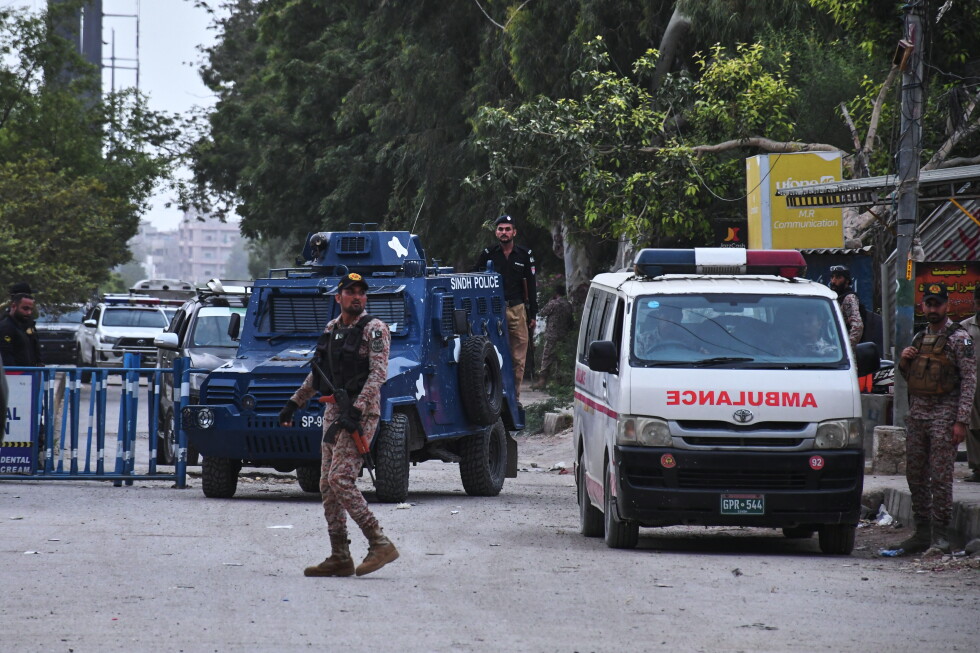
    KARACHI, Pakistan – A coordinated militant attack on the headquarters of Pakistan’s paramilitary Rangers force in the southern port city of Karachi has left three service members dead and four others injured, Pakistani military officials confirmed Sunday. The assault unfolded Saturday night, when a militant attacker drove a vehicle packed with explosives into the perimeter of the Rangers’ provincial compound, setting off a blast that sparked hours of intense close-quarters combat between assailants and security forces, according to local police and civilian witnesses.

    Following the initial breach, security forces launched a rapid counter-offensive to clear the compound. In a formal statement, the military confirmed that three of the attackers were killed during the gun battle, while a fourth wounded suspect was taken into custody. Officials identified the captured attacker as an Afghan national. As of Sunday, search operations remained ongoing in neighborhoods surrounding the headquarters to root out any remaining accomplices linked to the attack.

    Shortly after the assault, the militant faction Jamaat-ul-Ahrar, a splinter group of the Pakistani Taliban, issued a statement claiming responsibility for the strike. Pakistani military officials have alleged the group operates as a proxy for Indian intelligence, though no concrete evidence was provided to support the claim. India has not yet issued an official response to the latest allegation, and New Delhi has consistently rejected similar claims made by Islamabad in previous years.

    The attack drew immediate condemnation from Pakistan’s top civilian leaders. President Asif Ali Zardari honored the three Rangers personnel killed in the line of duty, extending his deepest condolences to the bereaved families and offering prayers for a full recovery for the four wounded service members. In his statement, Zardari reaffirmed the country’s unwavering commitment to rooting out terrorism from Pakistani soil and praised the ongoing sacrifices of security forces in the multi-year fight against militancy. Prime Minister Shehbaz Sharif echoed the president’s remarks, condemning the attack and commending security forces for their rapid response that prevented a larger loss of life.

    Military officials also issued a stark warning, stating that Pakistan will take firm retaliatory action against all actors and groups found responsible for the assault. Cross-border militant activity has long been a source of tension between Pakistan and neighboring Afghanistan. In recent years, Islamabad has launched multiple cross-border airstrikes inside Afghanistan targeting militant groups it says stage attacks on Pakistani targets from Afghan territory. The Afghan government in Kabul has repeatedly denied that it allows militant groups to operate from its territory to carry out cross-border assaults.

    The attack comes amid a documented upsurge in militant violence targeting Pakistani security and police personnel across the country over the past several years, reversing years of progress made in large-scale counter-terrorism operations that weakened major militant networks in the region.

  • Has Ireland lost a friend with the departure of Sir Keir Starmer?

    Has Ireland lost a friend with the departure of Sir Keir Starmer?

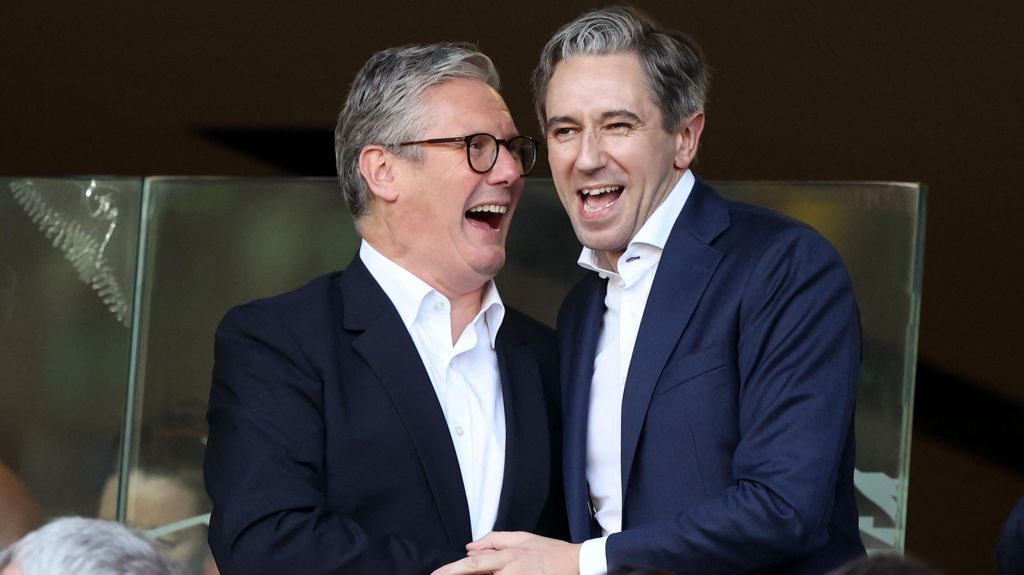
    On a sweltering July day in 2024, the rolling grounds of Chequers, the British prime minister’s official countryside retreat, played host to a momentous occasion: the first formal welcome of an international leader by newly installed UK Prime Minister Keir Starmer. His guest was Simon Harris, the freshly elected Taoiseach of Ireland, turning a routine bilateral meeting into a symbolic marker of the new UK government’s foreign policy priorities.

    Inside the residence’s Hawtrey Room, the two newly inaugurated heads of government held an informal, warm discussion alongside their most senior advisors. On the UK side, Downing Street Chief of Staff Sue Gray and Cabinet Secretary Simon Case were in attendance, and the conversation veered from formal policy to personal anecdotes. Starmer shared the story of a Donegal Gaelic football jersey he had picked up during his honeymoon in Ireland, noting he still pulls the garment on for local five-a-side matches. Charmed by the story, Harris presented Starmer with a brand-new official Donegal jersey as a ceremonial gift, capping the lighthearted opening to the talks.

    Beyond the pleasantries, the core of the meeting centered on mending a relationship fractured by years of Brexit upheaval. Both leaders jointly pledged a full “reset” of British-Irish ties, which had deteriorated dramatically during the years of Brexit negotiations and Conservative-led governments. While former Conservative Prime Minister Rishi Sunak had made tentative efforts to rekindle cooperation, intractable domestic political pressures derailed his efforts. Starmer’s incoming Labour government had long prioritized rebuilding working relationships with key European Union allies, and Ireland’s spot as the first international guest at Chequers sent a clear signal of this commitment. That said, Starmer’s final months in office were already overshadowed by growing domestic controversy over the Peter Mandelson affair, linking the former UK ambassador to convicted sex offender Jeffrey Epstein.

    As Starmer neared his planned departure from 10 Downing Street, senior Irish ministers from the two ruling coalition parties, Fianna Fáil and Fine Gael, offered largely positive assessments of his tenure’s approach to Anglo-Irish relations. Speaking to BBC Northern Ireland, ministers who had worked with Starmer and his team over the past two years praised his consistent, firm stance on supporting Ukraine and engaging constructively with the EU, noting he had avoided unnecessary confrontations and refused to engage with provocative rhetoric from former US President Donald Trump. One minister drew a favorable contrast between the struggling British economy Starmer inherited and the stabilized growth seen by the end of his term, while another acknowledged that Brexit had created unavoidable long-term challenges that no prime minister could quickly fix. All agreed that Starmer had worked constructively with Dublin, but Irish officials have voiced growing concerns that incoming prime minister Andy Burnham will be pulled away from Irish affairs by pressing domestic issues, including pressure from the right-wing Reform Party and ongoing economic turbulence.

    Burnham, who is on track to succeed Starmer as UK prime minister following Starmer’s recent announcement of his resignation, already has deep existing ties to Ireland. His great-grandfather Edmund “Ned” Burke emigrated from Drogheda, County Louth, to Liverpool in the late 19th century, giving him direct family roots in the country. Burnham has already held multiple formal meetings with current Taoiseach Micheál Martin both in Dublin’s government buildings and in Manchester, where he served for years as mayor. Senior Irish officials also note that key members of Burnham’s inner circle already have deep familiarity with Irish politics: Louise Haigh, a leading figure in Burnham’s political network who served as shadow Northern Ireland secretary during the final stages of Brexit negotiations, already has established relationships with most major Irish political figures, and is widely expected to take a senior cabinet position in the new Burnham administration. Irish political observers note that the policy differences between Starmer and Burnham on Irish affairs are vanishingly small, though they warn that public support for Burnham could erode quickly once he takes office amid broader economic pressures.

    The only remaining unresolved sticking point in the modern British-Irish relationship centers on legacy matters from the decades of Northern Ireland’s Troubles. The previous Conservative government passed the 2023 Legacy Act, which included a controversial provision granting conditional immunity to Troubles crime perpetrators in exchange for cooperation with the new Independent Commission for Reconciliation and Information Recovery. Starmer’s Labour government came into power promising to repeal the act and replace it with a new framework aligned with the joint agreement London and Dublin had previously negotiated. The new bill has already passed an initial House of Commons vote stripping out the conditional immunity clause, but Dublin has grown concerned that the full legislation has fallen down the UK’s priority list ahead of the leadership transition. While Irish officials remain hopeful that the recent positive momentum in bilateral relations will continue under the new prime minister, they acknowledge that pressing domestic and national challenges in the UK will almost certainly push Irish affairs down the new government’s list of immediate priorities.

  • The US lags other countries in social media restrictions for kids, but a reform push is growing

    The US lags other countries in social media restrictions for kids, but a reform push is growing

    On the sixth anniversary of a day that forever changed their lives, two grieving American mothers stood in Washington, D.C. this week, honoring not just their own sons, but hundreds of other children claimed by preventable harms linked to social media platforms. For Amy Neville and Kristin Bride, the shared tragedy that bonded them as soulmates has become the foundation of a national movement demanding sweeping accountability for tech companies and stronger protections for young users online.

    June 23, 2020, marked the loss of both Neville’s 14-year-old son Alexander and Bride’s 16-year-old son Carson. The two teenagers lived 1,000 miles apart and never met, but their deaths were both rooted in dangerous interactions on social media. Alexander, a bright, entrepreneurial teen with a memorable laugh, was connected to a drug dealer through Snapchat who sold him the fatal pill that killed him. Carson, a warm, funny teenager who loved connecting with others, died by suicide at 16 after experiencing relentless, unmoderated cyberbullying on major platforms.

    This Tuesday, the two boys were remembered alongside 270 other children and young people who have died from social media-related harms during a remembrance event in the nation’s capital. The date of their shared loss has been formally recognized by the U.S. Senate as Social Media Harms Victims Remembrance Day, a milestone that reflects growing public momentum around an issue long sidelined by federal policymakers.

    When Bride first joined advocacy work after her son’s death, she said she felt completely isolated in her grief and anger. Today, the grassroots online child safety movement has expanded dramatically, with hundreds of other bereaved parents joining the push for tighter regulation and legal accountability. That momentum has already shifted the landscape: this year saw a series of landmark jury verdicts against major tech firms that have cleared a path for future legal action, even as comprehensive federal reform remains stalled.

    Three jury decisions — two against Meta Platforms and one against Google parent Alphabet — have emerged as a turning point for the movement. For decades, Section 230 of the 1996 Communications Decency Act has shielded tech companies from legal liability for content posted by third-party users, creating a near-impenetrable barrier to accountability for child harm. Modern lawsuits, however, have avoided this protection by focusing not on user-posted content, but on the deliberate design choices platforms make to maximize engagement at the cost of child safety.

    Court evidence from these recent trials has pulled back the curtain on internal industry practices, including internal communications from tech employees comparing their addictive products to cigarettes and casino games. Matthew Bergman, head of the Social Media Victims Law Center, which represents more than 1,000 plaintiffs in cases against social media companies, called the fact that these cases are even proceeding to trial a watershed moment. “It is still a hurdle, but it is no longer a barrier,” Bergman said of Section 230.

    Global momentum for reform has also grown, with a growing list of countries including Australia, the United Kingdom, Turkey, and Indonesia implementing full or partial bans on social media use for children under 16. While the U.S. has not moved toward such sweeping restrictions, congressional pressure for regulation is building again after years of inaction. This week, House lawmakers unveiled a bipartisan draft bill, the Kids Internet and Digital Safety Act, which draws from portions of the Kids Online Safety Act (KOSA) that passed the Senate in 2024. But the proposal has already drawn criticism from advocates, who say it was stripped of its most critical provision: a legal “duty of care” that would require platforms to take reasonable steps to prevent harm to minors.

    “Without a duty of care, Big Tech companies will maintain the status quo of putting profit before the safety of our children,” Sen. Marsha Blackburn, R-Tenn., said in a statement criticizing the watered-down draft.

    Bride, who has outlined a three-pronged strategy of legislation, litigation, and public education, said the movement can continue to advance even if congressional reform stalls. “When one stalls, like legislation, then we have the trials and we have litigation,” she explained. “So we keep pressing forward. We’re not going to give up.”

    Major tech firms have responded to growing pressure by rolling out incremental safety updates in recent years. Snap, the parent company of Snapchat, said in a statement that it “works continuously to strengthen safety protections across its platform.” Platforms have introduced features like default private teen accounts, restrictions on stranger messaging, age-gated content limits, and dedicated parental controls. Instagram now restricts teen accounts to PG-13-rated content, while YouTube offers supervised accounts for preteens who have outgrown its dedicated kids app. But advocates argue these incremental changes do not address the core problem: platforms’ fundamental business model prioritizes maximum user engagement over child safety.

    “There have been some improvements. A 13-year-old child is not by default provided with an open account for adult predators to prey upon. So, you know, there are baby steps, but there are steps in the right direction. We just need more of them,” Bergman said.

    On Capitol Hill, a growing bipartisan coalition of senators is calling for urgent, sweeping action, with some even calling for a full repeal of Section 230. Sen. Josh Hawley, R-Mo., slammed congressional inaction, arguing that campaign contributions and millions of dollars in annual lobbying from the tech industry have blocked reform. “It’s the same reason that the companies want the kids online, want their privacy destroyed, want all their information — it’s money,” Hawley said.

    The Senate Judiciary Committee has amplified this pressure by inviting the CEOs of Meta, Alphabet, TikTok, and Snap to testify under oath at an upcoming hearing, framed with a provocative question: “Is This Social Media’s Big Tobacco Moment?” The hearing reflects a growing belief among policymakers and advocates that public awareness of social media’s harms to children has reached a tipping point.

    For Neville and Bride, who have attended every hearing and advocacy event for years, the fight remains personal and urgent. Both remain optimistic that meaningful change is coming, even as they acknowledge the long road ahead. Neville, who has dedicated her life to the movement, said the work is non-negotiable. “Every morning I wake up, lives are on the line. If we’re not talking about these things, if we’re not doing something about it, lives are on line,” she said. “And that’s probably not good for my nervous system, but that’s the state that I’ll live in until I’ll probably die on this hill.”

  • I hear my son crying beneath the rubble, says Venezuela earthquake survivor

    I hear my son crying beneath the rubble, says Venezuela earthquake survivor

    Two massive back-to-back earthquakes have unleashed unprecedented destruction across Venezuela, leaving hundreds of buildings flattened, more than 1,400 people confirmed dead, and tens of thousands unaccounted for as exhausted families and emergency workers race against time to pull survivors from rubble.

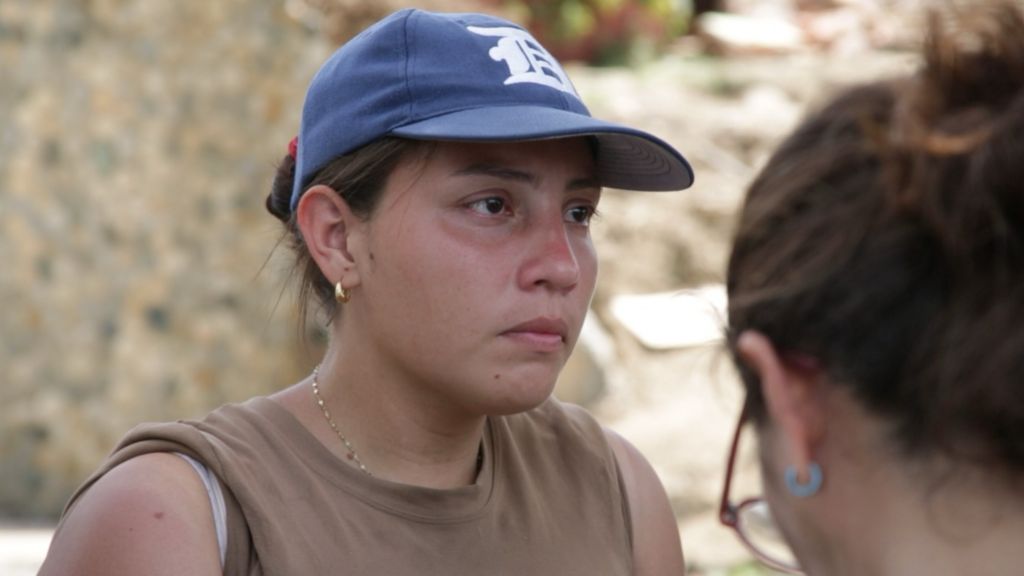
    Among the countless grieving, waiting families is Andreina Valerio, who rushed straight from her workplace to La Guaira — the coastal hard-hit region where her 21-month-old son Santiago was staying with her partner Ramsés Mendoza and his extended family at an in-law’s apartment. By the time she arrived, the multi-story building had collapsed into a pile of concrete and twisted rebar, with her entire family trapped beneath the wreckage.

    Speaking to reporters on the edge of the disaster site Saturday, Valerio said she has not abandoned hope that her son and his family will be found alive. Just days after the quake, she heard the faint cry of a baby coming from the rubble, while her brother-in-law Samuel Mendoza detected a woman’s faint plea for “help” a day earlier. “I still have faith my son is alive,” Valerio said. “I know my son will get through this, as will his family.”

    Valerio and Mendoza are not alone in their desperate vigil: the collapsed building is also believed to hold two other trapped children — 9-year-old Lucas and 3-year-old Aranza. Across La Guaira, hundreds of other families have been digging through wreckage with their bare hands, deprived of sleep and left hoarse from calling out for trapped relatives, as infrastructure failures and limited resources slow large-scale rescue efforts.

    Official data confirms the scale of the catastrophe: more than 1,400 buildings have been completely destroyed across La Guaira state alone, with over 3,200 people injured nationwide. Jorge Rodríguez, president of Venezuela’s National Assembly, described the disaster as “the most disastrous event this republic has suffered in the last 123 years,” labeling the region’s damage as “tremendous devastation.” Interim President Delcy Rodríguez has deployed 14,000 police and military personnel to the state, which has been militarized to maintain public order and safety, with travel to the affected region officially discouraged.

    On the ground, rescue operations have been hampered by crumbling, blocked roads that delayed the arrival of heavy excavation equipment for hours. Ambulances have been unable to navigate gridlocked streets, forcing injured survivors to be transported to care on the backs of motorbikes, particularly after a key bridge collapsed. Early Saturday, international rescue teams from El Salvador and Spain arrived at the La Guaira site where Valerio’s family is trapped, but access issues initially prevented them from entering the rubble. By end of day Saturday, no survivors had been pulled from that specific building, though teams from 10 total nations were expected to join the response effort across the country.

    Community solidarity has filled gaps left by overwhelmed official services: neighbors and volunteers from across Venezuela have flocked to La Guaira, distributing donated medicine, clothing, and food to displaced families. Relatives of missing people have set up makeshift camps along the streets near collapsed buildings, refusing to leave out of fear that authorities will block access to the sites and cut off any chance of recovering their loved ones. At the main hospital in Caracas, which has received more than 600 injured survivors, most with serious bone fractures, medical staff are also addressing widespread psychological trauma, with many patients experiencing severe panic attacks. Family members have posted handcrafted posters of missing loved ones outside the hospital next to official lists of the dead and injured, desperate for any information.

    The disaster has laid bare Venezuela’s long-standing vulnerability to large-scale emergencies, after years of repeated political and economic crises that have strained public infrastructure and response capacity. As of Saturday, power has been restored to 60% of La Guaira, but rescue workers and families face a race against the clock, with the odds of finding surviving trapped people dropping by the hour in the sweltering tropical heat.

  • Senior UAE and regional officials referred to ICC over role in Sudan atrocities

    Senior UAE and regional officials referred to ICC over role in Sudan atrocities

    A broad coalition of global human rights and legal organizations, led by the Montreal-based Raoul Wallenberg Centre for Human Rights (RWCHR), has formally submitted a legal request to the International Criminal Court (ICC) calling for a full investigation into high-level foreign officials accused of enabling widespread war crimes and crimes against humanity in Sudan’s long-troubled Darfur region. The Article 15 communication, filed Monday, marks the second major push in weeks to hold external actors legally accountable for their alleged role in fueling the Sudanese conflict that has now entered its fourth year.

    The filing does not limit scrutiny to parties directly involved in the Sudanese civil war, which pits the country’s official Sudanese Armed Forces (SAF) against the rival Rapid Support Forces (RSF). Instead, it outlines detailed allegations that external state actors and their senior officials have continued to supply both warring factions with the weapons, military equipment, financing, logistical backing, and mercenary fighters required to carry out atrocities against civilian populations, in direct violation of a decades-old United Nations arms embargo on Darfur.

    Under the Rome Statute, the ICC’s founding legal framework, the coalition is pushing prosecutors to examine potential criminal liability for foreign actors under Articles 25(3)(c) and 25(3)(d) — provisions that explicitly cover aiding, abetting, and knowingly contributing to crimes carried out by organized groups acting with a shared criminal purpose.

    Specific high-level officials from the United Arab Emirates (UAE) and other regional states that have openly or covertly backed the RSF are named in the submission, including officials and intermediaries based in Libya, Ethiopia, Chad, Somalia, Kenya, and Uganda. The document also outlines broader alleged links between Iran, Turkey, and Egypt and crimes committed by the SAF, the Sudanese national military.

    The coalition’s case draws on a combination of confidential source intelligence and open-source investigative findings from multiple independent outlets and watchdog groups. A detailed annex included with the filing maps out alleged RSF supply lines that originate at three major UAE airports — Abu Dhabi International, Al Ain International, and Ras Al Khaimah International — with suspected arms cargo routed through transit hubs in Chad, Libya, and Ethiopia. The submission notes that transfers of military supplies increased dramatically starting in April 2023, when full-scale civil war resumed between the SAF and RSF, and have continued uninterrupted to the present day.

    These allegations align with a growing body of independent investigations that have documented the Gulf state’s material support for the RSF, despite consistent official denials from the UAE that it supplies weapons or military assistance to the paramilitary group. Multiple independent probes have confirmed that weapons and military materiel have been transported to RSF forces via a secret air bridge through Chad’s Amdjarass, with the UAE repeatedly identified as the primary supplier. A January 2024 investigation by Middle East Eye uncovered a sprawling network of supply lines and regional alliances stretching through Libya, Chad, Uganda, and breakaway regions of Somalia that the UAE uses to funnel arms to the RSF. A separate 2024 New York Times investigation found the UAE had disguised weapons shipments to the RSF as humanitarian aid. In April 2024, Middle East Eye revealed the RSF receives covert support from an Ethiopian military base in Asosa, matching the coalition’s allegations. Most recently, Human Rights Watch documented that Colombian mercenaries hired by a UAE-based private security firm transited Emirati military bases before deploying to Sudan to fight alongside the RSF.

    the ICC already holds jurisdiction over atrocities committed in Darfur, following a 2005 United Nations Security Council referral that grants the court authority to prosecute any individual — regardless of nationality — for international crimes committed in the region. While legal scholars note this jurisdiction could theoretically extend to Emirati officials accused of aiding RSF crimes, significant procedural obstacles remain: the UAE has never ratified the Rome Statute, and securing evidence and state cooperation would require extensive international support.

    Irwin Cotler, the founder and international chair of the RWCHR and former Canadian Minister of Justice and Attorney General, emphasized that meaningful accountability for Darfur’s atrocities cannot stop at the warring parties on the battlefield. “The suffering of the Sudanese people will not end so long as the perpetrators of atrocity crimes – and the networks of impunity that enable and sustain them – continue to act without consequence,” Cotler said in a statement accompanying the filing.

    This submission is the second high-profile request to the ICC in as many weeks targeting foreign complicity in Darfur. Earlier this month, a group of Sudanese atrocity survivors filed their own separate Article 15 communication targeting senior Emirati officials and business leaders, including UAE Vice President Mansour bin Zayed Al Nahyan.

    ICC officials confirmed earlier this year that the court’s prosecutor’s office is already actively investigating atrocities committed in Darfur since the resumption of full-scale conflict in April 2023, but to date no investigation has been opened into the role of external enablers. In a January 2025 report to the UN Security Council, the ICC prosecutor’s office explicitly acknowledged that external actors have prolonged the crisis, describing the RSF’s 500-day deadly siege of North Darfur’s capital El Fasher as “entirely manmade.” The report noted, “This conflict has been perpetuated by regional and international actors whose material and financial assistance only guarantees that this catastrophe in Darfur worsens and that war crimes and crimes against humanity will needlessly continue.”

    To date, the ICC has not issued any arrest warrants for Sudanese individuals connected to the current 2023–2025 conflict. A court spokesperson told Middle East Eye that the prosecutor’s office is currently prioritizing investigations into gender-based violence and crimes against children, abuses that a recent UN report confirmed are widespread: last week, a UN assessment found the RSF is responsible for the vast majority of sexual violence crimes committed by all warring parties in Sudan over the past three years.

    The coalition of NGOs that submitted Monday’s communication says it remains hopeful that the ICC prosecutor’s office will agree to open a formal investigation into the foreign officials and networks that have continued to sustain atrocities in Darfur from abroad.