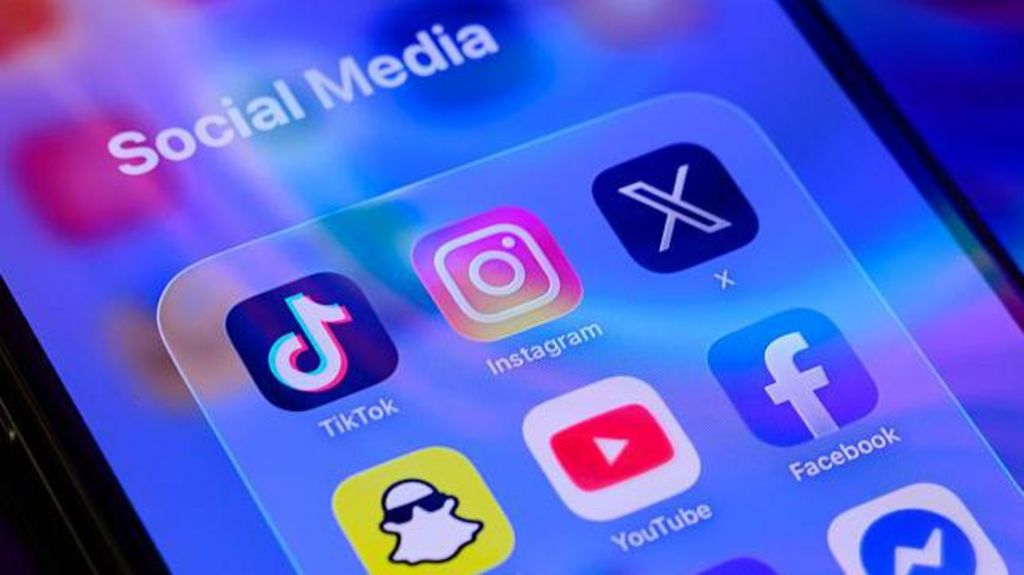
Nearly seven months after Australia implemented its groundbreaking ban on social media access for children under 16, the federal government is escalating enforcement efforts by doubling the maximum penalty for regulatory violations to AU$99 million (£51.7 million). The legislative update also grants expanded authority to the country’s independent digital safety regulator, the eSafety Commissioner, enabling the agency to force major social media platforms to submit documented evidence of compliance measures they have implemented to block underage users.
Australia’s minimum age restriction for 10 major social platforms — including Meta-owned Facebook and Instagram, ByteDance’s TikTok, Snap Inc.’s Snapchat, and Google’s YouTube — took effect on December 10, 2025. Despite the high-profile launch of the policy, widespread enforcement gaps have been well-documented, with multiple independent checks confirming that a large share of under-16 users retain access to platforms they used before the ban.
On-ground reporting from the BBC in February 2026 found that most underage social media users at a Sydney secondary school still maintained access to their accounts months after the ban went into effect. Internal data from the eSafety Commission echoed this finding, revealing that seven in 10 under-16 users who held accounts prior to the ban still have at least partial access to platforms today. Regulators have already launched formal investigations into alleged non-compliance by the five aforementioned major platforms.
In an official statement released Saturday, the Australian government acknowledged the significant enforcement challenges it has faced, framing stiffer penalties as a clear signal that it is cracking down on platforms that have failed to meet their regulatory obligations. “Doubling down on platforms that are not doing enough to keep kids off social media,” the government noted, the expanded powers granted to the eSafety Commissioner will streamline investigations and enable more robust enforcement action against bad actors.
Australian Prime Minister Anthony Albanese emphasized that while the policy has shifted global conversation around child online safety and built international momentum for similar restrictions, big tech firms have not done enough to comply with Australian law. “There are still too many children on social media,” he said. Communications Minister Anika Wells echoed the prime minister’s criticism, accusing major platforms of deliberately following a big tech playbook of doing the absolute bare minimum to satisfy regulatory requirements rather than taking meaningful action to block underage access. “I am not satisfied that tech companies are doing everything they can to keep children off these platforms,” Wells said.
Australia’s pioneering policy has already spurred copycat action across the globe, with the United Kingdom the latest country to announce plans for a similar restriction. In June 2026, UK Prime Minister Sir Keir Starmer unveiled plans to introduce a ban on social media use for children under 16, set to take effect by spring 2027. While the full list of platforms covered by the UK ban has not yet been published, Downing Street confirmed the rule will apply to all platforms designed primarily for social interaction that support user-generated content posting. The UK government is also considering additional child protection measures, including an overnight curfew for under-18 users and rules to limit or disable infinite scrolling feeds on popular platforms.