博客

  • Gaza genocide and arms company profits underpin anti-Nato protests in Turkey

    Gaza genocide and arms company profits underpin anti-Nato protests in Turkey

    When U.S. President Donald Trump touched down in Ankara for the 2026 NATO Summit this week, long-simmering domestic anger over Turkey’s 74-year membership in the transatlantic military alliance reached a fever pitch, fueled by the ongoing humanitarian crisis in Gaza and sweeping government restrictions on dissent ahead of the high-stakes gathering.

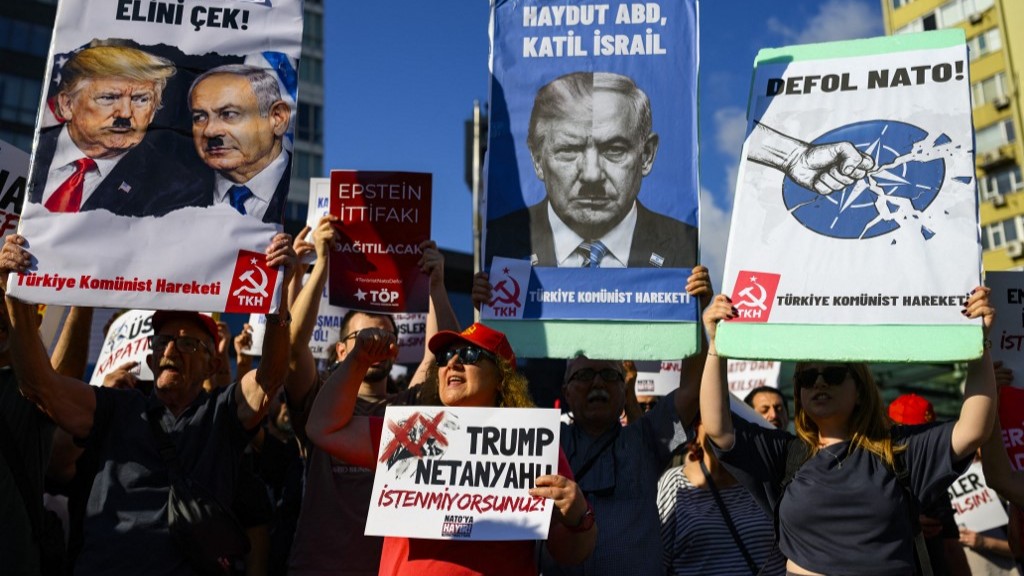
    While left-wing groups in Turkey have opposed NATO membership for decades, the alliance’s failure to condemn Israel’s military campaign in Gaza – paired with the Turkish government’s decision to ban all protests across Ankara for the full duration of the summit – has galvanized unprecedented cross-ideological opposition to the conference. In a challenge to NATO’s official narrative of collective European defense, the Workers’ Party of Turkey (TIP), a left-wing opposition party holding three seats in the Turkish parliament, organized a parallel Anti-Imperialist Peace Summit in Istanbul this past weekend, bringing together hundreds of anti-war activists and international socialist figures from across the globe.

    The counter-summit’s founding manifesto, titled *No to NATO*, directly pushes back against the landmark commitment all NATO member states agreed to in 2025: a mandate to raise annual defense spending to 5% of national GDP by 2035. “The 2026 Ankara Summit opens a new era where working people across all NATO member states face greater vulnerability to exploitation and war, even as they are forced to bear the burden of rising defense budgets,” the pamphlet reads. “This policy diverts hard-earned working-class wealth to fund U.S. and Israeli-led wars around the world, and line the pockets of giant arms industry monopolies that profit from global conflict.”

    Despite the counter-summit being a legally registered political event, Turkish authorities blocked dozens of international delegates from entering the country. A TIP spokesperson, speaking to Middle East Eye on condition of anonymity, confirmed that multiple scheduled attendees were turned away at border crossings, while delegates from organizations including the International Peace Bureau and the youth wing of Germany’s left-wing Die Linke party were detained overnight at Istanbul’s airport, had their personal devices confiscated, and deported shortly after. “These are peaceful activists and political representatives who came to participate in a public, legal meeting,” the spokesperson said. “Their treatment proves exactly what we have long argued: the security framework built around NATO summits is not directed at external threats – it is aimed at silencing people who oppose war.”

    In the weeks leading up to the main summit, Turkish security forces have carried out a widespread crackdown on opposition voices, arresting at least 225 people. While authorities claim most detainees are supporters of the armed leftist DHKP/C group or the Islamic State, the detainee list also includes prominent non-violent dissidents: academic Emel Memis, LGBTQ rights activist and journalist Yildiz Tar, Nevzat Ozer of the environmental NGO Tema Foundation, Burcu Arikan, spokesperson for the independent labor union Umut-Sen, and Semra Demir and Kursat Bafra, lawyers from the Progressive Lawyers Association. The TIP spokesperson added that 17 additional party members have been detained since the summit opened.

    Turkey’s complicated history with NATO stretches back to 1952, when the country joined the alliance in exchange for Western support, after committing troops to the Korean War. At the height of the Cold War, Turkey’s geographic location along the Soviet Union’s southern border made it one of NATO’s most strategically valuable members, a role that nearly triggered global nuclear catastrophe during the 1962 Cuban Missile Crisis. The deployment of U.S. nuclear weapons in Turkey targeting the Soviet Union was a core driver of the crisis, and their secret removal was the key concession that prevented open nuclear war. Today, Turkey hosts the critical Incirlik and Konya air bases that have been central to Western military operations across the Middle East for decades, and boasts the second-largest standing military in the alliance, outranked only by the United States.

    For successive Turkish governments, NATO membership has long been seen as a critical security guarantee, protecting the country from threats ranging from the Soviet Union to armed separatist groups and hostile neighboring states in the Middle East. But for Turkish leftists and pro-democracy campaigners, NATO has played a far more insidious role at home: it has backed the training of far-right death squads, supported the creation of clandestine anti-communist Counter-Guerrilla groups, and propped up a Turkish military establishment that has repeatedly intervened to curtail democratic governance.

    Outside analysts echo many of these criticisms. Khem Rogaly, a senior research fellow at the Common Wealth think tank, argues that NATO’s new 5% GDP defense spending mandate functions first and foremost as a mechanism of economic extraction, funneling public funds from European governments straight into the U.S.-dominated military industrial complex. “Mandatory military spending targets reshape entire economies around the arms industry,” Rogaly explained to Middle East Eye. “This leaves deep, long-lasting economic damage: military spending generates far less economic growth and far fewer jobs than equivalent investments in other public priorities. By forcing members to massively ramp up military spending, the new target means underfunding social programs that would deliver far broader shared economic benefits.”

    The alliance’s response to the ongoing Gaza crisis has done more than any other recent issue to inflame anti-NATO sentiment in Turkey, even uniting normally opposed leftist and Islamist factions in opposition. TIP’s spokesperson points out that no NATO mechanism has ever been activated to restrain Israel’s military campaign, and that the most consequential item on the 2026 summit agenda is a plan to fully integrate Israel’s security apparatus into NATO’s regional strategy. The spokesperson added that the Turkish government’s high-profile public criticism of Israel amounts to little more than “crocodile tears,” as bilateral trade between the two countries continues uninterrupted. Recent high-profile disputes between Turkey and other NATO allies are also largely political theater, the spokesperson argued: “Politically, NATO membership gives the government bargaining power with Washington and a seat at the imperialist table. Economically, Turkey’s growing domestic arms industry is fully integrated into the alliance’s supply chains, so rising military budgets mean rising profits for the corporations closest to the ruling regime. Occasional anti-Western rhetoric is just for domestic consumption – the core institutions of imperialism operate without disruption on Turkish soil.”

    Controversy has also extended to press access for the summit: multiple Turkish reporters from prominent independent outlets including *Cumhuriyet*, *Sozcu*, *Anka*, *T24*, and *Medyascope* were denied press accreditation. When Middle East Eye reached out to NATO for comment, a spokesperson referred the outlet to a social media post stating that the alliance relies on the host nation to manage all accreditation decisions.

    This year’s summit has been marked by unusual behind-the-scenes tensions, with two core sources of anxiety for alliance organizers: first, ongoing uncertainty over Donald Trump’s commitment to the alliance, even with less than three years remaining in his current term. Trump’s repeated public criticisms of NATO have pressured member states to make concessions to keep the U.S. engaged. Second, many NATO members and key allies including Israel have repeatedly questioned Turkey’s alignment in recent years, due to Ankara’s continued diplomatic and economic engagement with NATO rivals Iran and Russia.

    These anxieties have driven the Turkish government’s harsh crackdown on dissent, according to Selim Koru, founder of the *Kulturkampf* Substack. Koru argues that the protest ban and mass arrests are a deliberate move by an intensely geopolitically focused government to prevent domestic unrest from embarrassing Turkey on the global stage. “Turkey is the only NATO member whose value to the alliance is constantly being questioned by fellow members, and that is in large part due to the ruling government’s own bombastic rhetoric,” Koru explained. “Over the past decade, Turkish policy has swung wildly between strident opposition to NATO orthodoxy from 2013 to 2023 and staunchly pro-U.S., pro-NATO diplomacy today. It also seems alliance leaders have figured out that Turkey’s ruling class responds well to public praise, so they have been very generous with compliments.”

    So far, that approach appears to have paid off for both sides. Ahead of the summit, Trump announced he was considering lifting the F-35 fighter jet sale ban he imposed on Turkey during his first presidential term, and plans to roll back additional sanctions imposed on Ankara. Trump called Turkey an “extraordinary” NATO ally, offering far warmer praise for the country than he extended to many other alliance members – including Spain, which Trump threatened to cut off from all U.S. trade.

    For TIP and the anti-NATO movement, the 2026 Ankara summit exposes the lie at the heart of NATO’s branding as a defender of Western liberal values. “Today, the 5% GDP spending target agreed last year means every dollar cut from healthcare, education, and housing across Europe is redirected to the arms industry,” the TIP spokesperson said. “Militarization does not make European people safer. It fuels escalation, strengthens far-right movements, deepens economic inequality, and pulls the continent closer to war. Genuine security for Europe comes from disarmament, diplomacy, and robust social welfare – not an arms race that only weapons monopolies win.”

  • UN experts report widespread peace deal violations in eastern Congo

    UN experts report widespread peace deal violations in eastern Congo

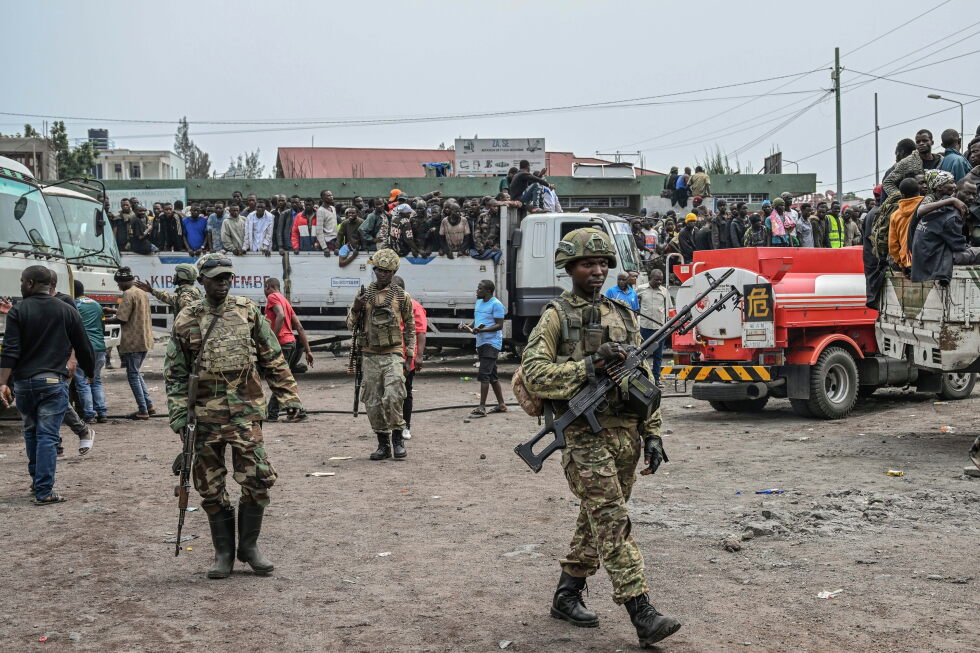
    In a newly published UN expert report obtained exclusively by the Associated Press in Dakar, Senegal, all belligerent parties involved in the escalating conflict in eastern Democratic Republic of the Congo (DRC) have been found to systematically breach the terms of a regional peace agreement and perpetrate widespread human rights abuses across the volatile region.

    The December 2020 accord, brokered by the Trump administration, was designed to de-escalate a conflict that has stretched across decades in the mineral-rich eastern DRC. However, the UN panel of experts confirms that every major faction has failed to meet their core commitments under the agreement.

    On one hand, the Congolese national army has continued its long-running collaboration with the Democratic Forces for the Liberation of Rwanda (FDLR), a Hutu rebel group whose ranks include perpetrators of the 1994 Rwandan genocide who fled across the border into the DRC after the mass killings. Under the terms of the December peace deal, the Kinshasa government explicitly pledged to cut all operational ties with the rebel faction.

    On the opposing side, Rwandan military forces continue to deploy thousands of troops inside the DRC to back the M23 rebel movement, despite repeated denials from Kigali. Rwanda has long justified its cross-border military activity by claiming it is targeting FDLR fighters to protect Rwandan national security, a narrative that the DRC government and the U.S. have rejected. Both accuse Rwanda of using counter-insurgency as a cover to seize control of the eastern DRC’s vast reserves of valuable minerals, including gold, coltan and tin that power global tech supply chains.

    M23, which launched a lightning offensive in early 2023 that captured the major eastern city of Goma and multiple other urban centers, also failed to honor its agreement to withdraw from occupied territories. Instead of drawing down, the rebel group has repositioned its forces tactically and retained its core goal of toppling the national government in Kinshasa.

    Today, M23 controls large swathes of territory across the DRC’s North and South Kivu provinces, and the report identifies the Rwanda-backed movement as the leading perpetrator of conflict-related sexual violence in the region. The UN panel estimates that between 14,000 and 18,000 Rwandan military personnel remain deployed inside the DRC as of late 2024, with no indication of a meaningful drawdown in violation of the 2020 accord. Rwanda maintains full operational control over the M23 insurgency, the experts added.

    The illicit smuggling of Congolese minerals from occupied mining areas continues to fund the conflict, the report confirms. M23 operates a parallel shadow economy in territories it controls, where minerals extracted from sites like Rubaya in Masisi territory are smuggled across the border into Rwanda and exported by Rwandan-affiliated companies.

    In recent diplomatic developments, the DRC last week filed a formal case against Rwanda at the International Court of Justice (ICJ), holding Kigali legally responsible for the widespread violence that has displaced millions of people and created what the UN has described as one of the world’s worst and most long-running humanitarian crises. Hours after the report’s findings emerged, the U.S. imposed new sanctions on Rwanda-based Gasabo Gold Refinery, accusing the facility of being part of an illicit network operating in coordination with M23. U.S. officials noted the sanctions are aligned with ongoing peace efforts led by the U.S. and Qatar to resolve the conflict.

  • Pakistan ends sales tax on sanitary products in fight against period poverty

    Pakistan ends sales tax on sanitary products in fight against period poverty

    For millions of women and girls across Pakistan, access to basic menstrual hygiene has long been a privilege, not a right. Growing up in Punjab’s Attock district, 26-year-old Bushra Mahnoor knows this reality all too well. In a household with six menstruating people, commercial sanitary pads were treated as a precious, rationed commodity. Supplies ran out constantly, and steep costs – driven by government taxes that labeled the products non-essential luxury goods – forced the family to stretch every purchase as far as it could go.

    “We felt like we were competing with each other for the supplies,” Mahnoor recalled, adding that constant anxiety about leaks haunted her school days, where she would sneak and hide spare bits of supplies whenever she could. Like generations of women in Pakistan, she grew up surrounded by harmful misinformation: that bathing during menstruation causes illness and weight gain, that periods are a mark of impurity. Teachers refused to discuss the topic in class, leaving families too shamed to address it at home.

    This deeply unfair experience is not an isolated case. Latest 2025 World Bank data underscores the scale of the crisis: women make up 49.3% of Pakistan’s total population, yet only 12% can access and afford commercial menstrual products. Just 27% of Pakistani women understand menstruation is a normal, natural biological process. Campaigners trace this public health crisis to decades of government neglect and a pervasive cultural culture of silence and stigma that has pushed menstrual health out of public discourse.

    That silence began to crack earlier this month, when Pakistan’s Finance Minister Muhammad Aurangzeb announced the elimination of the 18% sales tax on menstrual products and contraceptives as part of the 2026–27 national budget. The long-contested levy, widely known as the “period tax,” has been a core target for gender equality advocates across the country for years.

    UNICEF Pakistan has already hailed the policy change as a meaningful milestone, framing it as a critical step toward tackling widespread period poverty by officially recognizing menstrual products as essential health and hygiene items rather than unnecessary luxury goods. The reform comes after a year-long legal battle led by two young activists: 25-year-old women’s rights advocate and human rights lawyer Mahnoor Omer, and 29-year-old tax lawyer Ahsan Jahangir Khan.

    Under Pakistan’s 1990 Sales Tax Act, menstrual products were classified as standard consumer goods, with imported products facing an extra 25% customs duty. Combined, these taxes inflated product prices by as much as 40%, putting basic sanitary care out of reach for the majority of low-income girls and women. The injustice was made starker by the fact that items like flavored yogurt and cottage cheese were granted essential goods status, while menstrual products were excluded.

    Omer, who began working with non-profits serving low-income communities at a young age, had seen firsthand the human cost of this policy. She documented countless cases where women relied on rinsed, reused scraps of old cloth for days at a time, leading to recurrent urinary tract infections, skin rashes, and other preventable health complications. It was this experience that pushed her to act after she learned of a successful campaign by two Nepali law students who had overturned their country’s 13% VAT on sanitary pads in 2024, prompting the government to cut product prices by nearly 20%.

    While working at the Supreme Court of Pakistan early last year, Omer connected with Khan, and the pair began drafting a legal challenge to Pakistan’s period tax. In January 2025, they filed a constitutional petition arguing that the discriminatory tax violated the principles of gender equality and human dignity enshrined in Pakistan’s constitution. A parallel online advocacy campaign quickly gathered tens of thousands of signatures from supporters across the country.

    Though the Federal Board of Revenue initially defended the tax, claiming it was legally sound and non-discriminatory, the government reversed its position by early July, confirming the sales tax would be fully eliminated. Omer called the moment historic, noting that “In a province large enough to fit 20 European countries, menstruation has never been discussed this openly in the Punjab Assembly.” She added that women’s issues remain chronically underrepresented in Pakistani politics: most male lawmakers have no lived experience of menstrual injustice, while many privileged women in office are far removed from the struggles of low-income communities that bear the brunt of the crisis. Currently, women hold just 66 of 371 total seats in the Punjab provincial assembly, and deep-seated stigma has long blocked open debate of menstrual health policy.

    The legal campaign received critical grassroots support from Mahwari Justice, an organization founded by Bushra Mahnoor in 2022 amid Pakistan’s worst modern flooding, which displaced 33 million people and submerged a third of the country. During the crisis, Mahnoor witnessed acute shortages of sanitary supplies in displacement camps, where women were already facing extreme vulnerabilities. She traveled across affected regions distributing hygiene kits with reusable pads, washing supplies and drying cloths, treating infections that developed after women were forced to use unhygienic cloth substitutes.

    Even with the sales tax eliminated, campaigners emphasize that the fight for full menstrual justice is far from over. Imported menstrual products still carry a 25% customs duty that keeps retail prices artificially high. Advocates are now pushing for full reclassification of menstrual products as zero-rated essential goods, which would eliminate all remaining consumption-related taxes and make affordable products accessible to millions more.

    A growing number of countries have already implemented this progressive policy: the United Kingdom, Ireland, Kenya, South Africa and Canada all impose no taxes on menstrual products, while 18 U.S. states still maintain sales taxes on the products as of March 2026. Despite the remaining barriers, activists in Pakistan say they are growing increasingly confident of securing full tax exemption.

    “Our fight didn’t end with the government saying they will abolish the sales tax; it continues until the court declares this product tax-free,” Khan explained. Beyond tax reform, Omer is already planning her next campaign: pushing for education reform that would mandate comprehensive sexual and reproductive health education in all Pakistani schools. “You can flood the market with the healthiest food, but if children don’t understand why they should eat healthily, no one will buy it,” she said, framing education as a core long-term solution to end stigma.

    In recognition of their groundbreaking work, Omer was named to Time Magazine’s Women of the Year list, while Mahnoor received the 2026 Commonwealth Youth Award, becoming only the fourth Pakistani to earn the honor. Both activists say that while recognition is welcome, it does not resolve the underlying crisis. Still, they point to Aurangzeb’s speech on the floor of the National Assembly – where he publicly described menstrual products as essential to women’s health – as a transformative shift. For decades, the word “menstruation” was rarely uttered in official Pakistani parliamentary spaces, so having the issue acknowledged on the official record is a victory in itself.

    “I think menstruation products were never included on the list of essential goods because menstruation is a term refused to be uttered on the Punjab assembly floor. But it has now, and that’s a significant step forward,” Omer said.

  • Iranian press review: Calls grow to maintain military pressure on Gulf states

    Iranian press review: Calls grow to maintain military pressure on Gulf states

    Against the backdrop of a turbulent year marked by the U.S.-Israeli military campaign that eliminated dozens of Iran’s top political and military leaders, four distinct but interconnected developments have emerged to reshape the country’s geopolitical strategy, internal dissent, institutional power struggles, and national sports landscape. A rising cohort of hardline Iranian analysts affiliated with the country’s ruling establishment has carved out greater influence in policy discourse, advancing a controversial stance that unwavering military pressure on southern Gulf Arab states is the only viable path to securing meaningful economic and trade agreements with the bloc. Majid Shakeri, an analyst closely aligned with Parliament Speaker Mohammad Bagher Ghalibaf, laid out this position during a recent televised roundtable discussion, arguing that decades of diplomatic outreach to neighboring Gulf monarchies have produced nothing but empty promises. Shakeri emphasized that this hardline approach should apply equally to the United Arab Emirates (UAE), Qatar, and Saudi Arabia, noting that regional leaders have repeatedly pledged large-scale investment during high-level official meetings only to backtrack on commitments once Iranian policy shifts are pursued. He went a step further, arguing that Iran should sustain targeted strikes on U.S. military bases located across the region — particularly installations in the UAE — to force American forces to withdraw from the Persian Gulf and strengthen Tehran’s leverage in future economic negotiations. “Having a trade agreement with the Persian Gulf countries is not incompatible with continuing military pressure on them because previous experiences have shown that pursuing a neighbourhood policy with them leads nowhere,” Shakeri stated. Parallel to this geopolitical debate, grieving Iranian mothers have leveraged the sacred Shia Muslim mourning period of Ashura to openly commemorate their children killed during the January nationwide crackdown on anti-government protests, turning a religious observance of resistance against injustice into a public rebuke of state authorities. Ashura, which marks the 7th-century martyrdom of Imam Hussein, the Prophet Muhammad’s grandson, at the Battle of Karbala, has long carried dual meaning for Shia communities as both a time of collective mourning and a symbol of resistance against oppressive rule. In recent days, Persian-language media outlets have circulated widely shared videos showing these mothers publicly honoring their slain children, with informal mourning processions stopping outside victims’ homes to pay respects. One widely circulated clip captures the mother of 18-year-old Mani Safarpour, who was killed during unrest in southern Tehran, clutching her son’s portrait as mourners beat ceremonial drums, repeatedly crying out “My son, my dear son” while striking her head and chest in ritual grief. Another video records the mother of 22-year-old university student Matin Parvizi, who was shot dead in the northwestern city of Zanjan, speaking at her son’s graveside, drawing a direct parallel between modern Iranian authorities and the historical tyrant Yazid who ordered Imam Hussein’s killing. “The Yazids of our time shot my son in the back while his hands were in his pockets,” she said. “He had nothing with which to defend himself.” Official Iranian government figures put the total death toll from the January unrest at 3,117 people, but independent human rights organizations have challenged that count, documenting far higher casualties. The U.S.-based Human Rights Activists News Agency (Hrana) reports it has confirmed the identities of 6,488 killed protesters. Meanwhile, internal tensions have erupted within Iran’s legislative branch over the four-month-long suspension of parliament, with sitting lawmakers accusing Speaker Ghalibaf of an illegal power grab that sidelines the legislature and concentrates wartime decision-making exclusively in his own hands. Parliament has not held a public plenary session since February 28, the date the U.S. and Israel launched their current military campaign against Iranian targets. In recent weeks, criticism of the continued suspension has grown into open dissent among sitting lawmakers. Ghalibaf has justified the closure by claiming the decision was mandated by Iran’s Supreme National Security Council, but multiple lawmakers have directly refuted this claim, labeling it a falsehood. Conservative lawmaker Kamran Ghazanfari was among the most outspoken critics, noting: “We have repeatedly said that Mr Ghalibaf has been illegally keeping the parliament’s public sessions closed for the past four months.” Fellow lawmaker Ali Akbar Alizadeh echoed that skepticism, confirming that after official inquiries, neither the Supreme National Security Council nor its executive secretariat issued any formal order to shutter the legislature. Turning to the 2026 FIFA World Cup, Iran’s national football team has found itself at the center of a sharp divide in public assessment: eliminated from the knockout stage after drawing all three of its group matches, the team has won widespread praise from international fans and analysts for its performance under extraordinary external pressure, while domestic experts have lambasted its tactical shortcomings and the corrupt, government-aligned management that they blame for the early exit. As one of the tournament’s co-hosts, the United States imposed unprecedented barriers on the Iranian delegation: it barred the team from establishing a domestic training camp, denied visas to multiple technical and coaching staff members, and required the entire squad to cross the border into Tijuana, Mexico, for overnight stays after each match played on U.S. soil. International observers have largely framed the team’s ability to earn three draws against these odds as a remarkable achievement. Back inside Iran, however, leading football figures have dismissed these off-field challenges as a distraction, arguing that the elimination stems from deep structural flaws in Iranian football, including what they describe as a “mafia-like” governing structure controlled by government-backed interests. Former national player and veteran coach Mohammad Kalhor placed the blame squarely on the Iranian Football Federation, arguing that the shadowy network of interests has shaped both the selection of an over-age playing squad and the appointment of the current head coach. Assessing the team’s on-pitch performance, Kalhor told the Etemad newspaper: “In terms of tactics and style of play, our team did not perform well. The reason is that our national team had no plan to build attacks from the beginning to the end of the matches, except when we received a goal and had to attack. We had the ability to attack before that, but I do not know why it did not happen.” This report is compiled from an Iranian press review, and its content has not been independently verified by Middle East Eye.

  • Germany coach Julian Nagelsmann in firing line at home after early World Cup exit

    Germany coach Julian Nagelsmann in firing line at home after early World Cup exit

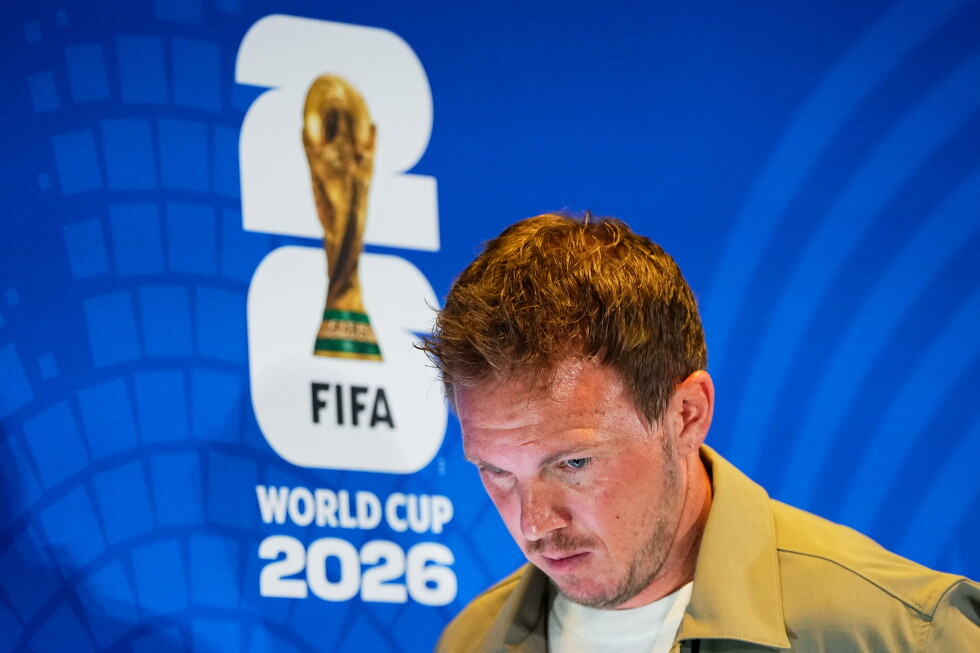
    BERLIN — In the wake of Germany’s stunning early elimination from the latest World Cup, national team head coach Julian Nagelsmann sat down for a high-stakes crisis meeting with German Football Association (DFB) leadership at the federation’s Berlin headquarters on Thursday, where he faced questioning over his squad’s underwhelming tournament performance.

    Nagelsmann’s position as head coach has been thrown into serious doubt just days after Germany fell to Paraguay in a penalty shootout in the tournament’s first knockout round, capping off a run that has heaped widespread criticism on the 38-year-old tactician. Back home in Germany, Nagelsmann has faced growing backlash over a string of controversial decisions: inconsistent public messaging, sudden reversals of previously stated selection policies, persistent faith in underperforming star players at the expense of in-form alternatives, and a general failure to unlock the potential of a squad widely expected to compete deep in the tournament. His tense, irritable interactions with reporters during the competition did little to soften public or media criticism.

    Though Nagelsmann publicly committed to seeing out his role immediately following Germany’s exit, DFB president Bernd Neuendorf made clear the day after the defeat that the federation would conduct a full, unrushed review of what went wrong. “After such a crushing blow, we cannot and do not wish to simply return to business as usual,” Neuendorf said in his statement.

    This tournament marks the third consecutive early World Cup exit for German men’s football – a humbling result for a nation with a deep cultural passion for the sport and a legacy as one of the game’s most decorated programs, with four World Cup titles to its name. Ahead of the current tournament, Nagelsmann stoked high expectations by publicly declaring the team’s goal was to lift the World Cup trophy once again, a target the squad ultimately never came close to reaching.

    Germany’s tournament got off to a promising start with a comfortable win over first-time qualifier Curaçao, but struggled through a narrow late win over Ivory Coast, where a pair of late goals from substitute Deniz Undav secured three points. A surprise group-stage loss to Ecuador followed, setting up the knockout round defeat to Paraguay.

    Compounding the embarrassment, details have emerged of poor pre-tournament preparation: before the penalty shootout against Paraguay, multiple German players turned down captain Joshua Kimmich’s request for volunteers to take penalties, revealing the team had not planned for a shootout scenario. Defender Jonathan Tah, who stepped up to take the decisive penalty that went wide, opened up about the miss on social media this week. “I’ve replayed that missed penalty in my mind thousands of times, trying to somehow steer the ball into the net in my thoughts,” Tah wrote on Instagram. “The reality is that the ball didn’t go in. And that hurts. But one thing is certain – I would take it again.”

    German tabloid Bild reported Thursday’s crisis meeting ran for roughly three hours, during which Nagelsmann acknowledged tactical misjudgments during the tournament and addressed widespread criticism of the team’s pre-tournament training camp in Winston-Salem. Nagelsmann currently holds a contract as Germany head coach through the 2028 European Championship, but multiple reports indicate Neuendorf and other top DFB officials have asked him to step down. A final decision on the coach’s future is expected within the coming days.

  • Researchers launch study on Ebola treatments as Congo outbreak worsens

    Researchers launch study on Ebola treatments as Congo outbreak worsens

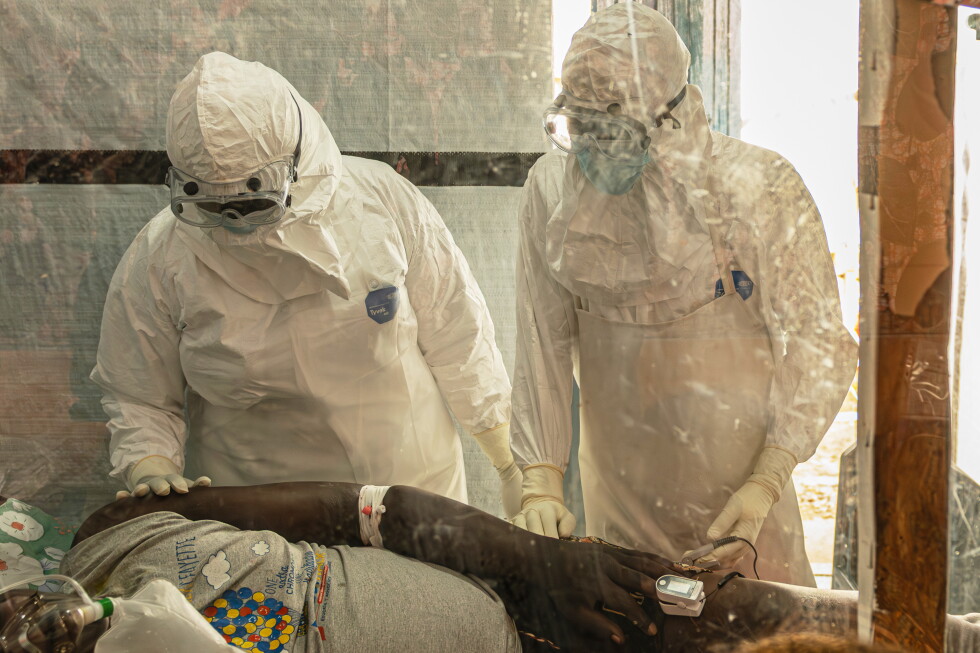
    A long-awaited clinical study to evaluate two potential Ebola treatments officially got underway Thursday in the Democratic Republic of the Congo, with the World Health Organization (WHO) confirming the enrollment of the trial’s first participant. The launch comes as a still-expanding outbreak of the rare Bundibugyo strain of Ebola continues to devastate eastern regions of the country, leaving global and local health officials scrambling for targeted solutions.

    Unlike the more widespread Zaire strain of Ebola, the Bundibugyo variant has no approved, specific vaccines or treatment protocols available for use today. As of Thursday, WHO Director-General Tedros Adhanom Ghebreyesus reported that the outbreak has already infected more than 1,400 people and claimed 438 lives. While basic supportive care – when administered early in the course of infection – can improve patient outcomes, with more than 200 people having recovered so far, public health leaders emphasize that more effective interventions are desperately needed to curb the outbreak’s growth.

    In his official statement marking the trial’s launch, Tedros framed the research initiative as a critical source of optimism for affected communities, noting that it “offers real hope that we can deliver concrete results for – and with – the communities at the heart of the outbreak.”

    The trial will compare the survival outcomes of patients receiving two experimental antiviral therapies against current standard care. The first candidate, remdesivir, is a broad-spectrum antiviral already approved for the treatment of COVID-19, manufactured by Gilead Sciences. Preliminary laboratory testing has already yielded early signs that the drug may be active against the Bundibugyo strain now spreading in Congo. The second candidate, MBP134, is an experimental monoclonal antibody treatment developed by Mapp Biopharmaceutical, engineered specifically to bind to and neutralize multiple strains of Ebola, including Bundibugyo.

    Dr. Vasee Moorthy, a research adviser at the WHO, explained the trial’s methodology: all enrolled participants will receive the current best available standard care, then be randomly assigned to one of four groups: remdesivir alone, MBP134 alone, a combination of both drugs, or no additional experimental treatment. Researchers will track patient survival rates for 28 days after the initiation of treatment.

    Moorthy cautioned that clear, definitive results will not come quickly. The study may require several months of data collection and up to 1,000 total participants to confirm whether either treatment improves survival. He added, however, that if one of the candidates proves to be highly effective, researchers could reach a conclusion sooner with a smaller patient pool.

    At present, the trial is only open to patients at a single Ebola treatment center located in Congo’s Ituri province, a region that has been severely impacted by ongoing armed violence. Targeted attacks against healthcare workers responding to the outbreak have made operating in much of the region unsafe, so officials plan to expand the trial to additional treatment sites only once security conditions improve to allow safe operations.

    According to Moorthy, pharmaceutical developers and government partners have already donated a sufficient supply of both experimental drugs to complete the trial. Gilead has donated its supply of remdesivir, while the U.S. government – which funded MBP134 development and owns the trial doses – has contributed the supply of the antibody treatment. If either candidate is found to be effective, stakeholders will immediately move to expand access to the treatment for all patients affected by the outbreak, not just those enrolled in the clinical study.

    The WHO-backed trial is the product of a global collaborative effort, bringing together Congo’s national biomedical research institute INRB, the University of Oxford in the United Kingdom, the Institute of Tropical Medicine in Antwerp, and multiple other international public health organizations.

    This reporting is part of coverage from The Associated Press Health and Science Department, which receives grant support from the Howard Hughes Medical Institute’s Department of Science Education and the Robert Wood Johnson Foundation. The AP maintains full editorial control over all published content.

  • Trump’s Board of Peace says Unrwa has ‘no place’ in Gaza

    Trump’s Board of Peace says Unrwa has ‘no place’ in Gaza

    A controversial proposal from former U.S. President Donald Trump’s Gaza-focused Board of Peace has thrown the future of humanitarian aid in the embattled enclave into question, with the group publicly asserting that the United Nations Relief and Works Agency for Palestine Refugees (UNRWA) has no place in a restructured Gaza.

    In a social media post published on platform X, the Board framed its call for UNRWA’s ouster as a long-overdue break from decades of failed policy. “We are turning a page on the complex of perpetual aid dependency and conflict. The people of Gaza deserve better,” the post read. The statement shared and amplified a speech delivered Tuesday by U.S. envoy Jeff Bartos at the annual UN pledging conference for UNRWA, where Bartos urged donor nations to halt all direct funding to the agency and redirect their financial support to the Board of Peace instead.

    “You can choose to fund incitement, terrorism, and stagnation, or you can choose to fund the Board of Peace, giving Gazans a path to peace, prosperity and real, durable change,” Bartos told attendees.

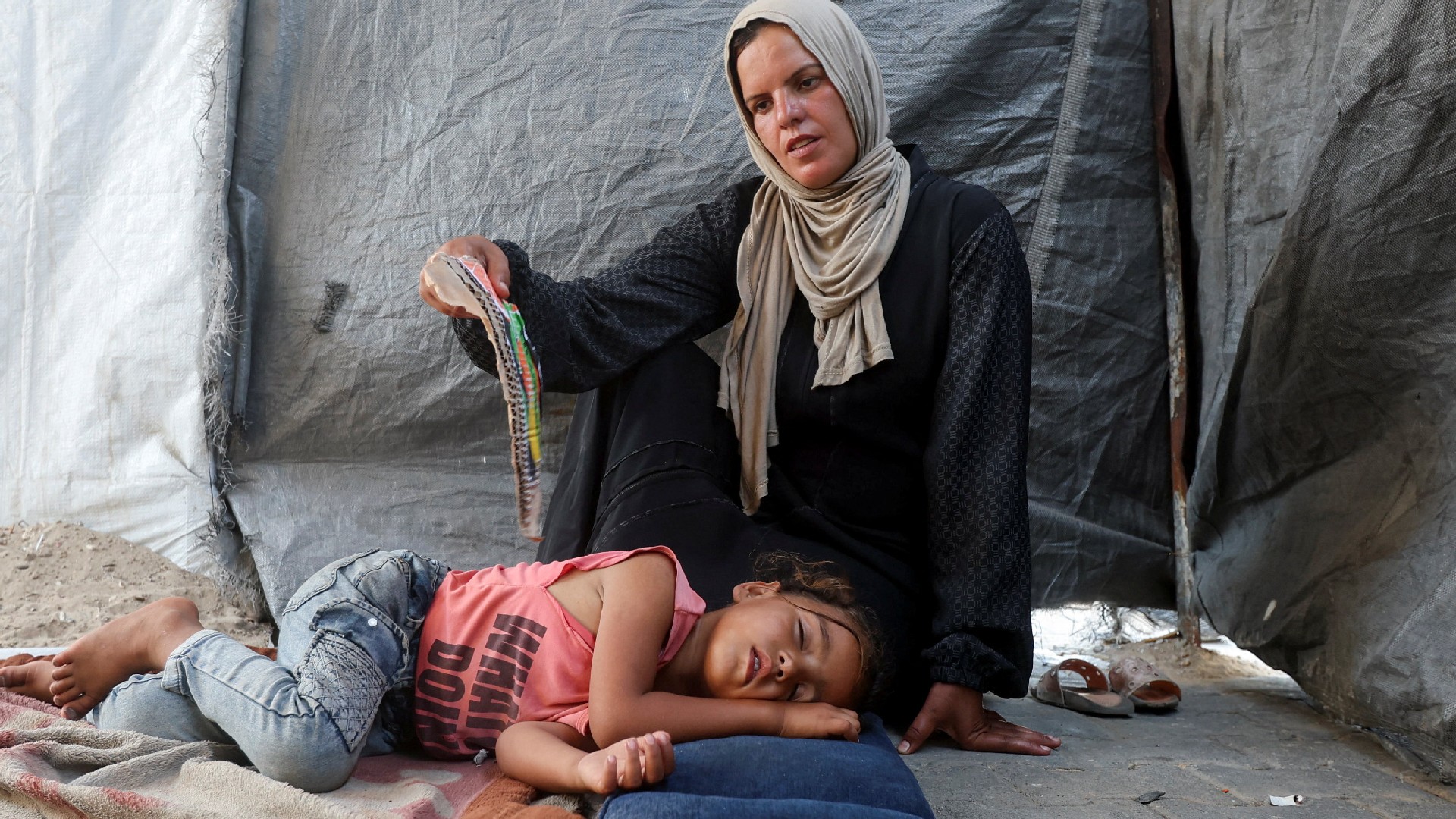
    For over seven decades, UNRWA has stood as the backbone of Palestinian humanitarian support, serving roughly 5.9 million registered Palestinian refugees across Gaza, the Israeli-occupied West Bank, Jordan, Syria, and Lebanon. It is the lead UN agency operating in the occupied Palestinian territories, managing the vast majority of aid distribution across the blockaded Gaza Strip. Today, 2.2 million Gazans—nearly the entire population of the enclave—rely on UNRWA for basic needs including food, emergency shelter, primary healthcare, and primary education. Local and international aid groups alike depend on UNRWA’s extensive on-the-ground distribution networks to deliver their own assistance to vulnerable communities.

    But since March 2025, an Israeli government ban on UNRWA operations within Israel and the occupied Palestinian territories has severely limited the agency’s ability to function, blocking UNRWA staff and direct aid shipments from entering Gaza and crippling its activities in the besieged enclave. UNRWA officials have confirmed that thousands of tons of aid, including enough food parcels, flour, and emergency shelter supplies to support hundreds of thousands of displaced people, are currently stuck in warehouses outside Gaza, unable to reach those in need due to the restrictions.

    The Palestinian Authority has flatly rejected the Board of Peace’s calls, reaffirming that UNRWA remains “an indispensable lifeline” for all Palestinians and fulfills an “essential role” in delivering education, healthcare, and emergency assistance across the occupied territories.

    The latest debate over UNRWA’s future unfolds against a backdrop of a rapidly deteriorating humanitarian crisis that has already drawn widespread international condemnation. In February, Israel’s High Court issued a temporary stay on a planned ban targeting 36 major international aid organizations, including Medecins Sans Frontieres, Oxfam, Save the Children, ActionAid, and the Norwegian Refugee Council. Those groups had received orders in December requiring them to comply with strict new regulatory requirements—including the full disclosure of all staff personal details—to continue operating in Gaza, a mandate many organizations have said is unworkable and puts their teams at severe risk.

    A June 2025 report from the United Nations Office for the Coordination of Humanitarian Affairs (OCHA) painted a grim picture of conditions inside Gaza, describing the overall situation as “volatile and insecure.” The report noted that the vast majority of Gaza’s population is now confined to shrinking, massively overcrowded displacement camps and residential areas, where core public services are stretched far beyond capacity. Most residents lack consistent access to safe drinking water, and mountains of uncollected solid waste are piling up in residential neighborhoods, creating major public health risks.

    The crisis has been deepened by progressively tighter Israeli restrictions on aid entry into the enclave. Currently, the Kerem Shalom crossing remains the only official entry point for approved humanitarian and commercial cargo bound for Gaza. Starting June 1, Israeli forces began redirecting all incoming humanitarian convoys through a newly built checkpoint, where deliveries have been consistently held up by long delays, heavy congestion, technical malfunctions, and extremely slow screening processes.

    On Tuesday, Israeli media shed new light on the Board of Peace’s broader plans for Gaza, revealing that the group intends to launch so-called “Hamas-free humanitarian zones” in the enclave. Under the proposal, Palestinian civilians would be relocated to these designated zones while the Israeli military expands its full military control over the rest of the Gaza Strip. Israeli national newspaper Israel Hayom reported that the first such zone will open in Tel Sultan, near the southern Gazan city of Rafah, within the next several weeks, and will only house civilians confirmed to have no weapons and no affiliation with Hamas.

    According to the report, the zone will be policed by a newly formed multinational contingent called the International Stabilisation Force (ISF), which will be equipped solely with non-lethal weapons and based at Israel’s Amitai Camp near the Gaza border, operating under the command of the Board of Peace. While the plan states that humanitarian aid will be delivered to the zones, no details have been released about how aid will be distributed, who will manage distribution, or whether existing international aid groups will be allowed to operate inside the sites.

  • Rescue teams in Venezuela cling to hope as US rebuffs criticisms of government earthquake response

    Rescue teams in Venezuela cling to hope as US rebuffs criticisms of government earthquake response

    CATIA LA MAR, Venezuela – One week after a pair of devastating earthquakes ripped through Venezuela’s northern coastal region, the acrid stench of smoldering wreckage and decomposing human remains hangs heavy over the flattened neighborhoods of La Guaira state, where international rescue teams continue to cling to faint hopes of pulling more survivors from tons of concrete and rubble.

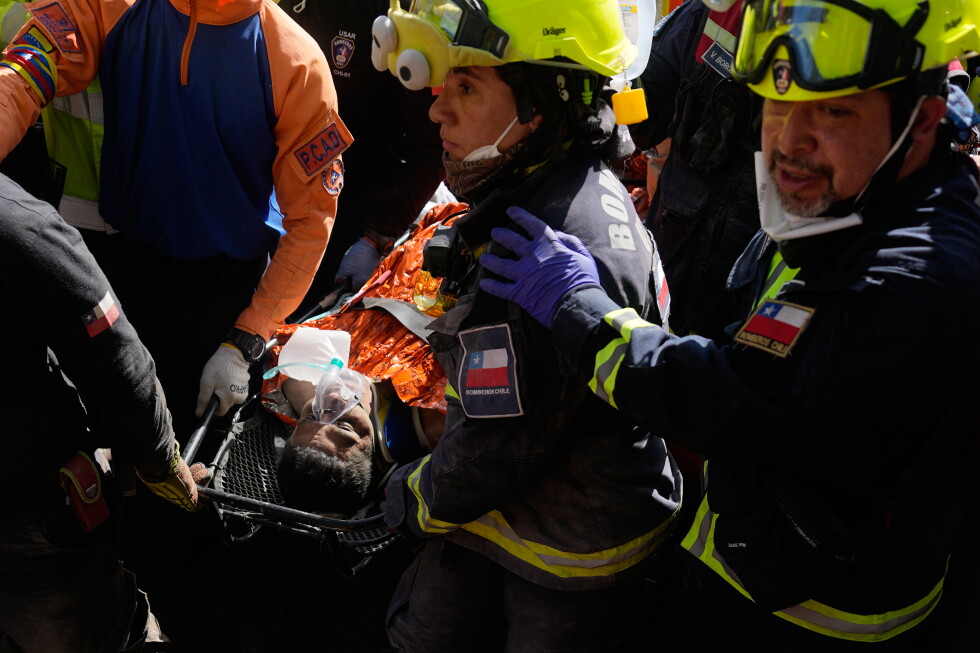
    On Thursday morning, that faint hope became a rare moment of joy cutting through the pervasive despair that has shrouded the hard-hit port city of Catia La Mar. After 100 consecutive hours of painstaking excavation by search-and-rescue teams from across the Americas, crews pulled 43-year-old Hernán Alberto Gil Flores alive from the collapsed ruins of a local shopping mall, where he had been trapped for nearly eight full days. Rescuers say a narrow, stable air pocket kept Gil Flores alive, and he was able to stay hydrated and nourished using supplies that teams lowered through gaps in the rubble before reaching him. As he was carried out on a stretcher and loaded into an awaiting ambulance, crowds of onlookers who had gathered at the site burst into cheers, marking one of the few unqualified victories for rescue teams amid a relentless, devastating recovery effort.

    The miracle rescue comes against a backdrop of staggering loss that has left the country reeling. As of Wednesday, Venezuelan government figures put the confirmed death toll at 2,295, with more than 11,000 people injured by the quakes. Thousands more remain unaccounted for, as desperate family members sift through wreckage searching for any sign of missing loved ones. Tens of thousands of displaced residents are now living in overcrowded emergency shelters or sleeping in the open air along the coast, a reality that has medical professionals sounding the alarm over a looming secondary public health crisis. With Venezuela’s already teetering national healthcare system stretched beyond its breaking point, untreated injuries and the spread of infectious disease threaten to push the death toll even higher in the coming weeks.

    Beyond the human catastrophe, the disaster has amplified already fierce political pressure on interim Venezuelan President Delcy Rodríguez, whose government is facing widespread backlash from Venezuelans over what critics call an inadequate, under-resourced official response to the quakes. On the ground, civilian volunteer teams and international rescue efforts have outpaced official government action, drawing sharp condemnation from citizens grappling with the aftermath.

    The criticism comes at a pivotal political moment for Rodríguez: her 180-day mandate as acting president was set to expire at the end of Thursday, leaving the country’s interim leadership status unclear amid a lack of transparency from government officials. Rodríguez, who previously served as vice president to Nicolás Maduro before Maduro was ousted by U.S.-backed opposition in January, has held the interim presidency with formal backing from the Trump administration. Under Venezuela’s constitution, an interim vice presidential appointment can only extend 90 days before requiring an additional 90-day extension from the National Assembly, which is controlled by Rodríguez’s party. If the seat is declared permanently vacant, the assembly has the authority to call a snap national election.

    Despite growing domestic discontent over the disaster response, the Trump administration reaffirmed its full support for Rodríguez’s government on Wednesday. U.S. officials confirmed that roughly 900 American military personnel are currently deployed in Venezuela to support rescue and humanitarian relief operations. John M. Barrett, U.S. chargé d’affaires to Venezuela, pushed back against claims that Rodríguez’s administration had politicized disaster response efforts during a press call with reporters. “The U.S. response does require a high level of coordination with local authorities to be successful,” Barrett said. “And what I can say with confidence is that the local authorities have fully complied with our requests and have accelerated this massive humanitarian response.”

    Gen. Francis Donovan, head of U.S. Southern Command, added that decades of systemic underinvestment in Venezuelan public infrastructure and social services had created pre-existing conditions that made responding to a disaster of this scale far more difficult for any sitting government. “It is a big problem for any leader to deal with a challenge of this magnitude,” Donovan noted.

    Janetsky reported from Mexico City. Associated Press journalist Ben Finley contributed reporting from Washington D.C.

  • Vatican excommunicates hundreds of thousands of splinter sect followers

    Vatican excommunicates hundreds of thousands of splinter sect followers

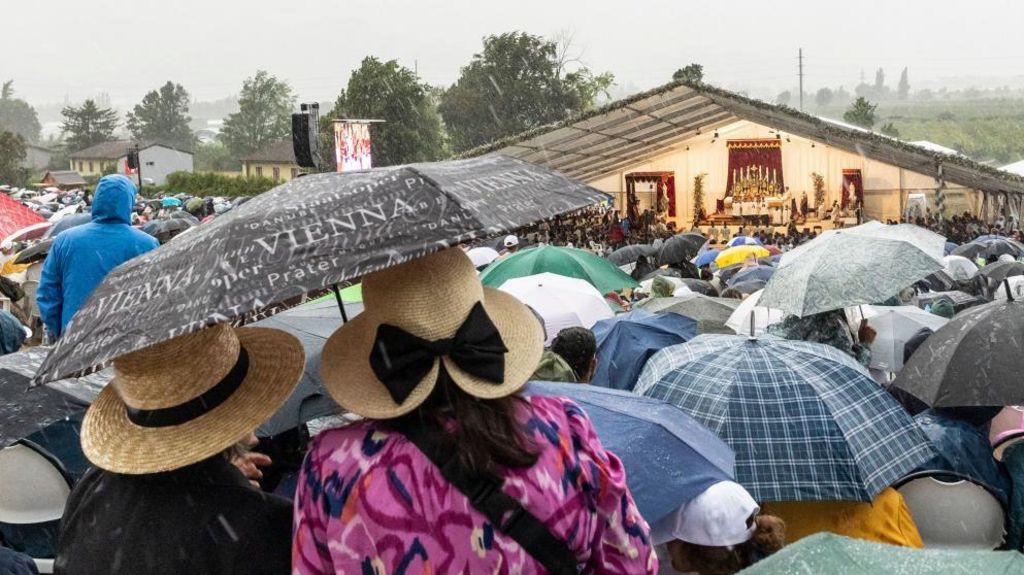
    In an unprecedented and sharply escalated step that has shaken global Catholicism, the Vatican has excommunicated every member of the Society of Saint Pius X (SSPX), a conservative traditionalist splinter group counting more than half a million worshippers worldwide. The extraordinary punishment comes after the group defied a direct order from Pope Leo XIV to consecrate four new bishops during a ceremony in Geneva, Switzerland on Wednesday.

    The crackdown extends far beyond the SSPX’s six active bishops, all of whom have now been formally excommunicated. In a highly unusual departure from standard church discipline, the Vatican has also ruled that all lay followers who remain affiliated with the society are to be classified as schismatic and stripped of their communion with the Roman Catholic Church. The Vatican did leave an open door for reconciliation, noting that any members who choose to leave the SSPX and return to full communion with the institutional church will be welcomed with sincere pastoral affection.

    Founded in 1970, the SSPX has long stood in opposition to the sweeping modernizing reforms adopted by the global Catholic Church at the Second Vatican Council in the 1960s. Named for Pope Pius X, a 20th century pontiff famous for his staunch resistance to theological and liturgical modernization, the group retains traditional liturgical practices rejected by most modern Catholic communities. Unlike the standard Novus Ordo Mass celebrated in local languages around the world, all SSPX services are held exclusively in Latin, with priests facing the altar rather than the congregation during worship. Communion is only placed directly into the mouth of kneeling worshippers, a departure from the common practice of allowing congregants to receive the sacrament while standing and holding it themselves. Women in SSPX congregations are also required to cover their heads during services, and the group as a whole adheres to far stricter, more traditional social teachings than the mainstream modern Catholic Church. It also rejects the Vatican’s modern stance of pursuing open interfaith dialogue with other Christian denominations and non-Christian religious traditions.

    Today, the SSPX claims approximately 600,000 followers spread across the globe, with its largest concentrations of members in the United States and France. In the United Kingdom alone, the group hosts regular Masses at 26 separate locations, stretching from Lerwick in the Shetland Islands down to Devon, with its main UK regional hub based in Wimbledon, South London.

    For many long-time SSPX followers, the break with the Vatican does not weaken their commitment to the group – if anything, it has reinforced their conviction that they are the ones upholding true Catholic doctrine. Rita Reid, a 76-year-old retired bed and breakfast owner from Jersey in the Channel Islands, said the excommunication announcement left her feeling stronger in her beliefs. “Before the consecrations yesterday I said to my husband, ‘Do you know what? Even if they excommunicate us, go ahead, bring it on, it’s not going to make one bit of difference,” Reid shared in an interview.

    Reid, who previously attended both modern mainstream Catholic services and SSPX gatherings before committing fully to the traditionalist group, described SSPX liturgies as far more profound than the contemporary Mass, saying she feels the true presence of Jesus in SSPX ceremonies that is missing from the modern liturgy, which she called “so weak and wishy-washy.” She also criticized mainstream Catholic parishes for failing to consistently teach traditional social values, such as the church’s historic teaching against premarital sex, arguing that this lack of clear guidance has led younger generations of Catholics to abandon core doctrinal teachings.

    This is not the first time the SSPX has clashed with the Vatican over unauthorized episcopal consecrations. In the 1980s, SSPX bishops were excommunicated for similar acts of disobedience to Rome, but that earlier punishment was later reversed by the Vatican as part of outreach efforts to repair the rift between the church and the traditionalist group. In recent years, Vatican officials had held ongoing talks aimed at reaching a full reconciliation that would bring the SSPX back into full communion with Rome.

    Analysts and Catholic observers had widely expected that the unsanctioned consecrations in Geneva would lead to excommunication for the four newly ordained bishops and the society’s existing leadership. What has caught many off guard is the Vatican’s decision to extend the excommunication penalty to all 600,000 lay members of the SSPX, a far harsher step than most predicted. The move pushes the traditionalist group further away from the center of Catholic power than it has ever been in its 54-year history.

    Excommunication is one of the harshest disciplinary penalties the Catholic Church can issue, effectively expelling recipients from full membership in the faith and barring them from core elements of Catholic spiritual life. Excommunicated believers are considered out of communion with the church, meaning they cannot receive the sacraments – including confession and marriage – through official Catholic channels. In an official statement released Thursday, the Vatican clarified that “The sacred ministers of the Society of St Pius X administer the sacraments illicitly, while the sacrament of penance they administer and the marriages they witness are invalid.”

    The ruling now leaves SSPX members with a clear choice: remain part of a movement the Vatican has formally labeled a schism, or abandon their traditionalist beliefs and practices to retain their membership in the Roman Catholic Church. For many SSPX followers, however, the conviction remains firm: it is the modern Vatican that has strayed from true Catholic doctrine, not the traditionalist movement that seeks to preserve the faith unchanged.

  • Papuan rebels say they shot dead US pilot and burned his plane

    Papuan rebels say they shot dead US pilot and burned his plane

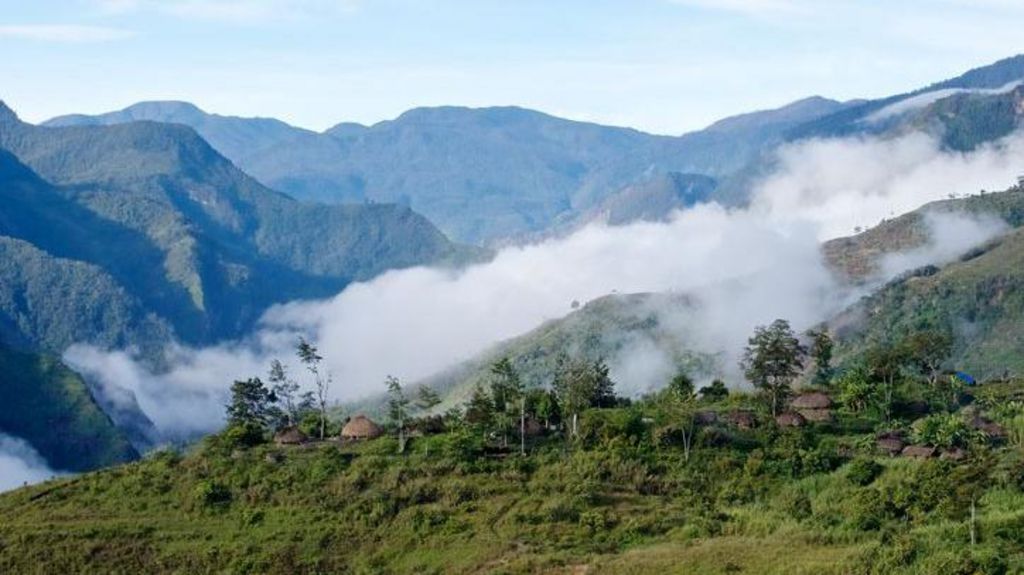
    Decades-long separatist unrest in Indonesia’s resource-rich Papua region has taken a new violent turn, with the West Papua National Liberation Army (TPNPB) claiming responsibility for the fatal shooting of an American pilot and the subsequent burning of his aircraft in Highland Papua province.

    According to TPNPB spokesman Sebby Sambom, the attack unfolded shortly after pilot Nicholas F. Gosselin landed the plane in Yahukimo region on Thursday. Sambom said the strike was carried out in fulfillment of the group’s pre-established ban on all civilian flights in the disputed area, a restriction imposed over allegations that civilian pilots have been actively ferrying Indonesian troops and military logistics to support government counterinsurgency operations.

    “We immediately fired upon and burned the plane because it had violated the TPNPB ultimatum,” Sambom stated in a formal declaration from the group. He added that the killing was intended to send a clear message to all parties operating in the region: “We are prepared to fire upon any civilian aircraft across the Land of Papua that assists Indonesian military forces in transporting troops or military logistics.”

    Sambom also laid out terms for the recovery of Gosselin’s body, requiring Indonesian authorities to enter the area without accompanying military or police personnel. In line with the group’s long-standing position, he called on the Indonesian government to enter into direct negotiations to resolve the decades-long sovereignty conflict that has defined the region since 1969, when Papua was formally incorporated into Indonesia. Separatist estimates claim the ongoing conflict has resulted in thousands of civilian deaths and widespread mass displacement of indigenous Papuan communities.

    Indonesian official accounts have so far left key details of the incident unconfirmed. Authorities have verified that Gosselin’s plane was found burned at the Yahukimo airport, but have not independently confirmed Gosselin’s death nor the status of the seven passengers who were on board the aircraft at the time of the incident.

    Indonesia’s Directorate General of Civil Aviation noted that no security threats were reported as the flight approached for landing, but all communication with the plane was lost immediately after it touched down. “Initial reports, from the director of the airport where the flight took off, state that pilot has died,” the agency’s official statement read. “The suspected cause of the incident is still awaiting further confirmation from the relevant authorities.”

    Yusuf Sutejo, a spokesperson for Indonesia’s combined police-military counterinsurgency operation in the region, also said authorities could not yet confirm whether the aircraft was targeted in a rebel attack, nor provide any update on the condition of those on board. The U.S. Embassy in Jakarta and the U.S. State Department have been contacted for comment on the incident, but have not yet released an official statement as of press time.

    This latest attack aligns with a pattern of targeting of foreign civilian pilots by the TPNPB in recent years. In 2024, a New Zealand pilot held hostage by the group for 19 months was released following extended negotiations between Indonesian and New Zealand officials. Just one month before that release, TPNPB gunmen killed another New Zealand helicopter pilot, Glen Malcolm Conning, who was shot dead shortly after landing in a remote Papuan village.