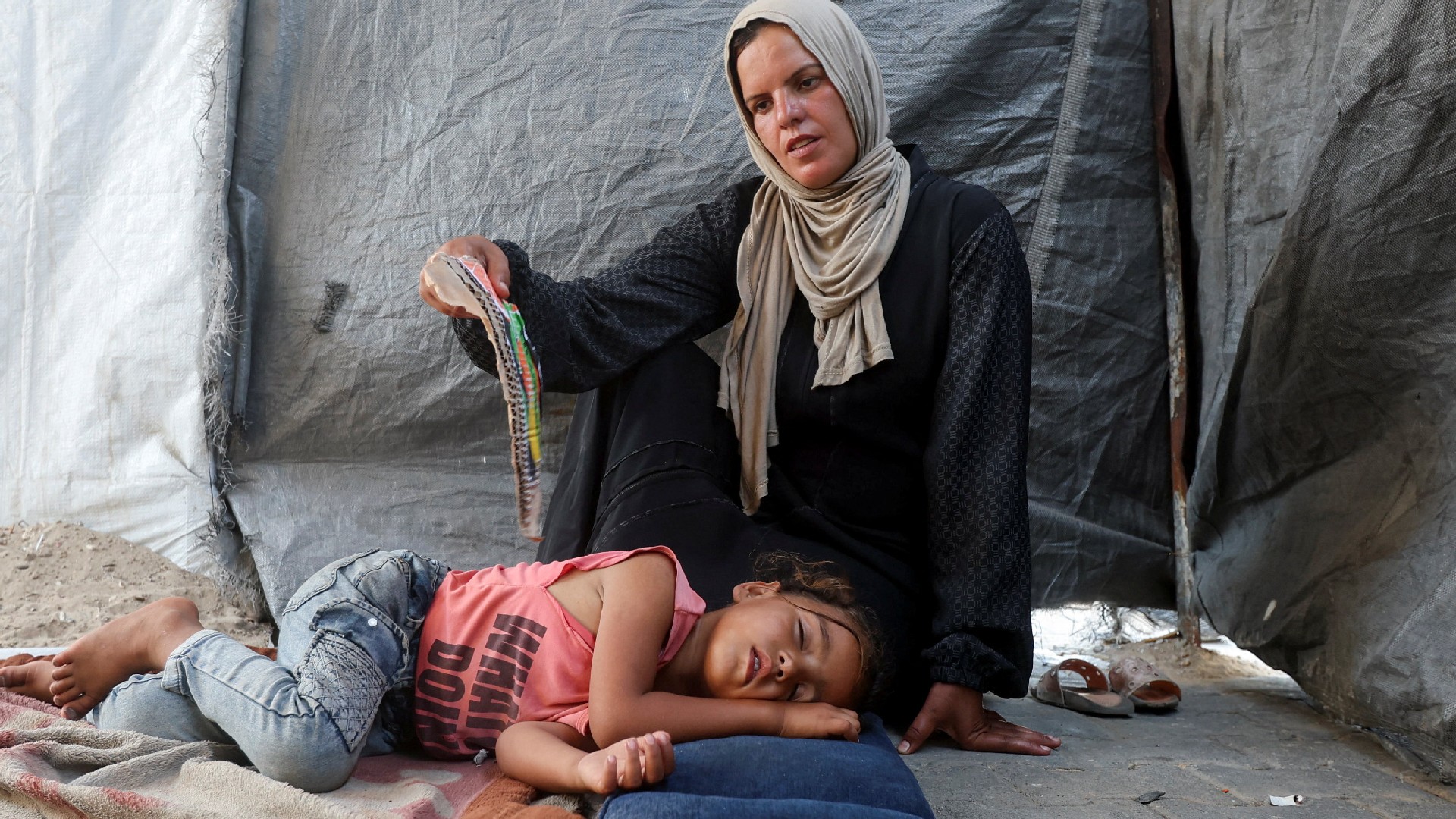
A controversial proposal from former U.S. President Donald Trump’s Gaza-focused Board of Peace has thrown the future of humanitarian aid in the embattled enclave into question, with the group publicly asserting that the United Nations Relief and Works Agency for Palestine Refugees (UNRWA) has no place in a restructured Gaza.
In a social media post published on platform X, the Board framed its call for UNRWA’s ouster as a long-overdue break from decades of failed policy. “We are turning a page on the complex of perpetual aid dependency and conflict. The people of Gaza deserve better,” the post read. The statement shared and amplified a speech delivered Tuesday by U.S. envoy Jeff Bartos at the annual UN pledging conference for UNRWA, where Bartos urged donor nations to halt all direct funding to the agency and redirect their financial support to the Board of Peace instead.
“You can choose to fund incitement, terrorism, and stagnation, or you can choose to fund the Board of Peace, giving Gazans a path to peace, prosperity and real, durable change,” Bartos told attendees.
For over seven decades, UNRWA has stood as the backbone of Palestinian humanitarian support, serving roughly 5.9 million registered Palestinian refugees across Gaza, the Israeli-occupied West Bank, Jordan, Syria, and Lebanon. It is the lead UN agency operating in the occupied Palestinian territories, managing the vast majority of aid distribution across the blockaded Gaza Strip. Today, 2.2 million Gazans—nearly the entire population of the enclave—rely on UNRWA for basic needs including food, emergency shelter, primary healthcare, and primary education. Local and international aid groups alike depend on UNRWA’s extensive on-the-ground distribution networks to deliver their own assistance to vulnerable communities.
But since March 2025, an Israeli government ban on UNRWA operations within Israel and the occupied Palestinian territories has severely limited the agency’s ability to function, blocking UNRWA staff and direct aid shipments from entering Gaza and crippling its activities in the besieged enclave. UNRWA officials have confirmed that thousands of tons of aid, including enough food parcels, flour, and emergency shelter supplies to support hundreds of thousands of displaced people, are currently stuck in warehouses outside Gaza, unable to reach those in need due to the restrictions.
The Palestinian Authority has flatly rejected the Board of Peace’s calls, reaffirming that UNRWA remains “an indispensable lifeline” for all Palestinians and fulfills an “essential role” in delivering education, healthcare, and emergency assistance across the occupied territories.
The latest debate over UNRWA’s future unfolds against a backdrop of a rapidly deteriorating humanitarian crisis that has already drawn widespread international condemnation. In February, Israel’s High Court issued a temporary stay on a planned ban targeting 36 major international aid organizations, including Medecins Sans Frontieres, Oxfam, Save the Children, ActionAid, and the Norwegian Refugee Council. Those groups had received orders in December requiring them to comply with strict new regulatory requirements—including the full disclosure of all staff personal details—to continue operating in Gaza, a mandate many organizations have said is unworkable and puts their teams at severe risk.
A June 2025 report from the United Nations Office for the Coordination of Humanitarian Affairs (OCHA) painted a grim picture of conditions inside Gaza, describing the overall situation as “volatile and insecure.” The report noted that the vast majority of Gaza’s population is now confined to shrinking, massively overcrowded displacement camps and residential areas, where core public services are stretched far beyond capacity. Most residents lack consistent access to safe drinking water, and mountains of uncollected solid waste are piling up in residential neighborhoods, creating major public health risks.
The crisis has been deepened by progressively tighter Israeli restrictions on aid entry into the enclave. Currently, the Kerem Shalom crossing remains the only official entry point for approved humanitarian and commercial cargo bound for Gaza. Starting June 1, Israeli forces began redirecting all incoming humanitarian convoys through a newly built checkpoint, where deliveries have been consistently held up by long delays, heavy congestion, technical malfunctions, and extremely slow screening processes.
On Tuesday, Israeli media shed new light on the Board of Peace’s broader plans for Gaza, revealing that the group intends to launch so-called “Hamas-free humanitarian zones” in the enclave. Under the proposal, Palestinian civilians would be relocated to these designated zones while the Israeli military expands its full military control over the rest of the Gaza Strip. Israeli national newspaper Israel Hayom reported that the first such zone will open in Tel Sultan, near the southern Gazan city of Rafah, within the next several weeks, and will only house civilians confirmed to have no weapons and no affiliation with Hamas.
According to the report, the zone will be policed by a newly formed multinational contingent called the International Stabilisation Force (ISF), which will be equipped solely with non-lethal weapons and based at Israel’s Amitai Camp near the Gaza border, operating under the command of the Board of Peace. While the plan states that humanitarian aid will be delivered to the zones, no details have been released about how aid will be distributed, who will manage distribution, or whether existing international aid groups will be allowed to operate inside the sites.