博客

  • South Korean football is dead, say furious fans, as they demand sweeping reform

    South Korean football is dead, say furious fans, as they demand sweeping reform

    An unexpected early group-stage exit from the 2026 FIFA World Cup has plunged South Korean football into crisis, triggering widespread fan anger, the resignation of head coach Hong Myung-bo, and renewed demands for sweeping systemic reform of the country’s top football governing body.

    When the national team touched down at Seoul’s Incheon Airport following their 1-0 knockout loss to South Africa, hundreds of furious supporters gathered to confront the delegation. Blasting drums and chanting for Hong to step down immediately, the crowd made their frustration unmistakable — with some followers tracking the coach all the way to his vehicle, even as a smaller group of fans gathered to cheer on the players trailing behind. One fan captured the collective mood, telling the BBC that criticism of Hong had been simmering long before the tournament kicked off, with constant calls for him to step aside even in the pre-World Cup buildup.

    Hong, once one of South Korea’s most beloved football icons — he captained the 2002 co-hosted national side to a historic fourth-place finish, the country’s best ever World Cup result — had been a controversial figure from the moment he took the senior head coach role in 2024. This marked his second tenure leading the national team, and many supporters never forgave his underperformance at the 2014 World Cup, where a 4-2 thrashing by Algeria went down as one of the most humiliating results in the country’s football history — a mark only surpassed by this year’s early exit. His appointment came after the dismissal of former head coach Jurgen Klinsmann, who was sacked just shy of one year on the job following a disappointing run at the 2023 AFC Asian Cup. Reports at the time indicated multiple high-profile international candidates, including current Canadian head coach Jesse Marsch, were widely viewed as stronger, more qualified contenders for the role.

    Yet Hong was ultimately selected, with critics immediately alleging the decision was driven by personal connections rather than merit. Allegations quickly emerged that the appointment was shaped by close personal ties between Hong and senior Korea Football Association (KFA) leadership, including KFA chairman Chung Mong-gyu, a Hyundai Group scion who shares an alma mater with the coach. These claims gained major traction when Park Joo-ho, a former national player and member of the KFA’s own coach recommendation committee, publicly alleged the hiring process was completely rigged. “Nothing was done as part of the formal process,” Park stated in a viral YouTube video, noting that candidates were never given a fair, equal evaluation. The KFA rejected Park’s claims, insisting it followed all due protocol, and threatened legal action against him, but his statements won backing from major figures in South Korean football, including legendary former Manchester United midfielder Park Ji-sung. “People have lost all trust in the KFA, and regaining that trust will take many years,” Park Ji-sung told local media.

    A government audit launched in late 2024 later confirmed these concerns, finding that both Klinsmann’s ousting and Hong’s appointment lacked any meaningful transparency. The audit concluded that an unauthorised KFA technical director interviewed Hong at the explicit instruction of Chairman Chung, long before the full board was asked to approve the hire — turning the board’s vote into nothing more than a ceremonial rubber-stamp. South Korean parliament summoned Chung for questioning twice over the findings, with one ruling party lawmaker directly calling out alleged “alumni cartels” tied to a specific university within KFA leadership. The government recommended disciplinary action against three top KFA executives, including Chung, and called for a complete restart of the head coach hiring process. The KFA, however, challenged the recommendation and won a court suspension of the ruling, allowing Chung to retain his post and begin a fourth consecutive term in 2025, with Hong staying on as head coach amid ongoing doubt.

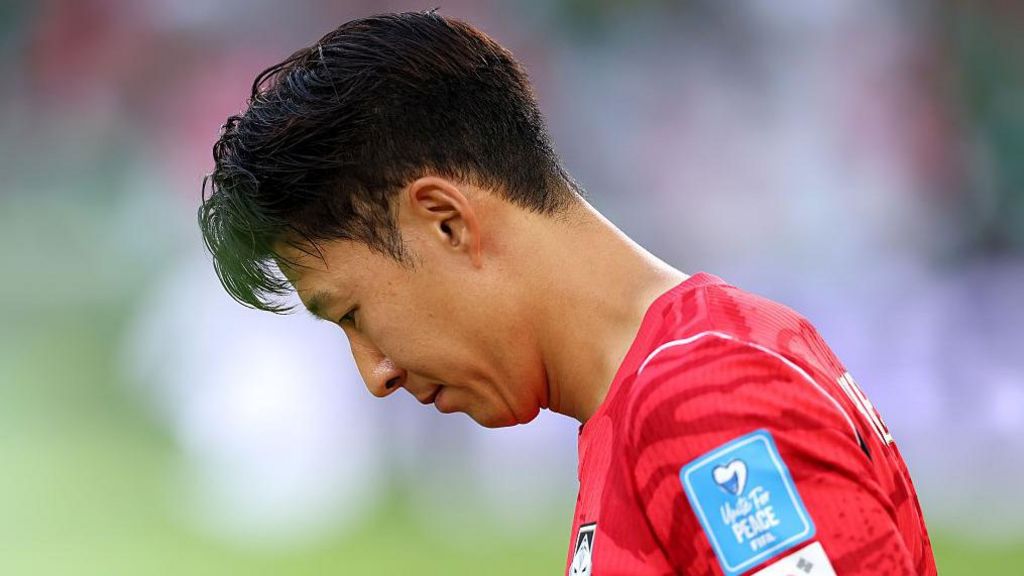
    Heading into the 2026 World Cup, a promising opening win — a 2-1 come-from-behind victory over the Czech Republic, South Korea’s first opening match win at a World Cup in 16 years — briefly quelled criticism. But back-to-back uninspired losses to Mexico and South Korea sent the team packing early. For fans and analysts, the defeat exposed deep flaws in Hong’s tactical approach, most notably his shocking decision to leave team captain and global star Son Heung-min on the bench as a substitute. Hong’s strained relationship with Son, the first Asian player to win the English Premier League Golden Boot, had long been a point of frustration: he left Son off the 2012 Olympic roster and hinted at stripping him of the captaincy ahead of this tournament. Sports critic Choi Dong-ho argued Hong never leveraged Son’s talent, leaving the star isolated on the front line with little supporting play and relying only on late substitutions rather than adjusting tactics to turn matches around.

    Son, who currently boasts a star-studded squad alongside PSG’s Lee Kang-in and Bayern Munich’s Kim Min-jae, issued a public apology to supporters after the exit, writing on Instagram: “To be honest, it’s hard to accept the reality… I believe what the fans are feeling wouldn’t be all that different from what I’m feeling.” Just days after the team’s return, Hong announced he would step down, taking full responsibility for the result. “The entire responsibility rests entirely with me,” he stated. South Korean President Lee Jae Myung has called for a full formal investigation into the KFA’s practices, writing on social platform X that “When favouritism and cronyism take precedence over competence in selecting a commander, the result is as clear as day. This appears to be the result of deep organisational and personnel failures.”

    For many South Koreans, the early exit has laid bare a decades-long decline that stands in stark contrast to the 2002 World Cup high, when co-hosting the tournament lifted the nation’s spirits amid recovery from the Asian financial crisis. Today, the gap with regional rival Japan has grown increasingly stark: after the exit, South Korea dropped to 32nd in the FIFA rankings, its lowest position in four years, while Japan climbed to 17th to become the highest-ranked Asian team. Critics like Choi argue the root of the problem extends far beyond Hong, pointing to a rotating cast of more than 10 head coaches since 2002 that has prevented the national team from building consistent experience or a long-term strategic identity. “It feels as though South Korea starts from scratch every four years,” Choi noted.

    Now, fans and political leaders alike are united in calling for a full overhaul of the KFA, demanding greater transparency, merit-based hiring, and a commitment to long-term development. One anonymous fan summed up the growing public mood: “Young people today already fight to compete in an unfair world. Even in sport, where fairness should matter most, we’ve watched football administrators ignore that basic principle. People will not accept this any longer.”
  • A mayor in Japan announced her maternity leave – and got the whole country talking

    A mayor in Japan announced her maternity leave – and got the whole country talking

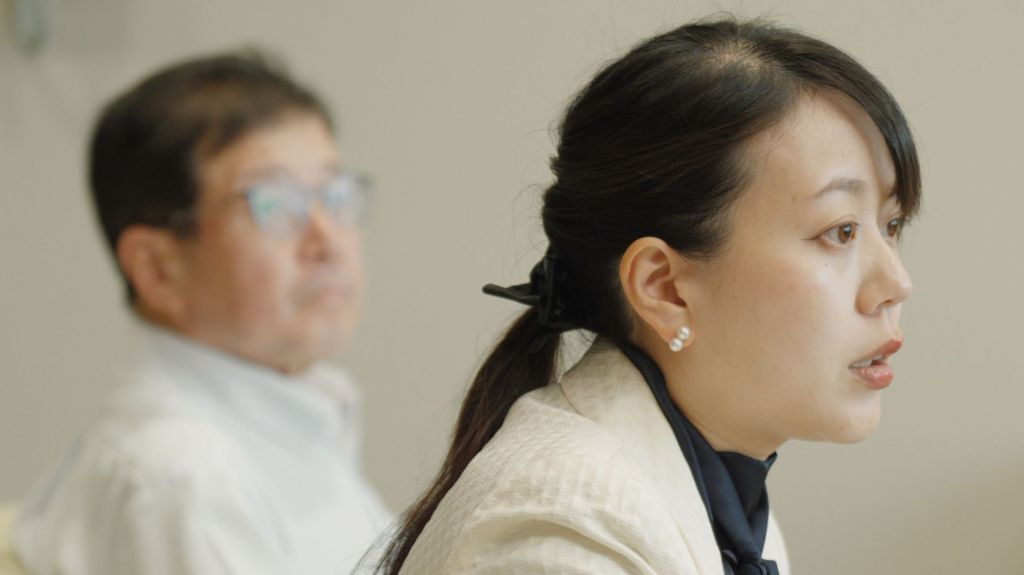
    Thirty-five-year-old Shoko Kawata, mayor of the small scenic town of Yawata south of Kyoto, is about to make unprecedented history in Japanese politics: she will become the first Japanese sitting mayor to take maternity leave. What she expected would be a routine announcement of personal leave has instead thrown her into the center of a fierce national conversation, a conversation that cuts to the core of Japan’s ongoing struggles with falling birth rates, gender representation in public office, and outdated workplace norms.

    Kawata, who made history three years ago as Japan’s youngest female city mayor when she took office at 33, has always navigated a heavily male-dominated political landscape. As of 2025, just 4% of Japan’s 1,720 municipal leaders are women, and the country ranks 118th out of 146 nations on the World Economic Forum’s 2025 Global Gender Gap Index – the lowest performer among G7 countries. Even with Japan’s first female prime minister in office, successive governments have faced widespread criticism for failing to implement meaningful policies to remove barriers that keep women out of politics. A 2025 Cabinet Office survey explicitly named pregnancy, the pervasive cultural assumption that politics is a male sphere, and systemic harassment as the top obstacles holding women back from public service.

    Because no existing legal framework outlines maternity leave provisions for locally elected officials in Japan, Kawata cannot take formally recognized maternity leave. Instead, she has arranged for her 62-year-old deputy mayor Shigeto Nose to act as interim mayor during her four-month absence: two months leading up to her mid-September due date, and two months following childbirth. Nose, a father of two who never took parental leave himself and now sees his own son-in-law taking six months of leave to care for his second child, will hold full mayoral authority during Kawata’s leave, with a weekly remote check-in to discuss major municipal matters. Kawata’s in-office colleagues, who have an average age of 39, have all voiced full support for her decision.

    Public reaction, however, has been sharply divided, with thousands of posts on X and dozens of YouTube videos weighing in on the debate. Supporters argue that Kawata’s choice breaks new ground for working women across Japan, pointing out that Japanese society has long failed to build institutional support for pregnant people in public and professional life. Many praise her for normalizing the idea that women do not have to choose between holding public office and building a family, noting that her precedent will make it easier for other women to pursue political careers in the future.

    Critics, by contrast, have labeled her decision irresponsible. Some argue that if she wanted to have a child, she should have done so before running for office, while others demand that she resign for taking an extended leave from public duties or that her salary be cut during her time away.

    Kawata has pushed back firmly against these criticisms. She remains unapologetic about her choice to start a family while serving in office, noting that barring elected officials from taking maternity leave effectively excludes all women of childbearing age – women in their 20s through 40s – from holding public office. “We really need to create a society where it’s so common for women to do both – and not have to choose between working and having a family,” she said in an interview with the BBC.

    Former Akitakata city mayor Shinji Ishimaru framed the debate as an opportunity for constructive change, noting that while most people agree maternity leave is a positive right, the conversation needs to focus on creating clear systems to ensure public services are not disrupted when elected officials take leave. Kawata’s groundbreaking move has already shone a bright spotlight on the gaps in Japan’s workplace policies, even for elected officials, and is pushing the country to confront long-held cultural norms that have held back gender equality for decades.

  • Lionel Messi and Argentina await Cape Verde in the round of 32 at the World Cup

    Lionel Messi and Argentina await Cape Verde in the round of 32 at the World Cup

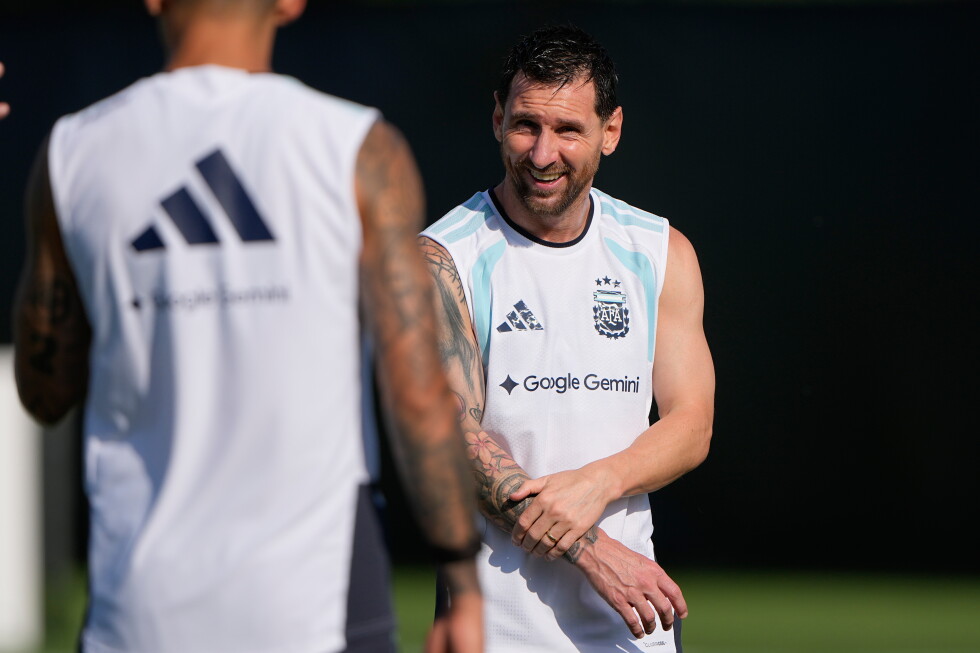
    MIAMI GARDENS, Florida — When the World Cup’s round of 32 kicks off at Hard Rock Stadium on Friday night, global soccer will witness one of the most dramatic underdog storylines in modern tournament history. On one side stands Argentina, the three-time World Cup title holder, led by widely regarded greatest-of-all-time Lionel Messi, boasting a century of decorated soccer history and a roster stacked with elite international talent. On the other steps Cape Verde, an undersized African island nation making an unprecedented run that no pundits predicted.

    For the Cape Verde side, there is zero pressure to deliver a result — no fanbase or pundit expects the tiny underdog to topple the defending champions. That freedom, however, has not dulled the squad’s belief that they can pull off one of the most stunning upsets the sport has ever seen. “I believe we can do a great thing here,” Cape Verde backup defender Stopira, full name Ianique dos Santos Tavares, told reporters Thursday through a translator. “And this is no exception. This match is no exception.”

    A Cape Verde victory would echo the magnitude of the 1980 “Miracle on Ice”, where a young amateur U.S. men’s hockey team upset the unbeatable Soviet Union at the Lake Placid Olympics en route to gold. In soccer terms, this underdog triumph would be remembered forever as the “Miracle on Grass”.

    When the tournament bracket was first finalized, Argentina’s squad fully expected to face either Spain or Uruguay, the two other decorated former champions in Group H, in this round of 32 matchup. As the Group J winner, Argentina was set to take on the Group H runner-up, and almost no one penciled Cape Verde into that spot. But the chaotic group stage defied all expectations: two-time champion Uruguay crashed out early, 2010 winner Spain advanced but finished second, and Cape Verde held on to claim the unlikely runner-up spot, setting up a showdown with Messi and his world-beating side.

    This underdog run did not come out of nowhere. Cape Verde turned heads early in group play by holding Spain to a surprising scoreless draw, cementing their defensive reputation ahead of the knockout stage. Their 40-year-old starting goalkeeper even captured global public attention when a story spread of community support that allowed his mother to travel to the U.S. to watch his group stage performances. Now, the tiny nation stands in the biggest match in its soccer history.

    “The most important match in our history,” Cape Verde head coach Bubista said of Friday’s clash. “So, we are being responsible and also trying to enjoy the match. We did not reach this stage by chance. It was on our own merits and we want to show the world our qualities, our values and that there’s a lot of quality in Cape Verdean football.”

    Cape Verde enters the knockout round with an unusual resume: it is the only team to advance to the round of 32 this tournament without registering a single win, having earned three consecutive draws across group play. By contrast, Argentina dominated its group, winning all three matches with Messi turning in standout performances in every fixture. Now, both teams enter a do-or-die knockout: win, and advance; lose, and go home.

    Even Argentina’s coaching staff and players are quick to emphasize that Cape Verde’s spot in the round of 32 is no fluke. “We are not surprised, to be honest,” Argentina manager Lionel Scaloni told reporters. “They are a good team. And they are not here by chance. We must respect them. And that’s what we will do.”

    Argentina midfielder Rodrigo de Paul echoed that respect, noting that the bracket always favored a more established nation to reach this matchup. “The truth is that when the draw was decided, the group that we would have to face … there were two world champions there,” he said.

    Cape Verde has already laid out its game plan for the biggest match in the nation’s history. The side will lean into its tested defensive structure, which only allowed two goals across three group matches and kept Spain off the scoresheet entirely. The underdogs plan to push aggressively on set pieces, fight for as much possession control as possible, and execute a unified game plan that targets the entire Argentine side, not just Messi. While no global side has cracked the code of stopping the Argentine star, Bubista says his squad is prepared for the full challenge Argentina presents.

    “We have our own strategy, not only against Messi, but the whole team,” Bubista said. “We know they are the current world champions, one of the best teams in the tournament. And we will play against the whole team, not just Messi.”

  • Ebola treatments trial begins in the Democratic Republic of Congo

    Ebola treatments trial begins in the Democratic Republic of Congo

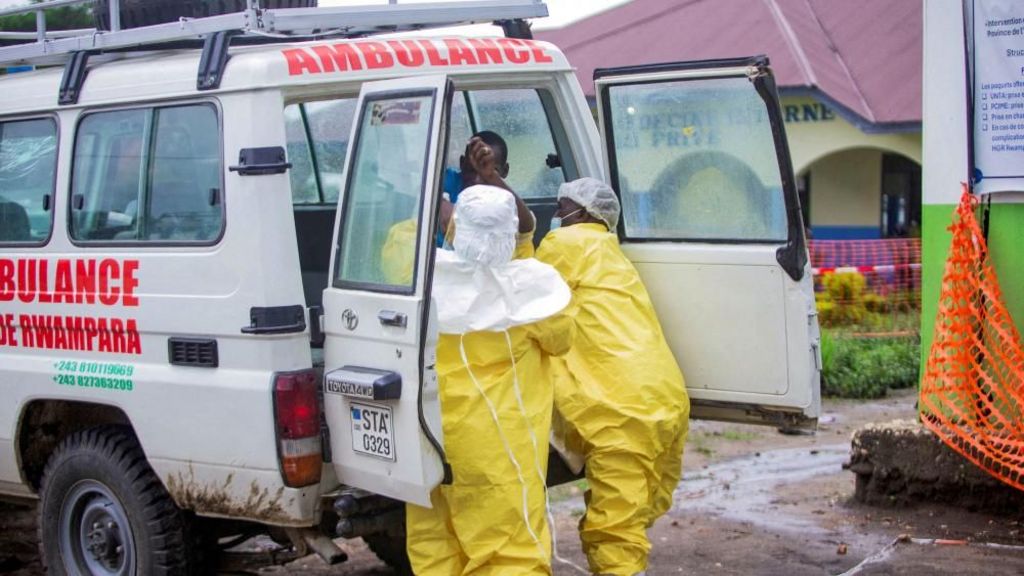
    The ongoing cross-border Ebola outbreak that first emerged in the Democratic Republic of the Congo (DRC) and Uganda back in May has entered a new phase of response, after the World Health Organization (WHO) announced the launch of clinical trials for untested, potentially life-saving treatments for the rare virus strain driving the current spread.

    WHO Director-General Tedros Adhanom Ghebreyesus confirmed Thursday that the first patient has already been enrolled in the trial at a treatment site in the DRC, marking a critical milestone in the global fight against the outbreak, which the WHO previously designated a public health emergency of international concern.

    As of the end of June, official WHO data puts the total confirmed case count at 1,406 in the DRC alone, with an additional 301 suspected cases and 438 recorded deaths across the Central African nation. The outbreak has since spread beyond DRC borders: Uganda has reported 20 confirmed cases and two deaths as of July 1, while one imported confirmed case has been detected in France.

    What makes this outbreak particularly challenging for global health authorities is that it is caused by the Bundibugyo strain of Ebola – one of six known Ebola species, for which there are currently no globally approved vaccines or specific treatments. Bundibugyo is a highly infectious strain that, like other Ebola variants, targets the body’s immune system and vital organs, often leading to severe complications and death if left untreated.

    The multi-institutional trial is led by the WHO, with on-the-ground coordination and research support from three leading scientific bodies: the DRC’s own Institut National de Recherche Biomédicale, Belgium’s Institute of Tropical Medicine, and the University of Oxford in the United Kingdom. The trial will evaluate the safety and efficacy of two separate therapeutic candidates for treating Bundibugyo Ebola infections.

    Addressing reporters at WHO headquarters in Geneva on Thursday, Tedros emphasized that even in the absence of approved targeted treatments, some patients have already recovered from the current outbreak. However, he added that access to proven, safe interventions would drastically reduce mortality from the disease.

    “Even without approved therapeutics, people are recovering from this disease, but of course, we could save many more lives with safe and effective therapeutics in our toolkit,” Tedros told reporters.

    Ebola, which originates in animal populations primarily carried by fruit bats, typically spills over to humans when people handle infected animal carcasses. Human-to-human transmission only occurs once an infected person develops symptoms, with an incubation period ranging from two to 21 days. Early symptoms mirror common tropical illnesses like influenza and malaria, starting with sudden onset of fever, headache, and fatigue, which can make early diagnosis challenging. Because Ebola strains are genetically distinct, vaccine and treatment development must be done separately for each variant to ensure effectiveness.

  • Israeli bill to restrict call to prayer passes preliminary parliament reading

    Israeli bill to restrict call to prayer passes preliminary parliament reading

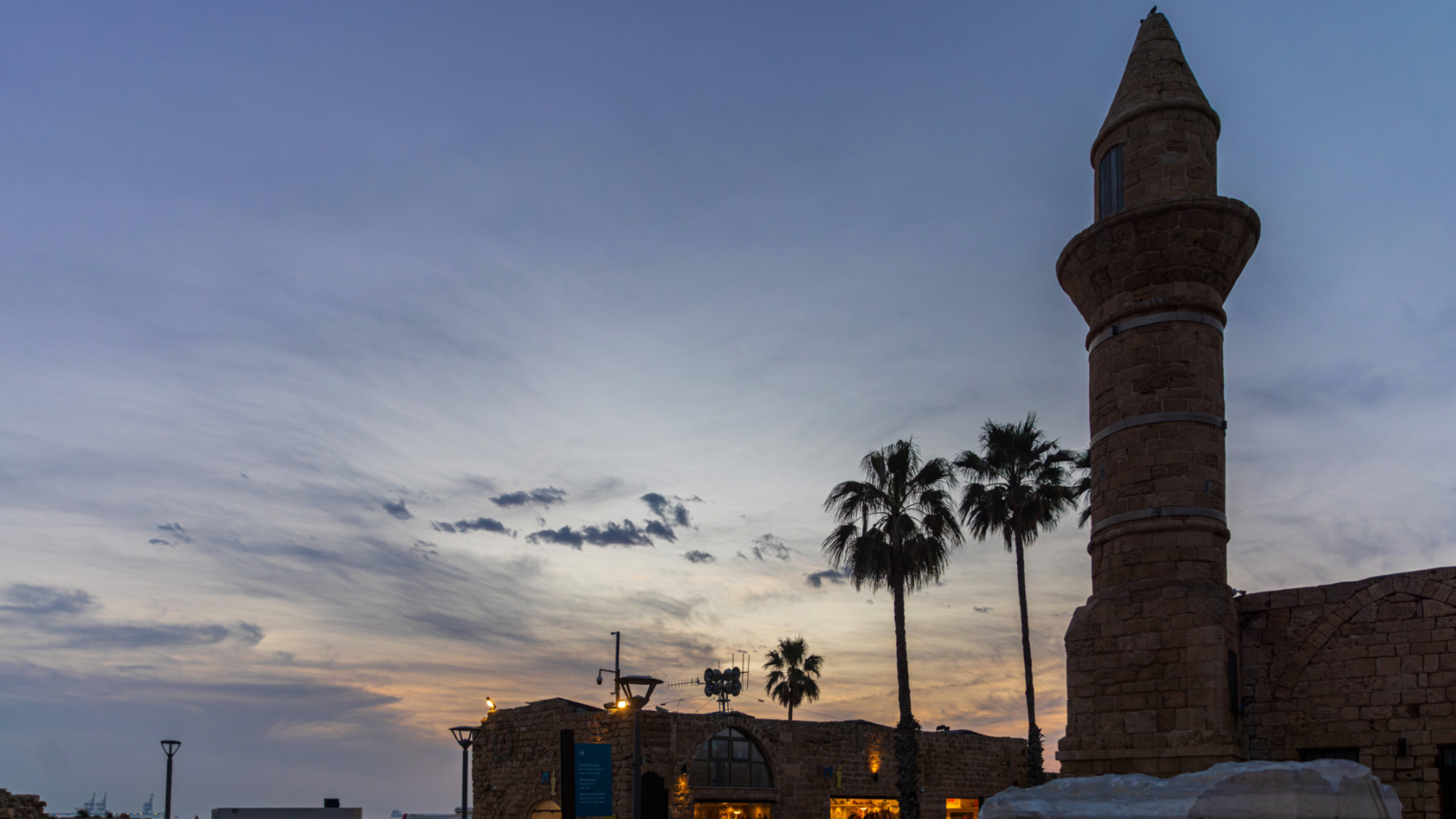
    On Wednesday, a contentious Israeli bill that would impose strict new restrictions on the Muslim call to prayer, known as the adhan, cleared its first major legislative hurdle, passing a preliminary reading in the Knesset by a vote of 50 to 36. The legislation, tabled by lawmaker Zvika Fogel of the far-right party led by National Security Minister Itamar Ben Gvir, now moves to a parliamentary committee for further review before advancing to a series of additional votes required to become law. If enacted, the bill would require all mosques to obtain official government approval to install and operate loudspeaker systems for the adhan, which is called five times daily.

    Permits would be issued at the discretion of Israeli authorities, with eligibility tied to a set of criteria including maximum noise levels, required sound-mitigation infrastructure, geographic location of the mosque, proximity to residential neighborhoods, and documented impact on local residents. The bill also grants Israeli police broad authority to immediately shut down any unapproved or non-compliant sound systems, allows for full confiscation of audio equipment after repeated violations, and imposes steep financial penalties: up to 50,000 Israeli new shekels (approximately $16,700) for operating without a permit, and up to 10,000 shekels (around $3,300) for violating permit terms. Ben Gvir and Fogel have framed the proposal as a necessary public health measure, arguing the volume of the adhan constitutes intrusive noise pollution that harms nearby communities.

    The legislation has triggered fierce condemnation from Palestinian leaders, rights advocates and religious communities, who decry it as an deliberate attack on Islamic religious practice and a declaration of religious war. Speaking to Middle East Eye, Khaled Zabarqa, a human rights lawyer based in Lod, called the framing of the adhan as a mere noise problem a direct insult to Muslim religious identity. “By justifying this proposed legislation, the Israeli government is laying the groundwork for a religious war within the country,” Zabarqa said, noting the bill forms part of a wider state-led campaign to “Judaise public space” by erasing non-Jewish religious symbols. He added that targeting the adhan and mosque minarets specifically, which anchor the Islamic and Palestinian identity of public spaces across historic Palestine, makes the legislation’s discriminatory goals clear, warning that Palestinian communities will not accept the targeting of their core religious rituals.

    The Palestinian Authority’s Jerusalem Governorate has also joined in condemnation, warning that the bill could have severe ramifications for the Al-Aqsa Mosque, one of Islam’s holiest sites located in occupied East Jerusalem. While the legislation’s text does not explicitly state whether it would apply to Al-Aqsa – a site that Israel annexed in 1980 in a move unrecognized by the international community, which universally classifies East Jerusalem as occupied Palestinian territory – Palestinian officials warn the law sets a dangerous precedent for further interference at the site. “The proposed law exposes the true nature of the occupying state as an apartheid system that uses its legislative tools to impose religious persecution,” the governorate said in an official statement.

    Omar Rajoub, director of the Jerusalem Governorate’s media office, emphasized that the bill is not a targeted response to noise pollution, but part of a long-running policy to erode Palestinian religious and cultural identity, particularly in Jerusalem. “In Jerusalem in particular, the proposed legislation comes amid an unprecedented escalation in measures targeting the city’s Islamic character,” Rajoub told Middle East Eye, pointing to ongoing Israeli incursions into Al-Aqsa, restrictions on Muslim worshippers’ access, removals of senior Islamic religious leaders and mosque caretakers, and growing interference in the independent administration of Islamic religious affairs. Rajoub added that the bill’s impact extends far beyond noise regulation, as it would formalize Israeli state control over the internal affairs of mosques and open the door to even more raids and restrictions under the cover of legal authority.

  • Mikel Oyarzabal’s 2 goals send dominant Spain past Austria 3-0 and into round of 16 at the World Cup

    Mikel Oyarzabal’s 2 goals send dominant Spain past Austria 3-0 and into round of 16 at the World Cup

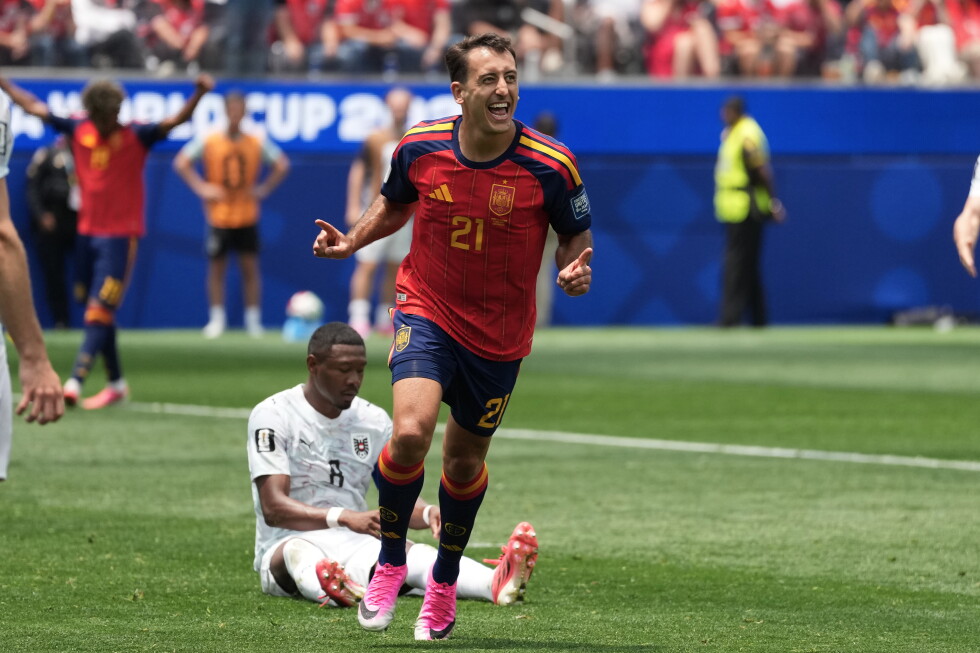
    At a sold-out, pro-Spanish crowd packed SoFi Stadium in Inglewood, California, Mikel Oyarzabal delivered a two-goal masterclass that powered Spain to a convincing 3-0 victory over Austria in the 2026 FIFA World Cup knockout stage on Thursday. The result marked Spain’s first knockout win at the men’s World Cup since they lifted the trophy in South Africa 16 years prior, ending a years-long drought of early tournament exits that had followed their 2010 championship run.

    Coming into the match, questions still hung over Spain’s star-studded squad despite an unbeaten group stage run, with critics doubting whether the side could convert their consistent regular-season form into deep tournament success. Those doubts were quickly silenced as La Roja put on one of the most dominant performances of this World Cup, controlling possession for nearly the entire 90 minutes and showcasing the dynamic offensive creativity their roster has long been praised for. Most notably, Spain extended their unprecedented clean sheet streak at this tournament, with goalkeeper Unai Simón not required to make a single save to secure his fourth consecutive shutout — Austria, for their full 90 minutes of play, failed to register a single shot on target.

    The decisive breakthrough came 36 minutes into the match, after a cautious opening stretch and a first-half hydration break. Oyarzabal, captain of Real Sociedad, found himself unmarked inside the Austrian penalty area and fired a first-time finish off a perfectly weighted pass from left-back Marc Cucurella, who would go on to assist both of the winger’s goals, highlighting a lethal attacking connection down Spain’s left flank. Oyarzabal had previously notched just one goal at the tournament, doubling his total with the opening strike.

    Spain maintained relentless pressure after halftime, and the side doubled their lead in the second half through Tottenham Hotspur defender Pedro Porro, who scored his first ever senior international goal. After a cutting run from Álex Baena down the left wing, the attacker lifted a cross to an unmarked Porro, who powered home an emphatic header to extend Spain’s advantage.

    Oyarzabal put the final nail in the coffin in the 89th minute, once again meeting a precise Cucurella pass to slot home his second of the night and Spain’s third. The result capped a near-flawless performance for Spain, with 18-year-old Barcelona phenom Lamine Yamal turning in another standout showing: the teenager recorded four of Spain’s 10 total shots on target, played his longest minutes of the tournament to date, and came inches from scoring late in the match when Austria defender David Alaba deflected his powerful goal-bound effort off the line, drawing gasps from the capacity sellout crowd.

    For Austria, the result brings an end to their first World Cup knockout stage appearance since 1998, with the side having qualified for this round after a dramatic injury-time draw against Algeria in the group stage. goalkeeper Alexander Schlager put in a heroic individual performance, recording six spectacular saves to keep the scoreline from growing even larger, but his efforts were not enough to stop Spain’s red-hot attack. Austria has still not won a World Cup knockout match since 1954.

    Following the win, Oyarzabal emphasized the team’s focus on the challenge ahead: “I’m happy to have helped the team for us to go through another round. Now just rest and get ready for the next one. It was a complicated match. We knew that it was going to be difficult against a very physical team, but we had a very good day and played a good match.”

    Spain head coach Luis de la Fuente echoed that sentiment, praising his side’s performance while warning against complacency: “The great teams step up when it’s needed. We played a great match. We came close to perfection, but we must keep improving. There is always room for improvement, because every upcoming match will be very difficult.”

    Spain will next face the winner of the round of 16 match between Portugal and Croatia in Dallas next Monday, as they continue their push for a first World Cup title in 16 years. The win extends Spain’s extraordinary unbeaten run in competitive matches to 35 straight games dating back to March 2023, a stretch that has included winning the 2023 UEFA Nations League and 2024 European Championship, with only a penalty shootout defeat to Portugal in the 2025 Nations League final breaking their perfect run over the past three years. After three consecutive disappointing World Cup campaigns — two early knockout exits and one group stage elimination — La Roja have firmly reestablished themselves as genuine title contenders in this year’s tournament.

  • Watch: What Trump’s Mount Rushmore aspirations reveal

    Watch: What Trump’s Mount Rushmore aspirations reveal

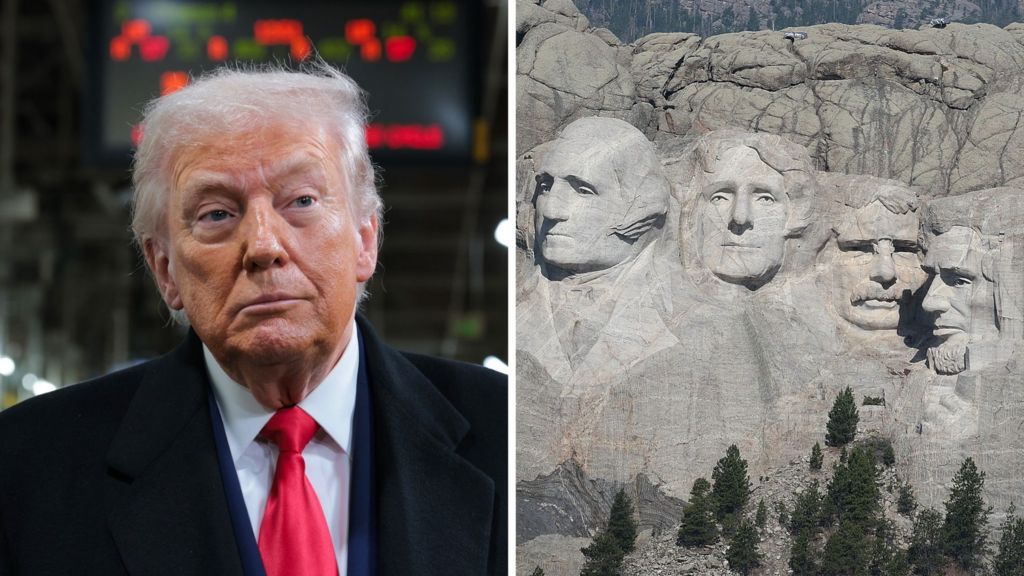
    A long-simmering political conversation has bubbled back into public view surrounding former U.S. President Donald Trump’s public aspiration to see his face carved alongside the iconic presidential portraits at South Dakota’s Mount Rushmore. This proposal has sparked fierce debate across political circles and communities, touching on questions of presidential legacy, national identity, and the role of iconic historical sites in modern American discourse.

    BBC North America Editor Sarah Smith traveled on-location to the granite monument in South Dakota’s Black Hills to examine the multiple layers of this proposition. What emerged from her on-site reporting is a clearer picture of how what might seem like a symbolic statement of personal ambition actually exposes deeper rifts in contemporary U.S. politics, as well as very real practical obstacles that would stand in the way of any such project moving forward.

    On the political side, the proposal has laid bare stark divides over how Americans assess Trump’s presidency and what place, if any, he holds among the nation’s most transformative leaders. Mount Rushmore, which features the carved faces of George Washington, Thomas Jefferson, Theodore Roosevelt, and Abraham Lincoln, is already a site of ongoing debate over Indigenous land rights and historical commemoration—adding another layer of complexity to Trump’s request. Critics argue that the monument already stands on land seized from the Lakota Sioux, and any expansion to add a modern political figure would only compound existing historical injustices. Supporters of the former president, meanwhile, have framed the idea as a fitting recognition of what they frame as his transformative impact on American politics and policy.

    Beyond the heated political disagreement, Smith’s reporting also highlights the steep practical challenges that any carving project would face. The granite formation that hosts the current portraits has limited remaining space, and geological experts have long noted that adding new carvings would require massive engineering work, significant environmental disruption, and hundreds of millions of dollars in funding—none of which has been secured or formally proposed to date. Furthermore, the site is managed by the U.S. National Park Service, which has no official process or mandate to approve changes to the iconic monument’s iconic design.

    Ultimately, Smith’s reporting frames Trump’s public aspiration less as a concrete proposal that could actually come to fruition, and more as a revealing window into the former president’s own view of his place in American history, and the ongoing polarization that shapes how the nation remembers and commemorates its leaders.

  • ‘His death has killed a part of me’: The Ethiopians awaiting execution in Saudi Arabia

    ‘His death has killed a part of me’: The Ethiopians awaiting execution in Saudi Arabia

    Deep inside Saudi Arabia’s overcrowded Khamis Mushait detention center in Aseer province, hundreds of Ethiopian migrants sit on death row, trapped in harrowing conditions and dreading the early-morning knock that will mark their final day. On April 21, that knock came for three young men from Ethiopia’s war-scarred Tigray region, whose desperate search for a better life ended in execution by beheading.

    The executed men — Kibrom Gebremariam, 30, Tsigabu Hagos, 26, and Kidane Angesom — were among hundreds of thousands of Tigrayans who have fled their home region since the 2020–2022 civil war, which killed hundreds of thousands, displaced millions, and left the local economy in ruins. Crossing the Gulf of Aden and traversing war-torn Yemen to reach Saudi Arabia, the three carried small amounts of khat, a mild stimulant widely consumed and legal in Ethiopia and Yemen. They had no idea that possession of the plant is classified as a serious drug offense under Saudi law, carrying an automatic death sentence.

    Human Rights Watch records show the three men were arrested between 2023 and 2024, held in a series of detention facilities before being transferred to Khamis Mushait to await execution. They are not alone. On June 23, just two months after their deaths, five additional Ethiopian nationals were executed for non-violent drug crimes, according to multiple on-the-ground sources. Many foreign detainees report being forced to confess to crimes they did not commit, after being beaten and coerced into signing Arabic-language documents they cannot read.

    Hailay Berhane (a pseudonym granted for his safety), a Tigrayan migrant currently held on death row at Khamis Mushait, shared a firsthand account of the system’s abuses with Middle East Eye via a smuggled phone on the encrypted messaging app Imo. Three years ago, he was detained in the violent border region of Rago, where Saudi border guards have been repeatedly accused of indiscriminately shooting unarmed migrants. “They handed me 41kg of drugs and forced me to believe it was mine, and made me sign documents that I don’t even understand,” Berhane said. In the three years since his arrest, he has appeared in court three times — each hearing lasting only minutes, none with a translator to help him defend himself.

    “Foreign nationals who are on death row in Saudi Arabia are, most of the time, subjected to grossly unfair trials,” explained Yared Hailemariam, a prominent Ethiopian human rights advocate. Recent data from Amnesty International confirms this pattern: Saudi Arabia has executed nearly 100 people already this year, at least 61 of them for drug-related offenses. The organization’s latest report warns that “foreign nationals have borne the brunt of Saudi Arabia’s ruthless use of the death penalty for drug-related offences, frequently after grossly unfair trials.” At least 63 Ethiopian detainees are held in a single ward at Khamis Mushait alone, all at imminent risk of execution for non-violent drug crimes. Across Saudi Arabia, local officials and human rights defenders estimate as many as 200 Ethiopian citizens are currently on death row — a figure many prisoners believe is significantly undercounted.

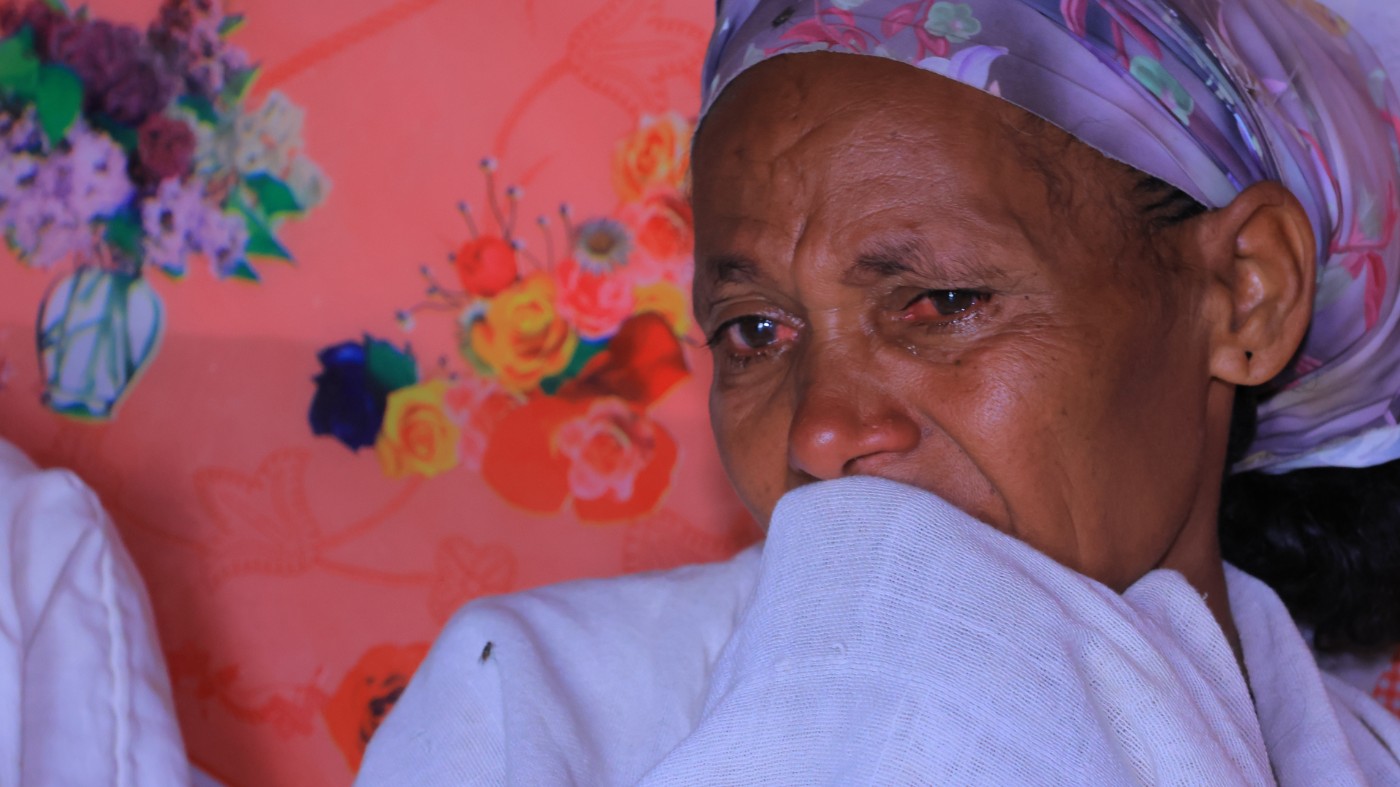
    For the families of the three men executed in April, the grief is compounded by unanswered questions and a lack of closure. Back in Tigray’s Egela district, Kibrom Gebremariam’s family has already lost one son to migration: his older brother Merhawi was killed by Yemeni security forces three years ago, after crossing the border in 2020. “We anticipated Kibrom’s wedding, not his death. His murder has become an open wound for us,” said Gimja Gebremariam, Kibrom’s heartbroken mother. The 30-year-old had left Tigray 12 years earlier, fleeing a village with almost no economic prospects, dreaming of building a life that would let him support his family. He spoke to his father just one day before his execution, promising he would soon be home. His father, 60-year-old Gebremariam Gebrezgiabher, has been bedridden with shock since receiving word of his son’s beheading from fellow prisoners. “His death has killed a part of me and is made worse by the fact that I have nothing to bury,” he said. Saudi authorities have not released the men’s bodies to their families, leaving them unable to hold a proper burial.

    For Tsigabu Hagos’ family in Tigray, the pain is just as raw. The 26-year-old was the only son among eight children, who left in 2020 hoping to build a business and lift his family out of poverty. “He wanted to have his own business, be self-sufficient and live a productive life,” his father Hagos Gebremeskel said, glancing at his son’s photo on a mobile phone. His mother Letekristos Gebretsadkan still struggles to process the loss: “I never thought they would kill my son. I wonder how much our son had been tortured before he was killed, if the family would ever get justice, if we would at least get the body of our son back.”

    The flow of migration out of Tigray continues, even after the formal end of the war in 2022. Decades of political instability, armed conflict, and economic collapse have left youth unemployment at catastrophic levels, and many young people still face forced conscription into regional conflicts. Even the execution of her brother has not dissuaded Tsigabu’s 20-year-old sister Masho Hagos, who had to suspend her high school studies during the war, from planning her own journey to Saudi Arabia.

    “Political instability, armed conflict and economic crisis are the major factors affecting the life of Ethiopian youths,” Hailemariam explained. “They are also forcefully recruited for military training and deployed as soldiers for both internal conflicts and cross-border war.”

    Religious leaders from Tigray’s Catholic and Orthodox churches, as well as the president of the Tigray region, have issued formal appeals to Saudi Arabia to grant clemency to the hundreds of Ethiopian death row prisoners. Human rights organizations including Human Rights Watch and Amnesty International are calling on Saudi Arabia’s international partners to intervene immediately to halt the executions.

    “Saudi Arabia’s willingness to execute foreign migrants for non-violent offences following trials that denied them basic due process reflects a profound disregard for their rights and lives,” said Nadia Hardman, senior refugee and migrant rights researcher at Human Rights Watch. “Saudi Arabia’s partners should urgently intervene before it is too late.”

    Back in his Tigray village, Kibrom Gebremariam’s father has only one plea: an end to the wave of deaths that has shattered so many young Ethiopian lives, as migrants search for safety and opportunity abroad. “That must end,” he whispered, overcome by grief. For the hundreds of men still waiting on death row in Khamis Mushait, that intervention cannot come soon enough. “Every time the security guards knock on the door, we feel that our names will be called,” one unnamed prisoner told Middle East Eye.

  • Former Olympian indicted for allegedly vandalising Washington Reflecting Pool

    Former Olympian indicted for allegedly vandalising Washington Reflecting Pool

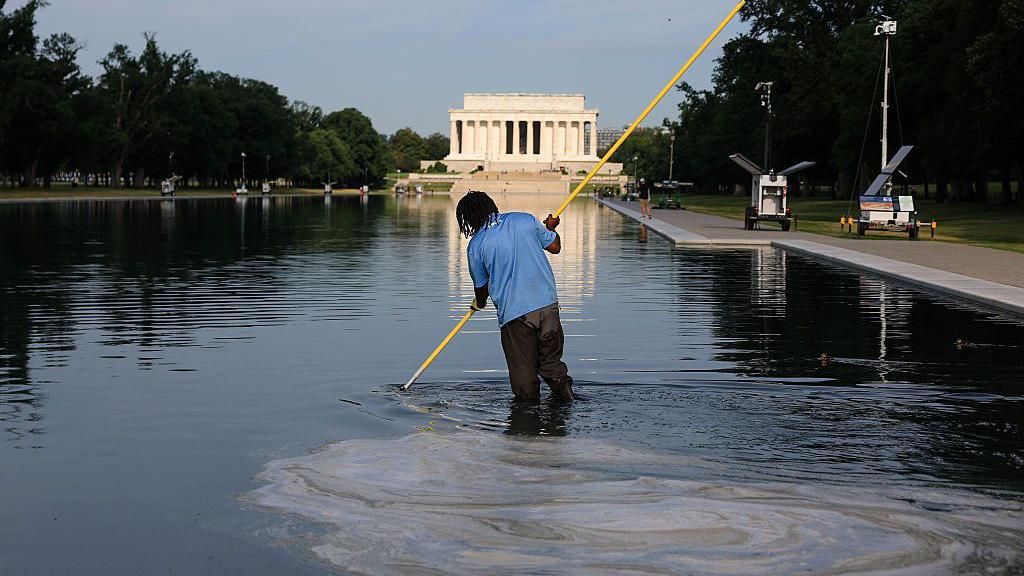
    A high-profile legal case has unfolded in Washington D.C., centered on a 67-year-old former three-time Olympic canoeist named David “Davey” Hearn, who has been formally indicted on felony destruction of property charges connected to damage at the recently renovated Lincoln Memorial Reflecting Pool. Federal authorities allege that Hearn carried out a deliberate act of vandalism on June 19, 2026, tearing a section of newly installed bottom sealant at the iconic National Mall landmark, causing an estimated $1,000 in damage. U.S. Attorney Jeanine Pirro outlined the charges during a Thursday press conference, emphasizing that the damage targeted a site that National Park Service crews had invested extensive effort into restoring. This incident comes in the wake of a controversial $14 million full renovation of the 1920s-era reflecting pool, which has already faced a string of operational issues just weeks after completion. Within days of the pool being refilled following renovations, visitors and officials observed widespread algae bloom that clouded the water, alongside large-scale peeling of the new bottom sealant that the project had installed. Former U.S. President Donald Trump was quick to publicly blame intentional vandalism for the sealant damage just one day after the incident, taking to social media on June 20 to condemn the act. Trump wrote that repairs would start immediately to fix what he called the “seriously vandalized” pool, adding incendiary comments describing the perpetrators as “SICK, DERANGED PEOPLE!” after conducting an onsite inspection. Hearn has repeatedly maintained his innocence since his initial detention at the scene, which he says occurred as he was wrapping up a long-distance bike ride near the pool’s edge. In an earlier interview with the BBC, Hearn explained he only touched a section of sealant that was already damaged, saying he was simply curious about the pool’s post-renovation condition. He flatly denies tearing, ripping, peeling, or removing any intact sealant or coating, and has denounced his prosecution as “arbitrary, capricious”. Hearn is not the only person facing action over the reflecting pool damage; U.S. Park Police have confirmed that a total of five people have been arrested on vandalism charges linked to the sealant issues, with five additional people receiving federal citations for related misconduct. The Lincoln Memorial Reflecting Pool, which stretches more than 2,000 feet between the Lincoln Memorial and the Washington Monument, has dealt with persistent infrastructure problems for decades, including chronic leaks, structural decay, outdated piping, regular algae overgrowth, and buildup from bird droppings—problems the $14 million renovation was intended to resolve once and for all.

  • Israeli press alarmed as criticism of Israel becomes winning recipe in US politics

    Israeli press alarmed as criticism of Israel becomes winning recipe in US politics

    A growing wave of primary election victories by left-wing Democratic candidates critical of Israel has sent shockwaves through Israeli media and pro-Israel advocacy circles, with commentators warning that unwavering backing for Israel can no longer be counted on as a path to political success in U.S. Democratic politics.

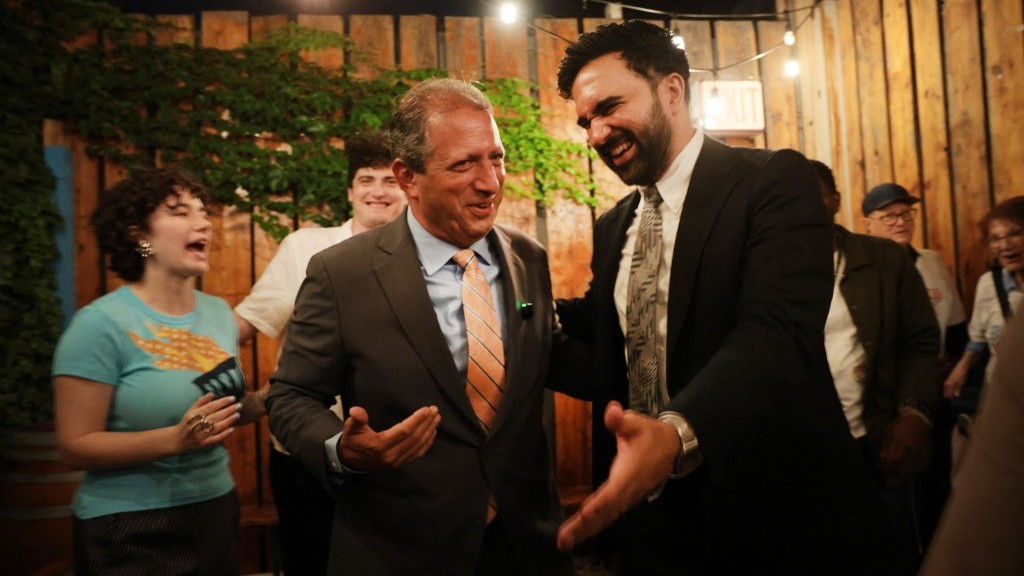
    The most high-profile of these upset wins came Tuesday in Colorado, where democratic socialist Melat Kiros defeated 15-term incumbent pro-Israel U.S. Representative Diana DeGette. Kiros’s triumph is not an isolated outlier: it follows a string of similar wins by left-wing candidates who have openly challenged Israel’s outsized influence on American policy, condemned the ongoing military campaign in Gaza, and labeled Israel an apartheid state. Prior to Kiros’s win, three democratic socialist candidates endorsed by New York Mayor Zohran Mamdani claimed victory in their primaries, alongside one winner in a Philadelphia congressional primary and another in the Democratic primary for Washington, D.C.’s mayoral race.

    The Democratic Socialists of America, a left-leaning faction that regularly challenges establishment Democratic candidates in primary contests, has rapidly emerged as a formidable force shaping the direction of the broader American left. For Israeli political and media institutions, however, these results are far more than a footnote in domestic U.S. politics. Israeli outlets have universally framed the upset wins as clear evidence that Israel’s standing among U.S. voters — and particularly among Democratic base voters — is crumbling in the wake of Israel’s concurrent military operations across Gaza, Lebanon, Syria, and Iran.

    In a Thursday editorial from The Jerusalem Post, a publication whose owner has longstanding close ties to Israeli Prime Minister Benjamin Netanyahu, editors warned that the Democratic Party is drifting steadily further from its decades-long bipartisan alignment with Israel. “Who would have thought that we would ever be looking back nostalgically on the days when the anti-Israel ‘Squad’ in the US Congress numbered only four people?” the editorial read.

    The Squad, the informal caucus of progressive Democratic lawmakers first formed with four founding members — Alexandria Ocasio-Cortez, Ilhan Omar, Ayanna Pressley, and Rashida Tlaib — first rose to prominence for pushing the Democratic Party leftward on issues including healthcare, climate justice, racial justice, and Palestinian rights. Nearly all of the newest wave of primary-winning candidates have built their campaign platforms around a shared set of progressive priorities that go beyond domestic policy: alongside calls for universal healthcare, a universal basic income, and publicly operated grocery stores, they demand an end to U.S. military aid to Israel, a halt to what they term the genocide in Gaza, and formal recognition of Israel as an apartheid state.

    The Jerusalem Post framed the string of left-wing upsets as a fundamental “Israel problem” for the Democratic Party, arguing that the growing influence of these candidates is already reshaping the party’s core priorities, altering how sitting Democratic politicians engage with the topic of Israel, and rewrites the rules of public debate around the U.S.-Israel relationship. That sense of anxiety is echoed across Israeli media, including another leading outlet, The Times of Israel.

    One Times of Israel contributor compared the recent democratic socialist wins in New York to the 1917 Russian Revolution that established the Soviet Union, framing the results as an urgent “cautionary tale” for pro-Israel groups. Another writer at the outlet argued that the resounding primary victories prove a new generation of Democratic voters has fundamentally turned against Israel.

    These election results align with a dramatic, well-documented shift in U.S. public opinion toward Israel. Recent polling from the Pew Research Center finds that nearly 80 percent of Democratic and independent voters hold critical views of Israel’s policies. A June 24 survey from Quinnipiac University further underscores this shift: 48 percent of all American voters say the U.S. is “too supportive” of Israel, compared to just 38 percent who say current levels of support are appropriate, and 7 percent who say the U.S. is not supportive enough.

    The Jewish Telegraphic Agency noted that New York’s recent primary results have felt far more seismic than Mamdani’s own upset win for New York City Hall last November. “Being staunchly anti-Israel is no longer a road block to success in Democratic politics… This is the first time that incumbent congressmen have lost their seats in campaigns in which they were repeatedly attacked for being too supportive of Israel,” the outlet reported. Regardless of the local issues that shaped each individual race, the JTA added, the success of candidates who openly criticized both Israel and the powerful pro-Israel lobbying group American Israel Public Affairs Committee (AIPAC) sends an unmistakable, transformative message to the party.

    The Free Press, a pro-Israel publication founded by Bari Weiss — the current controversial editor-in-chief of CBS News — framed the primary upsets as part of a growing ideological civil war within the Democratic Party, pitting the party’s old, pro-Israel establishment guard against an insurgent grassroots left it describes as “virulently anti-Israel”.

    Even among more liberal Israeli outlets, the implications of the shift are clear. In an opinion piece for Haaretz, one writer noted that “The new mayor [Mamdani] has remade his city’s politics, at the expense of pro-Israeli incumbents who were tossed aside”, adding that much of the “political ammunition” used against those incumbents was “Made in Israel” — a reference to growing anger over Israel’s military actions in Gaza. Another analysis in Haaretz argued that the victories of Israel-critical Democrats demanding a break from the long-standing status quo of the U.S.-Israel relationship are “now a feature of Democratic Party demands rather than a bug”. The analysis added that Democratic voters are not only frustrated with the Israeli policies AIPAC defends, but also with AIPAC’s outsized role as an outside spender in Democratic primary races — spending often fueled by mega-donors from the Republican party.