Deep inside Saudi Arabia’s overcrowded Khamis Mushait detention center in Aseer province, hundreds of Ethiopian migrants sit on death row, trapped in harrowing conditions and dreading the early-morning knock that will mark their final day. On April 21, that knock came for three young men from Ethiopia’s war-scarred Tigray region, whose desperate search for a better life ended in execution by beheading.
The executed men — Kibrom Gebremariam, 30, Tsigabu Hagos, 26, and Kidane Angesom — were among hundreds of thousands of Tigrayans who have fled their home region since the 2020–2022 civil war, which killed hundreds of thousands, displaced millions, and left the local economy in ruins. Crossing the Gulf of Aden and traversing war-torn Yemen to reach Saudi Arabia, the three carried small amounts of khat, a mild stimulant widely consumed and legal in Ethiopia and Yemen. They had no idea that possession of the plant is classified as a serious drug offense under Saudi law, carrying an automatic death sentence.
Human Rights Watch records show the three men were arrested between 2023 and 2024, held in a series of detention facilities before being transferred to Khamis Mushait to await execution. They are not alone. On June 23, just two months after their deaths, five additional Ethiopian nationals were executed for non-violent drug crimes, according to multiple on-the-ground sources. Many foreign detainees report being forced to confess to crimes they did not commit, after being beaten and coerced into signing Arabic-language documents they cannot read.
Hailay Berhane (a pseudonym granted for his safety), a Tigrayan migrant currently held on death row at Khamis Mushait, shared a firsthand account of the system’s abuses with Middle East Eye via a smuggled phone on the encrypted messaging app Imo. Three years ago, he was detained in the violent border region of Rago, where Saudi border guards have been repeatedly accused of indiscriminately shooting unarmed migrants. “They handed me 41kg of drugs and forced me to believe it was mine, and made me sign documents that I don’t even understand,” Berhane said. In the three years since his arrest, he has appeared in court three times — each hearing lasting only minutes, none with a translator to help him defend himself.
“Foreign nationals who are on death row in Saudi Arabia are, most of the time, subjected to grossly unfair trials,” explained Yared Hailemariam, a prominent Ethiopian human rights advocate. Recent data from Amnesty International confirms this pattern: Saudi Arabia has executed nearly 100 people already this year, at least 61 of them for drug-related offenses. The organization’s latest report warns that “foreign nationals have borne the brunt of Saudi Arabia’s ruthless use of the death penalty for drug-related offences, frequently after grossly unfair trials.” At least 63 Ethiopian detainees are held in a single ward at Khamis Mushait alone, all at imminent risk of execution for non-violent drug crimes. Across Saudi Arabia, local officials and human rights defenders estimate as many as 200 Ethiopian citizens are currently on death row — a figure many prisoners believe is significantly undercounted.
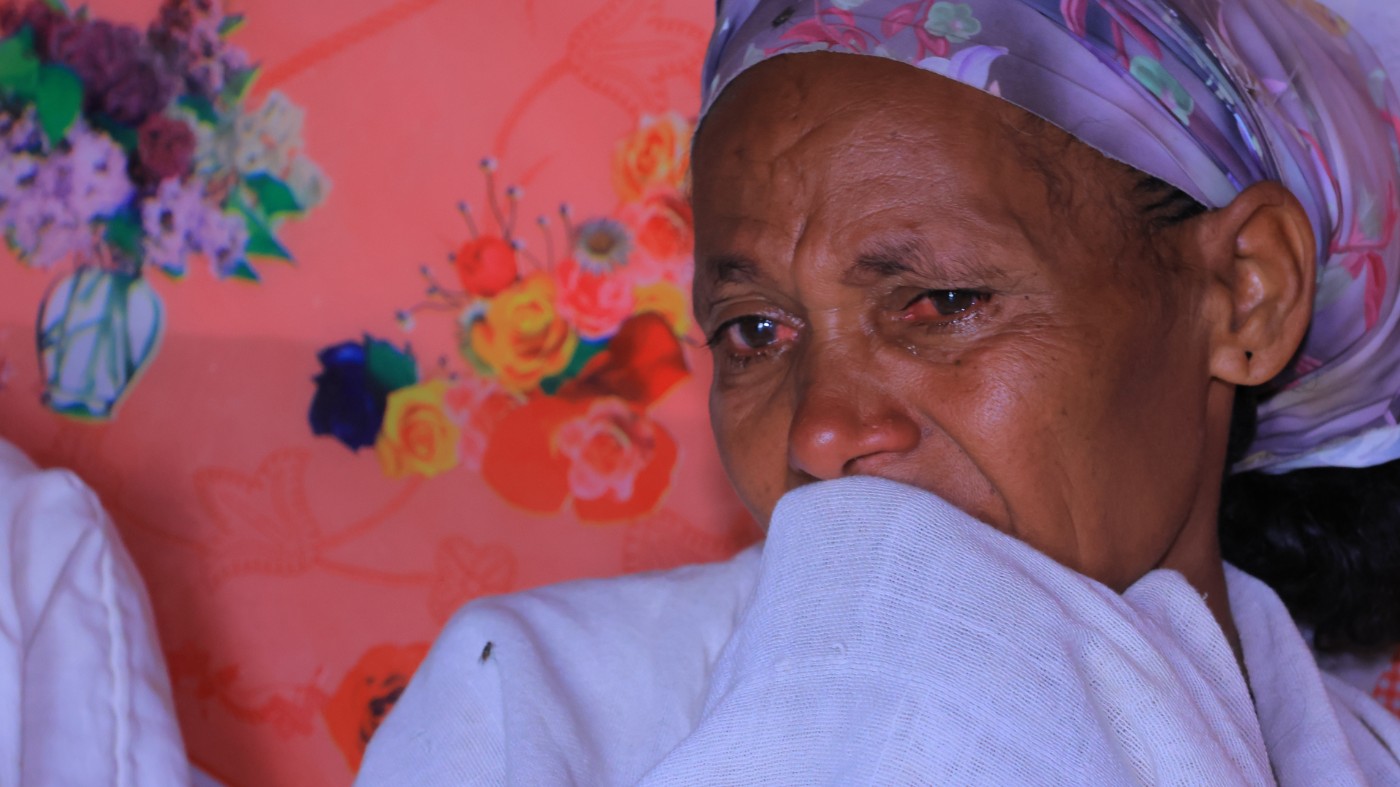
For the families of the three men executed in April, the grief is compounded by unanswered questions and a lack of closure. Back in Tigray’s Egela district, Kibrom Gebremariam’s family has already lost one son to migration: his older brother Merhawi was killed by Yemeni security forces three years ago, after crossing the border in 2020. “We anticipated Kibrom’s wedding, not his death. His murder has become an open wound for us,” said Gimja Gebremariam, Kibrom’s heartbroken mother. The 30-year-old had left Tigray 12 years earlier, fleeing a village with almost no economic prospects, dreaming of building a life that would let him support his family. He spoke to his father just one day before his execution, promising he would soon be home. His father, 60-year-old Gebremariam Gebrezgiabher, has been bedridden with shock since receiving word of his son’s beheading from fellow prisoners. “His death has killed a part of me and is made worse by the fact that I have nothing to bury,” he said. Saudi authorities have not released the men’s bodies to their families, leaving them unable to hold a proper burial.
For Tsigabu Hagos’ family in Tigray, the pain is just as raw. The 26-year-old was the only son among eight children, who left in 2020 hoping to build a business and lift his family out of poverty. “He wanted to have his own business, be self-sufficient and live a productive life,” his father Hagos Gebremeskel said, glancing at his son’s photo on a mobile phone. His mother Letekristos Gebretsadkan still struggles to process the loss: “I never thought they would kill my son. I wonder how much our son had been tortured before he was killed, if the family would ever get justice, if we would at least get the body of our son back.”
The flow of migration out of Tigray continues, even after the formal end of the war in 2022. Decades of political instability, armed conflict, and economic collapse have left youth unemployment at catastrophic levels, and many young people still face forced conscription into regional conflicts. Even the execution of her brother has not dissuaded Tsigabu’s 20-year-old sister Masho Hagos, who had to suspend her high school studies during the war, from planning her own journey to Saudi Arabia.
“Political instability, armed conflict and economic crisis are the major factors affecting the life of Ethiopian youths,” Hailemariam explained. “They are also forcefully recruited for military training and deployed as soldiers for both internal conflicts and cross-border war.”
Religious leaders from Tigray’s Catholic and Orthodox churches, as well as the president of the Tigray region, have issued formal appeals to Saudi Arabia to grant clemency to the hundreds of Ethiopian death row prisoners. Human rights organizations including Human Rights Watch and Amnesty International are calling on Saudi Arabia’s international partners to intervene immediately to halt the executions.
“Saudi Arabia’s willingness to execute foreign migrants for non-violent offences following trials that denied them basic due process reflects a profound disregard for their rights and lives,” said Nadia Hardman, senior refugee and migrant rights researcher at Human Rights Watch. “Saudi Arabia’s partners should urgently intervene before it is too late.”
Back in his Tigray village, Kibrom Gebremariam’s father has only one plea: an end to the wave of deaths that has shattered so many young Ethiopian lives, as migrants search for safety and opportunity abroad. “That must end,” he whispered, overcome by grief. For the hundreds of men still waiting on death row in Khamis Mushait, that intervention cannot come soon enough. “Every time the security guards knock on the door, we feel that our names will be called,” one unnamed prisoner told Middle East Eye.