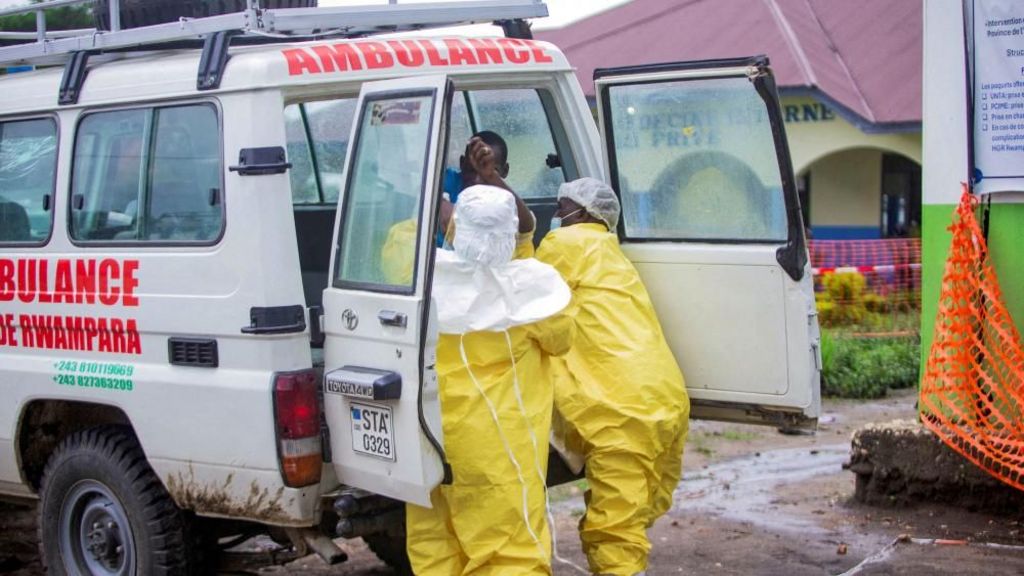
The ongoing cross-border Ebola outbreak that first emerged in the Democratic Republic of the Congo (DRC) and Uganda back in May has entered a new phase of response, after the World Health Organization (WHO) announced the launch of clinical trials for untested, potentially life-saving treatments for the rare virus strain driving the current spread.
WHO Director-General Tedros Adhanom Ghebreyesus confirmed Thursday that the first patient has already been enrolled in the trial at a treatment site in the DRC, marking a critical milestone in the global fight against the outbreak, which the WHO previously designated a public health emergency of international concern.
As of the end of June, official WHO data puts the total confirmed case count at 1,406 in the DRC alone, with an additional 301 suspected cases and 438 recorded deaths across the Central African nation. The outbreak has since spread beyond DRC borders: Uganda has reported 20 confirmed cases and two deaths as of July 1, while one imported confirmed case has been detected in France.
What makes this outbreak particularly challenging for global health authorities is that it is caused by the Bundibugyo strain of Ebola – one of six known Ebola species, for which there are currently no globally approved vaccines or specific treatments. Bundibugyo is a highly infectious strain that, like other Ebola variants, targets the body’s immune system and vital organs, often leading to severe complications and death if left untreated.
The multi-institutional trial is led by the WHO, with on-the-ground coordination and research support from three leading scientific bodies: the DRC’s own Institut National de Recherche Biomédicale, Belgium’s Institute of Tropical Medicine, and the University of Oxford in the United Kingdom. The trial will evaluate the safety and efficacy of two separate therapeutic candidates for treating Bundibugyo Ebola infections.
Addressing reporters at WHO headquarters in Geneva on Thursday, Tedros emphasized that even in the absence of approved targeted treatments, some patients have already recovered from the current outbreak. However, he added that access to proven, safe interventions would drastically reduce mortality from the disease.
“Even without approved therapeutics, people are recovering from this disease, but of course, we could save many more lives with safe and effective therapeutics in our toolkit,” Tedros told reporters.
Ebola, which originates in animal populations primarily carried by fruit bats, typically spills over to humans when people handle infected animal carcasses. Human-to-human transmission only occurs once an infected person develops symptoms, with an incubation period ranging from two to 21 days. Early symptoms mirror common tropical illnesses like influenza and malaria, starting with sudden onset of fever, headache, and fatigue, which can make early diagnosis challenging. Because Ebola strains are genetically distinct, vaccine and treatment development must be done separately for each variant to ensure effectiveness.