博客

  • Residents in eastern Congo cling to hope as a new Ebola treatment trial begins

    Residents in eastern Congo cling to hope as a new Ebola treatment trial begins

    In the heart of the expanding Ebola outbreak in the Democratic Republic of the Congo’s Ituri Province, local residents are clinging to new hope as international and Congolese health officials launch an urgent clinical trial of two experimental treatments for the rare Bundibugyo strain of the Ebola virus. The outbreak, which has already claimed more than 400 lives and infected over 1,400 people, has no approved vaccines or targeted therapies to date, making the new study a critical turning point in the public health response.

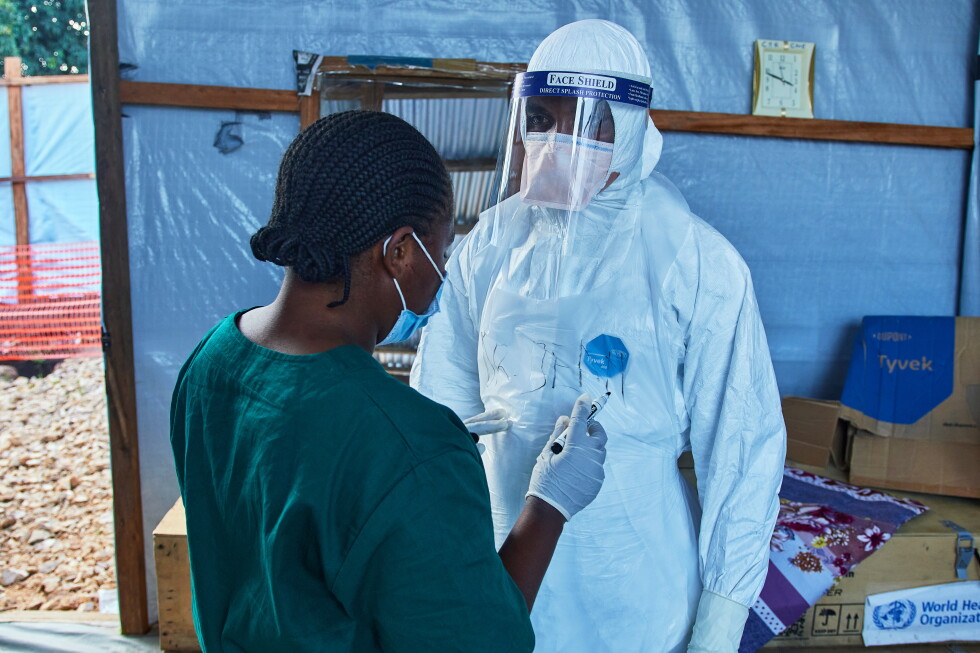
    The launch of the trial at Bunia’s Evangelical Medical Center Ebola treatment unit on Thursday proceeded with no fanfare, only quiet urgency. While ambulances ferried new suspected patients to the facility and healthcare workers suited up in multiple layers of heavy protective gear to enter isolated wards, the research initiative integrated seamlessly into the daily, life-or-death work of treating infected people. World Health Organization Director-General Tedros Adhanom Ghebreyesus confirmed the same day that the first trial participant had already been enrolled.

    The multi-partner trial, led by the WHO in collaboration with Congo’s National Biomedical Research Institute (INRB), Britain’s University of Oxford, the Antwerp Institute of Tropical Medicine, and the Africa Centres for Disease Control and Prevention (Africa CDC), is designed to test three treatment approaches: the standalone antiviral remdesivir, the experimental antibody therapy MBP134, and a combination of the two drugs. Researchers will track patient survival outcomes for 28 days following the start of treatment, explained WHO research advisor Dr. Vasee Moorthy.

    For the first phase of the trial, only confirmed Ebola patients receiving care at specialized treatment units will be eligible, according to Africa CDC emergency response head Professor Yap Boum. A second phase will expand eligibility to frontline healthcare workers, close contacts of confirmed cases, and other people at high risk of infection, who will also be able to access the experimental treatments. Placide Mbala, who coordinates laboratory operations for the outbreak response, noted that the trial could run between three and six months, with the timeline tied directly to how the outbreak progresses in the coming weeks.

    For many residents of Bunia, the launch of the trial has brought a rare glimmer of hope after weeks of rising fear and loss. Audrey Tengetenge, a local community member, described the research as a “light at the end of the tunnel,” saying “I hope everything moves very quickly so that we can find relief. We want nothing more than an end to this very dangerous disease, which continues to bring us grief.”

    Gladys Munguro, a Bunia resident who survived Ebola and was discharged from a treatment center just two weeks before the trial launched, shared that she watched multiple fellow patients die while receiving care herself. Now fully recovered, she says she is eager to contribute to the research: “This experimental phase is necessary for us. I will volunteer as soon as the next phase of the trials begins for high-risk individuals.” Munguro added that she hopes the new treatments will boost survival rates for current patients and help bring the worsening outbreak under control.

    Despite this widespread hope for progress, the trial and broader outbreak response still face significant barriers. Community mistrust of medical interventions runs deep in some pockets of the region: local shopkeeper Nelson Dhebi noted that while he supports scientific research and wants the outbreak to end, he worries the untested treatments could cause harm, and suggested that elected leaders should participate first. “Research should be carried out first and foremost on our elected representatives, as they are the ones who represent us,” he said.

    Mistrust is far from the only challenge. Overcrowded treatment facilities in the hardest-hit areas, delays in patients seeking care after developing symptoms, and ongoing regional violence that restricts access to conflict-affected communities continue to hamper response efforts. Nearly 75% of all Ebola deaths during this outbreak have occurred outside of formal health facilities, confirmed Pierre Akilimali, incident manager at Congo’s National Institute of Public Health, on Friday.

    For now, the trial is only being conducted at the Bunia treatment site, located in a region that has seen repeated violence targeting healthcare workers responding to the outbreak, which spreads through direct contact with infected patients’ bodily fluids. Officials have said they will expand the trial to additional locations once security conditions improve to allow safe operations. The report was filed by AP correspondent Banchereau from Dakar, Senegal, with on-the-ground contributions from Constant Same Bagalwa in Bunia. AP’s global health and development coverage for Africa is supported by funding from the Gates Foundation, with the AP retaining full editorial control over all content.
  • NATO chief may have to match his made-for-Trump sales pitch to keep a summit on the rails

    NATO chief may have to match his made-for-Trump sales pitch to keep a summit on the rails

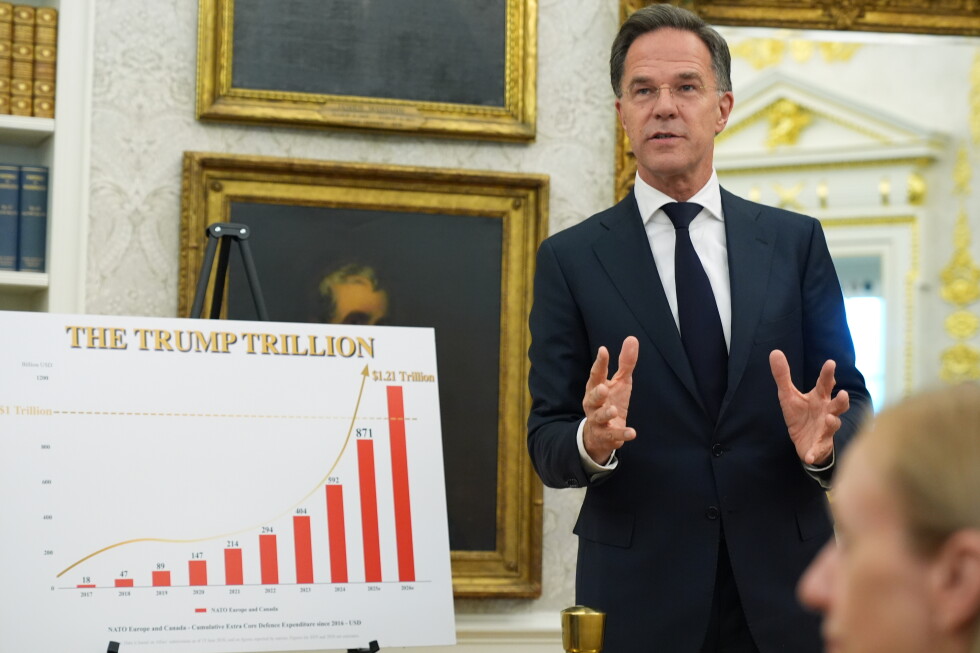
    As NATO prepares to convene its critical summit this week in Ankara, Turkey, the alliance’s top leader faces one of its most daunting existential tests: holding onto the commitment of the United States, the bloc’s military and political backbone, amid shifting demands from U.S. President Donald Trump that threaten to unravel decades of collective security.

  • US marks its 250th birthday with fireworks, flyovers and extreme weather

    US marks its 250th birthday with fireworks, flyovers and extreme weather

    On July 4, 2026, the United States marked its semiquincentennial — 250 years since the 13 original colonies signed the Declaration of Independence to break free from British rule — with a day of overlapping celebrations, disruptive extreme weather, and fresh political friction that laid bare the nation’s deep ideological divides. The day unfolded against a punishing regional heat wave that has gripped the Eastern U.S. for days, with temperatures hitting 100°F (37°C) in Washington D.C. and forecast peaks as high as 108°F (42°C) across Maryland, Delaware and New Jersey. The dangerous conditions forced the cancellation of dozens of community events from the Mid-Atlantic to Colorado, left nearly 900,000 homes and businesses across multiple states without power after severe thunderstorms swept through the region, and required volunteer organizers to distribute free ice water to attendees on the National Mall.

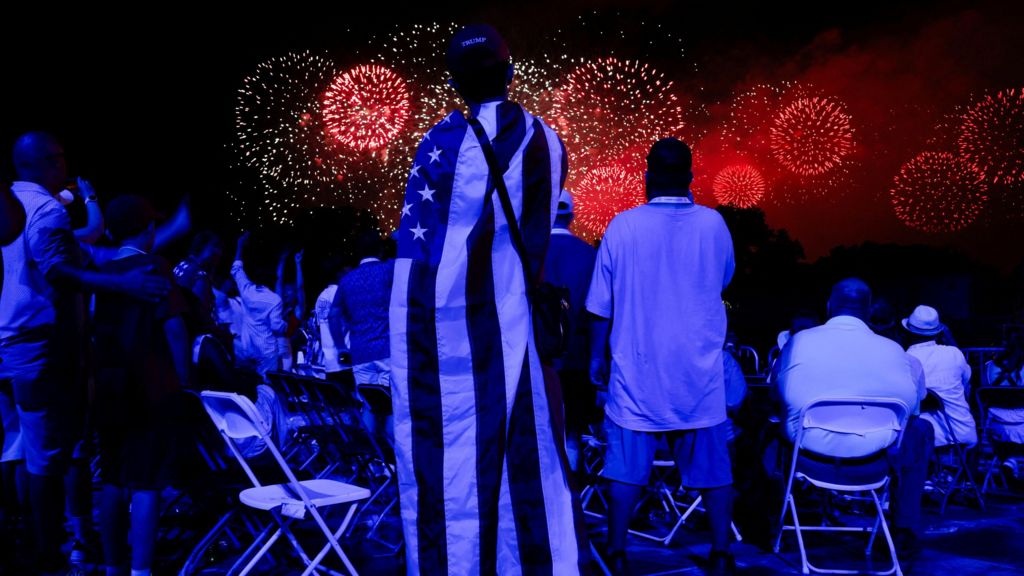
    At the nation’s capital, the day’s highest-profile event was a delayed rally headlined by President Donald Trump on the National Mall, part of his administration’s separately organized Freedom 250 celebration, which runs parallel to the congressionally mandated bipartisan America 250 initiative. Trump’s rally, which was pushed back hours after an early evening thunderstorm forced a full evacuation of the National Mall, opened ahead of what event organizers billed as the largest fireworks display in U.S. history. In remarks that wrapped up just before midnight, Trump leaned into familiar conservative political themes, rejecting communism, endorsing his preferred Save America Act legislation, and affirming the right to bear arms. He told the cheering crowd that “the American dream is back,” framing the milestone as the start of a new national era: “this is only the dawn of the golden age of America” with its destiny “written by God.” Closing his address, he declared, “May it rain forever and ever and ever, we will always be on top, we will never let our country fall, we will always be the best.” The massive fireworks display concluded around 1 a.m. in light rain, with attendees exiting the grounds after the finale. The event also featured a ceremonial flyover headlined by the newly updated Air Force One jet escorted by F22 Raptor fighter jets, alongside a pre-speech concert.

    Critics have widely accused Trump of politicizing the 250th anniversary by centering himself in the national milestone and splitting the official celebration into two competing efforts, with the independent America 250 framework noting that Freedom 250 is “separate in name and power” from the congressionally established initiative. Competing community-focused events organized under the America 250 banner unfolded across the country, including the nationwide “America’s Block Party” initiative that brought local gatherings to every U.S. state. Top musical acts performed at iconic landmarks across major cities: Ne-Yo and Mary J. Blige took the stage in New York City’s Times Square, The Smashing Pumpkins and Chaka Khan headlined in Los Angeles, and Christina Aguilera and Will Smith performed in Philadelphia, widely known as the birthplace of American independence where the Declaration was signed. In Philadelphia, bipartisan members of Congress gathered at Independence Hall earlier in the week to commemorate the 1776 independence vote, with a special flyover held the same day the city hosted a FIFA World Cup match between France and Paraguay. America 250 organizers also placed a time capsule on-site to be opened in 2226, holding artifacts ranging from a signed copy of the U.S. Constitution and a Coca-Cola bottle to representative items from all 50 states and U.S. territories. At George Washington’s Mount Vernon estate in Virginia, a naturalization ceremony welcomed 150 new citizens from 50 different countries, who took the formal oath of allegiance to the United States.

    Longstanding national traditions also went forward despite the heat: at New York’s Coney Island, the annual Nathan’s Famous International Hot Dog Eating Contest, held every Independence Day since 1972, saw competitive eating legend Joey Chestnut secure his 18th title after consuming 66 hot dogs in 10 minutes, while Miki Sudo claimed her 12th women’s championship with 38 and three-quarters hot dogs.

    The day was not without displays of division beyond political events: approximately 400 members of the white nationalist group Patriot Front, founded in 2017 after splitting from a white supremacist organization following the deadly Unite the Right rally in Virginia, marched in uniform and masked through central Washington D.C. near the U.S. Capitol and Union Station, carrying U.S. flags. Footage of the march was shared by the group on its own Telegram channel and spread rapidly across social media.

    All four living former U.S. presidents released public statements marking the milestone, offering reflections that touched on the nation’s ongoing work to live up to its founding ideals. Joe Biden, Trump’s immediate predecessor, recalled the Declaration’s core promise that all people are created equal, noting “We chose that path 250 years ago but that’s where the work began, not where it ended,” and warning that the promise of equal rights for all remains unfinished. Barack Obama, the nation’s first Black president, reshared excerpts of a recent speech emphasizing that “There’s more to do to fulfil the nation’s founding ideals. Every generation must take up the unfinished work of the last and carry it further – protecting what’s right, fixing what’s wrong, and making our union a little more perfect.” Former President George W. Bush called on Americans to engage actively with civic life, arguing “the next 250 years require Americans to be citizens, not spectators” who “take an active interest in the health and welfare of our country and the communities in which they live.” Former President Bill Clinton addressed the nation’s current political friction directly, writing “Today, we celebrate this milestone amid another period of deep division, renewed questions about America’s future and role in the world, and serious threats to our own institutions and to our democracy itself.”

  • As war grinds on, Ukrainian climbers build a new outdoor culture inspired by Yosemite

    As war grinds on, Ukrainian climbers build a new outdoor culture inspired by Yosemite

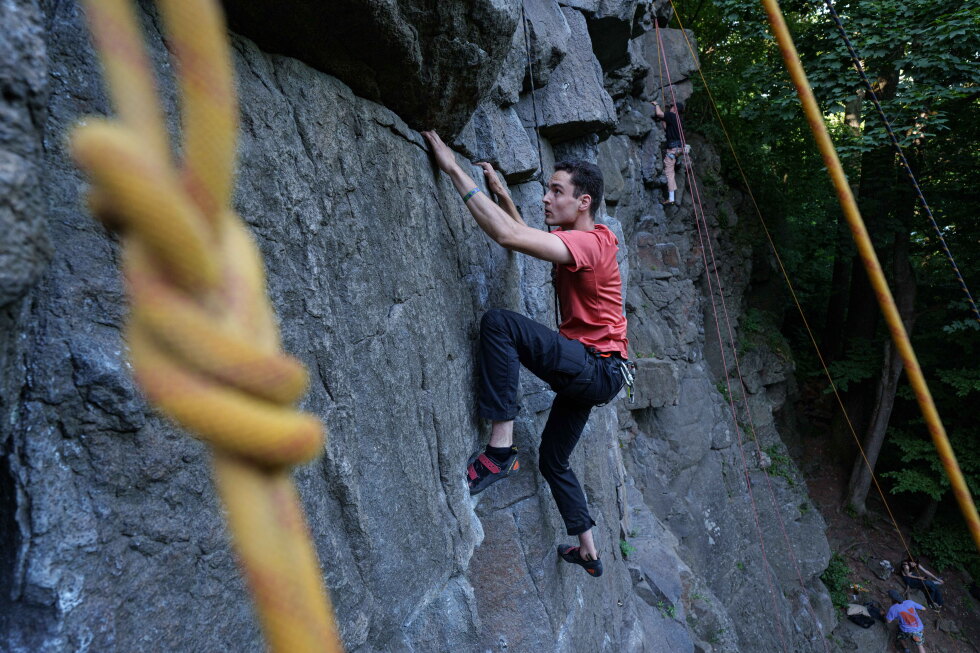
    Nestled atop a jagged granite bluff overlooking a winding river, just a two-hour drive west of Ukraine’s capital Kyiv, hundreds of people gathered last week for a unique celebration of outdoor adventure, music, and human connection. This was the 2024 Stoned Climbers festival, Ukraine’s largest outdoor gathering that merges rock climbing with live performances, held in the scenic Zhytomyr region. In a country weathering more than two years of full-scale war, this volunteer-led event balances the joy of ordinary leisure with constant, quiet reminders that conflict remains just over the horizon.

    By day, attendees spread across the landscape: experienced climbers scaled the steep cliff face, casual visitors cooled off in the nearby reservoir, and many tried their hand at stand-up paddleboarding on calm waters. When twilight fell, the forest came alive with sound, as live rock bands and electronic DJs took to the main stage, music drifting through the pine trees to the campground below. Unlike the 2023 iteration of the festival, when attendees watched Russian drones and missiles pass overhead en route to targets in Kyiv, this year’s event passed without enemy aircraft breaching the sky above the campsite. Still, air raid alert notifications pinged on attendees’ phones throughout the weekend, and off-duty soldiers blended quietly into the crowd of climbers and music fans. All profits from this year’s festival are donated to a fundraising campaign supporting Ukraine’s Azov Brigade, tying the event directly to the national war effort.

    The festival traces its roots back to 2023, when a group of 15 climbing-obsessed friends launched the gathering after bonding over their shared love of Yosemite Valley’s iconic climbing culture. The U.S. national park is widely viewed as the birthplace of modern rock climbing, where a distinct counterculture grew around backcountry camping, van life, and multi-month expeditions up the valley’s famous granite walls.

    “We realized climbing could be much more than just a competitive sport,” explained Dmytro Isaienko, 39, one of the festival’s co-founders. “It’s about a specific way of life — rooted in nature, camping, and time spent on the rocks.” The group set out to challenge the widespread belief that rock climbing is an exclusive hobby reserved for elite, professional athletes. Their first gathering in 2023 drew roughly 150 guests; this year, attendance surged to more than 500, the vast majority of whom are beginners or casual amateur climbers.

    Organizing any large public event during wartime brings unique challenges, but Isaienko says the conflict has also given the festival a deeper, more critical purpose. Creating shared, safe spaces where Ukrainians can gather, learn new skills, and connect with one another has become a vital tool to sustain mental and emotional well-being through the strain of prolonged war. “You need to get away from the war for a while,” he said. “Leave Kyiv and come spend some time here together, a little longer than usual.”

    On the rock face below the cliff top, patient instructors work one-on-one with complete beginners, walking them through fastening harnesses, chalking their hands, and spotting the next handhold on the granite. Every time a first-time climber pulls themselves to the top of the 25-meter cliff, spectators, fellow climbers, and instructors erupt in cheers and applause to celebrate the small victory.

    Among this year’s first-time attendees was 21-year-old Liliia Karpach, who traveled from the western Lviv region to attend her first Stoned Climbers festival. “I decided to come because it had been a very long time since I’d climbed on real rocks,” she said. “I also wanted to meet the community in person and get to know new people.” Karpach noted that climbing is as much a mental practice as it is physical exercise, and encouraged others to give it a try: “If you’re really nervous about coming on your own, invite some friends. Even if neither of you knows how to climb, you’ll have a good time together.”

    For 24-year-old instructor Andrii Lamei, helping new climbers build that confidence is the most rewarding part of the festival. While belaying a young first-time climber through the most challenging section of her ascent, he talked her through each movement step by step, helping her steady her nerves. As she climbed higher, her movements grew steadily more sure, and when she finally reached the top, Lamei encouraged her to pause before descending to take in the view. “Look around,” he shouted up to her. “Enjoy the moment. You made it.”

    Lamei says climbing is more than a hobby for Ukrainians navigating the stress of wartime: “Climbing helps you work with stress. It helps you manage stressful situations in everyday life.” Like most Ukrainian men of military age, Lamei is barred from leaving the country under wartime travel restrictions, so he cannot yet fulfill his dream of climbing iconic destinations abroad. “I want to go across the border to visit Yosemite, to visit Norway’s mountains, but I can’t,” he said. “But maybe this is how I’m forced to enjoy what I have here.”

    For Isaienko, that attitude is exactly what makes gatherings like Stoned Climbers so vital for Ukraine right now. While many Ukrainians have put large parts of their lives on hold during the war, he says the growing climbing community taking shape around the Zhytomyr cliffs proves that new traditions can still emerge even amid conflict. “This is a festival for everyone,” he said. “Including people who have never tried climbing before.” And every time another first-time climber reaches the top, the roar of applause rising from the base of the cliff makes clear that little by little, this community of resilience is growing.

  • Iran’s funeral diplomacy: The Quran verses that ranked allies, rivals and sent Saudi Arabia a message

    Iran’s funeral diplomacy: The Quran verses that ranked allies, rivals and sent Saudi Arabia a message

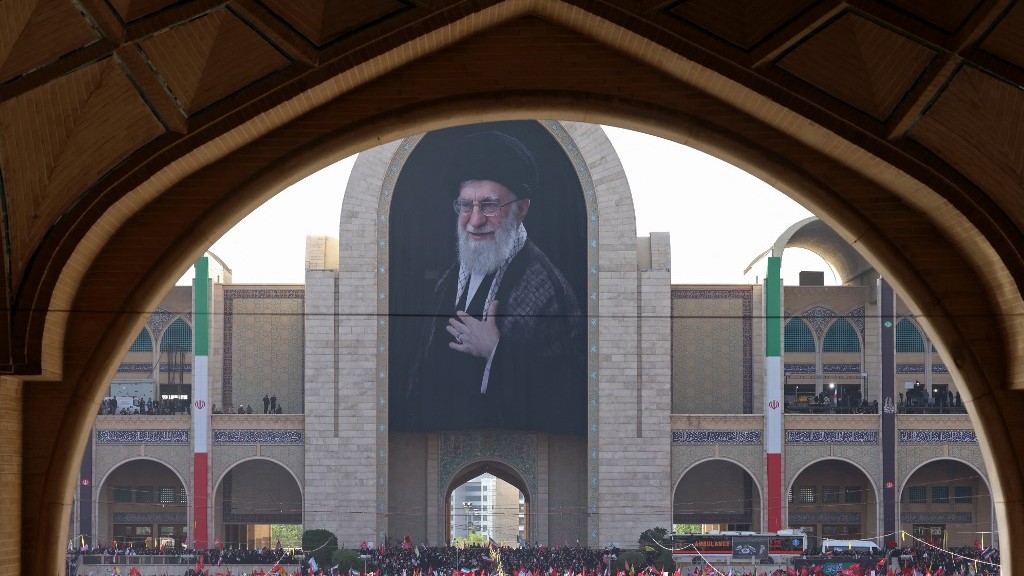
    The three-day lying-in-state of Iran’s assassinated Supreme Leader Ali Khamenei at Tehran’s Grand Mosalla was far more than a solemn religious funeral. It was a carefully staged display of state power, where every choice of ritual carried layered geopolitical meaning—none more striking than the selection of Quranic verses read aloud as foreign delegations stepped forward to pay their respects.

    Khamenei, 86, was killed alongside his 14-month-old granddaughter, son-in-law and daughter-in-law in a joint Israeli-US airstrike on his central Tehran residence on February 28, 2026. More than 30 national delegations traveled to Tehran for the funeral, a turnout that defied Washington and Tel Aviv’s long-standing efforts to isolate Iran on the global stage. For the Iranian state, the service served multiple overlapping goals: to unify its domestic public through shared grief and national pride, to reassure allies that the country remained stable and unbroken after the attack, to demonstrate strength to competing global powers, and to send clear, coded messages about where every nation stood in Tehran’s eyes.

    The most discussed of these coded verses came during the Saudi Arabian delegation’s visit. The officiant recited Verse 13 of Surah Al Imran, which recounts the 624 CE Battle of Badr—fought on what is now Saudi soil—where a vastly outnumbered, under-equipped Muslim force defeated a far larger opposing army “by the will of God”. The selection was no random choice; it carried dual, competing meanings that reflect the tangled relationship between Tehran and Riyadh today. On one hand, the verse evokes one of Islam’s earliest shared victories, a nod to common cultural and religious roots between the two regional rivals that have moved toward détente in recent years. On the other, it carries a sharp rebuke. During the recent war against Iran, Saudi Arabia maintained quiet alignment with the US and Israel, with some reports even alleging Riyadh carried out covert strikes against Iranian targets. Framed against that background, the verse is an explicit reference to what Tehran frames as its victory over US and Israeli aggression: a reminder that Iran held firm against vastly more powerful enemies, while Saudi stood on the sidelines—or even acted against it.

    Iran structured its verse selections to create a clear hierarchy of relationships, aligned with its regional ideological and geopolitical priorities. At the top of the hierarchy are the armed movements aligned with Iran’s “resistance bloc” against Israel and the United States: Hamas, Palestinian Islamic Jihad, Hezbollah, Yemen’s Houthis, Iraq’s Hashd al-Shaabi, and Afghanistan’s Taliban. Each received verses that centered on martyrdom, faithfulness, and promised victory. Hamas was greeted with a passage honoring those who have kept their pledge to God, unwavering in their commitment. Hezbollah received a verse promising the “upper hand” to true believers, framing military setbacks as part of a divine plan that separates the faithful from the uncommitted. The Houthis received a passage emphasizing loyalty, internal solidarity, and steadfastness against external enemies. Hashd al-Shaabi was read the iconic line affirming that martyrs “in the cause of God” are not dead, but alive beyond mortal perception. Both Palestinian Islamic Jihad and the Taliban received the opening of Surah Al-Fath, which promises “a clear triumph” and forgiveness of past failings. The shared selection for the two disparate movements signals their equal place in Tehran’s ideological kinship, and hints that the Taliban’s victory over the United States could be replicated by Palestinians against Israeli occupation.

    Next in the hierarchy are major non-aligned and friendly states: Russia, China, India, and Egypt. These nations received calmer, less militarized verses focused on righteousness, reassurance, and mutual goodwill, rather than battle and resistance. Russia’s verse promised an eternal home to those who reject tyranny and corruption, affirming that the final outcome favors the righteous. China’s selection was even more gentle: “God ordained this only as good news for you and reassurance for your hearts. And victory comes only from God.” India received a toned-down excerpt of the same passage given to Hezbollah, omitting references to martyrs and enemies to reflect its neutral diplomatic stance. Egypt’s second recitation praised “those who believe and do good” as “the best of all beings,” a gentle note of thanks. These verses read as a gesture of gratitude to trusted partners that Iran wants to keep close, rather than ideological recruits to draw into its regional resistance campaign.

    In the middle tier sit states that maintain ties with Iran but have declined to embrace its ideological agenda: Qatar, Turkey, Pakistan, and Egypt’s first recitation. Qatar, a key mediator between Iran and Western powers, received the same “clear triumph” verse given to the resistance movements, but softened to reflect its diplomatic, rather than military, role. Turkey, which stayed out of the war and openly criticized Israel’s expansionist aims, received a verse honoring those who sacrifice wealth and life for their cause, a subtle nod to Ankara’s rhetorical support without full alignment. Pakistan, which joined Qatar in leading diplomatic outreach to bridge the US-Iran divide, received a verse focused on honorable entry and exit, recognizing its neutral mediating role. Egypt’s first recitation promised eternal reward to the pious, with no battlefield imagery at all. All these states are recognized as friendly but keep one foot outside Iran’s resistance bloc, a balance reflected in their verse selections.

    The funeral ritual also included clear, coded reprimands for states Tehran sees as falling short of their obligations. Beyond the subtle rebuke of Saudi Arabia, Iran leveled an open critique at the Lebanese government, contrasting it sharply with the high praise given to Iran-backed Hezbollah. For Lebanon’s official delegation, Iran selected Verse 66 of Surah An-Nisa: “If We had commanded them to sacrifice themselves or abandon their homes, none would have obeyed except for a few. Had they done what they were advised to do, it would have certainly been far better for them and more reassuring.” The message was impossible to miss: Tehran has long criticized the Lebanese government for failing to support Hezbollah’s resistance against Israeli occupation, and even for cracking down on the group’s activities. The verse directly calls out the state’s reluctance to make hard sacrifices for the regional cause.

    In every layer of the ritual, the funeral served as a reminder that even after the assassination of its long-time leader, Iran remains a central player in regional politics, far more integrated into global and regional affairs than its rivals claim. The coded verses did more than honor the dead: they mapped out the current shape of Middle East geopolitics, from Tehran’s perspective.

  • England returns to Estadio Azteca but isn’t seeking revenge over Maradona in 1986

    England returns to Estadio Azteca but isn’t seeking revenge over Maradona in 1986

    MEXICO CITY — For England’s national football team, the only previous competitive match played at Mexico City’s legendary Estadio Azteca is a memory that still stings, four decades after the final whistle blew. The fateful 1986 FIFA World Cup quarterfinal between England and Argentina remains one of the most celebrated and controversial matches in the sport’s global history, a contest defined by two once-in-a-lifetime, opposing goals from Argentine icon Diego Maradona that sealed a 2-1 win for Argentina on their path to lifting that year’s World Cup trophy.

    That game has lived rent-free in the minds of football supporters across the world for 40 years. Maradona’s first goal, the infamous “Hand of God”, saw the attacker punch a looping loose ball past England goalkeeper Peter Shilton with his left hand, a moment of unpunished cheating that has become legendary. Just minutes later, Maradona scored what is widely known as the “Goal of the Century”: he collected possession deep in his own half, then weaved past five England outfield players in a mesmerizing run that ended with a clinical finish to seal what many still rank as the greatest goal in World Cup history.

    On the eve of England’s 2026 World Cup Round of 16 clash against co-host Mexico at the same iconic venue, Three Lions head coach Thomas Tuchel sat down with reporters Saturday to address the heavy historical baggage waiting for his squad at the Azteca. Today, the stadium honors Maradona’s iconic 1986 performance with a permanent plaque mounted in one of the player tunnels leading out to the pitch. When the venue is not hosting World Cup matches, hundreds of tourists, most of them Argentine supporters, line up daily to snap photos with the commemorative marker on stadium tours.

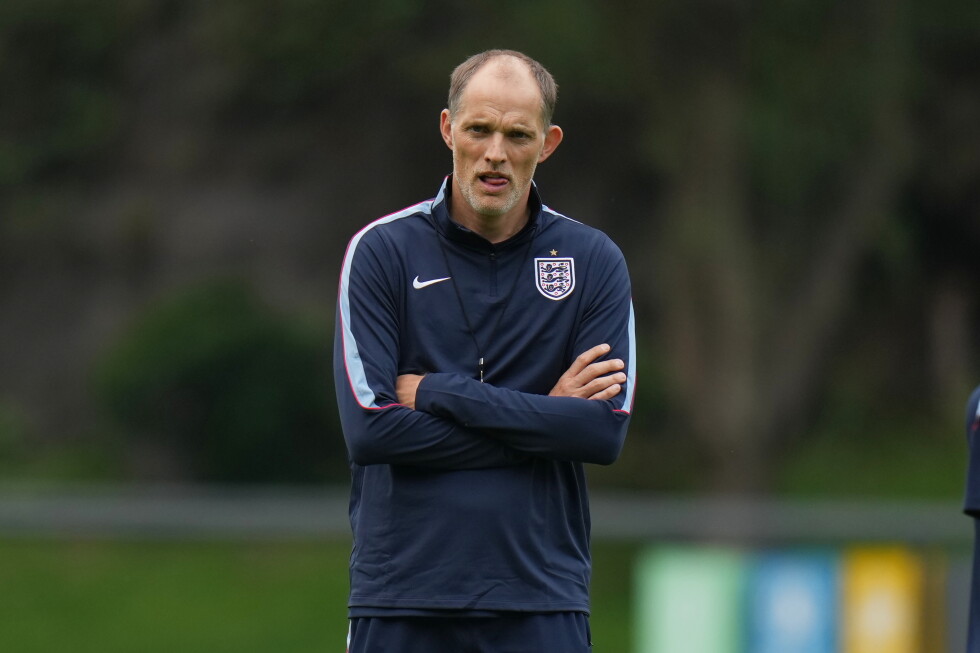
    Acknowledging the lasting pain of that 1986 defeat for English football, Tuchel made clear that his squad is not heading into Sunday’s knockout match craving revenge. “It’s something that still hurts; the wound is open, but we aren’t here for revenge,” Tuchel told reporters. The veteran coach, who is leading England at a World Cup for the first time, emphasized that the context of this match is entirely different from the 1986 quarterfinal. “It’s the same stadium, but not the same opponent — and even if it were, looking for revenge wouldn’t make sense,” Tuchel said. “We are here to write a new chapter.”

    Four decades on from England’s heartbreaking 1986 loss to Argentina, the narrative has completely shifted in 2026. This time around, England do not face Maradona and his Argentine side, but host nation Mexico, who are playing in front of a home crowd hungry to end a 40-year drought and reach the World Cup quarterfinals for the first time since 1986.

    Mexico will bring more than just home advantage to Sunday’s clash: the Azteca sits at more than 7,200 feet (2,200 meters) above sea level, a high altitude that has long been a tough challenge for visiting teams unaccustomed to the thinner air. Tuchel also expects the home crowd to create a raucous, intimidating atmosphere that will test his squad’s resolve. “It will take a lot of courage to put out a top performance against Mexico. But we have a brave team,” Tuchel said. “We have an experienced team and at the same time a young team who is ready to take these challenges.”

  • Pastor freed from prison in China weeks after Trump requested his release

    Pastor freed from prison in China weeks after Trump requested his release

    In a development that has drawn international attention, high-profile Chinese underground church pastor Ezra Jin Mingri has been released from detention and arrived in Los Angeles over the weekend to reunite with his family, according to confirmation from his relatives and international human rights advocates.

    Ezra Jin was among 18 leaders of Zion Church — one of China’s largest unregistered underground Christian congregations — taken into custody during a sweeping October 2018 crackdown, the largest single action against an independent religious community in China in decades. The detentions sparked widespread international concern over expanding restrictions on religious practice under the Chinese government’s campaign to Sinicize organized religion, a policy that demands all religious groups align their activities with the ruling, officially atheist Communist Party of China’s ideological priorities.

    Less than two months before Ezra Jin’s release, former U.S. President Donald Trump raised the pastor’s case during a high-level bilateral meeting with Chinese President Xi Jinping during Trump’s state visit to Beijing. In comments to reporters on the flight back to Washington after the summit, Trump confirmed he had brought up both the detainment of Jin and the case of imprisoned Hong Kong pro-democracy activist Jimmy Lai, noting that Xi had indicated he would give Jin’s case consideration, while calling Lai’s case a more complicated issue. The 78-year-old Lai, a former business leader and publisher of a Beijing-critical Hong Kong newspaper, was ultimately sentenced to 20 years in prison in February 2024 on national security charges.

    A written statement released by Jin’s family confirmed the pastor’s release proceeded at an unexpectedly rapid pace, extending public gratitude to Trump and acknowledging that the release would not have been possible without direct intervention from Xi. The family also added a hopeful note to the announcement: “We hope this is a signal of a positive turn for people of faith in China and relations between our two nations.”

    International rights organizations have welcomed Jin’s release while urging further action on remaining detentions from the 2018 crackdown. “At least 8 members of Zion Church remain detained in China,” Maya Wang, senior researcher at Human Rights Watch, wrote in a public post on X. “They should all be freed.”

    Unregistered house or underground churches like Zion operate outside China’s state-mandated religious framework, which requires all organized religious worship to take place in government-registered congregations. For years, Zion Church had operated independently in adherence to the founding principle that the church should answer only to religious authority rather than state oversight, a position that has repeatedly put it at odds with Chinese authorities. Ezra Jin had relocated his immediate family to the U.S. after a prior crackdown targeted the congregation in 2018, but he chose to return to China to continue leading the church despite well-documented risks. In November 2024, his daughter Grace Jin Drexel, a U.S. resident, told a U.S. congressional committee that she had not seen her father in six years ahead of his October 2024 detention.

    As of Saturday, the White House had not issued an immediate formal response to requests for comment on Jin’s release. The report was compiled by correspondent Moritsugu with contributions from Washington-based reporter Will Weissert.

  • A trailblazer whose stage experiments transformed Indian theatre

    A trailblazer whose stage experiments transformed Indian theatre

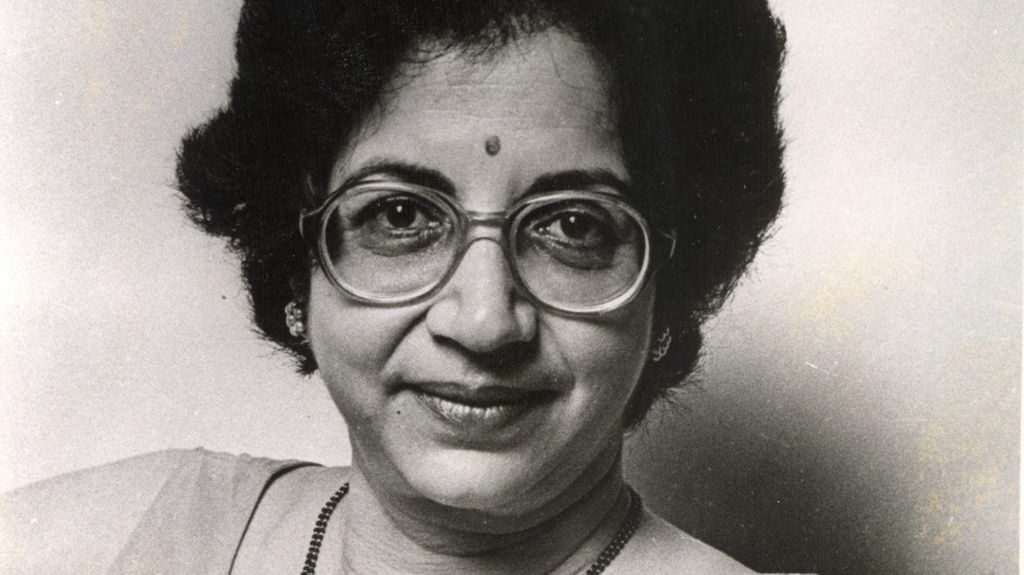
    The Indian performing arts community is mourning the loss of one of its most transformative figures, Vijaya Mehta, who passed away last week at the age of 92 after a decades-long career that redefined the trajectory of Marathi theatre.

    Born in 1934 in Vadodara, located in modern-day Gujarat, Mehta grew up in a family rooted in acting. Despite a clear path opening up to her in mainstream commercial cinema, she made the deliberate choice to dedicate her life to theatre, a decision that would reshape regional performing arts for generations. Her introduction to Marathi stage work came during her college years, when a professor encouraged her to pursue acting, and she later honed her craft under the mentorship of Ebrahim Alkazi and Adi Marzban, two foundational pioneers of modern Indian theatre, absorbing their commitment to bold creative experimentation.

    Widely credited with spearheading the modernization of Marathi theatre through the 1960s and 1970s, Mehta broke dramatically from the field’s long-held traditions of over-the-top melodrama and opulent, unrealistic sets. Instead, she crafted experimental works centered on the everyday lives of ordinary people, bringing layered, flawed, authentic characters to the stage that resonated deeply with Maharashtra’s growing middle-class audience, who for the first time saw their own experiences reflected truthfully in theatrical performances.

    In 1960, the same year that the Bombay Reorganisation Act established the new state of Maharashtra, Mehta co-founded Mumbai’s landmark experimental theatre collective Rangayan. The group went on to stage some of the most daring productions in Marathi theatre history, while nurturing a new generation of acting and writing talent. Mehta also expanded the boundaries of Marathi theatre by introducing audiences to fresh takes on Sanskrit classics, new productions from iconic Marathi playwrights such as Vijay Tendulkar, and innovative adaptations of works by global theatrical legends including Bertolt Brecht and Anton Chekhov.

    Beyond her work on the stage, Mehta built an acclaimed career in film as a director and actor. Her best-known features include 1985’s *Rao Saheb*, a period drama following a 19th-century reformist lawyer in Maharashtra, and 1988’s *Pestonjee*, a nuanced exploration of love, infidelity, and friendship among the Parsi community of 1950s Mumbai. For more than a decade, she also served as chairperson of Mumbai’s National Centre for the Performing Arts (NCPA), collaborating with leading Indian artists and iconic international theatre figures such as Peter Brook and Eugenio Barba.

    Throughout her career, Mehta mentored countless artists who would go on to find fame across Indian stage and cinema, including well-known Bollywood actors Nana Patekar and Anupam Kher. In tributes shared following her death, peers, protégés, and public figures have celebrated her enduring legacy. Maharashtra politician Raj Thackeray noted that Mehta emerged at a pivotal moment when Maharashtra was undergoing rapid social change, industrialization, and expanding access to education, and that she filled a critical need for a new, modern approach to Marathi theatre. Playwright Mahesh Elkunchwar, whose early one-act works Mehta directed and produced through Rangayan, recalled that the collective prioritized artistic exploration over fame or profit, writing “When I joined hands with Bai [Madam], as Vijaya was called, I knew that I had found my home ground. We were not interested in entertaining; fame and money were not even on our radar. We wanted to explore theatre, art and life through our work.”

    Veteran actor Anupam Kher, who led the cast of *Rao Saheb*, recalled Mehta’s rigorous, insightful approach to directing, writing “I had already done a few films by then and thought I understood something about acting. But every rehearsal with her reminded me how vast the ocean of this craft really is. In front of her wisdom, her understanding of human behaviour, and her extraordinary sensitivity, I happily became a student again.”

    Mehta leaves behind an unmatched body of work and an indelible mark on Indian performing arts. Her death has left an unfillable void in the Indian theatre community, with actress Sonali Kulkarni summarizing the widespread grief and gratitude: “To say that your passing is our loss would be too small a thing to say. We would only diminish what you truly gave us. The richness your presence brought, the abundance you gifted to the theatre is something we can never fully repay.” Over her career, Mehta earned some of India’s highest arts honors, including multiple National Film Awards for acting and direction, and the Padma Shri, a top civilian award granted by the Indian government, in recognition of her transformational contribution to modern Indian theatre.

  • France survive Paraguay’s ‘disgraceful’ and ’embarrassing’ dark arts

    France survive Paraguay’s ‘disgraceful’ and ’embarrassing’ dark arts

    The 2026 FIFA World Cup’s round of 16 delivered one of its most bad-tempered encounters in Philadelphia, where France battled both extreme heat and a physical, aggressively tactical Paraguay side to secure a 1-0 victory and book a quarter-final spot against Morocco. Playing in brutal conditions that saw kick-off temperatures hit 38.3C – one of the hottest in World Cup history, just short of the 43C record set at the 1994 tournament between Ireland and Mexico – Les Bleus entered the match as heavy favorites, having breezed through earlier rounds with free-flowing, high-scoring football. For France, chasing a second consecutive World Cup title after their 2018 triumph, this match would demand a far grittier performance than any they had given so far in the competition.

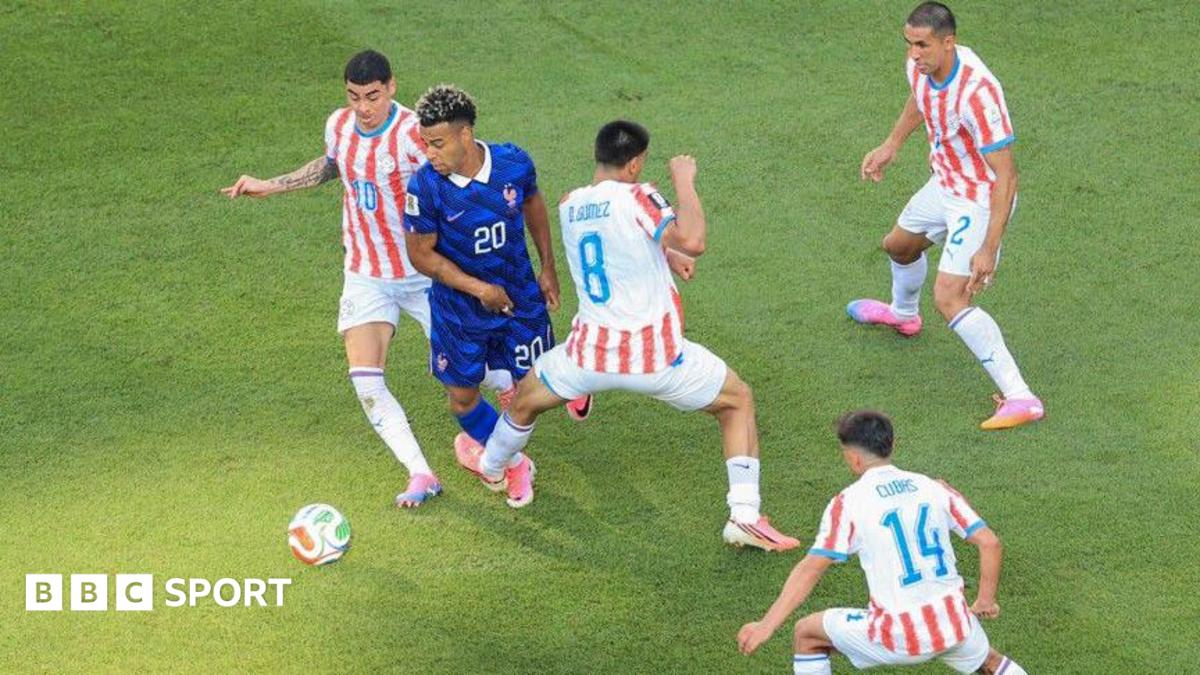
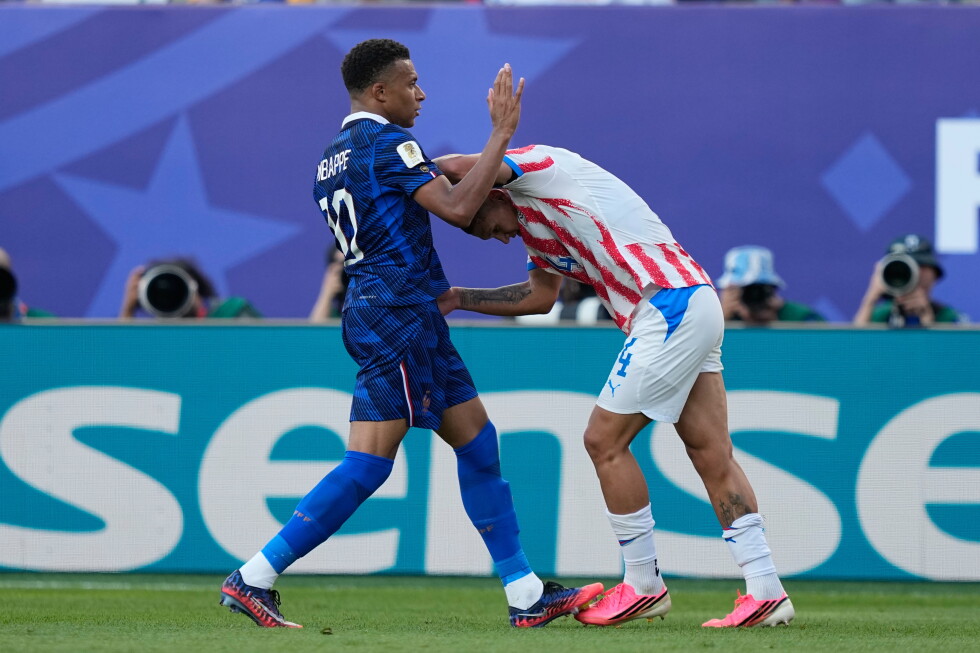
    Paraguay arrived at this fixture with plenty of goodwill from neutral fans, having pulled off one of the tournament’s biggest upsets in the previous round by knocking out four-time winners Germany on penalties. But any positive reputation they earned quickly evaporated in the Philadelphia heat, as the South American side deployed a array of aggressive, unsportsmanlike tactics targeted at disrupting France’s rhythm, most notably focusing on star forward Kylian Mbappe. Multiple high-profile fouls went unpunished by Uzbek referee Ilgiz Tantashev, who faced widespread criticism for failing to exert control over the match: Andres Cubas avoided a booking after a bone-rattling challenge on Adrien Rabiot, Juan Jose Caceres escaped sanction for kicking out at Mbappe, and Gabriel Avalos did not receive a card for elbowing Dayot Upamecano in the stomach late in the game as Paraguay pushed for an equalizer. Astonishingly, three French players received cautions over the course of 90 minutes, while not a single Paraguayan player was booked. Even off-the-ball incidents were rife: Matias Galarza attempted to trick officials into booking Michael Olise by going down easily after a minor shirt tug, and put his hand directly in Jules Kounde’s face during off-the-ball scuffles.

    Former England goalkeeper Joe Hart, working as a pundit for BBC One, did not hold back in his criticism of Paraguay’s conduct. “Paraguay’s players were an absolute disgrace,” Hart said. “If they were on my team, I’d be dragging them off the pitch. I love how Mbappe has behaved in this game. The Paraguay players have come for him from minute one. When he was laughing at the players, he is allowed to be arrogant. The referee didn’t help in any circumstances. The fact that not one Paraguayan was booked inside the 90 minutes is astonishing.”

    Former England defender Micah Richards echoed that sentiment, noting that Paraguay’s strong defensive play made their antics unnecessary. “It was embarrassing to see,” Richards said. “Paraguay are better than that. Defensively they were so good and they didn’t need to get into these antics.” Former Germany midfielder Thomas Hitzlsperger went further, saying he had no respect for Paraguay over their performance. “If you are from Paraguay, you probably like the team – they are like warriors,” he explained. “If you are French or neutral, you can have no respect for them any more. This is not just disgraceful, this is even worse.”

    The defining moment of the match came with 20 minutes remaining, when Diego Gomez brought down Desire Doue in the penalty area. After initially waving away appeals, referee Tantashev reviewed the incident on the pitchside monitor at the encouragement of VAR and awarded France a penalty. Even before the kick, Paraguay players continued their gamesmanship: the entire team crowded Tantashev to delay the penalty, while Gustavo Velazquez deliberately scuffed the penalty spot to disrupt Mbappe’s run-up. Mbappe kept his composure, however, and converted the spot kick to score his seventh goal of the tournament, pulling him level with Lionel Messi at the top of the Golden Boot race. The goal also took Mbappe’s all-time World Cup tally to 19 goals in 19 tournament matches, leaving him just one behind Messi’s all-time knockout stage record. Remarkably, since 2018, Mbappe has scored more World Cup knockout goals (11) than entire elite nations including Brazil (10), England (10), Portugal (9) and Spain (4).

    Tensions did not ease after the penalty, or even after the final whistle. After the match ended, Velazquez attempted to confront French players, sparking a minor scuffle on the pitch. French manager Didier Deschamps, who made history on the night by becoming the first head coach to record 10 World Cup knockout stage victories, revealed that his side had endured verbal abuse from the Paraguayan bench throughout the second half. “There were some insults from the other bench we could have done without,” Deschamps said in his post-match press conference. The French manager added that he had anticipated Paraguay would target Mbappe late in the game, instructing his physically largest players to surround the forward to protect him from potential rough challenges. “I asked the two biggest lads to go and stand around Kylian at the end because they were going to chop him down,” Deschamps explained. “It wasn’t easy. They use every trick in the book. It’s not the kind of football that will bring people to the stadium, but they defended well. It is always difficult against these South American teams.”

    Mbappe, who laughed off Paraguay’s repeated provocations on the pitch instead of responding with aggression, offered a characteristically calm assessment of the win after the final whistle. “We know how to play ugly football,” Mbappe said. “They [Paraguay] thought we’d show up in tuxedos, but we were ready. Even at that game, we were better than them. That’s their style of football – there’s no right or wrong way to play the game. They tried to beat us that way, but we won.”

    French players echoed Mbappe’s perspective, framing the hard-fought win as proof that Les Bleus can win in different ways, after cruising through earlier rounds with high-scoring, attractive football. Defender William Saliba, a Premier League winner with Arsenal, said France had prepared for Paraguay’s physical approach. “They were going to come at us hard, commit fouls, and try to provoke us,” Saliba said. “We had to stay in the game, because if we started wasting energy, getting into arguments, and losing our focus, things wouldn’t go well. It’s not easy, but sometimes it feels good to win a tough match like this, because since the start of the tournament, we’ve been used to scoring three goals. Today, it was a 1-0 win, but it’s just as valuable.” Forward Rayan Cherki added that the match proved France could compete through a physical battle as well as they do through free-flowing attack: “We knew it was going to be a fiercely contested match. But it was important to us to play a game like this during the World Cup – to remind everyone that the French team can play beautiful football, but can also go to war.”

    BBC football issues correspondent Dale Johnson argued that the root of the match’s bad temper lay in the referee’s failure to establish control early on, a problem amplified by the 2026 World Cup’s mandate for referees to allow more physical play to promote free-flowing football. Johnson noted that referee Michael Oliver set a clear tone in an earlier round of 16 match between Canada and Morocco, handing out six yellow cards before half-time to clamp down on foul play, which led to a calmer second half with only two additional cautions. That stands in stark contrast to Tantashev’s performance in Philadelphia: while the official foul count was 13 for Paraguay and 11 for France, that statistic does not reflect the multiple unpenalized tactical and off-the-ball fouls committed by the South American side. The only correct decision that led to France’s win came via VAR intervention, not the referee’s initial call, Johnson added.

    With the win secured, France now advance to the quarter-finals, where they will face Morocco at Boston Stadium on Thursday, with kick-off scheduled for 21:00 BST.

  • Paraguay gets physical in a heated World Cup loss to France in steamy Philadelphia

    Paraguay gets physical in a heated World Cup loss to France in steamy Philadelphia

    PHILADELPHIA — The final 2026 FIFA World Cup match hosted at Lincoln Financial Field, the home stadium of the NFL’s Philadelphia Eagles, will be remembered far more for its brutal physicality than its on-pitch flair, after France edged Paraguay 1-0 in a tense Round of 16 knockout clash marred by unsportsmanlike contact and post-match friction.

    Paraguay, known colloquially as La Albirroja, adopted a bruising, physical playing style that drew comparisons to the hard-hitting bone-crunching contact common in the NFL games held at the same venue. While Eagles head coach Nick Siranni would likely approve of such aggressive intensity, the French side, Les Bleus, was left frustrated and sore by the constant foul play.

    France midfielder Manu Koné summed up the chaotic experience of playing against Paraguay’s approach, noting he had never encountered a match with so many unregulated hard challenges. “I mean, cheap shots, shoves in the back. So, yes, it was complicated,” Koné told reporters after the final whistle.

    Much of Paraguay’s aggressive attention focused on French star forward Kylian Mbappé, who ultimately netted the match’s only goal from a 70th-minute penalty that carried France into the quarterfinals. Multiple Paraguay players targeted Mbappé through unmarked, off-the-ball contact throughout the first half: in the 35th minute, Andrés Cubas dragged Mbappé to the ground in the attacking third, sparking a mass confrontation between both squads. Before halftime, Matias Galarza caught Mbappé with an off-the-ball challenge that sent the French star sprawling across the turf. In the 77th minute, Juan José Cáceres kicked Mbappé sharply on the right shin. Shockingly, none of these hard fouls drew a yellow card from the match officials.

    In a striking turn of refereeing, France received all three of the yellow cards issued during regulation play. Paraguay only picked up a single yellow card after the final whistle, when one of its staff and players argued with the referee over calls.

    Paraguay’s aggressive game plan did not catch France off guard, Mbappé said after the match. “We knew what kind of match it was going to be. We can also get our hands dirty. We know how to do it. We know how to play ugly football. Guess they were expecting us to show up playing fancy pretty football, but we were ready. Even at that kind of game, we were better than them,” the star forward added.

    Temperatures ran as high off the pitch as they did on it, with the match played in scorching Philadelphia heat. After the final whistle, tensions boiled over when players from both sides converged at the center circle for a post-match shouting match. Paraguay goalkeeper Orlando Gill threw a football directly at Mbappé’s back, an action he later defended by saying he had tried to shake Mbappé’s hand and lost his temper when the French star did not acknowledge him.

    Gill defended La Albirroja’s tactical approach, saying the squad had planned from kickoff to impose itself physically on France. “From the very first moment, we set out to make our presence felt on the pitch — to play hard. If the ball gets through, the man doesn’t. And, honestly, I think the team handled itself well,” Gill said.

    France head coach Didier Deschamps offered a scathing rebuke of Paraguay’s tactics, arguing the aggressive approach had no place in elite international football. “They pull out every trick in the book. It’s not the kind of football that draws people to the stadium. Each team played the way they want. But there were insults from the other bench that I could do without,” Deschamps said.

    Verbal altercations also broke out on the pitch during play, with Mbappé and Galarza caught in a heated shouting match at one point. At multiple junctures during the match, observers joked that the referee could have used American football-style penalty flags to keep up with the constant foul play that went unpunished.

    For France, the messy result was still a win that keeps their World Cup title hopes alive. “We fought a battle,” French defender William Saliba said after the match. “We won the battle.”