In the heart of the expanding Ebola outbreak in the Democratic Republic of the Congo’s Ituri Province, local residents are clinging to new hope as international and Congolese health officials launch an urgent clinical trial of two experimental treatments for the rare Bundibugyo strain of the Ebola virus. The outbreak, which has already claimed more than 400 lives and infected over 1,400 people, has no approved vaccines or targeted therapies to date, making the new study a critical turning point in the public health response.
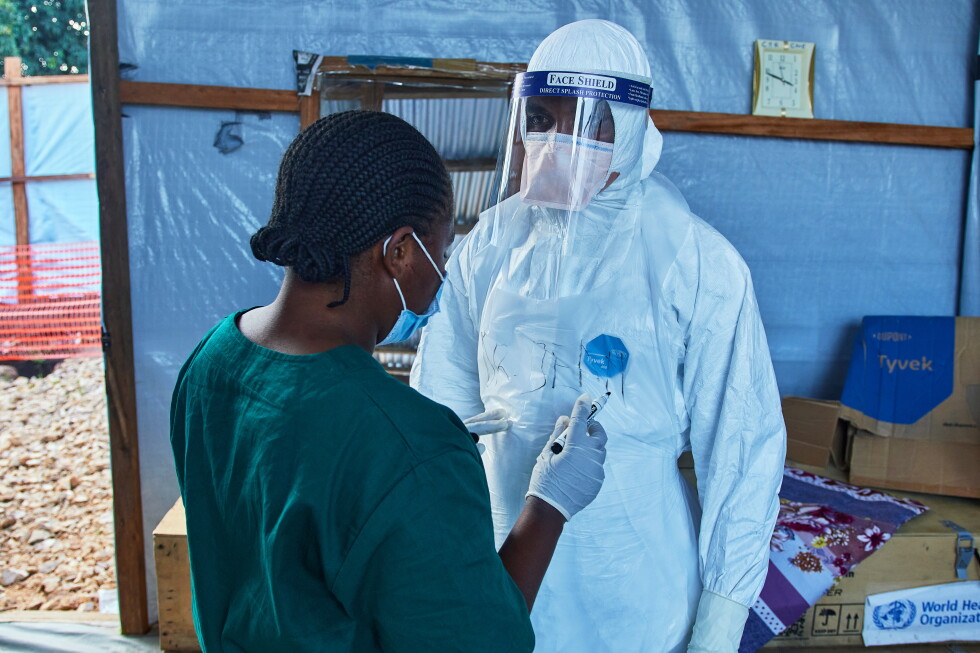
The launch of the trial at Bunia’s Evangelical Medical Center Ebola treatment unit on Thursday proceeded with no fanfare, only quiet urgency. While ambulances ferried new suspected patients to the facility and healthcare workers suited up in multiple layers of heavy protective gear to enter isolated wards, the research initiative integrated seamlessly into the daily, life-or-death work of treating infected people. World Health Organization Director-General Tedros Adhanom Ghebreyesus confirmed the same day that the first trial participant had already been enrolled.
The multi-partner trial, led by the WHO in collaboration with Congo’s National Biomedical Research Institute (INRB), Britain’s University of Oxford, the Antwerp Institute of Tropical Medicine, and the Africa Centres for Disease Control and Prevention (Africa CDC), is designed to test three treatment approaches: the standalone antiviral remdesivir, the experimental antibody therapy MBP134, and a combination of the two drugs. Researchers will track patient survival outcomes for 28 days following the start of treatment, explained WHO research advisor Dr. Vasee Moorthy.
For the first phase of the trial, only confirmed Ebola patients receiving care at specialized treatment units will be eligible, according to Africa CDC emergency response head Professor Yap Boum. A second phase will expand eligibility to frontline healthcare workers, close contacts of confirmed cases, and other people at high risk of infection, who will also be able to access the experimental treatments. Placide Mbala, who coordinates laboratory operations for the outbreak response, noted that the trial could run between three and six months, with the timeline tied directly to how the outbreak progresses in the coming weeks.
For many residents of Bunia, the launch of the trial has brought a rare glimmer of hope after weeks of rising fear and loss. Audrey Tengetenge, a local community member, described the research as a “light at the end of the tunnel,” saying “I hope everything moves very quickly so that we can find relief. We want nothing more than an end to this very dangerous disease, which continues to bring us grief.”
Gladys Munguro, a Bunia resident who survived Ebola and was discharged from a treatment center just two weeks before the trial launched, shared that she watched multiple fellow patients die while receiving care herself. Now fully recovered, she says she is eager to contribute to the research: “This experimental phase is necessary for us. I will volunteer as soon as the next phase of the trials begins for high-risk individuals.” Munguro added that she hopes the new treatments will boost survival rates for current patients and help bring the worsening outbreak under control.
Despite this widespread hope for progress, the trial and broader outbreak response still face significant barriers. Community mistrust of medical interventions runs deep in some pockets of the region: local shopkeeper Nelson Dhebi noted that while he supports scientific research and wants the outbreak to end, he worries the untested treatments could cause harm, and suggested that elected leaders should participate first. “Research should be carried out first and foremost on our elected representatives, as they are the ones who represent us,” he said.
Mistrust is far from the only challenge. Overcrowded treatment facilities in the hardest-hit areas, delays in patients seeking care after developing symptoms, and ongoing regional violence that restricts access to conflict-affected communities continue to hamper response efforts. Nearly 75% of all Ebola deaths during this outbreak have occurred outside of formal health facilities, confirmed Pierre Akilimali, incident manager at Congo’s National Institute of Public Health, on Friday.
For now, the trial is only being conducted at the Bunia treatment site, located in a region that has seen repeated violence targeting healthcare workers responding to the outbreak, which spreads through direct contact with infected patients’ bodily fluids. Officials have said they will expand the trial to additional locations once security conditions improve to allow safe operations. The report was filed by AP correspondent Banchereau from Dakar, Senegal, with on-the-ground contributions from Constant Same Bagalwa in Bunia. AP’s global health and development coverage for Africa is supported by funding from the Gates Foundation, with the AP retaining full editorial control over all content.