博客

  • England battling history as well as Mexican nation in Azteca cauldron

    England battling history as well as Mexican nation in Azteca cauldron

    As Mexico City simmers with pre-match fever less than 24 hours out from a decisive World Cup 2026 last 16 clash, England prepares to take on not just a unbeaten host side, but decades of jinxed history at the legendary Azteca Stadium Sunday night.

    The entire nation of Mexico has ground to a halt in anticipation of the fixture, which kicks off at 01:00 BST Monday. Giant screens have been set up along Mexico City’s historic Paseo de la Reforma, where car horns blare around the clock, street vendors around Azteca Stadium have sold out of most team merchandise, and even dramatic thunder and lightning rolling over the 7,220-foot high altitude venue has only added to the electric, tense atmosphere. For Mexicans, there is no conversation more pressing than what will unfold inside the stadium’s famous “cauldron” when kickoff arrives.

    England’s task is daunting by any measure. The host Mexican side has yet to concede a single goal through the tournament, and has dropped just two competitive matches in 88 outings on home soil. Compounding the challenge, England only arrived in Mexico City on Friday evening, giving the squad barely any time to acclimatize to the thin high-altitude air after playing previous group stage matches in climate-controlled venues across Dallas, Atlanta, Boston, and New Jersey.

    The Azteca already holds a grim place in English World Cup folklore. England’s most famous visit to the stadium came in the 1986 World Cup quarter-final, when Diego Maradona’s controversial ‘Hand of God’ goal launched Argentina to a 2-1 elimination of England. Further back, the 1970 World Cup hosted by Mexico delivered a string of catastrophes for Alf Ramsey’s defending champions: captain Bobby Moore was wrongfully detained on theft charges in Bogota ahead of the tournament, the team’s choice to import their own food offended local hosts, and a mysterious stomach bug – forever dubbed ‘Montezuma’s Revenge’ – sidelined star goalkeeper Gordon Banks ahead of a quarter-final clash with West Germany. Replacement keeper Peter Bonetti suffered a nightmare match as England blew a two-goal lead and lost 3-2 in extra time, ending their title defense. Conspiracy theories still swirl around the incident, ranging from deliberate poisoning to a CIA plot to throw the tournament in favor of eventual winner Brazil, though the most grounded explanation remains that Banks simply consumed contaminated ice against team advice.

    Even off the pitch, England has not been able to escape the pressure of the host nation’s hype. After hundreds of Mexican fans descended on Ecuador’s team base to disrupt the last 16 opponents with constant horn blowing, revving motorcycles and loud chants, England attempted to keep their arrival location secret. The effort failed almost immediately, with local fans locating the team’s hotel within hours, forcing authorities to deploy a heavy security detail to keep order.

    Surprisingly, England head coach Thomas Tuchel says he is embracing the high-stakes atmosphere rather than fearing it. “We saw the excitement and the emotions of the people when we arrived. They were emotional but also very, very respectful,” Tuchel told reporters during a press conference at the Azteca. “We felt the energy of the place right away, the people on the streets. You can feel the excitement. This is a next-level setting. I felt straight away this would be a proper World Cup game. We are in an iconic place and an iconic stadium. It is just the biggest stage and we feel it.” Tuchel acknowledged the unique challenges his side will face, adding: “Mexico will give us a taste of the intensity, the heat and we must find solutions to that. It will be emotional and full of support for the home team. We are at a stadium that can create an atmosphere to the advantage of the home team and create momentum and belief, but we have very experienced players.”

    Both sides have taken divergent paths to this last 16 clash. England scraped through their previous knockout match against DR Congo with a late 2-1 win courtesy of captain Harry Kane, and have looked unconvincing through the tournament so far, with clear defensive flaws exposed in earlier matches. Mexico, by contrast, turned in their strongest performance of the competition to defeat a dangerous Ecuador side 2-0, keeping their clean sheet streak intact.

    Mexican media and fans are treating this match as the most important fixture in the nation’s recent football history. Local Televisa reporter Gibran Araige Rodriguez notes it has been 40 years since Mexico last advanced to a World Cup quarter-final, and reaching that milestone on home soil against a global powerhouse like England has turned the entire nation’s attention to the Azteca. “It is the most important football game in the life of Mexico. It is the most important game in the history of the Azteca,” Rodriguez said. “It is 40 years since Mexico reached the last eight of the World Cup and it is the dream of the whole country to do it this time. Mexico is confident but never over-confident because this is England. The Mexico team is good and we have not conceded a goal.” Rodriguez expects the atmosphere inside the stadium to top even the chaotic scenes from Mexico’s win over Ecuador, saying a victory over England would spark unprecedented celebrations across the country.

    The match will be broadcast live globally, with UK audiences able to watch on BBC One, BBC iPlayer and the BBC Sport platform, and listen live on BBC Radio 5 Live and BBC Sounds.

  • Celebrations in Morocco

    Celebrations in Morocco

    Thousands of jubilant Morocco football supporters have taken to the streets to celebrate their national team’s historic 3-0 victory over Canada, which secured the Atlas Lions a spot in the 2022 FIFA World Cup quarter-finals and extended their remarkable undefeated streak to 34 consecutive matches.

    The stunning win over Canada capped off an impressive group stage campaign for the North African side, which has now emerged as one of the most surprising and dangerous contenders in the tournament. Fans waving red and green flags set off fireworks, cheered, and sang team chants across cities in Morocco as they celebrated the nation’s deep run in the world’s biggest sporting event.

    Football analysts have turned their attention to Morocco’s unexpected success this tournament, questioning how the side has managed to maintain such an incredible long-term unbeaten run against top international competition. The team’s solid defensive organization, clinical finishing in attacking moments, and cohesive team chemistry have all been cited as key factors behind their rise from underdog to legitimate title contender. With their spot in the final eight now confirmed, Morocco is set to face off against another major tournament favorite as they continue their push for an unprecedented World Cup title.

  • Nigeria says 2 nationals were killed during anti-migrant violence in South Africa

    Nigeria says 2 nationals were killed during anti-migrant violence in South Africa

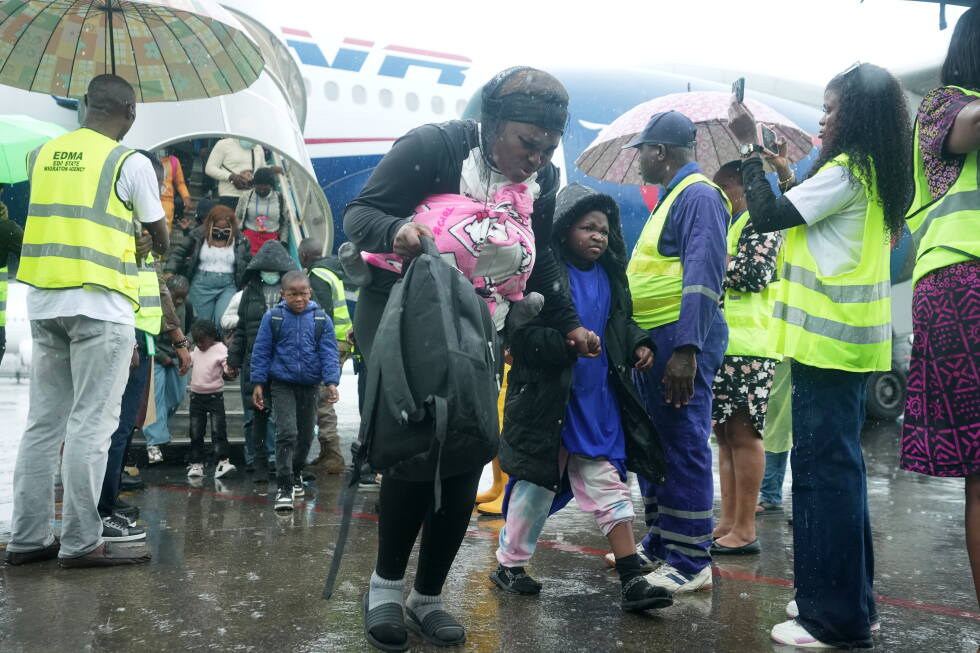
    In a formal announcement made public on Sunday, Nigeria’s Ministry of Foreign Affairs has confirmed the deaths of two Nigerian nationals killed last month in South Africa, amid a wave of violent anti-immigrant demonstrations targeting migrant workers from across the African continent. The two citizens were killed on June 28, just 48 hours before the expiration of an unofficial ultimatum issued by anti-immigrant protesters demanding all foreign nationals leave South African territory, according to the statement. Of the two fatalities, one Nigerian was allegedly killed by serving South African police officers, while the second was murdered by a group of unidentified attackers. The Associated Press confirmed that South African police services have not yet issued any formal response to requests for comment on the killings. The current wave of anti-immigrant unrest first erupted across South Africa in April and May, with demonstrators blaming foreign-born residents for the country’s persistently high national unemployment rate, rising violent crime rates, and growing strain on overstretched public infrastructure and social services. The outbreaks of violence targeting African migrants have already prompted diplomatic pushback from several affected nations: Nigeria, Ghana and Malawi have all organized repatriation operations to bring their vulnerable citizens home, and each nation has summoned South Africa’s senior diplomatic envoys to formally protest the attacks. In an official statement accompanying the announcement of the deaths, Nigerian Foreign Ministry spokesperson Kimiebi Imomotimi Ebienfa emphasized the disturbing context of the two killings. “These two killings come at a time when foreigners are being unduly targeted in South Africa. This raises questions about deliberate attempt by some elements to wrongfully generalise and tag well-meaning, hard-working, and respectable Nigerians as criminals,” Ebienfa said. South Africa has a long, troubling history of xenophobic violence driven by public resentment toward migrant communities. The deadliest recorded outbreak occurred in 2008, when coordinated attacks on foreign residents left more than 60 people dead, a wave of violence that international human rights organizations universally labeled as targeted xenophobic attacks.

  • Heavy rains leave 5 dead in China’s north while Tropical Storm Maysak hits the south and Vietnam

    Heavy rains leave 5 dead in China’s north while Tropical Storm Maysak hits the south and Vietnam

    Extreme weather events have swept across multiple regions of East Asia over the weekend, leaving at least five people dead and triggering widespread flooding and infrastructure damage in northern China and southern coastal areas, Chinese state media confirmed Sunday. The double weather disasters separated by hundreds of kilometers unfolded within a 24-hour window, forcing mass evacuations of at-risk residents and leaving local emergency response teams stretched thin.

    In northern China, two consecutive torrential downpours triggered fatal flash floods and urban inundation. On Saturday evening, a sudden mountain flash flood swept through a rural area in the eastern section of China’s Inner Mongolia Autonomous Region, killing two local villagers, according to official Xinhua News Agency. Local authorities confirmed the pair were moving their cattle herds away from the rising floodwaters when the incident occurred: one drowned while herding livestock, and the other fell into rushing floodwaters while driving the herd to higher ground.

    Just 240 miles southeast of Inner Mongolia, in Fushun City of neighboring Liaoning Province, three more residents died from weather-related incidents on the same day, Xinhua reported, though full details of the fatalities have not yet been released. Fushun was battered by hours of extreme early-morning rainfall Saturday, with one local monitoring site recording a total accumulation of up to 13 inches of rain. Viral footage posted to social media showed major city streets transformed into rushing, waist-deep waterways, displacing thousands of local residents. As of Sunday, approximately 3,600 Fushun residents had been relocated to designated emergency safe shelters.

    While northern China grappled with deadly rain-triggered floods, southern coastal regions faced the impact of Tropical Storm Maysak, which made its second regional landfall over the weekend. After dumping heavy rain across China’s Hainan Island last week, the storm crossed the Gulf of Tonkin and made landfall Saturday night in Vietnam’s Quang Ninh Province, packing maximum sustained winds of 63 miles per hour. As it moved inland, the system gradually weakened from severe tropical storm intensity to standard tropical storm status before tracking northward into China’s Guangxi Zhuang Autonomous Region on Sunday.

    In Fangchenggang, a port city in southern Guangxi, storm-driven rainfall pushed local rivers past their banks, triggering severe flooding that submerged passenger vehicles up to their rooflines, footage from state broadcaster CCTV showed. Local residents told China News Service that the flooding is the worst the region has seen in two decades. Emergency rescue teams deployed inflatable boats to navigate submerged neighborhoods and extract residents trapped in their homes and vehicles. The storm also knocked over mature trees in Dongxing, a Guangxi border city that sits directly adjacent to Vietnam.

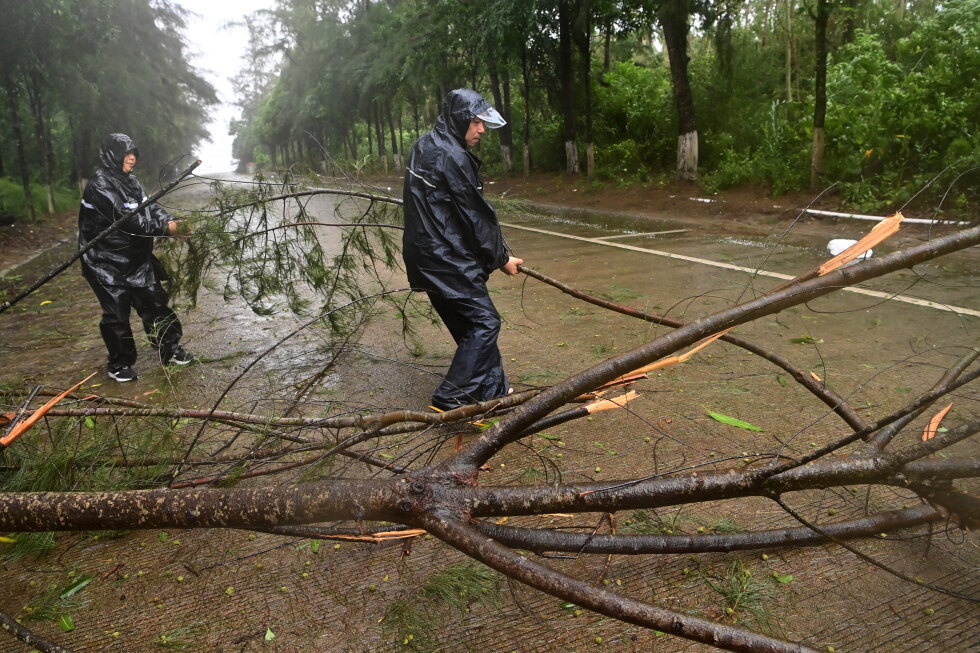
    Across the border in Vietnam’s Mong Cai Town, the storm’s strong winds downed trees and tore metal roofing off residential and commercial buildings Saturday evening, Vietnamese state media reported. After wind speeds eased, municipal work crews used chainsaws and heavy construction equipment to clear fallen debris from roadways and reopen blocked transport routes.

    As of Sunday, there has been no update on additional missing persons or the full scale of property damage from either the northern rain events or southern Tropical Storm Maysak.

  • Mongolian president praises China-built treatment plant as bilateral symbol

    Mongolian president praises China-built treatment plant as bilateral symbol

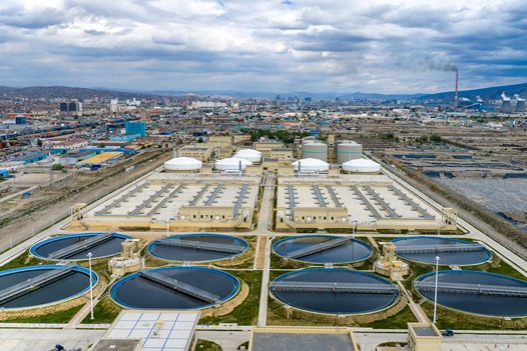
    On June 30, just two weeks after the facility entered full commercial operation, Mongolian President Ukhnaa Khurelsukh paid an official inspection visit to the Ulaanbaatar Central Sewage Treatment Plant, a flagship infrastructure project constructed by a leading Chinese engineering firm. During his tour, the president walked through the plant’s core treatment facilities, received a comprehensive briefing from project teams on construction timelines, strict technical specifications, and current operational performance, and offered formal recognition of the project’s delivery.

    In public remarks following the inspection, Khurelsukh lauded the wastewater treatment facility as a tangible symbol of the deepening comprehensive strategic partnership between China and Mongolia, noting that it stands as a living testament to the warm, longstanding friendship between the two neighboring peoples.

    Built by China Railway No 4 Engineering Group Co Ltd (CREC4), the plant officially launched operations on June 15, 2026, as a key bilateral cooperation initiative between the two countries. According to Ni Ming, a project representative from CREC4, the entire development of the facility leveraged Chinese engineering standards and cutting-edge Chinese wastewater treatment technology, tailored to meet Ulaanbaatar’s pressing urban environmental needs.

    For years, Ulaanbaatar has grappled with inadequate wastewater infrastructure that strained public health and environmental quality. This new facility addresses a critical gap in the capital city’s public services, while also showcasing the outcomes of practical, mutually beneficial cooperation between China and Mongolia under bilateral partnership frameworks. The project joins a growing roster of cross-border infrastructure initiatives that strengthen people-to-people ties and advance shared development goals between the two neighboring nations.

  • British military says cargo ship reports being under attack in the Red Sea off the coast of Yemen

    British military says cargo ship reports being under attack in the Red Sea off the coast of Yemen

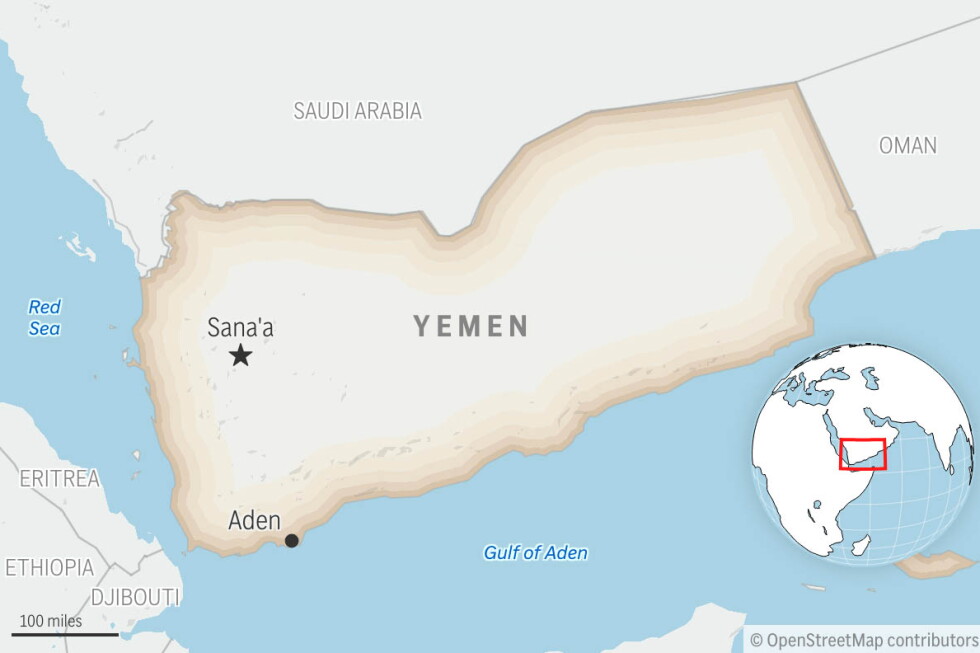
    CAIRO – Another act of maritime violence has disrupted shipping lanes off Yemen’s volatile Red Sea coast, marking the latest security incident to threaten global trade routes near the conflict-battered nation, according to statements from British military officials.

    The United Kingdom Maritime Trade Operations (UKMTO), a body that monitors maritime safety across the region, confirmed the Sunday attack took place off the coast of Hodeida, a major Yemeni coastal city currently held by Iran-aligned Houthi rebels. The targeted cargo ship alerted authorities that it was “under attack by unknown armed assailants” roughly 30 nautical miles, or 55 kilometers, southwest of Hodeida, with official investigations into the incident now underway.

    As of initial reporting, no militant or criminal group has stepped forward to claim responsibility for the assault. Houthi spokespeople have also not yet responded to requests for comment on the attack, despite the rebel group recently issuing public threats to resume targeted attacks on commercial shipping passing through Yemeni waters – a campaign they paused in recent months.

    Prior to this latest incident, the Houthis launched a months-long wave of drone and missile strikes against commercial vessels transiting the waters adjacent to the Bab al-Mandab Strait, a narrow strategic chokepoint at the southern mouth of the Red Sea that the rebels control portions of. That sustained campaign, launched in solidarity with Palestinians during the ongoing Gaza war, pushed major global shipping companies to re-route their fleets around the Cape of Good Hope at the southern tip of Africa rather than traversing the Red Sea and Suez Canal – a shift that has added thousands of miles of travel, increased fuel costs, and disrupted global supply chains.

    This new attack comes amid a broader resurgence of maritime criminal activity across the region. Further east in the Gulf of Aden, Somali pirate operations have ramped up in recent weeks, underscoring the growing threat to commercial shipping across the Horn of Africa’s key waterways. On July 1, suspected pirates carried out an assault on a vessel 76 nautical miles, or 140 kilometers, south of Balhaf, a port town in southeastern Yemen. According to UKMTO’s account of that earlier incident, four armed assailants traveling in a small speedboat carried out the attack, leaving minor damage to the targeted ship’s bridge before withdrawing.

  • 1 killed in attack on Crimea as Putin and Zelenskyy hold separate Trump calls

    1 killed in attack on Crimea as Putin and Zelenskyy hold separate Trump calls

    In the early hours of Sunday, Moscow-appointed authorities in Crimea announced that one civilian has been killed and two others wounded — one critically — in a Ukrainian strike on the northern part of the Russian-occupied peninsula, a development that comes as both Ukrainian and Russian leaders held separate landmark peace negotiations with former U.S. President Donald Trump, as the drawn-out Ukraine war enters its fifth year.

    Regional Governor Sergei Aksyonov, installed by Moscow after its 2014 annexation of the peninsula, shared details of the attack on his Telegram channel but declined to release further specifics about the target or the nature of the strike.

    Over recent weeks, Ukrainian military forces have ramped up long-range strikes against critical infrastructure sites across Crimea, part of Kyiv’s new battlefield strategy to cut off and isolate the strategically vital peninsula that Russia has held since its illegal 2014 seizure. Western defense analysts and officials note that Ukraine’s expanding long-range strike capabilities have demonstrated Kyiv’s ability to inflict significant, costly damage on Russian military and logistical assets, while putting new political pressure on the Kremlin at a moment when Russia’s own frontline advances have stalled almost entirely.

    The latest strike in Crimea unfolded shortly after both Ukrainian President Volodymyr Zelenskyy and Russian President Vladimir Putin held separate phone calls with Trump focused on prospects for ending the ongoing conflict.

    In a post on the social platform X, Zelenskyy confirmed that his conversation with Trump opened with congratulations to the United States on the 250th anniversary of its independence, before the two leaders moved to a detailed discussion of frontline conditions and peace prospects. “There is a real prospect of ending this war, and America’s determination will be crucial,” Zelenskyy wrote Saturday evening. “We agreed to continue the conversation in person during the NATO summit in Ankara.”

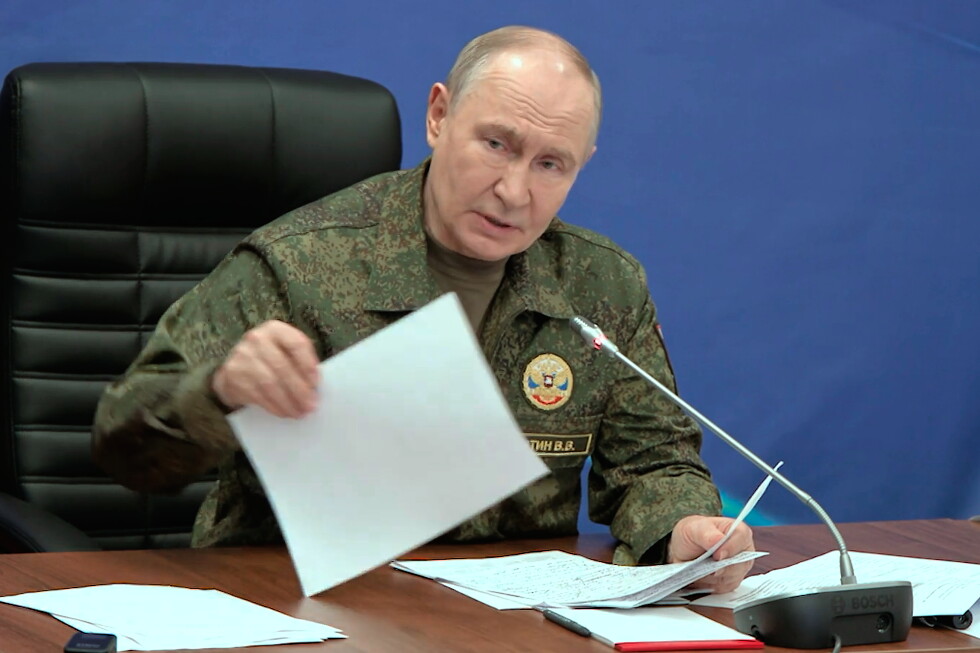
    The Kremlin confirmed that Putin’s roughly 90-minute call with Trump, the fourth such conversation between the two leaders this year, also included congratulations from Putin to Trump and the American people for the U.S. independence anniversary, and described the discussion of the Ukraine conflict as “constructive.”

    Kremlin foreign policy advisor Yuri Ushakov told reporters that Trump reaffirmed his “readiness to help achieve a quick cessation of hostilities and search for peaceful solutions to settle the crisis” in Ukraine. Ushakov added that Trump’s designated envoys, Steve Witkoff and Jared Kushner, will continue mediation efforts and remain prepared to travel to Moscow for direct talks.

    Ushakov also outlined Putin’s stated position during the call: the Russian leader once again stressed Moscow’s preference for a diplomatic resolution to the conflict, but only on the condition that Russia’s publicly stated core territorial and political positions are incorporated into any final agreement.

    Putin used the call to repeat his accusation that Kyiv and its Western European allies are “betting on prolonging, and even escalating the conflict,” Ushakov said, arguing that the European “party of war” operates from a flawed understanding of both the overall conflict dynamic and conditions along the front line.

    Contradicting assessments from Western analysts that Russian advances are stalled, Ushakov said Putin shared what he called the “real situation on the battlefield,” claiming that Russian armed forces are “confidently advancing, liberating one settlement after another.” Putin specifically highlighted the claimed capture of Kostyantynivka, a key Ukrainian fortified stronghold in the Donetsk region, framing the seizure as a critical step toward capturing the entire Donbas area. Ukrainian officials have rejected Russia’s claim that Kostyantynivka has fallen, issuing a direct denial of the assertion.

  • Scorching heat and delays: How Washington DC marked America 250

    Scorching heat and delays: How Washington DC marked America 250

    The United States this week reached a historic milestone, marking 250 years since its founding, with the capital city of Washington DC at the center of national commemorations. What was meant to be a seamless, days-long celebration of American history and identity, however, became an event shaped by unexpected environmental challenges, as record-breaking scorching heat swept across much of the nation, including the DC metro area.

    Planned public gatherings, parade routes, and outdoor cultural events faced last-minute adjustments as local emergency management officials issued heat warnings, urging elderly attendees and young children to limit prolonged exposure to the high temperatures. Many visitors who traveled to the capital from across the country to join the anniversary events found themselves seeking shelter in air-conditioned public spaces between scheduled activities, with some outdoor segments of the celebration pushed back to cooler evening hours to avoid the peak midday heat.

    Despite the uncomfortable conditions, core anniversary traditions proceeded as intended: a dramatic aerial flyover over the National Mall featuring vintage and modern military aircraft drew cheers from thousands of onlookers who gathered despite the heat, and a elaborate evening fireworks display over the Washington Monument lit up the sky to cap off the day’s events. Organizers noted that while the extreme weather created logistical hurdles that forced minor delays to portions of the schedule, the overall commemoration still successfully brought together Americans to celebrate the nation’s 250-year history.

    The severe heat that impacted the national birthday celebrations is part of a broader pattern of early summer extreme high temperatures affecting much of the eastern United States this year, with climate researchers pointing to rising global temperatures as a contributing factor to more frequent and intense heat waves during peak holiday and outdoor event seasons.

  • How Paris appeals court ruling could upend Marine Le Pen’s 2027 presidential bid

    How Paris appeals court ruling could upend Marine Le Pen’s 2027 presidential bid

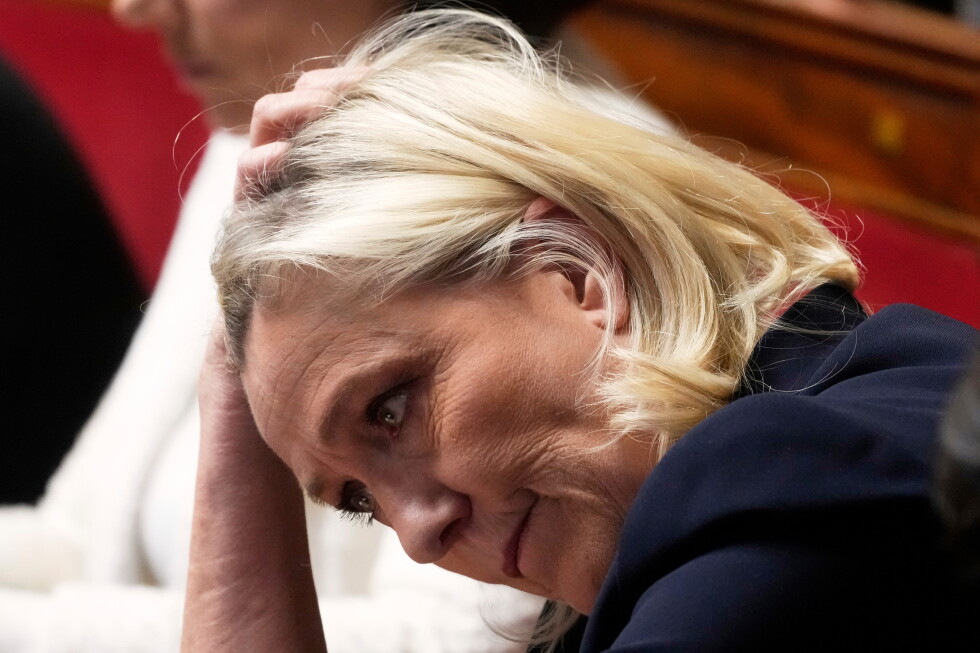
    PARIS (AP) — A high-stakes ruling from Paris’ appellate court is scheduled for Tuesday in the long-running embezzlement case against far-right French leader Marine Le Pen, a decision that carries the power to upend the lineup for France’s 2027 presidential election and determine if one of the country’s top presidential hopefuls will appear on the ballot.

    Le Pen, 57, was first convicted in March 2025 alongside other senior members of her National Rally (formerly the National Front) party. The lower court found the group guilty of systematically misappropriating European Parliament funds between 2004 and 2016, using money earmarked for EU parliamentary assistants to pay full-time party staff. The initial conviction handed Le Pen a suspended prison sentence and an immediate five-year ban from holding public office — a penalty that has been in effect since March 31, 2025. Le Pen has consistently denied any intentional wrongdoing and is pushing for the appeals court to overturn her conviction, clearing the way for her fourth presidential bid. If she is barred from running, her 30-year-old long-time protégé Jordan Bardella is widely expected to step in as the National Rally’s nominee, a shakeup that would fundamentally rearrange the race to succeed outgoing President Emmanuel Macron.

    For Le Pen, the most favorable outcome is a full acquittal. During her five-week appeal trial held earlier this year, the presidential contender admitted to what she called “a mistake,” acknowledging that some employees compensated through EU assistant funds did carry out work for the party. But she stressed that she honestly believed this arrangement complied with existing rules and never made any attempt to conceal the hiring structure. She also faulted European Parliament officials for failing to flag the practice as problematic at the time it was occurring.

    Le Pen’s lead defense attorney Rodolphe Bosselut framed the stakes clearly to the three-judge appellate panel, telling the court that his client had placed her entire political career in their hands, asking: “is the work of her life going to end here, or can it be rebuilt?” Even if Le Pen secures an acquittal, prosecutors retain the right to challenge the ruling by bringing the case to France’s highest judicial body, the Court of Cassation.

    A second plausible outcome sees the appeals court uphold Le Pen’s conviction but reduce the public office ban to two years or less — or eliminate the ban entirely. Because the ban has already been in effect since March 2025, a penalty of two years or less would expire before the first round of the 2027 presidential election, scheduled for April. That said, Le Pen’s path to the ballot would not automatically clear even in this scenario. Any remaining prison sentence, electronic monitoring requirement, or other judicial restrictions would create crippling barriers to a national campaign. Le Pen herself has already indicated she would choose not to run under such circumstances.

    “If I’m allowed to be a candidate but am effectively prevented from campaigning freely, then you understand that wouldn’t be possible,” Le Pen explained in a recent interview with French broadcaster LCI. “I can’t be dependent on a judge to authorize me to go hold a campaign rally or to visit a market.”

    In the harshest likely outcome, the appeals court could side with prosecutors, who have requested a four-year prison sentence (three of which would be suspended) and reimpose the five-year ban on holding public office. Though prosecutors did not explicitly ask for the ban to take immediate effect as the lower court did, the appellate court retains the authority to order that. Le Pen could still appeal the ruling to the Court of Cassation, but it remains uncertain whether the high court would suspend the sentence while it reviews the case. The Court of Cassation has previously stated that if it takes up the appeal, it will aim to issue a ruling before the 2027 election, but timing remains a critical concern for Le Pen.

    The presidential hopeful has stressed that she cannot delay her decision to run, noting that presidential campaigns require months of advance preparation. France’s election process is already set to begin formal organization in September, with campaigning accelerating in early 2026. Candidates are also required to collect endorsements from 500 elected officials to qualify for the ballot, a requirement that makes last-minute candidate replacements extremely difficult.

    Le Pen argued that prolonged legal uncertainty, even if she ultimately wins a ruling in her favor at the Court of Cassation, would sink her campaign. “If I’m prevented from running but the Court of Cassation rules in my favor three or four months later, it will be too late to conduct a proper presidential campaign,” Le Pen told RTL radio last year, explaining that she would not risk damaging her party’s chances by delaying a decision.

  • Chinese underground church figure Jin Mingri freed from prison

    Chinese underground church figure Jin Mingri freed from prison

    In a development that has drawn international attention, Jin Mingri, the founder of China’s unregistered Zion Church, has been released from detention and arrived in the United States, just two months after former U.S. President Donald Trump personally raised his case with Chinese leadership.

    Jin, also known by the name Ezra Jin, was taken into custody during a series of coordinated overnight raids targeting religious communities across China in October 2025. Christian advocacy groups described that round of detentions as one of the most sweeping crackdowns on independent religious activity in modern Chinese history. Thirty church leaders were detained across the country in that operation, and a subsequent crackdown on another unregistered religious community in January 2026 led to nine additional detentions.

    China’s government maintains strict regulatory controls over all religious practice within its borders and officially promotes state atheism. All registered religious congregations must operate under state oversight, led by government-appointed clergy and required to align with official government policy. Independent congregations that refuse state supervision are classified as illegal underground organizations and regularly targeted for enforcement.

    Jin founded the Zion Church in 2007, launching the congregation with just 20 initial followers. Over the years, the independent church grew into one of China’s largest unregistered religious networks, expanding to 40 cities and boasting a total community of roughly 10,000 believers. The movement was formally banned by Chinese authorities in 2018, after leaders refused government demands to install state surveillance cameras at the church’s Beijing property. In the years following the ban, dozens of the church’s regional branch congregations were raided, shut down, and dispersed by authorities.

    Following Jin’s release, his family released a public statement expressing gratitude to supporters, saying, “We truly witnessed a miracle and we are feeling so overwhelmed with joy.” The family specifically extended thanks to Donald Trump and his administration for what they called “tremendous leadership” on the issue, and acknowledged that the release would not have been possible without direct consideration from Chinese President Xi Jinping. The statement added that the family hopes Jin’s release “is a signal of a positive turn for people of faith in China and relations between our two nations.”

    China’s Ministry of Foreign Affairs has not issued any formal public comment on Jin’s case or his release to date. U.S.-based religious rights organization ChinaAid, which monitors reports of religious persecution in China, confirmed that Jin has safely arrived in Los Angeles following his release. Bob Fu, founder of ChinaAid, welcomed Jin’s release but cautioned that “countless” other religious practitioners remain in detention in China, including eight current members of the Zion Church.

    The Inter-Parliamentary Alliance on China, an international coalition of Western lawmakers that includes dozens of members of the United Kingdom’s Parliament, also released a statement saying it was “overjoyed” by the news of Jin’s release.

    Trump first raised Jin’s detention during high-level direct talks with Xi during an official state visit to Beijing in May 2025. Following the meeting, Trump told reporters, “He said he’s gonna strongly consider the pastor,” confirming that the case had been raised directly at the highest diplomatic level. During the same meeting, Trump also raised the case of Jimmy Lai, the Hong Kong pro-democracy media tycoon who was sentenced to 20 years in prison earlier in 2025 on charges of colluding with foreign forces under Hong Kong’s national security law, a piece of legislation that has drawn widespread international criticism for its use to target political opposition.