博客

  • Unbeaten in 34 matches – why Morocco are World Cup contenders

    Unbeaten in 34 matches – why Morocco are World Cup contenders

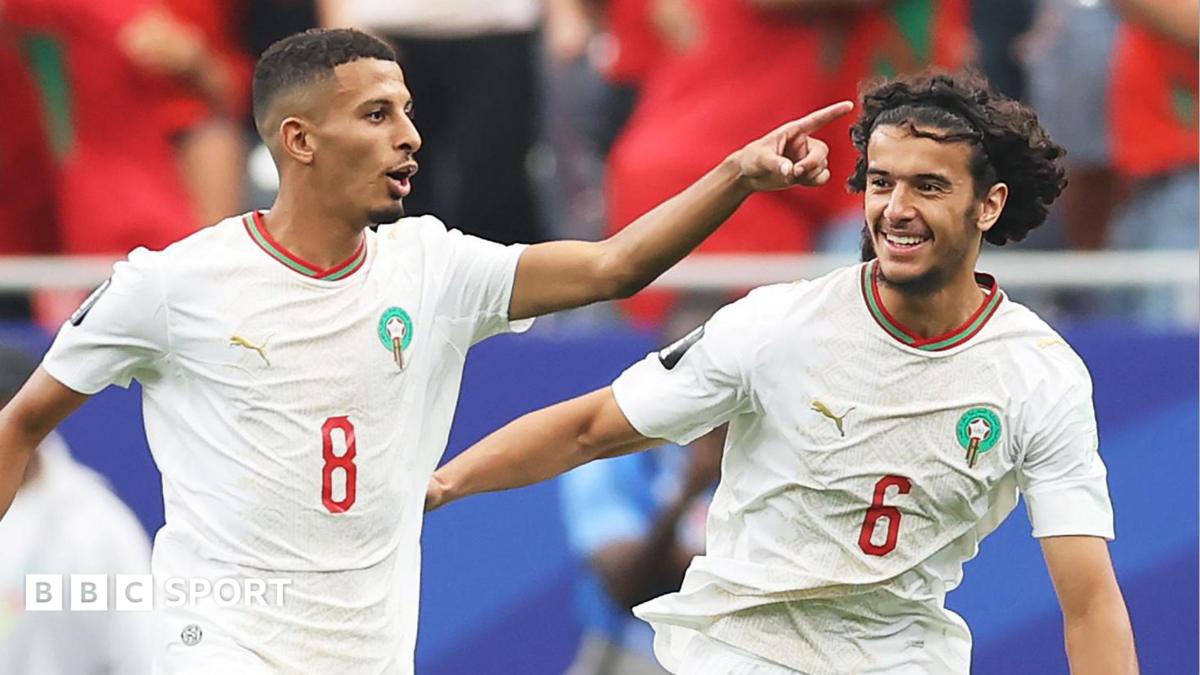
    In a gritty, hard-fought 2026 FIFA World Cup round of 16 clash in Houston, Morocco earned a 3-0 victory over co-host Canada to punch their ticket to the quarter-finals, extending one of the most remarkable unbeaten runs in international men’s football and cementing their status as genuine title contenders. Unlike the dramatic, dreamlike run that carried them to a historic semi-final finish in Qatar 2022, this win was far from a display of free-flowing attacking beauty – it was a masterclass in winning when not at their best, a hallmark of championship-caliber sides.

    Morocco managed to secure the three-goal win despite registering only five total shots on target, the lowest number recorded by any winning side in a men’s World Cup knockout match in tournament history. To add to the game’s unusual dynamic, the opening 45 minutes became the first half in World Cup history to see more yellow cards issued than shots on goal. The North African side spent the opening 15 minutes without even registering a touch inside Canada’s 18-yard box, the second consecutive match where they have started slowly in that regard.

    Canada, fielding one of the most talented generations in their men’s football history, made the most of Morocco’s slow start, earning two early clear scoring opportunities. Star forward Jonathan David saw a low shot saved by Moroccan goalkeeper Yassine Bounou, and striker Tani Oluwaseyi also failed to convert his follow-up chance. Injured star Alphonso Davies could only watch from the sidelines, unable to impact the game, and Morocco’s organized defense quickly shut down Canada’s key playmakers: neutralizing playmaker Stephen Eustaquio’s dangerous distribution and cutting off all service to David, leaving the Canadian attack stagnant for the rest of the match.

    Once Morocco found their rhythm, they never relinquished control. Their captain Achraf Hakimi, widely regarded as the best right-back in world football, was a constant threat both going forward and in pressing, disrupting Canada’s build-up at every turn. Playmaker Brahim Diaz delivered a standout performance, notching two assists to bring his total World Cup assist tally to four – the most of any African men’s player in tournament history.

    Speaking after the match, Morocco head coach Mohamed Ouahbi emphasized the team’s resilience and commitment to their core identity through tough stretches. “The first half was very intense. There were a few adjustments to be made at half-time. We were never safe from pressure,” Ouahbi told reporters. “What matters is we didn’t change our identity, we didn’t change our game philosophy. We are playing the World Cup which means there will be difficult moments. What matters is when we are not at our best, we have to be resilient. We have to remember who we are playing for and what we are playing for.”

    The result pushes Morocco into its second consecutive men’s World Cup quarter-final, matching the five-match progression they achieved in Qatar 2022. With four total knockout stage wins across the last two World Cups, Morocco has now matched the total number of knockout wins earned by every other African men’s national team combined. One more win will see them equal their historic 2022 run, when they became the first African men’s side ever to reach a World Cup semi-final.

    Morocco’s current run extends their remarkable unbeaten streak to 34 matches across all competitions, dating back to a 1-0 loss to Kenya in the 2025 African Nations Championship, a tournament limited to domestic league players. While the streak carries a minor asterisk, due to a retroactively awarded 2026 Africa Cup of Nations final win over Senegal that is currently being challenged in court, the run’s consistency remains unprecedented for an African side.

    Analysts and pundits have noted that Morocco has yet to face a full 90-minute test of their capabilities at this tournament. They opened with an impressive draw against Brazil, secured a hard-fought win over Scotland after scoring inside two minutes, and beat an already eliminated Haiti side 4-2 in the final group stage match. In the round of 32, they outplayed Netherlands but needed a stoppage-time header to avoid elimination. Their performance against Canada, while ultimately comfortable, did little to quiet doubters ahead of a potential quarter-final clash with defending champions France.

    BBC 5 Live pundit Chris Sutton pointed out Morocco’s slow start and lethargy in the first half, warning that a repeat performance against top opposition would end their run. “Morocco were just not at their very best, and there are tougher tests to come. They surprised me with their lethargy at the start. I don’t know whether there was a bit of arrogance in dismissing the Canada team. Something was amiss with their performance,” Sutton said. “They are devastating on the counterattack. But if France get through and Morocco perform like they did in the first half against a team like France, they will be crushed.”

    Even with questions over their form, no one can deny that Morocco has a better chance of becoming the first African men’s team to win the World Cup than any side in history. This success is no overnight fairytale: it is the product of more than 15 years of deliberate, heavy investment backed by King Mohammed VI. A national academy opened in 2009 and a $65 million training facility opened in 2019, both named for the king, have laid the foundation for Morocco’s rise to the top of African football. After 20 years of failing to qualify for the World Cup between 1998 and 2018, the infrastructure overhaul turned the program around, and also allowed the federation to recruit top talent from the Moroccan diaspora in Europe – including Hakimi and Diaz, both born in Spain.

    Ouahbi emphasized that this long-term investment is the backbone of the team’s current success. “Everything that is happening right now in Moroccan football is thanks to Mohammed VI. He has invested a lot in the last few years, especially this academy,” he said. The coach added that Morocco is no longer seen as a surprise underdog, and the program’s growth is a source of national pride. “It’s not a surprise, we are no longer a surprise as of today. When people talk about Morocco they talk about a real contender, a major footballing nation and it’s a great source of pride. It’s only the beginning and I hope we can continue to have similar World Cup runs for many years. We want to keep going, we don’t want to stop.”

    Morocco will face their next test in the quarter-finals on Thursday, 9 July, with kickoff scheduled for 21:00 BST in Boston.
  • World Cup final 16 is underway: Observations about the field

    World Cup final 16 is underway: Observations about the field

    The knockout stage of the expanded 48-team 2026 FIFA World Cup is moving into the round of 16, following 16 days of dramatic, edge-of-your-seat action in the newly introduced round of 32, which marked the first time this stage of the tournament has been contested after FIFA expanded the field from 32 to 48 teams starting this cycle.

    The round of 32 opened with a narrow 1-0 win for host nation Canada over South Africa, and closed with Colombia securing a 1-0 victory against Ghana. Over the course of the opening knockout round, three matches went to penalty shootouts, and tournament favorite Argentina came perilously close to an early exit that sent shockwaves across the global soccer community. After sorting through all the results, here are the key takeaways heading into the round of 16.

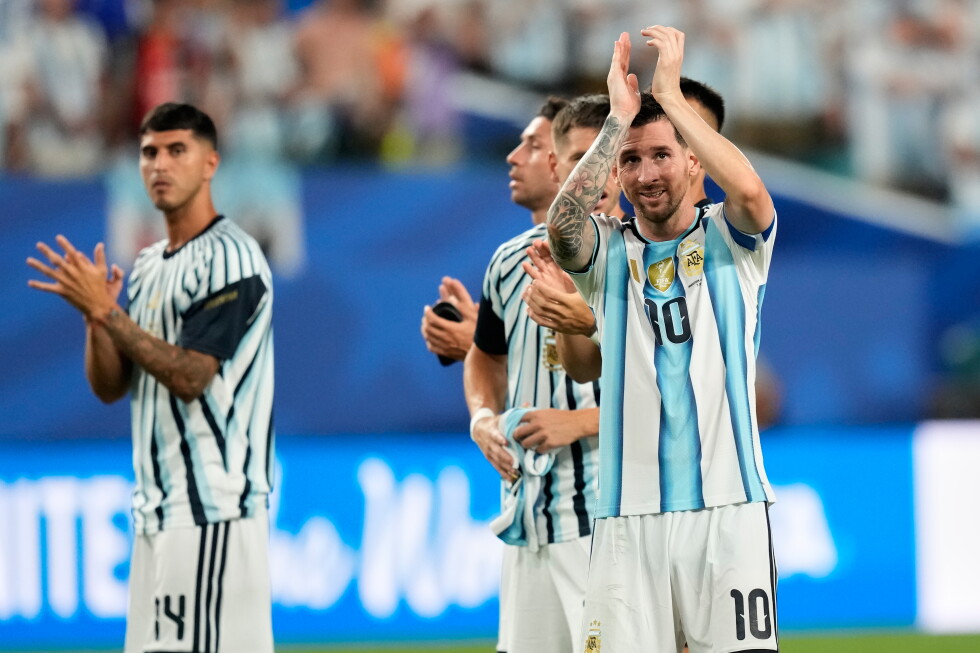
    For defending champions Argentina, what experts predicted would be a straightforward cruise past minnow Cape Verde turned into a 120-minute battle that ended with a tense 3-2 win for the South American powerhouse. Cape Verde, a tiny island nation of just 500,000 people, pushed Argentina, a global soccer giant with 46 million residents, to the brink of elimination, cementing its status as the tournament’s most surprising underdog even as its run came to an end. Following the narrow escape, Argentina head coach Lionel Scaloni warned that no opponent can be taken for granted at this year’s tournament: “I hope that now you realize that there’s no easy opponent,” he said. Argentina will next face Egypt in the round of 16, and remains the heavy favorite to advance to the quarterfinals.

    The United States men’s national team punched its ticket to the final 16 with a hard-fought 2-0 win over Bosnia-Herzegovina, a result that highlighted how far the U.S. program has grown in recent years. Striker Folarin Balogun, the team’s leading goal scorer in the tournament, opened the scoring late in the first half, but was sent off with a red card before halftime, forcing the U.S. to play down a man for more than 30 minutes. With the game still tied at 1-1 in the 82nd minute, Malik Tillman scored a iconic go-ahead goal from a free kick, securing the U.S. victory despite the numerical disadvantage. The U.S. will face Belgium in the round of 16, but will be forced to play without Balogun due to his red card suspension.

    Heading into the round of 16, predicting which top programs will advance has grown increasingly difficult, after a string of surprise results from underrated underdogs throughout the group stage and round of 32. Even with that uncertainty, traditional heavyweights France and Brazil have emerged as strong contenders to make deep runs in the knockout stage.

    France, the 2022 World Cup runners-up, cruised through the round of 32 with a comfortable 3-0 win over Sweden, with star forward Kylian Mbappé notching two goals. They will face Paraguay on Saturday, entering the match as heavy favorites – though Paraguay already pulled off the tournament’s biggest upset to date, knocking out defending third-place Germany to advance. Brazil, meanwhile, survived its own scare against Japan to secure its spot in the final 16. Japan took an early lead in the 29th minute on a 30-yard strike from midfielder Kaishu Sano, looking to pull off a massive upset over the five-time world champions. Brazil equalized on a header from Casemiro in the 56th minute, and secured the win on a late stoppage-time goal from Gabriel Martinelli, leaving the Brazilian side relieved to advance. Brazil will face Norway on Sunday, with the winner set to take on the victor of the England vs. Mexico match in the quarterfinals.

    In the round of 32, England rallied from a one-goal deficit to beat Congo 2-1, with captain Harry Kane scoring both goals in the final 15 minutes of regulation, in the 75th and 86th minutes respectively. England will next face the tournament’s other host nation, Mexico, in a match expected to be one of the toughest tests of the round of 16. England will have to adapt to the high elevation of Mexico City and face a raucous pro-Mexico home crowd when the two sides meet. Rounding out the slate of round of 16 fixtures, European powerhouses Spain and Portugal will face off on Monday in a clash that analysts say could go either way, with no clear favorite heading into kickoff.

  • Businessman and philanthropist Martin Naughton dies

    Businessman and philanthropist Martin Naughton dies

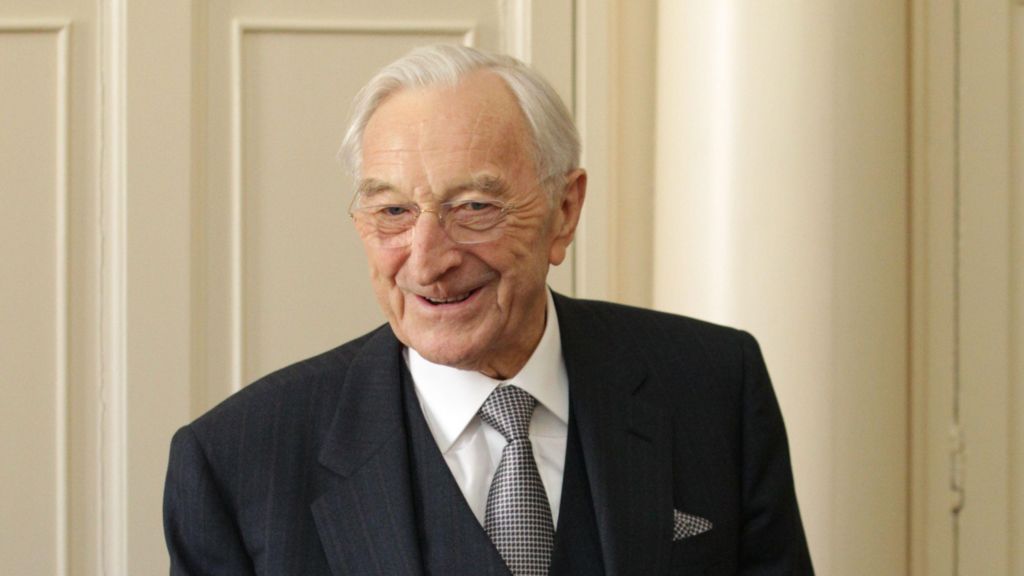
    One of Ireland’s most celebrated entrepreneurs and generous philanthropists, Martin Naughton, has passed away at the age of 87, leaving behind a decades-long legacy of transformative contributions to business development, cross-border cooperation, education and the arts across the whole island of Ireland.

    Naughton began his remarkable business journey in 1973, when he established Glen Electric in the border town of Newry. Just four years later, he pulled off a bold acquisition of a much larger British competitor, rebranding the combined entity as Glen Dimplex in 1977. Under his steady leadership, the company grew exponentially into a global multinational electrical goods giant, today boasting a portfolio of well-known household brands including Morphy Richards and Lec.

    Rather than hoarding the wealth generated by his business success, Naughton channeled much of his fortune into supporting public good initiatives across Ireland. His philanthropic track record is marked by multiple landmark donations that have reshaped cultural and educational institutions. In 2001, Naughton and his wife Carmel gifted £500,000 to endow the Naughton Gallery at Queen’s University Belfast, a space that has remained a hub for artistic expression and public engagement ever since. Six years later, the couple contributed £1 million to the reconstruction project of Belfast’s iconic Lyric Theatre, cementing their support for Northern Ireland’s cultural sector.

    The most significant of the Naughton family’s donations came in 2018, when they gave €25 million (£21.4 million) to Trinity College Dublin – a contribution that still stands as the largest single private philanthropic gift in the history of the Irish state. Academic leaders across Ireland have paid tribute to Naughton’s decades-long commitment to education and institutional growth.

    Professor Sir Ian Greer, President and Vice-Chancellor of Queen’s University Belfast, remembered Naughton as an “exceptional entrepreneur, philanthropist and lifelong champion of education”. He emphasized that Naughton’s vision, generosity and dedication to supporting higher education have created a permanent, lasting impact. “The Naughton Gallery continues to inspire creativity, culture and public engagement, while his longstanding commitment to our university has benefited generations of students and researchers,” Greer noted.

    Dr Linda Doyle, Provost of Trinity College Dublin, echoed these sentiments, saying that Naughton’s legacy at the institution will be felt for hundreds of future students. “It’s been my great honour and privilege to have known such an inspiring and generous man,” Doyle shared in the college’s official statement.

    Beyond business and philanthropy, Naughton – a native of Dundalk, County Louth – was a dedicated advocate for cross-border cooperation on the island of Ireland following decades of division. When InterTradeIreland, the trade promotion body established under the historic Good Friday Agreement, was founded, Naughton served as its very first chairman, helping lay the groundwork for greater economic integration between Northern Ireland and the Republic of Ireland.

  • Eala wins ‘for all the girls with ruffled socks and chubby cheeks’

    Eala wins ‘for all the girls with ruffled socks and chubby cheeks’

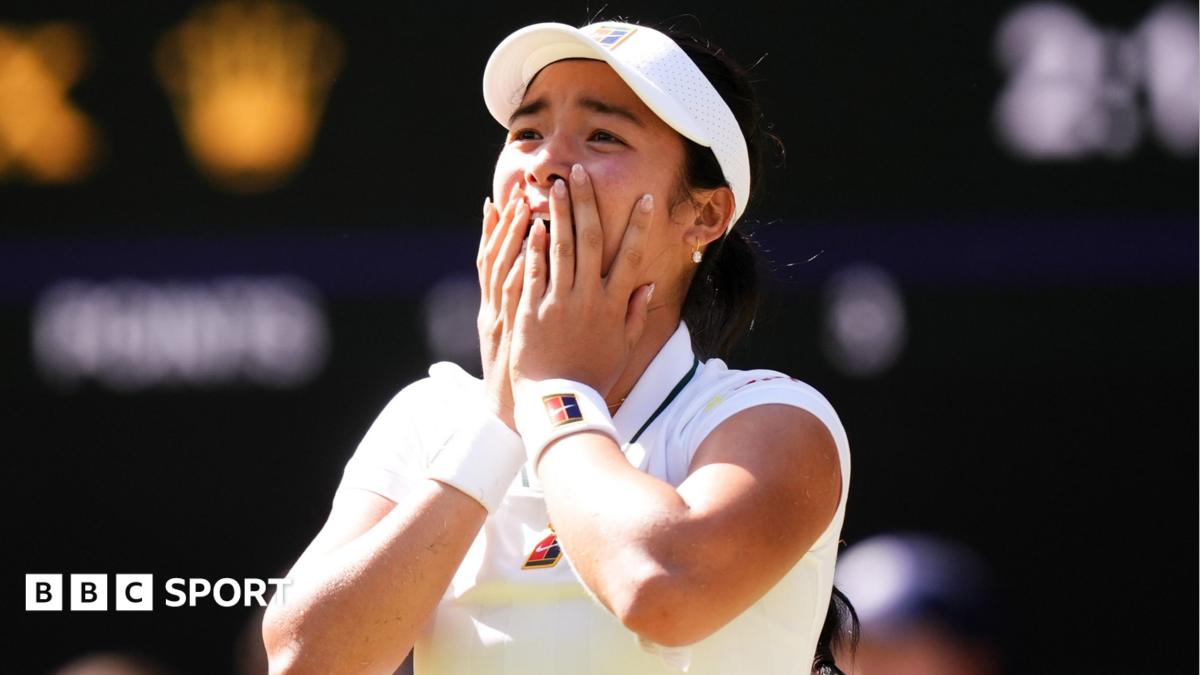
    On a tense, unforgettable Saturday evening on Wimbledon’s iconic Centre Court, 21-year-old Alexandra Eala delivered one of the biggest upsets of this year’s Championships, outplaying defending champion Iga Swiatek in straight sets 7-6 (11-9) 6-2 to etch her name into the history books as the first player from the Philippines to reach the fourth round of a Grand Slam in the Open Era. What makes the fairytale win even more meaningful is the full-circle connection between Eala and her beaten opponent: three years ago, it was Swiatek who handed Eala her graduation diploma at the Rafael Nadal Tennis Academy, and left the young rising star with words of wisdom that have stuck with her ever since.

    Standing in front of a cohort of graduating academy players as the then-world No.1 and freshly-minted three-time French Open champion, Swiatek urged her audience to pursue their goals with relentless tenacity, telling them that giving their absolute best to any pursuit would leave them with no regrets. Eala never forgot those words, and on Saturday, she put that lesson into practice against the woman who inspired her. The win capped a years-long upward trajectory for the young Filipino star, who fell in love with the sport as a child playing alongside her brother and grandfather, and still jokes she cannot match her older brother’s pace even today.

    Eala first stepped into the national spotlight in 2022, when she became the first Filipina to claim a junior Grand Slam title at the US Open, earning a spot on the cover of her home country’s Vogue in recognition of the breakthrough. Two years later, she announced her arrival on the global senior tennis scene with a Cinderella run at the 2025 Miami Open, where, ranked outside the top 100 at just 19 years old, she notched an early upset over – coincidentally – Iga Swiatek, before going on to defeat other Grand Slam champions Jelena Ostapenko and Madison Keys to reach the tournament semi-finals.

    That run marked the start of Eala’s steady climb up the WTA rankings. Since the Miami breakthrough, she has broken into the world’s top 30, claimed two titles at the WTA 125 level, and finished as runner-up at Eastbourne last year. Heading into this year’s Wimbledon, she proved she could compete with the sport’s elite by beating world No.2 Elena Rybakina and No.8-ranked Elina Svitolina in Berlin, and even shared a doubles court with tennis legend Venus Williams.

    As Eala’s on-court success has grown, so has her popularity at home and abroad. Outside of show courts at Grand Slams, queues of fans wrap around the grounds to catch her practice or matches, and public viewing parties for her games draw thousands of supporters across the Philippines. This outpouring of national pride comes with a unique pressure: every win is celebrated as a collective national victory, while every defeat is felt deeply across her home country. The weight of that attention overwhelmed Eala earlier this year at the Australian Open, where thousands of fans queued just to watch her practice sessions.

    To stay grounded through the chaos of her rising stardom, Eala leans on the years of quiet, consistent work that got her to this point. “I try to be as authentic as I can. I believe in being genuine,” she told reporters after Saturday’s win. “Although I’m very grateful and very welcoming of all the support that I get, me, my team and my family are the ones who have been putting in the hours. We’re the ones who are here at the courts 12 hours in a row. We’re the ones who wake up early, who come back home late. I think that work ethic is really what keeps me grounded.”

    Against Swiatek on the sport’s most famous stage, that groundedness helped Eala absorb every bit of pressure that came her way. Urged on by thousands of fans packed into Centre Court and cheering from Henman Hill, Eala saved eight of the 11 break points she faced, hit 24 winners against only 21 unforced errors, and closed out the win over the six-time Grand Slam champion well after 8:30 PM local time. Across the Philippines, fans stayed up late into the night glued to screens, sharing messages of “Filipino pride” across social media.

    Former Filipino tennis player Dyan Castillejo told BBC World Service’s Sportsworld that the entire nation has rallied behind Eala’s historic run. “I’m getting hundreds and thousands of texts from so many people. Everybody just wants to be a part of it. Everybody felt that they were a part of it, every Filipino,” she said.

    Eala carries her culture and her roots with her onto every court, embroidered onto her visor in her native Tagalog: the phrase “kapag lumago, hindi na hihinto”, which translates to “once it grows, it cannot be stopped”. For Eala, the words are more than a motto – they are a reflection of her lifelong ambition as a dreamer from a small tennis community. “I resonate with those words so much. More than being unstoppable, I think it refers to a dream and an aspiration to become unstoppable,” she told BBC TV. “Ever since I was young, I’ve always been such a dreamer, so being able to live out my dreams and experience things like this only makes me more ambitious. For me to be able to represent the Philippines in Wimbledon and in the biggest stages in the world, it means so much to me.”

    Reflecting on what the win meant to the young girl she used to be, who headed to practice every day after school in ruffled socks and light-up shoes with chubby cheeks, Eala called the moment everything she ever could have imagined. “It is incredible to have my countrymen cheering me on, knowing that we are all in this together. This goes out to them, my family and all the girls with ruffled socks and chubby cheeks. It means the world.”

  • Home field advantage has been a big part of World Cup history. Now Mexico hosts England

    Home field advantage has been a big part of World Cup history. Now Mexico hosts England

    This weekend, the 202X FIFA World Cup delivers one of its most anticipated knockout round matches: England’s Three Lions will square off against host nation Mexico at the iconic Estadio Azteca in Mexico City on Sunday, a clash that poses stiffer challenges than any opponent the squad has faced in the tournament to date.

    Beyond the on-pitch quality of El Tri, England must contend with unique obstacles that only a hostile away match in the Mexican capital can bring: the high altitude that alters pacing and endurance, a raucous, pro-home crowd that will create a cacophonous intimidating atmosphere, and the intangible edge of host nation gamesmanship that has become a staple of World Cup football at Azteca. Even with all these pressures, the match is poised to be unmissable, high-stakes football theatre.

    Hosting the World Cup brings a legendary, well-documented advantage for the home nation, and Mexico boasts one of the most formidable home records in international football at Azteca. Six times in men’s World Cup history, the host nation has lifted the trophy, with France’s 1998 win marking the most recent host victory. But for England, there is tangible precedent for hope: some of the tournament’s most iconic upsets have seen home sides fall to visiting underdogs. This report examines the history of host nation advantage throughout World Cup history, to frame what England might expect on Sunday.

    The first two editions of the men’s World Cup both ended in host nation triumph, starting with Uruguay in 1930 and followed by Italy’s 1934 win on home soil. That Italian victory gained lasting infamy, however, after fascist dictator Benito Mussolini co-opted the tournament as a political propaganda tool, with widespread speculation that his influence compromised match officiating. Writing nearly 80 years after the tournament, Italian author Marco Impiglia noted that “The fascist regime made a political abuse of the event. It was a questionable win and it raised many doubts at the time.” Notably, just four years later Italy made history by becoming the first nation to win a World Cup on foreign soil, claiming the title in France.

    No discussion of home team heartbreak is complete without Brazil’s 1950 Maracanazo. While Brazil has claimed a record five World Cup titles, it has never won gold when hosting the tournament. In 1950, the tournament used a final round-robin group format instead of a single championship match, meaning Brazil only needed a draw against Uruguay to secure the trophy. Playing in front of an estimated 200,000 fans at Rio de Janeiro’s legendary Maracanã Stadium, Brazil suffered a shocking 2-1 defeat. Alcides Ghiggia, the Uruguayan player who scored the historic winning goal, later joked that only three people had ever silenced the Maracanã: “The Pope, Frank Sinatra and me.” When Brazil hosted the tournament again in 2014, this history of home disappointment repeated itself in even more humiliating fashion: the home side suffered a lopsided 7-1 semifinal defeat to Germany, with the visitors scoring a flurry of early goals that drained all suspense from the match before halftime.

    England’s only men’s World Cup title came as hosts in 1966, a win that remains wrapped in controversy decades later. In the Wembley final against West Germany, Geoff Hurst’s extra-time shot bounced off the crossbar and down onto the goal line. With goal-line technology still decades from existing, match officials could not confirm definitively whether the whole ball crossed the line. Officials ultimately awarded the goal, putting England up 3-2, before Hurst completed his hat trick late in extra time to seal a 4-2 final score.

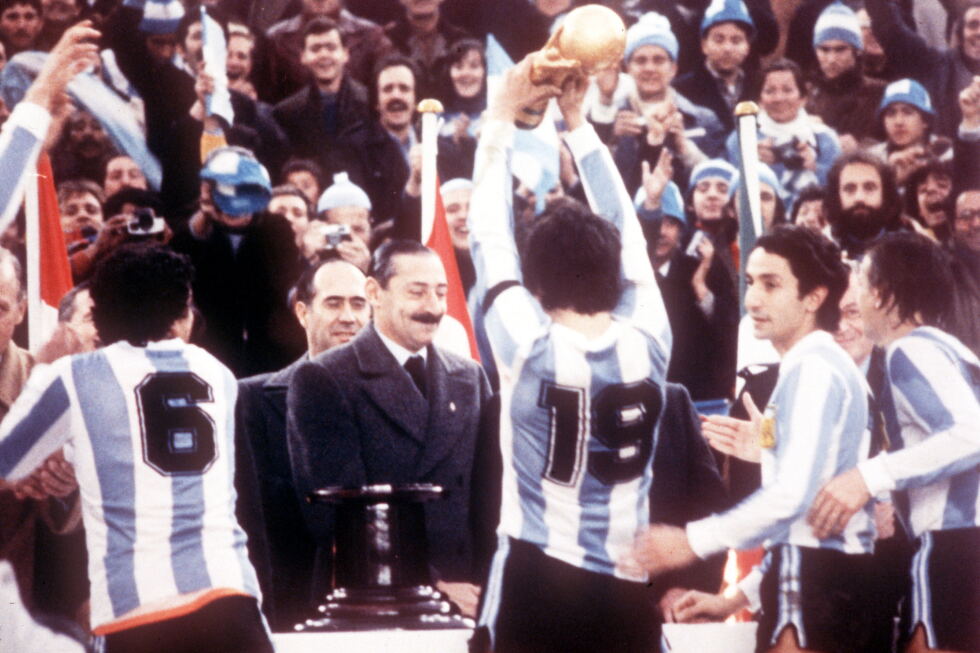
    In 1978, the Netherlands suffered a bitter second consecutive final loss to a host nation. Four years after falling 2-1 to hosts West Germany in the 1974 final, the Dutch traveled to Buenos Aires to face Argentina in front of a frenzied home crowd. The Argentines delayed their entry onto the pitch by several minutes, leaving the Dutch alone on the field to face the jeers of thousands of hostile fans, and a public dispute broke out over whether Dutch player Rene van de Kerkhof would be allowed to play with a protective cast on his arm. Argentina claimed a 3-1 extra-time win, but the result was clouded by longstanding conspiracy theories: Argentina needed a six-goal win over Peru in its final second-round group match to advance to the final, and its 6-0 victory sparked widespread speculation of match fixing.

    The 1990 World Cup in Italy produced one of the most unusual tests of home nation loyalty, when Argentina faced host Italy in a semifinal in Naples. Argentina legend Diego Maradona was a beloved star for local club Napoli, and he attempted to capitalize on long-simmering tensions between southern and northern Italy to sway local fans to his side. Speaking to outlet Corriere dello Sport, Maradona said: “After so much racism, only now they scurry to remember that Naples is part of Italy. Now that they have slapped the Neapolitans in every possible way, someone tells them they are Italians, that only Italy counts. It is incredible, absurd, offensive.” While local fans ultimately still cheered for the Italian national side, Argentina made history as the first team all tournament to score against Italy, securing a 1-1 draw before eliminating the Azzurri in a penalty shootout. Argentina went on to face West Germany in the Rome final, where they received a hostile reception from home fans and lost the title.

    The most recent World Cup win by a host nation remains France’s 1998 victory. Les Bleus had failed to qualify for both the 1990 and 1994 tournaments, but the home field advantage propelled them to their first ever World Cup title, defeating defending champion Brazil in the final to deny the South American side a repeat championship.

    The 2002 co-hosted tournament by Japan and South Korea produced another controversial host nation run, as South Korea advanced further than any Asian men’s team in World Cup history, reaching the semifinals. But the Korean run was marred by outrage from fans of eliminated sides Italy and Spain, who both argued that biased officiating favored the host. After Italy lost to South Korea in extra time in the round of 16, FIFA reported receiving hundreds of thousands of complaints from irate Italian fans. In the quarterfinals against Spain, multiple Spanish goals were ruled offside, and South Korea advanced on penalties. Then-FIFA president Sepp Blatter denied any organized conspiracy to favor the host, but acknowledged that multiple incorrect officiating calls had been made during the matches.

    As England prepares to step onto the Azteca pitch Sunday, this long history of host advantage, upset and controversy sets the stage for what is already being called one of the most gripping matches of this year’s tournament.

  • Dior dress, Adam Sandler and a man of honour: What we know about Taylor and Travis’s wedding

    Dior dress, Adam Sandler and a man of honour: What we know about Taylor and Travis’s wedding

    After months of swirling rumors and relentless public speculation, one of the world’s most followed celebrity couples has officially said “I do.” Global pop phenomenon Taylor Swift and three-time Super Bowl champion NFL star Travis Kelce tied the knot at New York City’s legendary Madison Square Garden on Friday, in a star-studded ceremony that blended personal intimacy, Hollywood nostalgia and one-of-a-kind spectacle. The confirmation came directly from Swift’s publicist Friday evening, matching a surprise announcement that lit up the giant digital screens outside the Manhattan arena: “JUST&T MARRIED!”

    The couple first announced their engagement in August 2025, and ever since, fans around the globe have been scrambling for any crumb of detail about when, where, and how the long-awaited wedding would take place. While many personal elements of the celebration remain private, emerging details from attendees and official confirmations have painted a clear picture of the unique day.

    The wedding itself was rooted in a sweet personal connection to actor-comedian Adam Sandler, who stepped in as the officiant. The link traces back to Swift’s 2024 track *Wi$h Li$t*, where she fantasized about building a quiet future with Kelce — a vision directly inspired by Sandler’s iconic character in the 1996 comedy *Happy Gilmore*. Speaking to Apple Music’s Zane Lowe, Swift explained that the song’s chorus describes her own “happy place,” mirroring the mental escape Sandler’s character turns to during times of stress. Kelce even made a cameo appearance in 2025’s *Happy Gilmore 2*, the sequel to the 1996 hit, cementing the Hollywood connection. According to entertainment outlet TMZ, Sandler also leaned into another of his famous roles, performing a “humorous yet touching” original song at the ceremony, echoing his turn in the 1998 romantic comedy *The Wedding Singer*. Sandler has long spoken warmly of his friendship with the pair, telling *Entertainment Tonight* last year: “Taylor’s so damn nice to my family and has always been. She’s ridiculously nice to them and warm, and Travis is such a gentle, nice guy. Funny as hell. He’s like the guys I grew up with.” Even the choice of Madison Square Garden as a venue nods to another Sandler film: 2002’s *Mr. Deeds*, where Sandler’s character hosts a proposal at the iconic arena. Legally, the arrangement was entirely above board: any adult can apply for a one-day marriage officiant license in New York State, clearing the way for Sandler to lead the ceremony.

    All eyes have been on the couple’s wedding attire, and official details confirm that both looks were custom created by Christian Dior Haute Couture. Jonathan Anderson, the Northern Irish designer who took over as creative director of Dior’s women’s, men’s, and haute couture lines last year after leading Loewe, designed the pieces in close collaboration with Swift and Kelce. This marks Anderson’s first couture wedding creation for a global A-list celebrity, crafted entirely by hand in Dior’s historic Paris ateliers at 30 Avenue Montaigne. Swift, who has a long-standing relationship with the fashion house, wore a Dior tartan creation to the 2024 MTV Video Music Awards. Completing the look, Swift’s jewelry came from Cartier, and both the bride and groom wore custom footwear from Christian Louboutin — the brand that also created all shoes for the European leg of Swift’s record-breaking Eras Tour.

    Breaking from long-held wedding tradition, Swift opted not to have a traditional maid of honor, instead naming her younger brother Austin Swift, a 34-year-old actor and producer, as her man of honor. Swift has previously called Austin “one of my best pals,” and he has been a constant presence in her life throughout her decades-long career. On Kelce’s side, his older brother Jason Kelce — fellow NFL star and co-host of the brothers’ hit podcast — served as best man. In another break from tradition, the couple chose not to have any bridesmaids or groomsmen at all, keeping the wedding party small and intimate.

    Roughly 1,000 guests filled the iconic arena, with the guest list reading like a who’s who of global music, film, sports, and media. Confirmed A-list attendees include Selena Gomez, Camila Cabello, Hugh Grant, Gracie Abrams, Gigi Hadid, Bradley Cooper, Tom Hanks, Millie Bobby Brown, Ellie Goulding, Graham Norton, Dakota Johnson, and Steven Spielberg, with dozens more high-profile names rumored to be in attendance, including Paul McCartney, Lana Del Rey, Emma Stone, Nicole Kidman, and Greta Gerwig. Most guests arrived and departed away from the crowds of waiting media and photographers, and attendees were reportedly asked not to share unapproved photos or details publicly. That hasn’t stopped a small number from sharing their excitement: rapper Nelly posted on Instagram, writing “S/O [shout out] to @taylorswift & @killatrav..!! Wedding was incredible,” while BBC Radio 1 DJ Greg James — who received his invitation live on air last year — confirmed on Instagram that the event was “an unbelievably brilliant night.”

    While most details remain closely guarded, a handful of attendees have shared glimpses of the atmosphere inside. Good Morning America co-host George Stephanopoulos, who attended the event, said that even in a 20,000-seat arena, the wedding felt remarkably personal, describing the space as transformed into a “garden inside the Garden.” Co-host Robin Roberts added that the guest list balanced A-list celebrities with the couple’s neighbors and long-time high school friends, saying “it was like any wedding that you would attend.” Roberts also confirmed that the couple wrote their own personal vows. AMC Theatres CEO Adam Aron, another attendee, shared in a now-deleted X post that the entire indoor venue had been reimagined as “an outdoor garden at a lush countryside retreat,” with Kelce in a crisp white tuxedo and Swift in a “stunning white wedding dress with a long veiled train.” One anonymous guest told Reuters that “the night had been incredible,” adding “They cried, and they laughed and they danced, and they hugged and they kissed.” An inside source told TMZ that Swift walked down the aisle to a string arrangement of one of her own hit songs, with decor themed as “Alice in Wonderland meets The Wizard of Oz.” In the lead-up to the ceremony, onlookers spotted large set pieces being hauled into the arena, including a giant glitterball, white staircase railings, and crates marked for a garden party.

    The choice of Madison Square Garden as a wedding venue raised some eyebrows at first, but the iconic location makes perfect sense: it is a landmark that sits at the intersection of music and sports, the two worlds that Swift and Kelce dominate. More practically, the enclosed arena makes it impossible for paparazzi or drones to capture unapproved photos of the private event, allowing the couple to keep their special day as intimate as possible despite their global fame.

  • England outclassed by seven-try South Africa in Nations Championship

    England outclassed by seven-try South Africa in Nations Championship

    The Nations Championship clash at Johannesburg’s iconic Ellis Park delivered a stunning demonstration of rugby power on Saturday, as double world champion South Africa cruised to a convincing 45-21 victory over England, marking their fourth consecutive win over the European side. The match, played in front of a crowd of nearly 53,000 passionate fans, was dominated by the Springboks from the opening whistle, despite late disruptions to both teams’ starting line-ups.

    Both sides faced last-minute setbacks ahead of kick-off: England lost starting full-back George Furbank to a sudden appendicitis, while South Africa was forced to pull two of their forward pack cornerstones, captain Siya Kolisi and lock Eben Etzebeth, due to pre-match injuries. England, who had arrived in the high-altitude city 10 days early to acclimatize, had hoped to catch the undercooked Springboks — who had not played a serious competitive match in seven months — off guard. But the defending champions shrugged off the late lineup changes to produce a blistering opening that left Steve Borthwick’s visitors reeling.

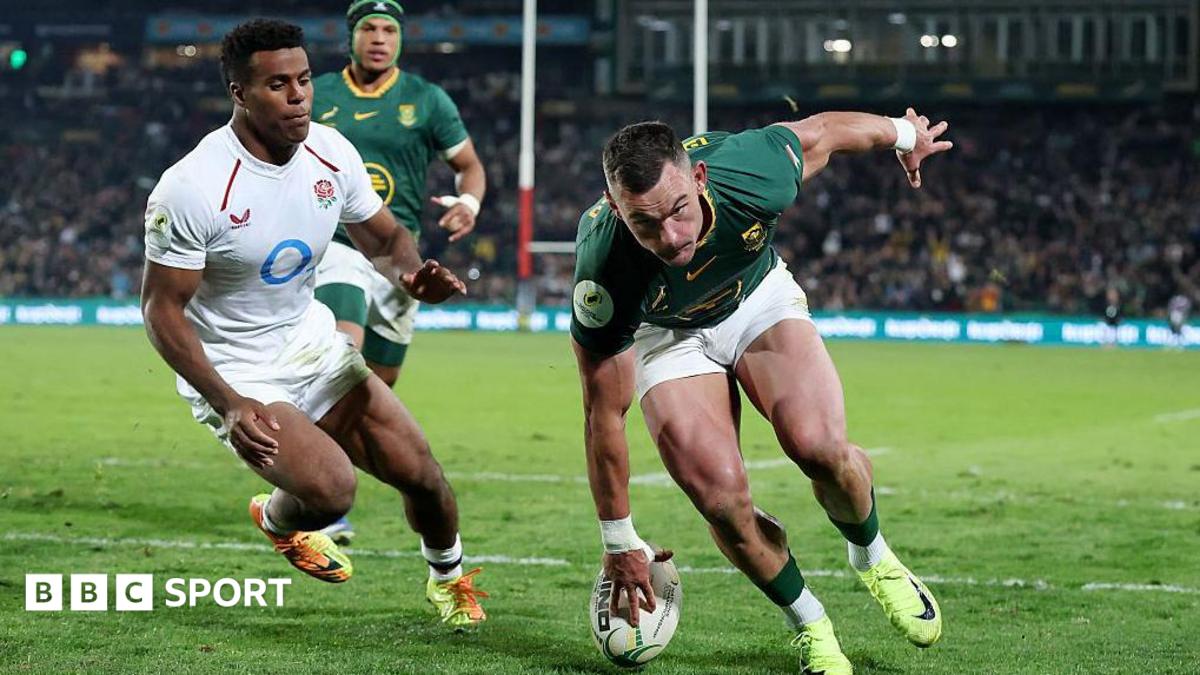
    Within 12 minutes, South Africa had crossed the try line three times to build an insurmountable 17-0 lead. Prop Thomas du Toit, who is set to leave Bath to return to South Africa this summer, powered through England defenders Ellis Genge and Ollie Chessum to score the opening try inside three minutes. Just two minutes later, speedster Cheslin Kolbe outpaced opposite winger Cadan Murley with a sharp side-step to add a second, before Kurt-Lee Arendse held off England’s Marcus Smith to dive over for a third. A packed Ellis Park, boosted by last-minute ticket price cuts that filled most of the 62,000-seat venue, erupted in celebration as England struggled to find any rhythm.

    England’s first half looked to be heading for a rout, until a turning point just before the break. Arendse was yellow-carded for a deliberate knock-on, giving England a 10-minute numerical advantage that the visitors capitalized on. Genge barged over from a quick tap penalty to get England on the scoreboard, and on the final play of the half, George Martin — playing his first test since the 2025 Six Nations — powered through the Springbok defense to score a second converted try, cutting South Africa’s lead to just 17-14 at halftime. For a brief moment, an upset seemed possible.

    But any hopes of an England comeback were snuffed out quickly in the second half. The Springboks tightened their grip, scoring two tries inside the first 15 minutes after the restart: scrum-half Grant Williams sniped through a tiny gap to break a 20-phase England defensive stand, before center Jesse Kriel crossed after a clever offload from Damian Willemse, stretching the home side’s lead to 31-14.

    England’s challenge was undermined by poor discipline, with referee James Doleman penalizing the visitors nine times in the second half alone, and constant pressure on their front row at the scrum. A late England surge saw replacement Henry Slade set up a try for Alex Coles, cutting the deficit back to 10 points, but two quick yellow cards for Tommy Freeman (high tackle) and Guy Pepper (early tackle) left England down to 13 players. The Springboks made their numerical advantage count, with Malcolm Marx and Ben-Jason Dixon adding two late tries to bring the home side’s final try count to seven. Kolbe converted five of the seven tries to seal the 24-point victory.

    The result extends South Africa’s winning streak over England to four matches, and reinforces the Springboks’ status as one of the top-ranked sides in global rugby. For England, the defeat continues a troubling pattern of disciplinary issues that plagued their 2025 Six Nations campaign, where the side picked up eight cards across five matches. England will look to bounce back in their next Nations Championship fixture, hosting Fiji at Liverpool’s Hill Dickinson Stadium on July 11, before traveling to face Argentina on July 18.

  • Visiting PLA Navy fleet ushers in first ‘open-house’ day in HK

    Visiting PLA Navy fleet ushers in first ‘open-house’ day in HK

    On July 3, 2026, a visiting fleet of the Chinese People’s Liberation Army (PLA) Navy welcomed hundreds of visitors for its first-ever public open-house day at the PLA Hong Kong Garrison’s Stonecutters Island naval base, marking a rare opportunity for local residents to connect directly with the service members and learn about the fleet’s operations.

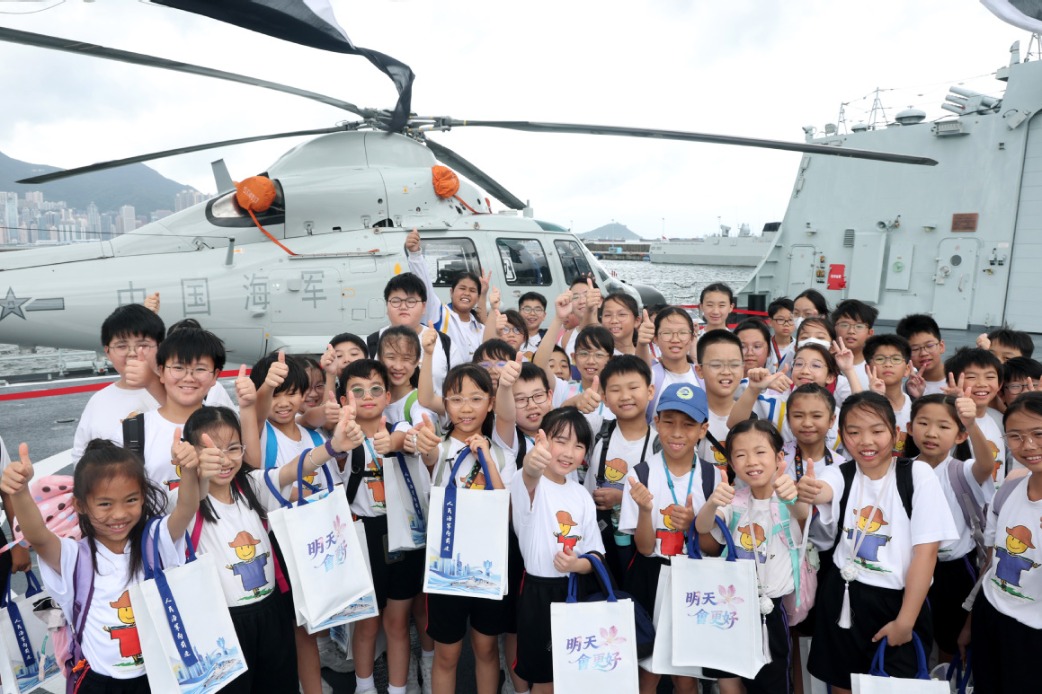
    The one-day event brought a wide range of interactive activities designed to bridge the gap between the public and the PLA Navy. Attendees, including large groups of local students, got the chance to go aboard the guided-missile frigate Hengyang, walk through its decks, explore the vessel’s working areas, and pose for photos with crew members, as seen in official Xinhua photos from the event. Beyond on-ship tours, the open house featured live drill demonstrations that showcased the fleet’s professional capabilities, cultural and art performances performed by both garrison members and local community groups, and structured exchange programs that allowed visitors to ask questions about daily life at sea and the Navy’s missions.

    This open-house event marks a notable step in increasing public engagement between the PLA garrison and Hong Kong’s local community. It comes as part of ongoing efforts to strengthen ties between the garrison and Hong Kong residents, offering a transparent, approachable look at the work of the PLA Navy that goes beyond traditional official presentations. For many young attendees in particular, the event provided a first-hand look at naval operations that most would only have seen in media reports, fostering greater understanding of the garrison’s role in safeguarding Hong Kong and the country’s maritime interests.

  • Paris summer ritual returns with 3 supervised Seine swimming spots

    Paris summer ritual returns with 3 supervised Seine swimming spots

    PARIS — A century after public swimming was banned in the Seine due to unsafe water pollution, a new summer tradition is taking root in the heart of the French capital. For the second consecutive year, Paris city authorities launched three supervised, free public swimming sites along the iconic river on Saturday, opening the once-forbidden waterway to locals and tourists alike.

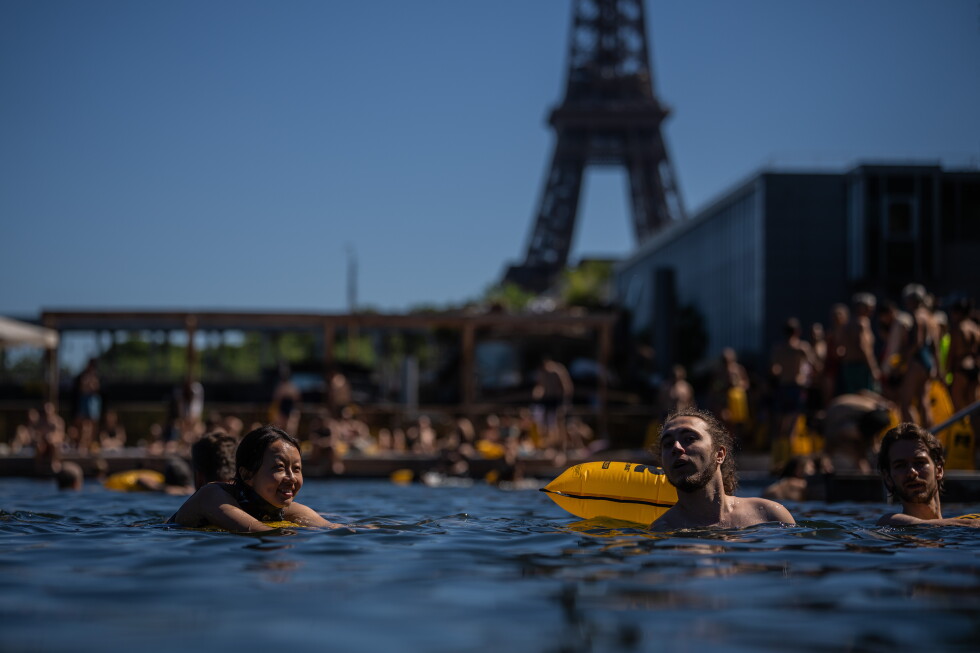
    The three swimming zones are strategically located across the city: one near the Paris City Hall, a second at the Grenelle site within sight of the Eiffel Tower, and a third in eastern Paris. They are scheduled to remain open throughout the warm summer months, with operations contingent on daily water quality assessments and prevailing weather conditions. To ensure visitor safety, all sites operate under constant supervision from certified lifeguards, and official testing of water purity is conducted every single morning before opening to the public.

    This milestone comes after the Seine hosted open-water swimming and triathlon events during the 2024 Paris Olympic Games. The high-profile international competition accelerated a massive, multibillion-euro river cleanup initiative launched by city authorities. The project included sweeping upgrades to Paris’s aging sewer network, construction of large-scale new rainwater storage facilities, and a series of other targeted interventions designed to cut polluted runoff into the river — work that finally reversed a century of declining water quality.

    Public swimming in the Seine was outlawed nearly 100 years ago because of rampant pollution from untreated urban waste. For decades, Parisians seeking open-water summer swimming have only had access to designated public sites along a canal in the city’s northeast. Even after the 2024 rule change, last summer’s launch faced setbacks: multiple swimming days had to be canceled after heavy rainfalls increased pollution levels in upstream sections of the river, triggering health safety protocols.

    This year, site managers have put new crowd control measures in place to handle the expected influx of visitors seeking relief from summer heat waves. At the popular Grenelle site near the Eiffel Tower, deputy site manager Clémence Donazzan explained that the zone has a maximum capacity of 200 swimmers at any given time. A queuing system operates at the entrance, with staff monitoring visitor numbers in real time to prevent overcrowding. “Everyone will eventually have access, even if there’s a short wait,” Donazzan noted.

    For the many visitors already trying out the new sites, the experience has exceeded expectations. Stewart Talbot, a tourist from Melbourne, Australia who is spending a week in Paris, called the opportunity to swim in the Seine against the backdrop of the Eiffel Tower unforgettable. “It’s amazing to be swimming in the Seine while looking at the Eiffel Tower,” Talbot said. “Maybe it’s not as good as the sea in Australia, but it’s better than our rivers.”

    The initiative has also proven popular with Parisians of all ages, who have embraced the new public amenity. Nineteen-year-old Hermine Jegou, a local resident, praised the inclusive, cross-generational atmosphere of the swimming sites. “It’s great because it’s such a mix of people,” she said. “I love that everyone can get into the water — grandmothers, children — it’s just really nice.” Her 21-year-old sister Joanne Jegou agreed, saying she already planned to return. “It’s such a cool experience, especially being out in the sun and cooling off,” she said.

  • Former chess champion Kramnik banned over cheating remarks

    Former chess champion Kramnik banned over cheating remarks

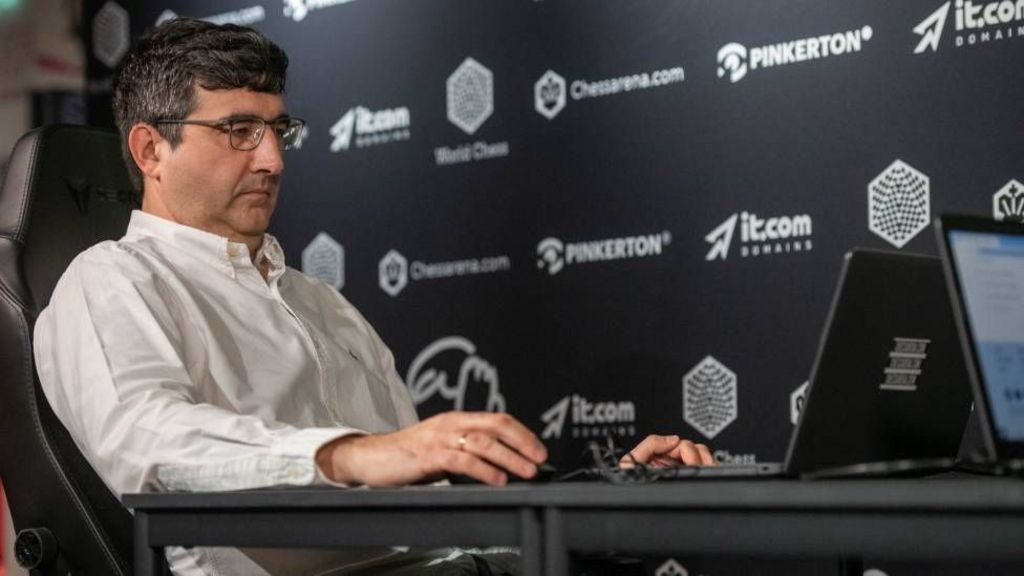
    The global chess governing body FIDE has issued a one-year active competition ban to former world chess champion Vladimir Kramnik, following a disciplinary ruling that found the Russian grandmaster repeatedly violated the organization’s code of ethics through aggressive verbal attacks on fellow competitors—accusations that included false cheating claims against the late American star Daniel Naroditsky.

    Per FIDE’s official announcement, the ruling concludes an investigation into Kramnik’s pattern of public behavior, confirming that he committed multiple violations of the federation’s ethics and disciplinary regulations. The 12-month active ban is paired with a suspended additional 12-month sanction that will only take effect if Kramnik commits further ethics breaches over a three-year probationary period. Crucially, the governing body emphasized that its ruling addresses the improper, public manner of Kramnik’s accusations, not the underlying validity of his claims about cheating in the sport. FIDE reiterated that rooting out chess cheating remains a top institutional priority, but stressed that all allegations must be pursued through the federation’s formal, confidential procedures rather than public harassment.

    The case carries heavy emotional weight for the global chess community, centered on Naroditsky—a beloved figure who built a massive audience of hundreds of thousands of followers across Twitch and YouTube as a player, commentator and educator, known affectionately to fans as “Danya.” Naroditsky earned his grandmaster title as a teenager shortly after winning the 2013 U.S. Junior Championship, and quickly became one of the most recognizable faces of modern online chess. He died suddenly in October 2025 at age 29, and a 2026 toxicology report confirmed his death was the result of an accidental overdose that triggered an irregular heartbeat. Before his death, Naroditsky publicly denied any wrongdoing in a final Twitch broadcast, acknowledging that the unsubstantiated cheating controversy had severely harmed his mental and emotional well-being.

    Shortly after FIDE’s ruling was announced, Kramnik confirmed via a post on X that he intends to appeal the ban. The former 2000–2007 world chess champion has long positioned himself as a public advocate for fair play in competitive chess. The ruling has already drawn broad support from leading figures across the chess world: top-ranked players including world number two Hikaru Nakamura, former world champion Magnus Carlsen, and Indian grandmaster Nihal Sarin previously publicly condemned Kramnik’s harassing conduct toward other players.