博客

  • Three tankers hit in latest attacks in the Strait of Hormuz, British military says

    Three tankers hit in latest attacks in the Strait of Hormuz, British military says

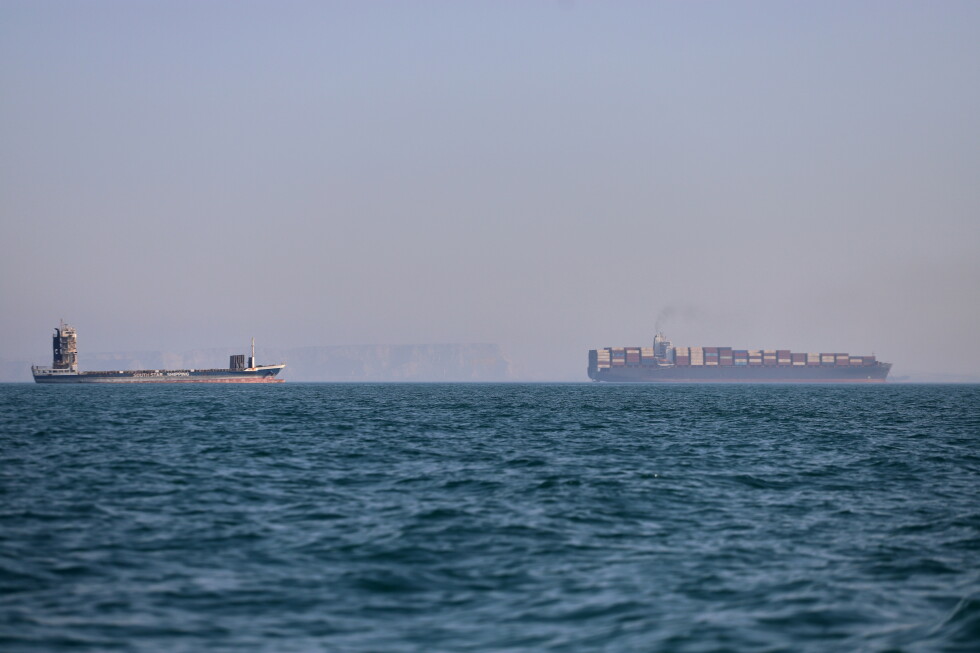
    DUBAI, United Arab Emirates – A series of coordinated attacks targeting commercial vessels transiting the Strait of Hormuz, the world’s most critical energy chokepoint, has sent shockwaves through global maritime and geopolitical circles Tuesday, as Iran grapples with the state funeral of its longtime supreme leader Ayatollah Ali Khamenei, killed earlier in an ongoing regional conflict.

    The United Kingdom Maritime Trade Operations (UKMTO), a British military-run maritime security body, confirmed that three separate tankers were struck in attacks within the narrow waterway that connects the Persian Gulf to the Arabian Sea. Two vessels were hit by projectiles in the early part of the day, while a third was targeted by a drone hours later. Officials confirmed no fatalities or serious injuries across all three incidents.

    Of the two initial projectile strikes, one liquefied natural gas tanker sailing off Oman’s coast caught fire following the impact. Iranian state television claimed the vessel ignored official warnings before the attack, but stopped short of directly claiming responsibility for the assault. Initial assessments indicate the second tanker sustained structural damage, though its exact location at the time of the strike has not been publicly disclosed. The third vessel hit by the drone only suffered minor damage and was able to continue its scheduled voyage after the attack, UKMTO added. No environmentally hazardous leaks have been reported from any of the damaged vessels, and local maritime authorities have launched a full investigation into the coordinated assaults.

    Qatari officials later identified the attacked LNG tanker as the Al Rekayyat, which was carrying Qatari natural gas through the strait. Majed Al-Ansari, spokesperson for Qatar’s foreign ministry, condemned the strike as an unacceptable violation of international navigation rules and global energy security, calling it a “serious and explicit violation” of international law. In a post on X, Al-Ansari said Qatar holds Iran fully legally responsible for the attack.

    The attacks come amid escalating tensions over shipping access in the strait, which historically carries roughly 20% of the world’s traded oil and natural gas in peacetime. Last Thursday, Iran’s joint military command issued an official warning requiring all tankers transiting the waterway to use only Tehran-approved shipping lanes, and threatened “rapid and decisive reaction” to any interference by U.S. forces in the area. Just one day before the attacks, the U.S. Navy-led multinational Joint Maritime Information Center reassured shipping companies that the expanded route along Oman’s coast remains open and safe for all commercial traffic.

    Negotiations between Washington and Tehran, which aim to secure full reopening of the strait, roll back Iran’s disputed nuclear program, and end the ongoing regional conflict that began on February 28, have been paused this week as Iran mourns Khamenei, who was killed in an airstrike earlier this month. The 86-year-old supreme leader’s body was transported Tuesday to Qom, the holy center of Shiite seminary education, ahead of his final burial in his native Mashhad at the Imam Reza shrine. Massive crowds of hundreds of thousands of mourners gathered at Jamkaran Mosque just south of Qom to pay their respects, with many holding banners featuring images of Khamenei and his son, Mojtaba Khamenei, who has been named as the new supreme leader. The younger Khamenei has not appeared at public funeral events, and is widely believed to be in hiding after sustaining wounds in the same airstrike that killed his father. Israel, which has targeted top Iranian leaders throughout the ongoing conflict, has openly threatened to kill Mojtaba Khamenei as well. Many mourners chanted calls for the death of U.S. President Donald Trump during Tuesday’s processions.

    U.S. President Trump reignited tensions Monday during a White House appearance, warning Iran that it must “make a deal, or we’re going to finish the job.” “I’d rather make a deal, because I don’t want to affect 91 million people,” Trump said. “We can knock down their bridges in one hour. We can knock out their energy supply.”

    The current standoff over the strait stems from an interim 60-day truce deal that allowed commercial ships to transit the waterway without fees, but Iran has since insisted it retains the right to control shipping routes and impose passage fees – a move that upends decades of established open-access practice for the international waterway. The U.S. and a coalition of Gulf Arab states have rejected Tehran’s demand for tolls. Prior attacks on shipping in the strait have sparked U.S. retaliatory strikes in the past, worsening regional conflict.

    Despite the escalating tensions, data from shipping analytics firm Kpler shows that at least 108 commercial vessels crossed the strait via multiple routes over last weekend, indicating ongoing commercial activity even amid the standoff.


  • ‘Quite a boring life’: Nathan Cleary proves he’s human after all as Sam Walker shows ‘cookie cutter” halves aren’t always the answer

    ‘Quite a boring life’: Nathan Cleary proves he’s human after all as Sam Walker shows ‘cookie cutter” halves aren’t always the answer

    When Wednesday night’s State of Origin decider kicks off at Suncorp Stadium, the stakes stretch far beyond 12 months of interstate bragging rights and the potential end of a coaching tenure. Beyond the cheers and heartbreak that will define the final 80 minutes of the 2024 series, the match will shape the careers of two of Australian rugby league’s brightest halfback talents: Nathan Cleary of the New South Wales Blues and Queensland Maroons rookie Sam Walker. Both men enter the decider as co-winners of the opening two games’ man-of-the-match honours, carrying famous rugby league surnames and vastly different personal stakes into the biggest match of the series. For Cleary, 28, a win on enemy territory would put to rest an enduring narrative that has lingered despite an already legendary career. Over 11 years in professional rugby league, Cleary has claimed four NRL premierships, two Clive Churchill Medals for grand final player of the year, a World Cup title, an Ashes series win, and three previous Origin series. Yet critics have continually pointed to one gap in his resume: he has never won an Origin decider, holding an 0-3 record in final-game deciders, leading to ongoing claims he has yet to truly dominate the Origin arena. A series-clinching win for the Blues would not only end that debate permanently, it would also almost certainly hand Cleary the coveted Wally Lewis Medal for player of the series, following his standout performance in game one. While his teammates have downplayed the external pressure on the star, who anchors the most dominant club side of the modern NRL era, Cleary says he has learned to reframe the weight of expectation as a positive. “You definitely feel it, but I feel it every single week; not just the big games,” Cleary told reporters ahead of the match. “I think it’s more of a pressure on me because I want to play my best game every single week. It’s obviously not attainable, but I want to do my best for the team to put ourselves in the best position to win. Sometimes you’ll just get hit with nerves that you’re not even expecting, and that’s just the body’s reaction. But dealing with those and actually realising that we’re in such a great position and have such a great opportunity to turn that into a positive is what’s ultimately changed. Probably earlier in my career, once I started feeling nerves, it would make me even more nervous and would spiral a bit. Now I definitely frame it as a positive thing. If you went through life without nerves or any of those high emotions, it would be quite a boring life.” Like Cleary, Walker carries a legacy tied to rugby league royalty. Cleary’s father Ivan forged a successful playing career before becoming one of the NRL’s most decorated modern coaches. Walker’s father Ben and uncles Chris and Shane all played top-flight NRL, and the younger Walker has inherited their unconventional, creative approach to the game. At 24, four years Cleary’s junior, Walker has yet to play in an NRL grand final, but his introduction to State of Origin has already exceeded all expectations. Drafted into the Maroons side to replace injured starter Tom Dearden, the rookie has already turned heads with his performance across the first two games of the series, and a series win would land him one of the biggest paydays in recent halfback history. For years, Walker was written off by scouts and analysts who questioned whether his smaller frame could withstand the physical intensity of top-level rugby league. But his spontaneous, unpredictable style of play has drawn inevitable comparisons to Queensland legend Allan “Alfie” Langer, another small, dynamic Ipswich-bred halfback who defied expectations to dominate the Origin arena. “You hate comparing him to the Alfie Langer journey, but the similarities are there for all to see,” Queensland Rugby League chief executive Ben Ikin said. “A small blonde-haired Queensland halfback who people didn’t know whether he’d be resilient enough to dominate at that level. Beyond that, both of them have their own unique approach to how they see the game and play the game. Sam, like Alfie, stepped into the maroon jersey. For those who know him well, they weren’t surprised. But for the rest of us, any doubts we had about this kid have been dispelled.” Maroons coach Billy Slater’s decision to hand Walker a starting spot was seen as a risky gamble when it was announced, but the move has already paid off in spades, proving that unorthodox playing styles can thrive on the Origin’s biggest stage. Ikin notes that Walker’s upbringing in a family that prioritizes creative, flexible coaching has given him an edge that opposing teams struggle to prepare for. “Sam has this unique way of playing the game,” Ikin said. “For a couple of decades, there’s been a lot of cookie-cutter football that has been largely driven by coaches. But now we’ve got this bloke whose father and uncle have got their own unique style of coaching, and he’s learnt a lot from them. For me, that means that at the NRL level and in Origin, because he’s unpredictable, he’s hard to coach against. It’s pleasing for me that he’s been able to transition that style from NRL into the toughest version of our game.” As kickoff draws near, both players are poised to leave permanent marks on the 2024 series, regardless of the final score. For Cleary, a win will cement his status as an Origin great; for Walker, a breakout performance in a series-winning Maroons side will confirm he belongs among the game’s elite, and set him up for the massive contract that has already been within sight.

  • Fatal Typhoon Maysak floods burst dam wall in China

    Fatal Typhoon Maysak floods burst dam wall in China

    One of the earliest powerful tropical cyclones of the West Pacific season, Typhoon Maysak, has left a trail of destruction across southern China, triggering catastrophic flooding that breached a reservoir dam in Guangxi Zhuang Autonomous Region and caused fatalities across the affected area. Local authorities confirmed on Tuesday that the dam wall at a reservoir in Heng County, administered by Nanning, the regional capital, collapsed after days of relentless heavy rain pushed by the typhoon sent river and reservoir water levels surging far beyond safe operational thresholds.

    As Maysak made its way inland from the South China Sea early last week, the storm dumped unprecedented volumes of rainfall across Guangxi, with many areas recording 24-hour precipitation totals that exceeded historical averages for the entire month. The sustained downpour quickly overwhelmed natural drainage systems, causing widespread river swelling that put enormous structural pressure on hundreds of small and medium-sized reservoirs across the region. Even though local officials had issued multiple early warnings and ordered pre-emptive inspections of water infrastructure ahead of the storm’s arrival, the scale of the flooding outpaced defensive preparations, leading to the dam breach in Heng County.

    Local emergency management teams have been deployed to the affected area to carry out rescue operations, evacuate at-risk downstream communities, and assess the full extent of the damage. As of the latest update, official reports have confirmed multiple fatalities linked to the flooding, though full casualty and damage figures are still being compiled as access to remote hard-hit areas remains restricted by washed-out roads and continued floodwaters. Provincial and national disaster relief authorities have also allocated emergency supplies and funding to support response efforts, as teams work to restore basic services and prevent secondary disasters such as landslides and waterborne disease outbreaks in the wake of the storm.

    The breach highlights the growing vulnerability of aging water infrastructure in parts of China to extreme weather events, which climate scientists warn are becoming more frequent and more intense due to global climate change. In recent years, southern China has faced an increasing number of severe typhoon-driven flooding events that have tested the country’s disaster preparedness and response systems, prompting calls for increased investment in upgrading outdated infrastructure to better withstand extreme weather shocks.

  • Democrat in key US Senate race denies sex assault claim

    Democrat in key US Senate race denies sex assault claim

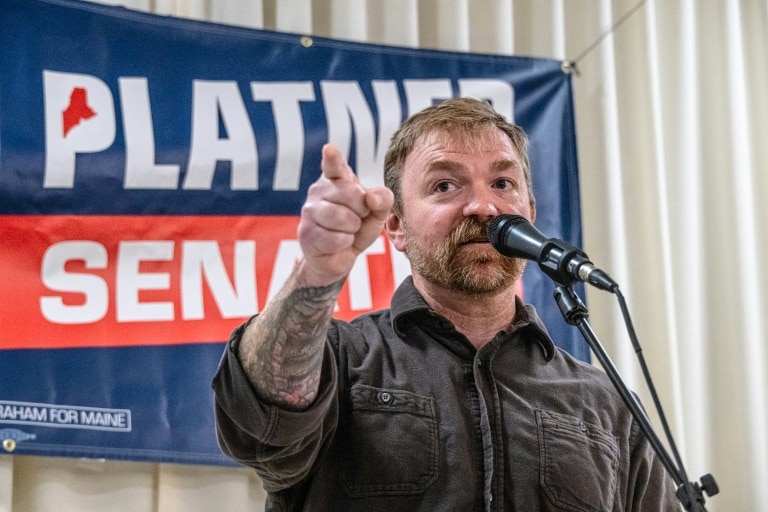
    A high-stakes U.S. Senate race in Maine has been upended by a fresh sexual assault allegation against Democratic nominee Graham Platner, a political outsider whose unorthodox campaign has already been marked by repeated controversies. Platner, who has drawn comparisons to former President Donald Trump for his insurgent, anti-establishment political rise, issued a public denial of the claim on Monday, warning the accusation could derail Democrats’ top-tier opportunity to flip a Republican-held Senate seat this November.

    The allegation was first reported by Politico, which detailed the account of Jenny Racicot, a 41-year-old Maine resident and former romantic partner of Platner. According to Racicot’s account, Platner forced her to engage in sexual activity against her repeated objections during an incident in late 2021. She further claimed that Platner arrived at her rural Maine home uninvited, heavily intoxicated, before assaulting her.

    A Marine veteran and commercial oysterman who entered politics as a complete newcomer, Platner secured the Democratic nomination last month after an upset primary victory. In a video statement posted to the social platform X shortly after Politico published its report, Platner pushed back forcefully against the claim. “These allegations are troubling, serious and false,” he said, adding that his campaign’s core goals — defeating four-decade incumbent Republican Susan Collins and representing the people of Maine — remain unchanged. Still, he acknowledged the political damage the accusation will cause, noting that his campaign is pausing to assess the best path forward moving forward.

    The timing of the allegation could not be worse for national Democrats, who have identified Maine as one of their most critical battlegrounds in their push to retake majority control of the U.S. Senate in the 2026 midterm elections. Collins, a six-term incumbent and one of the last remaining moderate Republicans in Congress, has long been top of the Democratic Party’s target list for the 2026 cycle.

    Platner’s primary win was celebrated by progressive and anti-establishment Democrats, who saw his victory as confirmation that a blunt, unapologetic rejection of mainstream political norms resonates with voters frustrated by decades of incremental, establishment-led policy. However, the nominee has long worried moderate Democrats, who have raised repeated concerns about his extensive personal baggage and its potential to alienate the independent and moderate voters who typically decide general election outcomes in Maine.

    This latest allegation is not the first controversy to plague Platner’s campaign. Prior to the primary, he faced public scrutiny over offensive old online comments, sexually explicit messages leaked to the press, and a past tattoo that resembled a Nazi symbolic emblem, which he later covered up. Multiple previous allegations of mistreatment of former romantic partners have also circulated throughout the campaign.

    Platner has openly spoken about his past struggles with undiagnosed post-traumatic stress disorder (PTSD) from his military service and alcohol addiction, but he has consistently denied ever physically harming former partners. His most loyal supporters frame his well-documented personal struggles and past mistakes as part of a broader public redemption story, arguing that his unpolished authenticity is what makes him appealing to fed-up voters, in contrast to career politicians like Collins.

  • Why some African nations are turning down Trump aid money

    Why some African nations are turning down Trump aid money

    Since dissolving the United States’ longstanding foreign aid body, the U.S. Agency for International Development (USAID), last year, the Trump administration has rolled out a new approach to global health assistance, pushing direct bilateral agreements with individual nations across Africa, Latin America and the Caribbean. While the administration frames the strategy as a fix for the inefficiencies and dependency created by traditional aid models, it has sparked sharp pushback from multiple African governments over its transactional terms, threats to national sovereignty, and ties to U.S. strategic and commercial priorities.

    The framework was launched in December 2023 with a landmark $2.5 billion health partnership with Kenya, where the U.S. pledged $1.6 billion in funding over five years, and the Kenyan government committed $850 million of its own funds. Speaking at the signing, U.S. Secretary of State Marco Rubio hailed Kenya as an ideal first partner and expressed optimism that up to 50 nations would join the initiative. The deal survived a high-profile court challenge from Kenyan activists concerned about patient privacy and finally won cabinet approval last month, but it set the tone for widespread controversy that would follow.

    Under the new strategy, the U.S. has walked away from the multilateral global health system anchored by the World Health Organization (WHO), withdrawing from the body earlier this year over claims the organization mismanaged the COVID-19 pandemic, lacked transparency, and gave other nations an unfair funding advantage at U.S. expense. Unlike previous aid models that channeled most funding through non-governmental organizations, the new framework centers direct partnerships with national governments, requiring them to increase domestic health spending to build self-sustaining health systems. The administration argues this cuts wasteful overhead, eliminates donor-led dependency, and empowers local leaders to shape their own health outcomes.

    “Our aid to those countries will not just be dollars distributed to an NGO who then will go into the country and impose programmes,” Rubio told a congressional committee last month. “Not only are we treating the acute situations on the ground of people that are sick, we are helping them build the capacity and the capability to do this for themselves.”

    Critics point out that the restructuring of U.S. aid has already created immediate gaps in frontline health response. Most notably, the current Ebola outbreak in the Democratic Republic of the Congo (DRC) — one of the first African nations to sign on to the new framework — has exposed severe disruptions from USAID cuts. Amadou Bocoum, country director for the humanitarian organization Care in the DRC, told reporters his team was forced to lay off 36 workers, a third of his staff, including specialists focused on Ebola prevention and community outreach. When the new outbreak emerged, prepositioned emergency supplies were gone, and understaffing delayed the response by 10 critical days. Jeremy Konyndyk, who led USAID’s response to the 2014 West African Ebola epidemic, noted that the dismantling of longstanding U.S.-funded health programs left critical gaps in outbreak detection, arguing the previous network would have caught the spread of the virus far earlier. The Trump administration disputes these claims, pointing to its $270 million donation for the outbreak response and saying the new structure is more aligned with U.S. priorities and more effective.

    By mid-May, 32 countries across the Americas, Caribbean and Africa had signed the proposed health memoranda of understanding, but at least three African nations — Ghana, Zimbabwe and Zambia — have openly rejected the deals, citing a range of sovereignty and economic concerns. In Zambia, the government pushed back against U.S. attempts to tie health aid to a separate critical minerals agreement that would grant Washington preferential access to the country’s natural resources. Zambian Foreign Minister Mulambo Haimbe said his government wanted to negotiate the two deals separately on their own merits, rather than accepting them as a bundled package. A State Department spokesperson did not explicitly confirm the linkage but affirmed the administration’s “America First” approach, noting U.S. foreign assistance is “strategic capital” designed to advance American interests, and that recipient nations are expected to prioritize U.S. strategic and commercial goals.

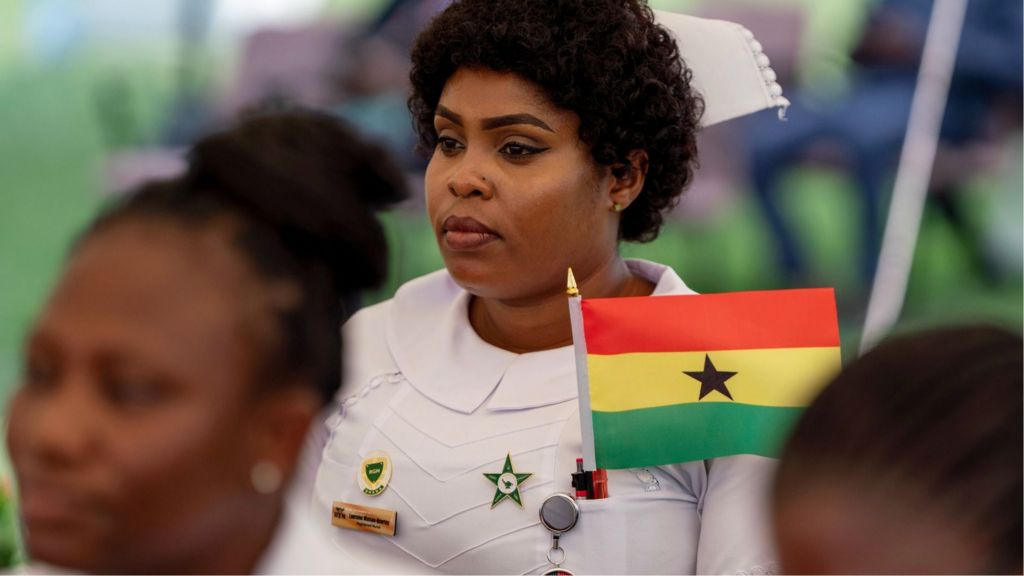
    The most widespread point of contention across countries that rejected the deals is data and biosecurity sovereignty. Ghana rejected a proposed $109 million bilateral health deal in April specifically over data protection concerns. Arnold Kavaarpuo, executive director of Ghana’s Data Protection Commission, said the deal required Ghana to share a broad scope of domestic health data, including patient information and disease-causing pathogen samples, with U.S. authorities, with no reciprocal protections for Ghanaian data or guarantees that Ghana would retain control over the information once it left the country. Zimbabwe similarly rejected a deal over data access concerns, noting that the agreement did not guarantee that local populations would get access to drugs or vaccines developed from their country’s pathogen samples — pointing to the existing, equitable data sharing framework already in place through the WHO.

    The U.S. maintains that the data it requests is the same aggregated, de-identified data that has been used for global infectious disease research for decades through previous programs like USAID and PEPFAR, and that sharing is critical to advancing global scientific progress. But global health governance experts say the context of the data requests has changed dramatically. Nelson Aghogho Evaborhene, a PhD fellow at Denmark’s Roskilde University, noted that while past data sharing relationships were unequal, they could be framed to domestic populations as altruistic efforts to improve public health. Today, he argues, the arrangement is clearly a transactional form of leverage that prioritizes U.S. interests.

    Many African nations also draw lessons from the COVID-19 pandemic, when African countries held large amounts of valuable pathogen data but were left struggling to access vaccines developed from that data. More than 50 African civil society groups have signed an open letter warning that the new U.S. terms do not align with African national or regional interests, a position echoed by South Africa’s government. South Africa has already seen the U.S. withdraw all funding for its national HIV/AIDS programs over what Washington called Pretoria’s failure to meet unconnected policy requests, including a debunked claim that the country is carrying out a “white genocide” against the Afrikaner community. “Frankly speaking, no nation on Earth that respects itself should accede to [these requests],” South African Health Minister Dr Aaron Motsoaledi told the BBC, noting the U.S. seeks permanent access to local pathogen genome data in exchange for just five years of funding.

    Public health experts warn that the shift to a purely bilateral approach to global health ignores the transnational nature of pandemic and disease response. “Global health, by definition, is transnational, crosses borders, does not concern just one country,” said Dr. Kevin DeCock, a former director at the U.S. Centers for Disease Control who spent decades leading infectious disease response efforts. “Global health problems require global approaches, and no country can go it alone.”

    A small number of policy analysts argue the new strategy deserves a chance to prove its effectiveness. Writing for the conservative American Enterprise Institute, analysts Brett Schaefer and Roger Bate acknowledged the risks of walking away from the multilateral system, particularly the withdrawal from WHO, but argued the shift is not the end of U.S. global health leadership. Instead, they frame it as a test of whether conditional, results-driven bilateral partnerships deliver better outcomes than reliance on a multilateral institution that has repeatedly failed to reform itself.

    Months after the first deal was signed in Kenya, adoption of the new framework across Africa remains patchy and deeply divisive. While Tanzania has recently joined the partnership, the growing number of African nations rejecting the terms leaves the future of the Trump administration’s reshaping of global health aid far from certain.

  • AI chip boom lifts Samsung profits by 1,800%

    AI chip boom lifts Samsung profits by 1,800%

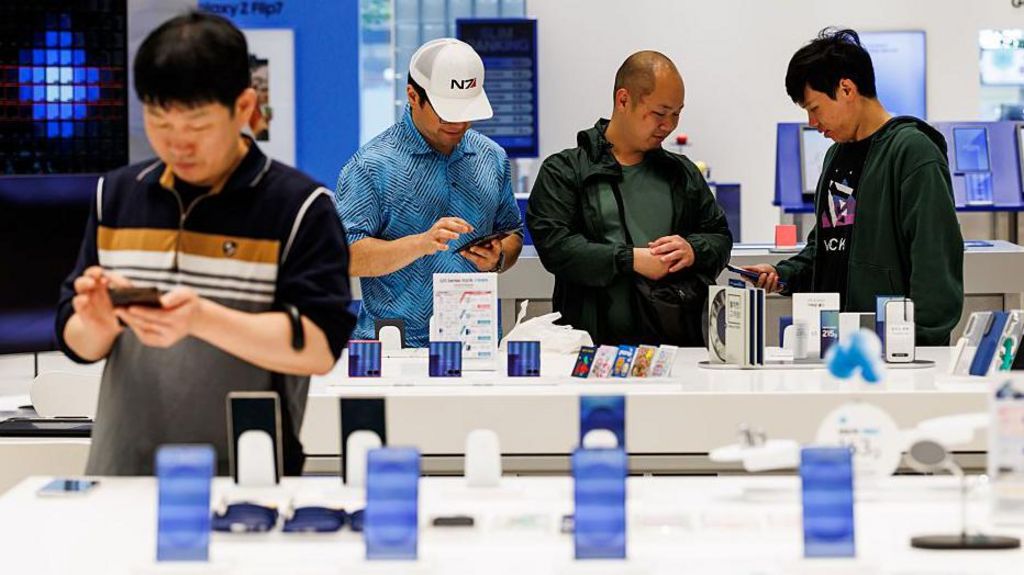
    South Korea’s flagship technology conglomerate Samsung Electronics has projected a staggering 19-fold surge in second-quarter profits, a remarkable gain fueled entirely by the red-hot global demand for artificial intelligence-focused memory chips, the company announced this week.

    The leading global smartphone and semiconductor manufacturer estimates its operating profit for the April-to-June period will hit 89 trillion won, equal to roughly $58 billion and £44 billion. This milestone marks three consecutive quarters of record-breaking operating profits for the firm, a streak unmatched in its recent corporate history.

    Like most major public companies based in South Korea, Samsung releases preliminary earnings guidance weeks ahead of its full, detailed financial report to give investors clear market context ahead of official results. Tuesday’s forecast drop, which comes ahead of the full results set to publish later this July, arrives amid a global semiconductor market defined by strained supply chains that have failed to keep pace with exploding AI-related demand, a mismatch that has driven chip prices steadily upward this year.

    Per Samsung’s guidance, the company pulled in approximately 171 trillion won in total revenue during the second quarter, more than twice the revenue recorded in the same period in 2025. Industry analyst Marc Einstein, who covers global semiconductor markets for Counterpoint Research, called the projected results one of the strongest quarterly performances ever recorded by a large tech firm, noting that it comes close to the all-time sector record set by chip designer Nvidia earlier this year.

    “This has everything to do with the AI boom as memory companies continue to ride a tidal wave driven by limited supply and unprecedented demand,” Einstein explained. In response to persistent tight supply, Samsung has already implemented multiple price hikes for its high-bandwidth memory chips, the core component required to power large language models and generative AI systems.

    As one of the world’s largest semiconductor producers, Samsung manufactures chips for major tech players including Nvidia and Google, in addition to producing its own full line of consumer electronics from smartphones to home appliances. The global AI boom has sent share prices for most leading chip manufacturers soaring in recent months: Samsung’s own market capitalization has more than doubled since the start of 2026, while its South Korean competitor SK Hynix has seen its share price jump more than 200% over the same period.

    Even with the blockbuster profit forecast, Samsung’s shares dipped roughly 4% on the Seoul stock exchange during Tuesday morning trading. Despite this single-day dip, the strong momentum from Samsung and SK Hynix has lifted South Korea’s benchmark Kospi index by more than 80% so far this year.

    The current chip boom follows a similar trend set by Nvidia earlier this year: in May, the AI chip leader reported record quarterly sales and profits that pushed first-quarter revenue past the $80 billion mark. Yet Nvidia’s share price also dropped following that strong report, a movement many analysts attributed to growing investor anxiety over rising competition in the fast-growing AI chip sector.

    To capitalize on this sustained demand, the South Korean government unveiled an $880 billion national investment plan in June led by Samsung and SK Hynix, designed to massively expand the country’s domestic chip manufacturing capacity over the coming decade. The massive South Korean push is part of a broader global trend: rival chip producers across Japan, China and Taiwan have also announced billions in new factory investments to meet the continuing surge in global AI chip demand.

  • Jailers and officials at Russia’s ‘torture prisons’ in Ukraine exposed by BBC

    Jailers and officials at Russia’s ‘torture prisons’ in Ukraine exposed by BBC

    Three years of unthinkable captivity left 64-year-old Liudmyla Huseinova with permanent physical and emotional scars — and a relentless mission to see the men she accuses of brutal abuse held accountable for their actions. Her harrowing account, at the core of a new BBC World Service investigation, has helped unmask three alleged perpetrators who now live seemingly ordinary lives in Russia and occupied Ukraine, shedding rare light on a shadowy detention system that has operated beyond the reach of global justice for nearly a decade.

    Liudmyla’s nightmare began on an early October morning in 2019, when she left her home in Novoazovsk, a Donetsk region city that had fallen under Russian-backed paramilitary control after Russia’s 2014 annexation of Crimea and invasion of eastern Ukraine. Working as a safety engineer at a local poultry farm, Liudmyla had quietly supported Ukrainian forces and cared for local orphans under occupation; she believes a photo of a Ukrainian flag she shared with trusted friends tipped off separatist authorities, leading to her abduction. A group of masked men seized her bag, threw her into the back of a waiting car, and delivered her to Izolyatsia — a former factory and modern art centre that had been converted into one of the most notorious detention sites in the occupied region, where widespread accounts of torture have emerged from survivors for years.

    The first days inside Izolyatsia were defined by unrelenting cruelty and terror. Liudmyla recalls being surrounded by men who subjected her to dehumanizing verbal abuse immediately upon arrival. Detainees were forced to stand continuously from 6 a.m. to 10 p.m. each day, and bright lights were kept on around the clock to prevent sleep. “I have never heard such terrible screams before,” she told the BBC, describing the constant sounds of abuse echoing through the facility’s walls. Two weeks after her arrival, she was taken to a second-floor room where the worst of her abuse unfolded. A man known to prisoners only as “Koval” sexually assaulted her, she says — while Yurii Temerbek, a former Ukrainian traffic policeman who had joined the Russian-backed separatists, stood by laughing and making sarcastic comments.

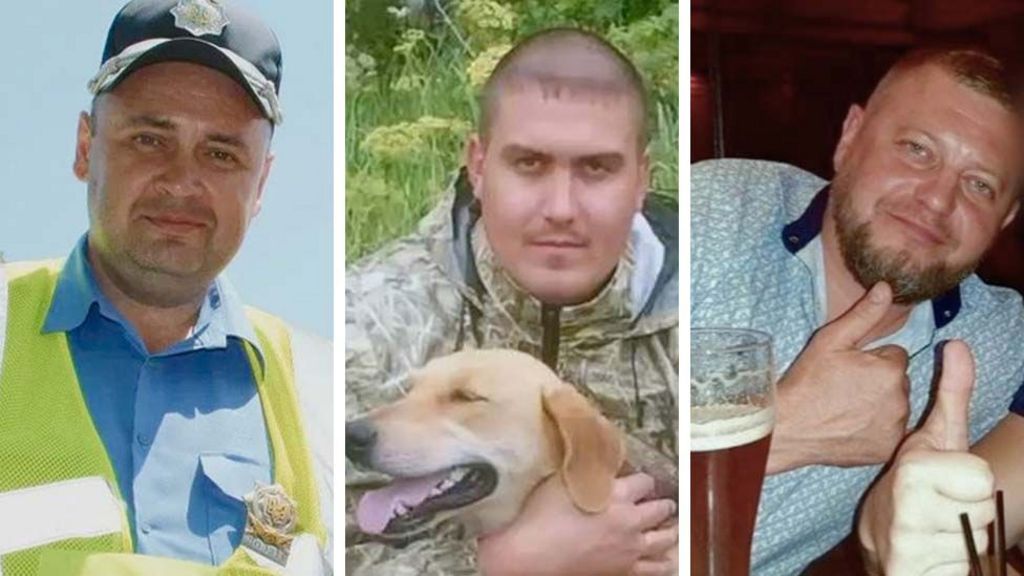
    The BBC’s investigation, carried out in partnership with two Ukrainian open-source investigators working with local non-profit Truth Hound, has confirmed Temerbek’s identity and uncovered his current circumstances. Now 56, Temerbek is a husband, father, and grandfather who studied Ukrainian language at university. Pre-2014 social media posts confirm he worked as a local traffic officer in the Donetsk region before joining the separatist Ministry of State Security (MGB). Ukrainian prosecutors have already launched criminal proceedings against him for participation in a terrorist group, and Liudmyla says he repeatedly threatened her during her captivity, including a late 2021 encounter where he called her a slur and threatened to send her to Siberia. Investigators found Temerbek and his family now reside in Russia’s Rostov region, just across the border from Ukraine, living an ordinary life far from the detention centre where he allegedly abused detainees.

    The investigation also unmasked a second Izolyatsia guard, known to prisoners as “Yermak”: 46-year-old Ruslan Yeriomichev, a law graduate from Donetsk National University who was first identified by investigative group Bellingcat and former Izolyatsia detainee and journalist Stanlislav Aseyev. Liudmyla says Yeriomichev once ordered her to eat uncooked food mixed with dirt and rubbish; when she spat most of it out, he beat her for refusing to comply after she answered “I’m for justice” to his question “Are you for Ukraine?”. The trauma of that incident still haunts her today: she cannot bear the smell of cooking food and struggles to maintain a normal diet. Social media posts show Yeriomichev still lives in occupied eastern Ukraine, taking family holidays in Russian-annexed Crimea and sharing photos of trips with friends and family as recently as 2024. Like Temerbek, he holds both Ukrainian and Russian citizenship, and faces multiple charges from Ukrainian prosecutors including cruel treatment of civilians and prisoners of war.

    Beyond the Izolyatsia case, the investigation mapped the full scale of the secret detention network run by Russian and Russian-backed forces across occupied Ukraine and Russia itself. Cross-referencing testimony from survivors, human rights reports, and open-source data, the BBC confirmed 93 active detention sites holding civilians and prisoners of war in occupied Ukraine between 2023 and 2025 — nearly a third of which are unofficial, operating out of repurposed buildings ranging from tax offices to hotels and private garages. An additional 102 detention sites were identified on Russian territory. None of these facilities have been open to unmonitored access by international human rights organizations.

    A second survivor, 42-year-old Kherson-based cargo sailor Oleksii Sivak, shared his own account of abuse to the BBC. After Russia captured Kherson in 2022, Oleksii quietly resisted occupation by cooking for elderly residents and distributing pro-Ukraine leaflets. He was arrested and taken to a former police station repurposed as a detention centre, where he says guards tortured him with electric shocks to the genitals and beat him with blunt objects. When Ukrainian forces retook Kherson in late 2022, Russian-backed forces fled the city, taking most detainees with them; Oleksii escaped only because the departing convoys did not have enough space to hold him.

    The BBC identified the commander of the Kherson detention facility as Andrey Spivak, a 40-year-old former prison guard from Russia’s Omsk region. Ukrainian prosecutors have charged Spivak with cruel treatment of civilians and violations of international war law. Investigators found Spivak has since returned to Omsk, where he works as a taxi driver and posts photos of his outdoor hobbies including fishing, hunting, and cross-country travel on social media.

    The United Nations Office of the High Commissioner for Human Rights (OHCHR) has documented that torture, sexual violence, arbitrary detention, and cruel treatment are systematic and widespread across this network of detention centres. Former detainees have consistently reported beatings, electric shock torture, mock executions, and sexual assault, and families of the detained are rarely given any information about their loved ones’ fates. Ukraine’s general prosecutor’s office says more than 16,000 Ukrainian civilians have been captured or disappeared since 2014, and over 400 cases of conflict-related sexual violence against detainees have been documented since Russia’s full-scale 2022 invasion. The Kremlin has repeatedly dismissed these allegations as biased and “groundless lies”, and added Russia to the UN’s global blacklist of countries accused of using sexual violence in conflict in 2024. When contacted by the BBC about the allegations against Temerbek, Yeriomichev, and Spivak, none of the three men responded. The Russian Embassy in London stated that Russia “consistently advocated respect for international law and the rule of law” and that all allegations of abuse are investigated.

    Liudmyla was released in a prisoner exchange in October 2022, three years and 13 days after her abduction. When she was welcomed home by friends, she found she could not cry: years of abuse had frozen her emotions, a condition she still lives with today in Kyiv, where she resides with her husband. She now runs a support organization for other female former detainees, and operates a secret network to deliver parcels from Ukrainian families to their loved ones still held in Russian-backed detention facilities.

    To date, Ukrainian prosecutors have opened proceedings against dozens of alleged abusers, but very few have been arrested. Most are convicted in absentia, and only one senior former Izolyatsia commander has been sentenced to prison in Ukraine. The Izolyatsia facility itself remains operational under Russian-backed control, according to Ukrainian authorities. For Liudmyla and other survivors, unmasking the identities of the men who abused them is a critical first step toward accountability. “If the men I accuse aren’t found and imprisoned, then justice for me will be their names as criminals, and torturers, will be known to their children,” she said. “For me, justice is not revenge. For me, justice is confirming that these people intentionally, deliberately did what they did. I want them to be punished by law.”

  • Ronaldo’s World Cup career ends in tears as ‘pandering’ Martinez departs

    Ronaldo’s World Cup career ends in tears as ‘pandering’ Martinez departs

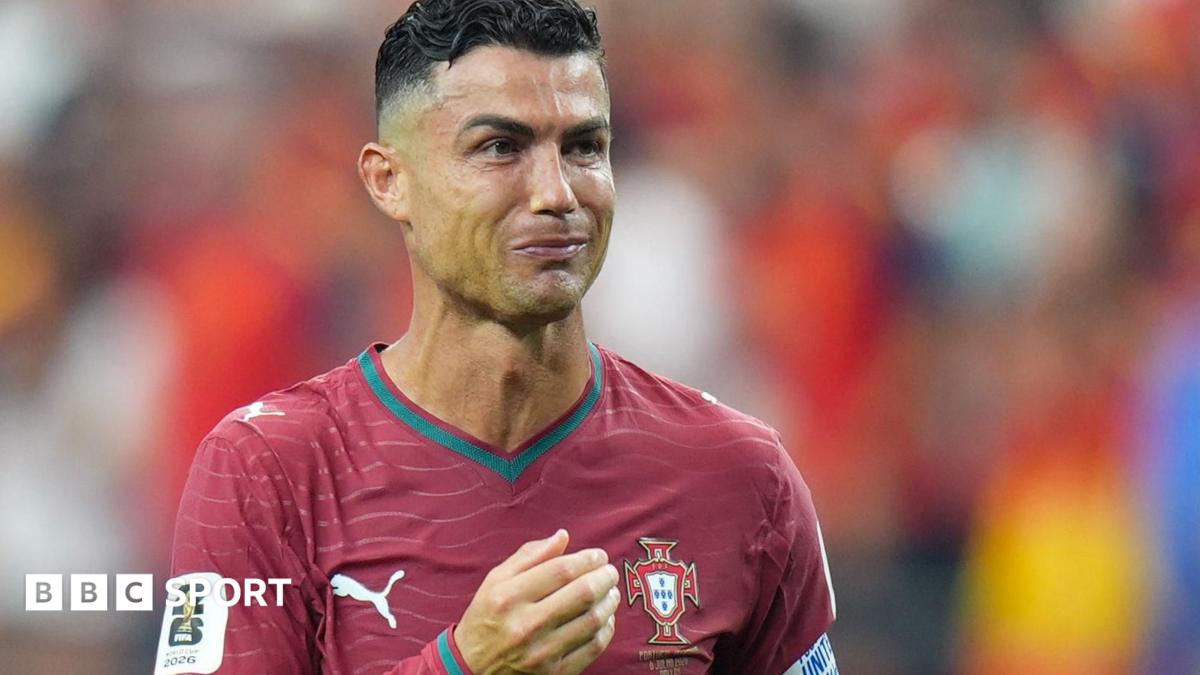
    The 2026 FIFA World Cup’s round of 16 delivered one of the tournament’s most poignant moments in Dallas, as a 1-0 extra-time win for Spain over Portugal closed the book on what is almost certainly Cristiano Ronaldo’s final appearance at the global competition.

    Mikel Merino’s injury-time winner secured Spain’s spot in the quarter-finals, but the post-match narrative centered squarely on Ronaldo, the 41-year-old Portuguese icon who left the pitch in tears as his decades-long World Cup dream of lifting the trophy went unfulfilled. Long lauded as one of the greatest players to ever step onto a football pitch, Ronaldo retires from World Cup competition holding a host of unparalleled records: he is the only player to score in six consecutive World Cups, one of just two players to feature in six tournaments alongside long-time rival Lionel Messi, and he retires with 11 total World Cup goals, good for ninth on the all-time leaderboard.

    Across his entire club and international career, Ronaldo has notched a world-record 976 goals, claimed five Ballon d’Or awards, five Champions League titles, and a European Championship crown with Portugal in 2016. Yet despite 20 years of World Cup appearances dating back to 2006, when Portugal reached the semi-finals – his deepest run in the competition – the sport’s biggest prize eluded him entirely.

    While Ronaldo has confirmed this was his final World Cup, he has not yet confirmed his retirement from international football, telling reporters post-match that he would “meet the family and take decisions with a calm head” on his future with the national side. Still, the loss sparked immediate and fierce debate over whether Portugal manager Roberto Martinez’s decision to consistently start Ronaldo, despite the forward’s reduced form and output, ultimately cost the team a deeper run in the tournament.

    Match statistics underscore the critiques of Ronaldo’s role in the side: against Spain, he touched the ball just 19 times across 90 minutes, registered three shots, created only one goal-scoring chance for a teammate, and across five World Cup matches, he created just one total chance. While he ended the tournament with three goals and 18 total shots – tied with seven-goal joint-top scorer Erling Haaland for the fourth-most attempts at the tournament – 366 other players recorded more touches than Ronaldo, despite him missing just nine minutes of Portugal’s entire campaign.

    Speaking on BBC Radio 5 Live from the match venue in Texas, former England striker and BBC pundit Chris Sutton did not mince words in his criticism of both Ronaldo and Martinez. “He’s waddling around the field like a grandad, that’s why Portugal are out,” Sutton said. “Cristiano Ronaldo does nothing; he did nothing. What is Roberto Martinez doing? How can you pander to a player so much? Portugal are out because of Roberto Martinez.”

    Sutton doubled down on his criticism of Martinez for failing to insert young in-form striker Goncalo Ramos, who scored a hat-trick in the 2022 World Cup round of 16 after then-manager Fernando Santos dropped Ronaldo to the bench. “How did Goncalo Ramos not get on the pitch? It’s an absolute embarrassment from the manager, just pandering to his star player,” Sutton said. “He’s the most decorated player that Portugal have ever had but you’ve got to be stronger than that. We’re four years further on, Ronaldo is four years older and look what’s happened.”

    Sutton also noted that Martinez, who previously mismanaged a highly talented Belgian golden generation that crashed out of the 2022 World Cup in the group stage, repeated the same mistake with Portugal, which boasts a deep squad of elite talent including four Champions League-winning players from Paris Saint-Germain and Premier League player of the year Bruno Fernandes of Manchester United. “His job was to try and win the World Cup and put the best team out for Portugal. Has he done that? Absolutely not,” Sutton said. “It’s scandalous the way he has managed this team. He made a mess of Belgium when they had an opportunity of really doing great things with that golden generation; they ended up Belgian buffoons. Now Portugal, it was pathetic to see a manager act in that manner.”

    Shortly after the final whistle, Martinez announced he would step down as Portugal manager, ending his contract which expired after the tournament. “I came to Portugal with the objective of winning the World Cup and because I haven’t won it wouldn’t make sense to continue,” he explained. The departing manager offered a glowing tribute to Ronaldo, calling him a “football icon” and defending his choice to keep the star in the starting lineup. “When you need a goal you cannot take Cristiano off, at least in 90 minutes, he is physically capable – his presence, open space, dead-ball situations, we need his experience,” Martinez said. “We need to thank him for what he tried to do at this World Cup. His dream was to win this World Cup, he did this with an amazing example. He is a prime example of football and the human being that is behind that athlete.”

    The end of Ronaldo’s World Cup journey also closes a defining chapter in modern football fandom: the decades-long rivalry between Ronaldo and Lionel Messi. For generations, fans have divided into camps aligned with one player or the other in the endless debate over who deserves the title of the greatest of all time, a rivalry explored in a new BBC iPlayer documentary released this summer. While neither player had won the World Cup through 2022, Messi claimed the trophy with Argentina in Qatar four years ago, eliminating the only major mark against his legacy. Now, Ronaldo will finish his career without ever lifting the prize.

    Today, as both legends wind down their careers – Ronaldo plying his trade in Saudi Arabia’s Pro League with Al-Nassr and Messi playing in Major League Soccer with Inter Miami – Messi continues to outperform his old rival at the 2026 World Cup, currently sitting as joint-top scorer with seven goals, matching his 2022 output. Ronaldo has scored just four goals across his last two World Cup tournaments, and sits second to Messi on the all-time World Cup goalscoring list, with 11 to Messi’s 20.

    Former Manchester United teammate Wayne Rooney paid tribute to Ronaldo’s unprecedented career following the exit. “He is a genius, a superstar. What he has given to football and millions of people is something very rare,” Rooney said. “He will be disappointed because he believed he could win this tournament. But time gets us all. It’s a sad day for football.”

    Many Portugal fans who spoke to the BBC after the match shared that same sense of emotion but chose to celebrate Ronaldo’s legacy rather than lament the defeat. “One of my dreams was to watch Ronaldo live. I was happy to see him. He has meant a lot,” one fan said. “I’m really emotional. We were just not lucky this time. What Ronaldo has done has been beautiful. We don’t have to cry, we have to laugh because we saw him.”

  • Swiss breakout star Manzambi and 2 others leave training ahead of World Cup clash with Colombia

    Swiss breakout star Manzambi and 2 others leave training ahead of World Cup clash with Colombia

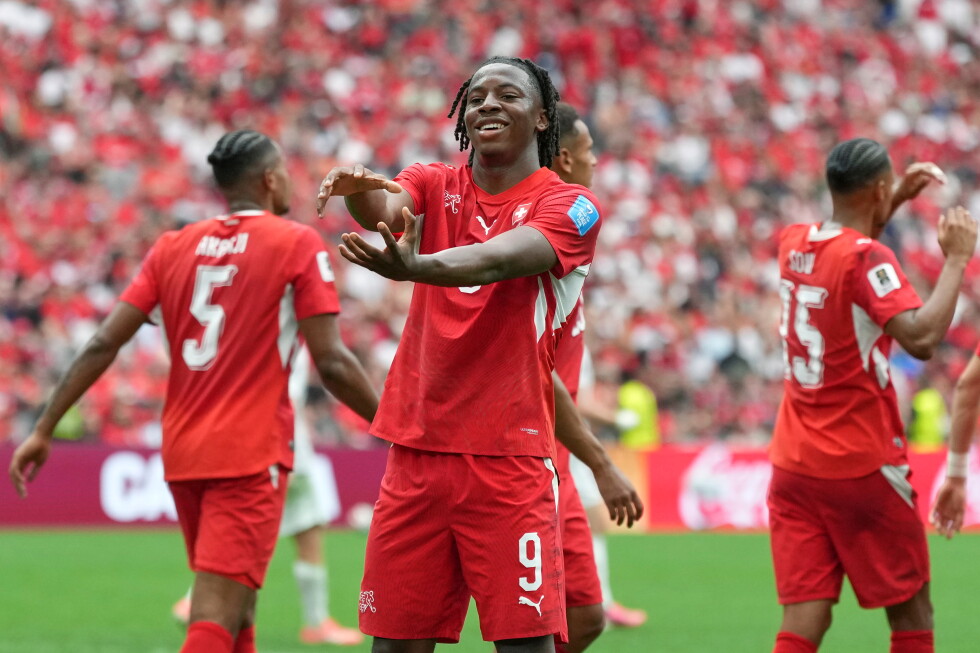
    VANCOUVER, British Columbia – As Switzerland prepares for its must-win World Cup round of 16 matchup against Colombia on Tuesday, a sudden wave of training exits has thrown the European side’s preparations into last-minute uncertainty, with breakout tournament sensation Johan Manzambi among three key players who cut their Monday training session short. The Swiss national team confirmed that alongside Manzambi, starting midfielder Rubén Vargas and central midfielder Djibril Sow also left practice early, but offered no additional details on the nature of their issues or the severity of any possible injuries.

  • World Cup 2026: Trump says he intervened to overturn red card in what has become a historic scandal

    World Cup 2026: Trump says he intervened to overturn red card in what has become a historic scandal

    A firestorm of debate has swept through global football after FIFA’s stunning decision to overturn a red card for United States breakout star Folarin Balogun, a move that came just days after former US President Donald Trump personally pressured FIFA president Gianni Infantino to revisit the call.

    The disciplinary action against Balogun stemmed from a round-of-32 match against Bosnia and Herzegovina, where the American forward was sent off with 30 minutes remaining after VAR upgraded a challenge on opponent Tarik Muharemovic to a straight red. While most observers agree the collision was accidental, the red card carried an automatic one-match suspension that would have forced Balogun to sit out the USMNT’s critical round-of-16 clash against Belgium on Monday. As the host nation for the remainder of the 2026 World Cup, and with Balogun one of the team’s standout talents, the Trump administration moved quickly to challenge the ruling.

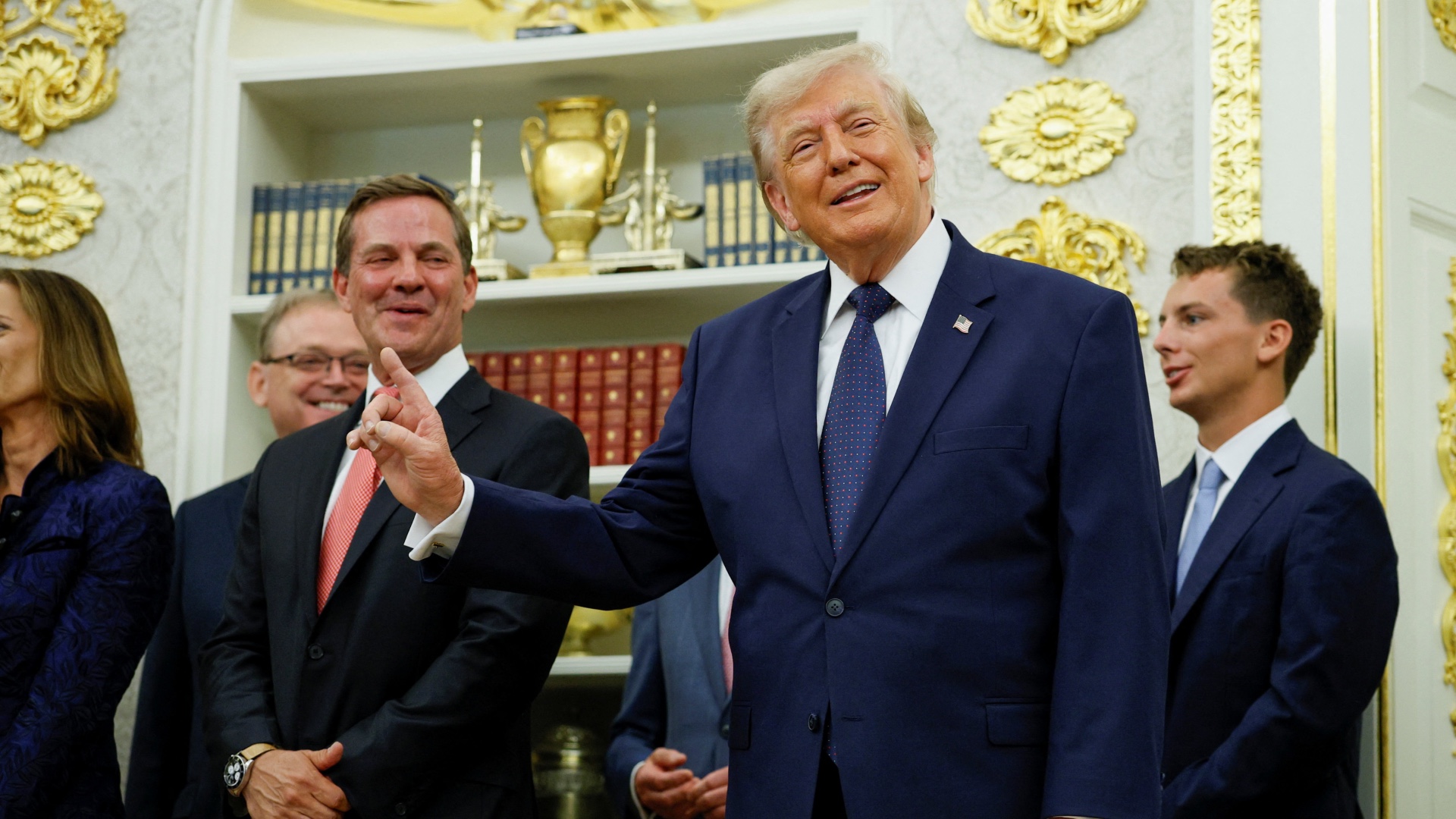
    Trump confirmed his intervention to reporters at the White House on Monday, arguing the challenge never rose to the level of a foul, let alone a sending-off. “That wasn’t even an infraction, that was two guys running full speed that happened to crash into each other,” Trump said. He also questioned the integrity of Brazilian referee Rafael Claus, who issued the card, calling his record “very suspect” – remarks that have already sparked intense backlash against Claus on social media. Confirmation of the high-level lobbying campaign emerged earlier from Politico, which reported that Andrew Giuliani, executive director of the White House FIFA World Cup Task Force, Commerce Secretary Howard Lutnick, and senior US Soccer Federation officials spent four days coordinating the appeal.

    In a move that shocked the global sports community, FIFA announced Sunday it was reversing the red card, replacing the suspension with a one-year probation. The governing body used Article 27 of its Disciplinary Code, a rarely used provision colloquially known as the “Cristiano Ronaldo Rule” after it was invoked to clear the Portuguese star for his 2026 World Cup opening matches last November. The decision has reignited longstanding criticism that FIFA has cultivated overly close ties to the US administration to protect the commercial success of the ongoing tournament, which the US is co-hosting.

    Infantino pushed back against accusations of political interference in a statement released hours after Trump’s confirmation. “FIFA’s judicial bodies are independent. They operate autonomously,” he wrote, adding that he always respects the rulings handed down by FIFA’s disciplinary panels, regardless of whether he agrees with them. He also noted that regular conversations with heads of state regarding the World Cup are standard practice.

    For Team USA, the reversal is a welcome outcome. Head coach Tim Ream told *Good Morning America* that Balogun has been overjoyed by the news, and is now eager to contribute on the pitch rather than sit on the sidelines. “He’s been beaming ear to ear since we all found out the news,” Ream said.

    But the precedent set by FIFA’s ruling has triggered an immediate wave of demands for equal treatment from other qualified teams, with high-profile pushback from across global football. France has already appealed a yellow card received by star player Michael Olise during its round-of-16 match against Paraguay. England manager Thomas Tuchel joked at a recent press conference that he may ask Trump to help overturn a red card suspension for Jarell Quansah, adding: “Where does it start, and where does this end now?” Norway head coach Stale Solbakken, whose side knocked out three-time champion Brazil Sunday, called FIFA’s choice a “bad bad bad bad bad decision.”

    Within minutes of FIFA’s Sunday announcement, Belgium – the US’s opponent in Monday’s knockout match – filed a formal challenge to Balogun’s eligibility. In a statement Monday, the Royal Belgian Football Association said it had yet to receive any formal explanation from FIFA, leaving it no option but to contest the ruling. “Regardless of the sporting outcome of this match, the RBFA is deeply saddened by the course of events and will continue to fight in the coming hours, days and months in defence of the fundamental principles of ethics, fair competition, and the interests of football as a whole,” the statement read.

    Criticism has also come from veteran football leadership. Former FIFA president Sepp Blatter, who has been banned from FIFA activities since 2015 amid a corruption scandal, weighed in on social media platform X Monday, writing: “Red cards are not overturned by political phone calls. They are overturned by rules, evidence and independent bodies. If a US President intervenes with the FIFA President – and a player is suddenly cleared before a World Cup knockout match – the question is unavoidable: Quo vadis, FIFA?” European governing body UEFA went even further, saying the reversal “crossed a red line.” The organization noted that automatic one-match suspensions for red cards are non-discretionary: “In this case not,” the statement said. “A minimum automatic suspension of one match following a red card is not a discretionary option and does not require the decision of a competent body to be enacted.”

    The controversy also carries a subtle political subtext: Balogun, a dual US-UK national born in New York and raised in London, qualifies for the US national team via birthright citizenship, a policy Trump has repeatedly tried and failed to overturn during his time in office.