博客

  • World Cup quarterfinals feature soccer powerhouses from Argentina and Spain to France and England

    World Cup quarterfinals feature soccer powerhouses from Argentina and Spain to France and England

    With the 2026 FIFA Men’s World Cup down to its final eight competitors, the quarterfinal round has shaped up to be one of the most competitive in modern tournament history. Every side advancing to this stage ranks among the top 12 in FIFA’s pre-tournament global rankings, with six of the eight placing inside the top 10, setting the stage for a series of high-stakes matches across the United States.

    Pre-tournament odds heavily favor defending World Cup champion France, which enters the quarterfinals as the clear title favorite with betting odds sitting just below 2-1. Spain and 2022 champion Argentina trail closely behind at 7-2, followed by England at 9-2. Underdog Norway enters at 14-1, while long shots Belgium, Switzerland and Morocco all hold 28-1 odds to lift the trophy. For fans in the U.S., all quarterfinal matches will be broadcast in English on Fox and Peacock, with Spanish-language coverage available through Telemundo.

    The first quarterfinal matchup kicks off Thursday at 4 p.m. EDT at Gillette Stadium in Foxborough, Massachusetts, pitting powerhouse France against Cinderella side Morocco. France has looked unstoppable through the tournament so far, netting 10 goals while conceding just two across group play. The side’s dominant form continued into the knockout round with a 3-0 blowout of Sweden, though their most recent win was a hard-fought 1-0 edge over Paraguay that saw Kylian Mbappé score his 19th career World Cup goal. Even with Norway resting star Erling Haaland and nearly all their first-string starters in group play, France’s lopsided results have cemented their status as the team to beat. Standing in their way is Morocco, which has defied all expectations to reach its second World Cup semifinal berth since 2022. The side opened with a surprising draw against powerhouse Brazil, knocked out the Netherlands in a tense penalty shootout, and recovered from a slow start to defeat co-host Canada, earning a spot in the final eight. Oddsmakers widely expect France to advance to the semis.

    The second quarterfinal takes place Friday at 3 p.m. EDT at SoFi Stadium in Inglewood, California, between Spain and Belgium. Spain stumbled into the tournament with an unexpected draw against underdog Cape Verde in their opening match, but that early test appears to have sharpened the side for high-pressure knockout play. After cruising past Austria 3-0 in the round of 32, Spain eliminated Uruguay 1-0, then pulled off a dramatic late win over Cristiano Ronaldo’s Portugal, with Mikel Merino netting the game-winner in second-half stoppage time to send the side through. For Belgium, a dramatic late comeback set the tone for their knockout run: the side rallied from a two-goal deficit with just five minutes left in regulation to beat Senegal, then earned a controversial blowout win over the host United States in Seattle. The result was marred by a FIFA ruling that allowed American-born striker Folarin Balogun to suit up despite an automatic red card suspension from the previous round. Spain enters the match as the favorite to advance.

    Saturday brings two quarterfinal matchups, starting with a showdown between Norway and England at Hard Rock Stadium in Miami Gardens, Florida at 5 p.m. EDT. Norway has delivered the biggest underdog story of this year’s tournament, with star striker Erling Haaland leading the previously underrated side to its first ever World Cup quarterfinal appearance. Haaland has led the charge, scoring two goals in a stunning upset over five-time World Cup champion Brazil to punch Norway’s ticket to the final eight, sparking wild celebrations from fans both in Norway and across host venues in the U.S., where the team’s iconic “Viking Row” celebration has become a fan favorite. England, meanwhile, earned a tense round-of-16 win over Mexico in front of a raucous pro-Mexico crowd at Estadio Azteca, but will be without veteran midfielder Jordan Henderson, who suffered a wrist injury during a post-match celebration. England enters the match as a narrow favorite.

    The final quarterfinal closes out Saturday at 9 p.m. EDT at Arrowhead Stadium in Kansas City, Missouri, where Lionel Messi’s Argentina faces a defensively solid Switzerland side. Messi continues to rewrite World Cup history at this tournament, currently leading all players with eight goals in 2026 and extending his all-time career World Cup scoring record to 21 goals and counting. His most recent iconic performance came in an instant-classic round-of-16 match against Egypt, where he scored the game-winning goal to complete a comeback from a 2-0 deficit and secure a 3-2 win for Argentina. Switzerland, by contrast, has relied on a tight, defensive style to reach the quarterfinals for the first time since 1954, having scored just nine goals across five matches. The side advanced past Colombia in the round of 16 via penalty kicks after 120 minutes of scoreless play. Argentina enters as the heavy favorite to move on.

    Looking ahead, the winner of the France-Morocco quarterfinal will face the winner of Spain-Belgium in the first semifinal on Tuesday, July 14 at 3 p.m. EDT at AT&T Stadium in Arlington, Texas. The second semifinal will pit the winner of Norway-England against the winner of Argentina-Switzerland on Wednesday, July 15 at 3 p.m. EDT in Atlanta, Georgia. The 2026 World Cup final is scheduled for the same kickoff time on Sunday, July 19 at MetLife Stadium in East Rutherford, New Jersey.
  • Trump says end of conflict ‘much closer’

    Trump says end of conflict ‘much closer’

    Five years into the ongoing Russia-Ukraine conflict, U.S. President Donald Trump has announced that diplomatic efforts to broker a ceasefire have advanced further than most observers acknowledge, bringing a long-awaited end to the war within closer reach than ever before.

    Speaking to reporters on Monday, Trump outlined that both Russian President Vladimir Putin and Ukrainian President Volodymyr Zelenskyy have expressed a shared desire to conclude the conflict, with active negotiations already underway to finalize a path forward. “I think we are getting much closer than people realize,” he stated. “We’re in talks, and we’ll see if we can get it ended.”

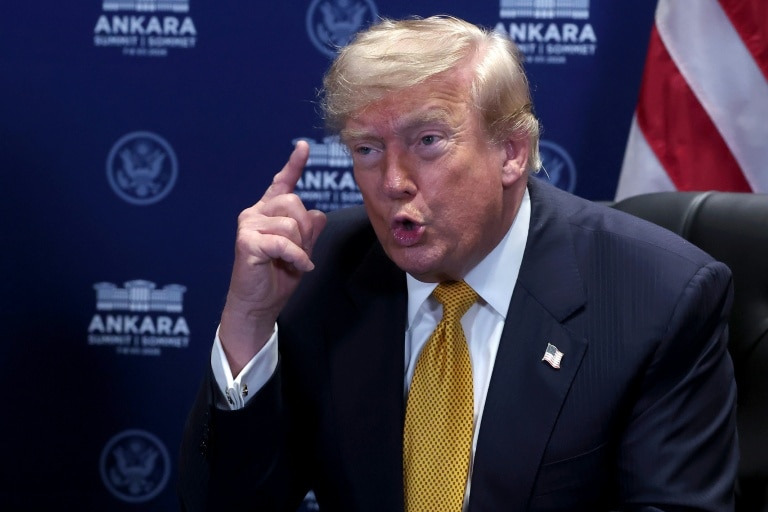
    The comments came just days after Trump held separate phone calls with both heads of state over the weekend, including an 85-minute conversation with Putin on the U.S. Fourth of July holiday. A Kremlin aide confirmed that Trump used the call to present new proposals aimed at advancing peace negotiations. Trump added that his administration has maintained open lines of communication with both Moscow and Kyiv, and that ending the conflict will be a top priority at the upcoming NATO summit, where he is scheduled to hold one-on-one talks with Zelenskyy on the sidelines of the gathering in Ankara. A senior U.S. official told Reuters that the bilateral meeting will center on launching a renewed diplomatic push to end the war, with Trump expected to follow up the discussion with another conversation with Putin to build on any progress.

    While the Kremlin has struck a cautious tone, with spokesperson Dmitry Peskov noting that Moscow has not observed any shifts in the U.S. position on conflict resolution, Zelenskyy offered a more optimistic assessment in an interview with the *Financial Times*. The Ukrainian president argued that Trump’s outlook has been updated by recent Ukrainian military gains on the battlefield, noting that “President Trump wants to be where there’s success.”

    Even as diplomatic momentum builds, however, the conflict has seen a sharp new escalation in military operations over the past 48 hours. Overnight Monday into Tuesday, Ukraine launched the largest drone attack on Moscow in more than two years, dispatching over 430 unmanned aerial vehicles toward the Russian capital. Moscow Mayor Sergey Sobyanin confirmed in a social media post Tuesday that most of the drones were intercepted and destroyed by Russian air defense systems at long range before they could reach the city center, with only 36 UAVs downed near Moscow’s outer limits. No casualties or major infrastructure damage were reported in the attack.

    A day earlier, Ukrainian military forces announced they had carried out targeted strikes on three Russian oil refineries, including Russia’s largest refinery located in Omsk, more than 2,400 kilometers inside Russian territory. The strikes also hit two “shadow fleet” commercial vessels operating in the Sea of Azov.

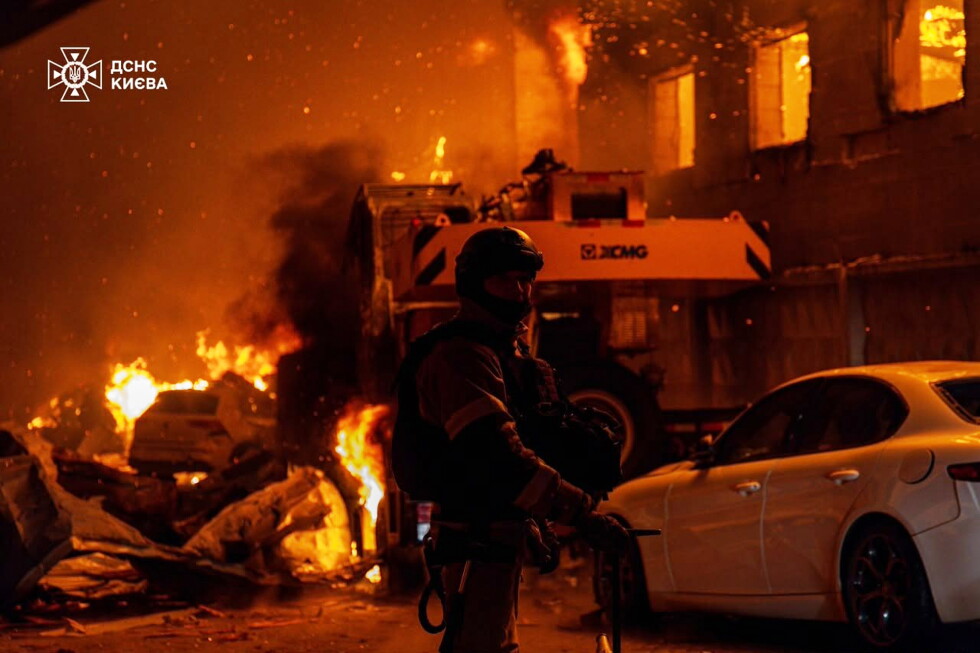
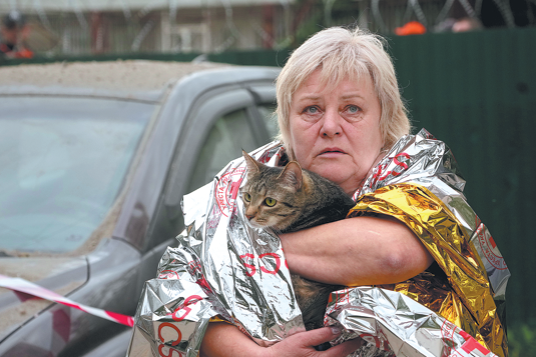
    Russia responded to the Ukrainian attacks with a massive retaliatory strike on Kyiv and surrounding areas, using a combination of long-range precision weapons launched from air, land, and sea platforms alongside drone strikes. Ukrainian emergency services confirmed that the attack left at least 24 civilians dead and dozens more injured, with multiple residential high-rise buildings destroyed in two central Kyiv districts. Search and rescue operations were still ongoing as of Monday evening to recover survivors from the rubble.

    The conflicting developments—optimistic diplomatic signals on one hand, and intensifying military violence on the other—set the stage for high-stakes discussions at the NATO summit this week, as global leaders weigh new efforts to bring the drawn-out conflict to a close.

  • Trump says Iran ceasefire ‘is over’

    Trump says Iran ceasefire ‘is over’

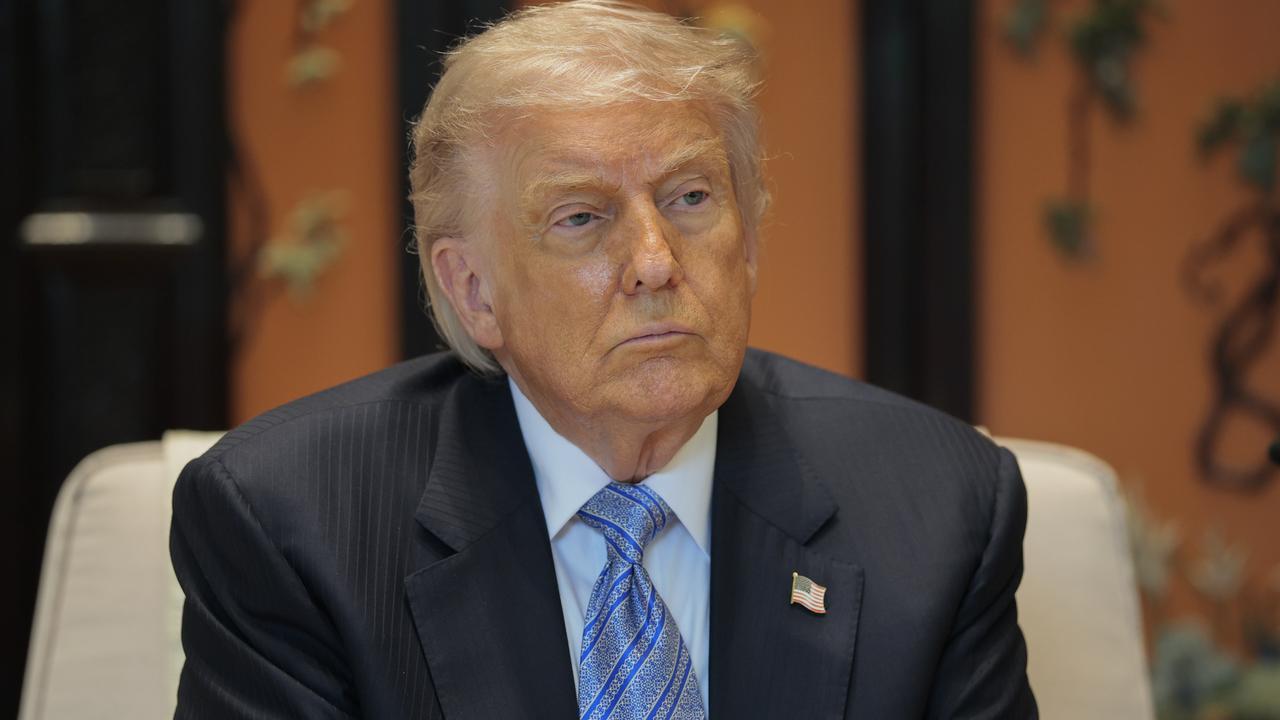
    Fresh tit-for-tat military exchanges between the United States and Iran have collapsed a weeks-old truce between the two nations, U.S. President Donald Trump announced Wednesday during press remarks on the sidelines of the NATO summit in Ankara, Turkey. Striking an uncompromising tone, Trump said the ceasefire negotiated between Washington and Tehran in mid-June was finished, and launched a scathing verbal attack on the Iranian leadership, labeling Iranian officials “scum”, “sick”, “cuckoo” and repeated liars who cannot be trusted to uphold agreements.

    The collapse of the ceasefire comes after a night of escalating military action: the U.S. launched overnight airstrikes against more than 80 Iranian targets, including fast attack speedboats, in a retaliatory move for Iranian attacks on commercial shipping in the strategically critical Strait of Hormuz. In response, Iran’s Islamic Revolutionary Guard Corps confirmed it had launched counterstrikes against U.S. military bases positioned across the Persian Gulf. The news of the collapsed truce immediately roiled global energy markets, with benchmark crude oil prices jumping 5% within minutes of Trump’s comments, reflecting widespread investor anxiety over disruptions to global energy supplies flowing through the Strait of Hormuz.

    “I think it’s over. I don’t want to deal with them any more, they’re scum,” Trump told reporters when asked directly about the status of the truce. “They’re scum, they’re sick people, they’re led by sick people, and they’re vicious, violent people. And if they had a nuclear weapon, they’d use it. As far as I’m concerned, it’s over.”

    Trump accused Iran of systematically violating the terms of the June 17 ceasefire agreement, and repeatedly misrepresenting the core commitments that had been on the table. He noted that the tentative truce centered on a ban on Iranian nuclear weapons development, but that Iranian officials immediately walked away from that commitment after the deal was signed, publicly denying that discussions around the nuclear program had ever taken place. “Everyone’s agreed, no nuclear weapon. We make a deal. They go outside, joke to the press, they say we never even talked about it. There’s something wrong with them, they’re cuckoo,” he added.

    While the U.S. president says he believes the truce is irreparably broken, he left open the possibility that informal negotiations could continue through the American negotiating team led by businessman Steve Witkoff and Trump’s own son-in-law and former senior advisor Jared Kushner. But Trump insisted any path back to formal talks would have to be initiated by Tehran, and he made clear he sees little value in continuing negotiations. “Frankly, I don’t want to waste my time with them. Now, I’ll let our wonderful negotiators keep talking if they want, but I don’t see it. As far as I’m concerned, it’s just a waste of time dealing with them. They’re liars,” he said.

    NATO Secretary General Mark Rutte, who was meeting with Trump when the president made his remarks, publicly backed the U.S. overnight strikes, saying the retaliatory action against Iran was “absolutely necessary”. “It was a very strong response, and I’m with you on this,” Rutte told reporters.

    Despite Rutte’s public support for the strikes, Trump once again criticized NATO as an alliance for failing to join the U.S. in its confrontation with Iran, which he repeatedly labels the world’s top state sponsor of terrorism. He said he was dissatisfied with the refusal of key NATO allies including the United Kingdom, Germany and France to contribute military support to the U.S. campaign against Tehran. “I’m not happy with NATO because of the fact that they didn’t want to help us with the number one state sponsor of terror, that’s Iran. They were unwilling to help us,” Trump said.

    He went on to call out the specific responses he received from key European allies: “I spoke with UK, and the prime minister said, ‘well, we don’t want to help you now, but we’ll help you when the war is over.’ I said that’s not good. And likewise, I spoke to Germany, they didn’t want to help. Spoke to France, didn’t want to help.”

  • Why Trump covets Greenland

    Why Trump covets Greenland

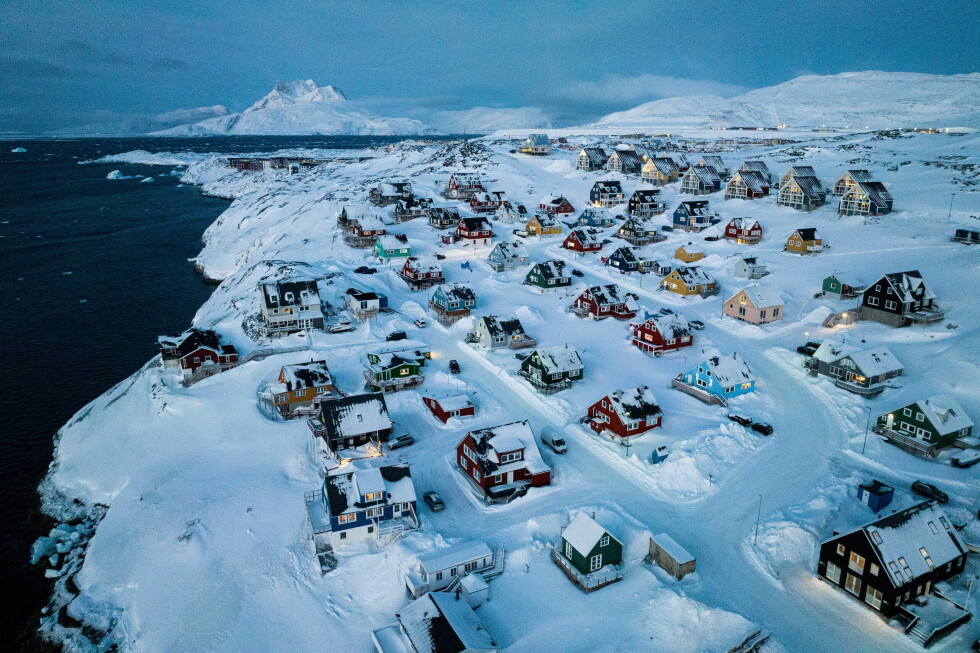
    For decades, the world’s largest island sat largely on the geopolitical sidelines, its 56,000 mostly Inuit residents disconnected from the great power rivalries reshaping the 21st century. But today, Greenland’s position straddling key Arctic and North Atlantic shipping and defense routes has catapulted it into the center of a growing international debate over security, resources and territorial sovereignty, driven by shifting climate patterns, rising great power tensions and a scramble for critical raw materials. At the heart of this debate sits former U.S. President Donald Trump, who has repeatedly pushed for American control of the mineral-rich island, even threatening military force to achieve the goal – a move that has shaken the NATO alliance and sown deep discomfort among long-time U.S. European allies.

    Greenland has been an autonomous self-governing territory within the Kingdom of Denmark, a U.S. ally that has flatly rejected all of Trump’s overtures to acquire the island. Greenland’s own elected government has also pushed back firmly against American designs, issuing a clear statement that the future of the island will be determined exclusively by its own people.

    During his time in office, and amid discussions of potential territorial expansion that have also included Canada and Venezuela, Trump has returned to Greenland again and again, framing a U.S. takeover as critical to American national security. Speaking at a NATO summit, Trump argued, “Greenland is very important to the United States, but it’s not important to Denmark. We need it for protection of the world, not just the United States.” Early in his first term, Trump declined to rule out using military force to seize the island to secure what he called U.S. “right, title and ownership,” though he later claimed to have taken military options off the table. Trump has justified his demands by claiming the U.S. needs Greenland to counter growing Russian and Chinese influence in the region, repeatedly making unsubstantiated claims that Russian and Chinese military forces are operating near the island’s coast.

    Geography lies at the root of Greenland’s outsized strategic importance. More than two-thirds of its land mass sits north of the Arctic Circle, and it lies off Canada’s northeastern coast, a position that has made it critical to North American defense since World War II, when U.S. forces occupied the island to prevent Nazi Germany from seizing control and securing key North Atlantic supply routes. For decades after the Cold War ended, the Arctic was largely defined by international cooperation. But climate change has rapidly melted the region’s permanent sea ice, opening the possibility of year-round commercial shipping through the Northwest Passage and unlocking access to vast untapped mineral reserves, triggering a new era of great power competition for influence and resources in the region.

    In 2018, China labeled itself a “near-Arctic state” as part of a push to expand its regional influence, and unveiled plans to develop a “Polar Silk Road” as an extension of its global Belt and Road Initiative, which has already built extensive economic ties with nations across the world. Then-U.S. Secretary of State Mike Pompeo openly pushed back against China’s move, asking: “Do we want the Arctic Ocean to transform into a new South China Sea, fraught with militarization and competing territorial claims?”

    Russia has also moved aggressively to expand its influence across large swathes of the Arctic, pitting it against the U.S., Canada, Denmark and Norway in competing claims. Moscow has significantly boosted its military presence in the polar region, which hosts its strategic Northern Fleet and a former Soviet nuclear test site that Russian military officials have said is ready to resume testing if needed. Since 2014, the Russian military has restored dozens of abandoned Soviet-era military infrastructure sites, opened multiple new bases and reconstructed Arctic airfields to project greater power in the region.

    European concerns over Russian ambitions in the Arctic have grown sharply since Moscow launched its full-scale invasion of Ukraine in February 2022. Last year, Russian President Vladimir Putin acknowledged that Moscow views expanding NATO activity in the Arctic as a major threat and has committed to strengthening Russian military capabilities in the region to counter it, though he added that Russia remains open to expanded international cooperation in the Arctic.

    Contrary to Trump’s claims that U.S. control of Greenland is needed to advance American security, defense analysts note that the U.S. already enjoys unprecedented security access to the island. The U.S. Department of Defense already operates Pituffik Space Base in northwestern Greenland, established under a 1951 bilateral defense treaty with Denmark, that supports critical missile warning, missile defense and space surveillance operations for both the U.S. and NATO. Greenland also forms one end of the GIUK Gap – the strategic maritime corridor stretching from Greenland to Iceland to the United Kingdom that NATO relies on to monitor Russian naval activity in the North Atlantic.

    Thomas Crosbie, associate professor of military operations at the Royal Danish Defense College, told the Associated Press that a full American takeover of Greenland would bring no meaningful new security benefits to the U.S. “The United States will gain no advantage if its flag is flying in Nuuk (Greenland’s capital) versus the Greenlandic flag,” Crosbie explained. “There’s no benefits to them because they already enjoy all of the advantages they want. If there’s any specific security access that they want to improve American security, they’ll be given it as a matter of course, as a trusted ally. So this has nothing to do with improving national security for the United States.”

    In recent years, Denmark has already expanded U.S. military access across its territory. Last year, Denmark’s parliament passed legislation formally allowing additional U.S. military bases on Danish soil, expanding a 2023 agreement with the Biden administration that granted U.S. troops broad access to Danish air bases. Danish Foreign Minister Lars Løkke Rasmussen confirmed last summer that Denmark would immediately terminate all military cooperation agreements with the U.S. if Washington moves to annex any part of Greenland.

    Beyond its strategic value, Greenland also holds massive economic appeal for Western powers: it is home to some of the world’s largest untapped reserves of rare earth minerals, critical components for smartphones, laptops, electric vehicle batteries and a wide range of other high-tech products that are expected to drive global economic growth for decades. Western governments have increasingly sought to develop new rare earth supply chains outside of China, which currently dominates global production of the critical minerals. That said, developing Greenland’s mineral resources remains a major challenge: the island’s harsh Arctic climate creates significant logistical barriers, and strict environmental regulations have added further hurdles for potential investors.

  • Russian attacks kill 3 across Ukraine, strikes Kyiv for second consecutive night

    Russian attacks kill 3 across Ukraine, strikes Kyiv for second consecutive night

    A wave of coordinated overnight missile and drone attacks between Russia and Ukraine has left at least four people dead and dozens more injured, escalating the ongoing aerial conflict that has stretched Ukrainian air defense capabilities to their limit.

    The violence began shortly after midnight Wednesday, when multiple powerful explosions rocked the Ukrainian capital Kyiv for the second consecutive night. In an unusual reversal of standard attack patterns, the blasts were heard before Ukrainian authorities issued a mandatory air raid alert — a timing that denied civilians critical minutes to reach protected shelter. One civilian woman was killed in the Kyiv strikes, and two additional residents were wounded, according to Tymur Tkachenko, head of the Kyiv city administration. The assault damaged multiple administrative buildings, warehouse facilities, a city garage complex, and several public trams, Tkachenko confirmed.

    In Ukraine’s second-largest city, Kharkiv, two additional civilians were killed and 20 more suffered injuries in a barrage of Russian overnight strikes, Mayor Ihor Terekhov reported. A further two civilians were wounded in Zaporizhzhia after a Russian guided bomb hit residential areas, regional governor Ivan Fedorov said, bringing the total confirmed Ukrainian death toll from the Russian attacks to three.

    Ukraine’s Air Force released a detailed breakdown of the Russian assault, noting that Russian forces launched 169 long-range attack drones and seven missiles — including five ballistic missiles — at targets across Ukraine overnight. While Ukrainian air defense crews shot down or jammed 139 of the deployed drones, and two Russian anti-radar missiles failed to reach their intended targets, all five ballistic missiles and 20 remaining drones successfully hit locations across 15 different Ukrainian sites. The outcome underscores the persistent pressure that large-scale Russian aerial barrages place on Ukraine’s overstretched air defense networks, which rely on Western-supplied interceptors that are often in short supply.

    In a statement following the strikes, Russia’s Ministry of Defense confirmed its forces targeted Ukrainian arms industry infrastructure in Kyiv, saying the strikes hit a plant producing components for Flamingo cruise missiles and a facility responsible for assembling mid- and long-range attack drones.

    The violence was not limited to Ukrainian territory, as reciprocal drone strikes from Ukraine hit multiple locations across Russia overnight, leaving one dead and several more injured. In the Saratov region, Governor Roman Busargin confirmed a Ukrainian drone attack killed one civilian and damaged unspecified industrial infrastructure. Multiple other industrial sites were damaged in Nizhnekamsk, where Mayor Radmir Belyayev reported several people suffered injuries but declined to name the specific facilities impacted.

    In Russia’s Rostov region, two empty oil tankers anchored in Taganrog Bay were hit and damaged by Ukrainian drones, regional governor Yuri Slyusar confirmed. Two crew members were injured in the attack, and the crew of one of the damaged vessels was evacuated as a safety precaution. Slyusar added that no oil spill occurred, as both tankers were traveling empty en route to the port of Rostov-on-Don. Russian air defense systems intercepted and downed 415 Ukrainian drones between late Tuesday and early Wednesday, the Russian Defense Ministry said.

    The latest round of cross-border attacks comes amid a months-long escalation of Russian aerial campaigns targeting Ukrainian energy infrastructure, industrial sites, and population centers, as Ukraine steps up its own long-range drone strikes on Russian territory to disrupt military supply chains and industrial production supporting the Russian war effort.

  • New home construction in Australia plunges, putting housing targets at risk

    New home construction in Australia plunges, putting housing targets at risk

    Australia’s already critical national housing shortage has deepened after new official data revealed a sharp collapse in new residential construction activity during the first three months of 2024, with industry leaders warning that recent federal budget policy changes will only worsen the sector’s headwinds and delay progress on the country’s ambitious homebuilding targets.

    Fresh data published by the Australian Bureau of Statistics (ABS) this week shows that the pace of new home building stalled dramatically in the March quarter, months before the Albanese government unveiled its controversial tax changes for property investors in the May 2024 federal budget. Total new dwelling commencements dropped 11.2% over the quarter to just 48,012 new homes. The sharpest decline was recorded in high-density residential projects, where starts plummeted 19.8% to 19,116 units, while detached single-family home starts fell a more modest 3.5% to 27,658 properties.

    While total completed housing projects remain 0.8% higher year-on-year despite the weak first quarter, the latest downturn has pushed Australia even further off track to meet its national Housing Accord target of building 1.2 million new dwellings between 2024 and 2029. To hit this goal, official projections require Australia to average 60,000 new housing starts per quarter — a benchmark the current construction activity is now falling well short of.

    Industry economists say the current slowdown has been driven by a perfect storm of interconnected headwinds hitting the construction sector. Master Builders Australia chief economist Shane Garrett explained that rising borrowing costs, global supply chain disruptions linked to the ongoing conflict in the Middle East, soaring building material prices, and persistent skilled labor shortages have combined to drag down home building activity across the country. “Construction demand across housing, non-residential building and civil infrastructure projects have all been squeezed by higher interest rates,” Garrett noted.

    The sector now faces additional uncertainty following the tax policy changes introduced in Treasurer Jim Chalmers’ latest federal budget, which was framed as a response to worsening housing affordability stress and rising economic inequality. The budget restructured two key property tax rules to shift investor capital away from existing home sales and toward new construction: it restricted negative gearing tax benefits exclusively to newly built properties, and replaced the longstanding 50% flat discount on capital gains tax (CGT) with an inflation-adjusted indexation system that includes a 30% minimum tax rate.

    Master Builders Australia chief executive Denita Wawn warned that the sudden policy shifts have created widespread uncertainty across the industry that will further dampen investment and slow new project development. “The ABS figures show building activity remains below the level needed, and at the same time, builders are telling us that uncertainty created by the federal budget is affecting confidence and slowing investment decisions,” Wawn said.

    “This uncertainty means some builders will think twice before proceeding with new projects. In some cases, projects may be delayed, scaled back or not proceed at all. Australia cannot afford policies that make it harder to attract investment into construction when we need to deliver more homes, transport infrastructure, schools, hospitals as well as energy and Olympic projects over the next decade,” she added.

  • Rescuers search for 5 missing people after a deadly landslide in India’s Kerala state

    Rescuers search for 5 missing people after a deadly landslide in India’s Kerala state

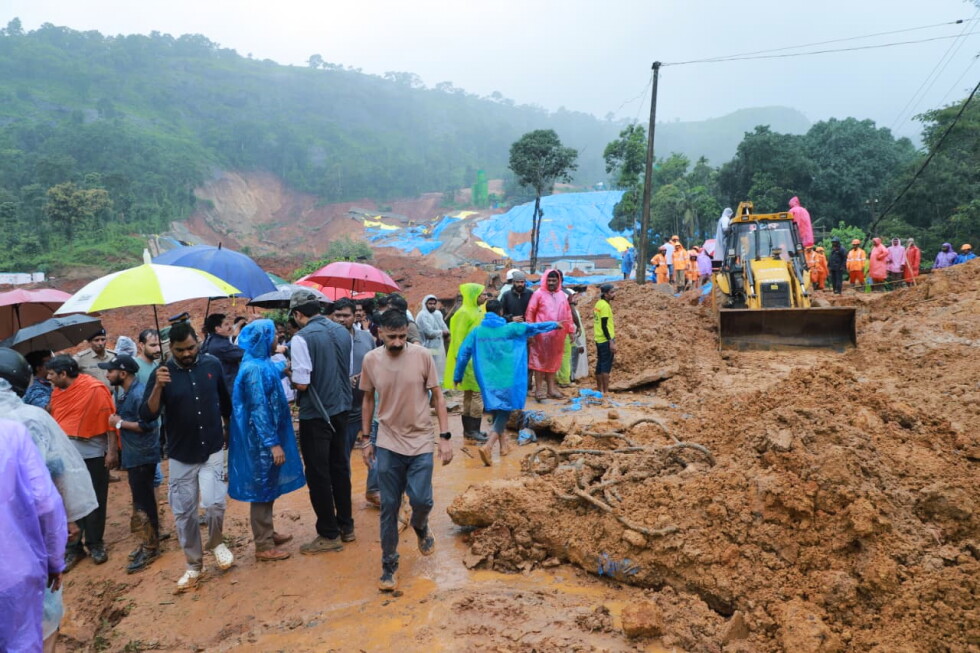
    Rescue operations are underway in the scenic hill district of Wayanad in India’s southern Kerala state, where a catastrophic landslide triggered by intense monsoon downpours has left three people dead and five others unaccounted for. The disaster struck at a tunnel construction site Wednesday, when a massive wall of mud broke loose during heavy rain, tearing through the work area. Seven workers caught in the slide were pulled out with injuries and are currently receiving care at a local hospital.

    Footage of the incident captured the full force of the disaster: a large earthen embankment collapsing under relentless rainfall, uprooting mature trees and sweeping away the temporary metal and fabric barriers that ringed the construction zone. Local law enforcement has segmented the search area into multiple operational zones to coordinate the effort, which includes specialized disaster response teams and sniffer dogs brought in to locate the missing. According to local police official Devamanohar, who spoke to reporters on the ground, ongoing heavy rainfall has significantly slowed progress and complicated search efforts.

    In a surprising turn, Kerala’s Home Minister T. Siddique has publicly labeled the disaster not a natural event, but a man-made tragedy caused by negligent construction practices. Speaking to India’s official Press Trust of India news agency, Siddique alleged that the landslide occurred because construction crews dumped excavated earth in an unscientific manner, and failed to remove construction debris despite prior official warnings about the hazard. The construction company at the center of the allegations has rejected all claims of responsibility, telling the news agency that the landslide originated on elevated terrain far from the actual construction site, making the project blameless for the disaster.

    State authorities have launched a formal investigation to determine the root cause of the incident and assign accountability for the casualties. This landslide is part of a growing pattern of deadly monsoon-related disasters across South Asia. Last year alone, extreme rainfall events including cloudbursts, widespread flooding, and multiple landslides across India caused devastating losses of life and widespread destruction of property.

    Climate researchers have repeatedly warned that human-induced climate change is altering the behavior of South Asia’s iconic monsoon seasons, which typically bring two periods of rainfall between June and December. Once a predictable, life-sustaining weather pattern, monsoons now produce erratic, extreme downpours that dump massive volumes of water over short time frames, punctuated by extended dry periods that create drought conditions. This shift not only increases the risk of catastrophic landslides in hilly, deforested or development-heavy regions like Wayanad, but also threatens food and water security across the entire subcontinent.

  • Iraq’s holy cities host funeral processions for Khamenei

    Iraq’s holy cities host funeral processions for Khamenei

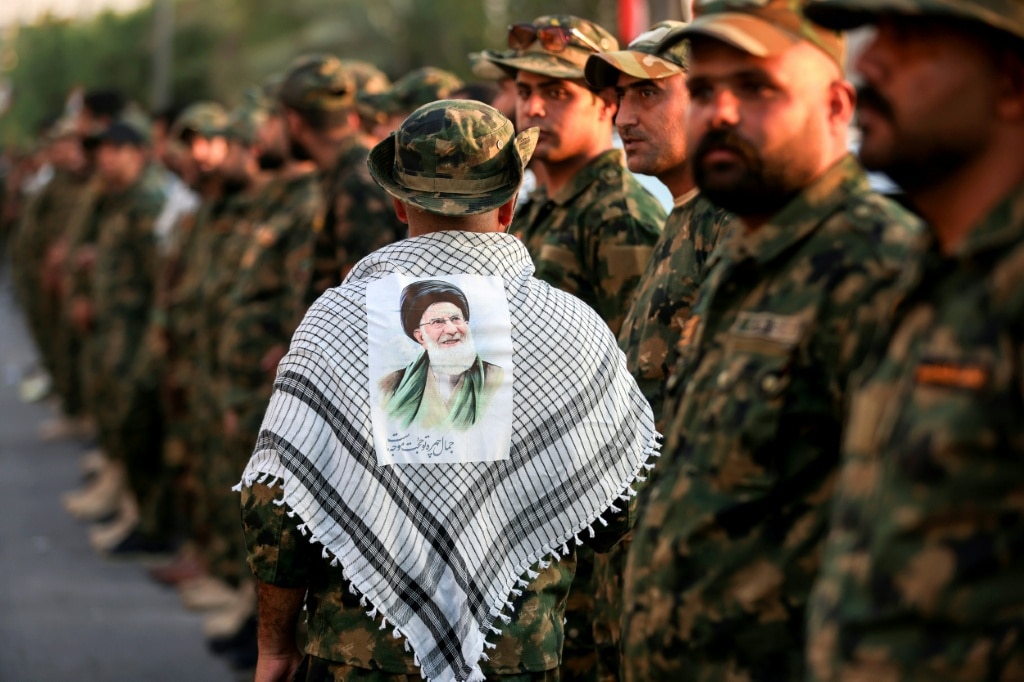
    Crowds of mourners packed the boulevards of Iraq’s holy city of Najaf on Wednesday to honor the passing of Iran’s late supreme leader Ali Khamenei, as his casket was paraded through the city ahead of final burial in Iran later this week.

    Khamenei was killed in a US-Israeli strike on February 28, alongside several of his relatives, triggering a new wave of open conflict across the Middle East. Iran has planned a six-day sequence of national funeral ceremonies to consolidate national unity and project regional strength in the aftermath of the attack, with a full day of events dedicated to neighboring Iraq, a major Shia-majority state with deep religious and political ties to Tehran.

    The Najaf processions unfolded as fresh fighting erupted between the United States and Iran in the strategic Strait of Hormuz, further dimming already faint hopes for a negotiated ceasefire to end the escalating regional conflict. The US military announced it had targeted dozens of Iranian positions in retaliation for Iranian attacks on three commercial vessels in the strait; shortly after, Iran’s Islamic Revolutionary Guard Corps confirmed it had struck US military installations in Bahrain and Kuwait in response.

    Senior Iraqi political leaders and government officials received Khamenei’s remains at Najaf International Airport on Tuesday night, with Iranian President Masoud Pezeshkian and one of the late leader’s sons in attendance at the handover. Iraqi authorities declared Wednesday a national public holiday to allow residents to participate in the commemorations, with processions kicking off at 6 a.m. local time.

    Thousands of security personnel were deployed across the city to manage the swelling crowds, as thousands of mourners pushed toward the truck carrying Khamenei’s casket to touch the wooden surface, on its route toward the Shrine of Imam Ali — one of Shia Islam’s most sacred sites. Dozens of senior Shia clerics waited at the shrine to lead prayers over the casket before it was transported north to the city of Karbala for a second public procession. Khamenei’s final burial is scheduled for Thursday in his native northeastern Iranian city of Mashhad.

    While Khamenei’s eldest son Mostafa was present at the airport handover, his successor Mojtaba Khamenei — appointed supreme leader just days after his father’s killing — has not made any public appearances since taking the role, releasing only written statements to communicate with supporters.

    Many mourners traveled for hours across Iraq to participate in the processions. Mohammed al-Bayati, a 30-year-old Iraqi who made the trip to Najaf, called the event “an opportunity not to be missed to participate in the funeral of the person who challenged the power of America and Israel.”

    As the center of global Shia religious scholarship and home to Grand Ayatollah Ali Sistani, Iraq’s highest-ranking Shia religious authority, Najaf holds unique spiritual significance for Shia Muslims worldwide. Many of the faith’s most senior clerics, including Khamenei’s predecessor Ayatollah Ruhollah Khomeini, have studied, taught, or lived in the city’s historic seminaries.

    After the Najaf ceremonies conclude, Khamenei’s remains will travel 60 kilometers north to Karbala, home to the shrines of Imam Hussein and his brother Abbas — another pair of the faith’s most revered figures. The seventh-century death of Imam Hussein in battle remains the defining event of Shia history, drawing millions of pilgrims to Karbala and Najaf every year. Banners hung across Karbala ahead of the procession read “we bid you farewell” and “the one who humiliated America,” alongside large portraits of the late leader. Hundreds of volunteer stalls along the procession routes in both cities offer free food and water to mourning attendees.

    The spiritual and political bond between Iran and Iraq runs deep for the two Shia-majority nations, though the relationship has shifted dramatically over the past four decades. Esmail Qaani, head of the IRGC’s Quds Force, told Iranian state media that the extensive preparations for the funeral by Iraqi authorities and civilians “show the depth of the spiritual bond between the two great nations of Iraq and Iran to the whole world.”

    Ties between the two countries were openly hostile during the 1980s, when Iraqi dictator Saddam Hussein — who violently repressed Iraq’s Shia majority — launched a brutal eight-year war against the newly formed Islamic Republic of Iran. But after Saddam was ousted from power in the 2003 US-led invasion, and Shia-dominated governments rose to rule in Baghdad, the two states formed a close strategic alliance. Today, Iran wields significant influence over Iraqi politics and backs a network of armed factions within the country, many of which joined the regional war after Khamenei’s killing by launching attacks on US targets inside Iraq.

    Haidar Jaafar, a mourner who traveled from the southern Iraqi city of Basra to attend the procession, predicted millions would turn out to honor Khamenei. “Even those who do not align with Iran, just because he was killed by Israeli-American hands,” he explained, would come to pay their respects.

  • Some health workers in Congo’s Ebola outbreak go on strike over pay issues as deaths near 600

    Some health workers in Congo’s Ebola outbreak go on strike over pay issues as deaths near 600

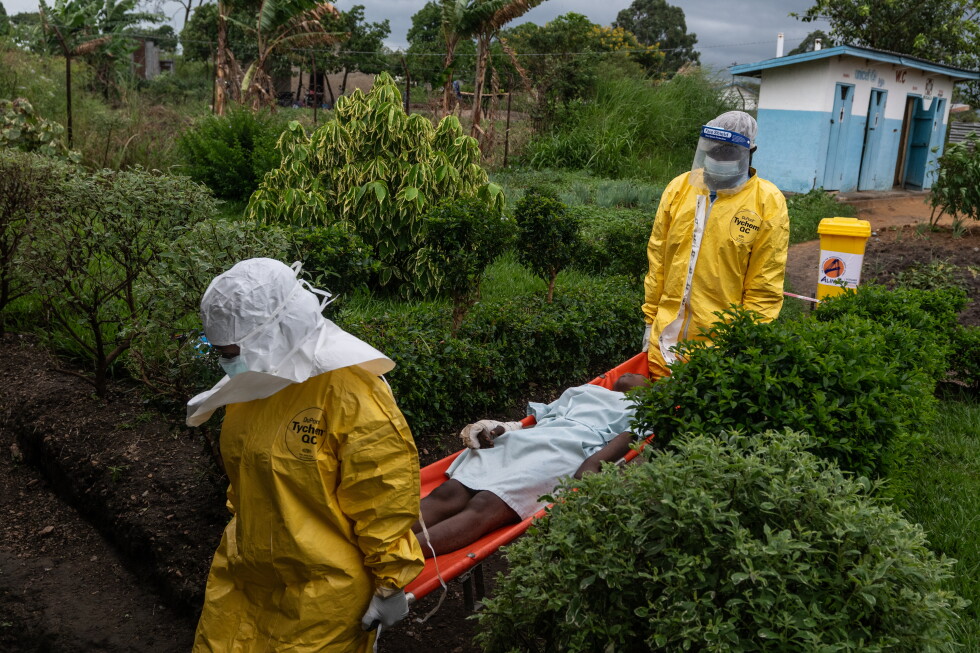
    BUNIA, Democratic Republic of Congo – A growing crisis is unfolding at the epicenter of the latest Ebola outbreak in eastern Congo, where frontline healthcare and response workers have halted work to protest months of delayed salaries and benefits, putting national and international efforts to curb the rapidly spreading virus at severe risk.

    The current outbreak, which was formally declared on May 15, has already become one of the most severe on record. Latest government data counts 1,708 confirmed cases and 580 fatalities, with health officials acknowledging the virus is spreading faster than response teams can contain it. Ituri province, one of three affected eastern provinces, bears the brunt of the crisis, recording the majority of cases and deaths.

    Multiple frontline workers – including epidemiologists, surveillance officers, contact tracers, community outreach staff, burial teams, and security personnel – confirmed to the Associated Press that they have received no wages or hazard bonuses since the outbreak was first announced. Beyond unpaid pay, workers also report severe shortages of personal protective equipment and systemic unfair treatment from provincial and national response authorities.

    “Since the Ebola outbreak was declared, we have been repeatedly demanding payment for the work we put in every single day,” Dr. Biensi Kano, a member of Ituri’s capital Bunia epidemiological surveillance committee, told AP. The lack of compensation, he explained, has pushed workers and their families into crippling financial instability: “Non-payment of our benefits exposes us and our families to significant socio-economic difficulties and seriously undermines our living conditions.”

    Over the weekend, Ituri’s frontline workforce issued an official ultimatum to national and provincial authorities: pay all outstanding wages within 24 hours or face a full-scale strike. By Tuesday, dozens of workers had already suspended their duties, even before an official strike declaration was made. A group of workers organized a public protest outside the Rwampara Ebola Treatment Center on Monday, setting fire to tires and sparking brief local panic before police intervened to disperse the crowd and restore order.

    Dr. Ben Bakule, a community contact investigator, described the frustration of putting his life on the line for no pay. Just weeks prior, Bakule narrowly escaped death when a group of hostile local residents attacked him and his team while they traced Ebola contacts in a village in Djugu territory, a common hazard for response teams working in the region. “We spend our own money on transport to get out to remote communities to do this work. We thought we would be rewarded for our service,” Bakule said. “At the moment, nothing is going right because we’re not being paid. We don’t deserve this sort of treatment. We risk dying for nothing – it seems like this government wants this epidemic to continue.”

    Similar frustration was echoed by Dr. Ghislain Maneba, an epidemiologist and community investigator working in the Rwampara health zone, the center of the province’s outbreak response. “We are doing everything we can to make the public understand how dangerous this disease is. I came here to save people’s lives, but this is how I am thanked. We work day and night without a single payment,” Maneba said.

    The outbreak’s timing adds another layer of gravity to the work stoppage: the strike comes just as enrollment is set to begin for clinical trials of new treatments for the Bundibugyo strain of Ebola, which is responsible for the current outbreak. The World Health Organization’s Dr. Anne Ancia, Congo’s top WHO representative, confirmed Tuesday that the virus is already spreading faster than expected, driven by widespread population movement and persistent insecurity in the region, with key treatment centers already operating near full capacity.

    Akilimali Pierre, incident manager at Congo’s National Institute of Public Health, acknowledged payment delays may stem in part from the ongoing closure of Bunia’s airport, which has slowed the movement of supplies and funds into the outbreak zone. Ituri provincial officials said they have held meetings with protesting workers and are working to address their concerns, but the national government has not yet issued an official response to requests for comment.

    Workers already face a litany of additional barriers to their work beyond unpaid wages and equipment shortages: repeated violent attacks from skeptical local communities, widespread misinformation about the virus, and systemic mismanagement from response leadership. Just last month, during a visit to Mongbwalu – the outbreak’s epicenter mining town – Congolese Health Minister Roger Kamba publicly promised response teams that the government was prioritizing their pay and working conditions, stating “All doctors, all nurses and all staff working on the response will be fully supported. We have the money for that.” But frontline workers say the promise has yet to translate into deposited paychecks.

    For local residents in Ituri, where outbreak control measures have already disrupted local economies and left many facing financial hardship, the work stoppage has sparked deep anxiety that the crisis will only escalate. “I fear that response efforts will collapse, which will make daily life even harder for all of us,” said Anifa Kito, a Bunia market vendor selling tomatoes. “I would ask the authorities to resolve this situation before things get any worse.”

  • ASX drops as US strikes on Iran send oil prices soaring

    ASX drops as US strikes on Iran send oil prices soaring

    Escalating military tensions between the United States and Iran have sent shockwaves through global commodity markets and rippled into Australia’s domestic sharemarket, leaving the benchmark ASX 200 in negative territory on Wednesday, with sharp divergence across key industry sectors. Fresh military action that began on Tuesday, when U.S. Central Command launched targeted air strikes against Iranian sites along the country’s coastline, has amplified uncertainty in the already volatile Middle East, a region that controls a large share of global oil transit through the critical Strait of Hormuz.

    In a public statement posted to the social platform X, U.S. Central Command framed the strikes as a response to recent Iranian attacks on commercial shipping vessels carrying civilian crews in international waters, noting the operation was designed to impose clear costs for Tehran’s actions. A senior U.S. official confirmed Iran launched retaliatory strikes following the initial U.S. assault, creating a dangerous cycle of tit-for-tat violence that threatens regional stability.

    The escalation immediately impacted global energy markets, pushing Brent Crude prices up to a two-week high of $76.58 per barrel. This sharp uptick in oil prices triggered mixed reactions across Australia’s benchmark index, which ended the trading session in the red despite a partial recovery from a deeper morning slump. The ASX 200 closed 18.80 points lower, a 0.21% drop that landed it at 8785.10, while the broader All Ordinaries index fell 25.40 points, or 0.28%, to settle at 8979.30. Against the U.S. dollar, the Australian dollar rallied to 69.36 U.S. cents by market close.

    Against the overall market downturn, six of the ASX 200’s 11 industry sectors closed in positive territory, led by energy stocks that benefited directly from the rising crude prices. Major Australian energy producers posted double-digit and solid single-digit gains: Woodside Energy rose 3.22% to close at $28.87, Santos climbed 5.78% to $7.50, and fuel retailer Ampol gained 1.37% to finish at $34.78. Consumer staples were another bright spot for the market: supermarket chain Woolworths rose 1.22% to $39.90, rival Coles added 0.39% to $23.41, and drinks and hospitality operator Endeavour Group jumped 1.79% to $3.51.

    These sector gains were more than offset by steep declines across mining and materials stocks, driven by falling commodity prices and investor jitters over prolonged high global interest rates. BHP Group shares fell 2.31% to $57.51, Rio Tinto dropped 2.55% to $163.85, and only Fortescue Metals bucked the trend with a tiny 0.11% gain to $18.40. Gold mining stocks also slumped as rising oil prices stoked fears that central banks would keep interest rates higher for longer, a trend that typically weighs on non-yielding assets like gold. Northern Star Resources fell 1.69% to $20.31, Evolution Mining dropped 4.19% to $11.44, and Newmont lost 1.04% to $136.18.

    Tony Sycamore, senior market analyst at IG, explained that the latest conflict grows out of a long-standing unresolved dispute over sovereignty of the Strait of Hormuz, a chokepoint through which roughly 20% of global oil supplies pass each day. “Iran maintains that parts of the Strait fall within its territorial waters and that it exercises sovereignty over them, while the US position was that the Strait is an international waterway with rights of transit passage for all nations,” Sycamore said. “This fundamental difference in interpretation was never fully resolved in the text of any agreement.”

    Beyond the geopolitical-driven volatility, several individual companies dragged on the index through company-specific events. Telecom giant Telstra saw its shares drop 2.96% to $4.92 following a nationwide network outage that disrupted more than 24.9 million mobile services, interrupted business payment systems, and shut down public transport networks across multiple Australian states. Furniture retailer Adairs fell 1.34% to $1.47 after it flagged a non-cash impairment charge of up to $60 million and projected a statutory after-tax net loss of roughly $43 million. Medical device company ResMed slipped 0.80% to $31.19 after announcing it had agreed to sell its MatrixCare software business to Frazer Healthcare Partners for $490 million U.S.