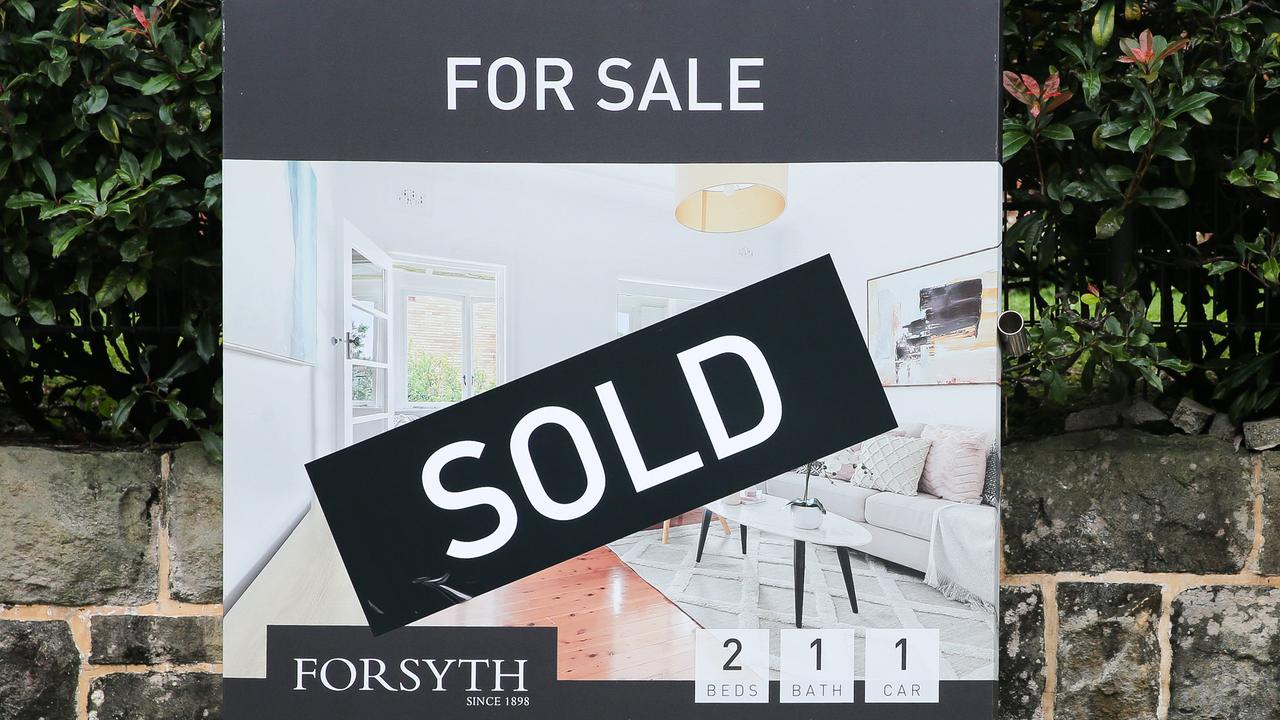
Australia’s already critical national housing shortage has deepened after new official data revealed a sharp collapse in new residential construction activity during the first three months of 2024, with industry leaders warning that recent federal budget policy changes will only worsen the sector’s headwinds and delay progress on the country’s ambitious homebuilding targets.
Fresh data published by the Australian Bureau of Statistics (ABS) this week shows that the pace of new home building stalled dramatically in the March quarter, months before the Albanese government unveiled its controversial tax changes for property investors in the May 2024 federal budget. Total new dwelling commencements dropped 11.2% over the quarter to just 48,012 new homes. The sharpest decline was recorded in high-density residential projects, where starts plummeted 19.8% to 19,116 units, while detached single-family home starts fell a more modest 3.5% to 27,658 properties.
While total completed housing projects remain 0.8% higher year-on-year despite the weak first quarter, the latest downturn has pushed Australia even further off track to meet its national Housing Accord target of building 1.2 million new dwellings between 2024 and 2029. To hit this goal, official projections require Australia to average 60,000 new housing starts per quarter — a benchmark the current construction activity is now falling well short of.
Industry economists say the current slowdown has been driven by a perfect storm of interconnected headwinds hitting the construction sector. Master Builders Australia chief economist Shane Garrett explained that rising borrowing costs, global supply chain disruptions linked to the ongoing conflict in the Middle East, soaring building material prices, and persistent skilled labor shortages have combined to drag down home building activity across the country. “Construction demand across housing, non-residential building and civil infrastructure projects have all been squeezed by higher interest rates,” Garrett noted.
The sector now faces additional uncertainty following the tax policy changes introduced in Treasurer Jim Chalmers’ latest federal budget, which was framed as a response to worsening housing affordability stress and rising economic inequality. The budget restructured two key property tax rules to shift investor capital away from existing home sales and toward new construction: it restricted negative gearing tax benefits exclusively to newly built properties, and replaced the longstanding 50% flat discount on capital gains tax (CGT) with an inflation-adjusted indexation system that includes a 30% minimum tax rate.
Master Builders Australia chief executive Denita Wawn warned that the sudden policy shifts have created widespread uncertainty across the industry that will further dampen investment and slow new project development. “The ABS figures show building activity remains below the level needed, and at the same time, builders are telling us that uncertainty created by the federal budget is affecting confidence and slowing investment decisions,” Wawn said.
“This uncertainty means some builders will think twice before proceeding with new projects. In some cases, projects may be delayed, scaled back or not proceed at all. Australia cannot afford policies that make it harder to attract investment into construction when we need to deliver more homes, transport infrastructure, schools, hospitals as well as energy and Olympic projects over the next decade,” she added.