博客

  • Australia agrees to sell uranium to India, ending a long stalemate

    Australia agrees to sell uranium to India, ending a long stalemate

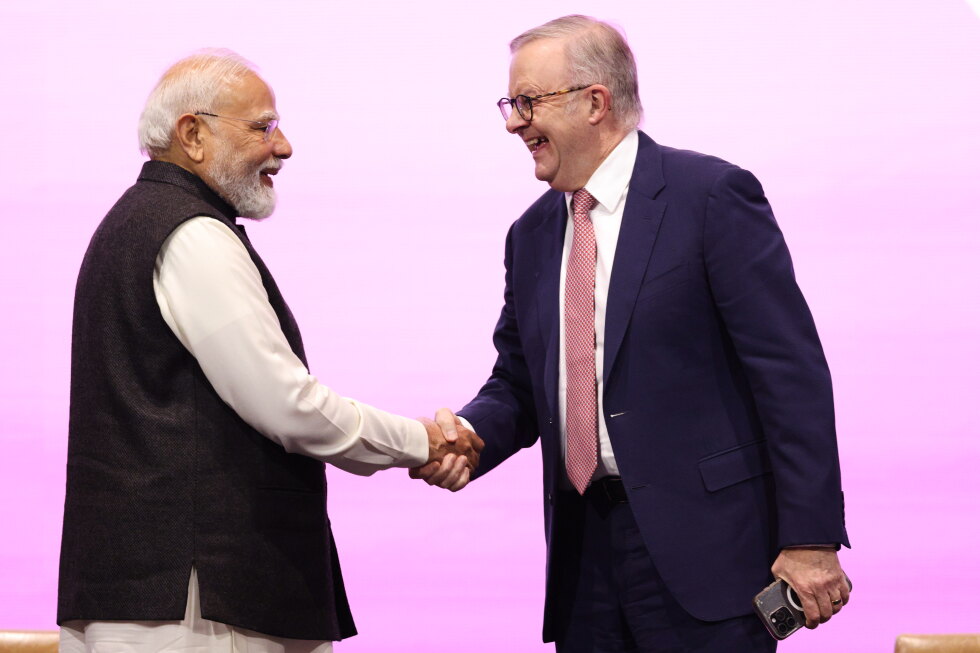
    In a landmark step that deepens bilateral ties between two major Indo-Pacific nations, Australian Prime Minister Anthony Albanese and Indian Prime Minister Narendra Modi announced Thursday that Canberra will finally begin selling uranium to New Delhi for civilian energy use, putting a decade-old stalled agreement into motion.

    The joint announcement came during Modi’s visit to Australia for the countries’ annual bilateral leaders’ summit, where the pair also unveiled plans for expanded defense and security cooperation across the Indo-Pacific region. Details on the volume of future uranium exports and the timeline for first shipments were not released immediately.

    Australia holds the world’s largest known reserves of uranium, but produces the material exclusively for export — the country does not operate nuclear power plants or develop nuclear weapons. For India, a stable supply of imported uranium is a critical piece of its ambitious clean energy expansion plan: New Delhi aims to install 100 gigawatts of nuclear generation capacity by 2047, enough to power roughly 60 million households annually. While India has doubled its domestic nuclear power capacity over the last 10 years, nuclear energy still accounts for just 3% of the country’s total electricity output, leaving massive room for growth to meet rising demand from its 1.4 billion population and expanding middle class.

    The path to Thursday’s agreement stretched back more than a decade, blocked for years by longstanding non-proliferation concerns. A 2014 bilateral export framework was never enacted, due to Australia’s longstanding policy restricting uranium sales to countries that are not signatories to the Treaty on the Non-Proliferation of Nuclear Weapons (NPT). India has never joined the NPT, arguing the agreement is inherently discriminatory: it only recognizes five countries as legitimate nuclear weapon states — the U.S., China, Russia, the U.K. and France — based on nuclear tests conducted before January 1967, a cutoff that permanently excludes India. After India conducted a series of nuclear tests in 1998, the country faced widespread international trade sanctions on uranium and nuclear technology.

    A turning point came in 2008, when the 45-nation Nuclear Suppliers Group granted India a special waiver that allowed member states to sell uranium to the country for civilian use. Since then, New Delhi has actively pursued bilateral sales agreements with major uranium producers, including a deal signed with Canada in March this year. After the 2008 waiver, Australia softened its longstanding opposition to sales, agreeing in 2014 to allow exports conditional on strict International Atomic Energy Agency (IAEA) safeguards and the separation of India’s civilian and military nuclear programs. Thursday’s administrative agreement removes the final bureaucratic barriers to activating the 2014 framework.

    Beyond the uranium deal, the two leaders used Thursday’s summit to reinforce their growing strategic alignment. In a joint statement, they pledged to advance deeper defense and security cooperation across the Indo-Pacific, framing the move as a “step‑change in the depth and ambition” of the bilateral relationship. The announcement of closer security ties came just days after Australia publicly criticized China for test-firing a long-range ballistic missile from a nuclear-powered submarine into the South Pacific, a region protected by a regional anti-nuclear treaty. The two leaders did not name China in their public statements Thursday and declined to take questions from reporters.

    Modi’s regional tour also included a previous stop in Indonesia, where he sealed a landmark deal for Indonesia to purchase India’s BrahMos missiles, and will continue with a first-ever visit to New Zealand starting Friday. India and New Zealand signed a bilateral free trade agreement back in April.

    Economically, India has emerged as one of Australia’s most critical trade partners: official Australian government data puts the total value of two-way goods and services trade at 54.4 billion Australian dollars, or $37.7 billion, for the 2024-2025 financial year, making India Australia’s fifth largest trading partner. Tens of thousands of local residents gathered in central Melbourne to catch a glimpse of Modi during his visit, reflecting the deep people-to-people ties between the two countries.

  • Morocco presser disrupted by fighting journalists

    Morocco presser disrupted by fighting journalists

    A chaotic, unplanned moment interrupted Morocco’s official press conference ahead of a World Cup fixture, when a heated argument between two attending journalists escalated into an on-stage physical altercation. The awkward disruption left onlookers and attendees stunned, most notably Real Madrid and Morocco international winger Brahim Diaz, whose visibly confused and perplexed reaction to the sudden brawl was captured on camera. The unusual incident quickly went viral across sports media platforms, drawing widespread attention from football fans around the globe who shared clips and reacted to the out-of-place confrontation during what was supposed to be a routine pre-event media appearance. The press conference, organized to allow Morocco’s players and coaching staff to answer questions from the press ahead of their World Cup match, was thrown off schedule by the unexpected conflict between the two reporters, who were reportedly separated by event staff shortly after the argument began. Moments of the altercation and Diaz’s reaction have been circulated widely as supplementary World Cup content by sports outlets covering the tournament.

  • South Korea’s Supreme Court upholds prison sentence for Yoon in first martial law case

    South Korea’s Supreme Court upholds prison sentence for Yoon in first martial law case

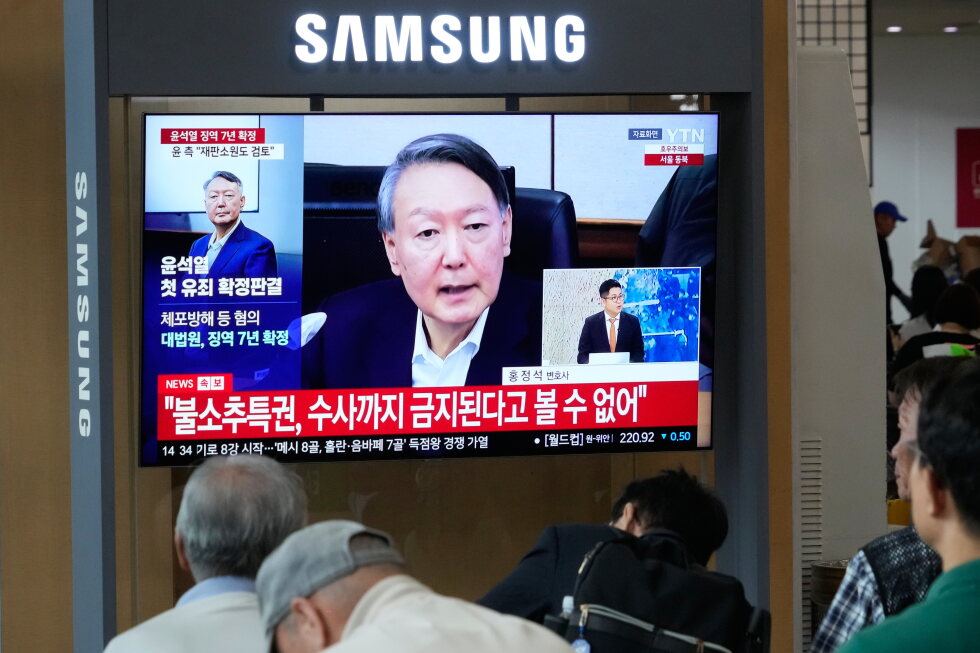
    South Korea’s top judicial body has finalized a seven-year prison sentence for former President Yoon Suk Yeol, marking the first of his multiple criminal cases tied to his controversial 2024 martial law declaration to reach the nation’s highest court. In a ruling delivered Thursday, the Supreme Court upheld an April conviction issued by the Seoul High Court, which found Yoon guilty of three distinct violations of law arising from his short-lived emergency declaration.

    The charges center on Yoon’s actions in the hours before and after his December 3, 2024, martial law proclamation. Court documents confirm Yoon unlawfully violated the deliberation rights of Cabinet members required to weigh in on such a historic emergency measure. Multiple witnesses, including then-Prime Minister Han Duck-soo, have testified that Yoon gathered 11 officials at his office late that night only to unilaterally announce his already final decision, rather than open the matter for discussion. Nine additional Cabinet members were either never called to the meeting or notified too late to participate, stripping them of their legal right to contribute to the decision-making process.

    Further, Yoon was found to have falsified the official martial law proclamation to cover up the failure to follow required consultation procedures, then destroyed the altered document after the fact. The court also upheld the conviction that Yoon deployed presidential security personnel to illegally block law enforcement officers from carrying out an arrest warrant issued in the weeks following his impeachment.

    Yoon’s declaration of martial law lasted barely a few hours before legislators overcame a cordon of armed soldiers and police blocking entry to the National Assembly, holding an emergency vote to overturn the decree that forced Yoon’s Cabinet to formally withdraw the measure. The sudden political upheaval threw South Korea into a period of national crisis, grinding partisan politics to a halt, pausing high-level diplomatic engagement, and triggering volatility in domestic financial markets. Yoon was removed from office by the Constitutional Court in April 2025, which ruled his martial order lacked any legal foundation and violated required procedural rules — a finding that aligned closely with Thursday’s Supreme Court decision. The crisis resolved only after liberal opposition leader Lee Jae Myung won a snap presidential election the following June.

    The former president remains in pre-trial detention and did not appear in court for the final ruling. His legal team released a statement after the decision, expressing deep disappointment with the outcome. The team argued that Supreme Court justices had closed the case without conducting an adequate, thorough review of the evidence.

    This conviction is only one of multiple pending legal matters facing Yoon. He is currently appealing a life sentence handed down on the most serious charge against him: rebellion related to the martial law declaration. A separate appeal is also pending for a 30-year prison sentence stemming from accusations that he ordered military drone flights into North Korean airspace in 2024 to intentionally escalate cross-border tensions, with the goal of creating a pretext to impose martial law at home. Yoon’s defense has countered that the drone operations were a legitimate defensive response to thousands of trash-carrying balloons launched by North Korea into South Korean territory.

  • Gout Gout suffers major injury blow ending his 2026 months early

    Gout Gout suffers major injury blow ending his 2026 months early

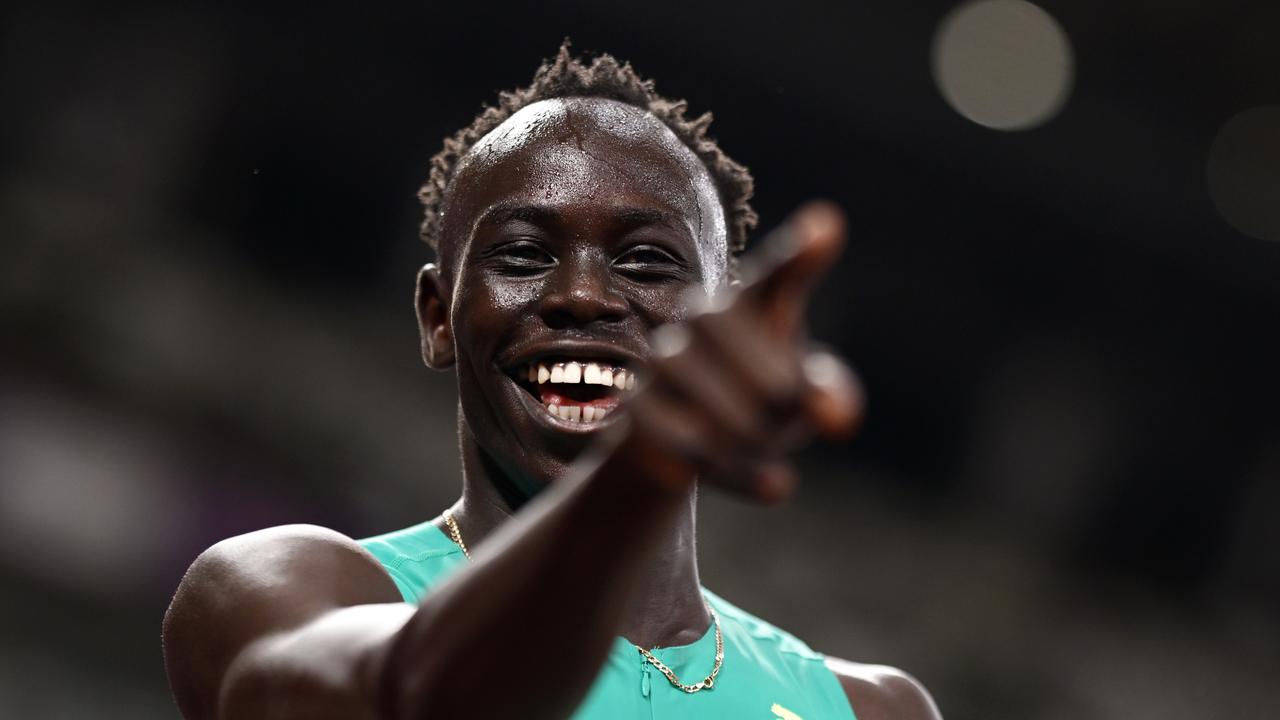
    One of Australian track and field’s most promising young sprint talents, 18-year-old Gout Gout, has delivered crushing news to his fanbase: a significant training injury has ended his entire 2026 competitive campaign and forced him to withdraw from the upcoming World Under-20 Athletics Championships. The speedster shared the update via his official Instagram account on Thursday, revealing the setback occurred during a training session in Brisbane the previous evening.

    In a raw, heartfelt public statement, Gout Gout detailed the extent of his injury: a partial thickness tear to his left hamstring, paired with partial disruption of the connecting tendon. After receiving MRI results early Wednesday morning, the teen confirmed he would be unable to compete at the championships scheduled to take place next month in Eugene, Oregon, United States.

    “ I’m very disappointed but I have no other possibility but to accept this situation,” Gout Gout wrote in his post. “I understand this is part of athletics. My focus now will be on my rehab in the coming weeks and months and ensuring I come back in 2027 better and stronger and faster.” Effectively closing the door on any return to racing this year, he closed his post with a straightforward promise to fans: “See yall in 2027.”

    Within hours of the announcement, messages of support flooded the teen sprinter’s comment section from across the global athletics community. The official Australian Olympic Team account was among the first to offer encouragement, writing “All the best in your recovery Gout. Looking forward to seeing you back on the track in 2027.” Former Olympic gold medal-winning sprinter Justin Gatlin added, “Let that recovery make you hungry, G,” while American sprinter Tate Taylor shared: “Keep faith man, hope all is well, much love always.”

  • Bangladesh relocates refugees after landslide kills at least 5 children

    Bangladesh relocates refugees after landslide kills at least 5 children

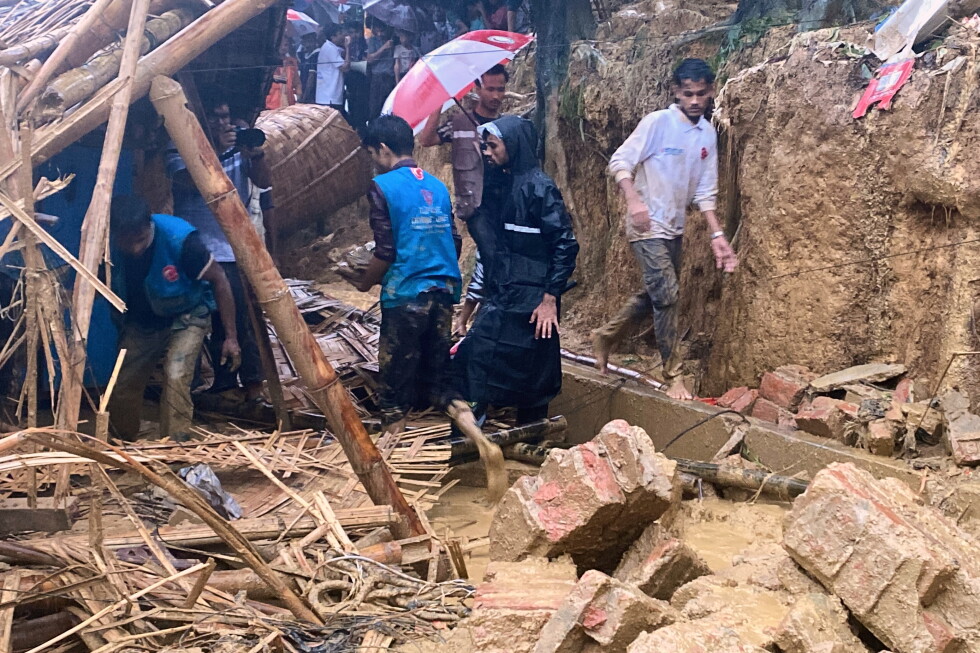
    Deadly monsoon-driven landslides have claimed the lives of at least 13 Rohingya refugees sheltering in overcrowded camps in Cox’s Bazar, Bangladesh, prompting local authorities to launch urgent relocation efforts to move vulnerable populations out of high-risk zones ahead of forecasted additional rainfall. Over 1 million Rohingya, who fled persecution in neighboring Myanmar, currently reside in the sprawling coastal camp complex where steep, deforested hillside settlements amplify the risk of seasonal rain-related disasters.

    The most recent fatal incident unfolded Wednesday, when a sudden landslide swept through an on-site Islamic school, killing five children. Begum Jahan, a Quran teacher at the school, described the chaotic scene that unfolded as students prepared for morning lessons. A portion of the school’s hillside-adjacent building collapsed without warning, burying everyone on the eastern side of the structure under tons of mud and debris. “Those of us who were on the western side managed to get out, but everyone on the eastern side was buried under the debris,” Jahan recalled, adding that many survivors suffered severe injuries including broken bones, while multiple female students lost their lives in the collapse.

    Local camp residents launched immediate rescue efforts before official emergency responders could reach the remote site, according to Dollar Tripura, head of Cox’s Bazar’s local fire service and civil defense. Once emergency personnel arrived, they extracted injured survivors and recovered the remains of those killed, wrapping up the formal search operation Wednesday evening. Jamal Hossain, a Rohingya refugee who volunteered to assist with the rescue, confirmed all recovered fatalities were women, but added that uncertainty remains about the full human cost of the disaster. “However, we do not know whether there are any more bodies buried underneath,” Hossain said.

    This latest incident follows an earlier landslide Sunday night that killed eight other refugees in the camp complex. Across Bangladesh, local media outlet Prothom Alo, the nation’s largest Bengali-language daily, reports that landslides and structural collapses linked to monsoon rains have killed at least 22 people across the country over the past three days, including all the camp casualties recorded so far.

    In response to the escalating danger, Cox’s Bazar authorities have mobilized a multi-pronged evacuation campaign, using loudspeaker announcements and a network of community volunteers and camp leaders to encourage residents of at-risk hilly areas to relocate to safer ground. More than 1,000 people have already been moved out of high-risk zones, but officials face a persistent challenge: many refugees are reluctant to abandon their makeshift homes, even after repeated official warnings of impending danger. The Bangladesh Meteorological Department has forecast additional heavy rainfall across the region in the coming days, raising fears of more mudslides and casualties.

    The disaster comes amid a long-running stalemate over the future of the Rohingya refugee population. Bangladesh has spent years calling on the international community to support a large-scale repatriation of Rohingya to their home country of Myanmar, but the repatriation process has been stalled for years by political and security challenges, leaving more than a million people trapped in the high-risk coastal camps.

  • Peanut butter floor returns to Dutch museum as tribute to late artist

    Peanut butter floor returns to Dutch museum as tribute to late artist

    In a heartfelt tribute to groundbreaking Dutch conceptual artist Wim T. Schippers, who passed away last month at the age of 83, Rotterdam’s Museum Boijmans Van Beuningen has recreated one of his most iconic and absurdist works: an entire exhibition floor covered in 800 pounds of creamy peanut butter. Enough to make roughly 15,000 peanut butter sandwiches, the sweet, sticky installation — known originally by its Dutch name Pindakaasvloer, or Peanut Butter Floor — first debuted to public audiences in 1969, when Schippers first challenged long-held conventions about what qualifies as fine art. The new iteration of the work will open to visitors this Friday and remain on display for a two-month special engagement.

    Schippers, a cultural pioneer whose career spanned decades, was far more than a visual conceptual artist. He also lent his voice to two beloved characters for the Dutch-language adaptation of the iconic children’s television series *Sesame Street*, portraying both Ernie and Kermit the Frog for generations of Dutch viewers. Throughout his career, he built a reputation for creating playful, thought-provoking works that upended traditional assumptions about art’s purpose and form. The Peanut Butter Floor was not an isolated experiment: it was part of his broader Floor Covering Series, which also included equally unorthodox installations featuring floors covered in broken glass shards and granular salt.

    When Pindakaasvloer was exhibited for the second time at Utrecht’s Central Museum in 1997, Schippers summed up his delight in the work’s ability to spark conversation and confusion. “Isn’t it fantastic that we are all standing here looking at peanut butter?” he asked a crowd of gathered reporters at the time.

    For visitors who saw that 1997 showing, the work left a far more visceral impression beyond its conceptual novelty. Mieke Weismann, a food photographer and writer who attended the exhibition as a teenager, recalled the overwhelming sensory experience for the Associated Press. “The thing I remember is the smell,” she said, noting that the thick, nutty aroma of the peanut butter drifted through every corner of the museum.

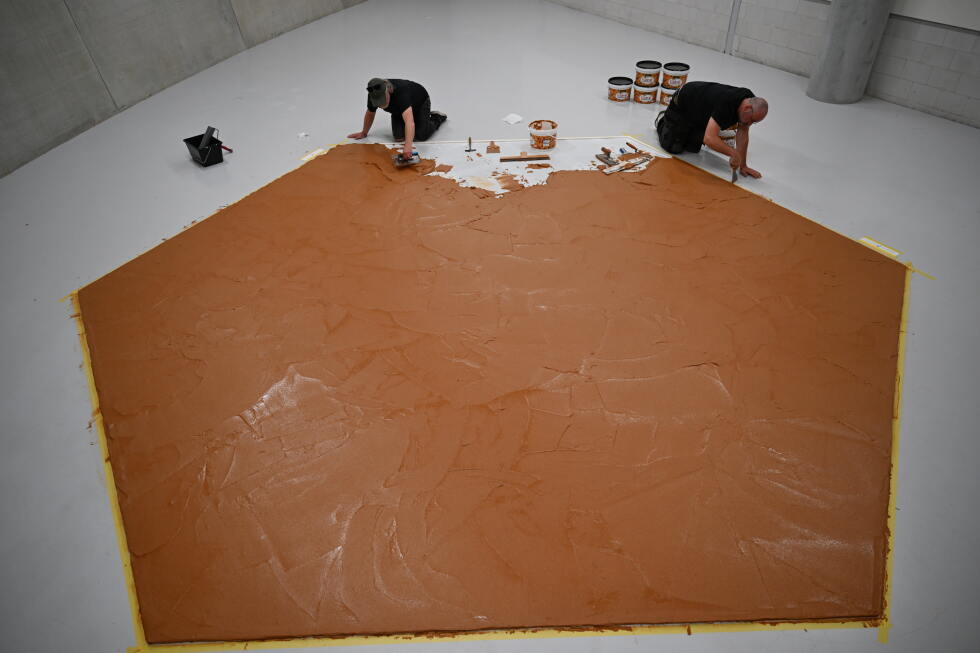
    Recreating the legendary installation was no small feat for Museum Boijmans Van Beuningen’s staff. Last week, two full-time employees spent multiple days smearing 40 buckets of peanut butter across a 270-square-foot hexagonal section of the exhibition floor. Using ordinary drywall trowels, the pair worked the creamy spread into an even layer roughly 0.8 inches thick, matching the loose spirit of Schippers’ original work rather than strict technical specifications: the artist never laid out exact requirements for the installation’s size, shape, thickness, or even what type of peanut butter to use. For this tribute, Dutch peanut butter brand Calvé stepped in to donate hundreds of pounds of its signature smooth product.

    Over the decades, the interactive nature of the work has led to unexpected moments of audience participation that Schippers always embraced. During a 1997 showing, a group of visitors “vandalized” the installation by placing 12 slices of bread and several bags of hagelslag — a popular Dutch chocolate sprinkle topping commonly eaten on breakfast bread — across the peanut butter surface. Far from being upset, Schippers reacted with characteristic good humor when speaking to Dutch newspaper *Volkskrant* at the time. “It doesn’t look bad,” he said. “The sprinkles have been applied with a sense of proportion and a skillful hand.” On another occasion in 2011, multiple visitors even stepped directly onto the sticky surface, leaning into the work’s invitation to break down barriers between art and audience.

  • How Ebola misinformation is fuelling violent attacks against health workers

    How Ebola misinformation is fuelling violent attacks against health workers

    In the eastern Democratic Republic of the Congo, a rapidly spreading Ebola outbreak is facing an unprecedented threat not just from the virus itself, but from rampant misinformation that has turned local communities against the frontline healthcare workers trying to save lives. Among the countless stories of violence is the account of 27-year-old Daniel Uyirwoth Welo, a Red Cross volunteer who survived a brutal assault while carrying out a critical safe burial of an Ebola victim at a Bunia cemetery last month. Welo recounted how a crowd, driven by false rumors that the Ebola victim’s coffin was empty, seized him from behind, beating him with punches, spades, and machetes alongside three of his colleagues. The attack was sparked by widespread false narratives that have circulated both in local communities and online: that Ebola does not exist at all, or that the international Red Cross response is nothing more than a scheme to siphon public funds. This attack is far from an isolated incident.

    Official government data confirms that since the outbreak began in mid-May, more than 1,700 people have been infected, and 580 have lost their lives. BBC Verify’s investigation into resistance to Ebola control measures has identified 12 documented incidents of community unrest, seven of which have been confirmed via social media footage. These incidents include coordinated attacks on treatment centers, physical assaults on healthcare and aid workers, and repeated efforts to disrupt safe burials — a core intervention to stop Ebola spread. Experts warn the true number of unreported incidents is almost certainly higher, as many violent clashes occur in remote, hard-to-reach regions with limited access for monitors.

    The most recent major attack took place on July 1, when arsonists burned an Ebola treatment center to the ground in Bafwabango, located in Ituri province — the geographic epicenter of the current outbreak. Local media reports confirm one police officer was killed during clashes that erupted after community members attempted to seize the body of a suspected Ebola victim for traditional burial. Ebola is transmitted through direct contact with infected bodily fluids, and the bodies of deceased victims remain highly contagious for days after death. For this reason, supervised safe burials that eliminate close contact with the body are a cornerstone of outbreak control; traditional funeral practices involving washing, touching, and viewing the body were a major driver of transmission in past Ebola outbreaks across Central Africa.

    Despite this life-saving necessity, misinformation has repeatedly derailed these efforts. In late May, rioters burned medical equipment and two isolation tents at a treatment center in Rwampara after staff prevented relatives from removing a young Ebola victim’s body for traditional burial. Since that incident, at least three more medical facilities have been attacked or vandalized, according to on-the-ground reports.

    To understand the roots of this resistance, experts point to the deep cultural and social importance of traditional multi-day funeral rites in Congolese communities, which carry profound spiritual meaning. Julienne Anoko, an anthropologist working as a community engagement officer with the World Health Organization (WHO), explained that funerals are not merely end-of-life rituals but celebrations of a person’s journey to the afterlife, with practices that have been passed down through generations. Even so, misinformation and long-standing systemic distrust have amplified resistance beyond cultural differences to life-saving public health measures.

    On-the-ground responders report that widespread misconceptions have left many patients avoiding early medical care, drastically reducing their chances of survival when they finally do seek treatment. Dr Aimé Mbonda Noula, of the International Federation of Red Cross and Red Crescent Societies (IFRC), explained that many families flee their homes and abandon Ebola victims’ bodies entirely rather than alert authorities, out of fear of being forced into quarantine. “Most of the people in these communities think that these treatment centres are places where, when you go, you die,” he said. “So, you usually run away from these places and run away from the health workers.” For those who remain, resistance to changing funeral practices runs deep: “They don’t believe that safe, dignified burials could really help,” said Dr Babou Rukengeza of the charity Save The Children. “They say: ‘this is my family member, I need to honour him… this is the last time that I can touch him.’”

    The violence has spread beyond Ituri to neighboring North Kivu province, where two Ebola response workers were attacked by mobs that blamed them for community deaths. Video verified by BBC Verify shows a female health worker fleeing a group of men who strike her with wooden planks, while another clip captures a medical worker crawling along a road as the crowd throws stones at him.

    A recent community assessment by the charity ActionAid in Ituri found that nearly one-third of respondents do not believe Ebola is a real disease, instead attributing deaths to sorcery or spiritual curses. Public health experts have labeled misinformation as the outbreak’s most dangerous ally. “False rumours delay care for people who need help and fuel attacks on health workers and health facilities, disrupting outbreak control and giving the virus more opportunities to spread,” explained Dr Wessam Mankoula of the Africa Centres for Disease Control and Prevention.

    This deep-seated distrust did not emerge overnight. Experts trace it back to decades of violent unrest in eastern DR Congo, shaped by prolonged civil conflict, foreign interference, and brutal competition over lucrative mineral resources including gold and coltan. “You have a very strong base of being very distrustful of anything coming from outside, including the central government,” said Dr Jean-Vivien Mombouli, a former Ebola response advisor to governments across the region.

    The current outbreak is caused by the Bundibugyo Ebola species, for which no approved vaccine or specific treatment currently exists. The WHO has launched clinical trials for two promising experimental treatments, but experts caution it will take months to complete testing and confirm their effectiveness. With no quick medical fix on hand, health leaders emphasize that containing the outbreak depends as much on rebuilding community trust as it does on medical intervention. “Mistrust is the real battleground,” WHO Director-General Dr Tedros Adhanom Ghebreyesus wrote on social media in June. “Win trust, and we win this.”

  • Flooding from days of heavy rain in southern China has killed 39 people

    Flooding from days of heavy rain in southern China has killed 39 people

    On Thursday, Chinese authorities in the southern region of Guangxi released a devastating update: deadly flooding spawned by Tropical Storm Maysak has claimed 39 lives, even as emergency crews ramp up preparedness for an approaching typhoon forecast to make landfall along China’s eastern coast in the coming days.

    Of the 39 fatalities, 26 occurred in Hengzhou, a city under the administrative jurisdiction of Nanning. Nanning’s vice mayor Ding Wei confirmed during an official press briefing that the deaths came after partial collapse of a local reservoir dam unleashed a wall of torrential water that swept through populated areas of the city. Nine additional people remain unaccounted for across Guangxi, underscoring the widespread destruction left by the storm.

    Tropical Storm Maysak made landfall over the region last Saturday, dropping unprecedented volumes of rain that overwhelmed water infrastructure and trapped hundreds of residents in their homes and other structures for days. The storm’s death toll has risen sharply from the previously reported six fatalities released to the public on Tuesday.

    China’s National Meteorological Center confirmed that rainfall far exceeded initial projections, with many parts of southern Guangxi recording cumulative totals between 10 and 40 centimeters (4 to 16 inches). In the hardest-hit zones, precipitation topped 90 centimeters (35 inches) over just a few days.

    As rescue operations continue in flood-ravaged Guangxi, the country is bracing for a second weather event: Typhoon Bavi, currently churning in open waters off the Chinese coast. Forecasters project the typhoon will track just north of Taiwan, dumping heavy rain on the island home to 23 million people, before making landfall in either China’s Zhejiang or Fujian province this Saturday.

    Emergency teams were still working Thursday to extract more than 10,000 trapped students and teachers from a group of schools in Guigang, a city located northeast of Hengzhou. Beyond human casualties and displacement, the rising floodwaters have also wreaked havoc on local animal populations and facilities. A Guigang-based zoo reported that more than 100 animals are missing after floodwaters swept through their enclosures, including two zebras, four porcupines, and dozens of tropical bird species. In Hengzhou, dozens of farm-raised snakes escaped into floodwaters, prompting local officials to restock large quantities of antivenom and issue public safety guidance for residents who may encounter displaced reptiles.

    Further northwest in Binyang County, an independent animal shelter operator has worked around the clock for days to rescue roughly 200 cats and dozens of dogs from inundated facilities. The operator ferried dogs to safety two at a time through churning, powerful flood currents, while cats climbed to overhead rafters to avoid rising waters as they waited for rescue.

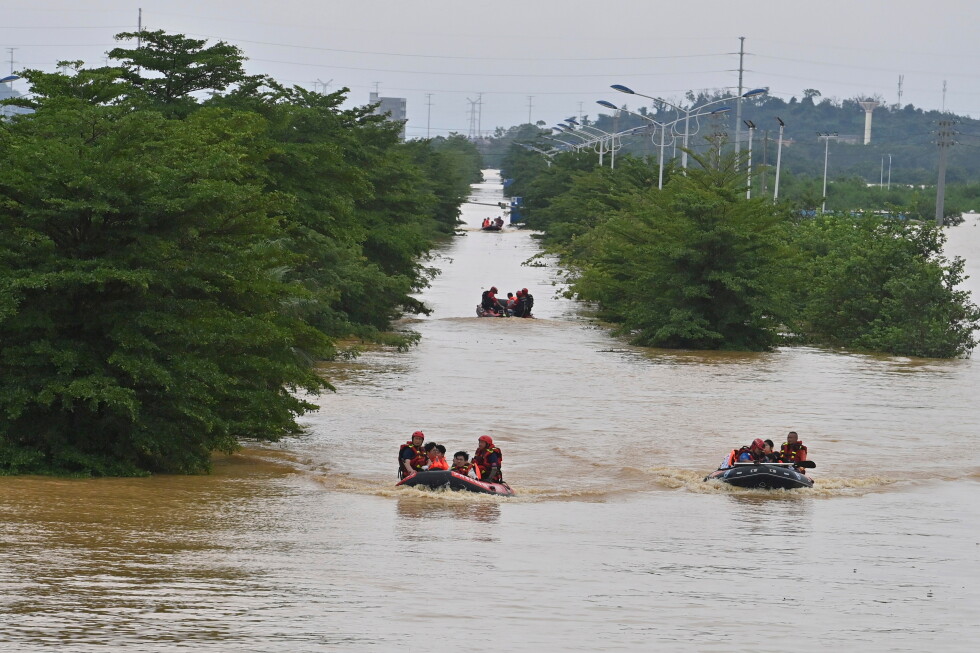
    Authorities have mobilized a massive regional relief and rescue operation to reach stranded residents, deploying drones for search and more than 5,700 boats to navigate flooded areas. Rescue crews have navigated hazardous conditions, fighting strong currents and navigating piles of debris to reach cut-off communities. So far, roughly 130,000 residents have been evacuated to safe, dry shelter.

    Ding noted that floodwaters across most of Guangxi are now receding, but forecast models call for additional rainfall in some parts of the region over the next 48 hours. Cleanup and recovery efforts are already underway in affected areas: work crews have been deployed to clear mud and debris from public and residential spaces, and carry out disinfection operations across multiple hard-hit towns in Hengzhou. Road repair work is ongoing across the region, and power service has already been restored to more than 60,000 households that lost electricity during the flooding.

    Associated Press video producers Wayne Zhang and Olivia Zhang contributed reporting to this article.

  • Oil prices and stocks hold steadier as calm returns to financial markets worldwide

    Oil prices and stocks hold steadier as calm returns to financial markets worldwide

    Global financial markets found tentative stability on Thursday, as strong gains from artificial intelligence-linked semiconductor stocks offset widespread investor anxiety sparked by renewed volatility in U.S.-Iran tensions. The rebound came a day after sharp sell-offs across global assets triggered by President Donald Trump’s public questioning of a recently reached temporary truce between the two nations.

    As of 11 a.m. Eastern Time, major U.S. stock indexes were on track to erase most of the previous session’s losses. The broad S&P 500 climbed 0.4%, the Dow Jones Industrial Average gained 141 points, or 0.5%, and the tech-heavy Nasdaq composite rose 0.5%. International markets followed the upward trend, with most European and Asian indexes posting solid gains. South Korea’s Kospi index bounced 0.6% after a 5.3% drop on Wednesday, while China’s Shanghai composite added 1.7% and Paris’s CAC 40 rose 0.7%. Hong Kong’s Hang Seng was a notable outlier, slipping 0.7% amid weak debut trading for Apple supplier Luxshare.

    Oil prices pulled back slightly from the sharp spikes seen on Wednesday, but remained far above levels from the end of last week. Brent crude, the global benchmark for oil pricing, fell 0.5% to $77.61 per barrel, down from $78.02 the prior day but well above the $71.80 closing price recorded last Friday. The pullback came as investors weighed the risk of a full-scale conflict that could disrupt crude shipments through the Strait of Hormuz, a chokepoint that carries roughly a fifth of global oil supplies.

    Widespread concern persists that prolonged conflict in the Persian Gulf would keep oil prices elevated, derailing forecasts for easing inflation across major economies. If oil prices remain high, central banks including the U.S. Federal Reserve could be forced to hold interest rates higher for longer, or even implement additional hikes. Higher interest rates are designed to cool inflation, but they also slow overall economic growth and put downward pressure on equity and asset valuations. The volatility in energy markets has already reversed a months-long steady decline in U.S. retail gasoline prices: motor club AAA reported a 5-cent overnight jump in the national average for a gallon of regular gasoline, bringing the benchmark to $3.85 — 68 cents higher than the same time last year.

    The primary driver of Thursday’s market rebound was a wave of strength in AI-linked semiconductor stocks, which have become the most influential sector on Wall Street in 2024. Seoul-based SK Hynix, which is preparing to launch a U.S. public listing of its shares, jumped 5.3% in local trading. On Wall Street, memory chip giant Micron Technology led market gains with a 7.1% surge, after the company released a bullish update highlighting “surging demand for memory in the AI era” as it progresses on construction of what it calls the largest semiconductor manufacturing site in U.S. history, located in central New York.

    Even with Thursday’s gains, the AI sector has faced growing downward pressure in recent weeks, as investors question whether valuations have run ahead of actual expected profits and productivity gains from new AI technology. Markets also received mild support from stabilizing U.S. Treasury bond yields, which pulled back slightly to 4.55% on the 10-year note, down from 4.56% on Wednesday. Yields had climbed sharply earlier in the week on fears of higher oil prices and sustained high interest rates.

    Beyond geopolitical tensions, investors are turning their attention to the upcoming second-quarter earnings season, which kicks off next week with reports from the nation’s largest banks. Analysts note that broad-based strong earnings growth will be required to justify the sharp run-up in stock prices seen over the past year. Even after beating analyst consensus revenue forecasts for the most recent quarter, PepsiCo fell 3.9% on Thursday after the company reported weakening demand trends in its core North American food and beverage segment, which owns household brands including Gatorade and Doritos.

  • Teenage fight club ‘terminated’ by police and social media giants

    Teenage fight club ‘terminated’ by police and social media giants

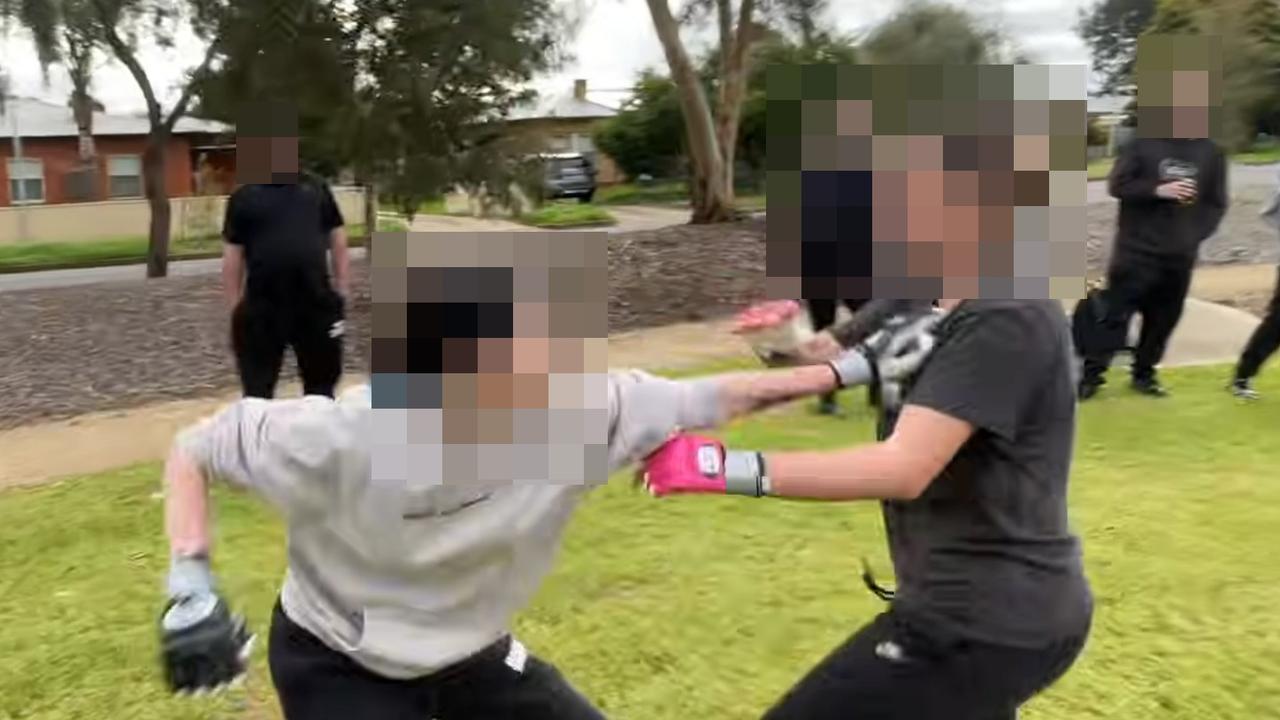
    A viral amateur fight project for teenagers in outer Adelaide, South Australia, has been completely taken down by social media platforms following intervention from state police and widespread public condemnation, with seven young participants already facing official reports for dangerous public behavior.

    The unregulated group, calling itself South Australia Fight Club (SAFC), drew global attention after it posted raw clips of unsanctioned fistfights between teenage participants in Elizabeth, a northern suburb of Adelaide. The content quickly spread across Instagram and YouTube, accumulating thousands of views and building a follower base of more than 2,000 on Instagram and nearly 600 on YouTube before platforms removed the accounts.

    The controversy deepened after one organizer, identified only as Owen, confirmed an incident where a knife was pulled on a fighter during a brawl, cutting one video short. Speaking to Australian broadcaster Nine, Owen pushed back against public framing of the group as dangerous actors. “It just went bang. It’s bullcrap that he did that. It makes us sound like we’re horrible people, but like we’re not. It’s just a one-time thing,” he said. According to Australia’s 7News, the group also lashed out at law enforcement in deleted Instagram stories, claiming police were “doing anything but catching real criminals” in response to the crackdown. Members have also stated publicly they hold “no regrets” over their involvement with the club.

    By Thursday morning, both major platforms hosting SAFC content had deactivated the group’s accounts, in coordination with South Australia Police (SAPOL). YouTube issued an official statement confirming the channel termination was rooted in child safety rules. “As part of our community guidelines, content that shows minors fighting or bullying others isn’t allowed on YouTube,” a company spokesperson said. “In accordance with our child safety policy, the channel was terminated.” Meta, the parent company of Instagram, was contacted for comment on its removal of the content but has not issued a public statement as of the latest updates.

    SAPOL has confirmed seven youths have been formally reported for the offense of public fighting. Authorities note additional reports could still be filed as the investigation continues. “The youths have been reported for fighting in a public place. Any consequences will be determined in accordance with the youth justice system and will depend on the individual circumstances and antecedent history of those involved,” a SAPOL spokesperson said. The offense carries a maximum penalty of a AU$1,250 fine or three months of imprisonment. Three of the involved youths — a 14-year-old boy, a 17-year-old boy, and a 13-year-old girl from Adelaide’s northern suburbs — are scheduled to appear in youth court at a future date.

    South Australian Premier Peter Malinauskas publicly condemned the group in a post to the social platform X, calling the activity “completely unacceptable” and pushing back against the framing of the brawls as harmless entertainment or community building for young people. “Violence is never the answer for young people searching for community,” he wrote. “This behaviour is not entertainment. It is dangerous, it glorifies violence, and it puts young people at serious risk. The message is clear: Organising, participating in or promoting this sort of violence has consequences.”