博客

  • Teenage fight club ‘terminated’ by police and social media giants

    Teenage fight club ‘terminated’ by police and social media giants

    A viral amateur fight project for teenagers in outer Adelaide, South Australia, has been completely taken down by social media platforms following intervention from state police and widespread public condemnation, with seven young participants already facing official reports for dangerous public behavior.

    The unregulated group, calling itself South Australia Fight Club (SAFC), drew global attention after it posted raw clips of unsanctioned fistfights between teenage participants in Elizabeth, a northern suburb of Adelaide. The content quickly spread across Instagram and YouTube, accumulating thousands of views and building a follower base of more than 2,000 on Instagram and nearly 600 on YouTube before platforms removed the accounts.

    The controversy deepened after one organizer, identified only as Owen, confirmed an incident where a knife was pulled on a fighter during a brawl, cutting one video short. Speaking to Australian broadcaster Nine, Owen pushed back against public framing of the group as dangerous actors. “It just went bang. It’s bullcrap that he did that. It makes us sound like we’re horrible people, but like we’re not. It’s just a one-time thing,” he said. According to Australia’s 7News, the group also lashed out at law enforcement in deleted Instagram stories, claiming police were “doing anything but catching real criminals” in response to the crackdown. Members have also stated publicly they hold “no regrets” over their involvement with the club.

    By Thursday morning, both major platforms hosting SAFC content had deactivated the group’s accounts, in coordination with South Australia Police (SAPOL). YouTube issued an official statement confirming the channel termination was rooted in child safety rules. “As part of our community guidelines, content that shows minors fighting or bullying others isn’t allowed on YouTube,” a company spokesperson said. “In accordance with our child safety policy, the channel was terminated.” Meta, the parent company of Instagram, was contacted for comment on its removal of the content but has not issued a public statement as of the latest updates.

    SAPOL has confirmed seven youths have been formally reported for the offense of public fighting. Authorities note additional reports could still be filed as the investigation continues. “The youths have been reported for fighting in a public place. Any consequences will be determined in accordance with the youth justice system and will depend on the individual circumstances and antecedent history of those involved,” a SAPOL spokesperson said. The offense carries a maximum penalty of a AU$1,250 fine or three months of imprisonment. Three of the involved youths — a 14-year-old boy, a 17-year-old boy, and a 13-year-old girl from Adelaide’s northern suburbs — are scheduled to appear in youth court at a future date.

    South Australian Premier Peter Malinauskas publicly condemned the group in a post to the social platform X, calling the activity “completely unacceptable” and pushing back against the framing of the brawls as harmless entertainment or community building for young people. “Violence is never the answer for young people searching for community,” he wrote. “This behaviour is not entertainment. It is dangerous, it glorifies violence, and it puts young people at serious risk. The message is clear: Organising, participating in or promoting this sort of violence has consequences.”


  • An Italian region defies US pressure to end a Cuban doctors program

    An Italian region defies US pressure to end a Cuban doctors program

    In the sunbaked, underdeveloped toe of Italy’s boot, a quiet standoff over geopolitics and public health is playing out. Calabria, Italy’s poorest region, has become an unlikely exception to a growing global trend: it continues to host hundreds of Cuban medical professionals, defying long-running U.S. efforts to shut down Cuba’s iconic international medical program. For decades, Cuban doctors have brought their specialized experience delivering care in low-resource settings to developing nations across the globe, but Calabria is one of the few places in Europe where the program still operates under mounting American pressure.

    Calabria’s decades-long struggle with healthcare access creates the urgent need for foreign medical staff. For 17 years until April, the region operated under special national administration due to persistent budget shortfalls, compounded by systemic corruption and Mafia infiltration that gutted planned investments in public health. Young Italian medical graduates overwhelmingly leave for higher-paying careers in the wealthy, industrialized north, leaving gaping staffing shortages that shuttered entire hospital departments by the early 2020s. Before the first cohort of Cuban doctors arrived in Polistena Hospital in January 2023, chief physician Francesco Moschella told the Associated Press he was single-handedly keeping the facility’s emergency room open. At one point, patients faced waits of up to 12 hours just to see a provider.

    Today, more than 200 Cuban doctors work across remote Calabrian hospitals, filling half of all emergency room staffing in some facilities. Zoila Yakelin Arevalo Cruz, an emergency medicine specialist who left her young son in Cuba to take up her post in mid-2023, works in Polistena’s ER, which treats 30,000 patients annually. The 38-year-old, who now speaks fluent Italian and even picked up the local Calabrian dialect from visiting patients, said she and her colleagues had no idea how severe the doctor shortage was in a European first-world region. Thanks to the addition of Cuban staff, she said, wait times have dropped from multiple hours to under 60 minutes. Local residents echo that praise: 72-year-old Maria Morano, a regular patient at Polistena, said the Cuban doctors bring a rare combination of skill, empathy and humility that many local patients don’t see from Italian providers. “We are lucky they came, otherwise our hospital would have been closed entirely,” she said.

    The U.S. government has spent years targeting Cuba’s medical program, which it labels a lucrative revenue stream for Cuba’s socialist government and accuses of operating as a form of human trafficking, citing the Cuban state’s practice of collecting a portion of doctors’ salaries and claims of passport confiscation. Under successive U.S. administrations, Washington has pressured allied nations to cut ties with the program, and many have complied: in March, Jamaica ended its 50-year medical cooperation agreement with Cuba, displacing nearly 300 healthcare workers, while Honduras expelled more than 150 Cuban medical staff this year. But not all nations have bowed to pressure: Mexican President Claudia Sheinbaum publicly defended the program in March, noting it delivers critical care to underserved populations that would otherwise go without treatment.

    Cuba says it currently deploys 22,000 medical personnel across 55 countries, framing the program as a global mission of solidarity rooted in the country’s longstanding commitment to universal healthcare. In February, U.S. officials including charge d’affaires to Cuba Mike Hammer traveled to Calabria to meet with regional governor Roberto Occhiuto to press for an end to the arrangement. The meeting was cordial, but Hammer made clear Washington would prefer Calabria source foreign staff from other countries. Occhiuto, a senior member of a strongly anti-communist Italian political party who was even featured in the official newspaper of Cuba’s Communist Party, is an unlikely defender of the program. But he makes no apologies for prioritizing his region’s people over geopolitical pressure: he told the AP that while he shares Washington’s opposition to Cuban socialism, his first responsibility is keeping local hospitals open. “I’ve faced pressure during the Biden administration, but it grew much more intense under Trump,” Occhiuto said. “I told U.S. officials we are working on incentives to lure local Italian doctors back to Calabria, but right now, we need these doctors to keep care accessible. I intend to keep all currently deployed Cuban doctors in their posts.” Occhiuto added that he would even like to triple the number of Cuban medical staff in the region to roughly 1,000, but has held off to avoid escalating conflict with Washington.

    To address U.S. concerns, Calabria structured its agreement with the Cuban doctors unusually: rather than sending payments to the Cuban government agency that runs the country’s international medical missions, the region signs individual contracts with each doctor and deposits their full salary directly into Italian bank accounts. Even so, many Cuban doctors told the AP they voluntarily send up to half of their earnings back to the Cuban government, as a contribution to the state that trained and educated them. Daisy Luperon Loforte, a Cuban cardiologist working in Calabria, rejected the U.S. claim that doctors are forced into the program and exploited. “We do not consider ourselves modern-day slaves at all, as somebody has called us,” she said. “We love our country, we give an economic contribution, and we are happy to do so. Sixty-three Cuban doctors, many with prior experience in the country’s international missions, have already applied to extend their stays in Calabria and take up independent roles in the regional health system, according to the governor. The Cuban government has not commented on the applications, and the U.S. State Department declined to answer questions about its meeting with Occhiuto. For patients and local leaders, however, the arrangement is not about geopolitics—it is about keeping critical healthcare open for a neglected region that has few other options.

  • Anton Segner selected in New Zealand squad to face Italy as the first Germany-born All Black

    Anton Segner selected in New Zealand squad to face Italy as the first Germany-born All Black

    WELLINGTON, New Zealand – In a historic milestone for New Zealand rugby, 24-year-old backrower Anton Segner is on track to become the first German-born player ever to represent the iconic All Blacks, set to make his international debut off the bench this Saturday during the second round of the Nations Championship against Italy.

    The Auckland Blues standout was among 11 changes to the All Blacks lineup announced by head coach Dave Rennie, following the team’s narrow 34-32 opening-round victory over France. Five of the adjustments see new players stepping into starting positions, and Segner will share his debut milestone with winger Josh Moorby, who will also earn his first cap for the national side.

    Born in Frankfurt, Germany, Segner first arrived in New Zealand back in 2015 at age 15 as an exchange student, originally planning for only a six-month stay. He went on to attend Nelson College, New Zealand’s oldest secondary school, an institution with deep roots in rugby history – it hosted the first recorded rugby match played in New Zealand in 1870 and has produced 23 All Blacks players to date.

    After his initial stay, Segner carved out a successful domestic rugby career: he led the under-20 side of the Christchurch-based Crusaders, represented the Tasman Makos in New Zealand’s domestic National Provincial Championship, and joined the Blues in 2024 ahead of his first full Super Rugby season with the Auckland franchise.

    Segner recalled that his connection to New Zealand rugby began much earlier, when he was just 10 years old playing club rugby in Frankfurt. “I had a whole bunch of Kiwi coaches there who inspired me to come over to New Zealand to give rugby a go,” he explained. Comparing rugby culture in New Zealand to the passion Germans have for soccer, he added, “It’s a rugby-crazy country and that’s all I wanted. To make this (All Blacks) squad now is definitely a dream come true.”

    Rennie heaped praise on Segner, identifying him as the standout performer from the Blues through the 2025 Super Rugby season. The head coach highlighted Segner’s strengths: elite ball-winning ability in open play, proven on-field resilience, and consistent value at lineouts, all of which earned him his call-up to the national squad.

    Joining Segner as a debutant, Josh Moorby has had a standout 2025 Super Rugby campaign. After leaving New Zealand in 2024 for a stint with French Top 14 side Montpellier, Moorby returned to the Wellington Hurricanes this year and notched 17 tries, tying the all-time single-season try-scoring record in Super Rugby.

    Rennie explained that his adjustments to the lineup were designed to balance opportunities for in-form players while maintaining continuity for combinations that proved successful against France. “There are a number of players and combinations who we felt deserved and would benefit from a second successive run, and other players who have earned the right to get their opportunity,” Rennie said.

    The head coach emphasized that the rotated lineup reflects the All Blacks’ full respect for Italy’s growing competitiveness in international rugby, adding, “This is a strong side to reflect the respect we have for this Italian team. They have shown through the Six Nations competition that they are capable of knocking over any team.”

    Most of the All Blacks’ backline structure remains unchanged from the opening round, with the starting combination of scrumhalf Cam Roigard, flyhalf Ruben Love and inside center Jordie Barrett retained. Changes to the starting side include Billy Proctor replacing Quinn Tupaea at outside center, Leroy Carter stepping in for Caleb Clarke on the left wing, Wallace Sititi taking over from Peter Lakai on blindside flanker, Tupou Vaa’i partnering Sam Darry in the second row, and Tyrel Lomax starting at tighthead prop in place of Fletcher Newell. Luke Jacobson retains his spot at openside flanker, with captain Ardie Savea remaining at number 8.

    On the reserves bench, Samisoni Taukei’aho will cover hooker, George Bower joins as a new prop option, lock Josh Lord drops to the reserves after starting against France, and Segner, Moorby and Anton Lienert-Brown all earn their first call-ups to the matchday squad for the 2025 Nations Championship.

  • Injury-hit Wallabies turn to rookie Declan Meredith at flyhalf for test against France

    Injury-hit Wallabies turn to rookie Declan Meredith at flyhalf for test against France

    BRISBANE, Australia – A devastating wave of injuries to Australia’s starting flyhalf options has cleared a path for 27-year-old Declan Meredith to make his long-awaited test debut for the Wallabies this Saturday, when the side takes on back-to-back Six Nations champions France in the latest round of the Nations Championship.

    Hailing from Cairns in Australia’s tropical far north, Meredith joined the Canberra-based Brumbies franchise ahead of the 2023 season. His selection this weekend marks a remarkable milestone: he will become the sixth different player to start a test match in the coveted No. 10 flyhalf position for Australia since July 2023, a statistic that underscores the depth of the Wallabies’ current injury crisis at the role.

    The latest absences that opened the door for Meredith came after last weekend’s narrow 33-31 defeat to Ireland. Carter Gordon, who started the match at flyhalf, came away with an injury, while replacement Ben Donaldson – who missed a late match-winning penalty that would have sealed an upset win over Ireland – was also ruled out of this weekend’s clash. Meredith will partner with his Brumbies teammate scrumhalf Ryan Lonergan to form an entirely new halves combination for the Wallabies, the latest in a string of new pairings the side has fielded over the past year.

    Over the 12 months leading into this match, Australia has already turned to five different starting flyhalves: Noah Lolesio, Tom Lynagh, James O’Connor, Tane Edmed, and most recently Carter Gordon. The only other change to the Wallabies’ starting 15 sees fullback Tom Wright return to the opening lineup. Jock Campbell, who made his first test appearance in four years starting at fullback against Ireland, will drop to the bench to provide cover for both the 10 and 15 positions.

    In addition to the flyhalf injuries, the eighth-ranked Wallabies will also be without loose forward Tom Hooper, who sustained a shoulder injury in the Ireland clash. Nick Champion de Crespigny will take Hooper’s place on the reserves bench.

    Announcing the revised match squad in Brisbane on Thursday, Wallabies head coach Joe Schmidt acknowledged the difficult close to last weekend’s opening match, noting that the squad had refocused through the week to prepare for France. “The group has reset this week in Brisbane after what was a tough ending to the first game of the Nations Championship,” Schmidt said. “We have worked hard on continuing to improve after missing some vital opportunities last weekend.”

    Across the dressing room, reigning Six Nations champions France are also facing their own injury disruption ahead of the match, having opened their Nations Championship campaign with a narrow 34-32 defeat to New Zealand. Star winger Damian Penaud, who scored his record-extending 41st test try for France against the All Blacks, was forced out of the Australia and Japan fixtures with a calf injury, forcing at least one enforced change to France’s starting lineup, with more adjustments expected from head coach.

    The full Australia starting lineup is: Tom Wright, Max Jorgensen, Joseph-Aukuso Sua’alii, Len Ikitau, Dylan Pietsch, Declan Meredith, Ryan Lonergan; Harry Wilson (captain), Fraser McReight, Rob Valetini, Jeremy Williams, Josh Canham, Allan Ala’alatoa, Josh Nasser, Angus Bell. Reserves: Brandon Paenga-Amosa, James Slipper, Taniela Tupou, Lachlan Shaw, Nick Champion de Crespigny, Tate McDermott, Jock Campbell, Filipo Daugunu.

  • Your World Cup team’s been knocked out. Who should you support now?

    Your World Cup team’s been knocked out. Who should you support now?

    If your home country’s team has already been eliminated from the 2026 Men’s World Cup, continuing to watch the knockout stages can feel purposeless without a team to root for. For many soccer fans, switching support to a side that isn’t your national team feels unthinkable. But there is no shame in wanting to keep enjoying the world’s biggest sporting event – and this guide is here to help you pick a new favorite from the eight remaining quarterfinalists, complete with official tournament betting odds sourced from a consensus of leading U.S. sportsbooks as of Wednesday, key team details, and iconic fan chants to help you cheer along. The teams are listed below in alphabetical order:

    ### Argentina
    Odds to win the World Cup: +400 (a $10 bet returns $40 in profit for a win)
    Star Player: Lionel Messi (yes, *that* Lionel Messi)
    What to know: Argentina is gunning for back-to-back men’s World Cup titles, a feat no nation has pulled off since Brazil claimed consecutive championships in 1958 and 1962. Messi, the global icon leading the side, is already the men’s World Cup’s all-time top goalscorer with 21 career tournament goals, and leads all players at this year’s edition with eight goals to date.
    Iconic fan chant: “Vamos, vamos Argentina” (“Let’s go, Argentina”)
    Choose Argentina if you love: Safe title contenders, flavorful South American steak, and generational talent wearing the iconic No. 10 jersey.

    —

    ### Belgium
    Odds to win the World Cup: 30-1 (a $10 bet returns $300 in profit for a win)
    Star Players: Kevin De Bruyne, Thibaut Courtois
    What to know: Belgium knocked the United States out of the tournament in the round of 16, a result many fans around the world viewed as poetic justice after former U.S. President Donald Trump intervened publicly to push for Folarin Balogun’s inclusion in the U.S. starting lineup for the match. Entering this World Cup, expectations were low for Belgium, as most of the veteran players that defined its “golden generation” have aged out of the squad.
    Iconic fan chants: “Waar is dat feestje” (“Where is the party”) or “Tous ensemble” (“All together”)
    Choose Belgium if you love: Belgian waffles, artisanal chocolate, viral on-field dance celebrations, and long-running golden generations that consistently outperform expectations.

    —

    ### England
    Odds to win the World Cup: +450 (a $10 bet returns $45 in profit for a win)
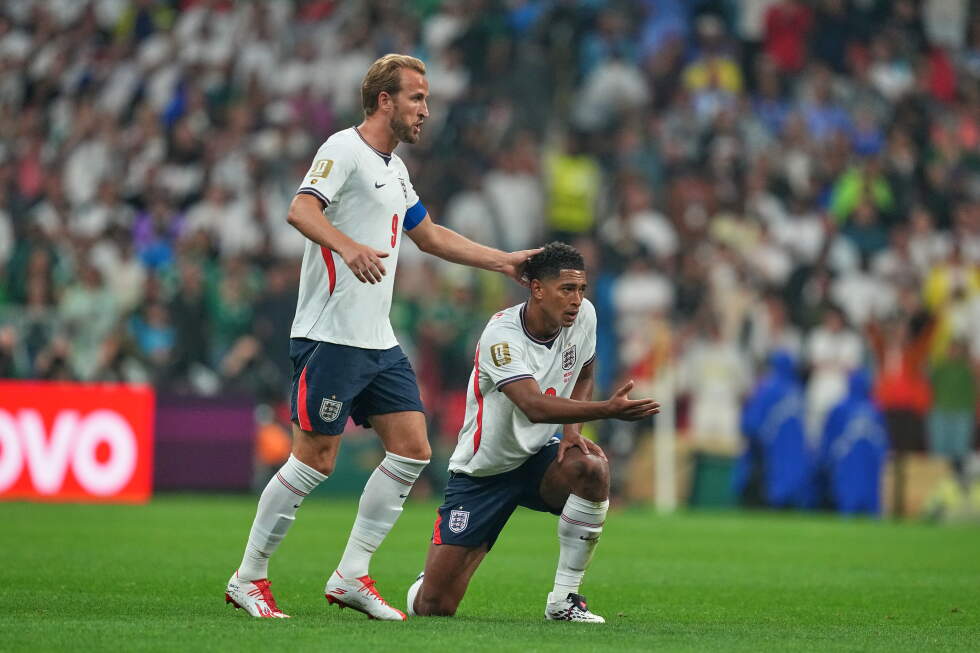
    Star Players: Harry Kane, Jude Bellingham
    What to know: It is a fact that rarely gets highlighted, but England’s senior men’s national team has not won a major international tournament since hosting and claiming the 1966 World Cup. Despite inventing the modern game of soccer, England has rarely claimed the sport’s top prize despite consistent deep runs in recent tournaments.
    Iconic fan chant: “It’s coming home”
    Choose England if you love: Britpop, lions, classic fish and chips, and rooting for a side that has carried decades of near-miss heartbreak.

    —

    ### France
    Odds to win the World Cup: +180 (a $10 bet returns $18 in profit for a win)
    Star Players: Kylian Mbappé, Michael Olise
    What to know: France claimed the 2018 World Cup title and finished as runners-up in 2022, making them the consensus favorite to lift the trophy this year. Didier Deschamps, the team’s departing head coach, is already a legend of the tournament: he won the World Cup as France’s captain in 1998, then led the side to the title 20 years later as head coach.
    Iconic fan chant: “Allez les bleus” (“Go Blues”)
    Choose France if you love: Traditional baguettes, the Eiffel Tower, fine Champagne, and one of the most fearsome attacking lines in the tournament.

    —

    ### Morocco
    Odds to win the World Cup: 27-1 (a $10 bet returns $270 in profit for a win)
    Star Players: Achraf Hakimi, Yassine Bounou
    What to know: Four years ago in Qatar, Morocco made history as the first African and Arab nation to reach a men’s World Cup semifinal, a transformative moment for global soccer. They have matched that run this year, and now have a chance to go one step further – but first, they must get past France, the same side that knocked them out of the 2022 tournament in the semifinal stage.
    Iconic fan chant: “Dima Maghrib” (“Morocco Forever”)
    Choose Morocco if you love: Sahara desert landscapes, bustling traditional souks, and rooting for a tenacious underdog.

    —

    ### Norway
    Odds to win the World Cup: 14-1 (a $10 bet returns $140 in profit for a win)
    Star Players: Erling Haaland, Martin Odegaard
    What to know: This is Norway’s first appearance in a men’s World Cup since 1998, and the first time the side has ever advanced to the quarterfinal stage of the tournament. Norwegian fans, both inside tournament stadiums and back home, have become famous for their raucous “Viking Row” supporter celebrations that have gone viral throughout the tournament.
    Iconic fan chant: “Ro! Ro!” (“Row! Row!”)
    Choose Norway if you love: rowing, viral social media trends, towering world-class strikers, and upsets over powerhouse Brazil.

    —

    ### Spain
    Odds to win the World Cup: +360 (a $10 bet returns $36 in profit for a win)
    Star Players: Lamine Yamal, Rodri
    What to know: Spain holds a unique record at this year’s tournament: the side has not conceded a single goal across five matches heading into the quarterfinals. Their breakout star is winger Lamine Yamal, who was just 16 when he helped Spain win the 2024 European Championship, and will turn 19 the day after their quarterfinal match.
    Iconic fan chant: “Lolololo”
    Choose Spain if you love: Spanish tapas, clean sheets, possession-focused soccer, and generational young talent on the wing.

    —

    ### Switzerland
    Odds to win the World Cup: 30-1 or longer, the longest odds of any quarterfinalist across most sportsbooks
    Star Players: Granit Xhaka, Johan Manzambi
    What to know: Switzerland has long been a consistent contender at the European Championship, but this year marks the first time the side has advanced to the World Cup quarterfinals in 72 years. They are notoriously difficult to beat within 90 minutes of regulation play.
    Iconic fan chants: “Hopp Schwiiz” (German) or “Hop Suisse” (French), both meaning “Go Switzerland”
    Choose Switzerland if you love: tennis legend Roger Federer, multilingual national culture, more cowbell, progressive immigration policy, and efficient high-quality public transport.

  • Multiple inside during targeted early morning shooting at Kealba, Melbourne

    Multiple inside during targeted early morning shooting at Kealba, Melbourne

    A frightening early-morning drive-by shooting has left a Melbourne suburban home riddled with bullet damage, though all five people inside escaped without injury in what investigators are calling a close call for the residents.

    Victoria Police confirmed the brazen attack unfolded just after 1 a.m. on Thursday at a residential property located on Rowan Street in the northwestern Melbourne suburb of Kealba. According to preliminary police accounts, an unidentified male suspect fired multiple rounds directly toward the occupied home before fleeing the scene in a white SUV.

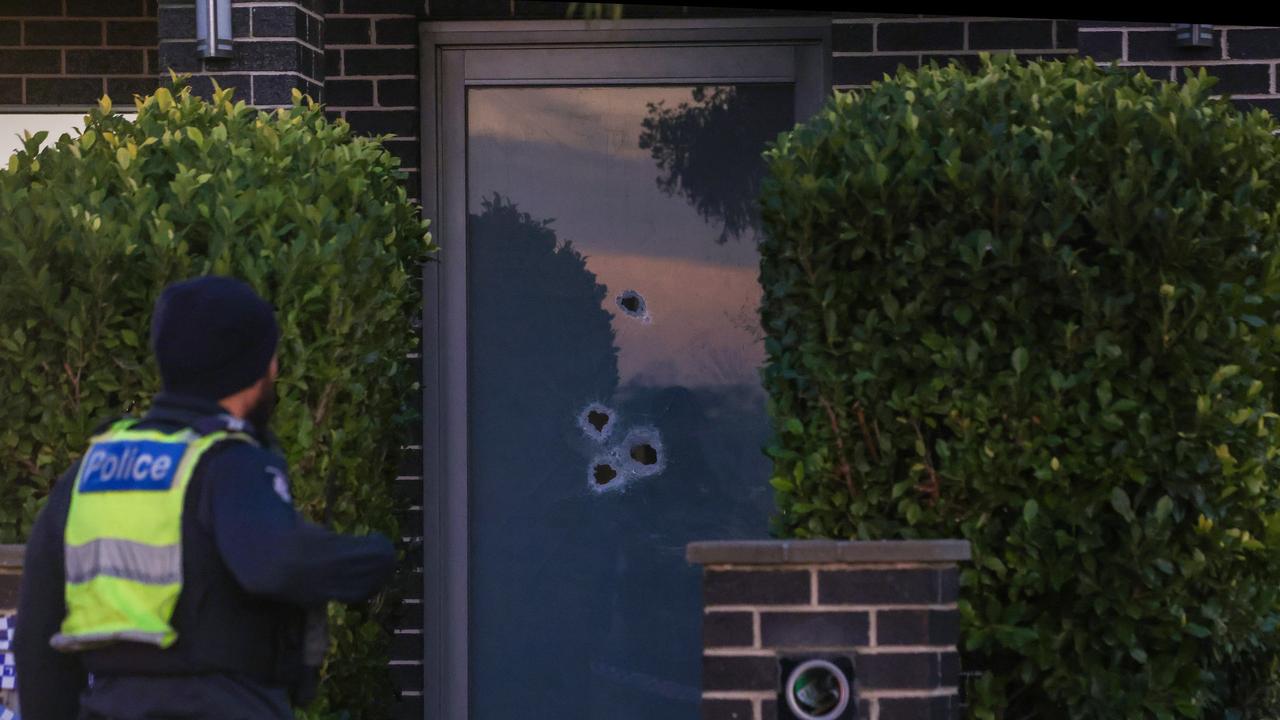
    The gunfire left four large, conspicuous bullet holes punched through the property’s front door, marking the visible aftermath of the violent incident. For the five Melbourne residents inside the home at the time of the shooting, the outcome was a narrow escape—no injuries to people inside the residence were reported following the attack.

    In the hours after the shooting, law enforcement officers secured the site and established a formal crime scene to process evidence linked to the attack. Investigators are now appealing to members of the public who were in the Kealba area around the time of the incident to come forward with any potential evidence. Specifically, police are asking anyone with dashcam footage from local roads or privately owned CCTV cameras covering the Rowan Street area to contact Crime Stoppers to assist with the ongoing investigation.

  • US launches more strikes on Iran with blasts reported in south of country

    US launches more strikes on Iran with blasts reported in south of country

    Escalating tensions in the Middle East have reached a new critical flashpoint, after the United States launched a sweeping new round of military strikes against Iranian targets along the Strait of Hormuz, marking the end of a month-long ceasefire agreement between the two longstanding adversaries.

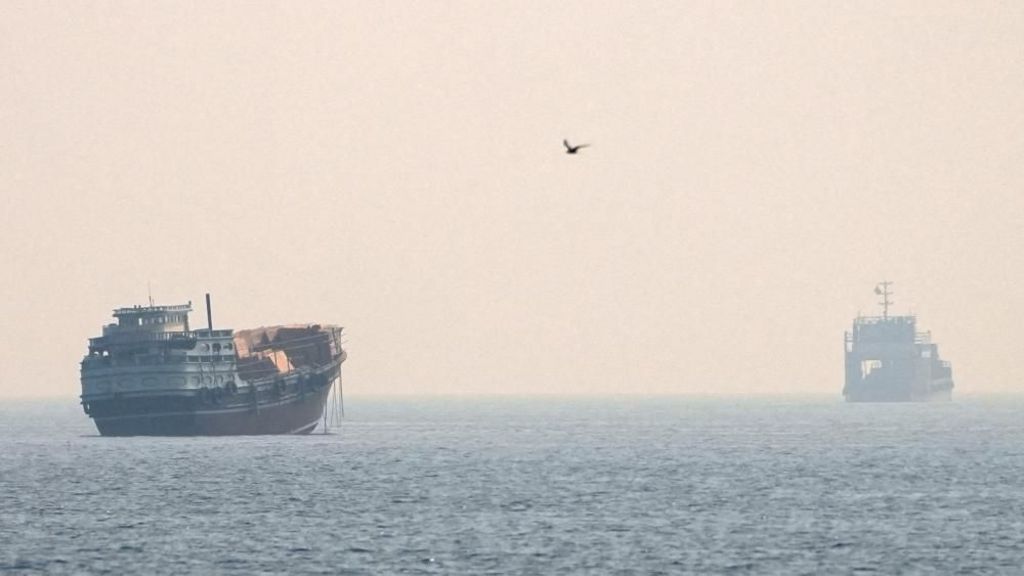
    The escalation follows a series of tit-for-tat attacks that unfolded this week, starting with alleged Iranian strikes on commercial shipping vessels in the strategic international shipping lane on Tuesday. That attack prompted immediate U.S. retaliatory strikes late Tuesday, with President Donald Trump promising further heavy action Wednesday evening.

    Iranian state media has confirmed multiple large explosions across southern Iranian port cities located along the Strait of Hormuz, including Sirik, Bandar Abbas, Jask, Konarak and Chabahar. According to Iranian reports, multiple missiles hit port infrastructure in Sirik and Jask, while eight explosions were recorded in Bandar Abbas, the country’s key southern trade hub. Strikes were also reported on Abu Musa, a disputed island claimed by both Iran and the United Arab Emirates. Local Iranian outlets have documented blackouts across parts of Chabahar and an active fire at an Islamic Revolutionary Guard Corps barracks in Bushehr, though full details of casualties and infrastructure damage remain undisclosed as of Wednesday night.

    U.S. Central Command (Centcom) confirmed in an official statement Wednesday that the operation targeted 90 Iranian military assets along the country’s coastline, including integrated air defense systems and military logistics infrastructure. The command said the strikes were intended to “further degrade Iran’s ability to attack commercial shipping and innocent civilian mariners” in the strategically vital waterway, through which roughly 20% of global oil trade passes daily. Centcom added that the new operation followed successful offensive strikes carried out against Iran the previous night.

    Speaking directly to reporters aboard Air Force One Wednesday evening, President Trump confirmed the strikes were deliberate retaliation for the Tuesday shipping attacks. In a subsequent post to his Truth Social platform, Trump emphasized: “This is in retribution for yesterday’s bombing of ships by Iran. If it happens again, it will get much worse!” The president also revealed that Iranian officials had reached out to Washington Wednesday seeking to restart negotiations, but cast doubt on whether Tehran could be trusted to honor any future agreement. “I just don’t know if they’re worthy of making a deal – I don’t know that they’re going to honour the deal, that’s the problem,” he said. Trump also formally declared the 17 June ceasefire memorandum of understanding (MoU) “over”, calling further negotiations with Iran “a waste of time” and using exceptionally harsh language to describe the Iranian leadership.

    Top Iranian officials have issued sharp, defiant responses to the new U.S. strikes. Mohammad Bagher Ghalibaf, Iran’s parliamentary speaker and chief nuclear negotiator with the U.S., wrote on the social platform X that “America still hasn’t learned that bullying and breaking promises are no longer cost-free.” He added a clear warning: “Let me put it plainly: if you strike, you’ll get hit.” Ghalibaf also reaffirmed Iranian sovereignty over the strait, stating that shipping access would remain under Iranian control, not “American threats.” Iranian Foreign Minister Abbas Araghchi similarly rejected Trump’s inflammatory language, saying: “We do not answer vulgarity with vulgarity, but with action: fearlessly and with great valour.”

    The escalation has already sent ripples across the Gulf region. Local media and officials have confirmed explosions in Manama, the capital of Bahrain, a key U.S. ally in the region. Kuwait’s military confirmed it intercepted incoming missiles and drones launched from Iran, while Qatar’s interior ministry issued a nationwide security alert for civilians.

    The June MoU was meant to de-escalate tensions after months of escalating attacks on commercial shipping in the strait. The 14-point agreement included a 60-day ceasefire to allow for comprehensive negotiations, guarantees for safe commercial passage through the Strait of Hormuz, and U.S. sanctions relief for Iran. The 60-day negotiating window has not yet expired, but this week’s attacks have collapsed the fragile truce entirely. This is not the first time the truce has been tested: the U.S. launched limited strikes in late June after an Iranian attack on a cargo ship, but both sides agreed to step back from escalation at that time.

  • Fury as man accused of Bunnings dog attack skips court again

    Fury as man accused of Bunnings dog attack skips court again

    A man accused of animal cruelty over an alleged violent attack on a pet dog in a Bunnings Warehouse carpark in Adelaide’s northern suburbs now has an active arrest warrant against him after failing to appear in court for a second time.

    Forty-eight-year-old Nathan Bradwell, a resident of nearby Smithfield, was captured on camera in March this year delivering two separate kicks to the head of 4-year-old Staffordshire bull terrier Maya inside the parking lot of the Bunnings Parafield outlet. He was subsequently charged with ill-treatment of an animal, a charge he has publicly denied, claiming he acted out of self-defense during the confrontation.

    Bradwell’s repeated absence from court proceedings has added to the frustration of the case. He first failed to attend a scheduled hearing on May 11, though he did appear before a judge one month later on June 10. But on Thursday, he again failed to show up for his scheduled hearing at Elizabeth Magistrates Court. Magistrate Karim Soetratma approved the issuance of an arrest warrant with no bail granted, meaning Bradwell will be held in police custody immediately after he is taken into custody until his next scheduled court appearance.

    The dog’s owners, Hayden Palkovics and Tyler Wright, have attended every court hearing to date, marking their fourth consecutive in-person appearance for the case. Speaking after Thursday’s proceeding, Palkovics expressed deep frustration with the repeated delays. “It is beyond frustrating. Now it is just a waiting game. This was round 4 for us and we just really hope he shows up for round 5,” he said.

    Despite the traumatic incident four months ago, Palkovics confirmed Maya is now in good health and enjoying a normal, happy life with the couple. “She is still doing very well and lives the dream life, as she should,” he added. Wright said the pair remains committed to seeing the case through to ensure accountability for the attack, noting that they will continue to show up to every hearing to advocate for Maya, who cannot speak for herself in court.

    When Bradwell first appeared in court on April 14, he told reporters outside the courthouse, with his face covered by a jacket, that he had only acted to remove the dog from himself in self-defense. Footage of the alleged attack circulated widely across social media platforms shortly after the March 1 incident, sparking widespread public anger over the treatment of the animal. The case will be next called before the court once Bradwell is taken into custody.

  • Western Europe records its hottest June as heatwaves surge: EU monitor

    Western Europe records its hottest June as heatwaves surge: EU monitor

    The European Union’s official climate monitoring body confirmed Thursday that 2025 has brought Western Europe its hottest June ever recorded, capping off a month of unprecedented extreme heat that has underscored the accelerating impacts of human-caused climate change across the continent. The announcement comes as a second intense heatwave already bears down on Europe this summer, following the June record-breaking event and an unseasonably early spring heatwave that struck in May.

    Data from the EU’s Copernicus Climate Change Service shows the average June temperature across Western Europe hit 20.74°C this year – more than 3°C higher than the 1991-2020 baseline average for the month. The figure shatters the previous regional June record set just two years prior in 2025. For the globe as a whole and Europe as an entire continent, this June ranked as the second hottest ever recorded, Copernicus confirmed, as decades of greenhouse gas emissions continue to drive global average temperatures steadily upward.

    Global average June temperatures this year hit 1.39°C above the pre-industrial baseline (1850-1900), the service reported. The world’s oceans also logged their warmest June on record, compounded by a developing El Niño weather pattern in the tropical Pacific that forecasters project will strengthen in the coming months.

    The record-breaking June heat was driven by a stubborn “heat dome” – a persistent high-pressure system that traps hot air like a lid over a boiling pot – that settled over much of Western Europe, pushing multiple countries to break both monthly and all-time high temperature records. An analysis by Agence France-Presse found that more than 410 million Europeans – over two-thirds of the region’s population – faced temperatures above 35°C between June 15 and 30. Thousands of heat-related deaths were recorded across the continent, concentrated primarily in France, Spain and Belgium, with high humidity amplifying the danger by preventing cooling overnight.

    “It was extremely humid, which then meant people didn’t get relief at night. So we had a number of tropical nights in a row,” explained Samantha Burgess, strategic climate lead at the European Centre for Medium-Range Weather Forecasts (ECMWF), which manages the Copernicus program. Warm ocean waters along Europe’s Mediterranean and Atlantic coasts compounded the issue, eliminating cooling sea breezes that typically bring overnight relief. The Mediterranean also saw a record-breaking marine heatwave that put coastal and marine ecosystems at severe risk.

    Dry conditions from the heat also exacerbated drought risks in Eastern Europe and amplified wildfire activity across the Iberian Peninsula and Southern France, Copernicus noted.

    Climate scientists from World Weather Attribution, an international research network, previously classified the June 2025 heatwave as the most severe ever recorded in Europe based on three-day peak average temperature forecasts across the affected region. The group concluded the event would have been virtually impossible to occur without the influence of human-caused climate change; a similar heat event in June 2003 would have been roughly 2°C cooler, they found.

    Burgess warned that heat extremes will only become more common, intense and widespread as global temperatures continue to rise. “We will see more heatwaves in a warmer world. They will be more intense and they will last longer, and they will impact more geographical areas,” she told AFP. She added that climate change is no longer a distant future threat, but a disruptive force already reshaping daily life: “We’re at a transition point where climate change is shifting from being an abstract statistical future problem that you read about in reports, to a concrete present and disruptive feature of daily life.”

    Europe, which is already the fastest-warming continent on Earth, faces unique challenges as it adapts to this new climate reality, Burgess noted. Many of the region’s most iconic historic buildings were constructed centuries ago for a cooler climate that no longer exists, requiring urgent updates to built infrastructure to protect residents from extreme heat. To slow the progression of worsening heat extremes, Burgess emphasized that the world must reach net-zero greenhouse gas emissions from fossil fuel combustion as quickly as possible. “Heatwaves will only get worse the more (emissions from) fossil fuel we pump into the atmosphere,” she said.

  • Library cards and faux copies – US man sentenced in elaborate theft of 17th Century Chinese literature

    Library cards and faux copies – US man sentenced in elaborate theft of 17th Century Chinese literature

    An elaborate forgery-fueled theft scheme that targeted one of the United States’ most significant collections of rare historical artifacts has concluded with sentencing for the perpetrator, a California man who stole centuries-old Chinese manuscripts worth hundreds of thousands of dollars from the University of California, Los Angeles (UCLA) Library.

    Jeffrey Ying, 39, a resident of Fremont in the San Francisco Bay Area, pleaded guilty to one felony count of major artwork theft for stealing a 17th-century Qing Dynasty ancient Chinese manuscript. In a California federal court ruling, he was sentenced to time served — equal to roughly one month he spent in jail following his arrest — followed by one year of home confinement and three years of supervised release. No immediate fine was issued, though court documents note that the amount of restitution owed to the library for its losses has not yet been finalized.

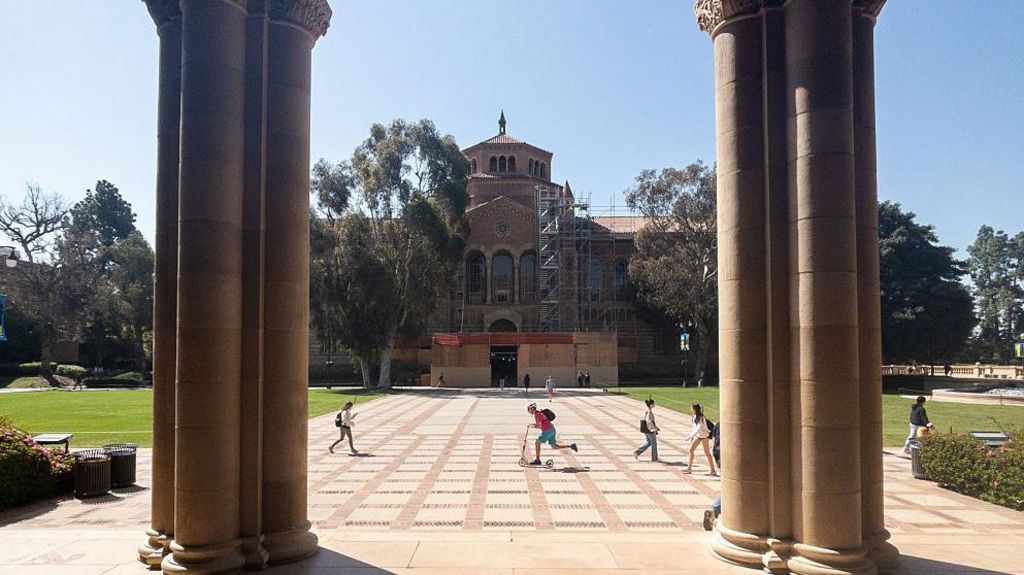
    The criminal complaint against Ying lays out the sophisticated plot he carried out between December 2024 and July 2025. Prosecutors allege that Ying exploited a then-existing UCLA Library policy that allowed members of the public to request library cards for access to rare collections entirely online, with no requirement to present in-person government-issued identification. Using three different aliases — Jason Wang, Alan Fujimori, and Austin Chen — he created multiple library accounts to check out the rare ancient Chinese texts held in the institution’s archives. The UCLA Library houses one of the nation’s largest open collections of rare books and historical artworks, making it accessible to outside researchers under controlled public access policies.

    After renting out each manuscript, Ying traveled back and forth between the U.S. and China within days of each check-out, according to prosecution records. Investigators believe he used custom forging equipment and blank parchment matching the style of the original ancient documents to create detailed counterfeit copies. When he returned the fakes to the library under his aliases, the switch went undetected for months.

    The scheme was only uncovered when library staff processing recently returned items noticed inconsistencies that revealed the submitted documents were forgeries. An internal review launched by library administration identified multiple suspicious returns linked to the aliases, and cross-checking with surveillance footage confirmed that all the checked-out original manuscripts had been picked up by the same individual, later identified as Ying.

    When law enforcement arrested Ying in August 2025, a search of his hotel room located near UCLA’s campus uncovered blank manuscript paper and reference documents matching the stylistic characteristics of the stolen texts. Prosecutors’ arrest affidavit states these materials were explicitly used to create “dummy” counterfeit books to swap for the authentic historical artifacts. At the time of arrest, authorities also seized a fraudulent California state ID issued under the name Austin Chen, as well as two library cards registered to aliases Austin Chen and Jason Wang.

    Prosecutors estimate the total value of the manuscripts Ying is accused of stealing amounts to roughly $216,000, equal to approximately £161,300. The stolen items include two particularly valuable artifacts: a text dating back to 1393 and another published in 1575. As of the sentencing ruling, Ying has only been charged and convicted for the theft of the 17th-century Qing manuscript. Court records do not currently outline where the stolen authentic manuscripts are being held, leaving the ultimate fate of the historical artifacts unknown. Following the exposure of the theft scheme, UCLA has revised its public access policy for rare collections, now requiring in-person identity verification before granting access to high-value archival materials.