博客

  • At least 20 children and 1 adult killed in a Uganda elementary school bus crash

    At least 20 children and 1 adult killed in a Uganda elementary school bus crash

    KAMPALA, UGANDA – A devastating road crash in eastern Uganda has claimed the lives of 21 people, among them 20 elementary school students and their school’s founder, after an educational outing to a popular regional waterfall turned to tragedy Thursday, national police confirmed Friday.

    The accident occurred after the King David Junior School bus, carrying students and staff returning from a guided tour of Sipi Falls in Kapchorwa District, veered from its route and overturned. According to preliminary police accounts posted to the social platform X, the driver lost control of the vehicle, which struck a large rock before flipping onto its side. Official investigations into the exact root cause of the collision are still ongoing.

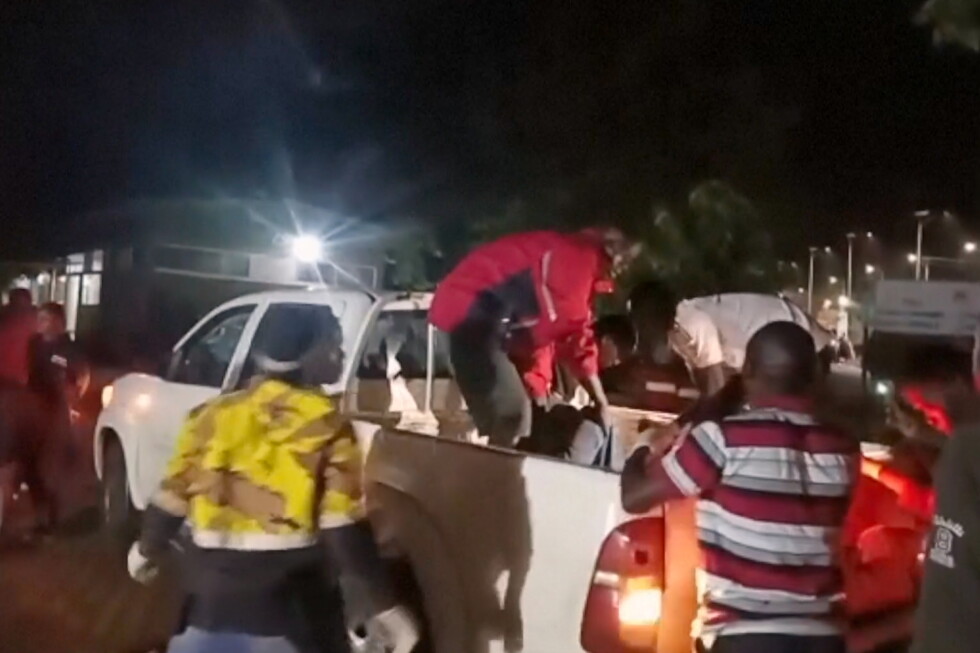
    Local villagers were the first to arrive at the crash site, acting as emergency first responders to pull survivors from the wreckage and rush injured victims to nearby medical facilities, said Uganda’s Minister of Local Government Balaam Barugahara Ateenyi, in a separate statement shared on X. Multiple survivors, including three adult staff members and an unknown number of children, were transferred to area hospitals. At least nine of the child patients remain in critical condition, Barugahara added.

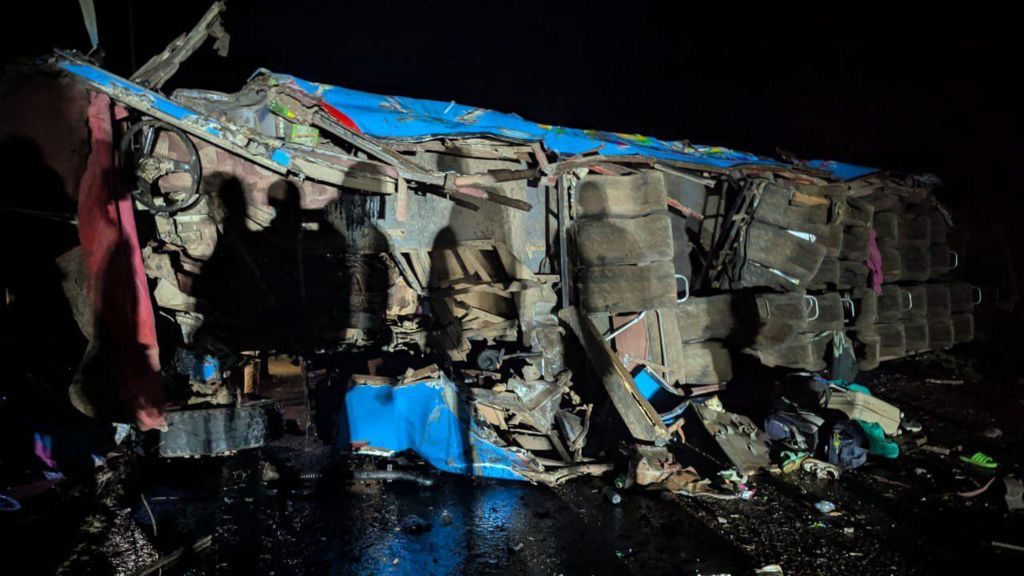
    Photographs released by police show the crumpled wreckage of the bus resting on its side, its entire roof torn completely away to expose twisted, mangled seats. Personal belongings, student luggage and scattered clothing litter the roadside surrounding the vehicle.

    The private elementary school involved in the crash is based in Kampala, Uganda’s capital. The deceased adult victim has been identified as its founder and head, Barugahara confirmed.

    Tragic mass casualty road accidents are not an uncommon occurrence across Uganda, and reflect a broader regional crisis that has left Africa with the world’s deadliest road safety record. Frequent contributing factors across the continent include poorly maintained infrastructure, unaddressed vehicle wear and tear, dangerous speeding, and hazardous road conditions. Earlier this month alone, another bus collision in a remote region of northern Uganda killed 14 people.

    Global health and safety data underscores the severity of the crisis. According to the World Health Organization and United Nations, Africa records more than 300,000 road fatalities annually, equal to roughly 26 deaths for every 100,000 people. By comparison, Europe – which hosts far higher volumes of road traffic – sees roughly 20,000 annual road deaths, a rate of nine deaths per 100,000 people.


  • Economists likened to climate deniers in Irish unity debate

    Economists likened to climate deniers in Irish unity debate

    A fierce political clash has erupted in Ireland’s lower parliamentary chamber, the Dáil Éireann, over the projected fiscal costs of unifying the Republic of Ireland and Northern Ireland, after a senior Sinn Féin lawmaker compared independent economists predicting high initial unification costs to climate change deniers.

    Thomas Gould, a Sinn Féin Teachta Dála (TD), made the controversial remarks during a scheduled debate focused on the tax and public spending ramifications of a potential united Ireland. The core of the disagreement centers on wildly varying projections from academic analysts, who have arrived at drastically different cost estimates based on differing core assumptions about post-unification governance and public spending.

    Gould argued that some commentators are deliberately leveraging fabricated data and inaccurate figures to undermine support for Irish unification. He specifically called out Professor John Fitzgerald, an economist who co-published a 2024 study examining how Northern Ireland’s current public service funding requirements would translate to a unified Irish state. Fitzgerald’s study put forward a central projection of €11 billion (£9.4 billion) in annual net initial costs for unification, equal to roughly 5% of the Republic of Ireland’s total national income. That estimate would require the new unified state to implement unpopular policy adjustments: tax increases, higher government borrowing, or cuts to public spending.

    That projection was directly challenged by political scientist Professor John Doyle, who used an alternate set of assumptions to calculate a far lower annual initial cost of approximately €2.5 billion.

    In defending his criticism of high-cost projections, Gould drew a parallel to decades of climate change denial. “For years, when we talked about climate change, climate change deniers were rolled out to give their opinions, even though all the science was against them,” Gould told the Dáil. “Now, we have that happening here, where we know the data and the positive implications Irish unity could have but we are allowing false data to come in to skew the conversation.”

    Irish Deputy Prime Minister and Finance Minister Simon Harris offered a more nuanced perspective earlier in the debate, acknowledging that the transition to a united Ireland would bring with it significant fiscal costs and logistical complexity, while pushing back on efforts to sum up the full impact in a single figure. Harris argued that the economic effects of unification would shift over time rather than remaining static, and that the public debate should focus on what the island’s two divided economies can collectively build after integration.

    “The fiscal position in year one would, of course, not remain static. Over time, costs and revenues would evolve as both economies adapt, grow and become integrated,” Harris said. “How these opportunities are managed, and the extent to which these benefits are realised, will be the key determinant of the long-term fiscal impact. In other words, these outcomes are not predetermined. They will be shaped by the policy choices we make, the policies we pursue and the decisions we make.”

    The debate comes just one week after the two governing parties of the Republic of Ireland – Harris’ Fine Gael and coalition partner Fianna Fáil – defeated a Sinn Féin proposal that would have started formal state planning for unification. The proposal included two key elements: the creation of a citizens’ assembly bringing together 99 randomly selected citizens to debate the advantages and drawbacks of Irish unity under the guidance of an independent moderator, and a requirement for the Taoiseach (Irish Prime Minister) to draft a public green paper outlining cross-government preparations for unification, covering everything from economic policy to public health and housing.

  • Parents of Australian teens killed by tainted liquor in Laos are angry at expected charges

    Parents of Australian teens killed by tainted liquor in Laos are angry at expected charges

    In the wake of a fatal methanol poisoning incident that killed six foreign tourists including two 19-year-old Australian women last November, the Australian government and the victims’ families have publicly condemned Laos’ planned legal action as shockingly insufficient. The tragedy unfolded at the Nana Backpacker Hostel in Vang Vieng, a popular party and adventure destination for backpackers in landlocked, Southeast Asian Laos. After consuming reportedly free shots of adulterated Laotian vodka at the hostel, the Australian teenagers — Bianca Jones and Holly Morton-Bowles — fell severely ill and were evacuated to hospitals in neighboring Thailand, where they later died. They were joined in death by an American man, a British woman, and two Danish women, all claimed by the tainted alcohol.

    On the eve of Laos’ expected announcement of charges against the accused suppliers of the methanol-laced drinks, families gathered in Melbourne to share their outrage. According to information shared with the families through Australian officials, who have kept them updated on the investigation since the incident, convicts in the case would face a maximum penalty of just one year in prison and a fine of roughly 1,600 Australian dollars, equivalent to $1,117 U.S. currency.

    Mark Jones, father of Bianca Jones, called the proposed penalties and legal outcome completely unacceptable. His wife Michelle echoed the grief and anger, saying “It’s like their lives didn’t even matter. We’re just really appalled by it all. You know, they were just going over to have a bit of fun and just doing the rite of passage that every, you know, child or teenager does. So for that outcome, it was just devastating.” Shaun Bowles, father of Holly Morton-Bowles, called the anticipated charges mind-boggling, noting that Laos draws thousands of young travelers from Australia and across the globe annually. He went so far as to urge prospective tourists to reconsider visiting the country, saying Laos has shown a blatant disregard for the lives of visitors and attempted to cover up the severity of the incident.

    Methanol-tainted alcohol is not a problem limited to Southeast Asia; it is a global public safety hazard that disproportionately impacts local populations in low- and middle-income countries where affordable legal alcohol is hard to access, and illicit, unregulated liquor markets thrive. Data collected by medical humanitarian group Doctors Without Borders on suspected poisoning incidents identifies Indonesia, India, and Russia as the three nations with the highest number of reported cases. Illicit distributors often add the cheaper methanol as a replacement for food-grade ethanol to cut production costs, while it can also end up in homemade liquor as an accidental byproduct of poor distillation practices. Even small amounts of the chemical can cause life-threatening poisoning, permanent organ damage, or death.

    Australian Foreign Minister Penny Wong released a statement Friday echoing the families’ anger, saying she was “deeply frustrated and bitterly disappointed” that Lao authorities were not pursuing the most severe charges possible in connection with the deaths. Wong’s office declined to immediately share additional details on the number of people to be charged or the specific counts anticipated. In response to the insufficient proposed charges, Wong and Australian Prime Minister announced that a special envoy had been dispatched to Vientiane on Friday to formally deliver the Australian government’s objections, and push for a full, transparent investigation that delivers meaningful justice for all six victims. Australian diplomatic officials also summoned the Lao ambassador to Canberra for formal discussions over the case. As of Friday, the Lao Embassy in Canberra had not issued any response to requests for comment on the families’ and Australian government’s criticisms. The report was filed by Graham-McLay from Auckland, New Zealand.

  • India launches first hydrogen-powered train built in the country to expand clean energy on railways

    India launches first hydrogen-powered train built in the country to expand clean energy on railways

    NEW DELHI – In a landmark step toward decarbonizing one of the world’s largest rail networks and advancing domestic clean energy manufacturing, India debuted its first indigenously developed hydrogen-powered train this Friday. The inaugural service, named “NaMo Green Rail” in a nod to Prime Minister Narendra Modi, was officially inaugurated by Modi at Jind Railway Station in the northern state of Haryana, where it will begin regular operations.

    The new train consists of two hydrogen-fueled driving units paired with eight passenger coaches. According to Indian Railway officials, it boasts a top operating speed of 75 kilometers per hour (roughly 47 miles per hour) and can accommodate up to 2,600 passengers per trip. Unlike traditional diesel locomotives that spew greenhouse gases and local air pollutants, hydrogen fuel cell-powered trains produce no harmful direct emissions—their only byproduct from energy generation is water vapor, making them a zero-emission alternative for non-electrified rail routes.

    This launch is not just a one-off demonstration; it forms the core of a pilot project designed to test the real-world feasibility of hydrogen technology for Indian Railways. The initiative includes purpose-built hydrogen storage and refueling infrastructure built alongside the route, allowing engineers and policymakers to gather operational data ahead of potential wider rollouts across the country’s vast 68,000-kilometer rail network.

    In a social media post on X following the inauguration, Modi emphasized the milestone’s dual importance for India’s national development. He framed the rollout as a critical leap forward for both the country’s goal of building a self-reliant industrial economy and its global commitment to sustainable, low-carbon development.

    Globally, hydrogen trains have emerged as a leading solution for rail networks aiming to phase out polluting diesel locomotives on routes where full electrification is not economically or logistically practical. A number of other countries have already begun deploying hydrogen-powered passenger services in recent years, creating a growing global market for the technology.

    For India, this launch aligns with much broader national climate and energy strategies. The country has pledged to reach net-zero carbon emissions by 2070, and Indian Railways has identified green hydrogen as a key alternative to diesel for its non-electrified routes. The government has also prioritized scaling up domestic green hydrogen production as part of its national clean energy transition, positioning the country as a growing player in the global hydrogen economy.

  • Japan enacts law to punish national flag vandals. Opponents say it’s a threat to free speech

    Japan enacts law to punish national flag vandals. Opponents say it’s a threat to free speech

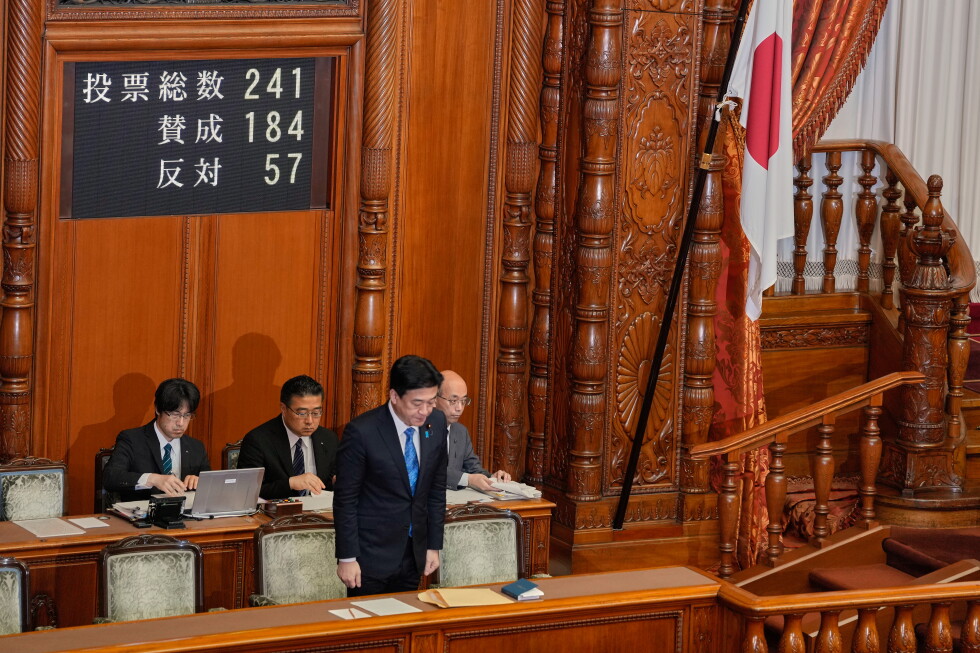
    TOKYO – In a landmark victory for Prime Minister Sanae Takaichi’s right-wing policy platform, Japan has formally enacted a divisive new law that criminalizes the desecration of the country’s national hinomaru flag, triggering fierce pushback from opposition lawmakers, legal scholars, and free speech advocates who warn the legislation threatens core constitutional protections.

    The new law, enacted Friday, imposes harsh penalties for any public act that damages, removes, or defaces the national flag in a manner deemed to cause “extreme discomfort or sense of disgust” to others. Violators can face up to two years in prison or a fine of 200,000 Japanese yen, equivalent to roughly $1,230. The legislation explicitly includes footage of desecration shared via livestream or social media uploads, even when the act itself occurs in a private space, while carving out narrow exceptions for non-tangible flag depictions in art, AI-generated content, anime, and small decorative flags used for food garnishes.

    For Takaichi and her ruling Liberal Democratic Party (LDP), the legislation fills a longstanding gap in Japanese law. Japan already has statutes in place that penalize vandalism of foreign national flags displayed at diplomatic facilities, designed to prevent international diplomatic disputes. Takaichi has argued that the absence of similar protections for Japan’s own flag was inherently wrong.

    Today, the hinomaru – a simple red sun disc set against a white field – is a ubiquitous sight across Japan, flown at government offices, featured prominently at international summits and athletic competitions, and waved by imperial well-wishers at public events hosted by the Imperial Palace. A second variant, the 16-rayed kyokujitsuki, remains a source of intense regional controversy: it was the official flag of Japan’s pre-WWII imperial navy, used during the country’s colonization of the Korean Peninsula and military occupation of parts of China and other East Asian nations, drawing consistent vehement protest from neighboring countries.

    Despite the LDP’s framing of the law as a measure to protect public respect for national symbols, critics have roundly condemned it for its intentionally vague language. Opponents argue the broadly worded statute is designed to intimidate citizens and suppress political dissent against Takaichi’s administration, risking violations of Japan’s constitutional guarantee of freedom of expression. They warn the ambiguous wording could chill legitimate use of flag imagery in protest art, political demonstration, and critical speech.

    Many top legal experts share these concerns. Motohiro Hashimoto, a constitutional law professor at Tokyo’s Chuo University, told a recent parliamentary hearing that criminalizing flag desecration effectively equates criticism of the government with a criminal offense. Lawmakers from opposition parties have also highlighted the lack of clear guidelines to define punishable conduct. During parliamentary debate, Ayaka Shiomura, a lawmaker from the opposition Constitutional Democratic Party of Japan, repeatedly pressed ruling party officials on whether crossing out a flag during a political rally would qualify as an offense. LDP lawmaker Akihisa Shiozaki acknowledged the ambiguity, responding that no clear standards can be set ahead of an actual incident.

    Legal analysts note that while other developed nations including the United States and multiple European countries have flag desecration laws on their books, those regulations typically include far clearer eligibility criteria and stronger guardrails to protect free speech.

    Controversy over Japan’s national flag is not a new issue. The design traces its roots to ancient Japanese sun worship, and was formally adopted as the flag for Japanese commercial vessels in 1870. During World War II, it was a common patriotic symbol carried by soldiers deploying to the front lines. However, it was not formally recognized as Japan’s official national flag until 1999, due to decades of public division over its ties to the country’s wartime imperial past.

    From the 1980s onward, Japanese government efforts to promote the hinomaru and the national anthem Kimigayo in public schools sparked sustained protest from teachers who opposed their use for compulsory patriotic education. The tension reached a tragic head in 1999, when a Hiroshima school principal died by suicide on the eve of a graduation ceremony, caught between conflicting demands from protesting teachers and local education officials who ordered mandatory display of the flag.

    The enactment of the new law marks a clear political win for Takaichi and her right-wing base, as the prime minister continues to advance a nationalist policy agenda that has reshaped Japanese domestic politics in recent months.

  • Man and woman killed in two-vehicle collision

    Man and woman killed in two-vehicle collision

    A devastating two-vehicle road traffic collision has left two people dead and two others with critical injuries in the Republic of Ireland, close to the Northern Ireland border. The crash unfolded at approximately 15:10 local time on Thursday along the R173 roadway in the small community of The Bush, County Louth, according to initial official updates.

    First responders who arrived at the scene confirmed that the male driver and female passenger from the first vehicle, both in their 70s, could not be saved and were pronounced dead at the site of the collision. The two occupants of the second vehicle, a male driver and a female passenger both aged in their 30s, suffered serious, life-threatening injuries. Emergency medical teams arranged emergency aeromedical evacuation to two major Dublin hospitals: the pair were transferred separately to Beaumont Hospital and Mater Misericordiae University Hospital to receive urgent specialized care for their injuries.

    In the aftermath of the collision, Gardaí, the national police service of the Republic of Ireland, have launched a formal investigation to establish the full circumstances that led to the crash. Law enforcement officials are issuing a public appeal for any members of the public who were traveling in the area around the time of the incident and may have dashcam, CCTV or other mobile camera footage of the collision or the vehicles involved to come forward and share the material with investigators. This evidence is expected to help officers reconstruct the events of the crash and determine any contributing factors.

  • US-Iran strikes: latest developments

    US-Iran strikes: latest developments

    A sharp new escalation of long-running tensions between the United States and Iran has sent shockwaves across the Gulf region, with cross-border strikes, attacks on US allies, and clashes near the strategic Strait of Hormuz plunging the Middle East into renewed violence. As fighting entered its sixth consecutive day on Friday, multiple nations are calling for an immediate de-escalation and return to diplomatic talks.

    Casualty figures released by Iran’s health ministry confirm that 38 people have been killed and over 400 injured in US strikes carried out across the country since June 22. The violence has spread far beyond Iran’s borders, with Tehran launching retaliatory strikes against a string of targets including US military assets and partner nations across the Gulf region.

    Iran’s Islamic Revolutionary Guard Corps (IRGC) announced Friday that it had successfully targeted and destroyed two US-operated radar sites in Oman — one configured for maritime surveillance and the other for air monitoring. Further afield, the IRGC carried out a surprise strike on the Al-Tanf US military base in southern Syria, framing the attack as retaliation for the recent killing of Iranian soldiers in Iranshahr.

    Multiple Gulf US allies reported coming under Iranian missile and drone attack early Friday. Jordan’s military confirmed it intercepted three Iranian missiles, with no reported casualties or infrastructure damage. Kuwait said it was responding to incoming attacks after Tehran stated it had targeted US military infrastructure on Kuwaiti territory. Both Bahrain and Qatar also reported attempted attacks, with Qatari defense forces confirming they successfully intercepted an incoming missile.

    On the US side, American military forces have continued their pressure campaign against Iran. US Central Command announced Friday that it had launched the sixth consecutive night of strikes against Iranian targets, stating the operations are designed to “further degrade Iranian military capabilities.” US forces also intercepted shipping traffic in the Gulf of Oman as part of Washington’s reimposed blockade on Iranian ports, redirecting three vessels that attempted to circumvent the trade restrictions since the blockade was restored amid rising hostilities.

    Multiple locations across Iran were targeted in fresh US strikes Friday. Explosions were reported in Bushehr, the city that hosts Iran’s only civilian nuclear power plant, though there has been no confirmation of damage to the nuclear facility itself. Strikes also hit an airport, a railway station in the key port city of Bandar Abbas on the Gulf coast, and two bridges in southern Iran near the Strait of Hormuz, leaving three people dead, according to Iranian state media. Local Iranian officials also confirmed US strikes targeted locations near Qeshm Island, a major Iranian landmass located just off the coast near the strategic strait.

    The violence spilled further into neighboring Iraq on Friday, when an unidentified drone struck a commercial ship carrying American-branded cars near the southern Iraqi port of Basra. The vessel had arrived in the area from the United Arab Emirates, and Iraq’s oil ministry confirmed that an unknown object fell near a separate tanker in the same area, though no further details on damage or casualties have been released.

    Amid the escalating fighting, diplomatic pathways remain partially open, according to the White House. Press Secretary Karoline Leavitt told reporters Friday that former President Donald Trump, who currently leads the US executive branch, remains open to diplomatic negotiations with Tehran despite the renewed hostilities. “The president will hold them accountable when they turn their back on the words that they state to the United States. But he is always open to diplomacy at the very same time,” Leavitt said.

    International calls for de-escalation grew Friday after top diplomats from China and Pakistan met in Shanghai, issuing a joint appeal for the United States and Iran to end all hostilities and return to the negotiating table to resolve their differences through dialogue.

  • Indian activist on fast for 20 days refuses to end hunger strike

    Indian activist on fast for 20 days refuses to end hunger strike

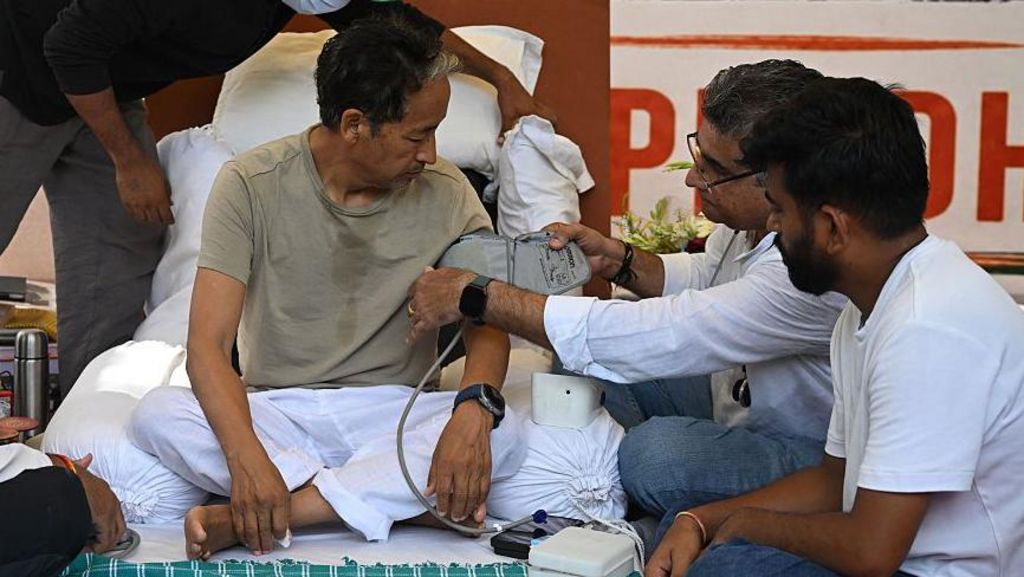
    A 20-day-long indefinite hunger strike by prominent Indian education reform activist Sonam Wangchuk has emerged as a flashpoint of political tension in New Delhi, with the Delhi High Court stepping in this week to mandate round-the-clock health monitoring for the 59-year-old protester, who has already lost more than 9 kilograms after surviving on only salt and water since the protest began.

    Despite growing appeals from across India’s political and civil society spectrum to end his fast, Wangchuk has remained unyielding in his commitment to the protest, which he launched in solidarity with the online satirical activist movement Cockroach Janta Party (CJP). The movement has organized nationwide demonstrations to demand sweeping changes to India’s education system and the resignation of federal Education Minister Dharmendra Pradhan in the wake of a high-profile medical entrance exam cancellation earlier this year.

    The exam, a key entrance test for aspiring medical students across the country, was called off in early May after widespread reports of a major question paper leak. Protesters argue that repeated leaks and systemic failures in India’s examination system have ruined the career prospects of millions of young students, and Pradhan must take ultimate moral responsibility for the scandal and step down from his post.

    Speaking from his protest site at New Delhi’s iconic Jantar Mantar, where crowds have gathered daily to support his action, Wangchuk acknowledged his declining physical condition but reaffirmed his unshaken resolve. “I’ve grown weak from the outside but I’m strong from within,” he told supporters, whose response filled the square with cheers and applause. Though his voice was noticeably frail in video footage shared Friday on the CJP’s official X account, Wangchuk used his address to urge supporters to join a planned peaceful march to India’s Parliament on Monday.

    “Together, we will march peacefully to the parliament and put forward our petitions at the altar of democracy,” he said, adding a dark joke that if he did not survive long enough to join the march, “my ghost would join the march.”

    To date, Prime Minister Narendra Modi’s ruling government has refused to open any dialogue with the protesters, with Pradhan dismissing the CJP and its backers as “the B-team of disruptive elements.” But mounting pressure from opposition parties and civil society leaders has forced the issue into the public spotlight, with high-profile politicians openly backing Wangchuk’s demands.

    On Thursday, former Delhi Chief Minister and Aam Aadmi Party national leader Arvind Kejriwal visited the protest site to meet Wangchuk, greeting the activist with a traditional folded-hand welcome before echoing calls for the government to negotiate with demonstrators. “Every year, exam papers get leaked and youth pay the price,” Kejriwal said, calling on the administration to listen to the grievances of students and Wangchuk, and even suggesting that Pradhan be replaced by the activist himself.

    Jammu and Kashmir Chief Minister Omar Abdullah, leader of the National Conference party, also spoke out in support of Wangchuk this week, noting that past governments had opened dialogue with hunger-striking activists when public grievances were legitimate. Abdullah recalled that the Congress-led United Progressive Alliance government sent senior ministers to negotiate with iconic anti-corruption activist Anna Hazare during his 2011 hunger strike in New Delhi, a landmark moment for Indian grassroots protest. “Politics has its place, but there must also be a room for humanity and compassion,” Abdullah said, adding that “no attempt has been made so far to initiate a dialogue with Mr Wangchuk” despite his “legitimate” demands.

    The legal intervention came Thursday during a court hearing on a public petition regarding Wangchuk’s deteriorating health. The Delhi High Court ordered the federal government to immediately intervene to protect the activist’s health, mandating regular monitoring and access to urgent medical care if required. Following the court order, The Times of India reported that India’s federal Ministry of Health has directed three top New Delhi government hospitals to conduct comprehensive health checks on Wangchuk twice every day to track his declining condition.

    As the country waits for Monday’s planned parliamentary march, the standoff between grassroots protestors and the ruling government continues to intensify, with Wangchuk’s declining health adding a urgent time pressure to the unfolding political crisis.

  • China’s Xi calls for step up of global effort in AI, as US curbs squeeze China’s tech access

    China’s Xi calls for step up of global effort in AI, as US curbs squeeze China’s tech access

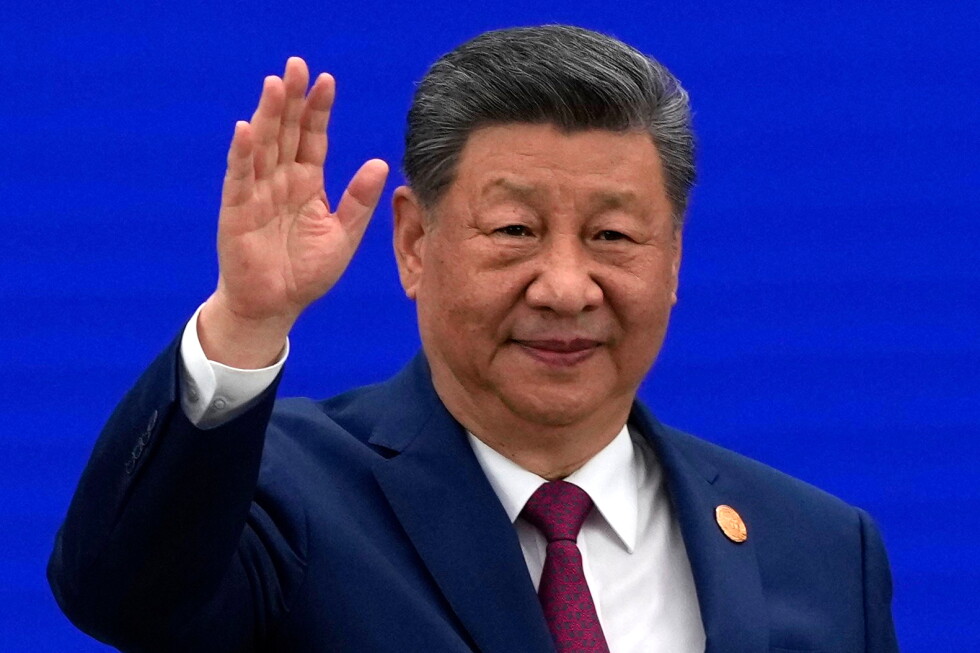
    Against a backdrop of escalating technological competition between the world’s two largest economies, Chinese President Xi Jinping delivered a landmark call for inclusive global partnership in artificial innovation and governance during his keynote address Friday at the annual World Artificial Intelligence Conference held in Shanghai.

    Xi emphasized that the advancement of AI is a shared global mission, not a project to be controlled or dominated by a single nation. His remarks came in direct response to a series of U.S.-led export restrictions that have cut China off from access to cutting-edge global AI semiconductor and technology frameworks, a policy that has pushed China to accelerate domestic AI research and deepened the ongoing bilateral tech rivalry.

    “The development of artificial intelligence should not be a solo performance by any single country but rather a symphony of global cooperation,” Xi told attendees of the high-profile gathering, which included the heads of state of Kazakhstan, Cambodia and Thailand, as well as United Nations Secretary-General António Guterres.

    In a reiteration of a long-standing Chinese policy position, Xi called on the international community to jointly push back against the overextension of national security frameworks in the AI sector. “We should together oppose the practice of overstretching the concept of national security in the field of artificial intelligence, and of placing one’s own security above that of other countries,” he said.

    To back its commitment to inclusive AI development, China announced a series of concrete cooperation initiatives targeting developing and emerging economies. Over the coming five years, Xi confirmed China will offer 5,000 specialized AI training opportunities to professionals from developing nations. The country will also expand institutional AI cooperation with major regional blocs, including the Association of Southeast Asian Nations, the League of Arab States, the African Union, the Community of Latin American and Caribbean States, the Shanghai Cooperation Organization, and the BRICS grouping of major emerging economies. Additionally, 30 partner countries will gain access to a Chinese-developed AI-powered meteorological early warning system designed to boost disaster preparedness in vulnerable regions.

    The conference came one day after a historic intergovernmental agreement established a new global cooperative body for AI: 29 countries including Pakistan, Russia, and Kazakhstan signed on to launch the World Artificial Intelligence Cooperation Organization, which will be headquartered in Shanghai, per Chinese state media, with a core mandate of advancing inclusive global AI governance.

    This year’s conference drew more than 1,100 participating companies and 1,400 international and domestic guests, showcasing the rapid expansion of China’s domestic AI ecosystem. Leading Chinese technology giant Huawei is set to demonstrate its flagship high-performance AI computing platform, the Atlas 950 SuperPoD, during the event.

    Industry analysts have noted a marked shift in China’s position in global AI development in recent years. Long framed as a follower chasing U.S. technological leadership, China has now emerged as a genuine AI innovator, backed by national strategic planning that prioritizes AI advancement as a core frontier technology in its 2030 long-term development plan. Chinese open-source AI models such as DeepSeek have grown in global popularity, particularly across the developing world, as a lower-cost alternative to the largely closed-source proprietary AI models developed by U.S. tech firms.

  • School bus crash kills at least 20 pupils in Uganda

    School bus crash kills at least 20 pupils in Uganda

    A devastating road accident in eastern Uganda has claimed the lives of at least 20 schoolchildren and one adult supervisor, marking one of the deadliest incidents involving young people in the country in recent memory. The crash took place on Thursday evening in Kapchorwa’s Chekwatit Hill area, as the group of students returned from a educational field trip to the popular Sipi Falls tourist site.

    Local law enforcement and government officials confirmed that the vehicle, operated by King David Junior School based in Ndejje, crashed around 20:00 local time (17:00 GMT) in Chekwatit village, Kawowo sub-region. Dozens of other passengers, including additional school staff members, sustained injuries of varying severity in the incident.

    Preliminary probe findings point to a combination of mechanical failure and hazardous road conditions as the core causes of the tragedy. Police officials detailed that the bus developed a mechanical fault before the driver lost control on the hilly stretch of road, a location that has been the site of multiple severe crashes in the past. “The driver reportedly lost control of the vehicle, which veered off the road, struck a large stone along the roadside, and overturned,” the Uganda Police Force shared in a public statement.

    Rory Balaam Ateenyi Barugahara, Uganda’s Minister of Local Government, who visited the crash site shortly after the incident, confirmed the identities of the fatalities on his social media platform X account. “Sadly, 20 children and 1 adult, who happens to be the founder and director, Mr Tadeo Ssekade, have gone to be with the Lord,” he wrote.

    Eyewitness footage shared in the immediate aftermath of the crash shows the bus crumpled and heavily damaged, with local community members rushing to extract trapped passengers and provide first aid to injured children before emergency services arrived.

    This fatal crash has reignited long-simmering public concern over road safety and school transportation standards in Uganda, coming just weeks after a string of other serious bus accidents involving civilian and student passengers across the country. Uganda’s national traffic authorities have long documented that the country records thousands of preventable road fatalities annually. Key contributing factors consistently cited include overspeeding, inadequate vehicle maintenance, poorly engineered infrastructure, and unaddressed hazards on high-risk rural road corridors like Chekwatit Hill.