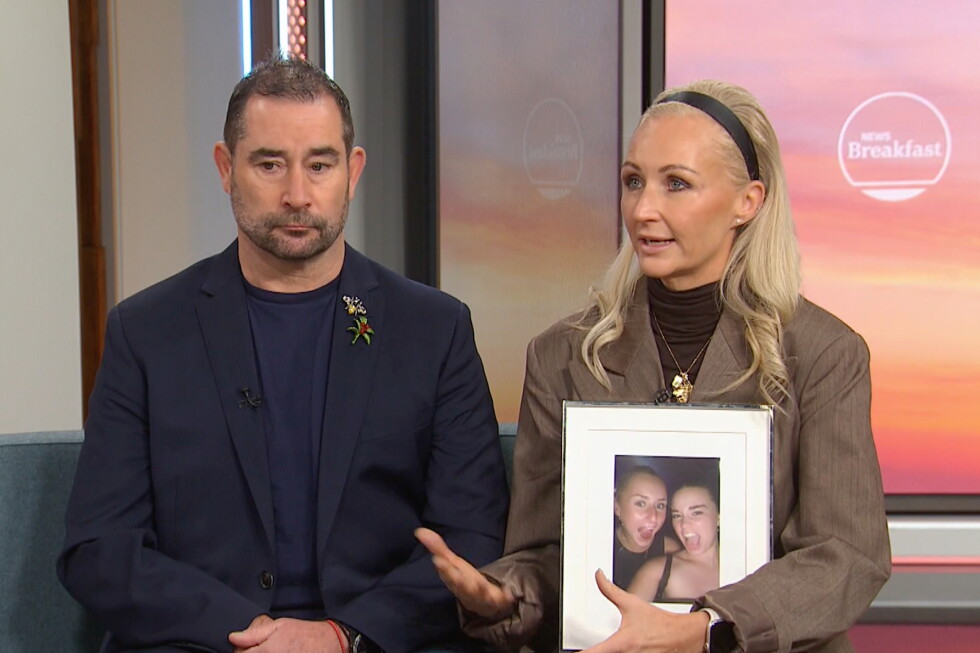
In the wake of a fatal methanol poisoning incident that killed six foreign tourists including two 19-year-old Australian women last November, the Australian government and the victims’ families have publicly condemned Laos’ planned legal action as shockingly insufficient. The tragedy unfolded at the Nana Backpacker Hostel in Vang Vieng, a popular party and adventure destination for backpackers in landlocked, Southeast Asian Laos. After consuming reportedly free shots of adulterated Laotian vodka at the hostel, the Australian teenagers — Bianca Jones and Holly Morton-Bowles — fell severely ill and were evacuated to hospitals in neighboring Thailand, where they later died. They were joined in death by an American man, a British woman, and two Danish women, all claimed by the tainted alcohol.
On the eve of Laos’ expected announcement of charges against the accused suppliers of the methanol-laced drinks, families gathered in Melbourne to share their outrage. According to information shared with the families through Australian officials, who have kept them updated on the investigation since the incident, convicts in the case would face a maximum penalty of just one year in prison and a fine of roughly 1,600 Australian dollars, equivalent to $1,117 U.S. currency.
Mark Jones, father of Bianca Jones, called the proposed penalties and legal outcome completely unacceptable. His wife Michelle echoed the grief and anger, saying “It’s like their lives didn’t even matter. We’re just really appalled by it all. You know, they were just going over to have a bit of fun and just doing the rite of passage that every, you know, child or teenager does. So for that outcome, it was just devastating.” Shaun Bowles, father of Holly Morton-Bowles, called the anticipated charges mind-boggling, noting that Laos draws thousands of young travelers from Australia and across the globe annually. He went so far as to urge prospective tourists to reconsider visiting the country, saying Laos has shown a blatant disregard for the lives of visitors and attempted to cover up the severity of the incident.
Methanol-tainted alcohol is not a problem limited to Southeast Asia; it is a global public safety hazard that disproportionately impacts local populations in low- and middle-income countries where affordable legal alcohol is hard to access, and illicit, unregulated liquor markets thrive. Data collected by medical humanitarian group Doctors Without Borders on suspected poisoning incidents identifies Indonesia, India, and Russia as the three nations with the highest number of reported cases. Illicit distributors often add the cheaper methanol as a replacement for food-grade ethanol to cut production costs, while it can also end up in homemade liquor as an accidental byproduct of poor distillation practices. Even small amounts of the chemical can cause life-threatening poisoning, permanent organ damage, or death.
Australian Foreign Minister Penny Wong released a statement Friday echoing the families’ anger, saying she was “deeply frustrated and bitterly disappointed” that Lao authorities were not pursuing the most severe charges possible in connection with the deaths. Wong’s office declined to immediately share additional details on the number of people to be charged or the specific counts anticipated. In response to the insufficient proposed charges, Wong and Australian Prime Minister announced that a special envoy had been dispatched to Vientiane on Friday to formally deliver the Australian government’s objections, and push for a full, transparent investigation that delivers meaningful justice for all six victims. Australian diplomatic officials also summoned the Lao ambassador to Canberra for formal discussions over the case. As of Friday, the Lao Embassy in Canberra had not issued any response to requests for comment on the families’ and Australian government’s criticisms. The report was filed by Graham-McLay from Auckland, New Zealand.