博客

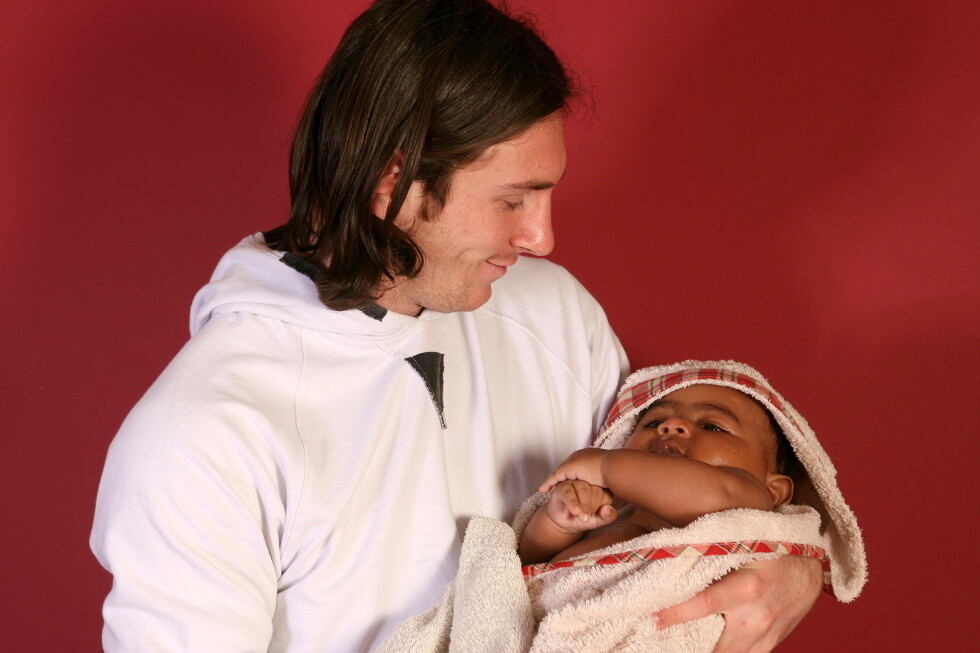
  • Topps to release a trading card of the photo of a young Messi holding infant Lamine Yamal

    Topps to release a trading card of the photo of a young Messi holding infant Lamine Yamal

    Nearly two decades after a chance UNICEF fundraiser photo captured soccer legend Lionel Messi holding a toddler Lamine Yamal, that iconic moment is set to become a permanent collectible. Trading card giant Topps announced Monday it will produce an official trading card featuring the widely shared snapshot, which has gained new viral traction following Sunday’s dramatic World Cup final showdown between the two Barcelona stars.

    The 2024 World Cup final pitted 39-year-old Messi, widely hailed as the greatest player in the history of men’s soccer, against 16-year-old Yamal, the teenage prodigy who has followed directly in Messi’s footsteps as Barcelona’s breakout young talent. In a result that many soccer analysts frame as a symbolic passing of the torch, Yamal’s Spain side claimed a narrow 1-0 victory over Messi’s Argentina, ending Argentina’s title defense and likely bringing Messi’s final World Cup campaign to a close.

    The original photo dates back to Yamal’s infancy, when Messi, then already a global star leading Barcelona, met the young child during a UNICEF charity event. Few could have predicted that the infant in the photo would grow into the player who would upend the legend’s final shot at a third World Cup title. Today, Yamal is one of the most sought-after young players in global soccer, breaking multiple of the age-related records that Messi set earlier in his career, and cementing his reputation as the likely future face of men’s soccer.

    The trading card release comes as soccer fans around the world continue to debate the implications of the final result, with many pointing to the matchup as one of the most poetic symbolic moments in modern World Cup history. Topps has not yet announced release dates or pricing details for the collectible card, but demand is expected to be high among soccer and trading card collectors alike.

  • ‘I’m not shy about saying that’: Dragons set lofty goals for next year as club reveals why Dean Young got the coaching gig

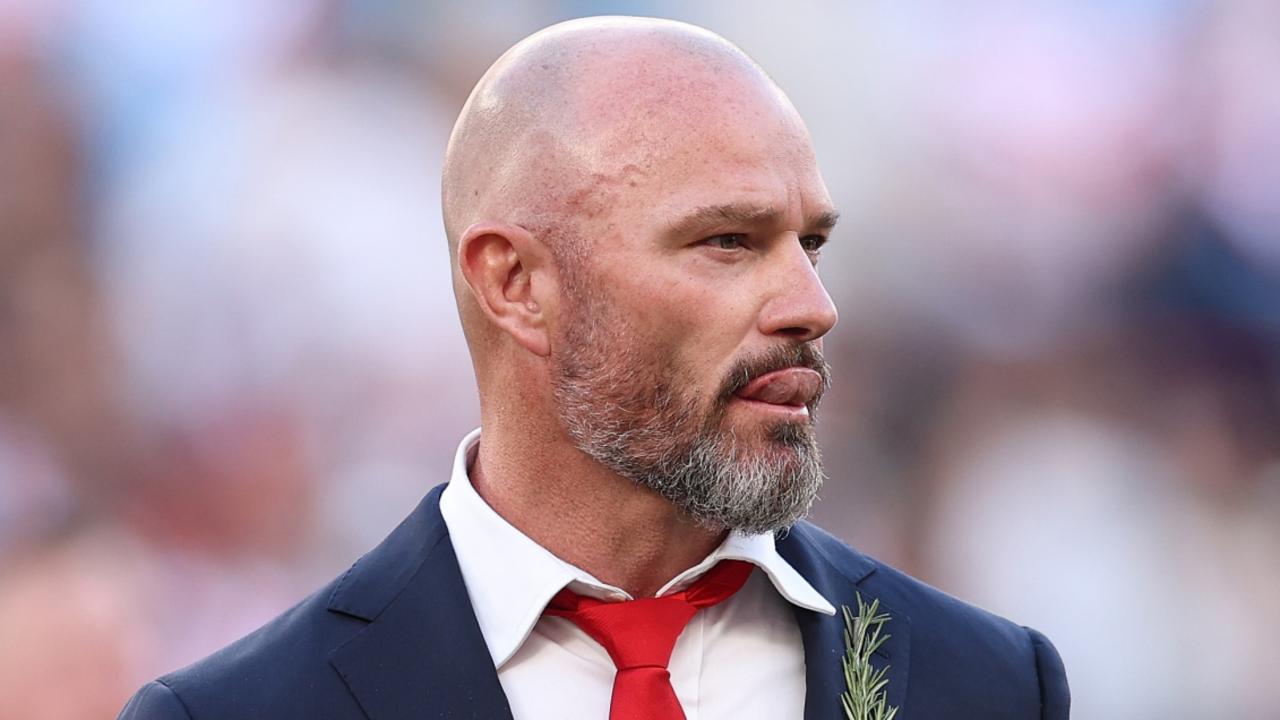
    ‘I’m not shy about saying that’: Dragons set lofty goals for next year as club reveals why Dean Young got the coaching gig

    After 12 weeks of steady on-field improvement as an interim leader, Dean Young has been named the full-time head coach of the St. George Illawarra Dragons, earning a two-year contract that will lead the club’s multi-year rebuild to reverse years of underperformance. Young stepped into the interim role earlier this season when the club cut ties with previous head coach Shane Flanagan mid-campaign, and his tenure got off to a rocky start with a lopsided 62-16 defeat on Anzac Day that left many questioning his ability to turn the struggling side around.

  • The next UN secretary-general: Who would want ‘the most impossible job on earth’?

    The next UN secretary-general: Who would want ‘the most impossible job on earth’?

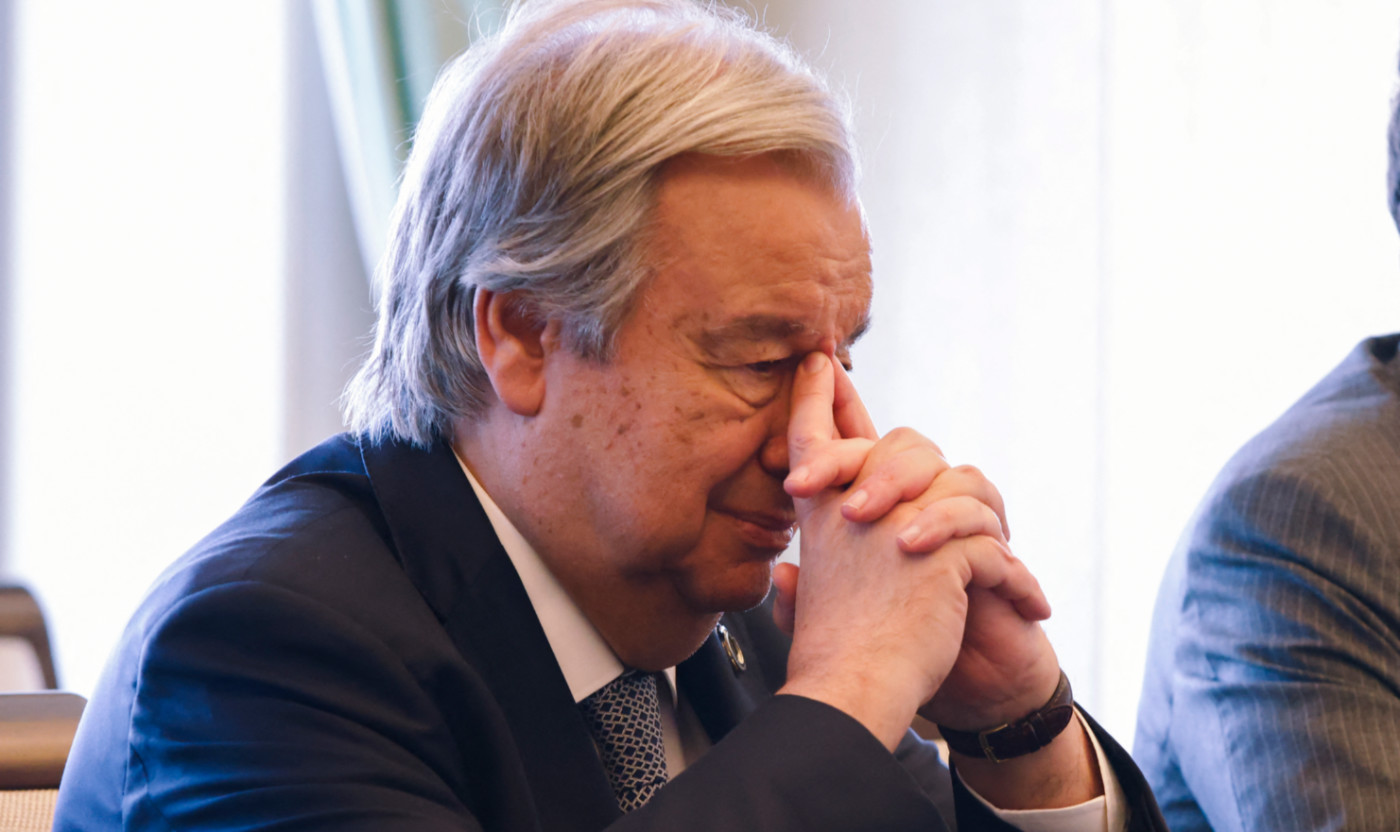
    Seventy years after Dag Hammarskjold stepped into what was famously called ‘the most impossible job on Earth’, the United Nations is once again gearing up to select a new leader to succeed incumbent Antonio Guterres, with the successful candidate set to take office on January 1 next year. Long described as one of the world’s most challenging diplomatic roles, the UN secretary-general position operates under longstanding informal rotational norms that point to a Latin American candidate this cycle, with the last holder from the region leaving office in 1992. There is also widespread unwritten expectation that the 80-year-old global body will name its first female secretary-general in this election. Whoever ultimately claims the post will inherit an institution strained by crises on multiple fronts. As the UN’s largest financial contributor, Washington has cut voluntary contributions and withdrawn from the World Health Organization, while widespread unpaid dues from member states have pushed the organisation into a deepening liquidity crisis. Under Guterres’ tenure, the UN Security Council has been gridlocked and unable to stop or prevent mass atrocities in Gaza and Sudan, as well as Russia’s full-scale invasion of Ukraine. Critics have also accused the U.S. of violating UN charter principles over actions including the abduction and detention of a Venezuelan official and its joint military actions with Israel against Iran. The selection process formally kicked off in late November 2025, when the presidents of the UN General Assembly and Security Council put out an official call for nominations, opening the door for candidates to declare their candidacies. Under UN charter rules, the 15-member Security Council first recommends a candidate to the 193-member General Assembly for final approval, a step that has historically functioned as a procedural rubber stamp. The real contest plays out in the Security Council, where a winning candidate needs backing from at least nine of the 15 members, and crucially cannot face opposition from any of the five veto-wielding permanent members: the U.S., UK, France, Russia, and China. The selection process relies on a structured system of anonymous, informal straw polls to gauge member sentiment. In these private ballots, ambassadors mark each candidate as ‘encourage’, ‘no opinion’, or ‘discourage’. If no clear frontrunner emerges after initial rounds with identical unmarked ballots, permanent members switch to colored ballots that reveal whether a veto holder opposes a candidate without exposing which specific country objects. A ‘discourage’ vote from any permanent member is effectively a fatal blow to a candidate’s chances. To date, two rounds of straw polls have been held, with color-coded ballots not yet needed. As of the most recent polling, Guyana’s Carolyn Rodrigues-Birkett has edged into the lead, ahead of Costa Rica’s Rebeca Grynspan and Argentina’s Rafael Mariano Grossi. A seasoned diplomat who served as Guyana’s UN representative and held cabinet roles in foreign and indigenous affairs, Rodrigues-Birkett also represented her country on the Security Council in 2024–2025. Nominated by her home country, she earned formal endorsement from the Caribbean Community (Caricom) in July this year. Positioning herself as a ‘principled, pragmatic’ advocate for small and developing states, Rodrigues-Birkett has pledged to give equal priority to the UN’s three core mandates: peace and security, development, and human rights. On the peace and security front, she has committed to more active use of the secretary-general’s ‘good offices’ authority, and has pledged to invoke Article 99 of the UN Charter to bring emerging threats to international peace directly to the Security Council. She has also highlighted that only 18 percent of UN Sustainable Development Goal targets are currently on track, and called for reform of global financial rules paired with deeper partnerships with the private sector. While she supports the UN secretariat’s ongoing UN80 efficiency reform drive, she has warned against austerity cuts that would erode critical on-the-ground services for vulnerable populations. In the August straw poll, she secured eight ‘encourage’ votes, three ‘discourage’ votes, and four ‘no opinion’ votes, putting her at the top of the field. Close behind Rodrigues-Birkett is Rebeca Grynspan, a Costa Rican economist who led the first round of polling in July with 10 ‘encourage’ votes and only one ‘discourage’ vote, before slipping to seven ‘encourage’ and four ‘discourage’ in the second round. Grynspan has pledged to immediately restructure the secretary-general’s office to prioritize its mediation mandate, building it into a trusted intermediary that relies more heavily on quiet diplomacy. She also advocates for closer collaboration between UN peace operations and regional actors on the ground. Grynspan has called for cutting overlapping bureaucratic responsibilities, improving budget efficiency, leveraging AI and other technologies to speed up crisis response, and strengthening accountability through merit-based appointments and zero tolerance for workplace misconduct. On development, she pushes for fairer borrowing terms for low-income nations and an end to crippling debt repayments that siphon funding away from essential public services. Third place in the August round is held by Rafael Mariano Grossi, the veteran Argentine diplomat who has served as Director General of the International Atomic Energy Agency (IAEA) for seven years. Nominated in late November, Grossi has positioned himself as an independent candidate, personally funding his campaign to avoid reliance on outside backers. Framing himself as a pragmatic, on-the-ground mediator rather than a radical reformer, he argues the UN can restore its global credibility through direct diplomacy and consistent delivery on existing commitments. His five core priorities are peace and security, development through cross-sector partnerships, on-the-ground human rights engagement, institutional and management renewal, and pragmatic multilateralism that engages all global stakeholders. ‘The world still needs the United Nations,’ he has said. ‘But it must be a United Nations that works.’ Like Rodrigues-Birkett, he has highlighted slow progress on sustainable development goals and called for deeper engagement with the private sector and scientific community. He also supports eliminating overlapping UN mandates, digitizing UN operations, and aligning department resourcing with active, funded priorities rather than sustaining outdated programs. Notably, Grossi rarely addresses climate policy as a standalone issue, instead folding it into discussions of energy and nuclear power. His candidacy faces headwinds: he drew six ‘discourage’ votes in the latest poll, more than his top rivals, and his campaign has become linked to Argentina’s recent escalation of sovereignty claims over the Falkland Islands. While the UK, a permanent Security Council member, has stated it evaluates candidates solely on merit, it retains the power to veto his candidacy if it chooses. The remaining four candidates in the eight-person field trail the top three, with varying paths forward. Ecuador’s Maria Fernanda Espinosa, a former UN General Assembly president and the first woman to serve as Ecuador’s defense minister, entered the race in May after being nominated by Antigua and Barbuda. She has argued that the gap between the UN’s promises and its on-the-ground delivery has grown unacceptably wide, and centered her campaign on five pillars of transformation: peace and security, development, energy and digital transformation, improved delivery capacity, and sustainable resourcing. Her signature policy proposal is a Prevention and Early Action Hub that would consolidate scattered UN early warning capabilities under the direct authority of the secretary-general, allowing the body to address crises before they escalate without adding new bureaucratic layers. She also calls for locally led development solutions, debt relief for low-income nations, and a global dialogue to establish shared regulatory safeguards for AI and other emerging technologies. Espinosa only secured four ‘encourage’ votes in the August poll, well short of the nine-vote threshold, but she drew eight ‘no opinion’ votes, meaning she faces little outright opposition and retains an outside chance of gaining momentum if she can win over undecided members. Former Chilean president Michelle Bachelet, who served as UN High Commissioner for Human Rights from 2018 to 2022, was jointly nominated by Chile, Brazil, and Mexico in early 2026, though Chile’s new hard-right government later withdrew its support. A survivor of political detention and torture under the Pinochet dictatorship, Bachelet positions herself as a proven administrator who can make the UN leaner and more effective using existing resources, while strengthening early intervention in emerging crises. She has called for a more preventative approach to conflict, with more staff deployed on the ground in at-risk regions rather than relying on statements from New York headquarters. Bachelet also prioritizes action on the triple planetary crisis of climate change, biodiversity loss, and pollution, with targeted debt relief for small island developing states, landlocked nations, and least developed countries, as well as greater systematic inclusion of women in peacebuilding and decision-making. Once an early favorite, Bachelet has slipped badly in polling, drawing only two ‘encourage’ votes and six ‘discourage’ votes in the August round. Two African candidates are in the race, both facing structural barriers due to the informal regional rotation norm that favors a Latin American candidate this cycle. Former Senegalese president Macky Sall was nominated by Burundi in March, when Burundi held the African Union’s rotating chairmanship, but the AU has never formally endorsed his candidacy. Sall centers his campaign on his African leadership record, campaigning under the slogan ‘For a Renewed and Inclusive Multilateralism’ with the tagline ‘Africa at heart, the world in sight’. He has laid out three priorities for his first 100 days: strengthening UN conflict prevention, reviewing institutional structures and mandates to improve effectiveness and financial governance, and centering human rights and development in all UN work. Sall argues that low-income nations face unfair borrowing costs for crises they did little to cause, and calls for reform of the concentrated wealth and voting power held by the five permanent Security Council members. His poll numbers have remained static between the first and second rounds, and while he has gained backing from Senegal’s current president, the lack of AU endorsement and the presence of a second African candidate in the race have held back his campaign. Veteran Ugandan diplomat Olara Otunnu, a former UN under-secretary-general who held senior roles across four decades of global diplomacy, has posted the biggest gains of any candidate between the two rounds of polling, doubling his number of ‘encourage’ votes. Nominated by Uganda in July with the backing of President Yoweri Museveni, Otunnu frames his candidacy as a chance to restore the UN’s founding mission of preventing war at a time when that mission has been sidelined. He has pledged to prioritize active negotiations on the world’s deadliest ongoing conflicts – including Ukraine, Gaza, the Democratic Republic of Congo, Sudan, and Iran – within his first 100 days, holding dedicated conferences under regional frameworks to advance progress. Otunnu argues that UN restructuring should be led by member states rather than imposed by the secretariat, to cut duplication while preserving institutional legitimacy. He also calls for a dedicated UN agency for AI governance, deployment of digital technology to reduce global poverty, and climate action that balances emissions reductions with economic growth and energy security. While Otunnu has outperformed Sall in polling, he still faces the same structural barrier of not being a female Latin American candidate. The final candidate, Ecuadorian diplomat Ivonne A-Baki, was nominated by Tonga and entered the race just four days before the second straw poll. A-Baki, who has Lebanese descent and gained experience in conflict resolution during the 1980s Israeli bombardment of Beirut, frames conflict prevention as a core economic priority, noting that global violence costs the world economy an estimated $13.6 trillion annually. She proposes a new ‘guarantor method’ of mediation, where a small group of mutually accepted states oversees negotiations and guarantees final settlements, and calls for full implementation of Resolution 2719 to allow UN funding for African Union-led peace operations. A-Baki also supports sweeping Security Council reform, adding permanent representation for historically underrepresented regions including Africa and Latin America, arguing the current permanent member veto system reflects the outcome of a war that ended 80 years ago. She also criticizes structural waste in the UN, pointing to 27,000 annual meetings costing $360 million, and proposes that all institutional mandates automatically expire unless actively renewed. A-Baki drew zero ‘encourage’ votes, eight ‘discourage’ votes, and seven ‘no opinion’ votes in her first poll, leaving her with almost insurmountable ground to make up to remain in contention. Lobbying and informal discussions will continue through the month, ahead of the UN General Assembly’s opening later this September, when the formal appointment of the next secretary-general is expected to be finalized.
  • Trump orders new 50% tariff on many Canadian goods

    Trump orders new 50% tariff on many Canadian goods

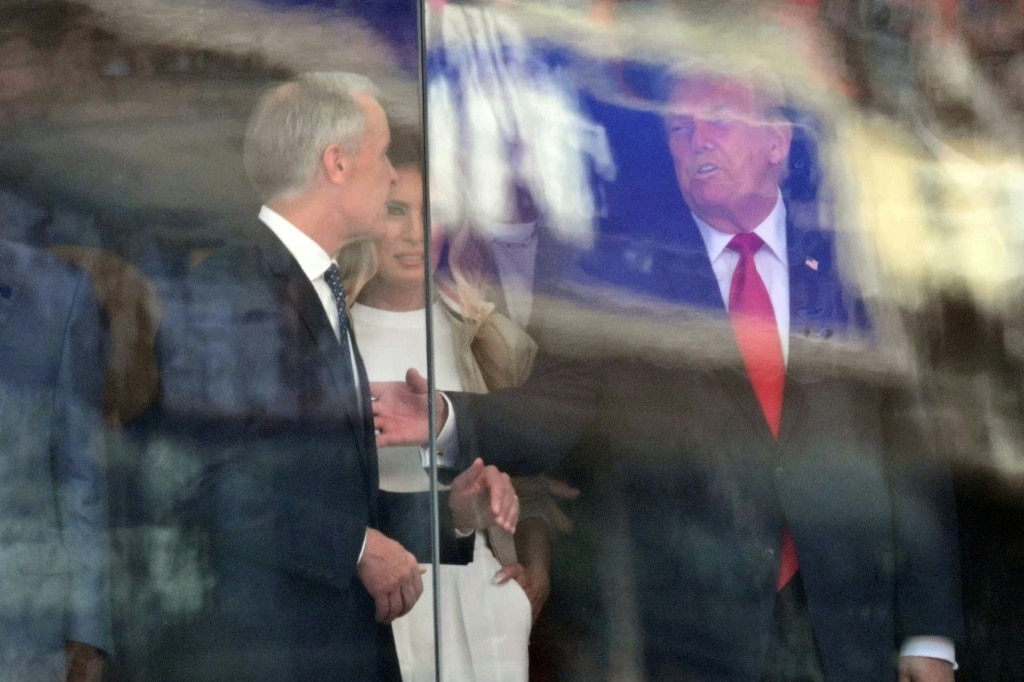
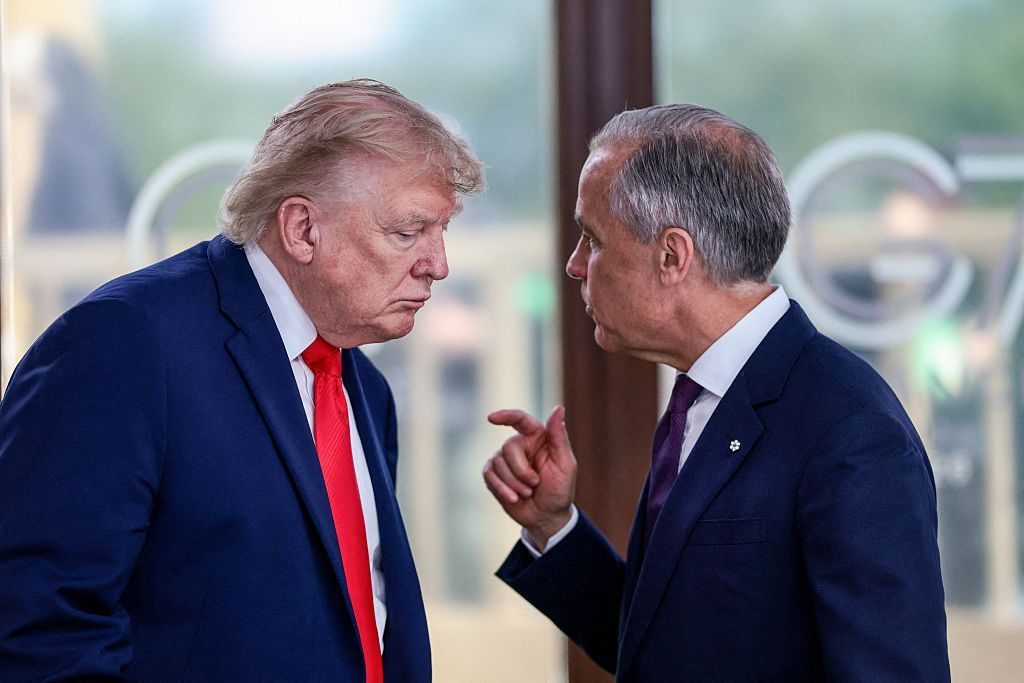
    Just days after threatening Canada over cross-border wildfire smoke, U.S. President Donald Trump has announced sweeping new 50% tariffs on a wide range of Canadian goods, marking a historic escalation of trade tensions between the two neighboring North American nations. Signed into effect via executive order on Monday, the new duties are set to take effect in 30 days, and target Canadian imports that include wine, cement, and hockey sticks, according to official documentation released by the White House.

    What makes this action unprecedented is Trump’s decision to rely on Section 338 of the 1930 Tariff Act — a never-before-tested legal provision that has long been viewed as obsolete by most trade policy experts. This move comes months after the U.S. Supreme Court struck down several of Trump’s earlier tariff measures, raising immediate questions about the legal standing of the new order. The White House justifies the tariffs by accusing the Canadian government of discriminatory trade practices against American products across three key sectors: alcohol, automobiles, and dairy.

    Notably, the new tariffs will apply to goods that were previously granted duty-free access under the U.S.-Mexico-Canada Agreement (USMCA), the trilateral free trade pact that governs nearly all trade between the three North American nations. Energy products, potash, and goods already covered by separate sector-specific tariffs are the only categories exempted from the new duties. This breaks with Trump’s recent pattern of trade policy: since his return to the presidency last year, his broader tariff packages have largely spared goods covered by the North American trade agreement.

    The White House further defended the action by noting Canada is one of only two countries — alongside China — that took retaliatory trade measures against Trump’s broad tariff rollout last year. Canadian provincial governments have halted official purchases of American alcohol in response to Trump’s earlier trade threats and his repeated public comments suggesting Canada should become the United States’ “51st state.” In an official statement outlining the administration’s position, U.S. Trade Representative Jamieson Greer laid out three core complaints against Ottawa: the removal of U.S. alcohol from Canadian retail shelves, improved market access granted by Canada to European Union dairy producers, and caps placed on U.S. vehicle exports from companies that have reshored manufacturing operations to the United States. Greer said the tariffs are intended to “hold Canada accountable for its retaliation and discrimination.”

    Trade experts have immediately raised alarms over both the legal and economic risks of the policy. Scott Lincicome, a trade analyst at the libertarian Cato Institute, confirmed to Agence France-Presse that this is the first time Section 338 has ever been used to impose new tariffs, noting that most legal scholars believe the provision has been superseded by modern trade authority. “Trump has demonstrated a willingness to use and abuse any statute on the books,” Lincicome said.

    Ryan Majerus, a former U.S. trade official and current partner at international law firm King & Spalding, echoed those concerns, noting the untested law carries significant “litigation risk.” He argued the 30-day delay before tariffs take effect is no coincidence, framing the move as a pressure tactic to speed up stalled USMCA negotiations with Canada. Talks with Mexico on USMCA adjustments have moved far faster than negotiations with Ottawa, Majerus noted, adding “this could be an effort to try to get them going.” Even so, he warned that if the tariffs go into effect as planned, the elimination of USMCA tariff exemptions will cause severe disruption to integrated North American supply chains and harm U.S. businesses as well as Canadian ones.

    U.S. industry groups have already called for a negotiated de-escalation, warning of the risk of Canadian retaliation. Chris Swonger, president of the Distilled Spirits Council of the United States, said the industry welcomes recognition of Canada’s existing trade restrictions, but added: “We had hoped, however, that this issue could be resolved without further escalation.” Swonger noted that steep new tariffs and potential retaliation would come “at a time when many US hospitality businesses continue to face financial hardships,” and urged both sides to reach a negotiated settlement.

    Lincicome also noted that U.S. claims over dairy market access discrimination are questionable, as Canada’s arrangement with the EU falls under agreed terms of existing trade agreements. Even if courts ultimately strike down the tariffs, he added, the process will take months, leaving businesses stuck in a period of massive uncertainty that will delay investment and hiring decisions across the border.

  • Watch: Spain World Cup champions receive royal welcome in Madrid

    Watch: Spain World Cup champions receive royal welcome in Madrid

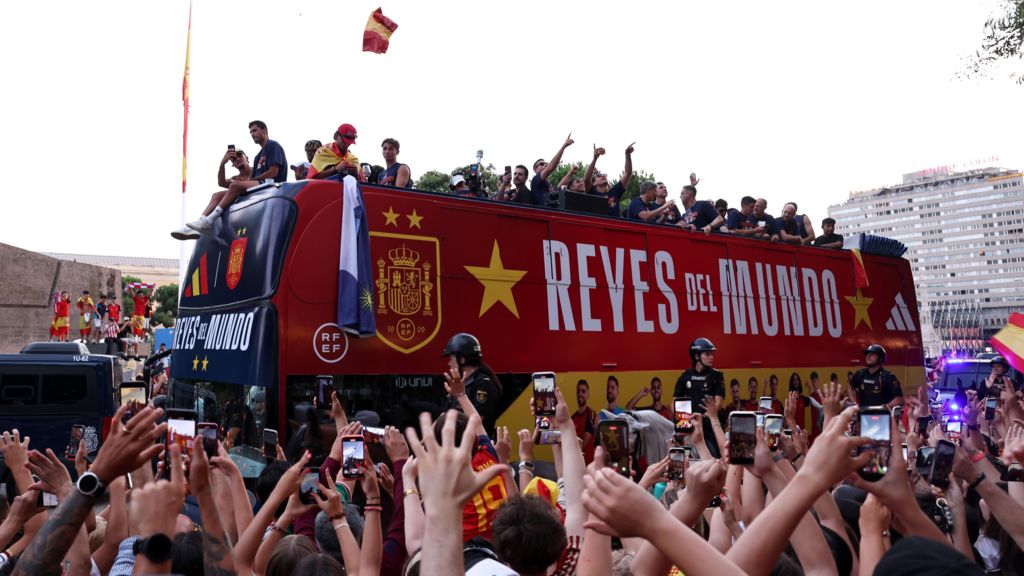
    Spain’s historic World Cup-winning national football team has capped their triumphant tournament run with a star-studded royal welcome in the heart of Madrid, capping off a celebration that united millions of elated fans across the country. Following an exclusive private meeting with senior members of the Spanish royal family at the royal palace, where players and coaching staff were formally recognized for their historic achievement, the entire squad stepped onto a bright, open-top parade bus to begin their journey through central Madrid’s most iconic thoroughfares.

    Organizers had anticipated a large turnout, but the sheer volume of supporters exceeded all expectations. By early morning, crowds had begun staking out prime viewing spots along the parade route, waving Spanish national flags, holding up homemade signs honoring their favorite players, and singing traditional victory chants that echoed through the city’s plazas and streets. When the final count was tallied, nearly two million cheering fans had lined the parade route, creating an unbroken sea of red and gold that stretched for kilometers across the capital.

    Fans of all ages turned out for the event: long-time supporters who had followed the team through decades of highs and lows, young children experiencing their first major national football celebration, and families who came together to share in the historic moment. Many fans wore replica team jerseys, while others painted their faces in Spain’s national colors to mark the occasion. The open-top bus allowed players to interact directly with the crowd, with many snapping selfies, tossing commemorative merchandise into the stands, and waving to supporters who had waited hours to catch a glimpse of their heroes.

    The celebration marks the end of a remarkable tournament campaign for Spain, which secured the country’s latest World Cup title with a series of impressive performances that cemented the team’s place in Spanish sports history. The royal welcome and city-wide parade serve as a fitting tribute to the team’s hard-fought victory, and a moment of national unity that will be remembered by Spanish football fans for generations.

  • Colombia’s Petro calls on supporters to defend economic reforms in his last presidential speech

    Colombia’s Petro calls on supporters to defend economic reforms in his last presidential speech

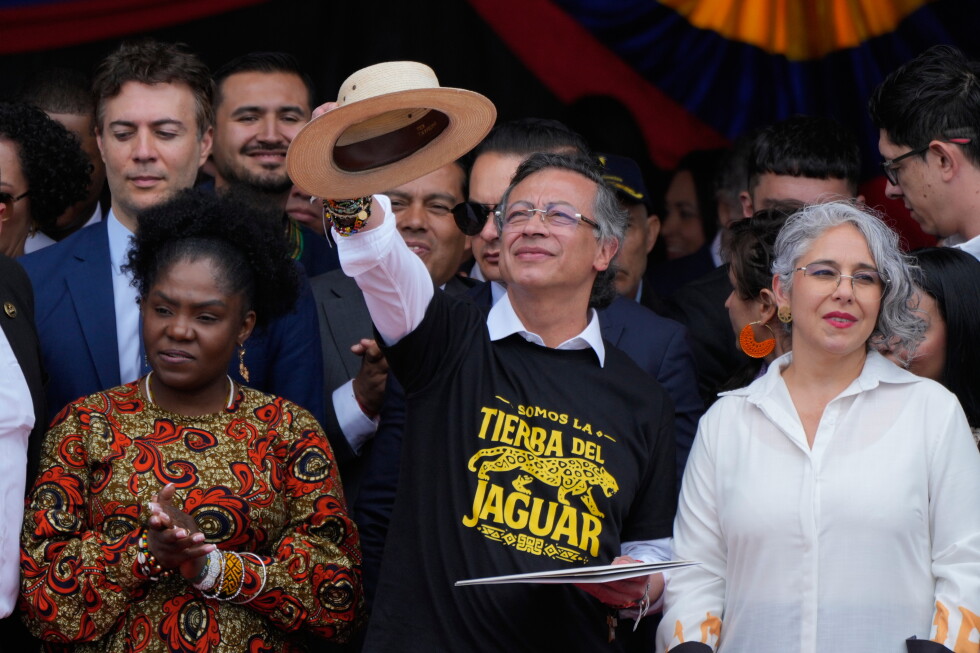
    BOGOTÁ, Colombia – On Colombia’s 2026 Independence Day, outgoing left-wing President Gustavo Petro delivered his final public address as head of state, using the moment to stoke political tensions across the nation by leveling explosive claims of foreign interference in the country’s recent presidential election and calling on his supporters to mobilize en masse to block policy changes from the incoming conservative government. The speech, delivered July 20 amid nationwide military parades that included a public appearance by president-elect Abelardo de la Espriella, deepens a political crisis that has simmered since the narrow June 21 election result.

    De la Espriella, a dual U.S.-Colombian citizen and conservative criminal defense lawyer who entered politics only in 2025, secured a narrow victory over Petro’s ally Iván Cepeda by a margin of just 250,000 votes. The president-elect, who will be sworn into office on August 7, has laid out an aggressive policy agenda that directly reverses many of Petro administration’s core priorities: he has proposed cutting public sector spending by as much as 40%, rewriting existing labor laws to allow companies to hire workers on hourly contracts, cutting business taxes, canceling ongoing peace talks with rebel groups, and constructing large-scale mega prisons modeled after El Salvador’s controversial CECOT facility. During the election campaign, de la Espriella was publicly endorsed by former U.S. President Donald Trump, a move that has fueled opposition claims of external meddling in Colombia’s domestic politics.

    In his lengthy Independence Day speech, Petro doubled down on unsubstantiated claims that the election was riddled with fraud. He alleged that both the United States and Israel helped manipulate the final vote tally, claiming Israel supplied voting software that allowed for rigged results. Colombian electoral authorities have repeatedly dismissed these fraud allegations and have formally certified de la Espriella’s victory. The outgoing president also called on his millions of supporters to organize mass strikes and peaceful street protests if the incoming administration moves to rewrite Colombia’s current labor laws, which were passed under Petro to boost overtime pay and limit the use of precarious short-term employment contracts for workers.

    “We must exercise our opposition in the streets, and resist peacefully … but in an overwhelming manner,” Petro told the crowd. He also added that Trump’s open endorsement of de la Espriella alone constitutes sufficient grounds to annul the presidential election results.

    Political friction has grown steadily in Colombia in the weeks since the election. While Cepeda initially accepted the vote outcome, he has since reversed course and stated he will not recognize de la Espriella as a legitimate president unless the president-elect renounces his U.S. citizenship. De la Espriella, who previously ran a Florida-based law firm that represented high-profile clients including former Colombian paramilitary leaders and businessmen charged with money laundering, has claimed he faces imminent threats from rebel groups. He said Monday that factions including the National Liberation Army and remaining FARC holdouts are offering bounties of up to $1 million to contracted killers to assassinate him. In response, the president-elect has announced he will move his August 7 inauguration ceremony to a military base as a security precaution, a decision that also signals his strong alignment with Colombia’s armed forces.

    Despite his conservative mandate, political analysts note de la Espriella faces significant obstacles to implementing his policy agenda. Sergio Guzmán, a Bogotá-based political risk analyst, pointed out that the president-elect’s coalition does not hold a controlling majority in Congress, meaning he will be forced to negotiate cross-party concessions to advance budget cuts, prison construction, and other core proposals.

    For his part, Petro signaled in Monday’s speech that he does not plan to retreat from public life after leaving office. The outgoing president hinted he will take on leadership of his left-wing political coalition, the Historical Pact, to maintain influence as the face of the opposition to de la Espriella’s administration. Guzmán noted that Petro’s core goal in the coming months is to cement his legacy and prove he remains a dominant force in Colombian politics, ensuring that the social and economic reforms of his administration do not get sidelined by the new government.

  • Watch: BBC reports from inside Tate brothers court appearance

    Watch: BBC reports from inside Tate brothers court appearance

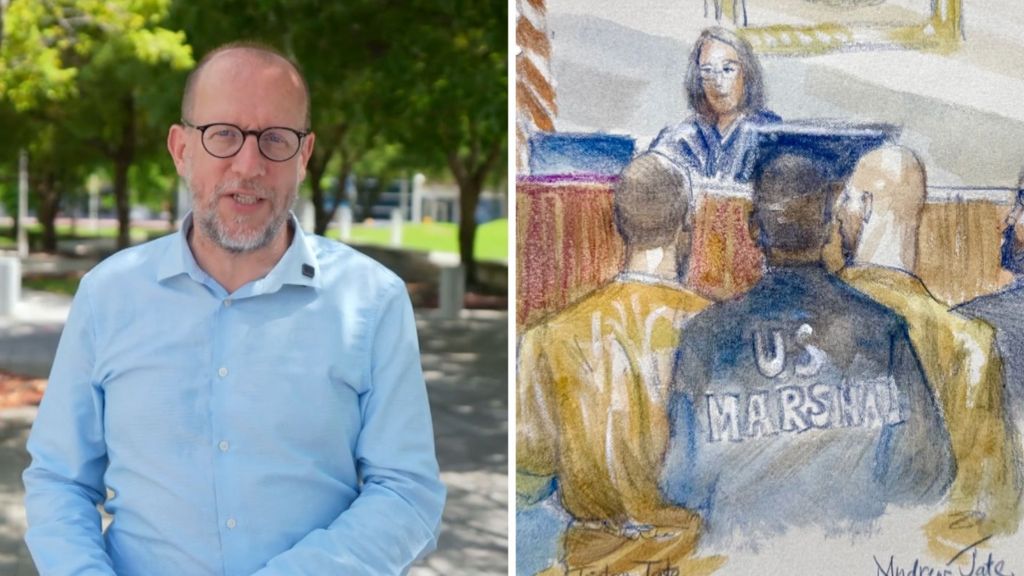
    In a high-profile court proceeding that has drawn international media attention, controversial British-American social media personalities Andrew and Tristan Tate appeared before a Miami court this week, after British authorities issued a new set of criminal charges against the pair. BBC correspondent Tom Bateman has reported live from the scene in Miami, delivering on-the-ground insight into the closed-door proceedings and public reaction surrounding the arrest.

    The fresh charges brought by UK law enforcement cover serious criminal allegations including rape and organized sex trafficking, marking a significant escalation in the long-running legal investigation into the Tate brothers. The pair, who have amassed a massive global online following through their provocative commentary on social and cultural issues, were taken into custody by US law enforcement in Miami ahead of potential extradition proceedings to the United Kingdom.

    Bateman’s reporting from inside the courtroom has provided the public with an unprecedented first-hand look at the initial procedural steps of the case, shedding light on how legal teams on both sides are navigating the complex cross-jurisdictional legal process. The development has reignited global debate surrounding the brothers, who have previously faced separate legal allegations in Romania related to human trafficking and sexual assault, which they have repeatedly denied. As the extradition process moves forward, legal observers note the case could take months to resolve, with both sides preparing for extensive procedural battles over jurisdiction and evidence.

  • Trump imposes 50% tariff on Canadian imports

    Trump imposes 50% tariff on Canadian imports

    In a sharp escalation of trade frictions between the United States and Canada, US President Donald Trump has signed an executive order imposing a sweeping 50% tariff on a broad array of Canadian imports, framing the move as retaliation for what he calls longstanding unequal treatment of American automotive, dairy and alcohol products.

    The new duties are scheduled to take effect on August 19, marking one of the most significant expansions of trade barriers between the two North American neighbors in modern history. White House officials have defended the tariffs as a critical measure to shield domestic American businesses from unfair trading practices.

    The list of targeted goods runs the gamut from everyday consumer products including Canadian wine and hockey sticks to large-scale industrial materials such as commercial cement. Notably, several of Canada’s highest-value key exports have been excluded from the new tariffs: energy products, potash, critical minerals and Canadian seafood will all enter the US duty-free for the time being.

    Monday’s announcement does not come out of nowhere. It builds on a growing stack of trade restrictions that have accumulated between the two countries over recent years. The US currently imposes active tariffs ranging from 15% to 50% on Canadian steel, aluminum and copper, a 35% duty on Canadian softwood lumber, and a 25% tax on non-North American automotive parts used in vehicle manufacturing. In response, Canada has imposed matching 25% counter-tariffs on a selection of US steel, aluminum and vehicle imports.

    Observers had speculated that the new tariffs could be tied to Trump’s earlier threats to impose duties over smoke from Canadian wildfires drifting into northern US cities, but the text of the three executive proclamations makes no mention of the wildfire issue. Instead, the orders focus exclusively on three longstanding trade irritants that Canadian negotiators have been aware of for months: automotive market access, dairy supply management, and the provincial boycott of American alcohol. The omission of wildfire from the official order signals that the core breakdown is in ongoing bilateral trade negotiations, not environmental disputes.

    On the automotive front, Trump argues that Canada levies discriminatory taxes on US passenger vehicles and parts that do not qualify for zero-tariff access under the United States-Mexico-Canada Agreement (USMCA), the current trilateral trade bloc governing North American trade. He calls the tax unreasonable, noting that Canada does not impose equivalent levies on automotive imports from other countries, creating an uneven playing field for American manufacturers. This is not a new grievance: Trump has repeatedly identified automotive trade as a core area of competing interest between the two countries, and Commerce Secretary Howard Lutnick has previously stated publicly that he believes Canadian trade interests should take a backseat to US priorities. This position has sparked friction, given that North American automotive production is one of the most integrated cross-border supply chains in the world, with components and vehicles moving freely across borders multiple times during the manufacturing process.

    Dairy has been an even longerstanding point of contention. Canada’s longstanding domestic dairy supply management system, which sets quantitative quotas on foreign dairy imports and charges tariffs exceeding 300% for any imports that exceed those quotas, has drawn criticism from US agricultural producers and policymakers for decades.

    The third irritant, the boycott of US alcohol by most Canadian provincial liquor boards, was launched last year in response to earlier US tariffs. Canadian provincial leaders have repeatedly stated that the boycott will remain in place until the US removes its existing tariffs on key Canadian industrial sectors including metals and automotive manufacturing.

    Canadian trade negotiators had been working for months to reach a compromise deal that would roll back at least some of the existing US tariffs on Canadian goods. Monday’s announcement of broad new 50% duties makes clear that those talks have stalled, and trade relations between the two allies are moving toward further escalation rather than resolution.

  • Russian warship carried out firing exercise off Plymouth coast

    Russian warship carried out firing exercise off Plymouth coast

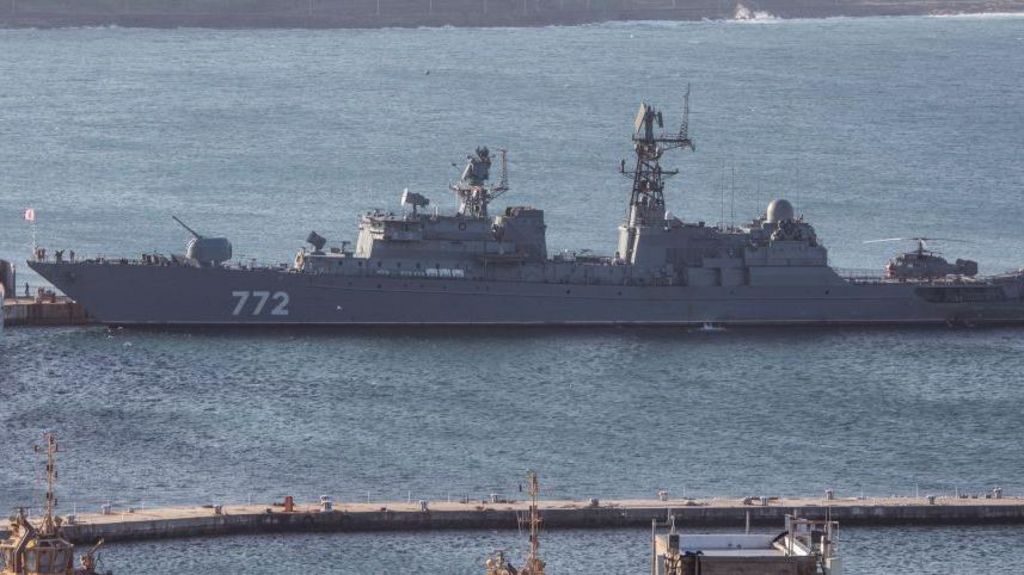
    On Monday, a Russian guided-missile frigate carried out a 30-minute live-fire artillery exercise in international waters just 40 nautical miles south of the British coastal city of Plymouth, with a British Royal Navy patrol vessel shadowing and monitoring its movements the entire time. A UK Ministry of Defence spokesperson confirmed that Royal Navy assets have remained on station to closely track every movement of the Russian warship, identified as the Neustrashimy.

    Multiple defense sources familiar with the incident told the BBC that the Russian vessel’s activity drew coordinated surveillance from both British and French military assets. A French military patrol aircraft made direct radio contact with the Neustrashimy to request clarification of the frigate’s operational intentions ahead of the exercise. Notably, Russian commanders themselves pre-notified the Royal Navy offshore patrol vessel HMS Tyne of their plan to conduct gunnery drills before opening fire, and formally requested the British vessel reposition to a safer distance, a request that HMS Tyne complied with immediately.

    This latest encounter comes amid a documented spike in Russian naval activity near British territorial waters over the past several months, and analysts note it will put the issue of Russian maritime assertiveness front and center for the UK’s incoming prime minister Andy Burnham. UK defense officials have declined to speculate on whether the timing of the exercise, which coincided with the start of Burnham’s premiership, was intentional.

    The incident follows a series of high-profile interactions between Russian naval assets and UK forces in the English Channel in recent months. Just one month prior, Royal Marine Commandos carried out a landmark six-hour boarding operation on a Russian “shadow fleet” oil tanker in the channel, the first such operation ever conducted by UK armed forces. In June, a British civilian couple sailing their yacht in international waters encountered another Russian frigate, the Admiral Grigorovich, roughly 23 miles off the Isle of Wight. The frigate fired warning shots after Russia’s defense ministry claimed the yacht made a dangerous approach, but the couple rejected that account, insisting they were never on a collision course with the warship.

    While these high-visibility encounters have stoked tensions, it remains standard practice for Russian warships to transit through the international waters of the English Channel, which are legally separated from the territorial waters of both the UK and France.

  • Ebola quarantine center for Americans is up and working in Kenya despite a court ban, activists say

    Ebola quarantine center for Americans is up and working in Kenya despite a court ban, activists say

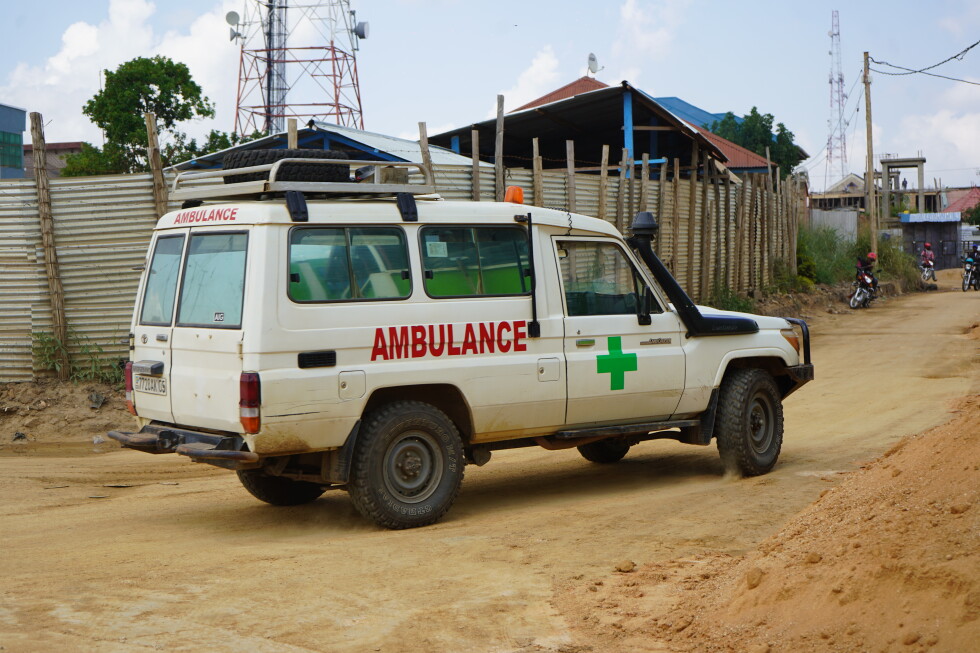
    NAIROBI, Kenya — Tensions have escalated in East Africa after Kenyan civil society groups accused national authorities of deliberately flouting a court order to activate an American-supported Ebola quarantine facility, following confirmed reports that U.S. personnel evacuated from the Democratic Republic of the Congo are already isolated in the country. The controversy comes amid an ongoing deadly Ebola outbreak in eastern DRC that has already claimed more than 900 lives, reigniting fierce debate over public health risk and rule of law in Kenya. The two-month-old outbreak in DRC has recorded 2,344 confirmed infections to date, with a death toll climbing to at least 930, according to official data. To manage risk for U.S. citizens responding to the crisis, Washington backed a plan to quarantine evacuated American workers in Kenya, a stable U.S. ally hundreds of miles east of DRC with no confirmed Ebola cases of its own to date. U.S. humanitarian organization Samaritan’s Purse, which runs two Ebola treatment centers in the DRC towns of Bunia and Nyankunde, confirmed over the weekend that seven of its American staff, deployed to the outbreak front lines, are currently serving a 21-day quarantine period in large military tents in Kenya. The group emphasized none of the personnel have developed any Ebola symptoms so far. While the organization declined to disclose the exact location of the quarantine site, local Kenyan media has identified Laikipia Air Base, a military installation located roughly 115 miles north of the capital Nairobi, near the town of Nanyuki, as the intended site for the U.S.-backed facility. Local residents in Nanyuki have already held multiple demonstrations against the planned quarantine center, and two civilians have lost their lives in clashes that broke out when protests turned violent. As of Monday, neither Kenya’s Ministry of Health nor the U.S. State Department had responded to repeated requests for comment on the reports of quarantined Americans. Officials at Laikipia Air Base also could not be reached for a statement. The U.S. government has committed $13.5 million to support Kenya’s national Ebola preparedness programming, and Kenyan President William Ruto has publicly defended the planned quarantine facility as a core component of the bilateral public health partnership between the two nations. Ruto added that U.S. funding will also support the construction of 24 additional regional Ebola preparedness centers across Kenya. But the project hit a legal block last month, when Kenya’s high court issued a formal order barring the facility from being opened or operationalized. Kenyan Health Minister Aden Duale subsequently issued a formal order suspending all construction work on the site. The court order stemmed from a legal petition filed by two Kenyan civic groups — the Law Society of Kenya and constitutional advocacy organization Katiba Institute. The petitioners argued that hosting a quarantine for at-risk Americans evacuated from the DRC outbreak posed an unacceptable threat to Kenya, noting that the country’s already overstretched public health system could be completely overwhelmed if a local outbreak were to occur. Following the emergence of reports that Americans are already being quarantined in violation of the court order, leaders of the civic groups are demanding accountability. Nora Mbagathi, chief executive of the Katiba Institute, told the Associated Press that the activist community is deeply alarmed by the new reports. “Should any Kenyan government official be involved in this ongoing operation, they have completely betrayed the public trust and must be held personally accountable,” Mbagathi said. In its own official statement to the AP on Monday, the Law Society of Kenya called any deliberate violation of the court order a clear act of “impunity and lawlessness.” In his statement on the quarantine, Samaritan’s Purse President and CEO Franklin Graham confirmed additional details of the operation: the quarantined staff are housed in large military tents within a secured fenced gravel compound, sleep on military cots, and receive all meals from the U.S. military. Graham has not responded to repeated questions asking why the quarantine is active in Kenya despite the formal court order halting the project.