博客

  • Australia’s ‘Big Four’ bowlers back in the frame for Bangladesh test cricket series

    Australia’s ‘Big Four’ bowlers back in the frame for Bangladesh test cricket series

    BRISBANE, Australia — Australian cricket fans are set for a potentially historic moment next month, as three of the nation’s elite fast and spin bowlers have recovered from injury layoffs and are in line to rejoin the squad for a two-Test series against Bangladesh, bringing the country’s legendary “Big Four” bowling attack one step closer to a full reunion.

    For years, pace bowlers Pat Cummins, Josh Hazlewood, Mitchell Starc and off-spinner Nathan Lyon have formed Australia’s undisputed first-choice bowling lineup, widely regarded as one of the most formidable Test attacks in modern cricket. However, recurring injury issues have sidelined key members at different points in recent series, preventing all four from sharing the starting XI together as often as fans and selectors have hoped.

    Australia’s men’s selection committee chair George Bailey confirmed in an announcement Tuesday that while no starting XI has been finalized weeks out from the first match, Cummins, Hazlewood and Lyon – who all spent months on the injury list – are now fully fit and available for selection.

    “We won’t be locking in a starting XI this far out from the series, that much is to be expected,” Bailey told reporters. “But what we do know is we have the depth across this group to cover every scenario across these two Tests. I’m confident that we will see all four members of the Big Four take the field together in an upcoming Test.”

    Bailey added that the three returning bowlers put in extraordinary work over the off-season, training individually and alongside national fitness staff to overcome their respective injuries and regain full match readiness.

    The 13-man squad named for the Bangladesh series offers selectors significant tactical flexibility, with additional depth provided by pace bowler Scott Boland and all-rounders Cameron Green and Beau Webster. Bailey noted that the coming 12 months will bring a packed international schedule across all three formats of the game, meaning even players not named in the starting XI for the Bangladesh series will have plenty of opportunities to earn caps in upcoming matches.

    The series against Bangladesh will launch a demanding 12-month period for the Australian Test team that includes 20 total Test matches, with away tours scheduled for South Africa, India and England later in the cycle. The opening Test against Bangladesh will take place in Darwin, Northern Territory from August 13 to 17, while the second match will be hosted in Mackay, Queensland from August 22 to 26.

    Opening batsman Jake Weatherald, who was part of Australia’s Ashes series win over England last summer, has been retained in the squad, and is on track to open the batting alongside Travis Head for the Bangladesh series.

    Full 13-man Australia squad: Pat Cummins (captain), Scott Boland, Alex Carey, Cameron Green, Josh Hazlewood, Travis Head, Josh Inglis, Marnus Labuschagne, Nathan Lyon, Steve Smith, Mitchell Starc, Jake Weatherald, Beau Webster.

  • At least 20 dead and more than 100 missing in Afghan floods

    At least 20 dead and more than 100 missing in Afghan floods

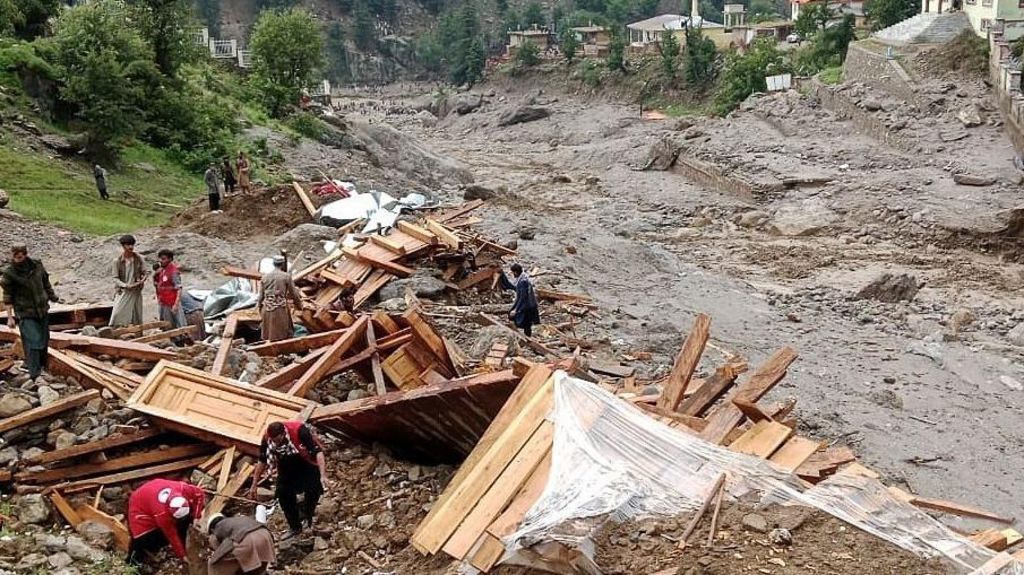
    On a Monday marked by torrential downpour, catastrophic flash floods swept through eastern Afghanistan, leaving a grim trail of death, destruction, and displacement that has underscored the country’s position as one of the world’s most climate-vulnerable nations. According to official statements from the Taliban-led government, the disaster has claimed at least 20 lives, injured more than 80 people, and left over 100 residents unaccounted for.

    The worst damage was concentrated in Parun, the capital city of Nuristan province, where even the city’s mayor is counted among the missing. Social media footage shared from the hard-hit region reveals widespread destruction: residential homes, local shops, and key municipal infrastructure have been reduced to rubble or severely damaged. Taliban officials have already warned that final casualty and economic damage counts will be severe, anticipating far higher losses as rescue teams reach isolated areas.

    Ashiqullah Safi, head of local non-governmental organization Shpoul, told reporters that the floodwaters completely destroyed Parun’s municipal headquarters. With large boulders swept into populated areas by raging floodwaters, local residents have been forced to sift through debris for survivors and remains without access to heavy excavation equipment or specialized rescue tools.

    Afghanistan’s long-standing vulnerability to climate-driven disasters is not a random coincidence. Decades of continuous armed conflict, which ended with the withdrawal of a U.S.-led international coalition and the Taliban’s return to power in 2021, have left the country one of the poorest on Earth, with severely limited infrastructure and resources to prepare for or respond to natural disasters. Frequent extreme weather events, from intense flash storms to prolonged crippling droughts, have compounded decades of instability.

    In Nuristan, a region renowned for its green mountain peaks, old-growth forests, and pristine river systems that led to its designation as a national park in 2020, human activity has amplified the flood risk. Multiple media reports have documented widespread unregulated deforestation and illegal logging across Nuristan and neighboring provinces, which has eroded the landscape’s natural ability to absorb heavy rainfall, turning moderate downpours into catastrophic flash floods.

    The danger is not over yet. Afghanistan’s meteorological department has extended warnings for continued heavy rain and flash flooding across 10 of the country’s 34 provinces through Wednesday. Officials have urged residents in at-risk areas to stay away from riverbanks and low-lying flood-prone zones to avoid additional casualties.

    This latest disaster comes just months after another deadly flood event in April 2024, when heavy rains and flooding across northern Afghanistan killed hundreds of people. Initial official counts put the death toll at 150, while the United Nations World Food Programme recorded a far higher fatality number of more than 300, highlighting gaps in disaster reporting and response capacity in the conflict-battered country.

  • ‘Anti-ICE’ Army veteran set fire outside Manhattan federal building, say officials

    ‘Anti-ICE’ Army veteran set fire outside Manhattan federal building, say officials

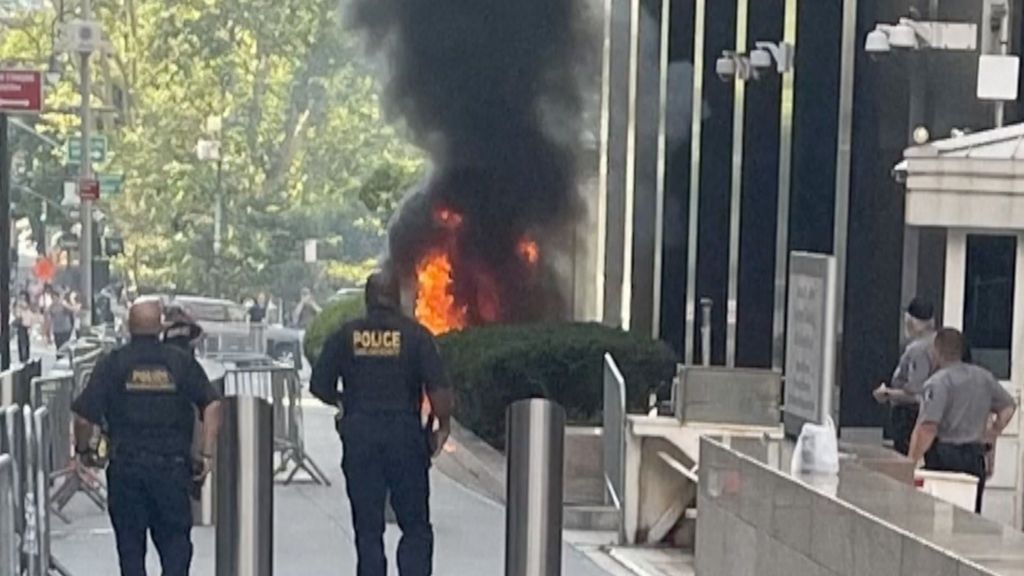
    A violent incident that left three people injured has shaken lower Manhattan, after a former U.S. Army service member launched a coordinated attack on 26 Federal Plaza — a major federal government hub that houses the New York offices of the FBI, U.S. Immigration and Customs Enforcement (ICE), and U.S. Citizenship and Immigration Services. The Federal Bureau of Investigation confirmed the arrest of 43-year-old Andrew Arrabaca, a Poughkeepsie, New York resident, following the Monday morning attack.

    According to official statements from law enforcement leadership, Arrabaca arrived at the downtown building heavily armed. FBI New York Assistant Director James Barnacle told reporters the suspect was carrying multiple weapons: two axes, a machete, three additional knives, and a cache of fireworks. Before starting a fire on the building’s entrance staircase, Arrabaca opened fire with an airsoft pellet gun, discharging between five and seven rounds toward the building, Barnacle said.

    After setting off the fireworks, Arrabaca poured accelerant across the entrance stairs, igniting a blaze that was quickly contained and extinguished by the New York City Fire Department. Federal agents on site intercepted the suspect and tackled him before he could cause further harm. Three people sustained non-life-threatening minor injuries in the chaos: two federal government employees, one on-site security officer who participated in subduing Arrabaca, and an immigrant who was at the building to attend an immigration status hearing. The Department of Homeland Security (DHS) clarified that one bystander also suffered a minor grazing injury during the incident.

    The FBI confirmed that Arrabaca made repeated anti-government and anti-ICE statements throughout the attack, leading Barnacle to characterize him as an anti-American, anti-government extremist. DHS has also labeled the suspect an “anti-ICE rioter.” The BBC has reached out to DHS for additional comment on the incident, as of yet no further statement has been released.

    CBS News, the BBC’s U.S. news partner, has verified that Arrabaca served in the active-duty U.S. Army from 2001 to 2004, before transferring to the New York Army National Guard, where he served from 2004 to 2005. He never received an overseas deployment during his service, and left the military with the rank of specialist, with no prior reported violent criminal record tied to his military service.

    26 Federal Plaza has long been a flashpoint for public demonstrations, particularly for protests targeting hardline immigration policies enacted by former President Donald Trump. In the wake of the attack, New York City Mayor Zohran Mamdani issued a public statement on the social platform X condemning the violence. “This incident is deeply disturbing,” Mamdani wrote. “Our administration will continue to ensure that every New Yorker is safe in their city — and hold accountable any who threaten that safety.”

  • BBC reveals official report into deadly military jet crash at school

    BBC reveals official report into deadly military jet crash at school

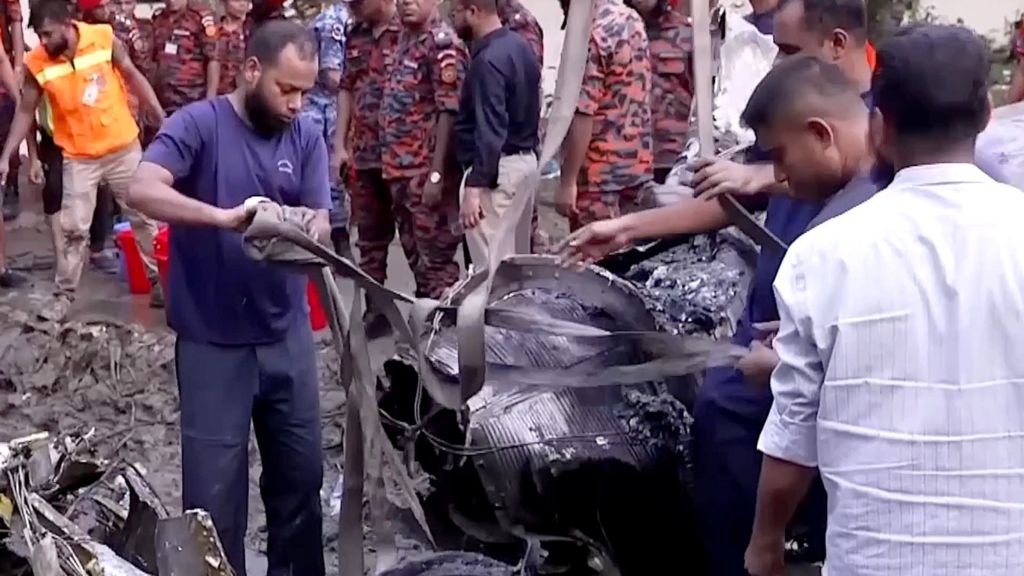
    In a significant development that brings new transparency to a tragic incident that shook Bangladesh, the British Broadcasting Corporation (BBC) has publicly disclosed the long-awaited conclusions of an official government investigation into a devastating 2022 military training aircraft crash. The accident, which occurred when a Bangladesh Air Force trainer plummeted into a crowded school building, resulted in widespread loss of life and left dozens of injured students and educators in its wake.

    For months following the crash, public calls for full disclosure of the investigation’s findings grew, with families of victims and advocacy groups pushing for answers about what caused the fatal incident and whether any preventable errors contributed to the disaster. The BBC’s decision to release the official report marks a key step in meeting that demand for public accountability, making the full investigative record accessible to both domestic audiences in Bangladesh and international observers.

    The crash triggered widespread mourning across Bangladesh and sparked urgent conversations about aviation safety protocols for military training flights operating near populated civilian areas, particularly educational institutions that host hundreds of children and staff on a daily basis. With the release of the official report, attention now turns to potential policy changes that could reduce the risk of similar tragedies occurring in the future.

  • KPMG names new leader as firm battles to rebuild trust after scandal

    KPMG names new leader as firm battles to rebuild trust after scandal

    One of Australia’s largest professional services firms, KPMG Australia, has named John Sams as its permanent chief executive with immediate effect, marking a key step in the firm’s effort to recover from a damaging whistleblower scandal that forced out its entire previous top leadership. Sams, a 30-year veteran of the firm, draws his experience from KPMG’s tax, corporate finance and infrastructure advisory divisions — the part of the business that has not been implicated in the misconduct that shook the firm over the past three months.

    The scandal that toppled the previous leadership broke when a whistleblower exposed that KPMG audit partners had circulated unredacted, sensitive internal client data from competing firms to win new auditing contracts. When the employee raised formal concerns about the unethical practice, senior executives not only dismissed the allegations but also allegedly orchestrated efforts to push the whistleblower out of the company.

    By the end of June, the fallout had forced sweeping leadership changes: both former chairman Martin Sheppard and chief executive Andrew Yates resigned, alongside two senior audit partners, Paul Rogers and Eileen Hoggett. Interim CEO Stan Stavros stepped in to oversee immediate reforms, acknowledging publicly that the firm had failed to meet the professional and ethical standards expected by the public, regulators, and clients. At the time, Stavros outlined a multi-pronged reform plan, including overhauling leadership, strengthening independent governance, launching independent external reviews of firm culture and practices, improving whistleblower protection mechanisms, tightening internal controls, and embedding clearer accountability across all levels of the organization. He emphasized that trust could only be restored through consistent, tangible action rather than empty promises.

    In the announcement of Sams’ permanent appointment, independent board chair Michael Ebeid said the board had full confidence that Sams possessed the agility, courage, and integrity required to lead the firm through its rebuilding phase. Ebeid laid out a clear mandate from the board for the new CEO: strengthen firm leadership and internal culture, repair damaged confidence among KPMG staff, clients, industry regulators, and Australian government and parliamentary bodies, and refocus the firm on delivering value to all its stakeholders. Sams has the full backing of the board to fully implement the June action plan addressing governance and integrity failures, with the goal of building a more transparent and accountable firm, Ebeid added.

    Accepting the role, Sams acknowledged he does not underestimate the scope of the challenges ahead. “The firm fell short of the standards rightly expected of us, and the accountability for these failures will continue to be implemented,” he said. “We have serious work to do on our culture, our leadership and our governance and it will take resolve and endurance.” Sams committed to making the difficult but necessary decisions to put the firm back on an ethical and sustainable path.

  • Inside Indonesia’s slave island: ‘I want my children to be free’

    Inside Indonesia’s slave island: ‘I want my children to be free’

    Just a two-hour journey from Bali’s postcard-perfect tourist beaches, a starkly different reality unfolds on Indonesia’s remote Sumba Island: chattel slavery, outlawed across the nation for more than 160 years, remains embedded in daily life through a centuries-old rigid caste system. For generations, people on this isolated eastern island have been born into bonded servitude, known locally as ata, trapped in a cycle of exploitation that outlasts colonial rule and constitutional bans.

    Sumba’s remote landscape, 2,000 kilometers east of Indonesia’s capital Jakarta, holds a quiet, timeless charm that draws adventurous travelers chasing hidden tropical paradises. Arid hills roll toward the sea, connected only by rutted rocky roads where travelers dodge roaming livestock; mobile phone signals are non-existent, and meals are still cooked over open wood fires. Turquoise waterfalls draw visitors to villages like Tenggedu, where towering traditional thatched homes, shaped to resemble buffalo horns, cluster around the ancestral tombs of local noble families. It is here that 31-year-old noble Umbu Ana Rara shares a home with Kanisius Kanyali Hambarita, an ata three years his senior. Umbu Ana claims he treats his bonded servant “like a member of the family,” allowing Kanisius to earn small side income driving a motorcycle taxi and grow food on a tiny plot of land. For Kanisius, the weight of inherited tradition has led him to resignation: “I don’t object to it, that’s how it is. It’s only the symbol of a tradition inherited from our ancestors.”

    But away from the watchful eyes of their masters, many ata tell stories of relentless abuse and intergenerational trauma. A 40-something ata from nearby Napu village told AFP he was beaten and doused with water as a child for failing to meet work quotas, forced to tend fields, feed pigs and cook for his master even after school. “I tell my children: ‘I don’t want you to go through what I went through,’” he said.

    The caste system that underpins this modern slavery is rooted in marapu, the island’s indigenous belief system that blends animism and ancestor worship, which remains deeply influential even among the 80% of Sumba’s 685,000 residents who identify as Christian. Marapu divides society into three distinct, hereditary tiers: ruling nobles called maramba, who often control most of the island’s land; commoners known as kabihu; and the lowest caste, ata, who are born into bonded servitude. “Legend says that the marambas acquired atas when they arrived in Sumba,” explained marapu priest Umbu Remi Deta, cementing the caste system as the core of local social order. Sumba’s geographic isolation has allowed these ancestral structures to survive largely unchanged centuries after slavery was banned by Dutch colonial rulers, and later enshrined as illegal in Indonesia’s 1945 post-independence constitution.

    Estimates of the current ata population vary widely: a local social worker estimates roughly 1,700 bonded people in East Sumba alone (home to 350,000 residents), while other sources put the total number across the island at several thousand. While other forms of debt bondage exist in other parts of Indonesia, historian Bondan Kanumoyoso of the University of Indonesia notes that Sumba’s system is unique: it passes intact from generation to generation, with masters and servants often living side-by-side under the same roof in similar material conditions, making it nearly invisible to outside observers.

    For generations, maramba rule has been enforced through systemic physical and sexual violence, with a long-accepted tradition of droit de seigneur giving masters unchallenged access to female ata servants. “If you are a girl, you belong to the master,” explained Andy Yentriyani, former head of Indonesia’s National Commission on Violence Against Women. “Sexual intercourse is not considered rape. It is only using your authority over your belonging.” One anonymous maramba confirmed the practice to AFP, admitting he would beat the husband of any female slave who rejected his advances. Most violence never reaches authorities, says rights activist Martha Hebi, founder of local NGO Solidarity for the Women and Children of Sumba, because victims are too intimidated to testify.

    That reluctance to speak out has left even high-profile cases stalled in the justice system. In 2024, an 18-year-old ata who reported being repeatedly raped by her master and his son starting at age 13 finally came forward to police in East Sumba’s capital Waingapu after giving birth to the child. Two years later, the investigation remains open and unresolved, according to Dian Sasmita of the Indonesian Child Protection Commission, who has called on authorities to prioritize these cases. Local faith groups like the East Sumba Protestant synod offer support to victims who come forward, but activists agree deep cultural change will take generations.

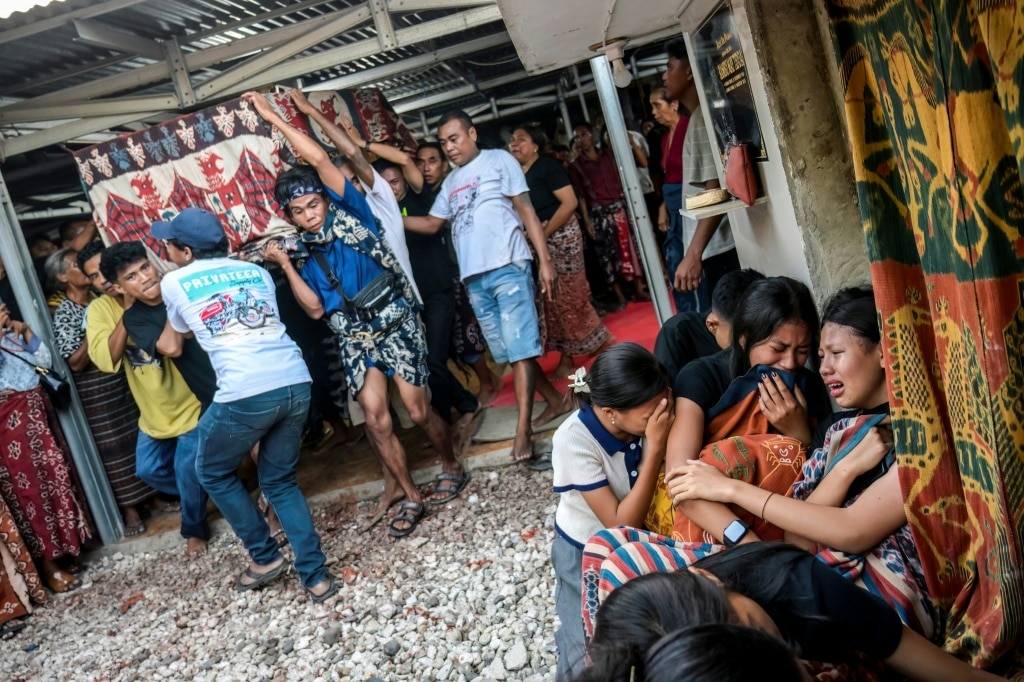
    Gidion Mbilijora, who led East Sumba district as its top official for 13 years and himself owns two ata, acknowledged the system’s deep roots. “We need a long process of changing the mindset” of the noble class, he said, speaking at a massive noble’s funeral attended by 4,000 guests that included ritual horse sacrifice — a practice that until the 1990s was feared to sometimes include human slave sacrifice to accompany a deceased noble into the afterlife, according to American anthropologist Janet Hoskins.

    International and local human rights groups have long pressured the Indonesian national government to enforce its constitutional ban on slavery and implement anti-discrimination conventions the country has signed. “The government is aware of the situation in Sumba but has so far taken no measures to eliminate slavery,” says Haeril Halim of Amnesty International Indonesia. Human Rights Watch Indonesia’s Andreas Harsono argues the government should “declare the freedom of all ata people from their maramba masters.”

    But Indonesian Human Rights Minister Yusril Ihza Mahendra says the government’s approach prioritizes incremental change to respect Indonesia’s extreme ethnic and cultural pluralism. “The government does not wish to impose change suddenly — rather it follows the social development of each community step by step,” he told AFP. “We are convinced that education will change everything.” That view is echoed by many local leaders, including Gidion, who argues that growing access to knowledge will eventually lead lower-caste communities to reject the bonded system.

    A small number of progressive nobles have already begun pushing for change from within. Norlina Rambu Jola Kalunga, a 54-year-old noblewoman and Christian pastor who inherited five ata when she married into a royal family, supports full emancipation but says she cannot free her own servants without violating deeply held local custom — even though her own grandfather freed all his ata when he led the local Protestant community in neighboring Central Sumba. Another noblewoman, Tamu Rambu Margaretha — known locally as Mama Margaretha — has traveled to Jakarta to advocate for ata emancipation, sending all her bonded servants’ children to school alongside her own and helping ata women sell their handwoven ikat textiles to tourists for fair income. “if someone is illiterate, there are many things they won’t understand,” she explained. Though she says she would not oppose any of her ata leaving to build independent lives, none have the financial means to do so.

    Even for ata who manage to build independent lives outside their master’s home, the hereditary caste system continues to bind them to the old order. The Napu village man who endured childhood abuse now lives with his family in an abandoned home once owned by his former master, and has even sent two of his four children to university on government scholarships after building his own livestock business. But the land he farms still belongs to his maramba, so when the noble family calls, he must comply. “It’s so easy for them to order us around. But I did not directly fight back. I made my own path. I could see what freedom looked like,” he said. “Now there are rules… laws that protect us. Maybe the maramba understands that, so they do not bother us too much anymore.” Still, he remains legally and socially categorized as an ata — and his greatest hope is that the next generation will escape the bond entirely. “I want my children to be free from the maramba,” he said. “If we have knowledge, then we are free.”

  • Thousands welcome home Argentina squad, without Messi, despite World Cup loss

    Thousands welcome home Argentina squad, without Messi, despite World Cup loss

    In a display of unwavering national pride that defied wet, frigid weather and the bitter disappointment of a World Cup final defeat, thousands of Argentine supporters turned out in force on Monday to greet their returning national football team – a squad that arrived without their legendary captain Lionel Messi.

    Four years after millions of Argentines flooded city streets to celebrate the team’s historic 2022 World Cup title, this homecoming was never supposed to end this way. Yet even with a 1-0 final loss to Spain denying Argentina a rare back-to-back championship, celebrations erupted across Buenos Aires, where fans danced, sang traditional chants, and set off fireworks to honor the players’ run to the final.

    The Argentine Football Association had pre-warned that several squad members would not be on the inbound flight, and local television footage confirmed Messi was not among the players who disembarked. When head coach Lionel Scaloni and the rest of the roster stepped off the plane, they were greeted by a red carpet welcome and a performance from a military band, before boarding an open-top bus that paraded through crowds of cheering, frenzied fans lining the route.

    For many fans, the final result did nothing to erode their support for the team and its iconic skipper. “Argentines will celebrate anyway,” said Marga Ledezma, a 36-year-old housewife. Ledezma thanked Messi for decades of joy he brought to the nation, and pleaded with him not to retire from international football, even as she acknowledged that the 39-year-old’s body may no longer allow him to continue competing at the highest level. Responding to international criticism of Argentina’s physical play and accusations of poor sportsmanship during the final, Ledezma pushed back: “I think they criticize us because we know what it’s like to suffer, that we get up, we fall down again, and we keep going.”

    Many supporters pointed to the team’s 2-1 semi-final victory over England as the real highlight of their tournament, a win that carried extra political weight amid the long-running, unresolved sovereignty dispute between Argentina and the United Kingdom over the Falkland Islands. Some fans carried banners reading “The Falklands are Argentine” during Monday’s welcome, and FIFA has already launched an investigation into the Argentine squad for displaying the same slogan on a banner immediately after their semi-final win, a move that sparked sharp condemnation from British officials.

    Across the crowd, fans echoed the sentiment that the team’s achievements deserved celebration regardless of the final outcome. “This team united us all, and we should be grateful for that. We will always be there for them, rain or shine. I would say thank you to Messi and that he gave it his all,” said Leonardo Barrientos, a 36-year-old textile workshop employee. Maria Ortiz, a 28-year-old who brought her two-year-old child to the welcome, acknowledged that Spain earned the title, but said she remained grateful for the joy the Argentine team delivered throughout the tournament.

    Messi, for his part, opened up about his heartbreak in an Instagram post Monday. “The pain is immense and it’s going to take a long time for this wound to heal,” he wrote, alongside a personal photo. Still, he acknowledged the squad’s historic achievement: “I’ll also hold on to all the good memories. Today it’s hard to appreciate what we achieved, but this squad reached two consecutive World Cup finals.”

    Argentine President Javier MileI has moved to honor the team’s run, announcing that a future public holiday will be declared on a date agreed with the squad to celebrate their World Cup performance, though no further details on the timing have been released.

    Even before the team landed back in Buenos Aires, thousands of crestfallen but dedicated fans gathered at the Obelisco, the capital’s iconic traditional celebration hub, for hours of gatherings Sunday night. The event mostly remained peaceful, but late in the evening brief clashes broke out, prompting police to deploy water cannons, tear gas, and rubber bullets to disperse crowds. Police sources confirmed that 15 people were taken into custody following the unrest.

  • More jobs to be cut at Nine in shift to ‘digital-first future’

    More jobs to be cut at Nine in shift to ‘digital-first future’

    Australian media giant Nine Publishing has confirmed another wave of staff redundancies, as the company accelerates its strategic transition away from legacy print operations toward a digital-first media model. The new cuts come as part of a broader organizational and operational overhaul that has been unfolding across the company’s news and publishing division throughout 2024.

    In an internal email sent to all publishing staff on Tuesday morning, Nine Publishing executive Tory Maguire notified employees of an urgent town hall meeting to outline the details of the upcoming structural changes. Maguire framed the restructuring as a necessary adaptation to a rapidly shifting global media ecosystem, arguing that organizational change was critical to protecting the company’s core commitment to high-quality journalism.

    “ The best way to protect our quality journalism is to ensure our organisation adapts to a changing media landscape, that we’re growing commercially and investing in new areas which connect with new audiences. In particular we need to keep shifting towards the digital-first future,” Maguire wrote in the staff memo. “Therefore, we are constantly reviewing our business to ensure it is fit for purpose in our changing environment. As a result we are going to be making some changes to our structure and how we operate.”

    This latest round of redundancies builds on a previous round of cuts announced back in April, when Nine’s parent company carried out the first sweep of layoffs that eliminated 20 roles across the firm’s news and current affairs division. At that time, leadership framed the restructuring as tied to the rollout of the company’s flagship Future News project, an initiative designed to upgrade the network’s technology infrastructure, staff training, and production equipment while streamlining workflows and pushing for more multiskilled roles across the newsroom.

    Nine’s executive director of news and current affairs Fiona Dear described the Future News project in April as the largest single investment in the company’s news and current affairs division in decades. She noted that new digital tools, integrated systems, and updated production workflows were set to completely transform how the organization creates and distributes news content.

    “We’ve said from the beginning that this will touch all roles in some way, shape or form,” Dear said in April. “This isn’t about doing the same work with fewer people to save money; it’s about acknowledging that the work itself is changing across our industry and we must adapt to survive and thrive.”

    As of Tuesday, company leadership has not released the exact number of roles set to be eliminated in this latest restructuring round, with additional details expected to be released following the staff town hall. The restructuring reflects a broader industry-wide trend among legacy media companies across Australia and globally, as organizations grapple with declining print advertising revenue and shifting audience consumption habits that favor digital and mobile news content.

  • US greenlights Saudi nuclear enrichment without safeguards: Report

    US greenlights Saudi nuclear enrichment without safeguards: Report

    A last-minute nuclear cooperation push by the outgoing Trump administration has sparked intense scrutiny over regional security and non-proliferation norms, as multiple independent outlets have confirmed that the draft deal approved for Saudi Arabia lacks the strict safeguards long required by Washington to prevent nuclear weapons development.

    According to an exclusive CNN report published Friday, U.S. officials have already signed off on the draft framework that authorizes Saudi Arabia to pursue domestic uranium enrichment as part of its stated civilian nuclear program. Negotiations between Washington and Riyadh wrapped up in October, but the agreement — which includes the mandatory bilateral “123 agreement” required for major U.S. nuclear exports and associated safeguards protocols — has not yet been sent to Congress for the required legislative review. Unnamed senior officials cited by CNN suggest the hold-up is deliberate: the Trump White House fears broad bipartisan backlash from lawmakers who have long demanded strict non-proliferation terms for any Saudi nuclear deal.

    The timing of the expected presidential signature remains uncertain, amid growing expectations that Congress will flip to a Democratic majority following the November general election, which would effectively kill the proposal and derail a key foreign policy priority for the administration.

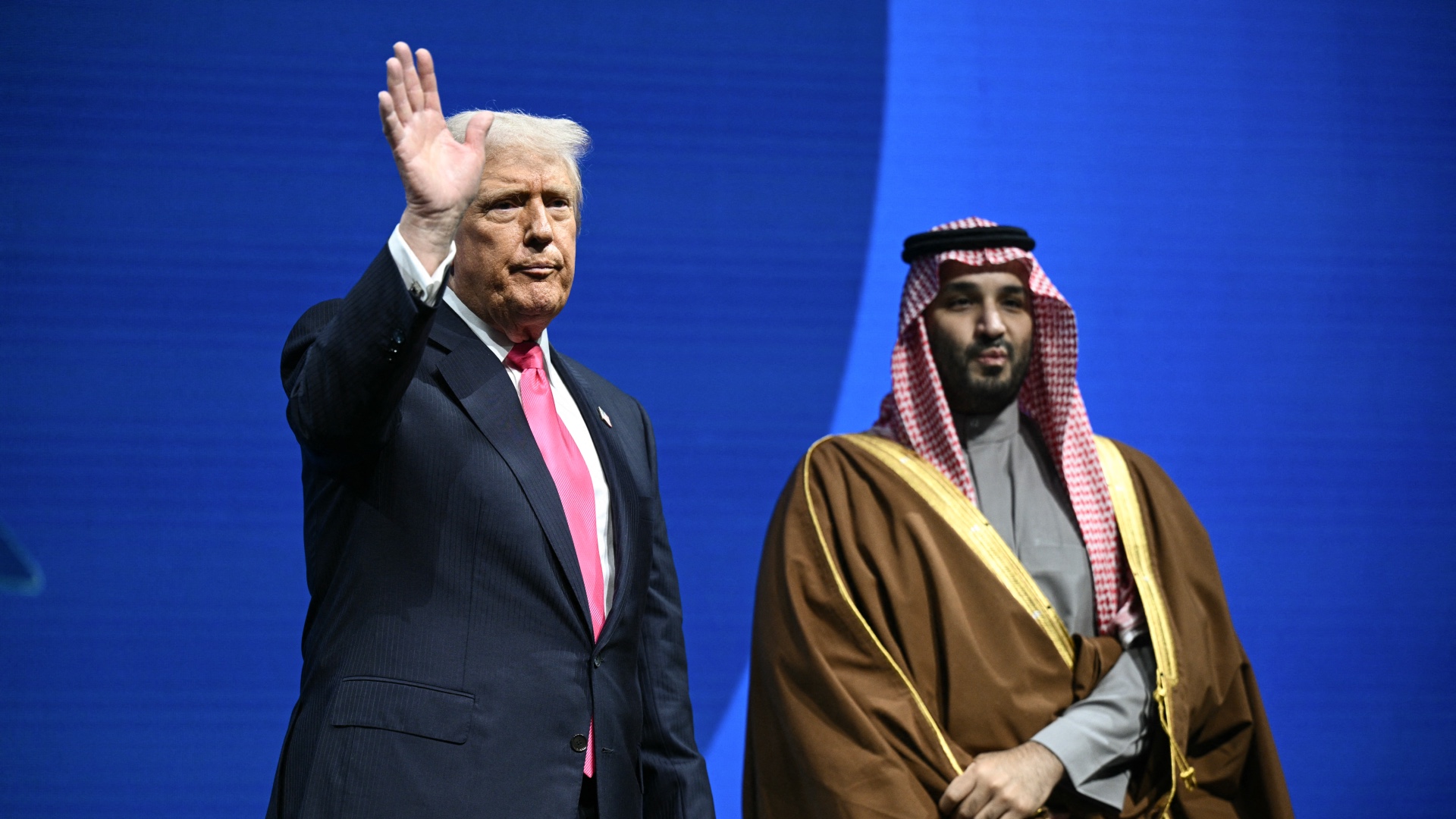
    Saudi leadership has openly pushed for this framework for years. Crown Prince Mohammed bin Salman and his top advisors have prioritized securing U.S. approval for domestic enrichment, leveraging the kingdom’s extensive domestic uranium reserves to build out a civilian nuclear energy sector. Last year, Saudi Energy Minister Prince Abdulaziz bin Salman publicly reiterated the kingdom’s ambitions, stating “We will enrich it and we will sell it and we will do a ‘yellowcake’” — referencing the intermediate step between uranium mining and enrichment. The crown prince made the nuclear deal a top agenda item during his 2019 visit to the White House, cementing its status as a core priority for the bilateral relationship.

    Geopolitical context adds further urgency to Riyadh’s push. Earlier in 2020, just days after an Israeli strike on Hamas negotiators based in Qatar, Saudi Arabia signed a wide-ranging defense pact with Pakistan — the only Muslim-majority nuclear-armed state, which holds an estimated 170 nuclear warheads. Both governments confirmed the agreement covers all forms of military cooperation, leading to widespread speculation that the deal included informal nuclear security arrangements that placed Saudi Arabia under Pakistan’s nuclear umbrella.

    U.S. analysts have framed the proposed American nuclear deal as a strategic counter to that partnership. A former U.S. intelligence official previously told Middle East Eye that bringing Saudi Arabia into a U.S.-backed nuclear framework would pull the kingdom away from Pakistani influence and shore up its regional standing relative to rival Gulf states. “It would pull them out of the Pakistanis’ nuclear umbrella and make the Saudis feel better than the Qataris,” the official explained.

    Critics have repeatedly pointed out that the draft agreement breaks with longstanding U.S. non-proliferation precedent. Back in February 2020, the Trump administration formally notified Congress it would pursue a civil nuclear pact that omits the strict non-proliferation safeguards that have been standard for U.S. partners for decades. Unlike the U.S.’s 2009 nuclear agreement with the United Arab Emirates — which explicitly barred the UAE from enriching uranium and reprocessing spent fuel as a condition for cooperation — the Saudi draft only calls for “additional safeguards and verification measures to the most sensitive areas of potential nuclear cooperation,” language that leaves a clear opening for the kingdom to expand enrichment activities for military purposes in the future.

    Foreign policy analysts widely agree that this framework would reshape Middle Eastern security dynamics far more dramatically than the separate F-35 fighter jet sale the Trump administration is also negotiating with Riyadh. Dozens of countries — including Morocco, the UAE, and multiple European and Asian nations — have already signed 123 agreements with the U.S., which are required under U.S. law to approve significant exports of U.S.-origin nuclear materials and equipment.

    For years, bipartisan groups of U.S. lawmakers have insisted that any Saudi nuclear deal require the kingdom to adopt the IAEA’s Additional Protocol, which grants United Nations nuclear inspectors expanded access to nuclear facilities, documentation, and undeclared sites to verify no clandestine weapons work is underway. The UAE, the only other Gulf state to strike a formal nuclear partnership with the U.S., signed the Additional Protocol back in 2009 as a condition of its deal.

    However, a Reuters report confirmed that the Trump administration sent a required preliminary notification to congressional committee leaders in November confirming it would not require Saudi Arabia to adopt the Additional Protocol. The notification underscores how the Trump administration has prioritized expedited deal-making in its Middle East diplomacy, even when it puts it at odds with longstanding norms and priorities of the U.S. foreign policy establishment.

  • Yemen’s Houthis declare blockade on Saudi Arabia, raising Red Sea tensions

    Yemen’s Houthis declare blockade on Saudi Arabia, raising Red Sea tensions

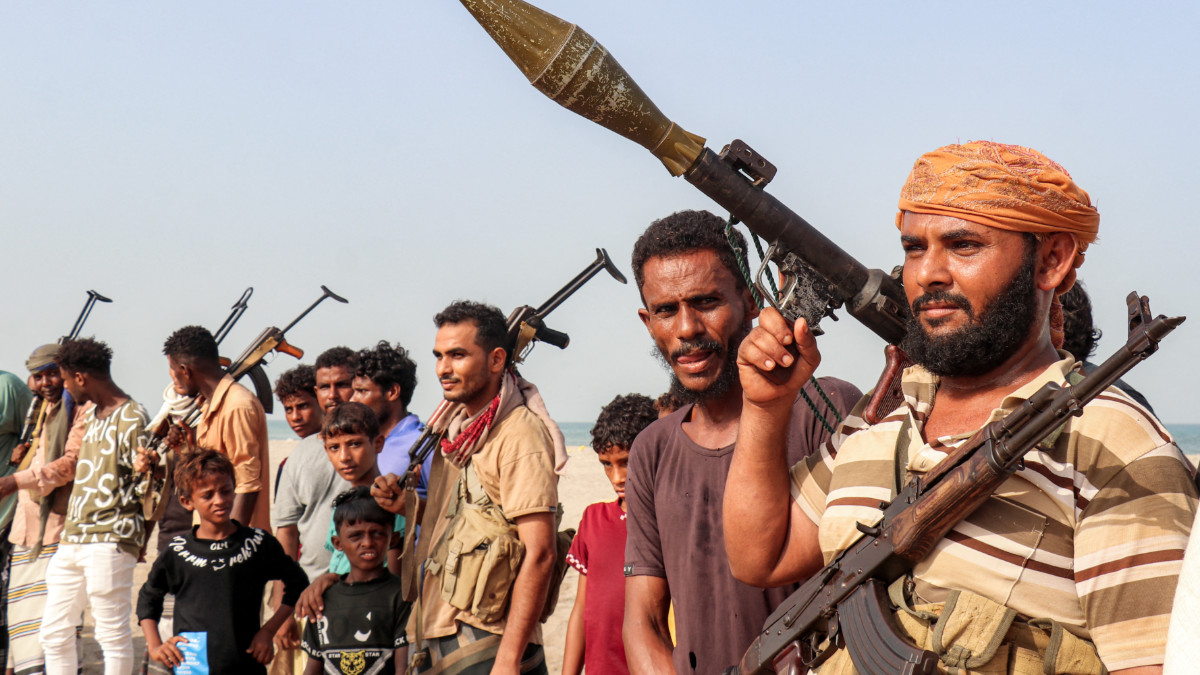
    On Monday, Yemen’s Houthi movement announced an immediate maritime embargo against Saudi Arabia, sending shockwaves through regional security and global energy markets at a moment when the Red Sea has become a critical linchpin for international oil trade. The announcement marks a sharp escalation of hostilities between the two sides, just days after the first exchange of cross-border fire in years broke a fragile informal truce that has held since 2022, despite its official expiration.

    The Houthi armed forces framed the embargo as a measure of reciprocal action under the principle of “an eye for an eye” targeting what they called the “criminal Saudi enemy,” but the group did not release specific details on how it would enforce the new restriction. The move comes amid already heightened friction over access to Sanaa International Airport, the main air hub of Yemen’s capital, which is controlled by the Houthi movement. Tensions flared recently after an Iranian passenger jet attempting to land in Sanaa challenged long-standing restrictions that have limited international flights from Houthi-held territory to only Cairo and Amman, triggering the first cross-border exchange of fire between Saudi Arabia and the Houthis in years.

    Recent reporting from Middle East Eye has uncovered internal division within Saudi Arabia’s leadership over posture toward the Houthis: Saudi Defence Minister Khalid bin Salman has indicated to international counterparts that the Trump administration has granted Riyadh broad flexibility to launch offensive military operations against the group, while other segments of the Saudi government maintain that the kingdom’s stance remains purely defensive.

    The geopolitical landscape of Yemen has been locked in a stalemate for nearly a decade: the Houthis control Sanaa and most of Yemen’s densely populated northwestern regions, while Saudi Arabia backs the internationally recognized Yemeni government based in the southern port city of Aden. Years of negotiations have failed to produce a durable political settlement to unify the divided country.

    What makes the Houthi embargo announcement uniquely consequential for the global economy is the Red Sea’s central role in global energy trade. With the Strait of Hormuz facing persistent security threats from Iran, the Red Sea has become the primary export route for Saudi Arabia’s massive oil production. The kingdom currently ships roughly 4.5 million barrels of crude oil per day through the Red Sea, the vast majority of which is bound for major energy markets in East Asia. Saudi Arabia’s Red Sea ports also serve as a critical entry point for essential imports across the Gulf region, making any disruption to shipping in the waterway a risk for the entire Gulf Cooperation Council.

    The Houthis have already proven their ability to disrupt Red Sea shipping. Following the October 7, 2023, Hamas attack on southern Israel, the group launched a series of attacks on commercial vessels passing through the Red Sea, framing the actions as solidarity with Palestinians besieged in Gaza. The campaign won broad support across Arab and Muslim-majority nations, prompting then-U.S. President Donald Trump to launch a large-scale bombing campaign against Houthi targets in Yemen in 2025. Trump ultimately halted the strikes ahead of a planned visit to the Gulf, following intensive lobbying from Saudi Arabia, and both sides have observed a maritime truce since May 2025.

    Though the Houthis have officially stayed out of the open war that began after U.S. and Israeli forces launched strikes on Iran in February 2025, Gulf and U.S. officials who spoke to Middle East Eye broadly suspect the group carried out several limited land-based strikes on Saudi territory in recent months. The group’s decision to refrain from targeting Red Sea shipping through that conflict allowed Saudi Arabia to maintain steady oil supplies to global markets at a time when exports from Kuwait, Bahrain, and Iraq have been significantly reduced.

    Yemeni analysts are divided on how the Houthis will follow through on the embargo threat. Many experts argue the group is unlikely to resume attacking commercial shipping, as it seeks to avoid drawing the Trump administration back into a new round of open conflict in Yemen. Mohammed al-Basha, a Yemen specialist based in the United States, told Middle East Eye that the embargo announcement is likely a negotiating tactic rather than a precursor to immediate widespread attacks. “I don’t think the Houthis will start hitting ships yet,” al-Basha said, noting the group is actively seeking a comprehensive negotiated settlement with Saudi Arabia that covers key sticking points including prisoner releases, public sector salary payments in Houthi-held areas, reconstruction funding, and the long-running blockade of Houthi-controlled ports such as Hodeida.

    Even if the Houthis do not immediately carry out attacks on shipping, the announcement alone has already created new market uncertainty. International shipping companies and maritime insurance providers are expected to grow more wary of operating in the Red Sea, which could raise costs for energy trade even without direct attacks. As of Monday trading, the Brent Crude international benchmark remained stable at $88.12 per barrel, though market analysts warn that further escalation could push prices sharply higher.