博客

  • Brazil probe shows severe icing contributed to 2024 plane crash that killed 62

    Brazil probe shows severe icing contributed to 2024 plane crash that killed 62

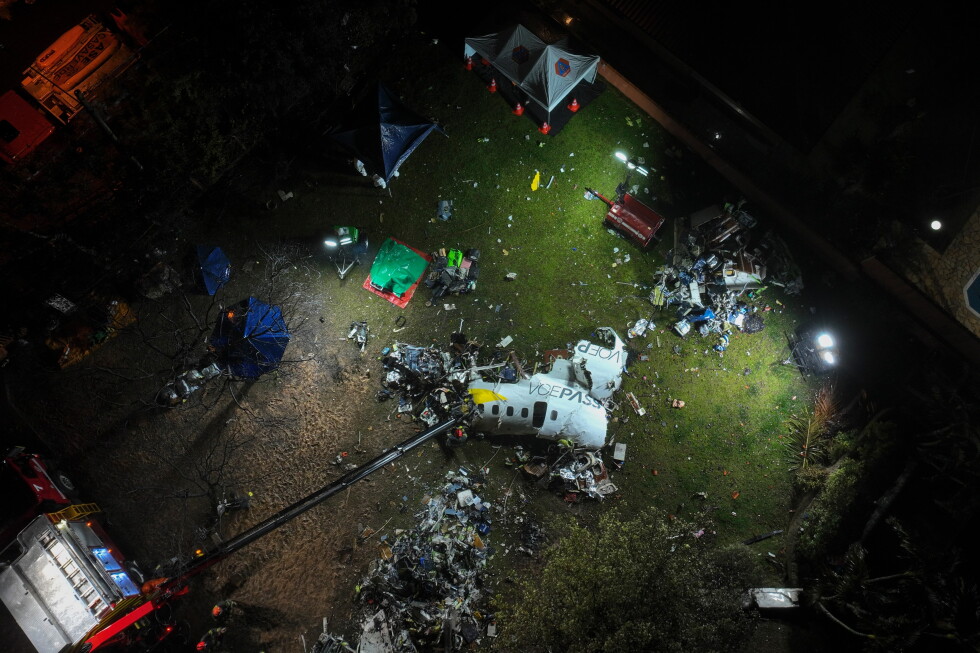
    Almost three months after Brazil’s deadliest aviation disaster in nearly 17 years killed 62 people outside São Paulo, Brazilian Air Force investigators released their official accident probe findings on Thursday, pinpointing a toxic combination of environmental hazards, mechanical failures, and human and procedural gaps as the root causes of the August 9 crash.

    The doomed flight, operated by regional Brazilian carrier Voepass, was an ATR 72-500 twin-turboprop traveling from the southern city of Cascavel to São Paulo’s Guarulhos International Airport when it went down in a residential neighborhood of Vinhedo, a small city located just outside the São Paulo metropolis. All 62 people on board were killed in the impact, marking the worst Brazilian aviation fatality event since 2007.

    Investigators’ detailed analysis confirmed the aircraft encountered extreme atmospheric icing conditions while cruising at an altitude of 17,000 feet. The rapid buildup of ice across the plane’s airframe quickly eroded its aerodynamic lift, pushing the aircraft into an irreversible “flat spin” that made recovery impossible before the crash.

    Data recovered from the plane’s flight recorders shows the flight crew did detect the heavy ice accumulation early in the emergency. However, the aircraft’s de-icing system suffered repeated technical malfunctions throughout the critical phase of the flight, forcing the crew to repeatedly toggle the system on and off as the situation deteriorated.

    Speaking at a press conference held in Brazil’s capital Brasilia, lead investigators added that deeper systemic issues within Voepass also set the stage for the disaster. The probe uncovered a long-standing internal “culture of normalizing deviations” at the airline, where preexisting mechanical faults — including known issues with the de-icing system on the accident aircraft — were allowed to go unaddressed before the flight departed.

    Investigators also identified crew distraction as a key contributing factor. At the time severe icing alerts activated in the cockpit, the flight crew was occupied with routine radio communications and administrative tasks, and failed to execute emergency corrective maneuvers before it was too late to reverse the spin.

    Per standard protocol for fatal accident investigations, the full findings were shared directly with the families of the victims before being released to the general public.

  • CJP protest: The youth movement India’s Modi didn’t see coming

    CJP protest: The youth movement India’s Modi didn’t see coming

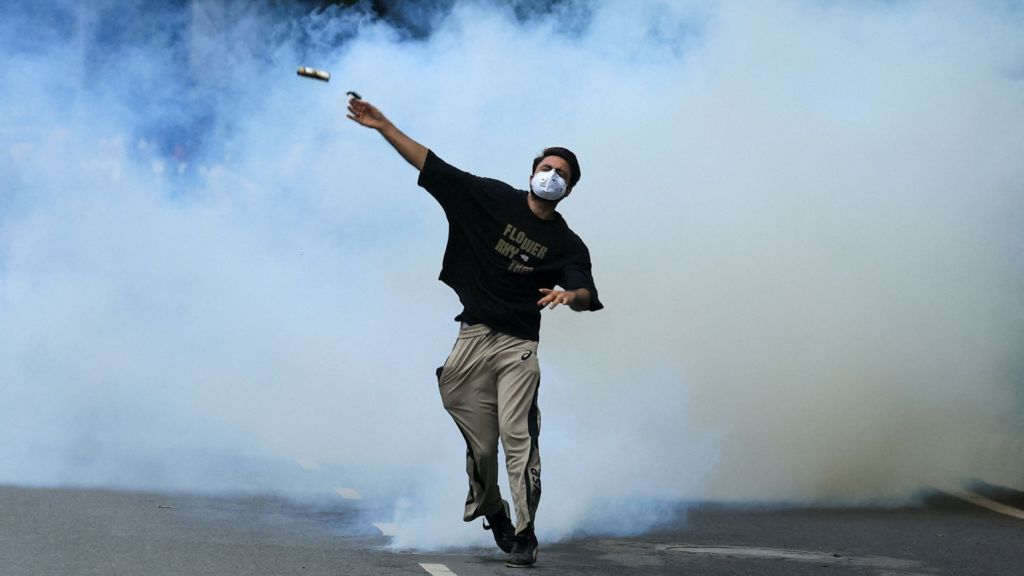
    For millions of young Indians across the country, a deeply shared anxiety has curdled into mass public action: if the high-stakes exams that are supposed to unlock their futures cannot be trusted, what can be? That question, sparked by repeated, high-profile leaks of public examination papers, has grown into the largest student mobilization India has seen in years, led by the youth-driven Cockroach Janta Party (CJP) movement. Weeks of simmering frustration boiled over on Monday, when tens of thousands of young protesters attempted to march on India’s national parliament in New Delhi, met with aggressive police action including tear gas barrages and baton charges. In the days that followed, thousands more joined demonstrations across the capital, with protests showing no signs of slowing.

    At the heart of the movement is prominent activist Sonam Wangchuk, who wrapped up a 26-day hunger strike in support of the CJP’s demands late Thursday. Wangchuk reported losing 24 pounds during his fast, drawing widespread public attention to the movement’s core demands: sweeping education reforms and the immediate resignation of India’s Education Minister Dharmendra Pradhan. Despite the end of Wangchuk’s hunger strike, student leaders have confirmed demonstrations will continue until their full demands are addressed.

    The movement has sparked urgent national debate: is this just another fleeting student protest, or the starting point of a larger political shift in India? History offers conflicting precedent: student movements have occasionally reshaped Indian politics, such as the 1970s Nav Nirman agitation in Gujarat that helped catalyze Jayaprakash Narayan’s widespread campaign against then-Prime Minister Indira Gandhi. But many other large youth uprisings have faded quickly from public view after an explosive debut.

    What makes the CJP movement unusual is not just its unprecedented size, but the broad, cross-cutning nature of the anger driving it. Unlike the largest high-profile protests against Prime Minister Narendra Modi’s ruling Bharatiya Janata Party (BJP) over the past decade — from the 2019 citizenship law protests to the 2020-2021 farm laws demonstrations — this movement is not rooted in ideological conflict, nor does it represent the narrow interests of a single community or social group.

    Instead, it challenges a core promise of the Indian state: that the national examination system, seen by millions of young people as their primary path to upward social mobility, will be fair and accessible. As Yamini Aiyar, Senior Visiting Fellow at Brown University, explained to the BBC, the Indian education and exam system crosses traditional lines of caste, class, and gender to an extraordinary degree, meaning the protesters gathered do not represent any single narrow interest group.

    Rahul Verma, a fellow at New Delhi-based independent think tank the Centre for Policy Research, frames this as a fundamentally unique political challenge to the ruling BJP. “This movement centres on administrative failure,” Verma noted. “The state’s inability to conduct examinations fairly and prevent paper leaks makes it a very different kind of political challenge.” This change in the nature of the grievance reshapes Indian political dynamics: unlike earlier protests rooted in ideology or specific policy disputes, this movement directly questions the BJP’s basic ability to govern. Many of the participating protesters, Verma adds, are not traditional opponents of the BJP — they are aspirational young Indians and their parents who view these public exams as their best chance for upward mobility. Because the anger centers on governance failure rather than ideological opposition, the BJP cannot easily mobilize its base or deploy the partisan counter-narratives that helped it overcome earlier protest movements.

    Monday’s massive turnout confirmed that the movement’s momentum, which had built rapidly online, has successfully translated to on-the-street action. For weeks before the parliamentary march, comparisons to India’s 2011 anti-corruption movement focused on the CJP’s impressive digital reach, with skeptics questioning whether online enthusiasm would translate to offline turnout. Monday’s crowds put those doubts to rest.

    Joyojit Pal, a University of Michigan professor specializing in technology and society, describes modern social media as “a tinderbox waiting to explode with the next thing,” where viral spread is driven by raw collective emotion. Long-simmering public frustration over a lack of government accountability created the conditions for this mass protest, Pal says, and the structure of social media makes similar large-scale eruptions increasingly likely in the future.

    Analysts now agree the movement may have already crossed a critical tipping point, though its long-term trajectory depends almost entirely on the BJP government’s response. Aiyar notes that while established political groups including student unions, left-wing organizations, and Dalit rights group the Bhim Army joined the march, they were vastly outnumbered by a spontaneous, organic outpouring of students from every corner of India. “That’s unique compared to any significant protest in India’s recent history,” she says. What is more, the movement has already outgrown its origins as a CJP-led campaign and Wangchuk’s hunger strike: “The catalyst may have been the CJP, but it became bigger than them.” Protesters did not only turn out over the paper leaks themselves, she explains, but to claim a public space to express the deep, long-held frustration over shrinking opportunity that many young Indians carry. Memes, posters, and on-the-ground slogans all point to grievances that stretch far beyond the specific issue of examination security.

    After initially leaving the response to junior ministers and party spokespeople, the BJP’s top national leadership stepped in to address the protests this week. Defence Minister Rajnath Singh accused opposition parties of using students as “a political tool,” while asserting the government remained committed to addressing protester concerns through parliamentary processes. Prime Minister Modi addressed the controversy publicly for the first time on Thursday, writing on X that “Nothing is more important than the welfare and future of our youth.” He announced the creation of fast-track courts to deliver “swift and stringent punishment” for anyone involved in organizing paper leaks, adding “Those who try to harm the future of our youth will not be spared.”

    It remains unclear whether these promises will be enough to de-escalate the protests. Aiyar argues the movement has tapped into far broader national anxieties: a slowing economy, chronic job scarcity, and a growing sense that future generations will face fewer opportunities than their predecessors. “There is deep economic dissatisfaction and distress, which has translated into a lack of hope about the future,” she says. “This could reflect growing exhaustion with a government that has been in power for a long time. Its failure to deliver on the promises it built its reputation on may have reached a tipping point.” For Aiyar, the protests are about far more than a single administrative failure: protesters are sending a clear message that they are exhausted with the status quo, and demand a new kind of politics focused on good governance and tangible results, not just partisan rhetoric.

    Whether this widespread frustration can coalesce into a lasting political movement remains an open question. Political scientist Suhas Palshikar argues the CJP movement may simply act as a temporary outlet for public anger before gradually losing momentum, similar to the post-repeal fade of the 2020-2021 farmers’ protests. “Where will the Cockroach movement go? Perhaps nowhere — it will allow venting of frustration and taper off,” he wrote on X. Palshikar also cautions against framing the movement as an inherently revolutionary Gen Z uprising, arguing that “It would be a mistake to imagine a youth movement or a Gen Z movement — these are only convenient myths for commentators.” The movement’s ideological and political identity remains fluid, he notes, and multiple competing political forces will almost certainly attempt to assert influence over it. That said, Palshikar acknowledges that protesters have already made one undeniable impact: they have proven young Indians are willing to confront the state directly, even in the face of harsh police repression, and have shown that street action is the only way to force the current regime to engage with public grievances. Whether that energy will endure, he argues, depends on multiple factors including state repression, media blackouts, internal leadership challenges, and the difficulty of building a lasting cross-group coalition.

    Economist Surajit Mazumdar of Jawaharlal Nehru University in New Delhi agrees that the movement points to far larger shifts than just anger over paper leaks. “The current protest and the spontaneous response it has evoked is indicative of the widespread discontent of young people and students about the state of affairs in the country and in the education system which goes beyond the specific paper leak issue,” he told the BBC. Compared to earlier student mobilizations, Mazumdar says the current movement is broader and larger in scale, and rejects claims that it is post-ideological. Like the farmers’ movement before it, he argues, the CJP protests prove that “the democratic spirit is still alive in Indian society.”

    For Aiyar, this democratic impulse is already reshaping the nature of Indian politics. “People are seeking accountability for governance in sites that are non-electoral,” she says. “The split between electoral legitimacy and democratic accountability outside electoral space is the new phenomenon of politics in India.” Only time will tell whether this shift proves to be the defining legacy of the CJP protests, or just a passing moment of widespread public anger.
  • Indonesian babies were trafficked to Singapore. What happens to them now?

    Indonesian babies were trafficked to Singapore. What happens to them now?

    After months of high-profile legal proceedings that spanned two Southeast Asian nations, an Indonesian court handed down guilty convictions this Tuesday to 19 members of a transnational baby trafficking syndicate, closing one chapter of a disturbing case but leaving a critical, human-centered question hanging in the balance: what will become of the dozens of infants trafficked for illegal adoption?

    The syndicate, whose operations stretched from West Java to Singapore, was found to have trafficked at least 34 infants to sell through fraudulent adoption channels. Investigations confirm that at least 12 of those babies have already been placed with adoptive families in Singapore, a detail that has turned the case into a major bilateral controversy that has gripped public attention in both countries for months. Now, as the legal battle against the traffickers concludes, the unresolved status of the infants in Singapore has grown even more urgent, with anxious adoptive families waiting for clarity on whether they will be allowed to keep the children they have raised for years.

    For David, a Singaporean adoptive parent who spoke to the BBC on condition of anonymity to protect his family, the months of waiting have been an unrelenting period of fear and uncertainty. “It’s been almost a year of fear and anxiety from waiting,” he said following the verdict. “Since the case is concluded, how can we move on and what will happen to our son? I sincerely hope that both authorities can come to a decision based on the best interests of the children. We respectfully ask that, in making this decision, consideration be given to the fact that both our son and our family are victims of the circumstances surrounding this case.”

    David and his wife Ally insist they had no knowledge the child they adopted was trafficked, and say they completed all required background checks on their end, and passed multiple layers of vetting conducted by Singaporean government authorities before the adoption was approved. They maintain that those official screenings should have caught the fraudulent activity if proper protocols had been followed.

    To date, neither the Indonesian nor Singaporean governments have issued a definitive public statement on their plans for the infants already in Singapore. Following Tuesday’s verdict, the Indonesian Ministry of Foreign Affairs told the BBC that multiple key details remain under review, including the children’s legal status, the confirmed identities of their biological parents, and ongoing parallel proceedings in Singapore. The ministry reaffirmed its commitment to prioritizing “the best interests of the children” in any final decision, while Singaporean authorities have not yet responded to repeated requests for comment from the BBC.

    Experts and child welfare advocates hold conflicting views on the proper outcome for the infants, highlighting the messy legal and ethical complexities of the unprecedented case. Ni Made Martini Puteri, a criminologist and lecturer at the University of Indonesia, notes that public data on the post-rescue outcomes of trafficked children within Indonesia is already extremely limited, with almost no existing precedent for how to handle children trafficked across international borders.

    Indonesian anti-trafficking organizations and independent child rights groups have taken the firm stance that all trafficked children should be repatriated to Indonesia as a matter of principle. Ai Maryanti, a commissioner with Indonesia’s independent child protection commission, argued after the verdict that the children’s best interests have not been properly centered to date, because their true identities have still not been fully confirmed. She added that existing adoptions in Singapore should not be considered final, saying: “Of course, children who are victims of human trafficking must be returned. Even if they’re already adopted, what’s the legal basis for that? What we don’t want is Singapore saying that the adoptions complied with their law. According to our law, we found there was a high level of manipulation, resulting in Singapore easily accepting [the adoption applications].”

    During the trial, investigators uncovered that the trafficking ring systematically created falsified identity documents for the infants: they listed ring members as the children’s birth mothers to obtain fraudulent birth certificates and official family registration cards from local Indonesian officials. The ease with which the syndicate obtained these legal documents has sparked widespread criticism and raised serious questions about regulatory oversight and the failure of local officials to conduct required background checks.

    Legal experts in Singapore note that overturning the existing adoptions and repatriating the children would be an unprecedented and logistically complicated process, with no local precedent for revoking a finalized adoption order. Derek Choo, associate director at PKWA Law Practice, explained that Singapore’s adoption framework is built around extensive upfront safeguards, so finalized adoption orders are almost universally treated as irreversible.

    Lim Fung Peen, a legal consultant at Yuen Law, outlined the key factors a Singaporean court would consider if authorities move to revoke the adoptions. One critical factor is the severe long-term psychological harm that could come from separating young children from the only caregivers they have ever known, a risk child psychologists have repeatedly warned about. The court would also weigh how long each child has lived in Singapore, the stability of their current home environment, and the conditions they would face if repatriated to Indonesia. Because the birth certificates underpinning the adoptions have already been confirmed as fraudulent, Lim added that courts could also rule the original adoption basis is legally questionable.

    The infants were trafficked to Singapore between 2023 and 2025, meaning the oldest among them are already at least three years old, and have spent their entire lives with their Singaporean adoptive families. Compounding the complexity, Indonesian authorities have still not identified the biological parents of many of the trafficked infants, meaning some would have no family to return to even if repatriated, and would be placed in Indonesian state orphanage care. Eight other infants rescued from the same trafficking ring are already being cared for in an orphanage in Bandung.

    Puteri, the University of Indonesia criminologist, argues that the unique circumstances of each child must guide the final decision. “Suppose a child is recognised as a trafficking victim and returned to Indonesia, but nobody here knows who the biological parents are because our evidentiary system is weak,” she explained. “I would argue that if the child has only known life in Singapore since infancy, then it makes more sense for the child to remain in Singapore with the adoptive parents. However, if the biological parents are later identified, the child should still have the right to know who they are.” She added that Singapore should extend official victim protection status to both the children and their unwitting adoptive parents, who themselves were victimized by the trafficking ring’s fraud.

    For adoptive parents like David, the only goal is a swift resolution that gives their child the stability they need. “We only wish to live a normal family life, like any other couple hoping to raise a child in a safe, stable, and loving home,” David said. “We hope that this matter can now be brought to a resolution so that our son can move forward with certainty and security.”

  • FDA panel loosens restrictions for controversial peptides popular online

    FDA panel loosens restrictions for controversial peptides popular online

    In a narrow, closely watched vote that has sparked widespread debate across the U.S. wellness and medical communities, a special advisory committee convened by the U.S. Food and Drug Administration (FDA) has backed rolling back existing restrictions on a group of controversial, understudied peptides that have exploded in popularity on social media platforms in recent years.

    The panel’s 5-4 decision clears a key path for specialized compounding pharmacies—facilities that customize medications not manufactured by mainstream pharmaceutical companies—to produce three of the most high-profile compounds in question: BPC-157, TB-500, and KPV, bringing them one step closer to becoming available by prescription for American patients.

    Peptides, short amino acid chains that function as naturally occurring signaling proteins in the human body, have a long history of safe, regulated use in evidence-based medicine, ranging from diabetes treatment to hormone therapy. But the rise of unregulated injectable peptides took off after GLP-1 weight loss drugs entered the mainstream, with the trend spreading rapidly across online wellness communities and being amplified by millions of young social media influencers.

    Platforms like TikTok have turned unapproved peptides into a viral trend, particularly among teen and young adult boys, where influencers market peptide “stacks” with unproven claims ranging from slowing skin aging and accelerating injury healing to building muscle mass. Users have embraced the practice as part of online “biohacking” and “looksmaxxing” subcultures that prioritize quick physical enhancements, leading to soaring unregulated online sales of the compounds.

    To date, none of the popular peptides at the center of the FDA debate have completed large-scale rigorous clinical trials to confirm their safety or effectiveness for human use. Health experts and anti-doping agencies have repeatedly issued urgent warnings about the unmonitored use of these substances, noting that their long-term health impacts remain completely unknown.

    BPC-157, the most widely promoted of the peptides, is derived from a natural stomach protein. Influencers market it as a treatment for gut inflammation, tissue damage repair, and muscle recovery, and it has only undergone limited testing in animal models for muscle healing potential. Both the U.S. Anti-Doping Agency and the World Anti-Doping Agency have designated BPC-157 a banned performance-enhancing substance, with USADA explicitly stating that “no-one knows if there is a safe dose, or if there is any way to use this compound safely to treat specific medical conditions.” KPV, another popular peptide, is similarly marketed for gut health, acne reduction, and immune regulation, with no conclusive human trial data to back these claims.

    For years, the peptides have operated in a regulatory grey area: they are not illegal to purchase or possess, and are widely sold through unregulated online platforms, but they have never received FDA approval for human use, meaning they are not held to the strict manufacturing quality and safety standards that apply to approved prescription medications. Restrictions on the compounds were first implemented during the Biden administration after FDA regulators concluded they failed to meet baseline safety requirements.

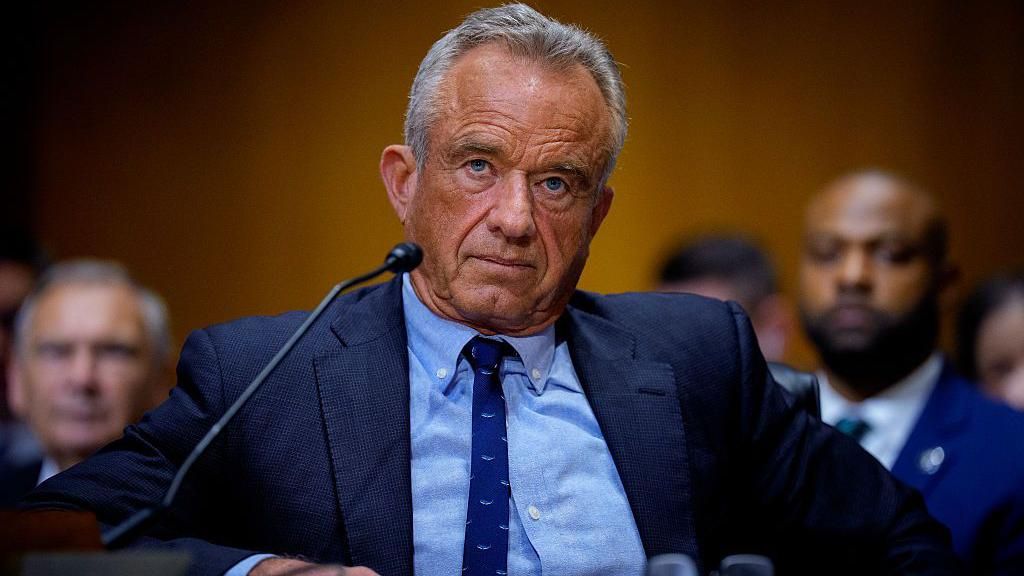
    U.S. Health Secretary Robert F. Kennedy Jr., a self-described “big fan” of these peptides, made rolling back these restrictions a top priority after taking office, and has repeatedly pledged to loosen regulations on the fast-growing peptide industry. While the FDA is not legally required to adopt the advisory panel’s recommendations, it typically follows the panel’s guidance in most regulatory decisions.

    The vote exposed deep divisions among committee members. Panel member Elizabeth Rebello, a practicing pharmacist and anesthesiologist, told the committee she voted against approving BPC-157 due to “the lack of efficacy data” and persistent “safety concerns,” according to reporting from Reuters. Supporters of the rollback, meanwhile, cited arguments around “medical freedom” and “the greater good” of expanding access to potential treatments to justify their votes. Notably, several panel members hold professional ties to clinics and businesses that sell peptide products. The committee is scheduled to continue deliberations on the full set of seven peptides under review on Friday.

  • Radio giant has legal win in stoush with radio queen Jackie O

    Radio giant has legal win in stoush with radio queen Jackie O

    One of Australia’s biggest radio broadcasters, ARN, has secured a partial early win in its prolonged, multi-million dollar legal battle with former star presenter Jacqueline “Jackie O” Henderson, after a federal judge ruled the network could rely on sworn testimony from Henderson’s long-time on-air partner Kyle Sandilands in its defense.

    The legal conflict traces back to a dramatic on-air confrontation between Henderson and Sandilands, co-hosts of the top-rating *Kyle & Jackie O Show* on ARN’s KIIS FM, that unfolded in February this year. During a heated on-air exchange centered on Henderson’s public interest in astrology, Sandilands launched a blunt personal attack, telling his co-host she was “off with the fairies”, “unfocused”, and did not “give a shit” about the program. Within weeks of the public fallout, both hosts were cut from the network, and their existing long-term contracts were terminated early.

    Within months of their dismissal, both Sandilands and Henderson launched separate Federal Court lawsuits against ARN and its subsidiary, the Commonwealth Broadcasting Corporation (CBC). Sandilands’ case reached a confidential settlement in mid-June, with the network agreeing to a payout package valued at $12.09 million to be distributed over three years. On the same day the settlement was finalized, Sandilands and his long-time manager Bruno Bouchet submitted formal sworn affidavits to the court connected to the ongoing proceedings.

    ARN and CBC moved quickly to seek permission to use these pre-trial affidavits from Sandilands and Bouchet as evidence in their defense against Henderson’s claim, which is scheduled to go to a full trial before the Federal Court later this year. Henderson’s legal team immediately challenged this move, arguing the affidavits were submitted as part of Sandilands’ separate settlement process and could not be repurposed for the network’s case against their client.

    On Monday, Federal Court Justice Angus Stewart ruled against Henderson’s challenge, siding entirely with the broadcaster in the preliminary dispute. In his official court declaration, Justice Stewart confirmed that neither Sandilands’ June 16 affidavit nor Bouchet’s matching sworn statement were bound by any restriction that would prevent ARN from using them in its defense against Henderson’s claims.

    Henderson has continued to press forward with her claim against the network, alleging that her early termination constituted unlawful dismissal and unlawful adverse action under Australian workplace law. After she told ARN management she could no longer continue working alongside Sandilands following their public on-air clash, the network chose to scrap her 10-year, $100 million original contract, prompting her lawsuit. Henderson is seeking a minimum of $82 million in compensation for wrongful termination.

    In its formal defense filing, ARN has pushed back against all of Henderson’s core claims. The network argues that the bullying complaint Henderson raised against Sandilands did not comply with formal requirements under Australian workplace legislation. ARN has also told the court that Henderson could have pursued a formal bullying grievance while remaining assigned to the breakfast show during the investigation process, but she chose not to do so because her ultimate goal was to secure a different on-air time slot at the network.

  • US vows to punish Iran after Houthis strike tankers

    US vows to punish Iran after Houthis strike tankers

    A sharp escalation of tensions across the Middle East has sent shockwaves through global energy markets and raised urgent warnings of catastrophic regional conflict, after Yemen’s Iran-aligned Houthi movement launched targeted strikes on Saudi oil tankers in the Red Sea this week. The flare-up comes as fighting already resumes over the strategically critical Strait of Hormuz, pitting the United States and Iran against one another just weeks after a short-lived ceasefire collapsed.

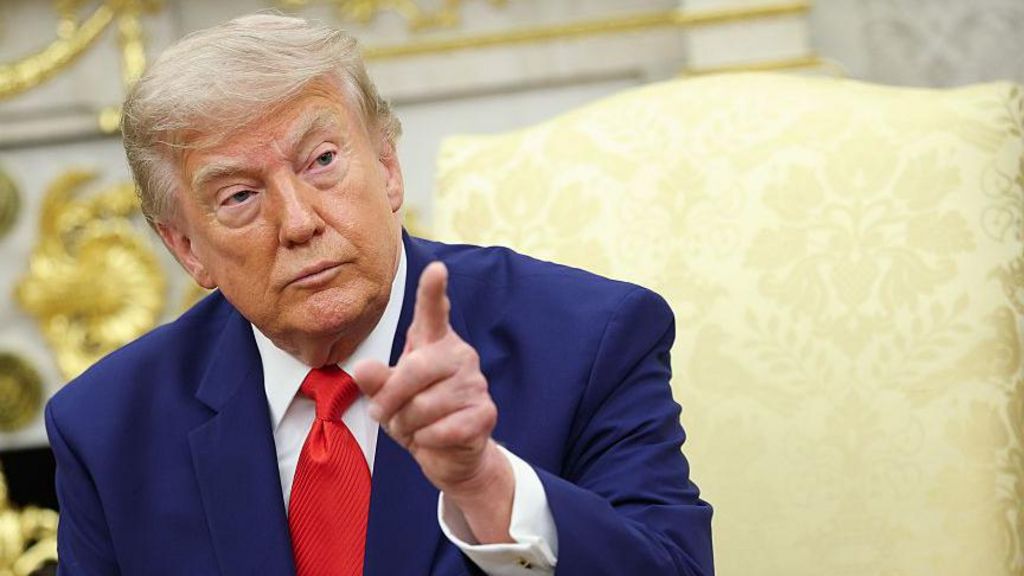
    Within hours of the Houthi attacks, which sent international benchmark Brent crude spiking 7% to breach the $100 per barrel threshold for the first time since May, US President Donald Trump issued a stark warning that Iran would face full accountability for the actions of its allied militia. In a post on social media Thursday evening, Trump announced a “major military punishment” would be delivered imminently to both Iran and the Houthis, and confirmed the US would tap hundreds of billions of dollars in frozen Iranian assets held under American control to compensate for any damage to commercial vessels and cargo in the region.

    United Nations Secretary-General António Guterres delivered a grim assessment of the escalating crisis to an emergency meeting of the UN Security Council, warning that the situation is rapidly spinning out of control and teetering on the brink of an unthinkable full-scale regional war. “One crisis feeds another. One escalation triggers the next,” Guterres warned, echoing growing global alarm over the disruption to key international shipping lanes that carry a large share of the world’s energy supplies.

    Economic policymakers have already sounded the alarm over the potential fallout from the energy disruption. European Central Bank President Christine Lagarde warned Thursday that the ongoing energy shock could intensify further, driving already elevated inflation higher across the eurozone and fueling market expectations of an interest rate hike as early as September. German Defence Minister Boris Pistorius added that the outlook for de-escalation remains grim, noting “nothing — absolutely nothing — suggests that a ceasefire, let alone peace, could be reached” for the region at this stage. He also warned that major oil-importing economies face dire consequences if shipping disruptions continue through the Red Sea and Strait of Hormuz.

    Iran has pushed back against US threats, with army spokesperson Mohammad Akraminia confirming that Iranian retaliatory strikes will continue for as long as US attacks on Iranian infrastructure and coastal areas persist. This week alone, the Islamic Revolutionary Guard Corps (IRGC) has joined the Houthi offensive, claiming strikes targeting US assets across Jordan and Kuwait, halting three commercial tankers transiting the Strait of Hormuz, and vowing to maintain pressure on Western and allied interests in the region. Both Jordan and Kuwait have confirmed intercepting incoming drone and missile strikes, with no reported casualties from the attacks so far.

    On the ground, US Central Command confirmed it has conducted 12 consecutive nights of airstrikes targeting Iranian assets across the region. Iranian state media reported Thursday that US strikes have killed two people near the Iraq-Iran border at Shalamcheh, and that two US missiles hit targets near Bushehr, home to Iran’s only civilian nuclear facility — a site that has been repeatedly targeted by US strikes in recent months. Additional reports from Iranian state outlet Tasnim News confirmed a separate missile strike on Qeshm Island in the Strait of Hormuz.

    Confirming the Red Sea attacks, Houthi officials said they targeted two Saudi tankers, the Encelia and the Layla, after declaring a full blockade of all Saudi ports in response to the resumption of regional conflict. British maritime security agency UKMTO confirmed that a tanker’s master reported a hit from an unknown projectile approximately 70 nautical miles southwest of Al Shuqaiq, sparking a fire onboard the vessel. Saudi Arabia has officially confirmed the strike on the Encelia, but has not yet commented on the reported attack on the Layla.

    The new Red Sea front represents a significant worsening of the crisis, as it endangers Saudi Arabia’s ability to redirect oil exports around any prolonged closure of the Strait of Hormuz, through which roughly one-fifth of the world’s daily oil supply transits. US Secretary of State Marco Rubio, speaking on the sidelines of a Southeast Asian summit in Manila, framed the Houthi intervention as a manipulated escalation, claiming the militia had been “suckered” into joining the conflict by Iran. “The Houthis largely were smart and stayed out of all this throughout the conflict, but they now apparently have gotten themselves suckered into this, going after Saudi Arabia and their ships,” Rubio told reporters.

    Diplomatic efforts to de-escalate remain underway, with Oman — a longstanding mediator between the Houthis and Saudi Arabia — confirming it is working to resume peace talks between the two parties and expressed “great concern” over the unfolding crisis in the Red Sea. Domestically, the renewed conflict has grown increasingly unpopular in the US, where midterm elections are looming in November. The US House of Representatives recently passed a symbolic bipartisan resolution — backed by opposition Democrats and a handful of Trump’s fellow Republicans — calling on the president to halt military action against Iran.

  • Could you run a country on just three hours of sleep? Japan’s PM says she does

    Could you run a country on just three hours of sleep? Japan’s PM says she does

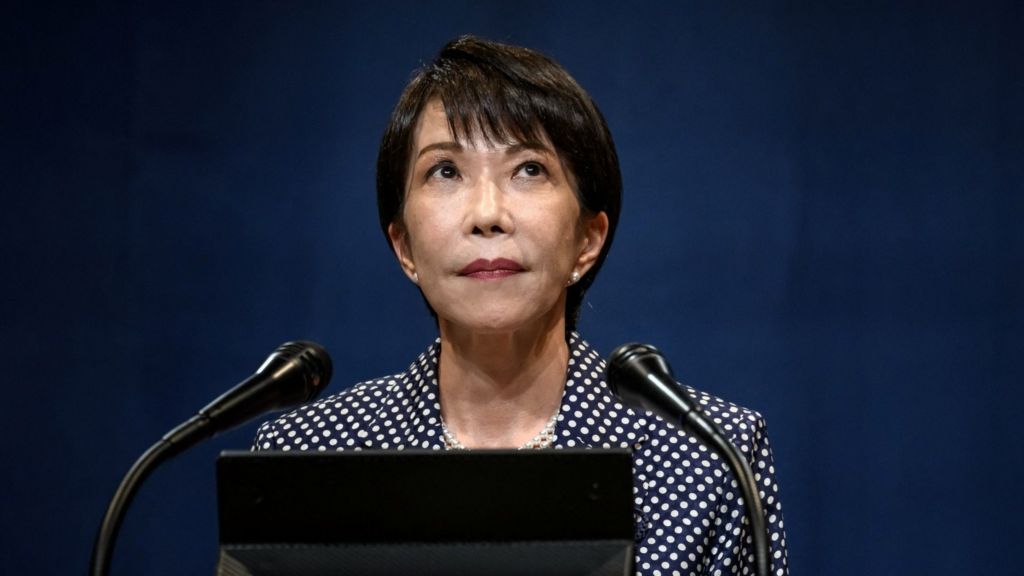
    The extreme sleep habits of Japan’s sitting prime minister have ignited widespread public discussion across the country and beyond, after Sanae Takaichi revealed she functions on as little as zero to three hours of sleep each night.

    The revelation has raised pressing questions about the physical and mental demands of leading a modern industrialized nation, as well as sparked conversation around work culture norms in Japan, a country long associated with high-pressure, long-hour work environments. Political observers and public health experts have weighed in on the claim, with many noting that chronic extreme sleep restriction can impair cognitive function, decision-making ability, and long-term physical health – outcomes that carry significant risks for a leader responsible for steering national policy, managing diplomatic relations, and addressing domestic crises.

    Members of the public have taken to social media and local media outlets to share a range of reactions: some have expressed admiration for what they frame as Takaichi’s extraordinary work ethic and dedication to public service, while others have voiced concern that the disclosure could normalize unhealthy overwork for workers across all sectors of Japanese society. The conversation comes at a time when Japan has been grappling with public policy efforts to reduce overwork and improve work-life balance for its population, making the prime minister’s comments particularly resonant in current national discourse.

  • A model Indigenous territory in Brazil’s Amazon seeks protection from criminal gangs

    A model Indigenous territory in Brazil’s Amazon seeks protection from criminal gangs

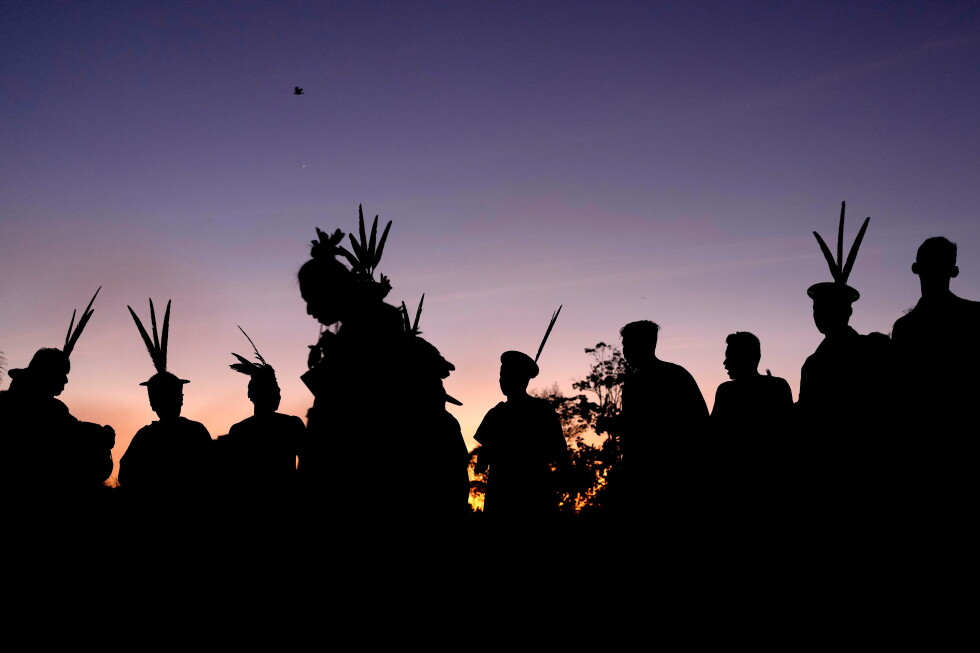
    For 30 years, the Ashaninka Indigenous people have stood as a global model of Indigenous self-governance and rainforest stewardship along the remote Brazil-Peru border. After reclaiming their ancestral territory from illegal settlers three decades ago, the community built a thriving, self-sustaining way of life: they manage their own governance systems, grow traditional crops, and have successfully protected the old-growth forest that forms the core of their homeland. For Indigenous communities across the Amazon basin, the Ashaninka’s success has long been a beacon of what sovereign Indigenous land stewardship can achieve. Today, that hard-won way of life is under growing violent attack.

    Criminal drug trafficking gangs are increasingly encroaching on Ashaninka territory, turning the remote Amazon rainforest and its winding river networks into major transit corridors for cocaine moving from Andean producer countries to global markets. Ashaninka leaders confirm that violent incursions have continued as recently as this month, and have formally pleaded for federal protection, including a high-level meeting with Brazilian government officials in the national capital this past Thursday. While security forces have been briefly deployed to the region in response to these appeals, Indigenous advocates across the Amazon note that government security presence in these remote border areas is almost always temporary, even as the criminal threat remains constant and growing.

    The invasion of Ashaninka land is not an isolated incident. It is part of a broad, dangerous shift along the Amazon’s border regions, as criminal organizations expand their operations along what experts have named the Solimões River trafficking route. This network of interconnected navigable waterways stretches from the Peru-Brazil border all the way to the major Amazonian hub of Manaus, and has emerged over the past decade as the primary transit corridor for cocaine produced in Peru, Colombia, and Bolivia en route to Brazilian Atlantic ports, from where it is distributed to consumer markets across Brazil and Europe. Today, the route is largely controlled by one of Brazil’s most powerful criminal organizations, the Red Command gang, according to retired Amazonas state police colonel César Mello, who now teaches at the Federal University of Pará and the University of the State of Amazonas.

    Indigenous territories have become strategically critical to this illegal trade for multiple reasons. Remote, densely forested, and largely cut off from consistent government oversight, these lands offer ideal hiding spots for traffickers to store product and move shipments undetected. Beyond the geographic advantages, Mello explained, language barriers, cultural differences, and widespread lack of economic opportunity in Indigenous communities leave many residents vulnerable to criminal exploitation. “These factors make Indigenous peoples a vulnerable population and an attractive source of labor for criminal organizations,” Mello said. Gangs typically first attempt to recruit young Indigenous people with offers of cash and social status that are unavailable in the formal local economy, and turn to intimidation and violence when recruitment fails, he added.

    At the same time, decades of research have confirmed that Indigenous territorial stewardship is one of the most effective tools to curb deforestation in the Amazon, the world’s largest tropical rainforest and a critical bulwark against worsening global climate change. The same forests the Ashaninka have spent 30 years protecting, in other words, have made them a target for the criminal groups that now exploit that remote, dense cover for their operations.

    Local tensions boiled over earlier this month, when a group of armed men invaded the Kampa Indigenous territory, part of the larger Ashaninka ancestral homeland along the Amonia River in the western Amazon. On July 6, five armed Spanish-speaking men carrying machine guns threatened entire families and carried out a targeted search for the territory’s top Indigenous leaders. “It’s one thing for outsiders to enter our territory to steal resources, like timber and wildlife. But this was different. They entered our land looking for our leaders, intending to kill them,” said Francisco Piyãko, coordinator of the Organization of Indigenous Peoples of the Juruá River, who filed formal complaints with Acre state authorities and the Brazilian Army following the incursion. The complaint prompted the deployment of federal security forces, but the damage and fear have lingered.

    The Ashaninka have a long history of pushing back against illegal activity in their territory. Decades ago, traffickers approached the community seeking permission to build a clandestine airstrip for drug shipments; the Ashaninka refused outright, and have remained a consistent block to criminal expansion in the border region for generations. “We have a long history of opposing any kind of illegal activity,” Piyãko said.

    Despite repeated formal appeals to authorities, Ashaninka leaders and other Indigenous advocates say consistent, targeted government protection remains out of reach. Major Jonatas Soares, a police officer based in the key border city of Tabatinga in Amazonas state, near the borders of Colombia and Peru, says there is a fundamental failure in how Brazilian public security serves Indigenous communities. “There is an institutional and intercultural blind spot in the public security services provided to Indigenous peoples,” Soares explained. “The state formally recognizes their territories, yet it fails to translate that presence into continuous protection tailored to their specific needs.”

    Earlier this year, Brazilian Supreme Court Justice Flávio Dino ordered the federal government to ramp up efforts to dismantle criminal organizations operating in the Amazon, citing official investigations that confirm criminal groups are expanding their presence and posing an existential threat to Indigenous communities across the region. Multiple Brazilian government agencies, including the Ministries of Indigenous Peoples, Foreign Affairs, and Justice, as well as the Brazilian Army and the Acre state government, did not respond to requests for comment from the Associated Press on the recent threats to the Ashaninka.

    While the community remains shaken by the recent targeted attack, leaders say their commitment to defending their territory and their way of life remains unbroken. Still, Piyãko stressed that confronting heavily armed criminal groups is not the responsibility of the Ashaninka or other Indigenous communities—it is the legal duty of the Brazilian and Peruvian states. “They allowed this to happen through their absence, so they bear that responsibility,” Piyãko said.

  • US announces tariffs on dozens of countries over forced labour concerns

    US announces tariffs on dozens of countries over forced labour concerns

    The United States has announced a sweeping new round of tariffs on imported goods from roughly 60 global trading partners, grounding the move in allegations that these nations have not done enough to crack down on forced labor in their supply chains. The new import duties, set to take effect this coming Friday, fall between 10% and 12.5% and target some of Washington’s most critical economic allies, including the United Kingdom, the European Union, Canada, Japan, and India.

    This tariff announcement marks the latest escalation of a global trade conflict that reignited after former President Donald Trump returned to the White House in January of last year. The new measures come in the wake of a landmark ruling earlier this year from the US Supreme Court, which struck down dozens of previously implemented global tariffs as illegally enacted under emergency executive powers. Since that ruling, the Trump administration has scrambled to identify alternative legal pathways to advance its signature protectionist trade agenda.

    Since taking office, Trump has framed tariffs as a tool to bring manufacturing jobs back to the US and stimulate domestic economic growth. Beyond economic goals, the administration has also repeatedly leveraged import duties to pressure other nations on unrelated policy issues, ranging from labor standards to immigration, with Mexico being a key target of this strategy in recent months. Just days ago, White House officials specifically called out Canadian imports, issuing a warning that goods crossing the US’ northern border could eventually face steep 50% tariffs.

    Independent economists have repeatedly sounded the alarm about the consumer impact of broad tariff hikes. They note that because tariffs are paid directly by US importers, these businesses almost always pass the additional tax burden onto American households in the form of higher prices for everyday goods ranging from coffee to household appliances like microwaves.

    Despite widespread pushback from economists and global partners, the White House has stood firm, arguing the new duties are a necessary measure to protect American workers and guarantee a level playing field for fair competition in domestic markets.

    That position is already facing significant opposition. Business groups across the US and governments of the affected trading nations are preparing coordinated pushback, with many partners already evaluating potential legal challenges at the World Trade Organization and planning retaliatory tariffs on US exports in response.

    The new tariffs may only be the first wave of trade action from the Trump administration this year. The Office of the US Trade Representative is currently conducting a formal investigation into 16 countries that make up the overwhelming majority of US imports, over claims that these nations maintain unfair manufacturing overcapacity that distorts global markets. That investigation is expected to clear the way for additional widespread tariffs before the end of 2026.

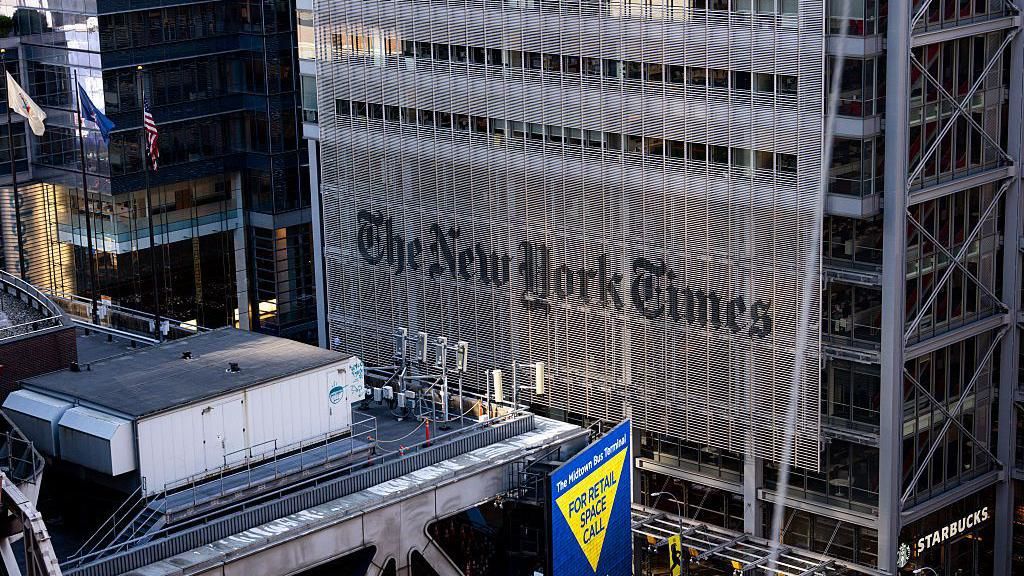
  • Justice dept withdraws subpoenas over New York Times reports about Air Force One

    Justice dept withdraws subpoenas over New York Times reports about Air Force One

    In a major legal development tied to press freedom and national security leak investigations, lawyers representing former President Donald Trump’s administration have formally withdrawn subpoenas that sought to force testimony from three New York Times reporters behind a bombshell report on security flaws in a Qatari-donated jet slated for the Air Force One fleet.

    The pullback came during a Thursday court hearing where U.S. District Judge Arun Subramanian openly questioned the legal foundation of the administration’s effort to obtain personal communication records from the journalists and even their immediate family members. The Department of Justice’s lead counsel for the Southern District of New York, Sean Buckley, acknowledged during the proceeding that the agency had committed procedural errors when issuing the legal summons.

    The controversial legal action stemmed from a pair of New York Times reports published earlier this year, which cited unnamed intelligence and security sources to reveal that Secret Service officials had urged Trump to switch aircraft mid-trip during his 2026 NATO summit travel to Turkey. The reports detailed that the $400 million Boeing 747-8 jet, donated unconditionally to the U.S. by the Qatari government last year, lacked critical advanced security features including anti-missile defense capabilities, prompting the last-minute plane swap on the return flight from the summit. Trump has previously stated the jet will eventually be displayed at his future presidential library after it completes service as part of the Air Force One fleet.

    Administration officials had defended the subpoenas, arguing they were an essential tool to root out unauthorized disclosures of classified government information that put national security at risk. The New York Times, however, decried the legal push as an overreach, calling the subpoenas “abusive and improper” in public statements. Court filings from the outlet revealed federal investigators had sought access to phone records belonging to one reporter’s mother and another reporter’s spouse, a detail that amplified outcry over the action.

    While the subpoenas were withdrawn, a Department of Justice spokesperson made clear that the broader leak investigation remains active. “Make no mistake, this investigation remains ongoing, and we will pursue justice against those threatening national security by leaking classified information, a serious federal crime,” the spokesperson said in a post-hearing statement. Judge Subramanian also left the door open for the DOJ to renew its request, noting that the agency could refile revised subpoenas if it corrects the earlier procedural missteps.

    For the New York Times, the withdrawal marks a significant win for press protections. David McCraw, the outlet’s chief newsroom legal counsel, framed the outcome as a key defense of First Amendment principles. “Today’s proceeding was an important affirmation of our country’s commitment to a free press,” McCraw said in a statement. “We are pleased that the government finally conceded that the subpoenas violated the law, but they should never have been issued in the first place.”

    The subpoenas would have required the three reporters to testify before a federal grand jury, the citizen convened body that decides whether criminal charges are warranted in federal cases. Press freedom advocates have applauded the development, framing it as a victory for all reporters who rely on confidential sources to deliver reporting that serves the public interest. “This outcome is a victory for The New York Times and for every journalist who relies on confidential sources to report in the public interest,” Reporters Without Borders said in a statement praising the court’s handling of the case.