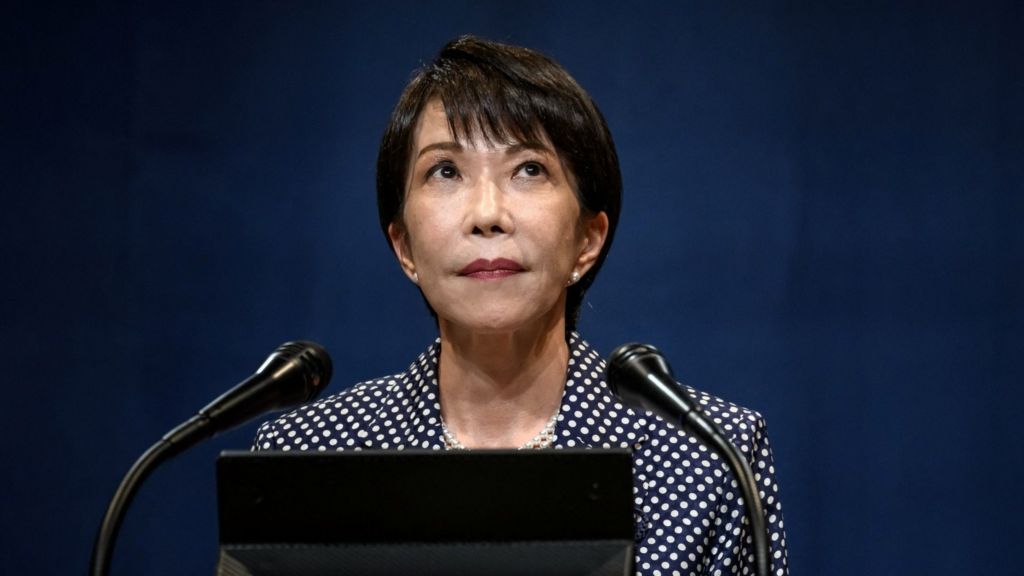
The extreme sleep habits of Japan’s sitting prime minister have ignited widespread public discussion across the country and beyond, after Sanae Takaichi revealed she functions on as little as zero to three hours of sleep each night.
The revelation has raised pressing questions about the physical and mental demands of leading a modern industrialized nation, as well as sparked conversation around work culture norms in Japan, a country long associated with high-pressure, long-hour work environments. Political observers and public health experts have weighed in on the claim, with many noting that chronic extreme sleep restriction can impair cognitive function, decision-making ability, and long-term physical health – outcomes that carry significant risks for a leader responsible for steering national policy, managing diplomatic relations, and addressing domestic crises.
Members of the public have taken to social media and local media outlets to share a range of reactions: some have expressed admiration for what they frame as Takaichi’s extraordinary work ethic and dedication to public service, while others have voiced concern that the disclosure could normalize unhealthy overwork for workers across all sectors of Japanese society. The conversation comes at a time when Japan has been grappling with public policy efforts to reduce overwork and improve work-life balance for its population, making the prime minister’s comments particularly resonant in current national discourse.