博客

  • Real Madrid contract talks and Arsenal interest – what is Vinicius Jr’s future?

    Real Madrid contract talks and Arsenal interest – what is Vinicius Jr’s future?

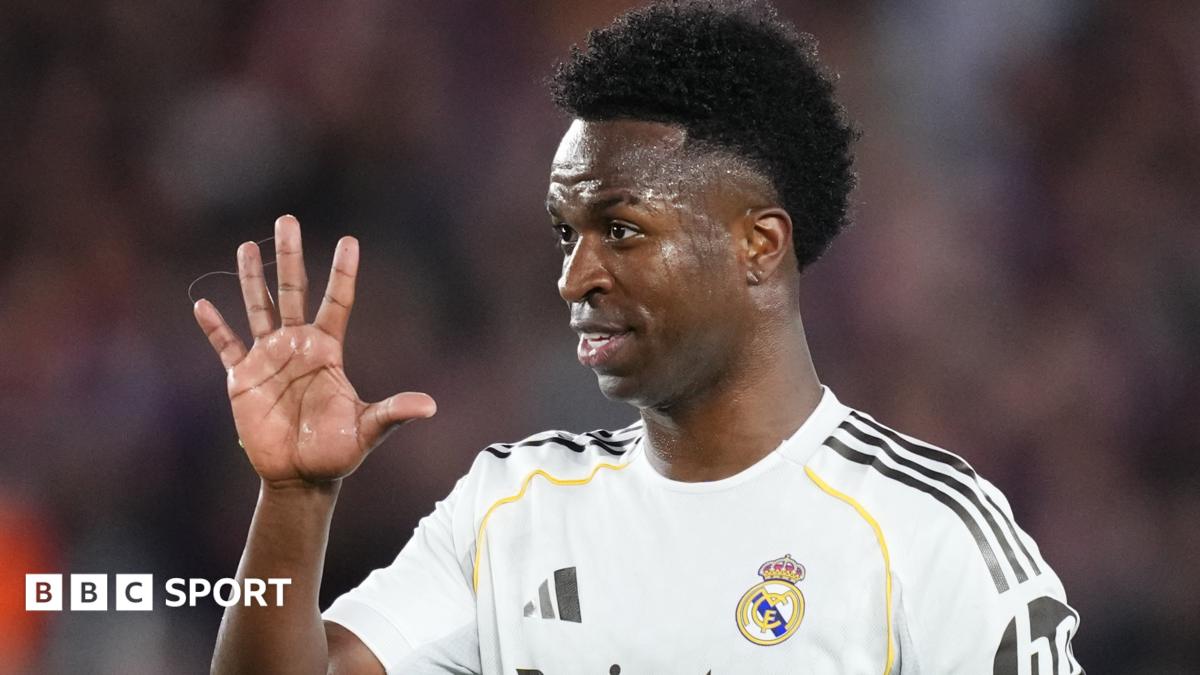
    The future of Real Madrid forward Vinicius Jr has emerged as the most compelling storyline in the 2025 global summer transfer window, with the Brazilian superstar entering the final 18 months of his current contract at the Spanish giants. Signed as an 18-year-old prodigy back in 2018, Vinicius has cemented his status as one of the world’s best footballers over seven seasons at the Santiago Bernabéu, scoring 128 goals in 375 appearances and lifting 14 major trophies, including two Champions League titles, most recently in the 2023-24 campaign. At 26, he is on the cusp of reaching his athletic peak, combining elite on-pitch versatility – capable of dominating the left flank or leading the line centrally – with unmatched global commercial appeal that would deliver massive financial benefits to any suitor.

    Real Madrid have made repeated attempts to extend Vinicius’ contract, which is currently set to expire in 2027, and reopened negotiations with his camp earlier this month. As of yet, however, no breakthrough has been reached, leaving the door ajar for rival clubs to pounce. The contractual impasse has drawn attention from Arsenal, the Premier League side that has internally evaluated a blockbuster move for the winger, along with multiple clubs in Saudi Arabia’s Pro League that are closely monitoring developments.

    Arsenal manager Mikel Arteta has made signing proven elite attacking talent a top priority this transfer window, after missing out on 22-year-old Morgan Rogers who joined Chelsea earlier this summer. While Arsenal officials describe Vinicius as just one of several options for a left-sided attacking role, BBC Sport understands Arteta is deeply enthusiastic about the prospect of signing him, and Vinicius is now viewed internally as the club’s number one transfer target.

    Despite the club’s ambition, Arsenal’s hierarchy remains realistic about their chances of pulling off the deal, which is widely considered a long shot. For most South American footballers, a move to Real Madrid or Barcelona represents a lifelong dream, and even a historic club like Arsenal would be seen as little more than a lateral move from the Bernabéu at best. Leaving Real would also likely have a negative impact on Vinicius’ global commercial brand, which is closely tied to his status as a Real Madrid star.

    Negotiations over a new Real Madrid contract are set to intensify in the coming days. Sources indicate that Vinicius remains open to signing an extension at the club, but he wants to be sure the club values him sufficiently – with new manager Jose Mourinho having publicly stated he wants to keep all of the club’s top talent. For Real, the stakes of resolving the situation before the transfer deadline could not be higher: if Vinicius enters 2026 without a new deal, he will be allowed to begin negotiating a free transfer with other clubs, and a departure on a free transfer in 2027 would represent a catastrophic financial loss, even for a wealthy club like Real.

    For a summer sale, Real Madrid’s asking price is expected to set a new record for British transfers if Arsenal push through a deal. Drawing a parallel to Real Madrid’s 2019 signing of Eden Hazard, who joined from Chelsea for up to £130 million at 28 years old in the final year of his contract, Vinicius is two years younger, has a far higher commercial value, and inflation has added substantially to transfer market values in the years since. That means Arsenal would need to break the current British transfer record of £125 million (set by Alexander Isak’s 2024 move from Newcastle United to Liverpool) to land him.

    Wages are another major hurdle. Vinicius currently earns at least £450,000 a week at Real Madrid, a figure that would immediately make him Arsenal’s highest-paid player by a considerable margin, topping Bukayo Saka’s current £400,000 weekly salary. If Vinicius leaves this summer, he will demand a significant pay rise, because he can wait 12 months to leave on a free transfer and potentially double his salary by negotiating directly with a new club. Under current Premier League financial fair play regulations, finding a transfer fee likely starting at £130 million plus matching Vinicius’ wage demands would push even the richest clubs to their limit.

    Even so, Arsenal have run the numbers and concluded they can afford the deal, which has broad support across the club’s ownership and leadership. The club has a history of offering elite players extremely lucrative image rights deals, which would be a core part of any offer to lure Vinicius to north London. An interesting subplot to the potential move is that Vinicius’ agency Roc Nation also represents Arsenal left winger Gabriel Martinelli, who would see his first-team opportunities drastically reduced if Vinicius joined. Martinelli, who has up to two years remaining on his current Arsenal contract, is happy at the club and will only consider a departure if the right opportunity arises, sources say.

    At present, almost all the leverage in this situation sits with Vinicius. Arsenal boasts one of the most exciting projects in European football: they reached last season’s Champions League final, losing to Real Madrid on penalties, and enter the new campaign as one of the favorites to lift the trophy, with a strong financial foundation to match. But a move to Arsenal would require Vinicius to walk away from his status as a Real Madrid icon, and give up the enormous leverage he holds over the club by waiting for a free transfer. The question that remains is whether he is willing to do that – and the answer should arrive before the summer transfer window closes.
  • Infantino slams World Cup critics for ‘spreading hate’

    Infantino slams World Cup critics for ‘spreading hate’

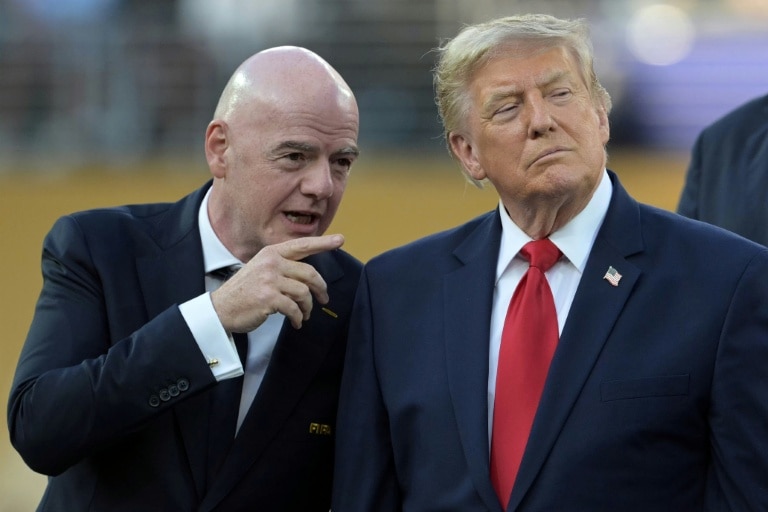
    FIFA President Gianni Infantino has issued a fiery, comprehensive defense of the global governing body’s organization of the 2026 men’s World Cup hosted across Canada, Mexico, and the United States, lashing out at detractors for what he claims is a campaign of baseless hate and misinformation surrounding the tournament.

    In a lengthy open letter distributed Monday across his personal Instagram account and FIFA’s official communication channels, Infantino pushed back against a cascade of pre-tournament and in-tournament criticism that spanned everything from exorbitant ticket pricing and widespread visa issues to geopolitical interference and officiating controversies. He accused critics of allowing their negativity to blind them to what he framed as an overwhelmingly successful global event.

    “Sorry that you were so consumed by hate and criticism that you missed it all,” Infantino wrote. “To those behind their pens and papers, behind their screens, spreading hate and false rumours, I want to say that while you are sitting behind, we at FIFA are on the front lines organising, working hard, and delivering the best show in the world. We experienced no violence, no incidents, 100% safety and security, only joy and happiness.”

    Leading up to the historic three-nation tournament, public discourse was dominated by a series of major concerns: skyrocketing attendance costs that put tickets out of reach for many casual fans, rising geopolitical tension around the globe, the ongoing shadow of regional armed conflict, and widespread fears that extreme summer heat across North American host venues would pose major risks to players and fans alike.

    Particular scrutiny fell on visa and travel protocols, sparked by Iran’s participation in the tournament amid heightened diplomatic conflict with the United States, ongoing domestic political instability in Haiti, and the public health emergency of an Ebola outbreak in the Democratic Republic of Congo. One high-profile disruption came when Somali referee Omar Artan was barred from entering the U.S. as a direct result of restrictive immigration policies enacted during the previous Trump administration, making him the most visible casualty of hardline entry rules.

    Infantino pushed back against claims that FIFA mismanaged visa access, arguing the governing body prioritized football’s unifying mission over political division. “While you spread hatred, we worked tirelessly to unite two countries at war. Iran entered the United States without incident or conflict,” he said. “The Iranian team received visas to enter because football is about peace. It’s not about politics. Countries facing serious health issues or other challenges were granted visas. You mentioned the few people denied visas and overlooked the millions who were approved, from all parts of the world.”

    Infantino’s defense of Iran’s participation stood in stark contrast to public comments from the Iranian team’s own camp. Iran head coach Amir Ghalenoei publicly described his squad as the “most oppressed” team at the tournament, while star striker Mehdi Taremi called the team’s overall treatment at the event a “disaster.”

    The FIFA president also addressed one of the tournament’s most controversial officiating and political interference scandals: reports that former U.S. President Donald Trump personally pressured Infantino to overturn a one-match suspension handed to American striker Folarin Balogun, clearing him to compete in the team’s round of 16 match against Belgium. European football governing body UEFA had publicly condemned the decision, calling it “unprecedented, incomprehensible and unjustifiable” and saying it “crossed a red line.”

    Infantino argued that the decision was far from unusual, pushing back against critics by noting similar rulings are common in top global club competitions. “Your dissatisfaction with a few decisions made by the competent authorities is understandable, but please refer to public records: such decisions are common in some of the most important leagues,” he said. “Indeed, ‘arguable’ referees’ decisions or ‘strange’ disciplinary rulings such as for instance potentially mistaken red or yellow cards or subsequent decisions not to ban players in certain situations are routine and widely accepted in some of the biggest leagues worldwide. It’s curious that the same countries employing these practices are the ones criticising.”

  • ‘I can’t take it anymore’: Residents evacuated from town west of Madrid

    ‘I can’t take it anymore’: Residents evacuated from town west of Madrid

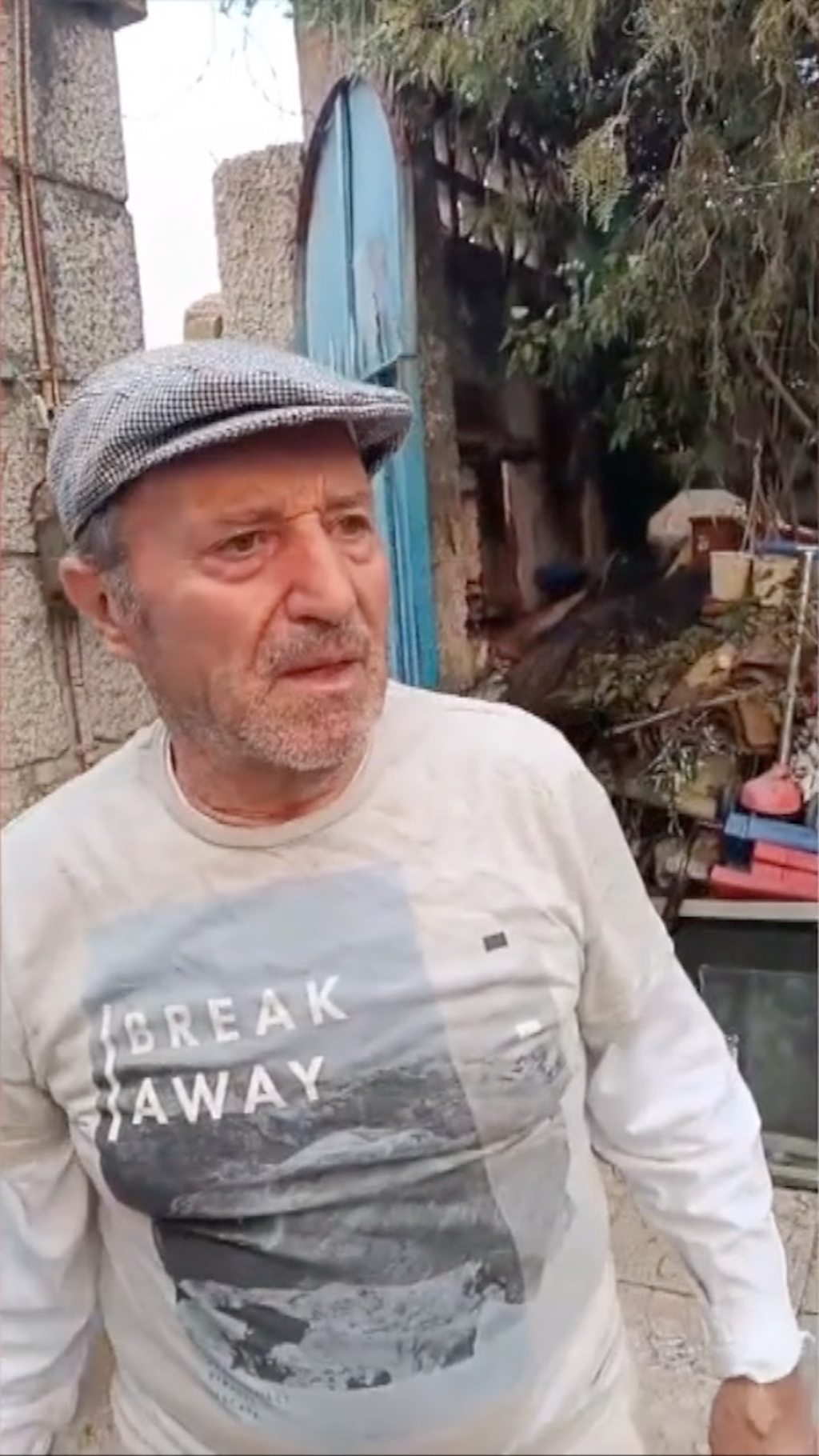
    A growing humanitarian crisis has emerged in central Spain, after all residents of the small town of Navas del Rey, located approximately 50 kilometers west of the Spanish capital Madrid, were forced to leave their homes at the end of last week. With no permanent alternative accommodation arranged for the displaced population, many locals are now speaking out about their despair, with multiple residents saying openly that they “can’t take it anymore” amid growing uncertainty over their future.

    Local emergency services confirmed the evacuation order was issued late last week, though details have not yet been released on the specific trigger for the mass evacuation – common causes for such measures in the region include wildfire risk, flash flooding, or structural hazards. What is clear, however, is that the displaced population has been left in a precarious position, with no long-term housing solution offered to the hundreds of residents affected.

    Interviews with displaced residents paint a grim picture of the current situation. Many have been staying in temporary emergency shelters set up in nearby communities, but these facilities are only intended to provide short-term respite, not long-term housing. Others have been forced to rely on the goodwill of family and friends to open their homes, putting additional strain on households across the region. With no clear timeline for when residents might be able to return to Navas del Rey, or what support the regional government will offer moving forward, anxiety and frustration are boiling over among the affected population.

    Regional authorities have not yet issued a formal update on the evacuation or the ongoing support being offered to residents. Local advocacy groups have called on the Madrid regional government to speed up the provision of alternative housing and financial support to help displaced residents get back on their feet. The situation remains fluid, with many Navas del Rey residents just hoping they will soon have a stable place to call home again.

  • Musk takes ‘crusade’ to Europe with Armie Hammer film

    Musk takes ‘crusade’ to Europe with Armie Hammer film

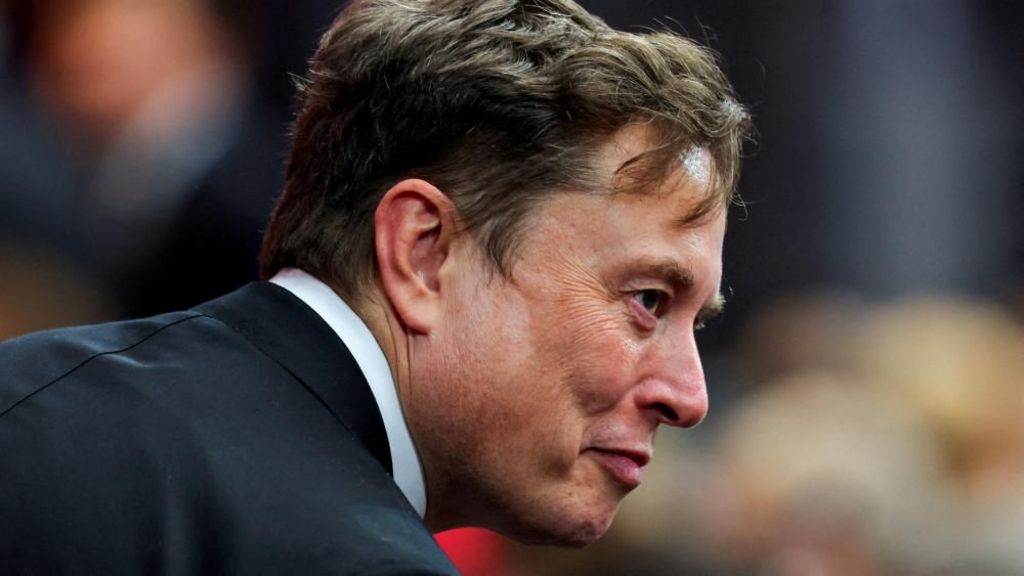
    In late June, a low-budget, widely panned violent thriller called *Citizen Vigilante* exploded from obscurity into global streaming charts, propelled not by marketing budgets or critical acclaim, but by a single boost from the world’s richest person: Elon Musk. The film, from German director Uwe Boll and starring Armie Hammer, follows an American vigilante on a killing spree across an unnamed European country. His targets include dozens of police officers, judges, a gang of rapists, a random civilian, and an entire refugee Muslim family – all framed as a righteous crusade against Muslim migration and so-called “woke” government elites. Long after German film regulators refused to grant it an official rating, the movie would have likely faded into obscurity if Musk had not stepped in, making it free to view for 48 hours on his social media platform X, formerly Twitter. The sudden flood of attention pushed the film to the top of streaming leaderboards on major platforms including Apple TV and Amazon Prime, turning a schlocky, little-seen project into a flashpoint for discussions about Musk’s growing entanglement with far-right politics across Europe.

  • Millions see leaked copy of The Odyssey movie on X

    Millions see leaked copy of The Odyssey movie on X

    One of the most anticipated film releases of the year, Christopher Nolan’s big-budget epic *The Odyssey* starring Matt Damon and Zendaya, has become the center of an unusual high-profile copyright incident days after hitting theaters. The auteur director, famous for his commitment to analog film and premium theatrical experiences, has repeatedly emphasized that audiences should experience the three-hour feature on the largest possible screen — a vision that was upended when a full HD copy of the movie was illegally posted to the social platform X over the weekend.

    Per entertainment industry publication Variety, the embedded video of the entire film racked up 2.1 million views in just two and a half hours on Saturday before the account responsible for the leak was suspended by platform moderators. The unexpected leak sparked waves of reaction across social media, with one user posting a wry joke playing on Nolan’s theatrical ethos: “The full odyssey movie in a tweet, as nolan intended.” Another user posted their surprise at the leak, writing, “Someone leaked *The Odyssey* in HD. I thought it was fake but it’s true.”

    A day after the initial high-quality leak, industry outlet *The Hollywood Reporter* confirmed that a lower-resolution copy of the film was also posted to X on Sunday. That copy amassed nearly 50,000 views over two hours before it was removed from the platform.

    *The Odyssey* is a landmark release for both Nolan and Universal Studios. It is the first full theatrical release ever to be shot entirely on IMAX 70mm film, a large-format high-resolution analog stock that delivers unmatched clarity and scale designed specifically for giant theater screens. Nolan opted to shoot the entire three-hour runtime on the premium format to double down on his long-running advocacy for the theatrical moviegoing experience.

    In an official statement responding to the leak, Universal Pictures, the studio behind the production, confirmed that it moved quickly to address the unauthorized content. “We became aware of the unauthorised posting of the film and immediately initiated takedown protocols,” the studio said. “We take copyright infringement seriously and will pursue all appropriate remedies to protect our content and intellectual property rights.”

    Industry analysts do not expect the leak to meaningfully damage the film’s commercial performance, which has remained robust in its second week in theaters. *The Odyssey* added $215 million (£160 million) to its global gross over its second weekend in release, pushing its total worldwide box office haul to $640 million (£480 million) — a strong figure that suggests the film is on track to become one of the year’s highest-grossing original releases.

  • Zelenskyy to visit Britain in first visit by a foreign leader since Burnham took office

    Zelenskyy to visit Britain in first visit by a foreign leader since Burnham took office

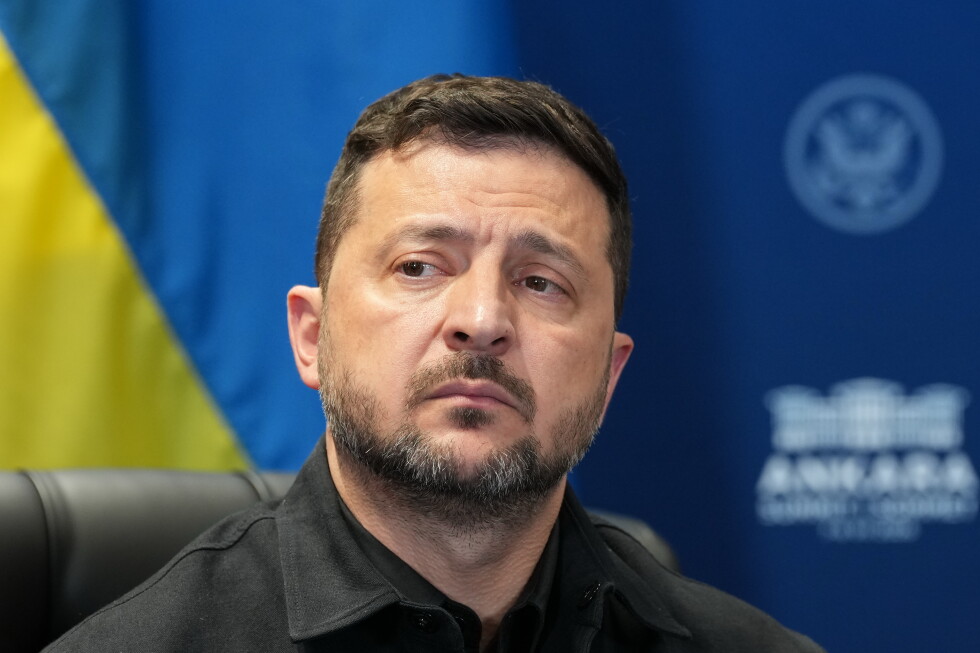
    In the first high-level foreign leader visit to the United Kingdom since new Prime Minister Andy Burnham took office one week ago, Ukrainian President Volodymyr Zelenskyy will travel to a southern English naval base on Monday for bilateral talks focused on reinforcing London’s long-standing backing for Kyiv amid Russia’s ongoing full-scale invasion.

    The meeting marks a historic milestone: Burnham will become the fifth British prime minister to engage directly with Zelenskyy since Moscow launched its large-scale incursion in February 2022. The visit comes less than two weeks after former Prime Minister Keir Starmer made his final international trip to Kyiv before stepping down, underscoring the continuity of UK policy across successive administrations.

    Burnham, who served nine years as Greater Manchester Mayor before ascending to the premiership and brings limited prior foreign policy experience, used pre-visit comments to project firm unity with Ukraine. “Russia should be in no doubt of our resolve, and we will not back down until we achieve long lasting and just peace for Ukraine,” he stated, framing the meeting as a public signal of the UK’s “unwavering” commitment to Kyiv’s sovereignty.

    During the one-day visit, the two leaders are scheduled to meet with more than 200 Ukrainian military personnel who have completed three weeks of specialized training on UK soil. The U.K. government confirmed the training program focuses on boosting frontline combat effectiveness and improving counter-mine operations in the strategically critical Black Sea, a key corridor for Ukrainian exports and a frequent site of Russian attacks.

    In a new announcement ahead of the talks, Downing Street confirmed the UK will transfer full intellectual property rights for its cutting-edge “Stone Cloak” electronic warfare system to Ukraine. The technology is designed to block enemy detection of Ukrainian drones, a capability that comes as Kyiv expands its campaign of deep cross-border strikes into Russian territory.

    In recent weeks, Ukraine has stepped up the frequency of drone attacks inside Russia, targeting key infrastructure including oil processing facilities, military production plants, and most recently, logistical hubs. These strikes have brought the reality of the 2.5-year-old conflict to millions of ordinary Russian citizens, undermining Russian President Vladimir Putin’s long-held narrative that the war has minimal impact on daily life within Russia’s borders. Despite this pressure, Putin has not softened his stance, and Russian forces have dramatically escalated their own aerial campaign, launching near-constant barrages of missiles and drones across Ukrainian territory.

    The escalation of hostilities has been particularly pronounced in the past 24 hours, with both sides trading massive drone strikes that have left multiple civilians dead and injured across both countries. Ukraine’s air force reported that Russia launched 147 long-range attack drones against targets overnight, with Kyiv’s air defenses successfully intercepting or jamming 123 of the incoming unmanned aerial vehicles. In Zaporizhzhia, one civilian was killed and two more wounded when strikes damaged high-rise apartment blocks and private homes, regional governor Ivan Fedorov confirmed. In the Nikopol district of Dnipropetrovsk region, Russian strikes damaged a kindergarten, multiple residential buildings, and critical infrastructure, leaving a 6-year-old boy and an adult woman injured, local administration head Oleksandr Hanzha added.

    On the Russian side, the Defense Ministry claimed its air defense systems shot down 276 Ukrainian drones launched overnight across multiple regions. In Rostov-on-Don, a Ukrainian drone strike on an apartment building killed a married couple and injured five other people, regional governor Yuri Slyusar said. A separate drone attack in Belgorod left 12 people injured, including two children, according to regional emergency officials. These casualties add to a rising civilian death toll that has reached 15 people in total across the latest round of tit-for-tat attacks, according to local official reports.

    The escalating conflict took an unexpected new turn over the weekend after Ukraine claimed successful long-range strikes on targets in the Caspian Sea, an attack that has drawn a sharp threat of retaliation from Iran. Iranian Foreign Minister Abbas Araghchi confirmed a Ukrainian strike hit an Iranian vessel in the Caspian, killing one crew member. In a statement posted to X on Sunday, Araghchi called the strike a “blatant U.N. Charter violation done at Israel’s behest to drag Europe into its war.” He added that he had communicated the need for a response to European Union foreign policy chief Kaja Kallas and Russian Foreign Minister Sergey Lavrov, saying “the attack can’t go unanswered.” Zelenskyy has publicly acknowledged the strikes, saying they achieved “very good results” and confirming the targets included both cargo vessels transporting Iranian military goods and a Russian warship.

  • Andrea Pirlo won’t be named Italy coach due to sponsorship deal with a Russian betting firm

    Andrea Pirlo won’t be named Italy coach due to sponsorship deal with a Russian betting firm

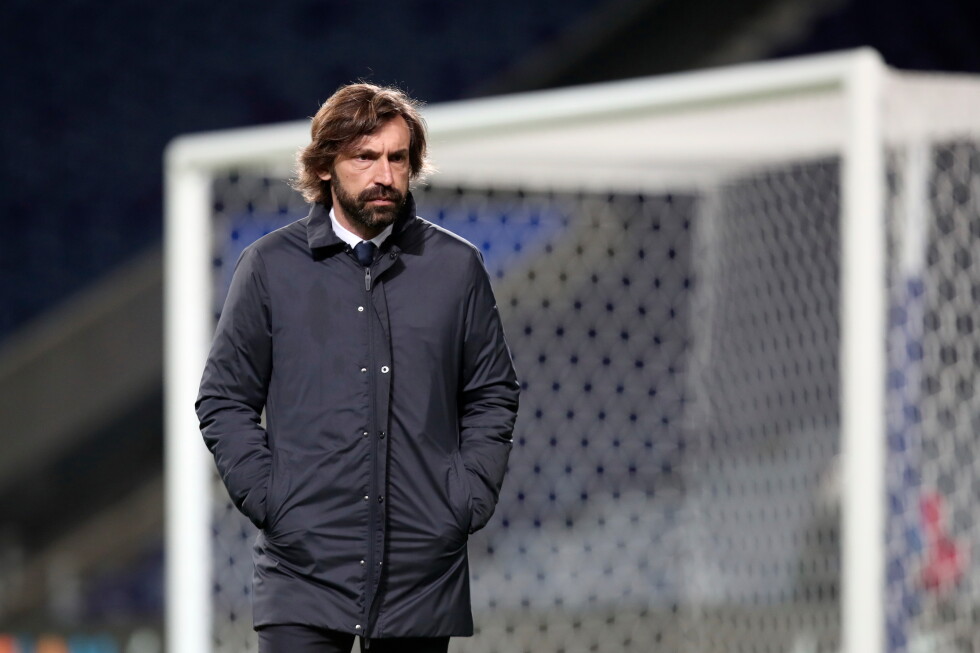
    MADRID (Rewritten Report) — The race to take charge of Italy’s beleaguered men’s national soccer team has taken an unexpected turn, after legendary Italian midfielder Andrea Pirlo confirmed he is no longer a candidate for the vacant head coaching position. The collapse of Pirlo’s candidacy stems from growing political backlash over his existing sponsorship agreement with Russian betting company Fonbet.

    Pirlo made the announcement public via his official Instagram account on Monday, confirming that he was informed over the previous evening that he would no longer be considered for the role. “I heard last night that I’m no longer the candidate for the Italy national team job,” Pirlo wrote in his social media post.

    The controversy erupted when multiple Italian parliamentarians and political leaders raised objections to Pirlo’s ambassador role with Fonbet, arguing that the head coach of Italy’s national team cannot hold a commercial partnership with a Russian company at a time when Italy firmly backs Ukraine against Russia’s ongoing invasion. Critics argued that such an alignment would conflict with Italy’s official foreign policy stance on the war.

    Pirlo had already been preparing to step down from his current position as head coach of UAE-based Dubai United to take the Italy job. Even before the sponsorship controversy, his potential appointment faced broad pushback from fans and pundits alike, following underwhelming tenures at top Italian clubs Juventus and Sampdoria that left him with a mixed reputation as a manager.

    The 45-year-old pushed back against the political criticism of his sponsorship deal, noting that the Fonbet agreement was tied exclusively to his work in the United Arab Emirates, and is limited solely to commercial and sports contexts. “Attributing a political significance to that collaboration means attributing beliefs to me that I have never expressed and don’t belong to me,” Pirlo added in his statement.

    Pirlo was never the Italian Football Federation’s first choice for the role. Leadership first approached two of the world’s most high-profile managers, Carlo Ancelotti and Pep Guardiola, both of whom turned down overtures to take the Italy job, leaving Pirlo as the third-ranked candidate. The position opened up earlier this year, when Gennaro Gattuso reached a mutual agreement to depart the role in April, following Italy’s surprise defeat to Bosnia and Herzegovina in a 2026 World Cup qualifying playoff match. The loss extended Italy’s unprecedented drought of World Cup appearances to three consecutive tournaments, one of the deepest crises in the history of Italian soccer.

    With Pirlo out of the running, federation leaders have reopened discussions about appointing two former Italy head coaches: Roberto Mancini, who previously led the Azzurri to a surprise European Championship title in 2020, and Antonio Conte, a serial trophy winner at the club level who has long been linked with a return to international management.

  • ‘Killing the Australian farming dream’: Angus Taylor launches broadside against Net Zero in live interview with Karl Stefanovic

    ‘Killing the Australian farming dream’: Angus Taylor launches broadside against Net Zero in live interview with Karl Stefanovic

    In a provocative live broadcast from Central Queensland’s CQ Energy Forum on Monday, prominent broadcaster Karl Stefanovic hosted senior opposition figures to unpack what he framed as an unvarnished look at one of Australia’s most divisive environmental policy frameworks: the national net zero emissions target. Joined by Liberal Opposition Leader Angus Taylor and Nationals leader Matt Canavan, the event drew thousands of online viewers and gave the opposition coalition a platform to amplify their fierce criticism of the current policy trajectory.

    Taylor opened his remarks by arguing that everyday Australian households and producers are already bearing the unbearable cost of the transition to net zero, going so far as to claim the policy is actively destroying the long-held aspiration of agricultural ownership across rural Australia. He expanded that renewable energy development does not just create deep rifts within regional communities, but also pushes household energy costs higher while eroding the reliability of the national power grid.

    “Over time, I’ve watched renewable projects desecrate some of the nation’s most productive agricultural land,” Taylor told the assembled crowd in Rockhampton. “They’ve driven electricity prices up and reliability down, leaving regional communities far worse off.” Taylor further claimed that meeting the country’s net zero targets would require clearing an area of land equal in size to the entire state of Tasmania to accommodate new solar farms, wind facilities and transmission infrastructure – a change that he says would impose irreversible harm on Australian farming communities.

    “Our land ought to be used to grow food, sustain regional jobs, and keep rural communities alive – not act as a profit center for international investors that care nothing for Australia’s natural landscape or local communities,” Taylor added. Canavan echoed these criticisms, calling out federal government subsidies that attract foreign investment to renewable energy projects, questioning why Australian taxpayers should be forced to foot the bill for outside interests.

    “We already pay enough in taxes, and our power bills are already sky high. Why should we also have to bankroll international investors to come in and take over our farmland?” Canavan asked. “This is not about protecting the environment. They’re destroying our local environment just to turn a profit for themselves.”

    The free, ticketed Gracemere Energy Policy Forum was framed as an opportunity for the public to hear firsthand how net zero and renewable development are impacting Australian families, farmers and businesses, and to discuss the coalition’s alternative policy agenda. Alongside Flynn federal MP Colin Boyce, the opposition leaders opened the floor to regional farmers who shared their own experiences opposing large-scale renewable projects on agricultural land. Multiple farmers reported being labeled pejorative terms including “NIMBYs”, “fossil fuel lovers”, and even slurs comparing them to Nazis when they push back against project development.

    “But the fact is, we’re just farmers trying to defend our children, our families, and our future,” one farmer told the assembled audience. Many participants called on regional communities to organize to protect their agricultural land from renewable development. The live broadcast, part of Stefanovic’s independent podcast, is marketed as unfiltered, unscripted and uncensored – a brand the host built after his high-profile split from major Australian media network Nine Entertainment earlier this year. Stefanovic’s contract with Nine and the Australian Radio Network was terminated in June after he conducted a controversial interview with British far-right figure Tommy Robinson. Nine’s leadership later said the split stemmed from irreconcilable differences of opinion over the interview.

    Since launching his independent YouTube podcast, The Karl Stefanovic Show has attracted more than 68,000 subscribers and seen a 41% jump in his Facebook follower base, marking a rapid growth for the independent platform that continues to tackle contentious, divisive policy issues that mainstream media often avoids.

  • Philippine president to deliver key speech in the shadow of corruption scandal and political tension

    Philippine president to deliver key speech in the shadow of corruption scandal and political tension

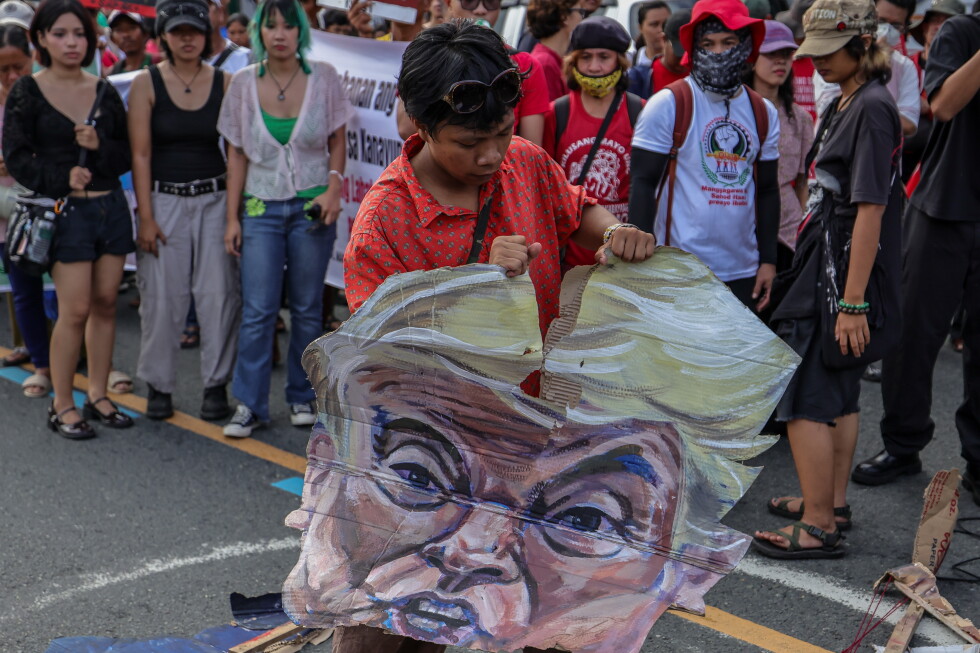
    MANILA, Philippines — Philippine President Ferdinand Marcos Jr. is set to deliver his annual State of the Nation Address on Monday, stepping onto the national stage against a turbulent backdrop of overlapping political crises that have shaken his administration over the past year. The event, held at the House of Representatives in suburban Quezon City, will mark Marcos Jr.’s penultimate annual address before his six-year presidential term concludes in mid-2028, with over 23,000 Philippine National Police personnel deployed to secure the venue and surrounding areas. Key routes leading to Malacañang Palace, the official presidential residence in Manila, have been blocked with barbed wire barricades and riot police detachments to head off planned protests by disaffected groups. The expanded security measures come after two separate explosive-related incidents in the capital raised threat levels ahead of the address. A small improvised explosive device detonated before dawn Monday near the gate of the Philippine Department of Justice in Manila, causing no casualties and only minor structural damage. In a separate incident, unassembled bomb components were discovered near the Senate complex in suburban Pasay City, according to national police chief Gen. Jose Melencio Nartatez Jr., who told reporters the discovery was apparently intended “only to sow terror or fear” among the public ahead of the major national event. Beyond security threats, Marcos Jr. faces significant political headwinds as he prepares to speak to the nation. A massive corruption scandal first exposed by the president himself in last year’s State of the Nation Address has now ensnared several of his closest political allies, igniting public anger and calls for deeper accountability. During his 2023 address, Marcos Jr. delivered a sharp rebuke of systemic graft in national flood-control infrastructure projects, as the country was still recovering from catastrophic flooding and landslides that left dozens dead and displaced more than 200,000 residents across the archipelago. Subsequent joint investigations launched by the government and Congress have linked dozens of sitting and former House and Senate members, as well as public works engineers and senior government officials, to the scheme, where the co-conspirators allegedly siphoned off millions in kickbacks from contracted projects. Revelations of the conspirators’ lavish lifestyles, including fleets of private jets and high-end European luxury vehicles, sparked widespread public outrage and mass street protests earlier this year. To date, one sitting and one former member of the 24-seat Philippine Senate have been indicted and taken into custody on corruption charges tied to the scandal. A former House representative identified as a leading suspect has fled the country for Europe. Former Public Works Secretary Manuel Bonoan, who served in Marcos Jr.’s cabinet, has denied any wrongdoing but remains in hospital detention after being formally charged in the case. Despite the progress in investigations, many Filipino activists and political observers have pushed for faster prosecution of high-profile figures implicated in the scandal. Critics have repeatedly questioned why former House Speaker Martin Romualdez, Marcos Jr.’s cousin and one of his most influential political allies who has denied any connection to the graft, has not been charged to date. Marcos Jr. has repeatedly pledged that no individual, regardless of their political ties to his administration, will escape prosecution if evidence of wrongdoing exists. “We have done enough because we’re not done yet,” Marcos Jr. said of the ongoing investigation in recent comments. “Unfortunately, the more we look, the more we find.” Adding to the president’s political challenges is the ongoing impeachment trial of Vice President Sara Duterte, Marcos Jr.’s former political ally who is now estranged from the administration. Duterte faces multiple impeachment charges, including allegations of corruption and threats against the sitting president, with the trial formally opened by the Philippine Senate earlier this month. On the policy front, Marcos Jr. is expected to use his address to outline new government initiatives designed to cushion the Philippine economy from global market volatility stemming from the renewed armed conflict in Iran. Back in March, as hostilities intensified in the Middle East, Marcos Jr. declared a one-year national energy emergency to ensure stable supplies of fuel, food, and key agricultural commodities, while enacting new measures to crack down on price gouging and hoarding of essential goods.

  • France, Spain race to contain ‘monster’ fires ahead of new heatwave

    France, Spain race to contain ‘monster’ fires ahead of new heatwave

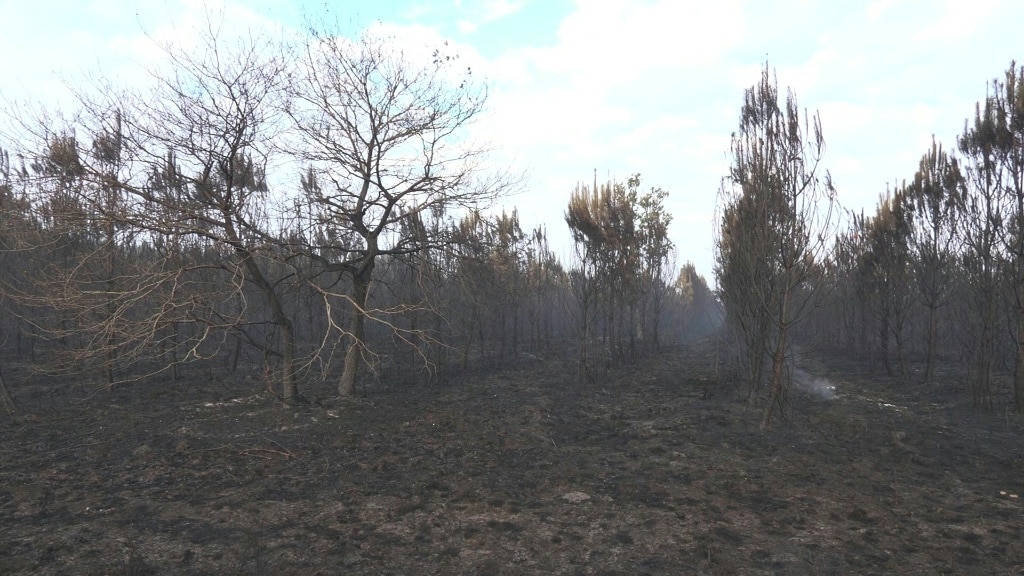
    As emergency shelters across France and Spain hit overflow capacity on Monday, thousands of exhausted local residents and summer tourists face displacement from some of the most devastating wildfires the region has seen in decades — blazes so extreme they are generating their own weather patterns, with a new record-breaking heatwave already forecast to arrive in the coming days.

    The infernos are tearing through parched forest landscapes: one in southwest France surrounding Bordeaux’s world-famous wine-growing region, and a second cluster burning across central Spain near the capital Madrid. The outbreak has struck at the peak of the Northern Hemisphere summer travel season, upending hundreds of thousands of lives and devastating vast swathes of protected woodland.

    To date, more than 325,000 people have been forced to evacuate their homes and vacation accommodations. The fires spread rapidly fueled by vegetation left tinder-dry by back-to-back heatwaves and near-total lack of rainfall across the region since May.

    Speaking from a closed highway in the Madrid region, 50-year-old Olga Congacha, a resident of the locked-down village of Robledo de Chavela, described the chaotic evacuation. “Everyone had to get out of the village quickly — it was a critical situation and people were scared. My husband and I left with all that we could grab: our important documents and some clothes,” she told Agence France-Presse.

    In France, the scale of the blazes has spawned an unprecedented meteorological phenomenon for the country: pyrocumulonimbus clouds, giant fire-generated storm clouds that produce their own powerful winds, lightning strikes, and in some cases tornadoes, all of which can spark new secondary blazes. Eric Brocardi, spokesperson for France’s National Firefighters Federation, called the battle a classic “David-versus-Goliath” scenario, adding that crews were working to identify a vulnerable weak point in the fire’s perimeter to launch a coordinated counterattack.

    Thousands of frontline firefighters, supported by a fleet of specialized water-bombing aircraft, have been working around the clock to contain the flames and clear toxic smoke that has blanketed residential and tourist areas. French President Emmanuel Macron convened an emergency crisis cabinet meeting on Monday to coordinate the national response, while Spanish Prime Minister Pedro Sánchez traveled to a newly burned area in eastern Spain’s Valencia region, where crews are battling a fresh outbreak.

    Spain’s civil protection chief, Virginia Barcones, described the massive wildfire burning near Avila as a “monster” in comments Sunday to state broadcaster TVE. “We are dealing with a perimeter of 280 kilometres encompassing 77,000 hectares (190,000 acres),” she said.

    Climate scientists have long warned that human-caused climate change is increasing both the frequency and intensity of extreme heat events and wildfire risk across southern Europe. In France’s Gironde department, the epicenter of the country’s blazes, regional prefects have urged all non-resident tourists to avoid the area entirely and seek alternate summer destinations. “The wind is changing so much, it’s really the fire calling the shots,” one frontline firefighter told reporters.

    Since Wednesday alone, the Gironde fire has ravaged more than 42,000 hectares of land — an area seven times larger than the island of Manhattan. Around 220,000 people have been evacuated from the region, 45 seasonal campsites have been forced to close, and an estimated 40,000 summer tourists have had their vacation plans ruined. An additional 30,000 people have been displaced by blazes in other French regions. As of early Monday, local Gironde authorities reported the fire remained “broadly stable” after overnight containment efforts.

    In Saint-Jean-d’Illac, one of the villages at the edge of the fire zone, Georges Clivaz refused to evacuate despite an official evacuation order issued Friday. Holding a garden hose to spray down the perimeter of his property a few kilometers from the active blaze, Clivaz said he and his family were staying to protect their home. “We’re doing this to slow down the fire’s advance; we want to save our homes,” he told AFP. “But the firefighters are telling us that in two or three hours the fire will be here.”

    Weather forecasters have confirmed a new heatwave will descend on parts of France starting Tuesday, with temperatures forecast to hit 40 degrees Celsius (104 degrees Fahrenheit) in some affected areas. Across Spain, a total of 75,000 residents have been evacuated across the Madrid region, Avila, Toledo, and Castellon in eastern Valencia. On Monday, authorities reported the main fire was still “not yet under control,” but noted enough progress had been made to reopen one evacuated campsite that held 4,500 people and allow elderly residents to return to their homes in another low-risk area, should conditions hold.

    Officials added that shifting winds were currently pushing wildfires near Madrid southward, away from the capital, but the blaze’s path has forced additional evacuations of small villages in its trajectory. To date, the blazes have claimed three lives: one civilian fatality near Valencia on Saturday, and two French firefighters killed near Bordeaux earlier this week.