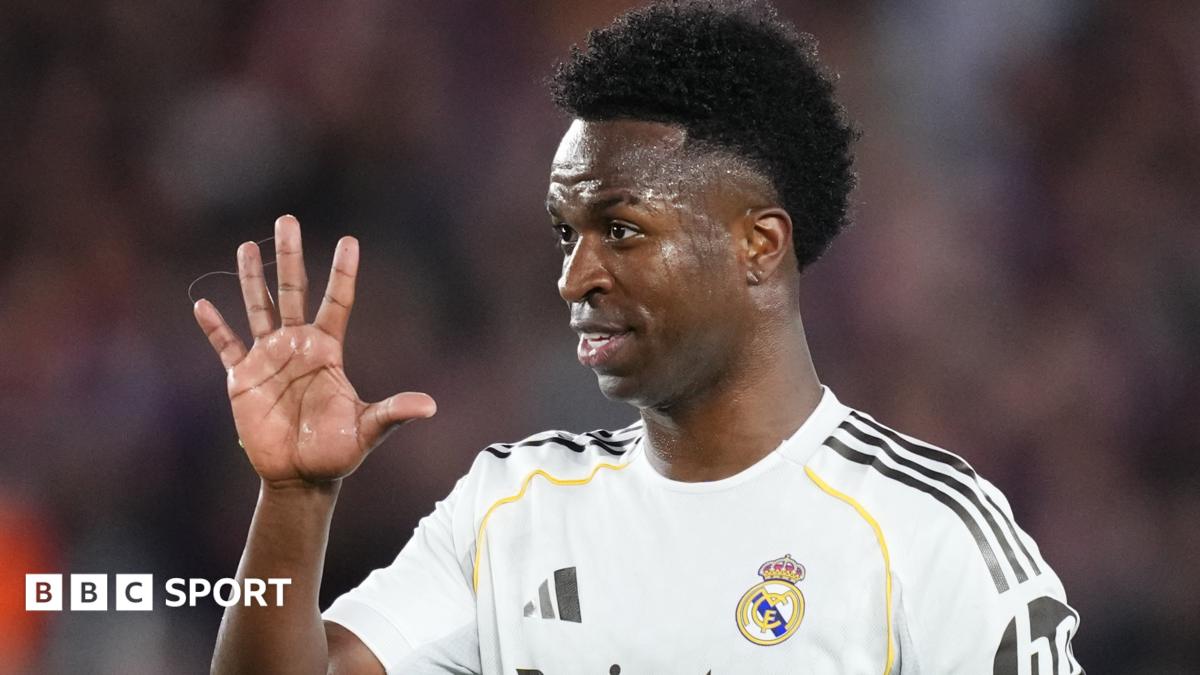
The future of Real Madrid forward Vinicius Jr has emerged as the most compelling storyline in the 2025 global summer transfer window, with the Brazilian superstar entering the final 18 months of his current contract at the Spanish giants. Signed as an 18-year-old prodigy back in 2018, Vinicius has cemented his status as one of the world’s best footballers over seven seasons at the Santiago Bernabéu, scoring 128 goals in 375 appearances and lifting 14 major trophies, including two Champions League titles, most recently in the 2023-24 campaign. At 26, he is on the cusp of reaching his athletic peak, combining elite on-pitch versatility – capable of dominating the left flank or leading the line centrally – with unmatched global commercial appeal that would deliver massive financial benefits to any suitor.
Real Madrid have made repeated attempts to extend Vinicius’ contract, which is currently set to expire in 2027, and reopened negotiations with his camp earlier this month. As of yet, however, no breakthrough has been reached, leaving the door ajar for rival clubs to pounce. The contractual impasse has drawn attention from Arsenal, the Premier League side that has internally evaluated a blockbuster move for the winger, along with multiple clubs in Saudi Arabia’s Pro League that are closely monitoring developments.
Arsenal manager Mikel Arteta has made signing proven elite attacking talent a top priority this transfer window, after missing out on 22-year-old Morgan Rogers who joined Chelsea earlier this summer. While Arsenal officials describe Vinicius as just one of several options for a left-sided attacking role, BBC Sport understands Arteta is deeply enthusiastic about the prospect of signing him, and Vinicius is now viewed internally as the club’s number one transfer target.
Despite the club’s ambition, Arsenal’s hierarchy remains realistic about their chances of pulling off the deal, which is widely considered a long shot. For most South American footballers, a move to Real Madrid or Barcelona represents a lifelong dream, and even a historic club like Arsenal would be seen as little more than a lateral move from the Bernabéu at best. Leaving Real would also likely have a negative impact on Vinicius’ global commercial brand, which is closely tied to his status as a Real Madrid star.
Negotiations over a new Real Madrid contract are set to intensify in the coming days. Sources indicate that Vinicius remains open to signing an extension at the club, but he wants to be sure the club values him sufficiently – with new manager Jose Mourinho having publicly stated he wants to keep all of the club’s top talent. For Real, the stakes of resolving the situation before the transfer deadline could not be higher: if Vinicius enters 2026 without a new deal, he will be allowed to begin negotiating a free transfer with other clubs, and a departure on a free transfer in 2027 would represent a catastrophic financial loss, even for a wealthy club like Real.
For a summer sale, Real Madrid’s asking price is expected to set a new record for British transfers if Arsenal push through a deal. Drawing a parallel to Real Madrid’s 2019 signing of Eden Hazard, who joined from Chelsea for up to £130 million at 28 years old in the final year of his contract, Vinicius is two years younger, has a far higher commercial value, and inflation has added substantially to transfer market values in the years since. That means Arsenal would need to break the current British transfer record of £125 million (set by Alexander Isak’s 2024 move from Newcastle United to Liverpool) to land him.
Wages are another major hurdle. Vinicius currently earns at least £450,000 a week at Real Madrid, a figure that would immediately make him Arsenal’s highest-paid player by a considerable margin, topping Bukayo Saka’s current £400,000 weekly salary. If Vinicius leaves this summer, he will demand a significant pay rise, because he can wait 12 months to leave on a free transfer and potentially double his salary by negotiating directly with a new club. Under current Premier League financial fair play regulations, finding a transfer fee likely starting at £130 million plus matching Vinicius’ wage demands would push even the richest clubs to their limit.
Even so, Arsenal have run the numbers and concluded they can afford the deal, which has broad support across the club’s ownership and leadership. The club has a history of offering elite players extremely lucrative image rights deals, which would be a core part of any offer to lure Vinicius to north London. An interesting subplot to the potential move is that Vinicius’ agency Roc Nation also represents Arsenal left winger Gabriel Martinelli, who would see his first-team opportunities drastically reduced if Vinicius joined. Martinelli, who has up to two years remaining on his current Arsenal contract, is happy at the club and will only consider a departure if the right opportunity arises, sources say.
At present, almost all the leverage in this situation sits with Vinicius. Arsenal boasts one of the most exciting projects in European football: they reached last season’s Champions League final, losing to Real Madrid on penalties, and enter the new campaign as one of the favorites to lift the trophy, with a strong financial foundation to match. But a move to Arsenal would require Vinicius to walk away from his status as a Real Madrid icon, and give up the enormous leverage he holds over the club by waiting for a free transfer. The question that remains is whether he is willing to do that – and the answer should arrive before the summer transfer window closes.