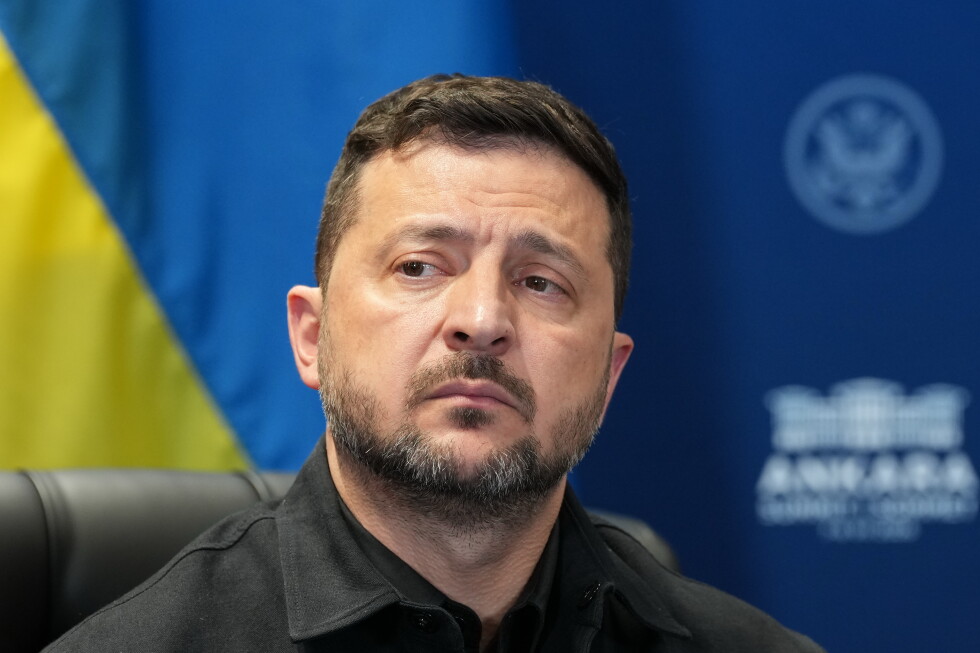
In the first high-level foreign leader visit to the United Kingdom since new Prime Minister Andy Burnham took office one week ago, Ukrainian President Volodymyr Zelenskyy will travel to a southern English naval base on Monday for bilateral talks focused on reinforcing London’s long-standing backing for Kyiv amid Russia’s ongoing full-scale invasion.
The meeting marks a historic milestone: Burnham will become the fifth British prime minister to engage directly with Zelenskyy since Moscow launched its large-scale incursion in February 2022. The visit comes less than two weeks after former Prime Minister Keir Starmer made his final international trip to Kyiv before stepping down, underscoring the continuity of UK policy across successive administrations.
Burnham, who served nine years as Greater Manchester Mayor before ascending to the premiership and brings limited prior foreign policy experience, used pre-visit comments to project firm unity with Ukraine. “Russia should be in no doubt of our resolve, and we will not back down until we achieve long lasting and just peace for Ukraine,” he stated, framing the meeting as a public signal of the UK’s “unwavering” commitment to Kyiv’s sovereignty.
During the one-day visit, the two leaders are scheduled to meet with more than 200 Ukrainian military personnel who have completed three weeks of specialized training on UK soil. The U.K. government confirmed the training program focuses on boosting frontline combat effectiveness and improving counter-mine operations in the strategically critical Black Sea, a key corridor for Ukrainian exports and a frequent site of Russian attacks.
In a new announcement ahead of the talks, Downing Street confirmed the UK will transfer full intellectual property rights for its cutting-edge “Stone Cloak” electronic warfare system to Ukraine. The technology is designed to block enemy detection of Ukrainian drones, a capability that comes as Kyiv expands its campaign of deep cross-border strikes into Russian territory.
In recent weeks, Ukraine has stepped up the frequency of drone attacks inside Russia, targeting key infrastructure including oil processing facilities, military production plants, and most recently, logistical hubs. These strikes have brought the reality of the 2.5-year-old conflict to millions of ordinary Russian citizens, undermining Russian President Vladimir Putin’s long-held narrative that the war has minimal impact on daily life within Russia’s borders. Despite this pressure, Putin has not softened his stance, and Russian forces have dramatically escalated their own aerial campaign, launching near-constant barrages of missiles and drones across Ukrainian territory.
The escalation of hostilities has been particularly pronounced in the past 24 hours, with both sides trading massive drone strikes that have left multiple civilians dead and injured across both countries. Ukraine’s air force reported that Russia launched 147 long-range attack drones against targets overnight, with Kyiv’s air defenses successfully intercepting or jamming 123 of the incoming unmanned aerial vehicles. In Zaporizhzhia, one civilian was killed and two more wounded when strikes damaged high-rise apartment blocks and private homes, regional governor Ivan Fedorov confirmed. In the Nikopol district of Dnipropetrovsk region, Russian strikes damaged a kindergarten, multiple residential buildings, and critical infrastructure, leaving a 6-year-old boy and an adult woman injured, local administration head Oleksandr Hanzha added.
On the Russian side, the Defense Ministry claimed its air defense systems shot down 276 Ukrainian drones launched overnight across multiple regions. In Rostov-on-Don, a Ukrainian drone strike on an apartment building killed a married couple and injured five other people, regional governor Yuri Slyusar said. A separate drone attack in Belgorod left 12 people injured, including two children, according to regional emergency officials. These casualties add to a rising civilian death toll that has reached 15 people in total across the latest round of tit-for-tat attacks, according to local official reports.
The escalating conflict took an unexpected new turn over the weekend after Ukraine claimed successful long-range strikes on targets in the Caspian Sea, an attack that has drawn a sharp threat of retaliation from Iran. Iranian Foreign Minister Abbas Araghchi confirmed a Ukrainian strike hit an Iranian vessel in the Caspian, killing one crew member. In a statement posted to X on Sunday, Araghchi called the strike a “blatant U.N. Charter violation done at Israel’s behest to drag Europe into its war.” He added that he had communicated the need for a response to European Union foreign policy chief Kaja Kallas and Russian Foreign Minister Sergey Lavrov, saying “the attack can’t go unanswered.” Zelenskyy has publicly acknowledged the strikes, saying they achieved “very good results” and confirming the targets included both cargo vessels transporting Iranian military goods and a Russian warship.