博客

  • With US troops departing, Iraq looks beyond balancing Washington and Tehran

    With US troops departing, Iraq looks beyond balancing Washington and Tehran

    For years, Iraqi leaders in Baghdad have walked a precarious diplomatic tightrope, enacting incremental concessions to Washington’s demands to curtail Tehran’s informal influence across the country while preserving deep, long-standing bilateral ties with its neighboring Iran. This delicate balancing act has severely limited Baghdad’s capacity to advance urgent domestic economic and security reforms, and has blocked the nation from forging a truly independent, self-determined foreign policy aligned with its own national interests.

    Today, however, a confluence of shifting regional dynamics – a renewed push to strengthen central Iraqi state institutions, the impending full withdrawal of US-led coalition forces from federal Iraq, and the growing prospect of a diplomatic settlement between Washington and Tehran – has opened a rare window of opportunity for Baghdad to fundamentally redefine its relationships with both global and regional powers.

    Iraq’s new Prime Minister Ali Falih Kadhim al-Zaidi, a former veteran banker who assumed office in April, has made building up the authority of the Iraqi state through sweeping institutional reform the top policy priority of his administration. His reform agenda encompasses three core pillars: expanding Iraq’s full integration into the global international banking system, modernizing and strengthening the country’s critical energy sector, and enforcing a long-delayed state monopoly on all legal arms possession across the nation.

    Many of these reforms, while framed as domestic priorities, inherently will limit the scope of Iran’s informal influence within Iraq. For example, banking sector reforms first initiated under the previous Iraqi administration were designed to cut systemic corruption and streamline access to global financial networks. According to Hayder al-Shakeri, a research fellow at the London-based Chatham House think tank, while opening the banking sector is not framed as an anti-Iran measure, it will inevitably restrict the informal financial channels that Iran and Iran-aligned political and armed networks rely on to exercise influence inside Iraq.

    Baghdad has also leveraged its deepening diplomatic engagement with Washington to expand its energy partnerships and cut its long-standing reliance on Iranian gas imports. During al-Zaidi’s recent high-profile visit to Washington, the prime minister signed dozens of new commercial partnerships and investment agreements with US energy firms, including major deals for associated natural gas capture projects that will allow Iraq to recover gas that is currently flared as waste during oil production. Once completed, these projects are projected to significantly reduce Iraq’s dependence on Iranian gas imports, which for years have met roughly 40 percent of the country’s total gas and electricity needs.

    Reforming Iraq’s fragmented security sector presents a far more daunting political challenge, however. Al-Zaidi has set a firm September 30 deadline for the full disarmament of all unauthorized militias operating in Iraq, and has called for the voluntary reintegration of former militia fighters into official Iraqi state security institutions. Yet even if all militias comply fully with the disarmament order, analysts warn these groups will almost certainly retain significant informal political power in Baghdad. As al-Shakeri explained to Middle East Eye, the political networks tied to these armed groups are deeply entrenched in Iraq’s parliament, cabinet, and core state institutions, meaning their influence will not disappear overnight.

    Even so, analysts note that even partial progress toward centralizing political and security authority within the Iraqi state – a goal that successive Iraqi administrations have pursued since 2003 – would allow Baghdad to advance long-stalled domestic reforms and pursue a foreign policy with far greater autonomy from outside influence. Beyond this domestic agenda, Baghdad is also seeking to reorient its relationship with the United States on more equal footing. The US-led international coalition against the Islamic State is on track to complete its full withdrawal from federal Iraq by September 30, a timeline that aligns deliberately with the militia disarmament deadline. This coordinated timeline reflects Baghdad’s deliberate push to rewrite the framework of US-Iraq relations, with a new vision focused on expanding bilateral economic ties rather than the long-standing security partnership that has defined the relationship for decades. During his Washington visit, al-Zaidi signed 48 distinct economic agreements and commercial partnerships with US companies, and has publicly stated he expects a growing American economic footprint in Iraq in the coming years.

    Still, significant progress on expanding economic ties between Baghdad and Washington remains unlikely as long as the threat of militia attacks on US commercial interests persists. A number of powerful Iraqi militias, including Kataib Hezbollah and Harakat Hezbollah al-Nujaba, have joined the ongoing Iran-US-Israel conflict in support of Tehran, viewing any potential weakening or collapse of the Islamic Republic of Iran as an existential threat to their own power and influence in Iraq. According to a senior anonymous US State Department official, Tehran and its affiliated Iraqi armed groups launched roughly 600 separate attacks on US interests across Iraq during the recent conflict, targeting diplomatic facilities, military bases, and critical energy infrastructure. While a formal end to the Iran-US conflict would not automatically force militias to disarm, a lasting ceasefire would greatly ease the disarmament process. Al-Shakeri notes that Iranian government approval of the process would remove a major barrier to successful disarmament, even if it does not resolve all challenges.

    US security concerns in the region now extend beyond Iraqi militia activity, however. In recent months, Iran has demonstrated its willingness and capability to launch cross-border attacks across Iraq, Jordan, and the Gulf Cooperation Council countries. As a result, the expanded economic partnerships that both Baghdad and Washington have expressed interest in will almost certainly require a lasting diplomatic settlement between the US and Iran that ends the current open conflict first.

    A potential end to the conflict under the framework of the Memorandum of Understanding signed between the two parties in June – which would lift primary and secondary US sanctions on Iran – would create a unique opening for Baghdad to manage its deep cultural, economic, and political ties with Tehran through formal, transparent state channels. Annual bilateral trade between Iran and Iraq already stands at roughly $12 billion, making it one of the most robust trading relationships in the region, and the two countries already collaborate extensively on religious tourism, healthcare, and financial cooperation. For years, US sanctions have blocked broader economic collaboration between the two neighbors. Iraqi economist Zahraa Albachachy told Middle East Eye that sanctions relief would have far-reaching benefits beyond just energy and bilateral trade: restoring Iran’s access to international contractors, insurance providers, and global financing would allow many long-stalled cross-border infrastructure projects to move forward. Albachachy pointed to the Shalamcheh-Basra railway project as a key example: despite five separate memorandums of understanding signed since 2011, the project has never moved past the planning stage, a delay Albachachy attributes to structural barriers created by US sanctions rather than a lack of political will from both governments.

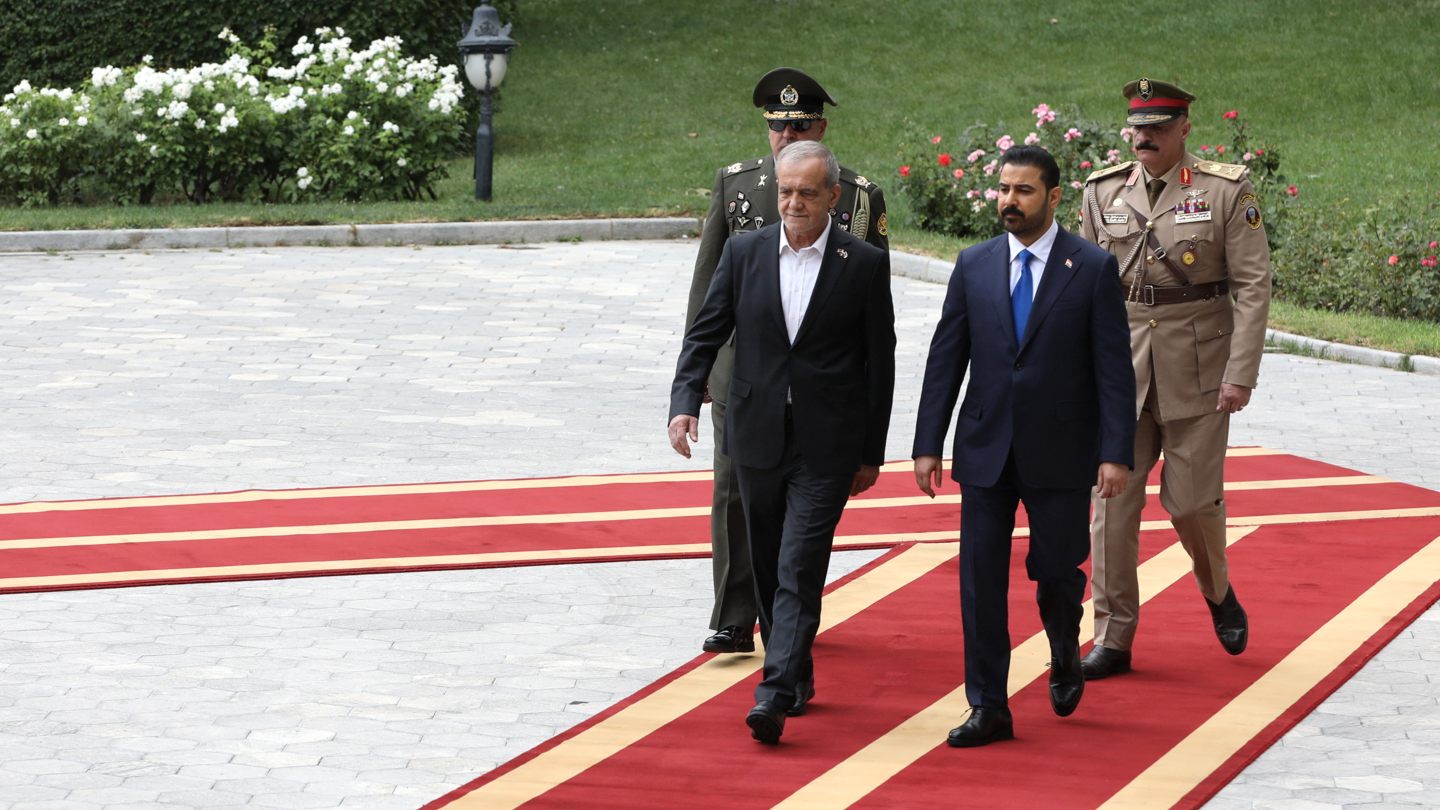
    Notably, al-Zaidi’s diplomatic agenda goes far beyond simply reframing Baghdad’s balancing act between Washington and Tehran. Citing anonymous Iranian and Iraqi political sources, regional media reported last week that during al-Zaidi’s recent visit to Tehran, he pitched the idea of developing trilateral commercial opportunities between Iran, Iraq, and the United States to Iranian officials. If this vision moves forward, it could allow Iraq to emerge as “Iran’s door to the West,” as an advisor to the Iraqi prime minister described it publicly last week.

    Ultimately, however, all of these ambitious initiatives – from militia disarmament to deeper economic ties with both Washington and Tehran, to the strengthening of Iraq’s domestic energy sector – depend on the successful negotiation of a durable, long-term diplomatic agreement between the United States and Iran that brings the ongoing conflict to a lasting end.
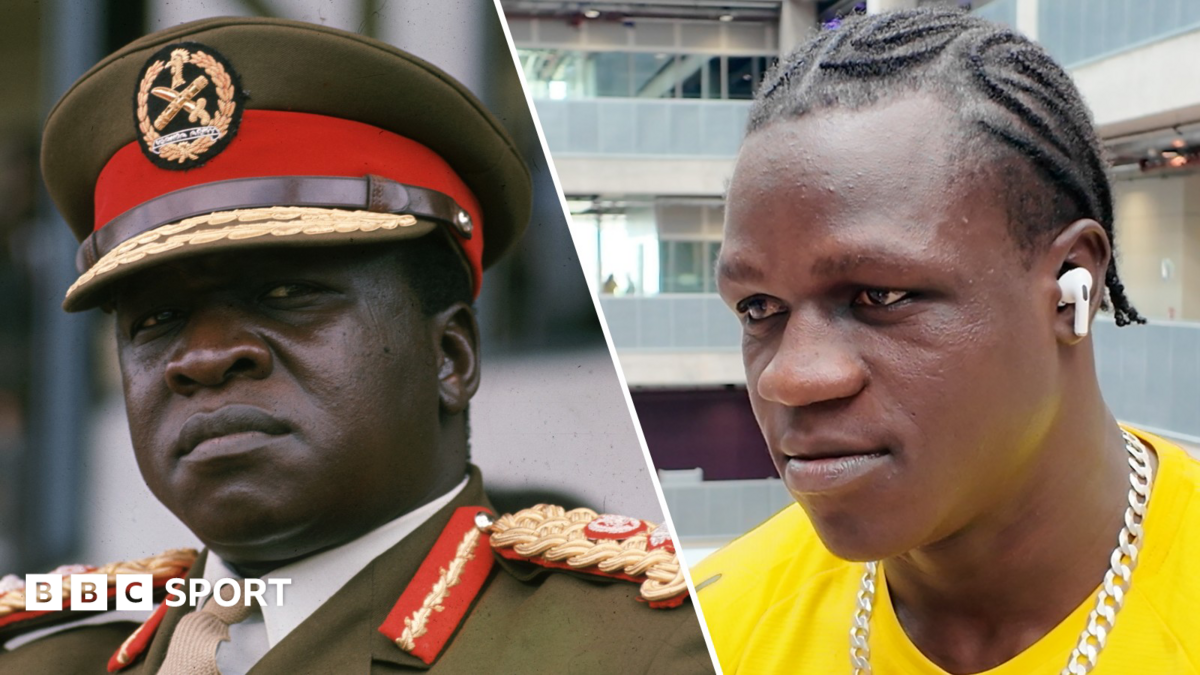
  • Idi Amin’s boxer grandson determined to become new King of Scotland

    Idi Amin’s boxer grandson determined to become new King of Scotland

    The 2024 Commonwealth Games in Glasgow draws over 3,000 elite athletes from across the globe, all chasing national pride and international recognition. For most, their family histories remain private, overshadowed by their athletic ambitions. But for 25-year-old Ugandan super-heavyweight boxer Aziz Abdul, competing under the shadow of an infamous family legacy has defined his journey to the quarterfinals.

    Abdul never met his grandfather, a man whose name is synonymous with one of the 20th century’s most brutal authoritarian regimes: Idi Amin, the former military dictator of Uganda who ruled from 1971 to 1979 after seizing power in a coup. Widely known as “The Butcher of Uganda,” Amin’s eight-year regime is estimated to have killed up to 500,000 political opponents, civilians and ethnic minorities, and he infamously expelled the entire South Asian population of Uganda during his rule. A polygamous man with six documented marriages and at least 60 acknowledged children, Amin died in exile in Saudi Arabia in 2003, when Abdul was still a toddler, never facing trial for the widespread human rights abuses that occurred under his leadership.

    Beyond his brutal rule, Amin carried a well-documented fascination with Scotland. As a young man serving in the King’s African Rifles, he developed a love for Scottish cultural traditions, often wearing a kilt, playing bagpipes during his time in power, and even infamously declared himself the “King of Scotland” in a 1976 stunt. This eccentric chapter of his life inspired the 2006 Oscar-winning drama *The Last King of Scotland*, which cemented the connection between the dictator and Scotland in popular culture. That makes Abdul’s run for a medal in Glasgow all the more extraordinary.

    Amin was no stranger to boxing himself: he held Uganda’s national light-heavyweight title for nine consecutive years starting in 1951, with a controversial legacy even in the sport. After losing an early match, he reportedly ordered a rematch once he seized power, and staged a knockout victory while wearing a full suit and tie. Abdul has previously stated that he draws inspiration from his grandfather’s boxing career, though he has declined to elaborate on whether his admiration extends beyond the ring. When asked if he feels pride in being the grandson of a man with such a sinister reputation, Abdul offered a measured response, avoiding public judgment of a man he never knew.

    “Sometimes people say positive things about him, but others say negative things about him,” he told BBC Sport Scotland. “That’s why I don’t want to talk more about him. It’s not good to say something negative about someone who is not here, and it’s not right to pass judgment on events that happened long before I was born.”

    Abdul, who fights under the nickname “Ringo,” will take on England’s Damar Thomas in the 90+kg quarterfinals on Wednesday. A win would guarantee him at least a bronze medal, marking Uganda’s first Commonwealth Games boxing medal since the 1990 Auckland games. When asked what a gold medal win in Glasgow would mean, Abdul leaned into the quirky history of his grandfather’s connection to the country, joking “I might be the new King of Scotland. It’s possible. When I arrived, I put up the [Ugandan] flag, because I like Scotland so much.”

    Unlike his grandfather, who left Uganda with a tarnished global reputation, Abdul says his only goal is to build his own identity, carry pride for his country, and bring home Uganda’s first medal of this year’s games. “Our first medal will be won tomorrow. No excuse,” he said. “That’s why I’m here. I have that dream that I’m gonna go back with a gold medal. I want to do something for my country. I think tomorrow is the day for them to recognize me, and for the world to recognize me. I want to be known as Ringo the boxer.” He carries confidence in his signature “Ringo punch,” which he believes is strong enough to overpower his opponents and carry him to the top of the podium.

  • The future of the UK’s renowned Lovell radio telescope is in question after a funding cut

    The future of the UK’s renowned Lovell radio telescope is in question after a funding cut

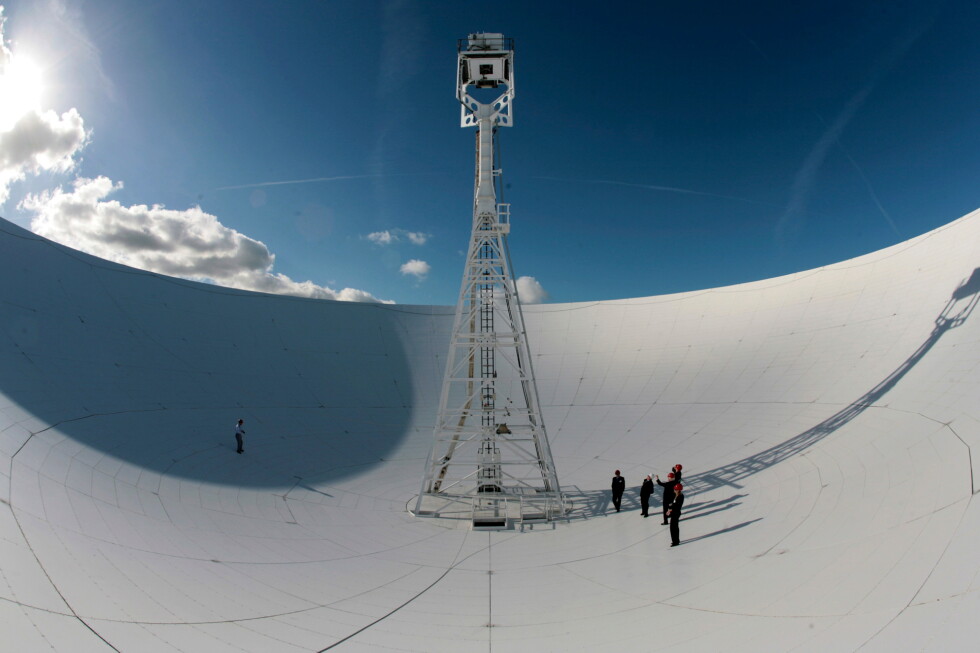
    LONDON – A landmark decision to end public funding for one of the world’s most historic and celebrated radio telescopes has triggered widespread outrage and deep concern across the global scientific community. The Lovell Telescope, the centerpiece of the Jodrell Bank Observatory – a UNESCO World Heritage Site located in northwest England that has pushed forward the boundaries of cosmic exploration for nearly seven decades – will lose all government backing after 2028, according to an official announcement.

    U.K. Research and Innovation (UKRI), the government’s public funding body for research and innovation, revealed the funding change Monday. The 76-meter-wide Lovell Telescope, a recognizable regional landmark that has stood since the 1950s, is a core component of e-Merlin, a national network of seven interconnected radio telescopes managed by the University of Manchester’s Jodrell Bank Centre for Astrophysics, south of Manchester.

    In its statement, UKRI justified the cut by saying the decision came out of “a rigorous prioritization process to focus investment on the areas that will deliver the greatest long-term scientific capability, impact and value for the U.K.” Public funding for the entire e-Merlin array will cease at the end of March 2028.

    Leading figures from the British and international scientific community have quickly pushed back against the decision, warning that the cuts will cause irreversible damage to the U.K.’s standing in global astronomy research. Renowned particle physicist and broadcaster Brian Cox, based at the University of Manchester, described the funding cut as “devastating and irreversible.”

    Paul Howarth, president of the U.K.’s Institute of Physics, called the latest cuts to physics funding that include Jodrell Bank “a terrible blow to the scientific community.” He has called on newly appointed Prime Minister Andy Burnham to reverse the decision, warning that the choice undermines Britain’s global reputation as a leading destination for scientific research, discovery and innovation.

    “For the sake of U.K. physics and our national reputation as a place to do science, conduct research and innovate, we would urge the new government to review this ruinous set of decisions,” Howarth said.

    The University of Manchester, which oversees operations of the e-Merlin network and the Lovell Telescope, has confirmed it is currently pursuing alternative funding from private businesses, philanthropic organizations, and potential new government grants to save the facility. However, university leaders have made clear that without securing alternative backing, the telescope will cease to operate as an active scientific research instrument after 2028.

    Sarah Sharples, the university’s dean of science and engineering, told reporters: “But, if we don’t find those alternative sources of funding, then there is a risk that as of the end of March 2028, the Lovell Telescope will not be an actively functioning scientific facility for radio astronomy.”

    Completed in 1957, the same year the Soviet Union launched Sputnik, the first artificial satellite to orbit Earth, the Lovell Telescope has cemented its place as a trailblazer in global radio astronomy, a field that studies distant cosmic objects through the radio waves they emit. The telescope made history within months of opening by tracking the path of Sputnik as it orbited the planet, a feat that put Jodrell Bank on the global map. In the decades that followed, it received the first transmitted images from the lunar surface in 1966 during the early era of space exploration, and has enabled groundbreaking discoveries of distant galaxies, while advancing scientific understanding of black holes, quasars, pulsars and gravitational lenses.

    During the Cold War, the telescope also served a critical national security role, operating as an early-warning system to detect incoming Soviet intercontinental ballistic missiles. The site’s public engagement center, which welcomes thousands of visitors and school groups annually to learn about astronomy and space science, will not be impacted by the funding cuts.

  • ‘Something broke’: Italy’s Arab communities increasingly fearful of police violence

    ‘Something broke’: Italy’s Arab communities increasingly fearful of police violence

    Two recent fatal incidents involving men of North African descent have reignited deep-seated, long-standing concerns within Italy’s Middle Eastern and North African (MENA) communities over systemic police excessive force, institutional discrimination, and political neglect, sending a wave of anxiety through marginalized migrant and racialized neighborhoods across the country.

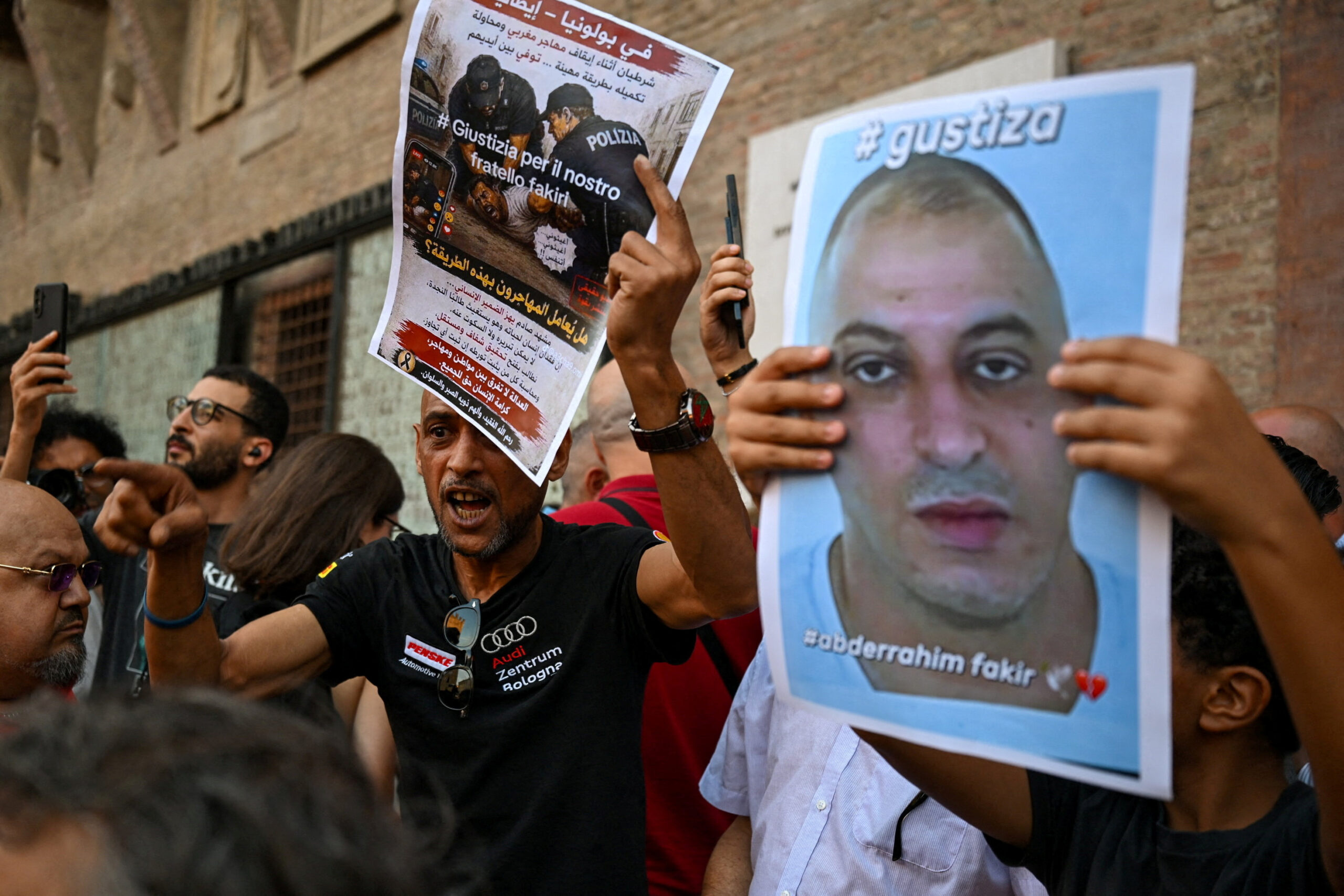
    The first tragedy unfolded on July 19 in Bologna, where 42-year-old Moroccan-born Abderrahim Fakir died after being restrained by two police officers and a civilian. Local authorities had been called to the scene after Fakir, experiencing an acute episode of psychological distress, claimed he faced imminent danger and damaged nearby residential garage doors.

    Amateur footage captured from a neighboring apartment contradicted initial police accounts, showing Fakir handcuffed, struck with tear gas, and pinned face-down to the ground by officers for multiple minutes as he repeatedly screamed for help. Strikingly, Italian Red Cross volunteers already on site stood idle throughout the nearly seven-minute incident, offering no medical intervention. The graphic footage spread virally across social media platforms within hours, sparking widespread public outrage and triggering two separate official inquiries: one into the officers’ use of force, and a second into the Red Cross’s failure to intervene. Bologna’s public prosecutor’s office has since opened a formal manslaughter investigation into Fakir’s death.

    Just four days later, a second death amplified public anger in the southern city of Cosenza. Twenty-five-year-old Mohamed Amin Bessioud, who was born in Italy to Tunisian parents, died after jumping from a third-floor balcony while Carabinieri military police conducted a residential search. Bessioud’s mother told local media her son had long struggled with clinical depression and had grown increasingly tormented by repeated police harassment, saying he lived in constant fear of officer check-ins. Local prosecutors have launched an investigation into the circumstances of his death, while community activists frame the incident as another preventable fatality rooted in systemic police targeting of MENA communities.

    These two deaths are not isolated incidents, community leaders and analysts emphasize: they are the latest in a growing string of fatal encounters stretching back years that have left a deep mark on Italy’s Arab communities. Previous high-profile cases include the 2021 shooting death of Youns El Boussettaoui by a former police officer in Voghera, the 2024 death of 19-year-old Ramy Elgaml following a high-speed police chase in Milan that sparked weeks of mass protests, and the January 2025 shooting death of Abderrahim Mansouri by police during a drug operation in Milan’s Corvetto district.

    In the wake of Fakir’s killing, thousands of demonstrators marched through central Bologna to demand accountability and justice for his death. Protests quickly spread to more than a dozen other Italian cities, and isolated clashes between small groups of demonstrators and riot police pushed the issue to the top of Italy’s national political agenda. Bologna’s center-left Democratic Party mayor Matteo Lepore has found himself caught between competing pressures: police unions and right-wing politicians have accused him of tacitly endorsing violence against law enforcement, while grassroots community groups argue his administration has responded to decades of social neglect in the working-class Pilastro neighborhood—where Fakir was killed—with expanded aggressive policing rather than targeted investment in housing, education and social services. The far-left communist party Power to the People has gone further, accusing both Lepore’s municipal government and Prime Minister Giorgia Meloni’s national government of accelerating the militarization of low-income, majority-migrant neighborhoods. The party argues that current security policies pursued by both levels of government frame working-class, majority-migrant districts as public security threats rather than addressing the deep structural inequalities that have shaped these communities for generations.

    For MENA communities in Italy, the two deaths cannot be separated from a broader shift toward restrictive security policies that disproportionately target racialized groups under the current far-right government. Since taking office in 2022, Meloni’s administration has introduced a series of harsh decrees targeting street protest and petty crime, a policy framework that consistently frames MENA and Muslim communities as inherent public security risks. A controversial February 2025 law that grants law enforcement greater flexibility to bypass standard investigative procedures is now being applied for the first time to the two officers charged in Fakir’s death, a move that has reinforced community claims of institutional favoritism for police.

    Emmanuele Jonathan Pilia, editor at independent Italian publisher D Editore, says the current crisis is the outcome of decades of systemic practice. “Italian policing has long been used to control populations considered marginal,” Pilia explained in an interview. “Today that same logic is increasingly directed towards neighbourhoods where many Arab, Muslim and migrant families live.” Pilia notes that years of political rhetoric linking migration, Islam and public insecurity have normalized aggressive policing and legitimized anti-Muslim hostility in mainstream public life, pointing to high-profile incidents such as far-right Lega Party MEP Silvia Silvia Sardone’s public harassment of a woman wearing a niqab in Turin, where Sardone filmed the encounter and told the woman to “move to Islamabad.”

    Decolonial psychotherapist Camilla Ponti, whose work centers on migration, racialization and mass incarceration, argues that systemic police violence is rooted in cultural dehumanization that predates any law enforcement interaction. “Before violence becomes institutional, it becomes cultural,” Ponti said. “When non-white people are consistently portrayed as dangerous, their dehumanisation becomes normalised.” Ponti adds that this same framing has shaped Italy’s response to pro-Palestine activism since the start of Israel’s military campaign in Gaza: dozens of Arab pro-Palestine organizers have been arrested and detained on unsubstantiated terrorism charges, framed as security threats under the same national security framework that targets racialized communities.

    Italian-Pakistani journalist Sara Tanveer argues that mainstream Italian media plays a central role in reinforcing these harmful stereotypes. “Italian journalism still struggles to recognise its own biases,” Tanveer said. “Too often, Arabs and Muslims become visible only through stories about crime, terrorism or security.” She notes that coverage of cases like Fakir’s typically prioritizes unproven accusations about the victim’s past over contextual details of his death or the concerns raised by his family, reinforcing public suspicion rather than empathy. The same pattern, she says, shapes coverage of detained pro-Palestine activists, where reports rarely scrutinize investigations that rely heavily on Israeli intelligence, reinforcing the harmful link between Muslim identity and terrorism in public discourse.

    For many activists, the latest deaths have not opened a new national conversation—they have revived one that has festered in Italian politics for decades, recalling earlier high-profile cases of police impunity such as the 2001 killing of left-wing activist Carlo Giuliani during the G8 summit protests in Genoa, and the 2009 death of Stefano Cucchi, who was beaten to death by Carabinieri after being arrested for minor drug possession. Strikingly, Fakir’s death came exactly as thousands of demonstrators were gathering in Genoa to commemorate the 24th anniversary of Giuliani’s killing, drawing a direct line between decades of police impunity and the current crisis facing MENA communities.

    Many community members now report a growing, pervasive sense of insecurity, saying they are increasingly identified by their Arab identity first, and their Italian citizenship second. “After Youns El Boussettaoui was killed, something broke,” said Rajaa Ibnou, an Italian-Moroccan activist at Milan’s Lambretta social centre. “Many of us realised we were no longer seen first as citizens, but as Arabs. The Arab community in Italy is under growing pressure. Not only because of increasingly restrictive security policies, but also because of the silence of much of the political opposition.”

  • Japan earthquake: What we know so far

    Japan earthquake: What we know so far

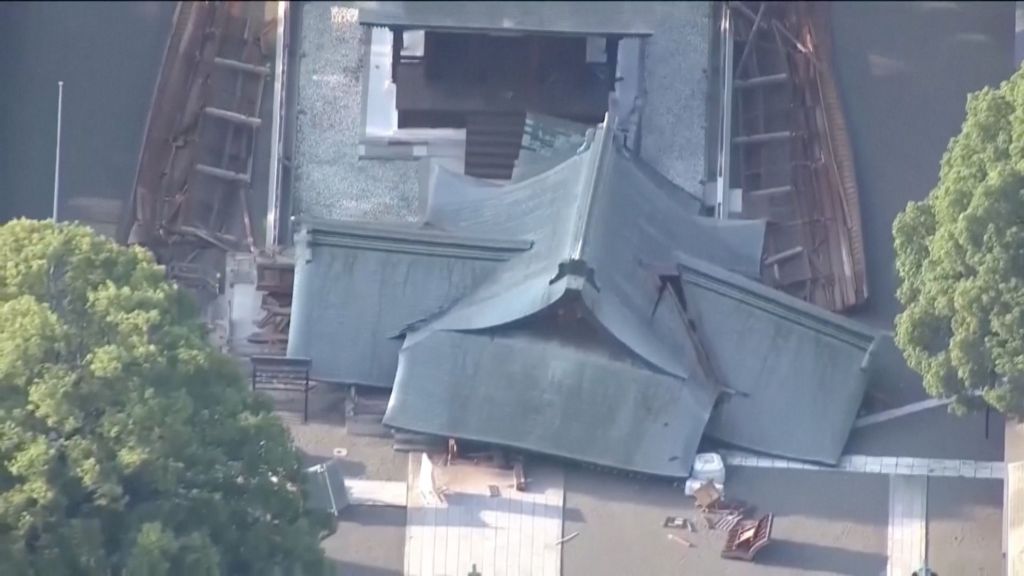
    On Tuesday afternoon local time, a powerful magnitude 7.1 earthquake jolted Japan’s Kumamoto Prefecture on the southern island of Kyushu, leaving the disaster-prone region grappling with widespread structural damage, trapped civilians and mass evacuation orders. The tectonic event, which struck at 16:27 JST (07:27 GMT), has triggered an urgent emergency response across the island as rescue teams race to reach affected sites amid ongoing aftershock activity.

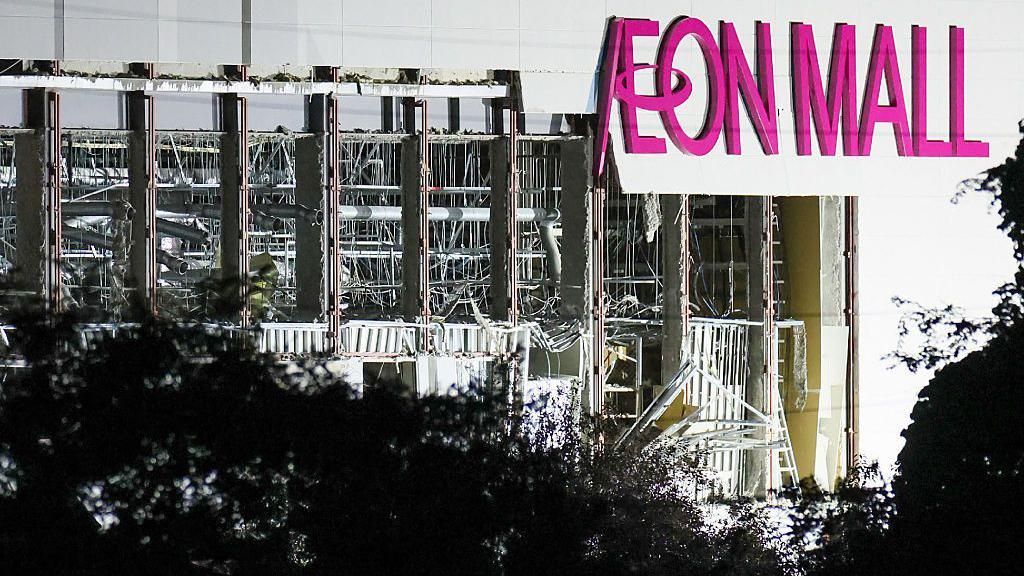
    Japan’s Fire and Disaster Management Agency has confirmed that multiple people remain trapped inside the Aeon Mall shopping center in Kumamoto City after the facility’s second floor collapsed during the tremor. Eyewitness accounts report a visible explosion and plumes of smoke rising from the building immediately after the quake, with several injured shoppers already transported to local hospitals for treatment. Japanese national broadcaster NHK cites police data confirming that contact has been lost with 20 to 30 mall employees, though the full number of missing people has not yet been finalized as search operations continue.

    A second high-stakes incident is unfolding at the Nippon Paper Industries Yatsushiro Plant in Yatsushiro City, also within Kumamoto Prefecture. A large factory chimney collapsed during the quake, and police say multiple people are currently unaccounted for at the site. Aerial imagery captured by Reuters shows the crumpled remains of the chimney at the plant, where response teams are conducting search and rescue operations.

    The disaster has also left irreparable damage to one of Japan’s most historic cultural landmarks: 17th-century Kumamoto Castle. Tremors caused large sections of the castle’s outer stone walls to collapse, marking the second major seismic damage to the site in a decade. The 400-year-old castle suffered extensive damage to its turrets and inner walls during a 2016 magnitude 7.3 quake that killed 278 people across Kumamoto and neighboring Oita prefectures, a reminder of the region’s long history of high-magnitude seismic activity.

    Additional infrastructure damage has been reported across the prefecture, including the collapse of a regional footbridge. Local officials have not yet confirmed if anyone was injured in the footbridge failure, and adjacent road infrastructure remains open to traffic. As of the latest update from Kyushu Electric Power, more than 40,000 households across the affected area remain without electricity, and multiple major roads have been rendered impassable by damage and debris.

    In the immediate aftermath of the main quake, the Japan Meteorological Agency issued a regional tsunami warning, but the alert was lifted within two hours as no abnormal sea level changes were recorded. The agency has recorded more than 60 aftershocks to date, ranging in magnitude from 1.0 to 4.0, and officials have warned residents to remain alert for additional tremors in the coming days. Roughly 300,000 Kumamoto residents have been ordered to evacuate to emergency public shelters as response operations continue, with new details emerging from the disaster zone hourly.

    Kyushu, Japan’s third-largest main island and second most populous, sits along the seismically active Pacific Ring of Fire, making the southern Japanese archipelago regularly vulnerable to high-magnitude quakes. The 2016 Kumamoto earthquakes already served as a wake-up call for disaster preparedness across the region, but this latest event has tested emergency response capacity once again.

  • Uefa reacts with fury to Infantino World Cup plan

    Uefa reacts with fury to Infantino World Cup plan

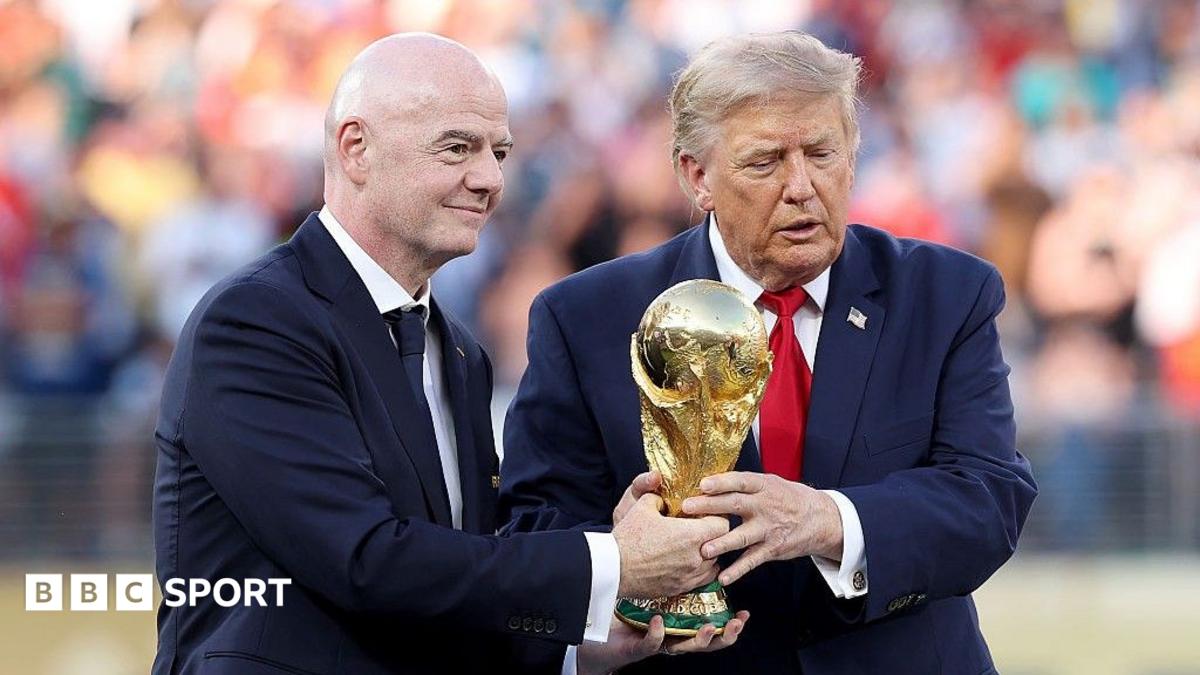
    Global football’s governing body Fifa has triggered a major backlash from European football’s top regulator Uefa after unveiling controversial plans to open up its commercial and event operations to third-party private investment, a move that has thrown the future governance of the sport into question. The plan, first broken by the *Financial Times* and *The Times*, centers on creating a new Fifa-owned subsidiary called Fifa Forward Enterprise (FFE), which will offer minority non-controlling stakes to outside investors. Fifa says the core goal of the initiative is to grow its total football development funding to more than $10 billion, with every member association set to access up to $20 million in one-off capital for grassroots and regional development projects.

    If approved, the investment round is expected to be led by Thrive Eternal, a United States-based venture capital firm founded by Joshua Kushner — brother of Jared Kushner, former US President Donald Trump’s son-in-law and senior advisor. Early reporting from *The Times* raised questions about potential personal financial gains for Fifa president Gianni Infantino, claiming the plans could earn him tens of millions of pounds. But Fifa sources have denied any suggestion that Infantino or any other senior leader is in line to take the chief executive role at the new subsidiary, while the organisation has only confirmed that Infantino and Fifa’s leadership retain a duty to oversee the project’s development, declining to outline the exact scope of his involvement.

    In his official comments on the plan, Infantino framed the move as a push for equitable growth across global football. “Parts of the game have turned that popularity into remarkable commercial value — and we celebrate that success and want it to continue, because it lifts the whole game,” he said. “Our job is to make sure the rest of football grows with it: Fifa exists to support sustainable, inclusive development in every corner of the world.” He added that Fifa’s model mirrors the private investment structures already adopted by governing bodies in other major sports, pointing to examples like 2018 partnership between Premiership Rugby and investment firm CVC Capital Partners.

    But Uefa has rejected that comparison, issuing a scathing public statement that accuses Fifa of crossing a fundamental red line for the sport. The European regulator argues the plan opens the door to Fifa expanding the size and frequency of its international competitions to drive higher revenue, a shift that would directly threaten the commercial viability of Uefa’s own highly lucrative club and international tournaments. “This crosses a line that football’s governing institutions should never cross,” Uefa said in its statement. “Uefa takes it extremely seriously. So should every National Football Association. So should every stakeholder who cares about the future of the game. The soul and governance of football are not assets to trade — especially with zero transparency as to who gains financially. None of us are the owners of football. It is not Fifa’s to sell.”

    Fifa has pushed back on Uefa’s concerns, emphasizing that it will retain full control of FFE and hold exclusive authority over all core football-related decisions, including competition structure, the international match calendar, governance rules, and regulatory matters. The proposal will first be discussed at the upcoming Fifa Council meeting this autumn, and will later be taken up during the Fifa Intercontinental Cup in December. A final vote by all 211 Fifa member associations is scheduled for the Fifa Congress in Morocco next March, where the future of the controversial plan will be decided.

  • UK to resume military training in Kenya after delay over human rights concerns

    UK to resume military training in Kenya after delay over human rights concerns

    NAIROBI, KENYA – After a months-long suspension of joint military exercises triggered by legislative pushback over community protection safeguards, East Africa’s Kenya and the United Kingdom have announced a formal agreement to resume military training activities in the country. The pause in operations, first announced on July 23, stemmed from delays in finalizing a new bilateral defense cooperation pact, with Kenya’s parliament raising significant concerns about ensuring safety and legal protections for local populations residing near British training areas.

    The long-standing security partnership between the two nations has been shadowed by high-profile controversies in recent years that fueled growing public and political pressure to re-examine the British military presence in Kenya. In 2012, the body of 21-year-old local woman Agnes Wanjiru was discovered in a septic tank in Nanyuki, a town adjacent to the British army’s main training ground. Witness accounts placed Wanjiru leaving a local bar with British soldiers shortly before her disappearance, yet no convictions have ever been secured in connection with her death. A separate 2021 incident saw an accidental fire ignited by British troops during training destroy more than 12,000 acres of protected habitat at the Lolldaiga Conservancy, a major conservation area near the training site, drawing widespread criticism over accountability for environmental damage.

    Notably, neither the Kenyan nor British government has issued any formal public comment on longstanding allegations of human rights abuses linked to British soldiers conducting past training exercises in the country.

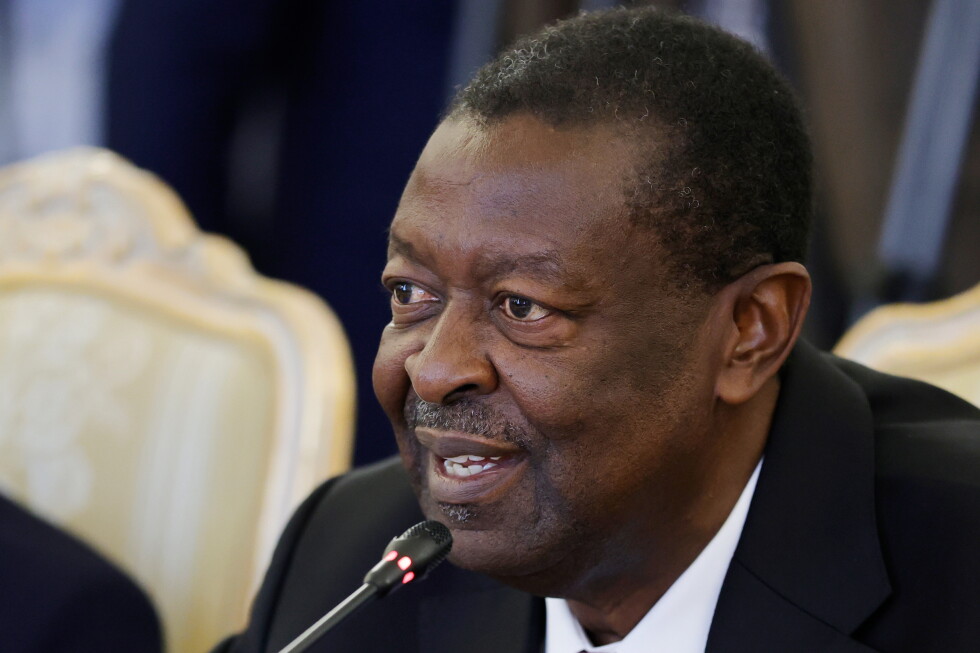
    Despite these unresolved tensions, Kenyan Foreign Affairs Minister Musalia Mudavadi framed the resumption of training as a continuation of a durable bilateral relationship. “This partnership has been built over decades on mutual respect, constructive engagement, and a shared commitment to peace and security across the region,” Mudavadi stated, adding that the Kenyan government welcomes the decision to move forward with exercises.

    Authorities have refuted previous local media speculation that the UK was planning to redirect a portion of its military training activities to neighboring Tanzania, calling those reports unfounded.

    In an official statement, the British government confirmed that Kenyan officials have approved all required operational licenses and permissions to restart training, which is scheduled to resume before the end of the current year. Currently, around 200 permanent British military personnel are stationed in Kenya, where they annually train more than 1,000 Kenyan soldiers ahead of the Kenyan troops’ deployment to Somalia to fight al-Shabab, the al-Qaida-affiliated militant group operating in the Horn of Africa. The UK invests approximately 1.1 billion Kenyan shillings, equal to $9.6 million USD, into the bilateral defense partnership each year.

  • The moment Tuesday’s powerful earthquake hit Japan

    The moment Tuesday’s powerful earthquake hit Japan

    On July 28, a strong seismic event jolted Japan’s Kyushu island, catching residents and observers off guard as ground shaking spread across multiple communities in the region. Newly released video footage compiled from various locations across Kyushu documents the exact moment the earthquake struck, capturing the immediate impact of the tremor on urban and local landscapes.

    The recordings, collected from different vantage points across the affected area, offer a widespread look at how the earthquake manifested across Kyushu, showing visible shaking to structures, streets, and public spaces in multiple districts. As of initial reports, authorities have begun assessing the full scope of damage, injuries, and disruption caused by the tremor, with emergency response teams mobilized to support affected communities in the hours following the event.

  • US accuses France of ‘disingenuous grandstanding’ at UN

    US accuses France of ‘disingenuous grandstanding’ at UN

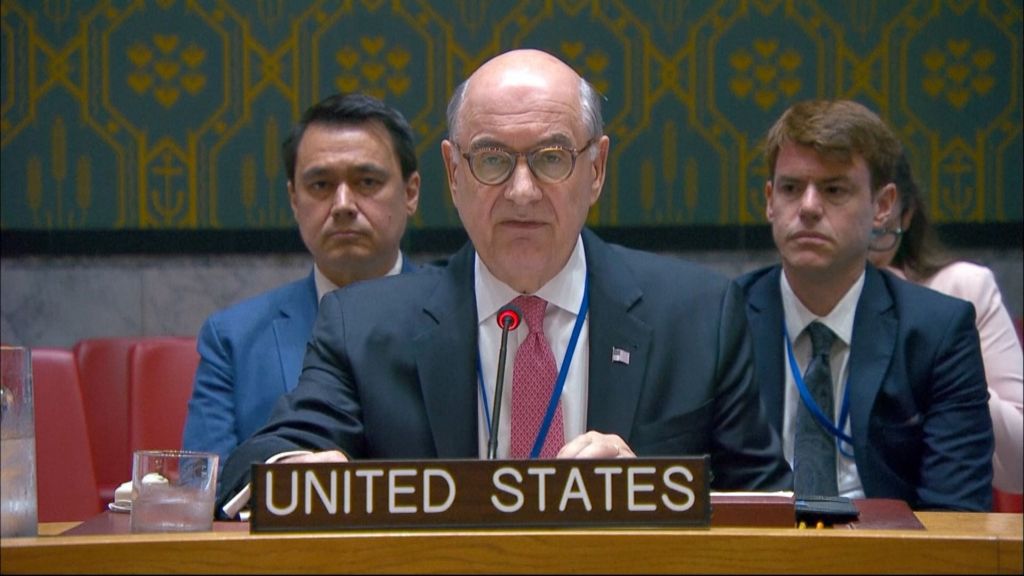
    A sharp diplomatic clash has erupted between two long-time Western allies at the United Nations, after the United States publicly rebuked France for controversial comments comparing U.S. human rights voting behavior at the global body to that of authoritarian nations. The verbal sparring, which underscores growing rifts over human rights policy between the two major powers, was initiated when French representatives made the unflinching comparison during UN proceedings. The U.S. delegation did not hold back in its response, launching a forceful pushback that labeled France’s statements as nothing more than disingenuous performance politics designed to garner global attention rather than advance constructive dialogue on human rights. This public confrontation is unusual for two close NATO partners, highlighting underlying disagreements over how global human rights issues should be framed and addressed within multilateral institutions. While neither side has yet announced further diplomatic action following the exchange, the public rebuke signals that tensions over human rights diplomacy are now spilling out into the open at the UN.

  • ‘It feels like hell’: Gaza families battle suffocating summer heat in tents

    ‘It feels like hell’: Gaza families battle suffocating summer heat in tents

    GAZA CITY — For hundreds of thousands of displaced Palestinians in Gaza, the shift from a brutal, unforgiving winter to the enclave’s Mediterranean summer has not brought relief. Instead, it has layered a new set of deadly hardships onto lives already upended by Israeli military action, displacement, and a collapsing humanitarian infrastructure.

    When Middle East Eye first spoke to Rajaa Jendiya, a 47-year-old Palestinian widow and mother of three, in January, she described that winter as the harshest she had endured during her nearly two years of displacement. Today, with winter rains long gone, the flimsy tent that failed to shield her family from frigid cold has become a sweltering trap under the unrelenting Gaza summer sun.

    “It is exactly like being locked inside a greenhouse,” Jendiya explained from the makeshift camp set up in a central Gaza City school, where she resettled after Israeli bombing destroyed her home in eastern Gaza’s Shujaiya neighborhood. “The tent traps all the sun’s rays and cranks up the heat. The temperature and humidity get so extreme that it feels like you’re suffocating — I have to leave just to catch my breath.”

    Jendiya’s loss is one shared by countless families across Gaza: her husband was killed by Israeli forces in March 2024 during one of the so-called “flour massacres” that took place amid Israel’s siege and intentional starvation of northern Gaza. She is among 1.9 million displaced Gazans out of the enclave’s total 2.1 million population, according to UNICEF, the vast majority of whom rely on makeshift tents and overcrowded converted public buildings for shelter.

    For these families, summer brings cascading crises that build on the instability they already face. Beyond the stifling heat, invasive disease-carrying insects have made rest nearly impossible, Jendiya says.

    “All night long, mosquitoes keep us up, and as soon as the sun comes up, flies take over,” she said. “We cannot sleep at night or during the day, and the heat has brought new kinds of insects we have never seen before in our lives.”

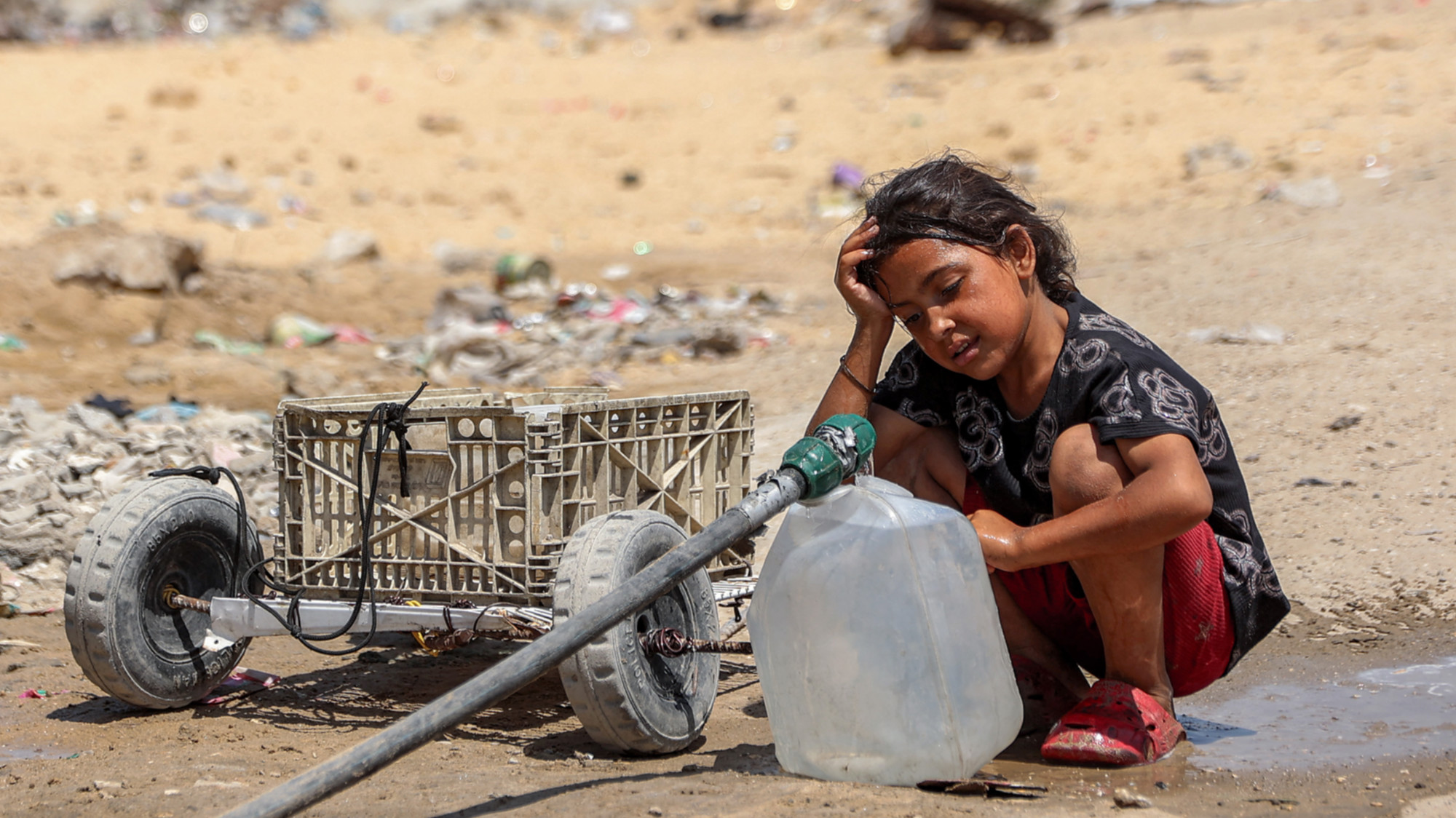
    Gaza’s geographic location along the Mediterranean Sea creates naturally hot, humid summers, with average temperatures ranging between 30°C and 32°C, and heatwaves regularly pushing readings above 35°C. For displaced Gazans living in overcrowded camps with little access to basic services, these conditions have sparked a public health emergency that disproportionately harms children.

    Raw sewage often overflows around camp sites, and rotting garbage piles up in open areas, conditions that worsen dramatically as temperatures climb. Jendiya says she makes regular trips to local hospitals with her children, who have repeatedly contracted heat- and sanitation-linked illnesses, including widespread skin conditions that have spread across displacement camps. Health workers across Gaza have documented soaring rates of scabies, fungal infections, rashes, and lice, with children most severely affected.

    Mona al-Mallahi, a 47-year-old displaced woman who pitched her tent on a narrow traffic island opposite Gaza’s al-Azhar University, echoes Jendiya’s account of unrelenting hardship. “There is no escape from the heat,” she told Middle East Eye. “During the day, we cannot stay inside the tent because it is unbearably hot, but outside there is no shade to protect us from the blazing sun. We spend every day searching for a way to breathe.”

    Israel’s military offensive has destroyed more than 81 percent of all residential buildings across Gaza, flattening much of the Strip’s urban landscape and cutting down trees that once lined streets and public spaces. That has left tent-dwelling displaced residents fully exposed to the scorching summer sun, with no reprieve. Even after the October ceasefire came into effect, Israel continues to restrict the entry of emergency shelter materials and life-saving humanitarian relief, deepening the shelter crisis that leaves millions vulnerable.

    Compounding the heat crisis is the near-total collapse of Gaza’s water infrastructure. More than 80 percent of the enclave’s water, sanitation, and hygiene systems have been damaged or destroyed, meaning running water for cooling and cleaning is a distant luxury for most displaced people.

    “We are drenched in sweat from the moment we wake up until we go to sleep,” al-Mallahi said. “I would need to shower at least five times a day just to cope with the heat, but that is completely impossible. We barely have enough water for the most basic drinking and cooking needs, let alone to cool ourselves down.”

    Most displaced residents collect bathing water from public taps at nearby schools or abandoned sites, while drinking water requires waiting in line for hours at charity-run water distribution trucks. The unrelenting sun has also left permanent visible marks on al-Mallahi, who lost her home in Gaza City’s Zeitoun neighborhood just days before the October ceasefire, and lost her son and grandchildren in an Israeli airstrike that hit the building where they took refuge.

    “At noon, it feels like hell here. The heat burns our skin. Look at my face — I was not like this before. My skin was light and clear, but now it gets darker every day, and new spots are appearing from the constant sun and heat,” she said. “I used to hear about the suffering of people living in tents and pray God would help them, but I never imagined how much they endure until I lived this myself.”

    Even for Gazans who still retain what is left of their homes, conditions offer little relief from the summer heat. Emad al-Sirsawi, a father of six who lives in a damaged apartment in Gaza City’s southwestern Tal al-Hawa neighborhood, says the only advantage of having a home is a ceiling to block direct sun — everything else remains just as desperate.

    “We don’t have air conditioners or even fans. Even if some of us owned these before the war, we can’t use them because there is no public electricity, and we can’t afford the electricity sold by private generators,” he explained.

    Since Israel launched its full military offensive on Gaza in October 2023, fuel shortages and the destruction of most of the enclave’s electricity infrastructure have left Gaza almost entirely without reliable power. Even after the ceasefire, Gaza’s electricity authority has not been able to restore even partial consistent power for residents. Private generator operators sell limited electricity at exorbitant prices, with one kilowatt-hour costing roughly 35 Israeli shekels ($11.5), meaning most residents can only use this costly power for essentials like lighting and charging mobile phones.

    The lack of power also means refrigeration is out of reach for most families. “Whatever food we have spoils by the end of the day, so we lose large amounts of what little we have,” al-Sirsawi said. “We are forced to cook every day, but we do not have cooking gas, so we have to rely on firewood even in this extreme heat.”

    Al-Sirsawi summed up the shared reality for all Gazans caught in the ongoing crisis: “No one can find comfort in Gaza, neither in summer nor in winter.”