博客

  • EU nations patch things up after Ceuta migration discord

    EU nations patch things up after Ceuta migration discord

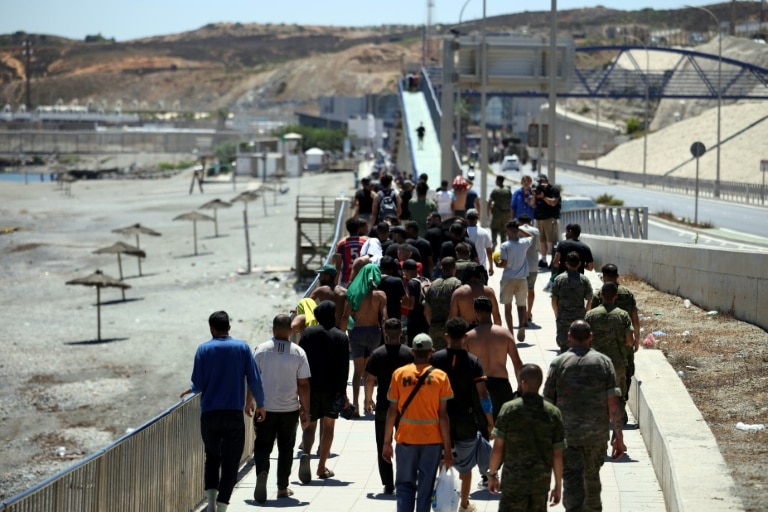
    A weeks-long migration dispute that exposed deep internal divisions within the European Union has been de-escalated, after EU interior ministers reached a fragile compromise during tense talks in Brussels this Tuesday. The conflict was triggered last week when more than 72,000 migrants crossed from Morocco into Ceuta, a Spanish sovereign enclave on the North African coast, triggering one of the bloc’s worst border security crises in recent years. Speaking to journalists after three hours of closed-door negotiations, Magnus Brunner, the EU’s top migration official, framed the incident as a major stress test for three core pillars of European integration: the bloc’s external border management, its ability to counter disinformation, and the principle of solidarity between member states.

    Brunner claimed that the bloc ultimately emerged from the challenge successfully, stating, “It was a crisis, but now fortunately, it has been resolved.” Spanish authorities have moved rapidly to repatriate the vast majority of the new arrivals, confirming Tuesday that just 2,000 of the 72,000 crossers remain in Ceuta. Officials also updated the death toll for the crossing Tuesday, raising the confirmed number of migrants who died attempting to reach the enclave from 72 to 75.

    Images of tens of thousands of migrants flowing across the border became immediate political fodder for right-wing groups across Europe and North America, who framed the crisis as proof that the continent faces an existential threat from uncontrolled immigration. The incident left the Spanish government of Prime Minister Pedro Sanchez isolated within the bloc, with 22 of the 27 EU member states backing a joint statement calling for stricter action on irregular migration that implicitly blamed Spain’s more open migration approach for the crisis. Hardline governments including Italy and Denmark even called for Spain to be suspended from the Schengen Area, the bloc’s border-free travel zone – a proposal that Madrid rejected firmly, noting that such a suspension is not permitted under existing EU law. Sanchez lashed out at other member states over the weekend in a letter to EU institutional leaders, calling their response to the crisis selfish.

    Many had expected Tuesday’s meeting to devolve into an acrimonious public showdown, but leaders across the bloc instead moved to downplay divisions and emphasize unity. Spanish Interior Minister Fernando Grande-Marlaska described the tone of the talks as “absolutely constructive”, while French interior official Laurent Nunez echoed that “all member states, without exception, affirmed their solidarity with Spain”. France had previously refused to join the 22-nation statement, arguing it exploited the crisis for domestic political gain.

    Hardline states struck a more conciliatory tone as well: Denmark’s immigration minister Morten Bodskov said his country was “very satisfied” with Spain’s handling of the emergency, though he reiterated that the event underscored the need for strict control of the EU’s external borders. Italian Prime Minister Giorgia Meloni has been one of the most vocal critics of Sanchez’s policy, particularly its plan to grant legal status to undocumented migrants already residing in Italy. Still, Italian Interior Minister Matteo Piantedosi opened his remarks by expressing “sincere solidarity” with Spain before doubling down on his government’s call for stricter migration rules.

    Over the past several months, pressure from hardline governments including Italy has pushed the EU to tighten its migration framework significantly, including new rules that allow member states to transfer failed asylum seekers to off-shore “return hubs” outside the bloc’s borders. Piantedosi used Tuesday’s meeting to push for a broader expansion of this model, calling on all EU states to adopt the framework of Italy’s recent deal with Albania to host off-shore return centers. He also argued that the bloc should use trade leverage to pressure Morocco, which he accused of failing to cooperate on migrant repatriation while benefiting from preferential trade access to the European single market.

    The final joint statement issued after the meeting praised Spain for its “swift and effective” response to the crisis, noting that no migrants had moved onward from Ceuta to mainland Spain or other EU member states. However, the statement also implicitly acknowledged missteps in the bloc’s collective response, admitting that cross-member communication during such crises could be made “more coherent”, confirming that the EU’s initial response fell short of this standard.

  • Michigan primary puts Democratic divide on the ballot

    Michigan primary puts Democratic divide on the ballot

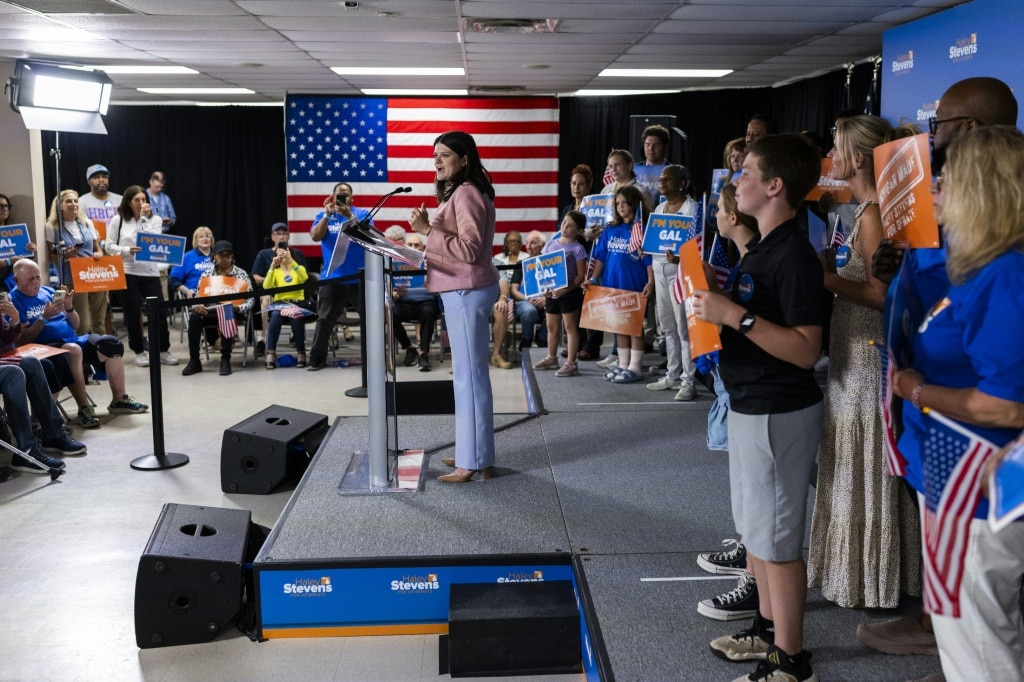
    On Tuesday, voters across Michigan headed to the polls for one of the most closely watched Democratic Senate primaries in recent memory, a contest that has escalated into a proxy battle shaping the ideological future of the national Democratic Party, its stance on the Israel-Gaza conflict, and its fight to win control of the U.S. Senate. The seat up for grabs was left open by retiring Democratic Senator Gary Peters, and the winner will go head-to-head with former Republican Congressman Mike Rogers in the general election this November. For Democrats, the path to Senate majority hinges on this race: the party must hold onto the competitive Michigan seat while flipping four currently Republican-held districts to claim control of the upper chamber, turning a local primary into a high-stakes national contest. Michigan has emerged as a key swing state in recent presidential and congressional elections, making the outcome of this primary far more than a purely ideological exercise.

    Political analysts broadly agree that the results will answer a critical question facing national Democrats: can the rising leftist wave currently reshaping the party break out of deep-blue safe seats and win competitive battleground states, or will the long-standing Democratic establishment retain its grip on power in critical swing regions? The race features two starkly different candidates, each backed by competing wings of the party.

    Abdul El-Sayed, the former director of the Wayne County Health Department, has earned endorsements from high-profile progressive leaders including Senator Bernie Sanders and Representative Alexandria Ocasio-Cortez. He has positioned his campaign as a movement for working-class Michiganders, framing himself as an outsider prepared to challenge corporate power, establishment party leadership, and the increasingly unpopular pro-Israel donors that shape national Democratic politics. His opponent, Haley Stevens, a four-term incumbent congresswoman representing Detroit’s suburban districts, has centered her campaign around proven governing experience, support for Michigan’s critical manufacturing sector, and broad electability in a general election. She boasts backing from top establishment figures, ranging from Senate Democratic Leader Chuck Schumer to popular Michigan Governor Gretchen Whitmer.

    Recent public polling has shown El-Sayed holding a narrow lead, a shift that has raised the possibility of a landmark progressive victory in a 2024 primary season already defined by a string of anti-establishment wins. El-Sayed’s allies argue that the grassroots volunteer energy fueling his campaign proves progressives can build a winning statewide coalition without relying on Washington’s traditional, big-money donor networks. For her part, Stevens argues that her core base of support – including Black voters, older Democratic voters, and voters without college degrees – is significantly underrepresented in public opinion polling. After casting her own ballot in Birmingham, a small city northwest of Detroit, Stevens told reporters that her campaign’s outreach remained strong. “We’re still getting a ton of votes. We’re firing people up,” she said. “My phone’s been ringing off the hook with people who are excited to go to the polls, to see a campaign like mine go forward for November.”

    The deepest and most bitter rift between the two candidates centers on U.S. policy toward Israel. Stevens has defended longstanding U.S. military support for Israel and has rejected claims that Israel has committed genocide against Palestinian civilians in Gaza. El-Sayed, by contrast, has called for an end to unconditional U.S. military aid to Israel, openly criticized the lobbying power of the American Israel Public Affairs Committee (AIPAC), and stated that Israel should not exist exclusively as a Jewish state. With a large Arab American population that has expressed widespread anger over Israel’s military campaign in Gaza, and AIPAC spending more than $90 million on advertising and outside spending to influence the race, Michigan has become another national test of how much power the pro-Israel lobby holds over Democratic primary outcomes.

    The campaign has devolved into increasingly personal attacks: El-Sayed has labeled Stevens “the least capable candidate in America,” while Stevens has accused El-Sayed of unfairly scapegoating Jewish Americans for political gain. Longtime Michigan Democratic Congresswoman Debbie Dingell, who has remained neutral in the primary, has warned that the “brutality” and “ugliness” of the contest could leave lasting divisions that make it harder for the party to unite ahead of the general election. Both campaigns, however, maintain that their candidate offers the strongest chance of beating Rogers in November. Stevens points to Michigan’s long history of electing pragmatic, centrist Democrats, while El-Sayed argues that grassroots enthusiasm will drive higher turnout among working-class and younger voters, key blocs for Democratic success in the state.

    The stakes of a divided party are already clear: Michigan narrowly voted for former President Donald Trump in the 2024 presidential election, even as Democratic candidate Elissa Slotkin won a narrow victory over Mike Rogers in that year’s Senate race, underscoring both the state’s status as a highly competitive toss-up and the real risk that internal division could cost Democrats the seat in November.

  • Ukrainian vegetable seller targeted in ‘human safari’ drone attack

    Ukrainian vegetable seller targeted in ‘human safari’ drone attack

    A shocking new video has emerged documenting what human rights observers are calling a targeted ‘human safari’ drone attack, in which a Russian unmanned aerial vehicle (UAV) tracked and chased an unarmed Ukrainian vegetable street vendor through populated areas of the Kherson region before detonating. The amateur footage, which has circulated widely across regional media platforms, captures the full sequence of the incident: the small, low-flying drone closes in on the vendor as he flees along a public street, continuing its pursuit before a final explosion at the end of the sequence.

    The attack has drawn renewed condemnation from international analysts who highlight that the targeting of unarmed civilian civilians in conflict zones violates international humanitarian law. The Kherson region, which has faced consistent cross-border shelling and drone strikes since the start of Russia’s full-scale invasion of Ukraine, has seen a sharp uptick in attacks targeting civilian infrastructure and individuals in recent months. Local officials confirmed that the vendor was the sole target of the drone strike, framing the incident as part of a broader pattern of what they describe as random lethal targeting of civilians for intimidation purposes, a tactic colloquially labeled ‘human safaris’ by local communities.

    Rights groups note that this incident adds to a growing list of documented attacks on non-combatants in southern Ukraine, raising further questions about compliance with the Geneva Conventions governing armed conflict. As of the latest update, details on the vendor’s condition have not been released, but the video evidence confirms the intentional targeting of an unarmed civilian going about their daily livelihood.

  • Labour Friends of Israel defends major West Bank settlement blocs

    Labour Friends of Israel defends major West Bank settlement blocs

    A long-running pro-Israel lobbying group embedded within the UK Labour Party has ignited fierce internal and international debate after releasing a new policy report that argues against a national import ban on goods produced in Israeli settlements located in occupied Palestinian territory, a move that directly contradicts overwhelming grassroots support for such a ban within the party.

    Labour Friends of Israel (LFI), an influential lobby group that counts more than 70 sitting UK members of Parliament among its affiliate members (though it has not published a public roster of supporters for some time), published the 15-page policy briefing late last week under the title *Settlements and Solutions: A Guide to the Issues*. The document was reviewed in full by Middle East Eye ahead of its circulation to Labour lawmakers and senior party figures.

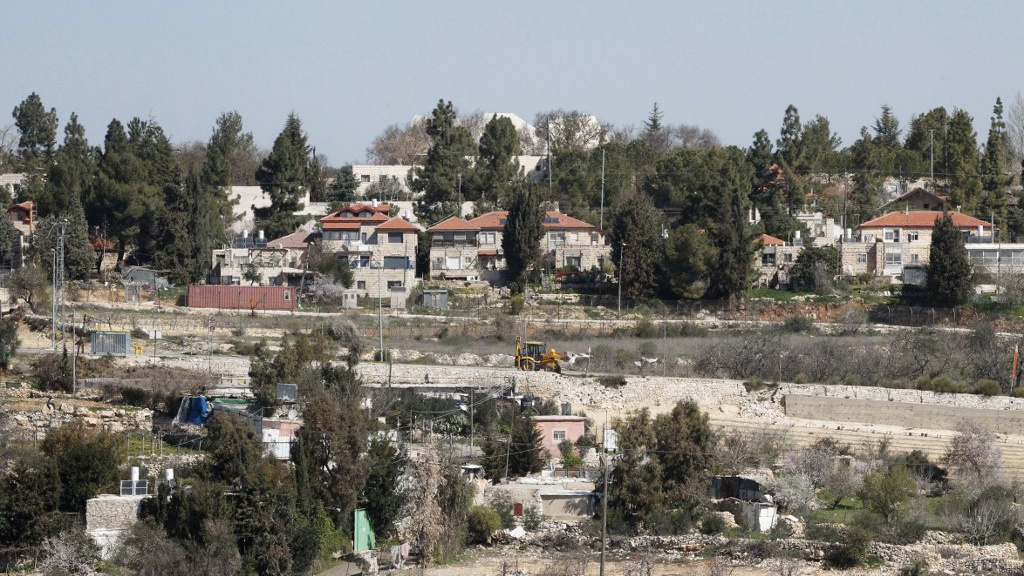
    Under international law, all Israeli settlements constructed in the West Bank and East Jerusalem – territories captured by Israel during the 1967 Six-Day War – are classified as illegal. This position was further cemented earlier this year when the United Nations’ highest judicial body, the International Court of Justice, issued an advisory opinion ruling that Israel’s ongoing occupation of Palestinian territory is unlawful as a whole, and required all UN member states to take active measures to end the occupation.

    Against this global legal consensus, LFI’s report takes a nuanced but controversial stance, acknowledging that most of the international community rejects Israel’s claim that settlements are legal under international law while pushing for a tiered approach to the issue. The document openly criticizes unauthorised Israeli settlement outposts – small, often rogue encampments built without formal approval from the Israeli government – and calls on the UK to pressure any future Israeli government to dismantle these outposts, halt all new settlement expansion outside of existing large, established settlement blocs, increase Palestinian access to construction permits in Area C (the 60 percent of the West Bank under full Israeli civil and military control), and expand territorially for Palestinian autonomous zones.

    This framework makes clear that LFI opposes any British objection to the large, established settlement blocs that house the vast majority of Israeli settlers in the West Bank. The report goes further, arguing that a full national ban on all settlement goods is unfeasible on both practical and political grounds. It claims a comprehensive boycott would not only impact Israeli businesses operating within settlement blocs, East Jerusalem and Jerusalem’s Old City, but would also inadvertently harm Israeli citizens living within Israel’s pre-1967 borders, effectively becoming a de facto boycott of the entire state of Israel.

    Such a move, the report argues, would be perceived by the UK’s Jewish community as evidence that the Labour government is disproportionately targeting Israel for punitive action, deepening existing divides within the country over the government’s Middle East policy.

    The LFI briefing comes at a critical juncture for UK Prime Minister Andy Burnham’s new Labour government, which widespread Whitehall sources confirm is actively considering implementing an import ban on settlement goods once Parliament reconvenes following its current recess. Burnham has publicly stated he is reviewing “further measures to deter unacceptable violence” in the occupied West Bank, where extremist settler attacks on Palestinian communities have spiked dramatically over the past two years.

    Multiple senior figures within Burnham’s cabinet have documented ties to LFI. Current Defence Secretary Wes Streeting, who has previously stated he has been a supporter of LFI for more than 20 years in leaked text messages to former disgraced UK ambassador to the US Peter Mandelson, has nevertheless broken with the lobby group’s latest position, endorsing sanctions on Israel and publicly accusing the country of committing war crimes in Gaza. Business and Trade Secretary Jonathan Reynolds, another senior Labour figure, previously served as a vice-chair of LFI.

    It is worth noting that when Labour was the official opposition, the party publicly called for a ban on settlement goods. In June 2020, then-shadow foreign secretary Lisa Nandy argued that implementing such a ban would require political courage that sitting Conservative ministers had so far refused to demonstrate.

    The push for import restrictions on settlement goods is gaining traction across Europe. France and Sweden recently tabled a joint proposal calling on the European Union to implement strict new import controls on goods produced in Israeli settlements, while the Netherlands officially implemented a national ban on trade in these goods just last month.

    Domestically, LFI’s position puts it sharply at odds with the vast majority of the Labour Party’s own grassroots membership. Polling conducted earlier this year found that 87 percent of registered Labour members support a national ban on trade with Israeli settlements, with just 6 percent opposing the measure.

    In its report, LFI does condemn the current Israeli administration led by Prime Minister Benjamin Netanyahu, which took office in January 2023 and has dramatically accelerated settlement expansion beyond the established blocs while failing to crack down on violent extremist settlers. The group also argues that there is a long-standing international consensus, previously accepted by both Israeli and Palestinian negotiating teams, that the major settlement blocs will remain under Israeli control as part of any final two-state peace agreement, via a land swap arrangement that would exchange Israeli territory for the occupied land held by the blocs.

  • Oil spill from grounded tanker off Oman expands sharply, satellite images show

    Oil spill from grounded tanker off Oman expands sharply, satellite images show

    BEIRUT – A growing environmental crisis is unfolding off the southern coast of Oman, where a massive oil leak from a UK-sanctioned grounded tanker has expanded 7.5 times in just one week, pushing crude oil onto protected shorelines and far into the Arabian Sea, according to expert analysis of new satellite imagery reviewed by the Associated Press.

    The vessel at the center of the disaster is the 274-meter Suezmax tanker *Caroline Bezengi*, a Cameroon-flagged ship that carries Russian crude oil. It has been sanctioned by the United Kingdom, European Union, Canada and Switzerland for its role in what Western authorities describe as evading price caps on Russian oil exports, activity the UK says “has been or is likely to be involved in activity whose object or effect is to destabilize Ukraine” in support of the Russian government.

    The tanker has been stranded off Oman’s Dhofar governorate since June, after its crew reported an onboard explosion, according to maritime industry reports that the AP has not independently verified. Geospatial tracking firm SynMax Maritime previously confirmed via social media platform X that the vessel was docked at Russia’s Novorossiysk Black Sea port in May before starting its final voyage. It remains unclear what destination the tanker was heading to when it ran aground.

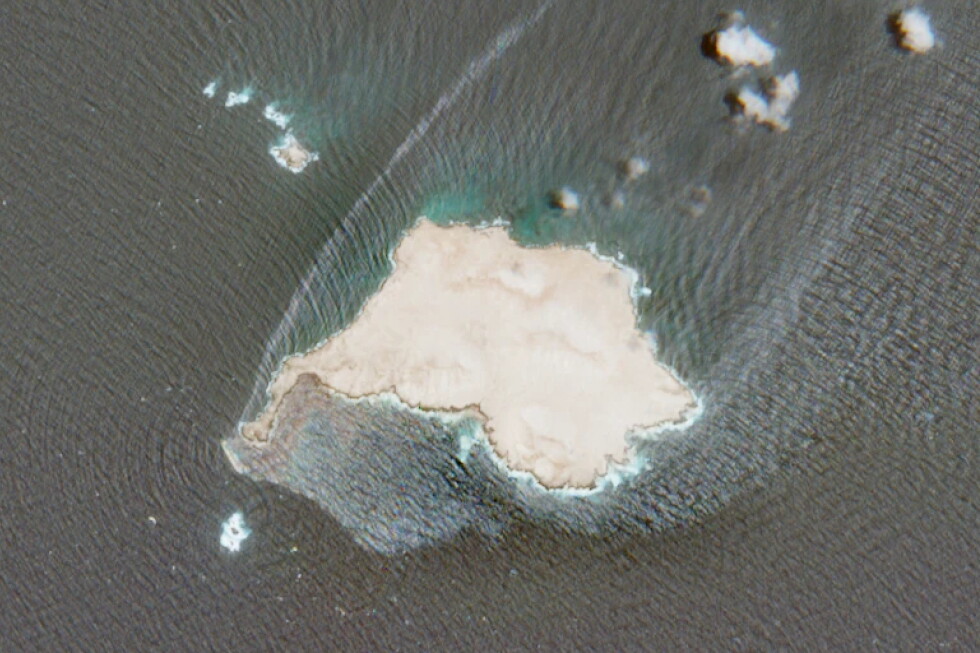
    New satellite imagery captured on Sunday shows the spill has ballooned to an estimated 150 square kilometers (58 square miles), up from just 20 square kilometers a week earlier, Greenpeace Germany announced in a statement released Monday. The thick crude and spreading oil sheen now stretches roughly 90 kilometers (56 miles) along the coast – nearly double its length from seven days prior – and has already contaminated large sections of Qibliyah Island, located just offshore.

    “It is a drastic increase,” explained Nina Noelle, a climate and ocean campaigner with Greenpeace Germany. “Clearly a large amount of crude oil is continuing to leak from the vessel. It is not yet clear what has caused the leak to accelerate at this rate.”

    Wim Zwijnenburg, an environmental specialist with Dutch conflict and environment advocacy group PAX, confirmed that while much of the spread consists of thin evaporable oil sheen, thick sticky black crude patches have already reached the southern and western shorelines of Qibliyah Island. The entire affected area falls within the Arabian Sea Reserve, a protected marine habitat that hosts some of the rarest marine wildlife on Earth, including endangered petrel seabirds and the critically small, unique population of Arabian Sea humpback whales.

    Greenpeace Germany’s statement warned that the rapid expansion of the spill highlights severe unaddressed risks tied to what experts call Russia’s “shadow fleet” – a network of unregulated, aging vessels that evade Western sanctions to ship Russian oil to global markets. “This dramatic expansion underscores the serious and continuing environmental threat posed by the stranded tanker — and exemplifies the dangers associated with the practices of Russia’s shadow fleet,” the organization said.

    Oman’s Ministry of Transport, Communications and Information Technology ordered the tanker’s owners to remove the vessel and its remaining cargo – estimated to hold more than 800,000 barrels of crude – by a July 23 deadline, local newspaper *Muscat Daily* reported. As of Tuesday, there is no public information confirming whether the vessel’s owners have responded to the order or begun mitigation work to contain the expanding spill.

  • Board of Peace caves to Netanyahu and rewrites Israeli withdrawal terms from Gaza

    Board of Peace caves to Netanyahu and rewrites Israeli withdrawal terms from Gaza

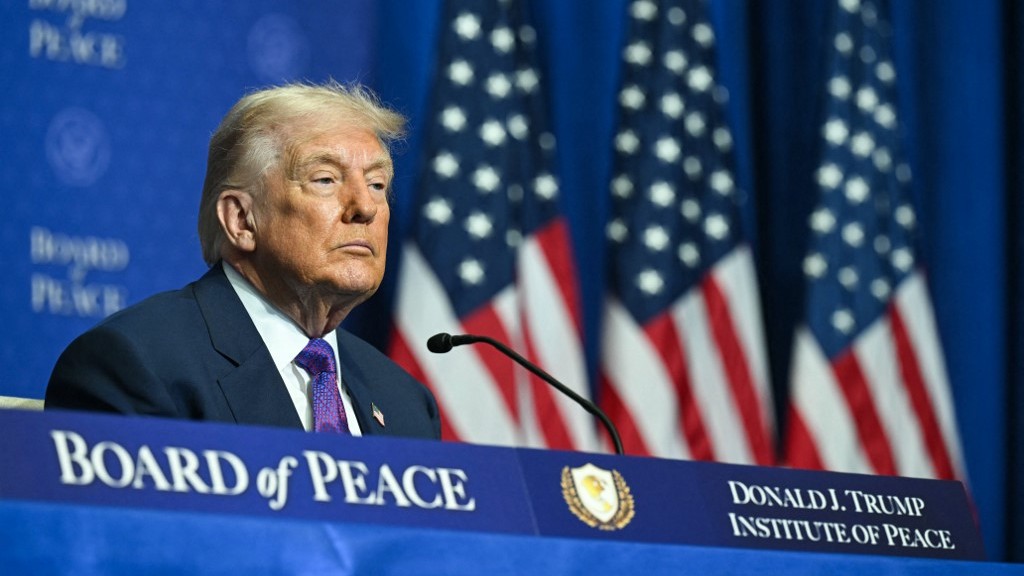
    In a significant policy shift following high-stakes talks with Israeli Prime Minister Benjamin Netanyahu, the US-backed Board of Peace has toughened conditions for any Israeli military pullback from Gaza, abandoning a previously proposed phased approach to the conflict. The body now explicitly ties any Israeli withdrawal of forces beyond the Yellow Line — the de facto demarcation splitting Gaza into Israeli- and Palestinian-controlled zones — to the full and complete disarmament of Hamas, covering all light weapons, heavy armaments and underground tunnel networks.

    The new position marks a sharp departure from the framework the board outlined just one week prior. Last week, board officials put forward a incremental plan that would have paired partial, step-by-step Israeli withdrawals back to the Yellow Line with gradual Hamas disarmament, matching comments from the board’s high representative Nickolay Mladenov, who said withdrawals and disarmament must “move in lockstep.” Initially, in Monday’s post-meeting statement, the body referenced a “full withdrawal of the IDF,” which kept open the door for earlier partial pullbacks. But within minutes, officials removed the word “full,” bringing the board’s stance directly in line with Netanyahu’s long-held demand that Israeli forces remain in Gaza until Hamas is fully disarmed.

    The Yellow Line was originally drawn up after a controversial ceasefire agreement in October 2025. In the time since that truce, Israel has expanded its territorial control in the enclave, now holding more than 60 percent of Gaza, with Netanyahu publicly stating the goal of extending Israeli control to roughly 70 percent of the strip.

    This policy reversal has already introduced new uncertainty to mediation efforts. Hamas had previously accepted the original phased sequencing of withdrawals and disarmament, and analysts warn the board’s retreat from its earlier position risks unraveling the fragile preliminary agreement, while rewarding Israel’s ongoing refusal to halt military strikes or begin pullbacks. According to Israeli outlet Israel Hayom, Netanyahu made his government’s position clear during talks with Mladenov: Israel will not end its offensive in Gaza, nor will it withdraw forces to the Yellow Line ahead of full Hamas disarmament.

    Additional Israeli demands have further complicated negotiations. Israeli officials have sought formal assurances that even after Hamas completes disarmament, Israel will retain the right to carry out military strikes inside Gaza. The Israeli government also rejected Turkish and Qatari participation in a proposed international monitoring committee charged with overseeing disarmament, and demanded that all seized Hamas weapons be destroyed rather than stored.

    Mladenov sought to temper expectations for quick progress following the contentious talks. “This is the start of the hard phase and I have never pretended otherwise,” he wrote on social platform X. “Not much of what we do now is dramatic. It is slow, grinding and technical work.”

    Hours after the meeting concluded, violence continued on the ground: an Israeli air strike targeting the Sheikh Ajlin neighborhood of Gaza City killed two Palestinian civilians, underscoring the ongoing human cost of stalled diplomacy.

  • How to avoid the worst of the Italian heat

    How to avoid the worst of the Italian heat

    As a record-breaking heatwave scorches across the Italian peninsula, sending temperatures soaring to dangerous levels that threaten public health, the country’s Ministry of Health has issued a rare red heat alert covering all 27 of Italy’s major urban centers. The high-risk designation includes top international tourist hubs, from the ancient capital of Rome and fashion capital Milan to the coastal cities of Naples and the canal city of Venice, falling right in the middle of Europe’s peak summer holiday travel season.

    While many long-term Italian residents have grown accustomed to rising summer temperatures amid the ongoing climate crisis — with some noting extreme heat is no longer an anomaly here — visitors and even Italians traveling from cooler regions have expressed shock at the intensity of the current heat event. With millions of travelers flocking to Italy this summer, the BBC consulted local site managers, tour guides, and travel experts to compile practical advice for enjoying a safe trip despite the sweltering conditions.

    Simone Quilici, director of Rome’s iconic Colosseum Archaeological Park, emphasized that venturing out to open-air historical sites during the peak hot hours after midday is a critical mistake. “This isn’t an isolated heat event, it’s part of the global climate change phenomenon we’re all living with,” Quilici explained, noting that Rome has adapted to repeated summer heatwaves. To accommodate visitors during the heatwave, Italian cultural and tourism authorities have extended evening opening hours for dozens of top attractions through August: the Colosseum stays open until 11:30 PM on Fridays and Saturdays, Rome’s Pantheon is open until 11 PM daily except Thursdays, and Milan’s Sforza Castle extends closing to 7:30 PM. At the Colosseum specifically, management has installed misting cooling fans at entry points and added additional emergency medical stations to handle heat-related incidents. Quilici also said he is working with archaeologists to plant more shade-providing vegetation across the park in long-term adaptation measures.

    Local tour operators have also adjusted their schedules to beat the heat. Mateo Medina, operations director for Rome-based tour company Vivicos International Travel, told reporters his firm has added new late-night tours running from 10 PM to midnight, and has seen a sharp spike in demand for early 8 AM tours before temperatures climb. For travelers looking to escape the midday sun, experts universally recommend air-conditioned cultural institutions as top alternatives to outdoor walking tours. Beyond major museums, Italy’s thousands of historic churches offer free, cool shelter while allowing visitors to engage with the country’s rich cultural and religious heritage. Air-conditioned indoor activities including hands-on cooking classes and wine tastings have also grown in popularity among heat-conscious travelers. For those who still want to enjoy the outdoors, Rome’s large public parks such as Villa Borghese, Villa Adriana and Parque de Acquedotti offer abundant tree shade, and the city’s underground Christian catacombs maintain consistently cool temperatures year-round.

    In Naples, top local tour guide Marco Carrino echoes the warning against midday visits to open archaeological sites like Pompeii, advising travelers to arrive as early as possible or plan visits for cooler months of the year. He suggests diverting to Naples’ National Archaeological Museum during peak heat, which houses one of the world’s most significant collections of Roman, Greek and Egyptian artifacts. Italian travel writer Alessia Armenise shared an unexpected local hack: neighborhood supermarkets. Fully air-conditioned, supermarkets’ fresh deli counters offer affordable, made-to-order sandwiches that beat overpriced tourist-focused eateries, she says. Armenise also advises structuring days around water features — swapping coastal hikes for boat tours that let travelers enjoy shoreline views from the water while cooling off with ocean spray, and stopping for traditional Italian frozen treats like Sicilian granita or Roman grattachecca to bring down body temperature.

    For travelers determined to tick major crowded sites like the Vatican off their bucket lists, experts urge advance online ticket booking to avoid long waits in sweltering direct sun, noting popular tickets often sell out days in advance. Off-the-beaten-path options also offer relief: smaller regional museums and galleries in lesser-known towns are far less crowded, often have on-site cafes where visitors can rest for hours in cool air. On particularly hot evenings, travelers can duck into local independent cinemas or historic theaters, many of which are air-conditioned and offer a chance to engage with local cultural life beyond major tourist sites. In Verona, Armenise recommends evening concerts at the ancient Verona Arena amphitheater, where cool evening temperatures make for a far more enjoyable experience than midday visits.

    In Florence, art historian and local guide Dr. Agata Chrzanowksa suggests day trips to the cool hills and mountain regions north of the city, highlighting the scenic Garfagnana region as an ideal escape for travelers with access to a car. For a cool stop within the city, she recommends the Odeon Cafe and Bookstore, a renovated art-nouveau historic theater that now operates as a climate-controlled bookshop and cafe where visitors can relax for hours. In Venice, veteran tour guide Fiona Giusto says the key to beating the heat is simple common sense: planning routes around shaded stops, staying consistently hydrated, and wearing sun protection like broad-brimmed hats and high-SPF sunscreen. For cool cultural activities in Venice, Giusto recommends visits to the historic Teatro La Fenice opera house and the Ca’ Rezzonico art museum, both of which offer full air conditioning.

  • Trump insists Iran talks under way, warns Tehran’s ‘last chance’ to secure deal

    Trump insists Iran talks under way, warns Tehran’s ‘last chance’ to secure deal

    Tensions across the Middle East have escalated sharply this week, with overlapping diplomatic efforts, conflicting claims about dialogue between the United States and Iran, and rising violence threatening stability across key waterways and border regions. In a public statement, former US President Donald Trump announced that direct negotiations between Washington and Tehran are currently underway, adding a stark warning that this latest diplomatic push represents Tehran’s “last chance” to reach a binding agreement to de-escalate the ongoing conflict between the two nations.

    Iran’s foreign ministry spokesperson Esmaeil Baghaei quickly pushed back against Trump’s claim, flatly denying that any direct talks with US officials are in progress or that any future meetings have been scheduled. Currently, discussions focused on security and governance of the strategically critical Strait of Hormuz remain facilitated through Omani mediation, Baghaei confirmed. Undisclosed sources speaking to Anadolu Agency note that negotiators from Pakistan and Qatar are also working behind the scenes to lock in a mutually acceptable date and location for a potential direct meeting between Iranian and US delegations. Last week, Pakistan formally extended an urgent invitation to Iranian negotiators to travel to Islamabad, a move widely interpreted as an effort to restart Iran-US talks that have stalled for weeks. Pakistan’s Deputy Foreign Minister Mohammed Ishaq Dar extended the invitation directly to Iranian Foreign Minister Abbas Araghchi during a recent phone call, urging Araghchi to visit “at his earliest convenience.”

    The simmering confrontation took a harder turn as senior Iranian military advisor Mohsen Rezaei, who serves as a top aide to Supreme Leader Ali Khamenei, issued a stark warning to US military forces in the region. Rezaei cautioned that American naval vessels and deployed troops will “face serious risks and casualties” if Washington continues its naval blockade of Iranian commercial ports. In a public post on the social platform X, Rezaei emphasized that “The U.S. must change its behavior — or we will not tolerate this. We will never permit the opening of a second corridor in the Strait of Hormuz.”

    Despite the public disputes over negotiations, anonymous Iranian and US officials told The New York Times that Iran and Oman are in the final stages of finalizing a draft agreement to reopen the Strait of Hormuz to unimpeded commercial shipping, a deal that would grant Tehran near-total control over the contested strategic waterway, through which roughly 20% of the world’s daily oil shipments pass.

    Tensions along the waterway spilled into violence this week, Reuters reported Tuesday. A Liberian-flagged commercial vessel was hit by an unclaimed projectile while transiting the Strait near the Omani coastline. Maritime industry sources confirm that the entire crew abandoned the damaged ship, and at least one sailor remains missing following the incident.

    In a separate development, Rezaei also confirmed this week that Iran had scrapped a pre-planned retaliatory strike against three locations in Ukraine, after Kyiv issued a formal apology for a recent Ukrainian attack on an Iranian commercial vessel. Speaking to Iranian state television, Rezaei explained that Iran’s armed forces had completed all military preparations for the strikes before the operation was called off following the apology.

    The five-month-long open conflict between the US and Iran has already generated unexpected financial windfalls for major global energy firms, as skyrocketing oil and gas prices have driven a sharp surge in corporate profits. British energy giant BP reported that its most recent quarterly profits have more than doubled compared to the previous year. UK-based rival Shell confirmed its net profit also doubled to nearly $10 billion in the three months ending in June, while Saudi state oil giant Aramco recorded a 44% rise in net profits over the same period.

    In a separate hotspot along the Israel-Lebanon border, the seventh round of US-brokered negotiations between Israeli and Lebanese delegations kicked off this week in Rome. The three-day talks are focused on addressing ongoing Israeli violations of a conditional ceasefire agreement reached between the two sides in April, including unapproved Israeli land-clearing operations, explosions targeting civilian infrastructure, and the demolition of residential homes in southern Lebanon.

    A senior Lebanese official speaking to Anadolu Agency outlined the Lebanese delegation’s core proposal: the talks will focus on establishing new designated pilot zones for Israeli military withdrawal, with the second phase of withdrawal covering either Bint Jbeil or Khiam, both located south of the Litani River in southern Lebanon.

    Hezbollah leader Naim Qassem publicly rejected the negotiations in a televised address Monday, arguing that the talks will bring “nothing but shame, humiliation, and successive compromises” for Lebanon. Qassem also criticized Lebanese President Joseph Aoun, claiming Aoun “has not acted as an arbiter, nor as a unifying figure, but has become biased and divisive, which is incompatible with his role and with Lebanon’s strength.”

    The resumption of diplomatic talks comes as Israeli forces continue to carry out attacks and home demolitions in multiple southern Lebanese towns. The United Nations Interim Force in Lebanon (UNIFIL) issued a formal update Monday confirming that peacekeepers continue to record “daily Israeli violations of Lebanon’s airspace, roadblocks and activities in its territorial waters.” Between Thursday and Sunday alone, UNIFIL documented 125 separate Israeli air violations, with total combined overflight time exceeding 418 hours. “Peacekeepers also report extensive military activity on the ground in south Lebanon, including significant engineering works and active troop movements,” a UN deputy spokesperson confirmed.

    Since Israel renewed its large-scale military assault on Lebanon on March 2, official counts place the Lebanese death toll at over 4,300 people, with an additional 12,200 people wounded in the ongoing hostilities.

  • Princess Eugenie has given birth to a girl in Portugal, palace says

    Princess Eugenie has given birth to a girl in Portugal, palace says

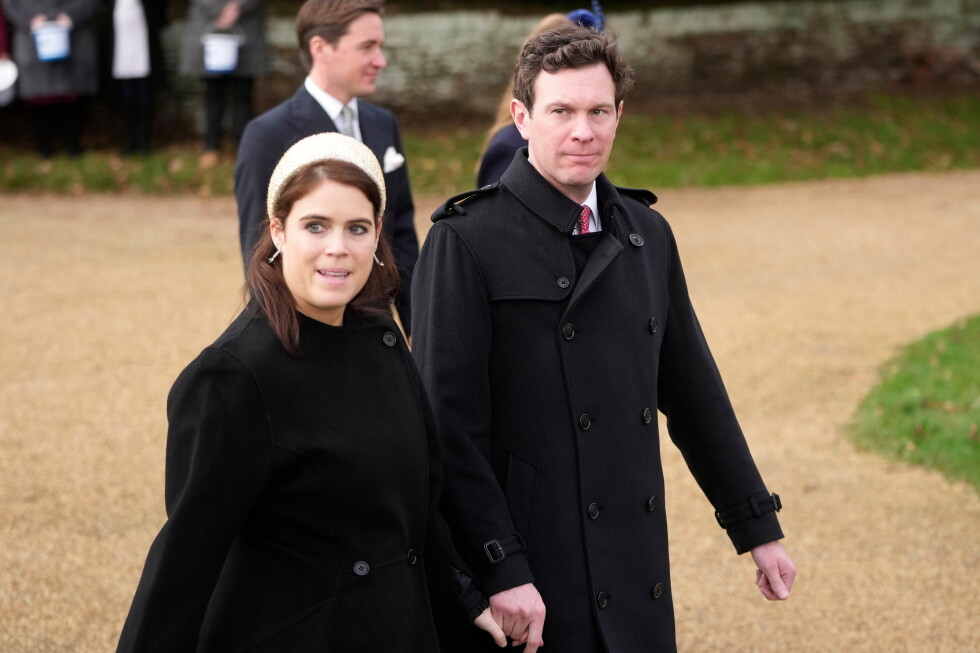
    LONDON – Buckingham Palace has announced joyous royal family news: Britain’s Princess Eugenie has welcomed her third child, a baby girl, marking the first daughter for the princess and her husband Jack Brooksbank.

    Eugenie, the youngest child of disgraced former Prince Andrew (now known as Andrew Mountbatten-Windsor) and his ex-wife Sarah Ferguson, confirmed the baby was delivered naturally on Monday at a hospital in Lisbon, Portugal. The newborn weighed in at 6 pounds 9 ounces, approximately 3 kilograms, and as of Tuesday’s public announcement, the couple had not yet shared their daughter’s chosen name with the public.

    The princess and Brooksbank already share two young sons: five-year-old August and three-year-old Ernest. The addition of a baby girl expands the couple’s growing family and brings a new female member to the extended British royal lineage.

    As the niece of reigning King Charles III, Eugenie holds a place in the extended royal family, and the palace confirmed that senior members of the monarchy have already reacted positively to the news. “Their majesties the King and Queen and other members of the royal family were delighted to be informed of the news,” a palace spokesperson shared in an official statement Tuesday.

  • Five Amazon countries arrest hundreds in major crackdown on environmental crime

    Five Amazon countries arrest hundreds in major crackdown on environmental crime

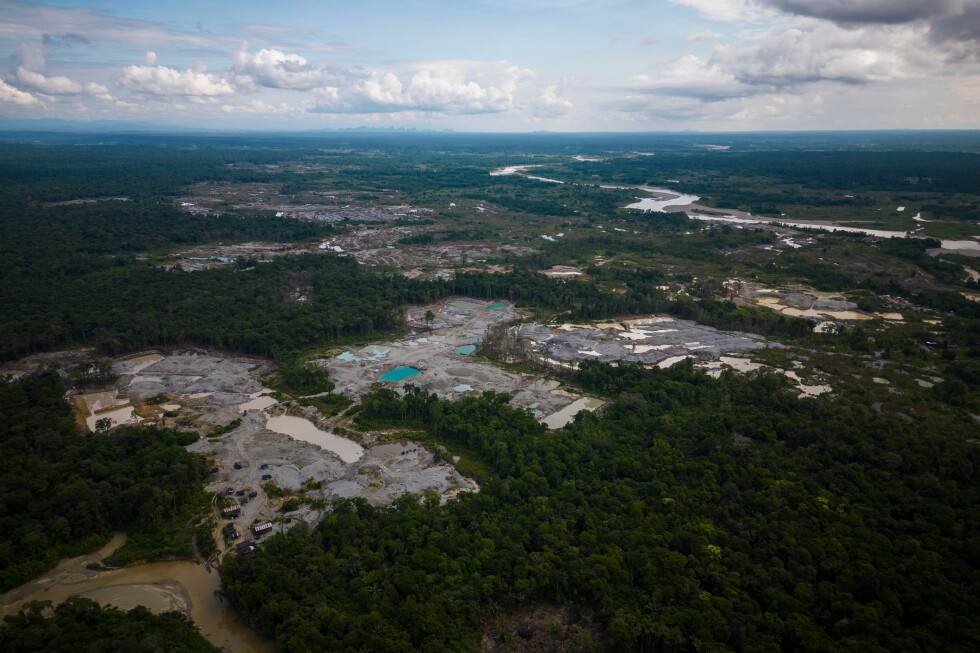
    In a landmark show of cross-border collaboration to protect the world’s largest tropical rainforest, law enforcement agencies from five Amazonian nations have concluded one of the most sweeping crackdowns on transnational environmental crime ever recorded in the region, netting hundreds of arrests and seizing more than $280 million in illegally trafficked goods.

    Operation Green Shield 2026, which unfolded across the entire Amazon Basin from July 15 to 31, brought together more than 3,600 officers from Bolivia, Brazil, Colombia, Ecuador and Peru to target the full spectrum of destructive illegal activity plaguing the ecosystem: unlicensed mining, unauthorized logging, wildlife trafficking, fuel smuggling, and land grabbing — the unlawful seizure and occupation of territory that almost always ends in large-scale forest clearing. The entire operation was coordinated from Bogota, Colombia, by the International Initiative of Law Enforcement for Climate (I2LEC), a 2023 partnership between the United Arab Emirates and the United Nations Office on Drugs and Crime designed to strengthen global collective action against cross-border environmental harm.

    Official data released Tuesday details the operation’s far-reaching outcomes: across 1,045 separate field deployments, authorities made 839 arrests linked to environmental crime. Teams seized over 280,000 cubic meters of illegally harvested timber — a volume large enough to fill approximately 110 Olympic-sized swimming pools — alongside 195 metric tons of illegally extracted minerals including gold, carbon, iron and copper, plus all the heavy equipment used for unregulated mining operations. Beyond timber and minerals, law enforcement rescued more than 3,000 live wild animals captured for trafficking and recovered 430 deceased animals, a collection that includes snakes, birds, lizards and freshwater fish native to the Amazon.

    Environmental crime has emerged as one of the most profitable illicit industries operating in the Amazon, driven by relentless global demand for high-value gold, rare timber, and exotic wild animals. Investigators have documented that transnational criminal networks often merge illegal mining, logging, and wildlife trafficking operations, sharing cross-border smuggling routes and international financial networks to move stolen goods and evade detection. By shifting operations and contraband across neighboring national borders to avoid law enforcement, these groups have made coordinated multinational action not just effective, but essential to disrupting their activity.

    This year’s Green Shield operation builds on a smaller 2025 multinational campaign that brought together 1,500 officers from Brazil, Colombia, Ecuador and Peru. That earlier effort marked one of the first large-scale attempts to implement shared intelligence and simultaneous cross-border enforcement against Amazon environmental crime, reflecting growing global concern over the increasingly borderless nature of these criminal networks. The 2026 iteration expanded the partnership to include Bolivia, with synchronized patrols and raids targeting remote border and river regions where criminal groups have long operated with impunity.

    “The UAE leadership firmly believes that collaboration is essential to combating transnational crime,” Col. Dana Humaid, director general of the International Affairs Bureau at the UAE Ministry of Interior, said in an official statement. “By working together, law enforcement agencies can achieve stronger results.”

    Colombian National Police Director Gen. William Oswaldo Rincón Zambrano emphasized that the operation’s success demonstrated how cross-border intelligence sharing can translate into tangible, coordinated enforcement outcomes. “Protecting our natural resources requires a shared response,” he noted.

    Peruvian police environmental chief Gen. J. Manuel Cruz Chamba echoed that sentiment, pointing out that environmental crimes “do not respect borders” and therefore demand unified international cooperation to effectively address.

    The Associated Press’ climate and environmental coverage receives financial support from multiple private foundations. AP is solely responsible for all content.