博客

  • Funeral honors Ukrainian student killed as she helped the victims of a Russian strike

    Funeral honors Ukrainian student killed as she helped the victims of a Russian strike

    On a somber Tuesday in central Kyiv, hundreds of mourners clad mostly in white followed the open casket of 20-year-old Vitalina Yarovenko, a university student who was killed over the weekend by a coordinated Russian double-tap missile strike while she treated victims of an initial attack. The funeral service began at St. Michael’s Golden-Domed Cathedral, where clergy led prayers for the slain volunteer, and tearful loved ones approached the casket to bid their final goodbyes.

    Per Yarovenko’s family’s request, attendees wore white or traditional Ukrainian embroidered garments instead of customary black funeral clothing. The choice was made to ensure Vitalina would not “feel too sad” on her final journey through Kyiv. Though Yarovenko was a civilian, her mother requested the fallen soldier’s funeral procession, a rare honor for non-military casualties, that carried the casket from the cathedral downhill to Kyiv’s iconic Independence Square. City traffic halted for several minutes to clear the way for the procession; drivers stepped out of their vehicles to stand in silent tribute, with some dropping to a single knee and others pressing a hand over their hearts in respect.

    Yarovenko was a fourth-year psychology student at the National University of Kyiv-Mohyla Academy, and also worked as an instructor at the university’s affiliated military training school. In July, she joined the volunteer medical corps Hospitallers, an Ukrainian medical organization that deploys teams to Russian attack sites to provide urgent care and evacuate wounded civilians and soldiers.

    On early Saturday morning, Yarovenko rushed to the site of a Russian missile strike that had targeted Kyiv’s Darnytskyi district. While she and other volunteers worked to treat survivors at the location, a second missile hit the exact same spot, killing her instantly. Ukrainian officials have repeatedly condemned Russia’s widespread use of the “double tap” tactic: a deliberate military strategy that launches an initial strike to draw first responders, rescue teams and volunteers to the site, followed by a second attack designed specifically to kill or maim those who have come to help.

    At Independence Square, the gathered crowd fell silent for a minute to honor all those who have died defending Ukraine. Yarovenko’s mother, Nataliia, stood holding a microphone in one hand and a large portrait of her daughter in the other, her voice breaking with tears as she spoke. “I have given up the meaning of my entire life, but I am immensely proud,” she told the crowd. “I don’t want a hero at home. I want my child at home. But this was her path.”

    Standing beside her was another grieving mother, also named Nataliia, whose 25-year-old daughter Eva Royce had been working alongside Yarovenko and was also killed in the second strike. Royce has not yet been laid to rest: her remains were severely burned in the attack, and DNA identification of recovered remains is still ongoing. She did not speak during the ceremony, consumed by private grief for her own lost child.

    Friends and loved ones remembered Yarovenko as a bright, compassionate young woman deeply committed to defending her country. She had planned to enlist in the Ukrainian military immediately after graduating this year, according to her friend Anastasiia Alieksieieva. “Her decision to volunteer and help people in Kyiv after the attacks showed how committed she was to that plan,” Alieksieieva, 21, said. “She did not even make it to graduation.”

    Another close friend, 19-year-old Anna Donets, shared that Yarovenko had spent months fundraising for the Ukrainian military, volunteering at a frontline military hospital, and organizing military training camps for Ukrainian youth. “There are not many people like her, and she was going there to help people,” Donets said. “People like her shape the future, and others should follow them. But unfortunately, Russia kills them.”

    Donets remembered Yarovenko as an infectiously funny young woman whose energy lifted everyone around her. “We were remembering her humor yesterday and laughing because she was always teasing everyone. It was never boring with her,” she said. “At 8 in the morning on teaching days, when everyone else was exhausted, she would arrive as if she were stepping onto a runway. She was so beautiful — simply a queen.”

    Serhii Beskrestnov, a family friend and presidential adviser on defense technology development, struggled to articulate his grief. “We understand that there is a war, that men and women are dying,” he said. “But when it happens away from the front, to people who are helping … I don’t know. I have no words right now.”

    Yarovenko’s death came as part of a massive Russian aerial assault across Ukraine that night, which saw Russian forces launch 220 aerial weapons: 35 missiles, 185 attack drones, including 27 ballistic Iskander-M and S-400 missiles. Ukrainian air defense forces only managed to intercept one of the ballistic missiles and one guided air-launched missile. The attack left nine people dead and 33 wounded across Kyiv alone, and laid bare Ukraine’s critical shortage of interceptor missiles for Western-supplied air defense systems. Ukraine relies heavily on U.S.-made Patriot systems to counter Russian ballistic missile attacks, but stocks of interceptor missiles remain dangerously depleted.

    At the close of the ceremony, mourners filed past Yarovenko’s casket one by one, laying white flowers at its side before she was transported to a Kyiv military cemetery for burial — a rare honor reserved for fallen soldiers, extended to the young civilian volunteer. In her final remarks, Nataliia spoke of the future she had dreamed of for her daughter, and the call for all Ukrainians to continue fighting for the future of their nation. “We must withstand this war so that this land remains for our Ukrainian children,” she said. “Unfortunately, my child will now lie in this earth. I would have very much liked to give her a beautiful wedding, but today that is no longer possible.”
  • Kenya unveils carbon market rule book and caps the overseas sale of carbon credits

    Kenya unveils carbon market rule book and caps the overseas sale of carbon credits

    In a landmark step for climate action across Africa, Kenya has launched one of the continent’s most detailed regulatory frameworks for international carbon trading, putting in place a hard cap on the volume of carbon emissions credits it will approve for sale to international buyers through 2030.

    The new regulation, formally unveiled on Monday, sets a total ceiling of 10 million metric tons of carbon dioxide equivalent for cross-border carbon market transactions, with an annual sub-cap of 1.67 million metric tons. Every future carbon credit project request will be evaluated against this binding budget under the newly released national carbon markets guide, which aligns with Article 6 of the Paris Agreement. That section of the global climate pact permits countries to trade emission reduction credits among themselves, enabling nations to collectively work toward shared global temperature targets more cost-effectively.

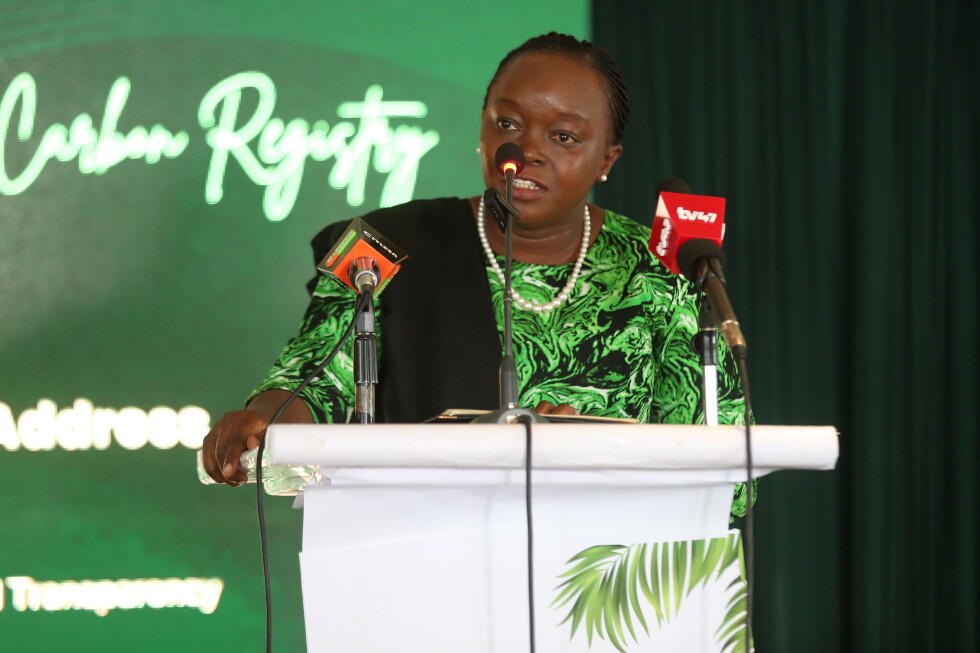
    Environment Cabinet Secretary Deborah Barasa explained that the cap and national carbon budget are designed explicitly to protect Kenya’s own domestic climate commitments, outlined in its Nationally Determined Contribution (NDC) under the Paris Agreement. Signed over a decade ago, the Paris Agreement commits all signatory nations to limit global average temperature rise by 2100 to well below 2 degrees Celsius above pre-industrial levels, with a more ambitious goal of holding the increase to 1.5 degrees Celsius to avoid the worst impacts of climate change.

    The 10 million metric ton budget applies to emission reductions generated across four high-impact sectors: energy, transportation, industrial processes, and waste management. The primary policy goal of the cap is to eliminate the risk of Kenya overselling carbon credits that it will ultimately need to meet its own NDC targets down the line. This new structured framework replaces Kenya’s previous uncertain, multi-stage approval process that lacked clear binding safeguards, bringing much-needed clarity to project developers and investors.

    Environment and Climate Change Principal Secretary Festus Ng’eno emphasized that the national carbon budget acts as a binding guardrail for Kenya’s emerging carbon market. Beyond the cap, the new guide provides state agencies with practical, step-by-step decision-making tools that apply across the entire life cycle of every carbon project, from initial application to final credit issuance.

    The regulation also introduces a conditional list of priority project activities that align with Kenya’s sustainable development goals, including renewable energy infrastructure, low-carbon transportation upgrades, and modern waste management systems. Forestry and other land-use carbon projects have been temporarily excluded from the framework while Kenya develops more robust emissions baselines and data management systems to address the risk of carbon reversal, where stored carbon is re-released into the atmosphere due to events like wildfire or deforestation. Officials note that inclusion on the priority list does not guarantee final project approval, but it will accelerate the review process for initiatives that match national development priorities.

    In recent years, Kenya has grown into one of Africa’s top destinations for carbon market investment, drawing billions of shillings in funding for projects ranging from clean cooking access for rural households to utility-scale renewable energy, mangrove ecosystem restoration, and broad-based forest conservation. The Kenyan government projects that the new regulatory framework will boost investor confidence by creating a more predictable approval process, while also upholding global climate integrity and ensuring that local communities see tangible benefits from carbon market activity.

    “Predictability, transparency, and institutional coherence are essential to attracting quality investment,” Ng’eno said. He added that all government decisions will be grounded in clear, publicly published criteria designed to deliver tangible national benefits without compromising Kenya’s own climate commitments or global climate integrity. This move positions Kenya as a regional leader in responsible carbon market governance, setting a benchmark for other African nations looking to develop their own regulated carbon trading sectors.

  • US-Saudi strikes test Iraq’s balancing act between Riyadh and Tehran

    US-Saudi strikes test Iraq’s balancing act between Riyadh and Tehran

    Last week’s unprecedented joint military operation by the United States and Saudi Arabia against Iran-aligned militias based in Iraq has done far more than stoke fears of imminent retaliation. It has laid bare the deep fragility of Baghdad’s years-long balancing act, which has sought to nurture warmer ties with both Riyadh and Washington while keeping powerful Tehran-aligned armed factions in check — a delicate compromise that may now force Iraq to make hard choices its leaders have long evaded.

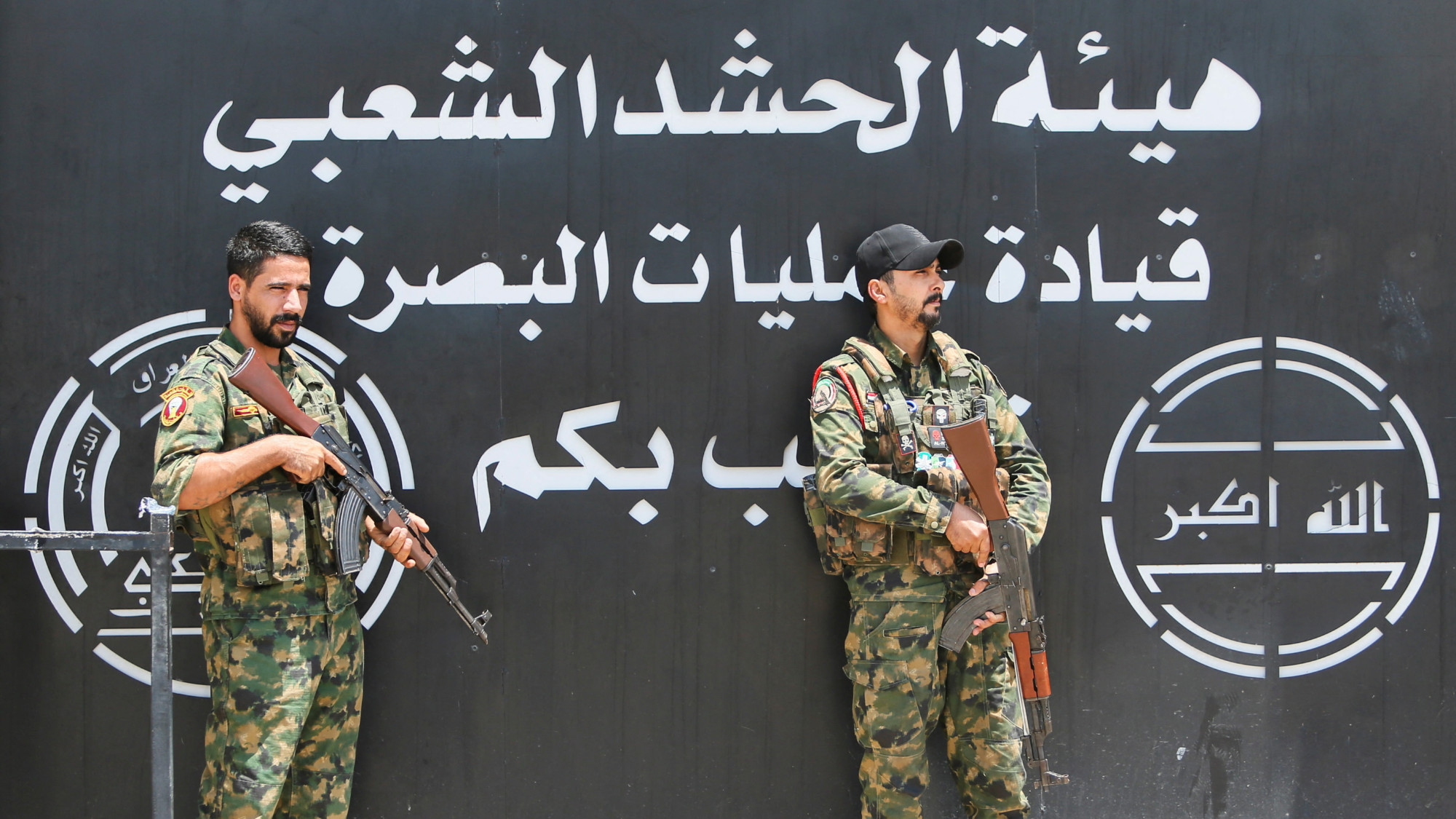
    According to Iraqi and Iranian media reports, the strikes hit multiple bases belonging to Iraq’s Popular Mobilisation Forces (PMF) on July 29, leaving at least 20 PMF fighters dead alongside four military advisers from Iran’s Islamic Revolutionary Guard Corps. The operation marks the first time Saudi Arabia has openly participated in coordinated military strikes alongside the U.S., and was framed as retaliation for recent drone attacks on Saudi oil infrastructure that were launched from Iraqi territory.

    What is most notable, however, is that neither Riyadh nor the targeted Iran-linked militias appear to be seeking a prolonged, large-scale military confrontation at this stage. The Saudi foreign ministry characterized the joint action as an act of legitimate self-defense, while noting that further strikes would only occur if additional attacks against Saudi territory are carried out. For Riyadh, the priority remains addressing ongoing Houthi threats to its oil facilities and maritime trade routes from Yemen, and the kingdom has little interest in opening a new active front against Iran-aligned groups in Iraq.

    Regional analysts broadly agree that the primary goal of the strikes was to reestablish deterrence against Tehran and its Iraqi proxies, rather than spark a full-blown conflict. “The strikes were targeted at specific militia sites linked directly to drone attacks on Saudi oil facilities, to deter these groups,” explained Dr. Hesham Alghannam, a Riyadh-based scholar with the Carnegie Middle East program, in an interview with Middle East Eye. “But killing Iranian military advisers alongside militia fighters was not accidental. This was a message to Tehran that Saudi Arabia holds Iran responsible for what its personnel direct from Iraqi soil, regardless of which formation pulls the trigger.”

    A similar restrained posture can be seen on the side of the Iran-aligned militias. The Islamic Resistance in Iraq (IRI), an umbrella coalition that includes the PMF, has publicly vowed retaliation for the strikes, but its rhetoric toward Saudi Arabia has been far more tempered than its sharp hostility toward the United States. In a July 29 statement posted to its official Telegram channel, the group emphasized that its “response to the American enemy is inevitable,” while only noting that it may target Saudi Arabia “if circumstances require.”

    The IRI has given Iraq’s central government an August 7 deadline to respond to the joint strikes, but analysts argue this timeline and accompanying threats are aimed more at influencing Baghdad’s domestic policy than setting the stage for immediate military escalation. Multiple IRI-affiliated factions, including Harakat Hezbollah al-Nujaba and Saraya Awliya al-Dam, have already called on Baghdad to cut diplomatic ties with Saudi Arabia, indicating the pressure is intended to shape Iraq’s broader regional alignment rather than trigger immediate conflict.

    Mustafa Alsaray, research director at the Al-Bayan Centre for Research and Planning, pointed out that armed factions in Iraq rarely publicize deadlines for retaliation, instead relying on surprise attacks. “When they set such deadlines, they intend to send a message and achieve something, perhaps politically or in terms of security,” he told Middle East Eye. A second possibility, he added, is that the militias are holding off on any retaliation to coordinate their response with Tehran, amid shifting currents in ongoing U.S.-Iran tensions.

    In recent days, U.S.-Iran relations have shown tentative signs of de-escalation: former U.S. President Donald Trump confirmed that direct negotiations with Tehran are ongoing, though he also warned the latest talks represent Iran’s “last chance” to reach a new nuclear and security deal. A renewed breakdown in those talks could prompt Iran-aligned militias to launch new attacks against Saudi Arabia, and potentially even Jordan or other Gulf Arab states, observers warn.

    Beyond regional tensions, the strikes come at an extraordinarily sensitive juncture for Iraq’s domestic politics and security agenda. Baghdad is currently working to bring all weapons held by non-state armed groups under formal state control, advance integration of the PMF (which is technically part of Iraq’s official security apparatus but hosts highly autonomous Iran-aligned factions), and implement a national disarmament plan with a September 30 compliance deadline for all armed groups.

    The joint U.S.-Saudi strikes, and Baghdad’s widespread public perception as unable or unwilling to prevent the attacks on PMF bases, have already hardened resistance to the disarmament push among hardline factions. Abu Hussein al-Hamidawi, secretary general of Kataeb Hezbollah, confirmed that the attacks have “reinforced the group’s commitment to retaining and developing its weapons.” To build popular support for their position, the IRI has explicitly tied the strikes to Baghdad’s disarmament initiative, challenging the government that has “called for the Resistance’s disarmament” to prove it can defend Iraqi territory.

    As resistance to disarmament grows, the economic stakes of Iraq’s stalled security reforms are becoming impossible to ignore. During Iraqi Prime Minister Ali al-Zaidi’s official visit to Washington in mid-July, his government signed 48 new trade and investment partnerships with U.S. companies. But U.S. officials have made clear that deeper economic cooperation and larger investments will depend on Baghdad’s ability to rein in or disarm militias that have carried out dozens of attacks on U.S. military and diplomatic targets in recent months, a string of assaults the IRI claimed responsibility for during the U.S.-Israel conflict with Iran.

    Saudi Arabia is expected to adopt a similar posture on investment in Iraq. Zaidi has repeatedly framed closer economic partnership with Riyadh as a core priority for his government, but failure to control Iran-aligned militias could derail those plans completely. “September 30 is the real test. If the disarmament process fails – on the same day U.S. forces are set to withdraw from Iraq – Riyadh and even Abu Dhabi will quietly conclude that Baghdad cannot deliver, and their willingness to invest in Iraq will be reconsidered accordingly,” Alghannam noted.

    For Iraq, the aftermath of the joint strikes has turned a long-simmering internal tension into an unavoidable test: can Baghdad deliver on its security reforms, preserve its fledgling ties with Gulf Arab states, and avoid being dragged into a wider regional conflict that its war-weary population can ill afford?

  • This summer isn’t breaking heat records — yet. Wait until El Nino kicks in, scientists say

    This summer isn’t breaking heat records — yet. Wait until El Nino kicks in, scientists say

    Across North America and Europe, out-of-control wildfires are scorching landscapes while deadly heat waves linger over major population centers. At the same time, the world’s oceans have hit their hottest recorded temperatures for this time of year, with a rapidly strengthening El Niño forecast to reach unprecedented intensity that will send global temperatures soaring and disrupt weather patterns across every continent. While this summer of extreme heat may feel like an unrivaled climate catastrophe, 2026 has not yet claimed the dubious title of the world’s hottest year on record — at least, not yet. Current climate data ranks 2026 as the third-warmest year to date, trailing only 2024 and 2025. But leading climate scientists say that by the end of the calendar year, the combined force of accelerating human-caused global warming and an unusually strong El Niño makes it increasingly likely that 2026 will surpass 2024 to claim the top spot as the hottest year ever recorded, if not come extremely close.

    Even if 2026 does break the record, climate experts widely agree that the new mark will not stand for long. While there is some debate among researchers over whether 2026 will take the crown this year, there is near-universal consensus that 2027 will exceed all modern temperature records, potentially by a substantial margin.

    Recent years have seen global conflicts draw public and policy attention away from the climate crisis, but the current wave of heat and fire makes the issue impossible to ignore. “With wars around the globe in the last few years people didn’t pay much attention to climate change because the world was on fire in different ways. The world is now on fire again with climate change in a way that’s increasingly difficult to ignore,” said Zeke Hausfather, a leading climate scientist at Berkeley Earth. “It’s going to keep getting worse.”

    Hausfather’s current analysis puts the probability that 2026 will overtake 2024 as the hottest year on record at 35 percent, a figure he has adjusted upward nearly every month since March, when the odds stood at just 7 percent. James Hansen, the former top NASA climate scientist widely regarded as the godfather of modern climate science for four decades of accurate long-term warnings about rising temperatures, predicts 2026 will edge past 2024 by the end of the year.

    Ocean temperature data already points to this outcome, Hansen notes. Global daily sea surface temperatures matched 2024 levels starting in May, and have hit record highs almost every day since June. Since oceans cover more than 70 percent of Earth’s surface, there is roughly a six-week lag between ocean warming and a corresponding rise in the global average surface temperature, Hansen explained. That means widespread global temperature records are imminent. This year, 82 percent of the world’s ocean surface is experiencing damaging marine heatwaves, according to the European Union’s Copernicus Climate Change Service.

    The U.S. National Oceanic and Atmospheric Administration (NOAA) previously forecast just a 0.1 percent chance that 2026 would claim the number one spot, with a 66 percent chance it would rank as the fourth-warmest year on record. But Russell Vose, head of monitoring at NOAA, confirmed that those odds will be revised upward significantly when the agency releases its updated July analysis.

    Hausfather says the shifting odds stem from updated forecasts that now predict El Niño will reach historically unmatched strength. El Niño is a natural temporary climate pattern characterized by warming of surface waters in the equatorial Pacific, which raises global average temperatures and amplifies extreme weather events across the globe. Most current projections show this El Niño becoming the strongest ever recorded.

    Unlike natural El Niño events of the past, today’s event is releasing far more stored heat than historic averages, explained Zachary Labe, a climate scientist at Climate Central, a non-profit science and communications organization. “El Ninos always release pent-up heat in the ocean, but because of greenhouse gases trapping heat and 90% of it going into the world’s seas, there’s more heat to release,” Labe said. He added that overall ocean heat content, a key benchmark of human-caused climate change, continues to set new record highs year after year.

    Crucially, climate scientists emphasize that the extreme heat and wildfire risk this summer cannot be blamed solely on El Niño, as the event’s full temperature impacts do not typically emerge for several more months. Instead, the rampant extreme weather of summer 2026 is exactly the outcome long warned by scientists as a consequence of burning fossil fuels like coal, oil and gas.
    “The driver of the record warmth is climate change in the background. And it’s a much larger — much, much larger — contribution than El Nino, which is just a tenth to two-tenths of a degree on top of that long-term trend,” Labe said.

    Hansen added that the pace of warming is accelerating faster than many models predicted, for two key reasons. First, traditional industrial pollution that produces cooling aerosols (which have long masked the full intensity of greenhouse gas-driven warming) has declined in recent decades. Second, it appears the climate system is more sensitive to greenhouse gas emissions than many scientists previously anticipated.

    This year’s heat waves have been particularly punishing in regions unaccustomed to extreme triple-digit temperatures, unlike the consistently hot tropics, researchers note. They have also been unusually intense at night, preventing residents from cooling down after daytime heat, disrupting sleep, damaging public health and reducing worker productivity, explained Samantha Burgess, global strategic lead at Copernicus.
    Burgess pointed to Europe as a stark example, which saw an exceptional heat wave in May, a second in June, two more in July, and another ongoing heat event currently impacting France and Spain. “European heat waves are not in isolation. So there’s also been shocking heat waves in North America. There’s been shockingly hot conditions in South America as well. There’s been devastating heat waves in India,” Burgess said. “There’s always heat waves somewhere in the world sometime, but what is very unusual for Europe for this particular year is the frequency and extent of the heat waves.”

    Princeton University climate scientist Michael Oppenheimer said this summer’s events confirm decades of scientific warnings about the impacts of unmitigated climate change. “These are vivid pictures of not just the future, which is what we used to say, but on the whole of what climate change is doing,” Oppenheimer said. “There’s no question that climate change has increased the risk of wildfires. There’s no question that the climate change increased the probability of really hot, nasty, even unprecedented summers around the world.”

    This coverage of climate and environment from The Associated Press is supported by funding from multiple private foundations, with AP retaining full editorial control over all content.

  • Watch: Evacuations as Guatemala volcano erupts

    Watch: Evacuations as Guatemala volcano erupts

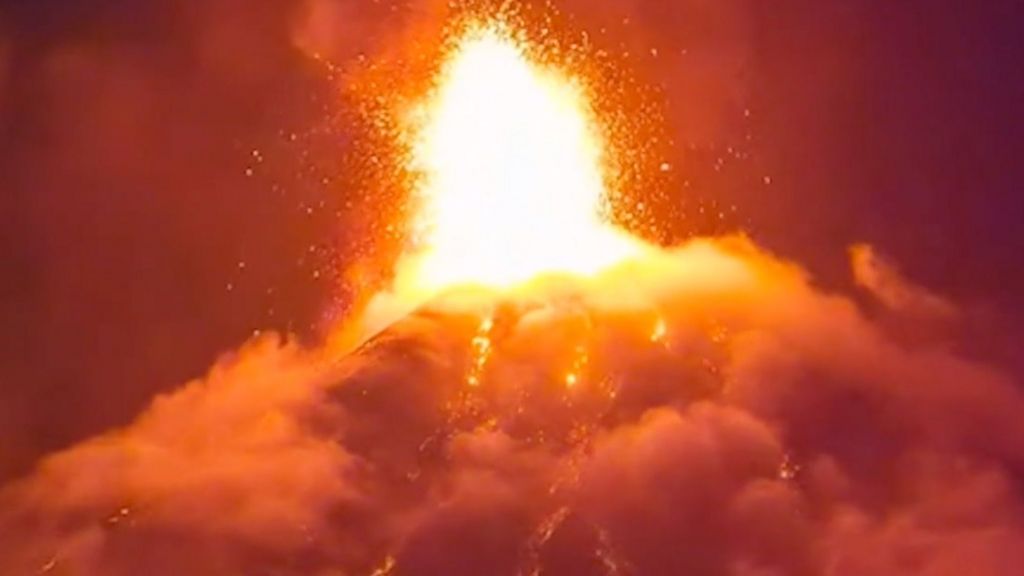
    A major volcanic eruption at Guatemala’s Mount Fuego has triggered mandatory evacuation orders for nearby communities, pushing emergency response teams into high gear to move residents out of high-risk zones. One of Central America’s most active volcanic formations, Fuego sits at the intersection of three central Guatemalan departments: Escuintla, Chimaltenango, and Sacatepéquez. This strategic location means that any eruption directly threatens hundreds of local residents living in the shadow of the volcano, whose slopes have long drawn settlement despite the constant risk of volcanic activity.

    Local disaster management agencies have mobilized rapidly to coordinate the evacuation effort, deploying personnel and resources to guide residents to designated emergency shelters outside the danger area. Fuego has a well-documented history of powerful eruptions, including a 2018 event that claimed more than 150 lives and displaced thousands of people, leaving a lasting memory of the volcano’s destructive potential among Guatemalan communities. Current response operations are prioritizing moving vulnerable populations, including elderly residents and families with young children, first, while monitoring stations track volcanic activity around the clock to update risk assessments and response plans.

  • How Morocco’s Gaza deployment is reshaping its ties with Israel

    How Morocco’s Gaza deployment is reshaping its ties with Israel

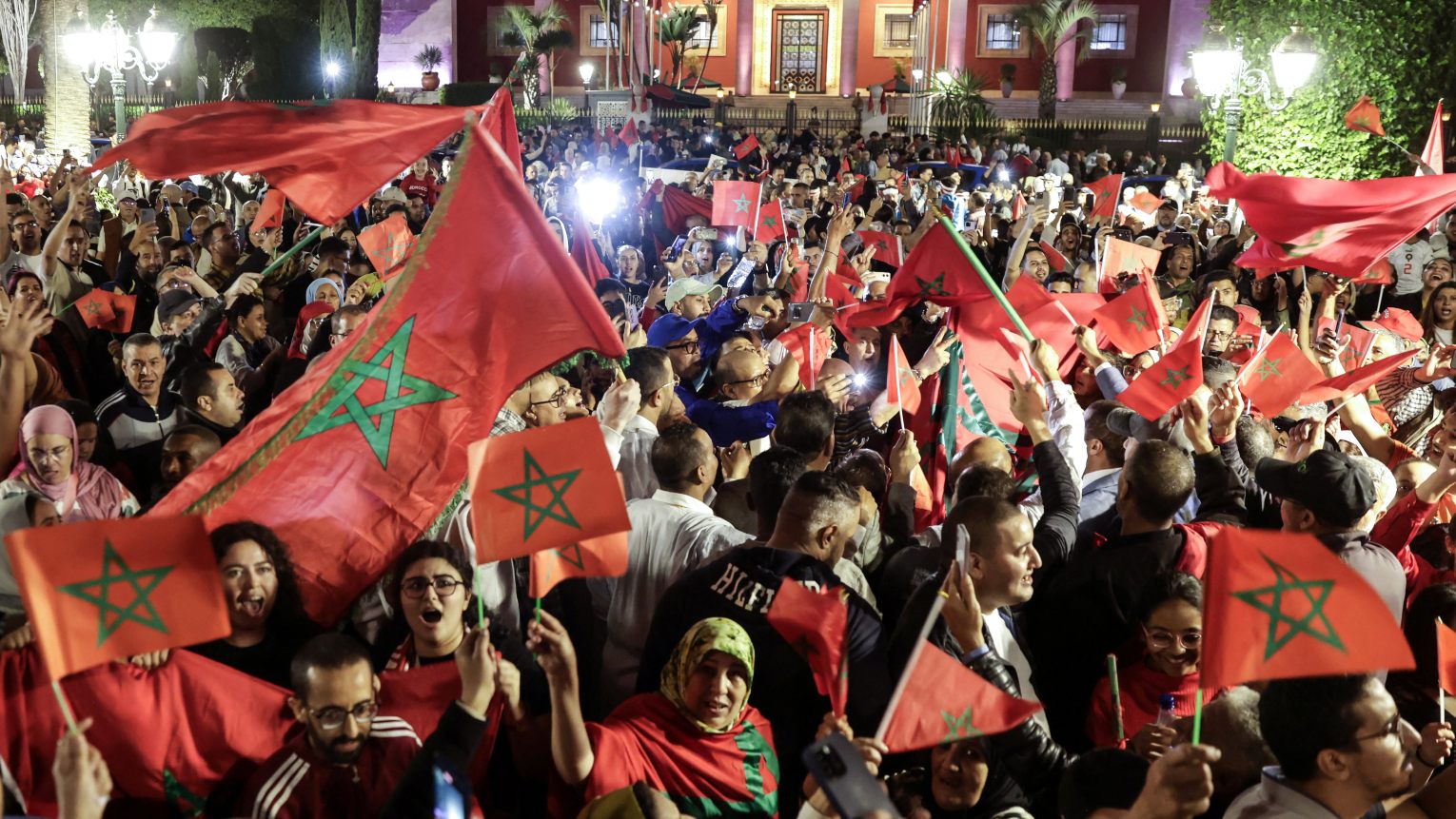
    In a groundbreaking move that makes it the first Arab and African nation to join the deployment, Morocco formalized its participation in the controversial International Stabilisation Force (ISF) for Palestine in mid-July, tying its involvement to former U.S. President Donald Trump’s divisive Gaza peace plan and the equally disputed Board of Peace (BoP) created to oversee the initiative.

    The signing ceremony was held in Rabat on July 15, with top Moroccan and international figures in attendance: Moroccan Foreign Minister Nasser Bourita, BoP Director General Nickolay Mladenov, senior Royal Armed Forces defense officials, and ISF Commander Jasper Jeffers. The deployment follows a direct order from King Mohammed VI, who serves as the Supreme Commander and Chief of General Staff of the Royal Armed Forces, as well as chairman of the Al-Quds Committee. Initial plans called for 500 Moroccan military personnel to be stationed at a refugee camp in Rafah, the southern Gaza city, but that number has since been cut to 200 troops according to Al Jazeera reporting. The force is set to operate in direct collaboration with the Israeli military.

    Shortly after Morocco signed the participation agreement, Hamas unveiled a conditional disarmament proposal aligned with Trump’s Gaza framework. However, Israel has failed to uphold its end of the broader agreement, showing no indication of withdrawing from the Palestinian territories it has occupied illegally for decades. Instead of committing to a withdrawal timeline, far-right Israeli Finance Minister Bezalel Smotrich has pushed forward a proposal to expand illegal Israeli settlements into the Gaza Strip.

    In an official statement from Morocco’s National Defence Administration, the kingdom framed its contribution as a demonstration of unwavering commitment to cross-border peace, global cooperation, and regional stability. The statement added that the move is consistent with Morocco’s status as a founding member of the BoP.

    Said Saddiki, an international relations professor at Sidi Mohamed Ben Abdellah University in Fez, explained the strategic benefits Rabat stands to gain from the deployment. He noted that joining the ISF gives Morocco a chance to reclaim a high-profile diplomatic role in the Palestinian issue, complementing the decades-long work it has carried out through the Al-Quds Committee and the Bayt Mal Al-Quds Agency. While independent analysis from the Council on Foreign Relations confirms the ISF is intended to act as Gaza’s primary security force, eventually replacing the Israeli military, Moroccan officials have heavily centered public narrative around a planned field hospital the kingdom will establish as part of its ISF mission.

    That field hospital framing is nothing more than political spin, according to Saadia, a leading Moroccan member of the Boycott, Divestment, Sanctions (BDS) movement and an organizer for the most recent Global Sumud flotilla. Speaking to Middle East Eye, Saadia argued that while Morocco may claim to support Palestinian interests, its involvement ultimately benefits Israel far more — pointing to the kingdom’s existing role in arms shipments to the Zionist entity as evidence. Saddiki pushed back on that criticism, framing the field hospital as first and foremost a humanitarian undertaking rather than a military one. He acknowledged that Morocco maintains warm diplomatic relations with both Palestinian and Israeli leadership, but emphasized that the current tense regional climate leaves little room for any Arab state to serve as an effective mediator. As such, he said, Morocco is far more likely to contribute through humanitarian aid and diplomatic outreach than through active negotiation. To date, Morocco’s Ministry of Defence has not released any detailed public breakdown of the specific role its troops will fill as part of the ISF deployment.

    Saadia offered a far more skeptical take on the kingdom’s unstated goals. Beyond the humanitarian framing, she suggested Morocco’s role could include disarming Hamas resistance factions and even overseeing a new wave of American and Israeli colonization of the Gaza Strip. Saddiki countered that Morocco’s participation does not represent a strategic alliance against any party, nor does it come at the cost of the Palestinian cause. He added that domestically, the Moroccan government has worked to balance its foreign policy choices with widespread public support for Palestine, while noting that pro-Palestinian and anti-normalization movements have remained steadily active across the country since October 2023.

    Even as the Moroccan state has openly deepened ties with Israel, many ordinary citizens have warned that any normalization agreement with the country amounts to complicity in the ongoing genocide of Palestinian people in Gaza and the occupied West Bank. Younes, a key leader of Morocco’s pro-Palestinian protest movement and a veteran organizer of the past two Global Sumud flotillas, told Middle East Eye that joining the ISF amounts to full complicity in genocide. The activist added that entering Gaza alongside Israeli forces to impose a one-sided peace and force Palestinians to surrender and disarm is a grave injustice that the Moroccan public will never accept.

    Both Trump’s peace plan and the BoP have been widely condemned by grassroots activists and sovereign nations alike for violating core principles of international law. Younes argued that no genuine peace initiative can come from negotiations with Israel, noting that the country has long operated with impunity to expand its control over Palestinian land. Shams, a Rabat-based activist who requested to use a pseudonym, described Morocco’s involvement as deeply disheartening and disappointing, though she added that the decision did not come as a surprise. Shams noted that widespread opposition to normalization runs deep, particularly among younger Moroccans: “I cannot speak for all Gen Z Moroccans, but I would say that most are opposed to the Moroccan military support joining the ISF.”

    Data from the 2025 Arab Index, published earlier this year by the Arab Center Washington DC, backs up that claim: the survey found that 89 percent of Moroccans oppose recognizing Israel, with just 6 percent in favor of normalization.

    A Moroccan journalist who requested anonymity explained that the Moroccan state frames normalization as a strategic tool: the kingdom supports a two-state solution and cooperates with Israel in exchange for diplomatic and political backing from the United States. But the journalist added that public trust in the government’s approach is eroding fast, as the gap between official rhetoric and on-the-ground reality widens. With Israel continuing to expand illegal settlements on occupied Palestinian land, the prospect of a two-state solution grows more distant by the day.

    For Shams, the addition of Moroccan military forces to the ISF will not bring peace to Gaza. “I don’t think military intervention is going to facilitate peace when the oppressor has been destroying and bombing and blockading and [committing] genocide for decades on end,” she said. She added that the U.S. and Israel will only continue to destabilize Gaza, kill Palestinian civilians, and destroy the lives of millions.

    Morocco is the only North African and Arab nation contributing military troops to the ISF, joining a small coalition that includes Kosovo, Albania, Kazakhstan, Indonesia, and most recently Uganda. Neighboring Egypt has limited its involvement to training and logistical support, choosing not to deploy frontline forces. This unique position has triggered intense anger among Moroccan pro-Palestinian activists, with Younes expressing frustration over the rapid pace of normalization across the country’s public and private sectors. “Zionists in Morocco successfully penetrated every single sector within a short period,” he explained. “What we gather as voluntary efforts and popular mobilisation to face this cancer during the past years isn’t enough.” Acknowledging the gravity of his assessment, he added that Moroccan authorities have continued to push forward with normalization even as grassroots opposition grows, meaning activists must adapt their strategies and pursue new approaches to challenge the trend.

    Despite growing pressure from state authorities, Morocco’s pro-Palestinian movement remains defiant. Saadia argued that governments joining the ISF are operating under a dangerous delusion, wrongly believing that alignment with the American-Israeli axis will bring them greater security and protection. Pointing to the recent escalation of conflict between the U.S.-Israeli bloc and Iran, she noted that the U.S. only prioritizes Israel’s security, with no regard for the interests of other partner nations.

    (Names of interviewees have been changed to protect them from retaliation)

  • Athletes go ‘missing’ after Commonwealth Games ends

    Athletes go ‘missing’ after Commonwealth Games ends

    Weeks of world-class athletic competition at the 2026 Commonwealth Games in Glasgow drew to a close on Sunday, but the event has been overshadowed by an ongoing investigation: multiple participating athletes have vanished from official team accommodation and failed to return home with their national delegations.

    Police Scotland confirmed this week that it has received formal reports of several athletes remaining unaccounted for in the days after the closing ceremony. Inquiries into their whereabouts are still active, authorities said, with early coordination already underway with the UK Home Office to clarify the circumstances of their disappearances.

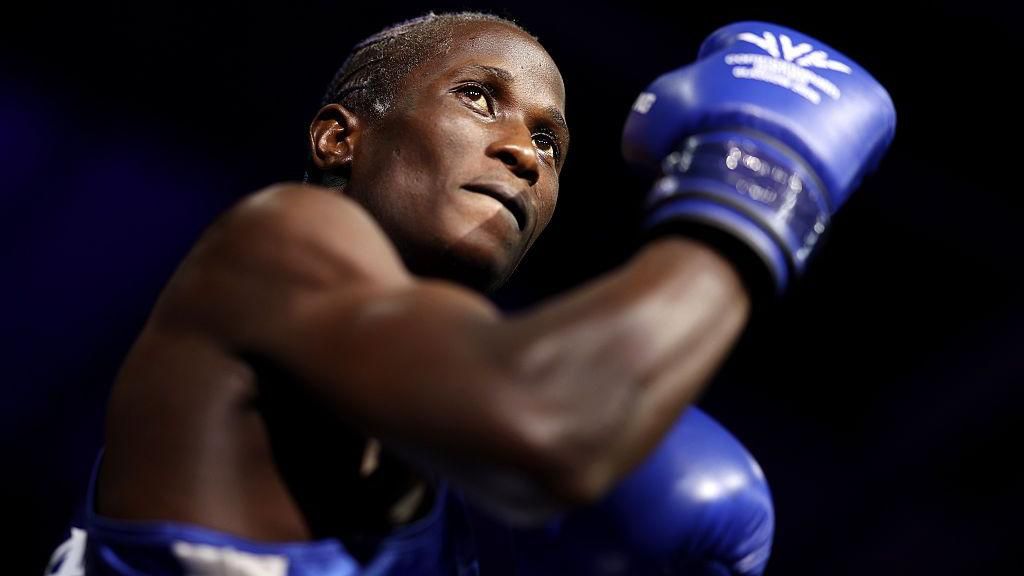
    Local Ugandan media has identified four missing athletes all members of the country’s boxing delegation as Nuhu Batte, Angel Katushabe, Ibrahim Kemis and Emily Nakalema. Uganda-based sports outlet NBS Sport reported that it has spoken directly to one of the four missing boxers, who confirmed the group’s intention to seek asylum in Scotland. The athlete told the outlet the group made the decision to stay in the UK to pursue better training resources and professional boxing opportunities than they could access in their home country, and appealed to the Ugandan public for understanding, asking not to be condemned for their choice. A spokesperson for Team Uganda told BBC Scotland News the delegation would not issue any public comment on the incident, and the remaining members of the Ugandan contingent have already completed their departure back to Uganda.

    A separate report from Pakistani newspaper Pakistan Today added another missing athlete to the list: Pakistani boxer Qudratullah, who was not found in his Games accommodation when team officials prepared for the return flight and did not board the plane with his teammates.

    This is not the first time Glasgow has hosted the Commonwealth Games and seen athletes go missing post-event. During the 2014 edition of the Games, also held in the Scottish city, dozens of athletes disappeared after competition concluded, with many seeking asylum in the UK and others vanishing entirely. High-profile cases from 2014 include two Ugandan rugby players who disappeared and later resurfaced playing for a semi-professional side in Cardiff; one of those players, Philip Pariyo, was ultimately sentenced to four and a half years in prison after being convicted of rape in the Welsh city. Another 2014 missing athlete, Cameroonian weightlifter Cyrille Tchatchet II, stayed in the UK to seek asylum after escaping political unrest in his home country, and returned to compete for Great Britain at the 2026 Glasgow Games, winning a silver medal.

    Under Glasgow 2026’s official event policy, all athletes were required to leave official Games accommodation within 48 hours of their final competition to make way for departing operations. In a statement this week, Glasgow 2026 spokesperson Sophie Ashcroft noted that the event had welcomed 3,000 athletes from 74 Commonwealth nations and territories over 11 days of competition. “As athletes and support staff leave the city, we continue to work closely with wider partners – including Police Scotland, Border Force and UK Visas & Immigration – to ensure a safe and secure conclusion to the Games,” she said.

    UK authorities typically implement enhanced entry screening for athletes and staff ahead of major international sporting events held on British soil, working closely with event organizers to strengthen entry controls. The Home Office has confirmed that any asylum claims submitted by the missing athletes will be assessed individually, with each case evaluated based on its specific facts and supporting evidence.

    Beyond the missing athletes investigation, the 2026 Commonwealth Games has marked a key turning point for the quadrennial event. After original hosts Victoria, Australia withdrew from hosting duties amid funding disputes, Glasgow stepped in to organize a scaled-back edition featuring just 10 sports across four city venues. Organizers say the streamlined format has “saved and reinvented” the competition, securing its future for future editions.

  • Sheriff: Spokane arson suspect in custody

    Sheriff: Spokane arson suspect in custody

    A suspected arsonist has been placed behind bars in Spokane County, following on-scene observations and evidence recovered by local law enforcement. According to statements released by the Spokane County Sheriff’s Office, Aaron Farinacci was spotted in suspicious circumstances at the location where the fire broke out. Witness accounts and deputy observations confirm that Farinacci was seen kneeling close to patches of dry grass at the fire’s origin point, a position that raised immediate red flags for responding authorities. After taking the suspect into custody, law enforcement officers conducted a lawful search and recovered common incendiary tools – a set of matches and a disposable lighter – in Farinacci’s possession. The Sheriff’s office has not yet released additional details about the extent of damage caused by the fire, potential motives for the alleged arson, or upcoming court dates for Farinacci. The investigation remains active as authorities continue to piece together the full sequence of events surrounding the blaze.

  • Big oil companies continue to post banner profits as fighting in Iran drives prices higher

    Big oil companies continue to post banner profits as fighting in Iran drives prices higher

    The ongoing military conflict in Iran has sent global energy markets into chaos, pushing oil and gasoline prices sharply upward — and delivering staggering windfall profits to the world’s largest oil companies, new corporate earnings reports show.

    Across Europe, the Middle East and North America, top oil producers have reported blowout profit growth in the first and second quarters of 2024, built on the back of elevated energy prices triggered by disrupted shipping through the Strait of Hormuz, the world’s busiest chokepoint for global oil trade. Roughly 20% of the planet’s daily oil supply moves through the strategic waterway, which has been largely closed to commercial tanker traffic since the outbreak of conflict in late February.

    Six of Europe’s biggest oil companies amassed a combined $22 billion in net profit during the first quarter, a jump of more than 40% compared to the same period last year. London-based BP extended that winning streak into the second quarter, announcing Tuesday that its profits more than doubled to $3.9 billion. Saudi Aramco, the world’s largest crude exporter, posted an even stronger performance: the state-owned energy giant notched a 44% year-over-year increase in second-quarter net profit, hitting $32.69 billion, lifted by rising prices for crude, refined fuels and chemical products.

    These blockbuster results from Middle Eastern and European oil majors follow similar blowout earnings reports from the largest U.S. oil drillers, released last week. Texas-based Exxon Mobil said Friday that its second-quarter profit doubled to $14.5 billion, fueled by record diesel production, with overall revenue climbing 42% to $116 billion. Houston-based Chevron saw an even steeper gain, with profits nearly quadrupling to $12 billion and revenue surging 56% to over $70 billion.

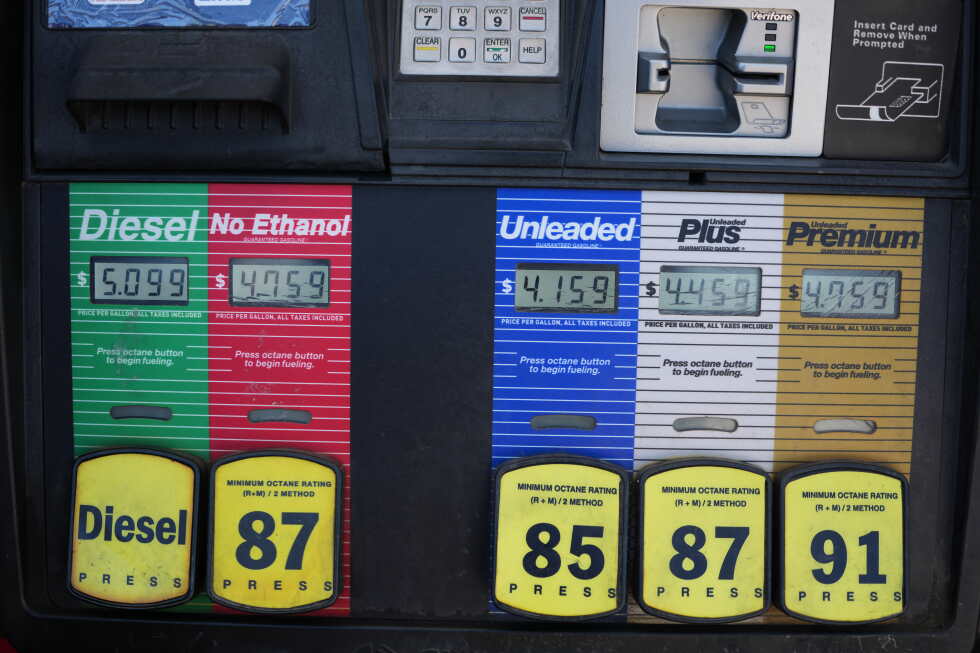
    For consumers worldwide, the energy market disruption has translated directly to higher everyday costs. Elevated oil prices have pushed up prices for gasoline, jet fuel and diesel, raising shipping costs for all goods that rely on ground, air or sea transport. In Western countries, this has translated to more expensive fill-ups at the gas pump and higher airfares for travelers. But the impact is far more severe across much of Asia, which relies disproportionately on oil exports that pass through the Strait of Hormuz. Several Asian nations have already faced acute fuel shortages, forcing governments to implement fuel rationing and temporarily close schools and public offices.

    The soaring profits of big oil have drawn sharp criticism from U.S. President Donald Trump, who slammed the companies this week for what he called outsized gains even after oil prices fell to a three-week low on Tuesday.

    “They made too much money, too much money,” Trump told reporters Monday. “They ought to give some of that back to the public, and they better cut the retail price.” Trump added that he was unhappy with the results posted by Chevron and Exxon Mobil, despite the fact that energy prices only spiked after the U.S.-backed military actions in Iran that led to the closure of the Strait of Hormuz.

    Oil prices dipped sharply this week, following comments from U.S. Treasury Secretary Scott Bessent, who told CNBC that a deal to reopen the Strait of Hormuz could come as soon as 24 hours. On Tuesday, U.S. crude fell 5.4% ($4.36) to settle at $75.98 per barrel, down from roughly $92 per barrel in late July, but still more than 13% higher than levels seen before the conflict began. International benchmark Brent crude also dropped 4.9% to $83.87 per barrel.

    A diplomatic resolution to the five-month-long conflict would allow hundreds of tankers carrying oil and energy products trapped in the Persian Gulf to resume their journey to global markets, easing supply shortages.

    Despite the recent pullback in oil prices, shares of major oil companies have outperformed broader markets by a wide margin this year, with stock values climbing between 20% and 30% — far outstripping the 13% gain logged by the S&P 500 index over the same period.

  • Afghanistan’s child deaths are rising as food distributions face cuts, UN says

    Afghanistan’s child deaths are rising as food distributions face cuts, UN says

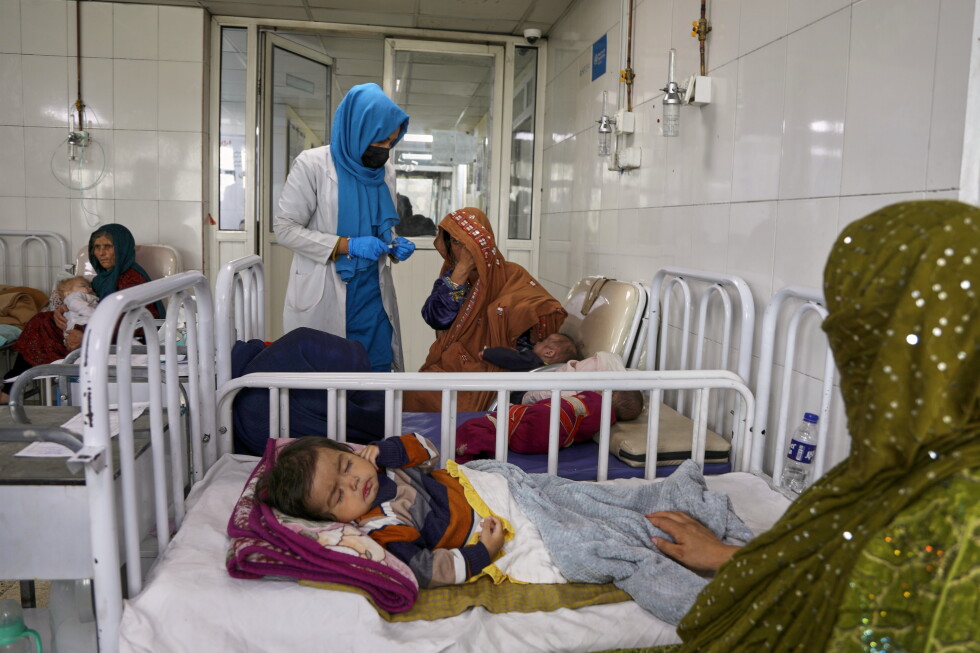
    The United Nations World Food Program (WFP) issued a stark alert on Tuesday, announcing that child malnutrition has reached catastrophic, critical levels across 12 of Afghanistan’s 34 provinces — one third of the entire country — and the crisis is poised to deteriorate rapidly as crippling funding gaps force widespread cuts to life-saving food distributions and nutritional support.