博客

  • David Koch warns Reserve Bank against punishing mortgage holders with rate hike

    David Koch warns Reserve Bank against punishing mortgage holders with rate hike

    Australia’s fragile household finance landscape is facing fresh scrutiny, as leading economic voices warn that another interest rate increase from the Reserve Bank of Australia (RBA) could push already cash-strapped mortgage holders into financial ruin. Amid mixed new inflation data and ongoing cost-of-living pressures, David Koch, economic director at comparison platform Compare the Market, has issued a stark call for the RBA to halt its rate-hiking cycle and instead push for federal government spending cuts to curb rising prices.

    Koch argues that Australian households are already bearing the brunt of cost increases entirely outside their control, from sky-high petrol prices driven by Middle East geopolitical conflict to soaring grocery costs. He says further rate hikes, which are being debated by economists ahead of the RBA’s August monetary policy meeting, would be devastating for working families already cutting non-essential spending to make ends meet.

    “Inflation is not being driven by consumers splashing cash or living beyond their means,” Koch explained. “Price increases are coming from external global shocks and public spending, yet mortgage holders are the only group being forced to absorb the pain of policy tightening. Another rate hike would just add another layer of pressure to households already squeezed from all sides.”

    His intervention comes just after the Australian Bureau of Statistics (ABS) released mixed inflation data for the 12 months ending June 30. Headline inflation edged down slightly from 4.0% to 3.8%, marking incremental progress in the RBA’s fight to cool price growth. However, the closely watched trimmed mean inflation rate — which strips out volatile price swings to measure underlying inflation — held steady at 3.6%, remaining above the RBA’s 2-3% target range. The ABS also reported that household spending rose 0.8% in June, defying forecasts that previous rate hikes and volatile oil prices would drag down consumption. Annual household spending growth hit 6% for the 2026 financial year, even after a period of market volatility.

    AMP economist My Bui noted that the full impact of the RBA’s three 2026 rate hikes has not yet filtered through to household spending habits. Quarterly spending volume grew 0.7% in the April-June period, translating to 2.4% annual growth — far outpacing Australia’s 1.5% annual population growth, she pointed out. “We haven’t yet seen the full drag of three rate hikes show up in consumption data,” Bui explained.

    The RBA has raised the official cash rate three times this year, implementing 0.25 percentage point hikes in February, March and May, before holding rates steady at 4.35% in June. Koch expects the central bank will hold rates again in August, but warned households should not assume the tightening cycle is over: multiple economists still predict another rate hike before the end of 2026.

    Koch has proposed an alternative policy path for RBA governor Michele Bullock: rather than raising rates again, he says Bullock should collaborate with Treasurer Jim Chalmers to cut government spending, which would reduce aggregate demand and ease inflation without penalizing home owners. “Maybe Michele Bullock could have a word to the Treasurer instead and say, ‘Hey mate, will you cut spending and reduce demand and give us a bit of help with inflation that way?’” Koch said.

    Calculate by Compare the Market lay bare the additional strain another hike would bring. A household with an average Australian mortgage of $735,000 would see their monthly repayments jump by roughly $120 if the RBA moves ahead with another 0.25 percentage point increase. For a home owner with a $750,000 loan, this year’s three hikes have already added $370 to monthly repayments — even before any further increases.

    “Consumers have already gone into the bunker. They’re cutting back wherever they can, but many of the biggest cost increases hitting household budgets are completely beyond their control,” Koch added.

  • SpaceX rocket stage expected to slam into Moon

    SpaceX rocket stage expected to slam into Moon

    An unplanned collision between the discarded upper stage of a SpaceX Falcon 9 rocket and the lunar surface is set to take place this week, an event that carries no risk to life or infrastructure on Earth but promises to deliver valuable new insights for lunar research. The 4,000-kilogram booster section, left adrift in space after launching a mission carrying two lunar landers in January 2022, is on track to strike the Moon’s northern hemisphere near the iconic Einstein Crater at roughly 06:35 GMT on Wednesday, hurtling toward the surface at 8,690 kilometers per hour. Once impact occurs, researchers expect a bright, sunlit plume of dust, rubble and ejecta to burst outward from the crash site — a phenomenon that both professional scientists and amateur astronomers around the world are being encouraged to observe and document. Benjamin Fernando, a researcher at Los Alamos National Laboratory in New Mexico and lead author of a recent pre-print paper analyzing the upcoming impact, notes that the brightness of the ejecta plume remains unpredictable, which makes this unplanned event all the more valuable for the research community. “It might be possible for folks with a telescope to observe the plume of ejecta created by the impact,” Fernando told Agence France-Presse. “It is unclear how bright it will be, which is one of the reasons why we are looking to study this event.” The crash will leave a new, permanent crater on the lunar surface, and NASA has confirmed it will track the rocket body through its final approach for training purposes, then study the impact site after the collision to advance scientific understanding of lunar dynamics. In an official statement, NASA spokesperson Jimi Russell emphasized, “There is no danger to Earth.” SpaceX’s director of NASA Science and Dragon Programs, Julianna Scheiman, explained at a Monday press briefing that standard protocol is followed for all high-energy deep space missions to dispose of second stages in compliance with global space regulations. “We did that,” Scheiman said, confirming that the planned disposal maneuver was executed correctly. However, “what has happened is essentially a mixture of solar activity and gravity forces have put it on a path towards the Moon.” Like many researchers and space enthusiasts, Scheiman added that she is eager to see observations of the rare event. The research team behind the pre-print paper notes that the unplanned impact offers a rare chance to test core systems for future lunar exploration. The event will help scientists refine their methods for locating impact craters on the lunar surface, which will support upcoming planned lunar seismic experiments. It also offers an unmatched opportunity to study how dust and ejecta behave during high-velocity impact events on the Moon, and to improve assessments of the hazard artificial space debris poses to future lunar infrastructure. With NASA targeting the late 2020s to establish a long-term sustained human presence on the Moon through its Artemis program, understanding the distribution and behavior of artificial debris in lunar orbit has become a critical priority for space agencies worldwide. While the Moon is constantly impacted by natural space debris such as meteoroids, collisions with large artificial objects are far less common. The last major intentional artificial impacts were carried out by NASA decades ago during the Apollo program, when the space agency deliberately crashed mission stages into the Moon to collect seismic data from the Apollo seismometers left on the surface. Unlike those planned tests, this unplanned event gives the modern research community a chance to study an impact with current observational technology, filling gaps in knowledge that will support the next generation of lunar exploration.

  • Watch: Moment passenger train crashes into trailer carrying straw bales

    Watch: Moment passenger train crashes into trailer carrying straw bales

    Shocking newly released surveillance footage has captured the split-second moment a passenger train collided with a road trailer loaded with straw bales in Poland, after the vehicle’s intoxicated driver ignored falling safety barriers and stopped directly on active railway tracks.

    Polish railway officials have confirmed details of the alarming incident, which unfolded when automatic crossing barriers began lowering to block road access ahead of the oncoming train. Against standard safety protocols and clear visual warnings, the driver of the heavy road trailer pulled onto the crossing and brought his vehicle to a halt directly on the train’s path, leaving the train crew with no time to avert a crash.

    The collision, captured by crossing security cameras, shows the train striking the trailer at full operational speed, scattering the large straw bales across the tracks and causing significant damage to the front of the passenger train. Emergency services responded quickly to the scene to assess casualties and clear the debris that disrupted regional rail services for several hours.

    Initial investigations launched by railway police have confirmed that the trailer driver tested positive for alcohol intoxication, confirming early reports from railway authorities about the cause of the preventable incident. No serious injuries have been reported among train passengers, though several people were treated for shock following the crash. The incident has reignited public discussion in Poland about level crossing safety and the risks posed by impaired driving near critical rail infrastructure.

  • Armed man arrested near Trump’s golf course ahead of president’s visit

    Armed man arrested near Trump’s golf course ahead of president’s visit

    A 38-year-old man has been taken into custody near former President Donald Trump’s Southern California golf course, just hours before Trump was set to arrive for a high-profile Republican fundraising event, law enforcement officials confirmed this week.

    Jeanine John Taele was first spotted on the grounds of Trump National Golf Course in Rancho Palos Verdes, an affluent coastal community roughly 25 miles south of downtown Los Angeles, where investigators say he was roaming the property capturing photos and videos while apparently tracking the venue’s security preparations ahead of Trump’s visit. Plainclothes federal agents alerted local sheriff’s deputies to the suspicious individual Sunday afternoon, leading to Taele’s immediate detention.

    When officers stopped and searched Taele, they quickly uncovered a 16-round ammunition magazine loaded with prohibited hollow-point bullets on his person. A further search of his vehicle, parked on the golf course lot, turned up a loaded pistol and an additional loaded high-capacity magazine also holding hollow-point ammunition. Investigators later confirmed that Taele was already a person of interest in an ongoing armed robbery investigation being handled by the El Segundo Police Department, located approximately 15 miles north of the golf course.

    On Monday, a joint team of FBI Joint Terrorism Task Force agents and Los Angeles County Sheriff’s Department Major Crimes Bureau agents executed a search warrant at Taele’s residence in Downey, another Los Angeles-area suburb. The search yielded a large cache of illegal weapons and related materials: an illegally modified AR-platform rifle, an additional .45 caliber pistol, body armor, multiple high-capacity magazines, a large stockpile of loose ammunition for both handguns and rifles, and several notebooks filled with what authorities described as “concerning statements.”

    Taele is currently being held on initial charges of carrying a concealed firearm and possession of prohibited armor-piercing ammunition. Law enforcement officials note that the investigation, which is being supported by the U.S. Secret Service, remains active and ongoing, and additional charges are expected to be filed as the case progresses.

    In an official statement, the Los Angeles Sheriff’s Department emphasized that as of the latest updates, investigators have not found any evidence of a credible, active threat to general public safety in local communities. Still, department officials highlighted that the incident underscores the critical need for sustained vigilance and cross-agency collaboration between local, state, and federal law enforcement partners. “This case demonstrates the value of proactive monitoring and rapid response to suspicious activity, stopping potential harm before it can escalate into a crisis,” the statement read.

    Sunday’s arrest unfolded during a rare visit to deep-blue California by Trump, who headlined a closed-door Republican fundraising dinner at his golf course. According to White House officials, Trump used the event to deliver a sharp criticism of California’s Democratic Governor Gavin Newsom, who is widely speculated to be preparing a 2028 presidential campaign. Following the California event, Trump is scheduled to travel to Las Vegas Wednesday to deliver a keynote address at a local casino. The two-state swing comes as Republican and Democratic campaign operations ramp up across the country ahead of November’s midterm elections, which will determine which party controls a majority in both chambers of Congress for the second half of Trump’s second term.

  • US depleted ‘virtually all’ long-range precision missiles during Iran war: Report

    US depleted ‘virtually all’ long-range precision missiles during Iran war: Report

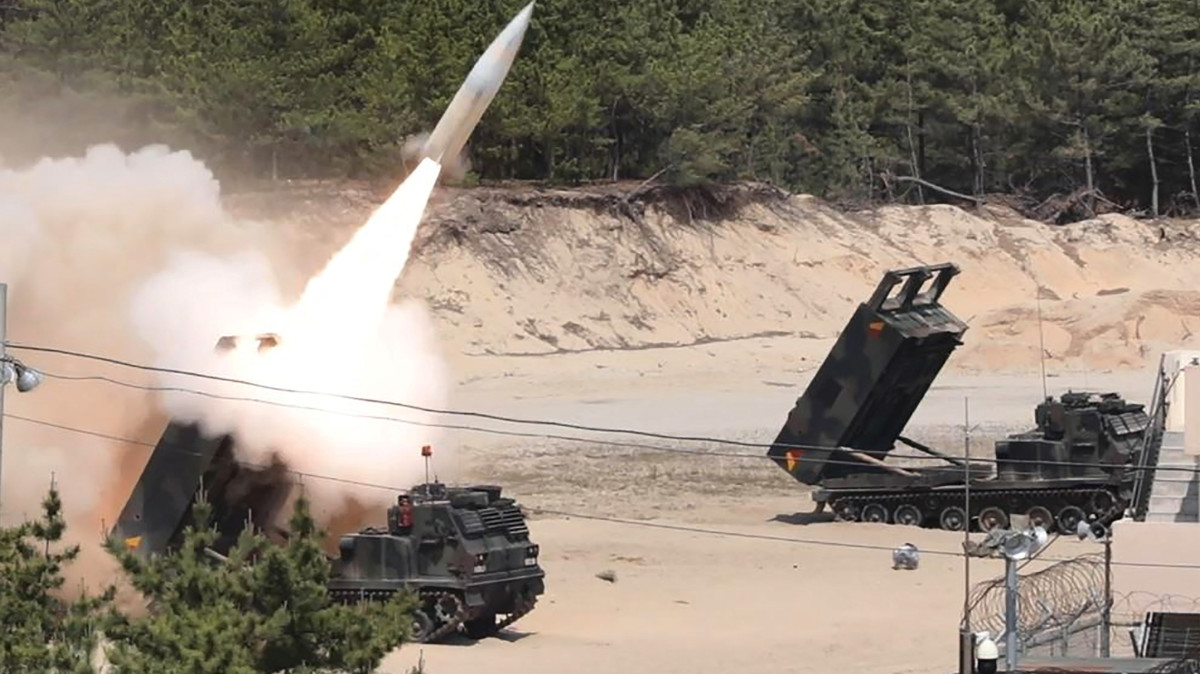
    Months of sustained military operations against Iran have left the United States nearly drained of its most advanced long-range precision surface-to-surface missiles, new reporting reveals, creating critical supply constraints that have undermined the Trump administration’s repeated threats of massive, unprecedented escalation against the Islamic Republic.

    Citing two anonymous defense sources, Reuters reported Tuesday that the U.S. military has exhausted “virtually all” of its stockpiles of Army Tactical Missile Systems (ATACMS) and the newer Precision Strike Missiles (PrSM), two cornerstone weapons in America’s conventional arsenal. These munitions are prized for their ability to strike enemy targets with high accuracy from hundreds of kilometers away, eliminating the need to deploy crewed warplanes that face risk from enemy air defense networks.

    The depletion has forced U.S. Central Command (CENTCOM), the military command responsible for all operations across the Middle East, to reallocate missile stockpiles from other active combat theaters around the world to replenish its supplies, according to the report.

    Hostilities between the U.S., Israel and Iran first erupted on February 28, when joint U.S.-Israeli strikes opened the current round of conflict. A ceasefire was negotiated in June via the Islamabad Memorandum of Understanding, but skirmishes and low-intensity fighting have continued to escalate through the summer months.

    To support operations against Iran, the Trump administration repositioned key air defense batteries and active duty troops from East Asia at the start of the conflict. The ATACMS missiles now expended in the Middle East were also a critical capability that the U.S. had supplied to Ukraine for use against Russian invading forces, creating cross-theater resource strains.

    For months, the Trump administration claimed its strikes had completely destroyed Iran’s integrated air defense network. But independent reporting from Middle East Eye and other international outlets has confirmed that Iran has received new advanced air defense systems from both China and Russia to reinforce its capabilities. In April, an American F-15E Strike Eagle fighter jet was shot down over Iranian territory, triggering a large-scale rescue operation for the downed crew that nearly escalated tensions even further – had Iran captured the pilot, the captive would have represented a major diplomatic bargaining chip during subsequent ceasefire negotiations.

    The current munitions shortage extends far beyond offensive long-range missiles. Even before the full-scale outbreak of conflict, the U.S. was already facing low stockpiles of missile and drone interceptors, a gap created by months of supporting Israeli air defense operations during the 2025 June conflict that culminated in U.S. strikes on Iran’s nuclear infrastructure. For weeks, senior U.S. military leaders have warned the Trump administration that stockpiles of key defensive interceptor systems, including Patriot surface-to-air missiles, are also declining rapidly, the Reuters report added.

    The revelation of deep military resource depletion has validated longstanding criticism from both anti-intervention conservative and progressive analysts who argue the conflict is eroding American military power and draining critical strategic resources at the global level.

    “CENTCOM used everything they had before the war and have drawn down from rest of the world to critical levels,” Saagar Enjeti, a conservative commentator and co-host of the popular Breaking Points political program who has opposed U.S. intervention in Iran, wrote on social media platform X.

    Amir Handjani, board member of the Washington-based Quincy Institute for Responsible Statecraft, a think tank that opposes aggressive U.S. foreign intervention, offered a sarcastic rebuke to pro-war lobbying groups in a post on X. “Thank you FDD and UANI for the wonderful policies you have been advocating for. They have made America stronger!” Handjani wrote, referencing the Foundation for Defense of Democracies and United Against Nuclear Iran – two organizations that critics say led lobbying efforts to push the U.S. into war with Iran.

    The Reuters report comes just days after former President Trump reversed his own public pledge to launch massive new strikes against Iran. Just over a week ago, Trump threatened to carry out “the biggest attack since World War II” against the Islamic Republic. But he walked back that threat on Monday, claiming that Gulf Arab states had requested he avoid further escalation and that negotiations for a renewed ceasefire are underway. “I want to give them every last chance before decapitation,” Trump stated Monday. Iranian officials have repeatedly denied that any direct bilateral talks with the U.S. are currently ongoing.

    This coverage draws on original reporting from Middle East Eye, an independent outlet focused on unrivaled, unbiased coverage of the Middle East, North Africa and global affairs.

  • Mysterious elephant deaths in Kenya raise questions around pesticides

    Mysterious elephant deaths in Kenya raise questions around pesticides

    The mysterious death of 15 elephants in southern Kenya’s Amboseli ecosystem has sparked urgent debate and widespread concern over the intersection of commercial agriculture, illegal chemical use, and wildlife conservation in one of Africa’s most critical elephant habitats. The deaths, which occurred over a one-month window between June 24 and July 24 this year, have left wildlife officials, local farmers, and conservation experts divided over the root cause, with a leading official theory pointing to accidental cyanide poisoning from pesticides used on surrounding tomato crops.

    Kenya Wildlife Service (KWS) chief veterinary officer Dr. Isaac Lekolool confirmed that cyanide traces were detected in stomach samples collected from the deceased elephants. While the agency has not ruled out deliberate poisoning as a possibility, Dr. Lekolool noted that the unusual cluster of deaths is unprecedented in the region, describing it as an almost one-off event. The current working hypothesis is that the elephants were exposed to the toxin through agrochemicals applied to commercial tomato farms in the nearby Kimana area, a fertile corridor that links Amboseli National Park to Tsavo National Park further south.

    “It could be unintentional. Maybe people are trying to do some controls of pests on their crops, and that could have been maybe a source,” Dr. Lekolool explained.

    This corridor sits at the heart of the broader Amboseli ecosystem, which straddles the Kenya-Tanzania border and hosts more than 2,000 migratory elephants that travel the route annually in search of food and water. The Kimana area’s tomato farms rely on glacial streams from nearby Mount Kilimanjaro for irrigation, turning the region into a productive agricultural hub that supplies produce to markets as far as Nairobi and beyond. But access to unregulated toxic chemicals has long been a problem in the area, according to food safety researchers.

    A 2024 report from Kenyan food safety initiative Route to Food already documented the use of illegal cyanide-containing insecticides by Kimana smallholder farmers. Report author Wangunyu Njuguna explained that while these hazardous compounds are banned for agricultural use in Kenya, they are easily smuggled across the unpatrolled border from Tanzania, where weaker regional regulatory enforcement creates gaps for illegal trade.

    “The biggest problem is we’re not enforcing similar standards in the region,” Njuguna said. “There is no-one checking what I go and buy across the border, so I can just go buy anything and walk through the border and no-one stops me.”

    Highly toxic unregulated agrochemicals are already widespread across Kenyan smallholder farms, with previous studies linking the substances to chronic human disease. While national laws ban the most dangerous compounds, weak enforcement has meant little accountability, and almost no scrutiny of how these chemicals impact nearby wildlife populations.

    However, the official pesticide poisoning theory has faced sharp pushback from conservationists, local landowners, and farmers who coexist with Amboseli’s wildlife, who say the narrative does not align with years of on-the-ground experience and observed animal behavior.

    Renowned elephant conservationist Paula Kahumbu, who has studied Kenyan elephant populations for nearly 30 years, argues that there is insufficient evidence to support the claim that crop pesticides killed the 15 animals. “We haven’t got enough detailed information to have confidence in this claim that it’s due to pesticides in crops,” Kahumbu told the BBC. “Some information has been released to the public but it’s not adding up. Those elephants have to eat a huge amount to kill them.”

    Other conservation experts, who requested anonymity, pointed out a key inconsistency: male elephants are far more likely to risk raiding agricultural crops than females and calves, yet only one of the 15 dead elephants was an adult male. Local landowner representative Daniel Nina, who has lived alongside wildlife in the region for decades, also questioned why only elephants were affected if the poison came from crop pesticides.

    “We have stayed with this wildlife for decades and have never experienced this,” Nina said. “So that’s why we are wondering why it is happening today.” He added that previous poisoning incidents in the region affected crop-raiding zebras, antelopes, and wildebeest alongside elephants, a pattern that did not hold in this case. “How does cyanide kill the elephants and leave behind the zebras, antelopes and wildebeests, which are eating the grass together?” he asked.

    The mystery of the 15 elephant deaths comes as long-simmering human-wildlife conflict intensifies across the Amboseli ecosystem, driven by growing agricultural expansion into critical elephant migration routes. Local tomato farmer Stephen Michael told the BBC that elephant incursions are a regular threat to livelihoods, with one recent raid costing him more than $1,500 in lost cabbage and tomato crops alone.

    Frank Pope, CEO of leading conservation organization Save the Elephants, explained that the biggest threat to Amboseli’s elephant population is no longer ivory poaching – it is competing land use. Fertile, water-rich areas that attract smallholder farmers are the exact same corridors that elephants have used for migratory purposes for centuries, and as more farms and tourist lodges are built along these routes, conflict becomes inevitable.

    To date, no conclusive cause of death has been confirmed, and the lack of clarity has left communities and conservationists worried that ongoing risks remain for both the surviving elephant population and local residents who may be exposed to unregulated toxic chemicals through food and water.

  • ‘My grandmother subjected my baby to female genital mutilation behind my back’

    ‘My grandmother subjected my baby to female genital mutilation behind my back’

    Last week, Colombia etched its name into regional history as the first Latin American nation to formally outlaw female genital mutilation (FGM), a milestone grassroots activists and Indigenous organizers have spent decades fighting to achieve. The groundbreaking ban passed with unanimous support in Colombia’s Congress, closing a long chapter of advocacy to eliminate a dangerous, largely hidden practice that has persisted in the country’s Indigenous Emberá community for generations.

    FGM is defined by global health authorities as the partial or total removal of external female genitalia, or any other non-medically justified injury to female reproductive organs. The procedure, which is almost always carried out in unsanitary, secret conditions, carries immediate and lifelong health risks: severe hemorrhaging, chronic infection, complications with menstruation and childbirth, and permanent loss of sexual function. According to the World Health Organization, more than 230 million girls and women currently alive across the globe have undergone FGM, with the vast majority of cases concentrated in African nations.

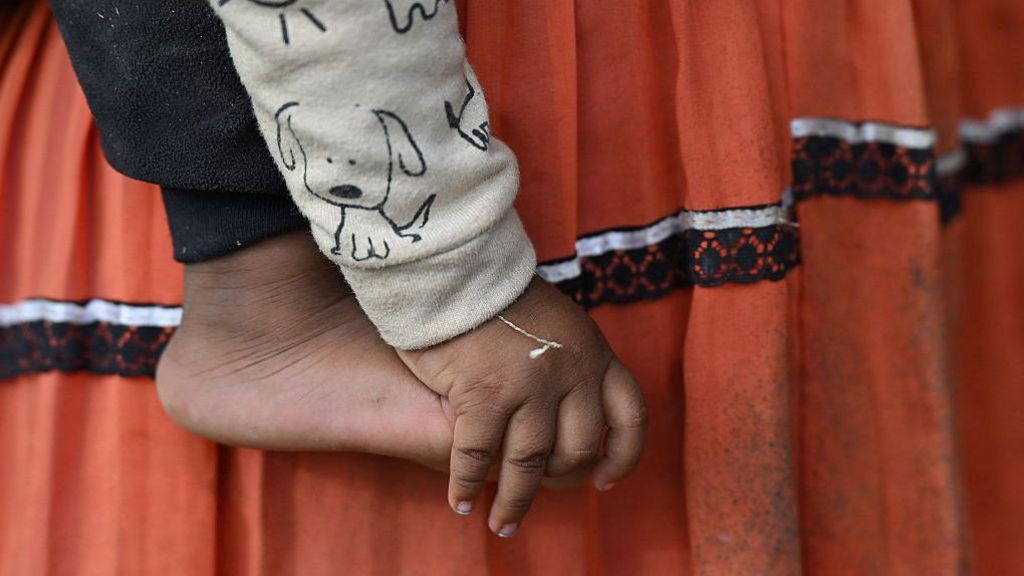
    For Carla Quiñonez, a 30-year-old Emberá activist who has led local campaigns against FGM, the fight for the ban is deeply personal. When Quiñonez’s own daughter was just six months old, the infant’s great-grandmother subjected her to the procedure without the family’s full consent. When the baby was returned, Quiñonez found her feverish, swollen, and bleeding, crying uncontrollably. When Quiñonez confronted her grandmother, the older woman dismissed the harm, claiming the procedure was normal and ordering her to keep it secret. “She said that men mock women who retain their clitoris,” Quiñonez recalled. The nearest formal health clinic was hours away, so Quiñonez’s mother, a traditional midwife, attempted to ease the infant’s pain with medicinal plants, but the baby was left with permanent trauma.

    As Quiñonez grew older, she began to connect a pattern of unexplained early childhood deaths among Emberá girls to the hidden practice. She remembers a young female cousin born healthy under her mother’s care who died just three days after birth, with community elders blaming the death on “jai,” a so-called ancestral illness. Today, Quiñonez is convinced the baby actually died from complications of FGM. Experts and activists agree that official case counts vastly underrepresent the true scale of FGM in Colombia. Between 2020 and June 2026, only 240 cases were officially recorded, 90% of which involved girls under six years old. But Dr. Diana Ramos Mosquera, a pediatrician working at Pereira’s San Jorge University Hospital in northwestern Colombia, calls the official number just “the tip of the iceberg.” While examining girls seeking care for unrelated conditions, Dr. Ramos has repeatedly found evidence of scarring, burning, and mutilation. She once treated a young girl whose vaginal opening was fully sealed by the procedure, a complication that would have prevented her from menstruating or having intercourse in adulthood that required major reconstructive surgery.

    Dr. Ramos frames FGM as a brutal form of gender-based violence that leaves lifelong physical and psychological scars, but she emphasizes that addressing it requires more than just punitive measures. She argues that widespread cultural education is critical, noting that many community members who carry out the procedure genuinely believe it is beneficial and harmless, rooted in long-held tradition.

    The Emberá community, which counts around 300,000 members across Colombia, Ecuador, and Panama, is the only group in Latin America where FGM remains widely practiced. Scholars have put forward several theories for the practice’s persistence in the community. One hypothesis traces its origins to enslaved people brought to Colombia from West African nations where FGM was common, a theory that aligns with the practice’s higher prevalence in Colombian departments (Risaralda, Chocó, and Valle del Cauca) that border or host large Afro-Colombian populations. Other explanations cite a centuries-old community legend about the birth of an intersex child that left elders with a widespread fear that an uncut clitoris will grow into a penis. Still others point to deeply entrenched patriarchal beliefs that frame women who can experience sexual pleasure as more likely to be promiscuous.

    Juliana Domico, legal representative and chief Indigenous councilor for the National Confederation of the Peoples of the Great Emberá Nation of Colombia, rejects the common claim that FGM is a protected cultural tradition. “Our culture is our clothing, our crafts, our dances and our language, not a practice that kills. Culture does not kill,” she emphasized. Domico was a key political advocate for the ban, which follows years of internal organizing within the Emberá community to end the practice. She says she now hopes the new legislation will be translated into targeted public policy with sufficient funding for community outreach and enforcement.

    Quiñonez, who has faced repeated threats for her advocacy—mostly from male community leaders—says traditional power structures have long slowed progress toward ending FGM. While the ritual itself is traditionally kept hidden from men, discussions about reform must often be held with male community leaders, since many Emberá women only speak the Indigenous Emberá language and have not learned Spanish, cutting them off from accessing state support or medical care. That barrier is often compounded by stigma and judgment from non-Indigenous health workers, Quiñonez says. When she brought her daughter to a hospital for a urinary tract infection caused by FGM complications, a nurse berated her as a “savage” and threatened to remove her daughter from her care and place her in state foster care. Since then, Quiñonez says she has avoided formal hospitals, opting to treat her daughter at home with traditional medicines and over-the-counter medication.

    Despite the many obstacles, Quiñonez says gradual change is already underway within the Emberá community, with more women now openly discussing the harms of FGM for the first time. She says she was deeply moved when one elderly grandmother who had carried out FGM on her own granddaughters reflected on the practice, admitting she had never acted out of malice, only wanting to protect her granddaughters from criticism by men.

    Opening these conversations is painful, Quiñonez acknowledges: many older women who underwent FGM as children have never known any other bodily experience, and talking about the harm opens old wounds. One day, she will have to talk to her own daughter about what happened to her as an infant, a conversation she says will be difficult, but unavoidable. “All of us deserve to understand our bodies and to talk about them without shame,” she says. Activists across the country now hope the historic ban will not only deter future cases, but also open the door for widespread public education, improved access to medical care for survivors, and deeper cultural change to end the practice for good.

  • ‘I was slut-shamed’ – Indian women ‘cockroach’ protesters doxxed and abused

    ‘I was slut-shamed’ – Indian women ‘cockroach’ protesters doxxed and abused

    In one of the largest anti-government mobilizations India has seen in recent years, a youth-led grassroots movement called the Cockroach Janta Party (CJP) successfully leveraged social media to organize demonstrators, galvanize public support and ultimately push India’s federal education minister to step down. What began as a hybrid movement of in-person marches and Instagram content quickly turned ordinary young women into some of the movement’s most visible faces – but their participation has come at a devastating personal cost, with dozens facing sustained, gendered online harassment, violent threats and privacy violations, a new BBC investigation has found.

    CJP’s defining strategy blended traditional street protest with digital activism: short-form satirical videos, meme content and on-the-ground first-person posts spread across Instagram, drawing hundreds of thousands of views and turning casual content creators and student participants into movement leaders. The movement’s peak demonstration, held July 20, saw thousands of protesters attempt to march to India’s parliament to demand policy changes, before security forces intervened with tear gas and baton charges. Official Delhi police figures put the total injured at 60 protesters and 118 police personnel, but CJP has disputed this count, claiming far more demonstrators were harmed than the government has acknowledged. In the aftermath of the demonstration, police have opened formal criminal cases against dozens of identified movement participants. But for many of the women who posted protest content online, a separate, unregulated campaign of abuse has unfolded far from official police channels.

    The BBC spoke with four anonymous female activists who participated in the protests, reviewing hundreds of pages of screenshots of abusive messages, edited deepfake images and threatening communications to document the scope of the harassment. All four requested anonymity out of safety concerns for themselves and their families.

    One 20-something content creator, who attended her first protest on July 20 and shared first-person accounts of the baton charge to her Instagram followers after the protest site’s internet was cut off, described unrelenting slut-shaming and personal attacks after she publicly questioned Prime Minister Narendra Modi’s post-protest comments – in which Modi claimed he “forgave” young demonstrators and urged society not to harshly punish them. “I thought I was just helping organize aid and share what I saw, I didn’t even think of it as political,” she told the BBC. She estimates she has deleted thousands of abusive messages and blocked hundreds of accounts, but harassment continues. For her, the abuse has amplified a constant fear that is familiar to many women in India: “As a woman here, you grow up with fear. It follows you online when you speak out, too,” she said, adding that her mother has refused to read comments on her posts for months, unable to bear the vitriol directed at her daughter.

    A 20-year-old first-time protester, who regularly posts light-hearted fit-check videos, shared a quick joke clip ahead of the July 20 march saying she was “going to get beaten by cops” – a clip that was picked up by national television and spread widely across social media, leading doxxers to identify her home college and flood her inbox with threats. “I was just recording what happened around me, I never thought it would go that far,” she said. Abusers sent her anonymous messages threatening to report her to police for arrest and assault, called her degrading sexual slurs, and issued threats that “your turn will come.” The pressure extended far beyond online spaces: relatives contacted her parents demanding she delete all her protest content, and she has now archived nearly all of her protest-related posts out of fear for her family’s safety. “I worry less about what happens to me than what they might do to my parents,” she explained.

    A Muslim student activist, who has long shared outspoken political content online, described a sharp uptick in targeted abuse after the CJP protests, amid India’s growing religious polarization. She has since made her Instagram account private and muted most other social platforms, but offensive content about her continues to circulate. Abusers edited her photos to falsely depict her in sexually suggestive situations to shame her, morphed her image to label her an “anti-national terrorist”, and used anti-trans slurs to insult her while falsely claiming she was a paid protester. Her father, a working journalist, has pleaded with her to stop speaking out, warning that her Muslim identity makes her an easy target for state action. “My parents have watched other Muslim activists arrested and investigated, and we live in constant dread,” she said. Despite the harassment, she remains firm: “I still believe going to the protest was the right thing to do. I just understand the cost far better now.”

    A West Bengal-based student activist who helped organize supply drives and an Instagram fundraiser for protesters said the abuse began after police started detaining demonstrators in her state in late July. Abusers flooded her fundraiser post with spiteful comments and sent her sexual threats in private messages, forcing her to delete the post entirely. She changed her public social media name, locked her account and blocked messages from strangers to avoid being doxxed. What has shocked her most is the clear gender double standard: her male peers expressed the same political views online, but none faced the gendered, sexualized abuse she endured. “When women speak up, the attack always turns to our gender. I just keep asking why women can’t hold the same opinions as men online without being targeted,” she said.

  • Fortescue shares hit by Morningstar downgrade over project cost blow outs

    Fortescue shares hit by Morningstar downgrade over project cost blow outs

    For millions of Australian workers holding superannuation savings, a key mining investment tied to their retirement accounts faces fresh downward pressure after independent rating agency Morningstar cut its fair value assessment for Fortescue Metals Group by 4% this week.

    The new fair value estimate for Fortescue shares now sits at AU$15.50, a marked downward adjustment that comes ahead of the miner’s highly anticipated full-year financial results release, scheduled for August 24 on the Australian Securities Exchange. At the time of the downgrade, Fortescue was positioned to open trading at AU$18.08 – a full 16% above Morningstar’s calculated intrinsic value of the stock.

    The core catalysts behind the downgrade tie directly to two major headwinds facing the iron ore producer: near-term forecasts for slowing global steel sales that would pressure commodity demand, and persistent, spiraling cost overruns at the company’s high-profile Iron Bridge magnetite project located in Western Australia’s remote Pilbara region.

    The Iron Bridge project was designed to extract low-grade ore and process it into premium magnetite concentrate using energy-intensive methods, positioned adjacent to Fortescue’s existing operational mine, rail network and port infrastructure – advantages that were supposed to keep costs contained. But since the project’s initial 2019 budget of AU$4 billion, total projected costs have ballooned to AU$6.2 billion, as the company has struggled to ramp up production at the magnetite processing plant.

    Just last month, Fortescue was forced to take a AU$1.1 billion pre-tax impairment write-down on the project’s value and abandon its long-held target of reaching full production capacity by 2028. That sudden write-down signaled to markets just how severe the ongoing challenges at Iron Bridge have become.

    In the analysis note released alongside the downgrade, Morningstar analyst Jon Mills outlined that overlapping headwinds have already eroded near-term profitability for the miner. “Cost inflation and lower volumes meant unit cash costs rose 19 per cent in the quarter, to US$19.40 per metric ton, while problems at Iron Bridge persist,” Mills wrote. He added that the current market premium on Fortescue shares is driven by investor expectations that elevated iron ore prices, hovering around US$100 per metric ton, will hold steady for longer than Morningstar’s projections anticipate.

    Beyond the immediate downgrade, Morningstar has reaffirmed its “no-moat” rating for Fortescue, concluding the company does not hold a durable competitive advantage over its largest industry rivals. Comparing Fortescue’s margins to global mining giants BHP, Rio Tinto and Vale, Mills noted that Fortescue’s profit margins land well below industry leaders, placing the company in the second half of the global iron ore cost curve at roughly the 75th percentile. “This is a primary driver of our no-moat rating,” Mills explained.

    As millions of Australians hold Fortescue shares indirectly through their superannuation balances, the downgrade has drawn attention to potential downside risk for retirement savings tied to the volatile iron ore sector, with market participants now looking to the upcoming full-year results for further clarity on the miner’s path forward.

  • ‘I feel like I dug my own grave’: The workers caught in the AI transition

    ‘I feel like I dug my own grave’: The workers caught in the AI transition

    For over two decades, the Philippines has held the unofficial title of the world’s call center and business process outsourcing (BPO) capital, a success story that lifted millions of Filipinos into the expanding middle class and reshaped the country’s modern economy. But today, the rise of generative artificial intelligence is posing an existential challenge to this cornerstone of the nation’s growth, leaving thousands of workers jobless and forcing policymakers and industry leaders to rethink a decades-old economic model.

    Lisa, a single mother and content writer who requested anonymity due to a confidentiality agreement tied to her severance pay, spent 15 years building her career in the Philippine outsourcing sector. After graduating college, she cut her teeth as a freelance writer before joining a multinational firm, following the well-trodden career path taken by generations of young Filipinos seeking stable, well-paying work. For years, she managed her workload without AI, meeting all her deadlines and seeing no need to integrate the new technology into her process. Just one month before her probationary role was set to become permanent, eight months into her new position, she was laid off.

    In the months leading up to her redundancy, Lisa says she and her teammates were assigned to edit AI-generated content created by an outside public relations firm, refining output to match the company’s unique brand voice. In essence, their own expertise was used to train the AI system that ultimately replaced them. “I feel like I dug my own grave,” Lisa told the BBC. “We were the ones who trained the artificial intelligence that replaced us.” She is far from alone in this experience.

    Mary, another former content writer whose name has also been changed to protect her identity, shared a similar trajectory. Her employer promoted AI as a tool to boost productivity, but in practice, it added extra layers of work: AI-generated content was often factually inaccurate, requiring teams to spend more time editing and verifying information than they spent creating original copy. Like Lisa, Mary was ultimately made redundant after helping integrate the new technology into the company’s workflow.

    The Philippine BPO industry grew from a niche emerging market offering in the early 2000s to a national economic powerhouse. Positioned as an English-speaking alternative to India, successive Philippine governments offered generous tax incentives, invested in critical digital and office infrastructure, and actively courted multinational firms looking to cut operational costs by offshoring administrative, creative and customer service work. Today, global industry leaders including Accenture, Concentrix and Teleperformance operate sprawling campuses across Manila and other major urban centers, employing roughly 1.9 million Filipinos and generating $40 billion in annual revenue, equal to around 10% of the country’s entire gross domestic product.

    But new data makes clear just how vulnerable this $40 billion industry is to AI-driven automation. The International Labour Organization estimates that more than one in four Filipino workers — 12.7 million people overall — hold roles that are exposed to automation from generative AI, the highest share of any country in Southeast Asia. While the organization notes that many roles will evolve rather than disappear entirely, the service-focused nature of most BPO work leaves the Philippine sector disproportionately at risk of mass displacement.

    Jack Madrid, president of the IT and Business Process Association of the Philippines (IBPAP), confirms that AI adoption is accelerating rapidly across the industry, with more than two-thirds of his organization’s members already running active AI pilot programs. “Agentic AI has the potential to automate at a much more accelerated pace,” Madrid explained. “Obviously, there’s a layer of jobs that are automatable or have been automated.” He added, however, that most affected workers have been redeployed to other roles within their companies, arguing that current hiring slowdowns stem as much from cooling global demand and uncertainty around long-term AI deployment as from automation itself. Even so, he acknowledges the scale of the challenge, saying, “We cannot do enough to be prepared. The importance of reskilling cannot be overstated.”

    Major BPO operators have publicly framed AI as an augmenting tool rather than a replacement for human workers. Teleperformance, the world’s largest call center operator and one of the Philippines’ biggest private employers, says AI will take over routine customer interactions, allowing human agents to move into higher-value, more complex roles. The company has committed to retraining its existing workforce to adapt to these new positions. Accenture has similarly said generative AI will reshape nearly all roles rather than eliminate jobs, and has pledged to invest billions of dollars in AI capabilities and employee training. Concentrix, the largest BPO firm operating in the Philippines, says its AI systems will remain under human oversight and has also committed to upskilling workers to work alongside new technologies.

    Despite these public commitments, many local managers harbor quiet concerns about mass worker displacement, according to Paul Quintos, a researcher at the University of the Philippines-Diliman. Many would prefer to slow the pace of AI adoption, but face overwhelming pressure from foreign clients to integrate the technology into their services. “There’s tremendous pressure from foreign clients to adopt AI,” Quintos explained. “It’s a major cost-cutting measure.” Philippine BPO firms compete fiercely with rivals in India and other low-cost markets for multinational contracts, and clients now increasingly expect providers to not only offer cheap labor but also embed AI into their service offerings to cut overhead costs.

    Quintos also notes that what is often framed as AI-driven restructuring may sometimes be “AI washing”: companies attribute layoffs to technological change to mask broader responses to slowing demand or poor economic performance. Attributing redundancies to AI allows firms to frame cost-cutting restructuring as progressive technological adoption rather than a reaction to weak market conditions.

    Labor advocates point out that existing Philippine employment laws offer clear guidelines for redundancy processes, but provide almost no framework for how companies should introduce AI to workplaces or consult workers on technological changes. Compounding this vulnerability is the fact that the Philippine BPO sector is almost entirely non-unionized, leaving most workers with no formal voice in decisions around how new technologies are deployed that will fundamentally shape their careers.

    Philippine government officials acknowledge that the country is already playing catch-up to prepare its workforce for the AI transition. “To be completely honest, I think we’re slightly behind. We have to catch up,” said Leandro Aguirre of the Philippines Department of Information and Communications Technology. “We have to double our efforts to put our people in a position where they will not be displaced but actually thrive in this growing AI race.”

    The government has pledged to upskill more than 300,000 BPO workers, but Aguirre admits the country may need to abandon its decades-long reliance on foreign offshoring work to build a more resilient digital economy. “We relied heavily on foreign direct investment,” he said. “But I think we also need to focus on local talent and local companies.” The government’s long-term goal is to nurture homegrown Philippine AI firms that can create high-value, stable jobs for local workers that cannot be easily automated or offshored. Aguirre rejects calls for sweeping new AI-specific legislation, arguing that existing labor, privacy and consumer protection laws can be adapted more quickly through targeted regulatory guidance, adding that “the benefits of AI have to trickle down to people. It can’t just benefit employers.”

    For 20 years, the Philippine BPO model has been one of the emerging world’s great economic success stories, turning a large, English-speaking workforce into a globally competitive industry that delivered broad-based prosperity. AI may not completely end that model, but it is already rapidly reshaping it — and without aggressive action to reskill workers and reorient the country’s economic strategy, it risks leaving hundreds of thousands of workers behind.