博客

  • Bill aiming for peace between Turkey and Kurdish fighters goes to parliament

    Bill aiming for peace between Turkey and Kurdish fighters goes to parliament

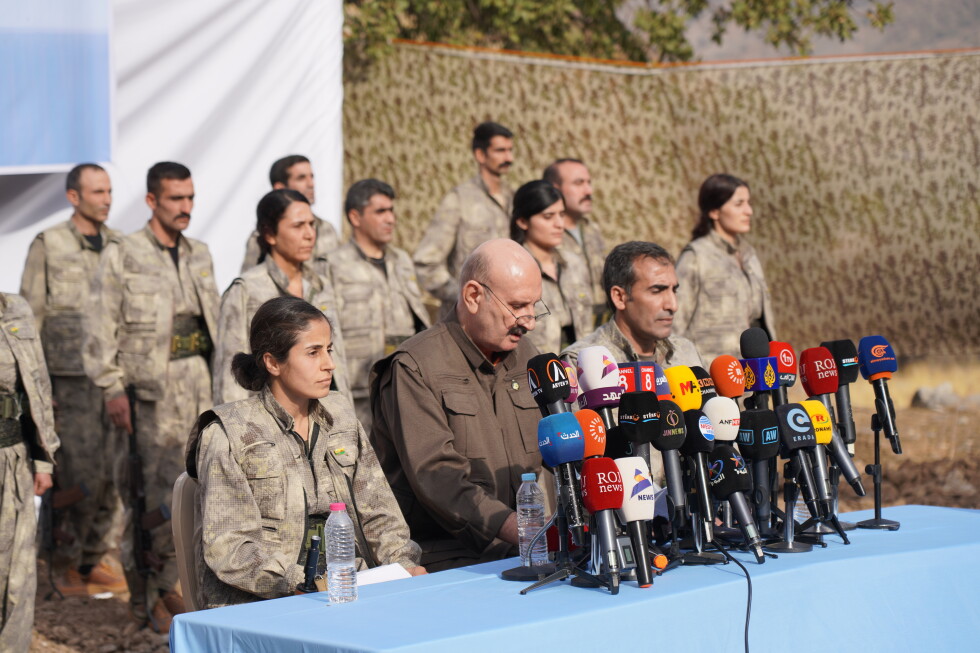
    In a landmark step toward resolving one of the Middle East’s longest-running internal conflicts, Turkey’s ruling Justice and Development Party (AKP) has tabled a parliamentary bill to advance a new peace initiative with the Kurdistan Workers’ Party (PKK), including provisions for a broad pardon for former militants. This legislative push comes months after the PKK announced it would disarm and disband in response to a call from its imprisoned founder Abdullah Öcalan, a decision that marked a dramatic shift in a confrontation stretching back 40 years.

    The PKK first launched an armed insurgency against the Turkish state in 1984. Over the following decades, the conflict has killed more than 40,000 people, with violence spilling across the country’s borders into northern Iraq and Syria, where the PKK maintains regional bases. Originally formed to demand an independent Kurdish state, the group later adjusted its goals to push for greater political autonomy and expanded cultural rights for Turkey’s Kurdish population. Multiple past peace efforts between Ankara and the PKK have collapsed, most recently in 2015 when hostilities reignited after a two-year ceasefire. Designated a terrorist organization by Turkey, the United States, and the European Union, the PKK carried out a symbolic disarmament ceremony in its northern Iraq headquarters last year after Öcalan’s call, and began withdrawing remaining fighters from Turkish territory to Iraqi bases.

    Officially named the bill “to strengthen national solidarity and social cohesion”, the new legislation lays out clear, formal procedures for overseeing the complete disarmament of the PKK and outlines the judicial process for the group’s members. Abdullah Güler, the AKP’s parliamentary group chair, confirmed to reporters that the bill has already secured the support of 360 sitting members of parliament, with additional lawmakers expected to add their backing in the coming days. The legislation will go first to parliament’s Justice Committee for review this Friday, before moving to a full debate in the general assembly. The government has set an aggressive timeline, aiming to pass the bill before parliament enters its summer recess later this month.

    Under the terms of the proposed framework, the Turkish National Security Council will be responsible for verifying that the PKK has fully disbanded and surrendered all of its weapons stockpiles, which the group still retains the majority of. Once these conditions are met, the bill will grant an effective pardon to approximately 4,000 PKK members not directly implicated in violent acts. This provision would clear the way for the release of people already convicted of minor offenses related to PKK membership, as well as those convicted of providing financial support or propaganda for the group. It would also allow PKK members based in Iraq, Syria, and exiled across Europe to return to Turkey without facing prosecution, according to reporting from leading Turkish daily *Hürriyet*. For cases still under active investigation or prosecution, legal proceedings will be paused for a period proportional to the severity of the alleged offenses, and cases will be dismissed entirely if no additional terror-related offenses are committed during the waiting period. All applications for amnesty must be filed within six months of the law being officially published in the Official Gazette, and the entire process will be overseen by a joint ministerial committee and parliamentary commission.

    Notably, the bill excludes senior PKK figures from its amnesty provisions: militants convicted of intentional homicide and those sentenced to life in prison before 2005, including Öcalan himself, are not eligible for pardon. Öcalan has been imprisoned on İmralı Island since his capture in 1999, and the pro-Kurdish DEM Party has long lobbied for Öcalan to be granted official status to coordinate the disarmament process, with the ultimate goal of securing his release. While that demand is not included in the current draft legislation, Turkish media reports indicate that the question of Öcalan’s status could be taken up in future legislation if the current peace process moves forward. In the near term, officials are expected to improve Öcalan’s prison conditions, expanding his access to visitors and external communication.

    In a statement delivered through DEM Party lawmakers who visited him in prison earlier this week, Öcalan expressed full support for the new legislation, framing it as a historic turning point for Turkey. “With this law, we are setting out to resolve a historical issue,” he said. “We are at the beginning of a democratization process that will be at least as significant as the founding of the republic.” The proposed legal framework is set to remain in effect for up to four years, though parliament has the authority to extend the timeline if needed. If the process advances successfully, policymakers have indicated additional legislation will be introduced to address unresolved issues, including the question of Öcalan’s eventual release.
  • Moroccan families seek missing loved ones after the migrant surge to Spain’s Ceuta

    Moroccan families seek missing loved ones after the migrant surge to Spain’s Ceuta

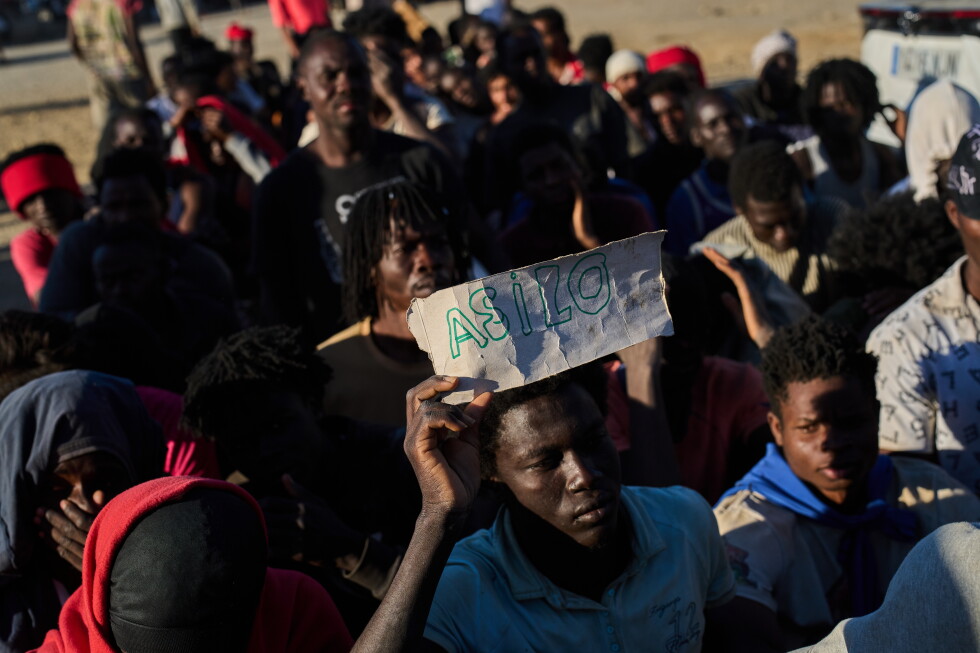
    FNIDEQ, Morocco — Along the sunbaked Moroccan side of the border fence separating the country from Spain’s North African enclave Ceuta, crowds of anxious relatives gather every day. Mothers clutch crumpled printed photos, fathers scan every approaching returnee’s face, and siblings lean against the barrier, calling out names of loved ones who crossed into Ceuta during last week’s unprecedented mass migration surge. Each returning traveler is stopped with the same urgent question: Have you seen my son? My daughter? My brother?

    In what has become one of the most high-profile migration crises to shake Europe in recent years, more than 72,000 Moroccan migrants flooded across the border into Ceuta in a matter of days. The sudden surge was triggered by a toxic mix of widespread economic desperation and unfounded online rumors claiming the border had been permanently opened, drawing thousands of young people hoping to start new lives in the European Union. Today, authorities confirm that all but roughly 2,000 migrants have returned to Morocco — but hundreds of families are still without any word of where their relatives are.

    The human cost of the crossing has already been devastating. Official counts put the death toll at more than 80, with migrants drowning while attempting to swim across border waters or suffering fatal injuries while scaling the heavily fortified border fence. It remains unclear if all bodies have been recovered and repatriated; a morgue source in Tetouan, Morocco’s largest city near the border, told the Associated Press that more than a dozen fatalities have already been brought to the facility, though journalists have not been granted access to confirm the count.

    As survivors trickled back across the border in recent days, the AP witnessed first-hand the agony of families waiting for news. Many returnees lost or abandoned their mobile phones during the chaotic crossing, so they borrowed devices from strangers to call anxious family members waiting at home. For those whose loved ones have not come home, the border has become a site of endless, heart-wrenching waiting.

    “I have been looking for my son for five days now,” said Ibtissam Chari, whose 19-year-old son Rayan crossed into Ceuta with a group of friends after seeing the viral rumors of an open border online. “He called me when he arrived, and since then I haven’t heard anything from him.”

    Another woman, who asked to remain anonymous to protect her children, spoke to reporters while staring silently toward the Ceuta side of the border. Her 12-year-old son crossed the border with his older brother; only the older boy made it back to Morocco. “I have nothing else to do but come here and wait,” she said. “I spend all my days here. I will come back tomorrow again.”

    Of the migrants still unaccounted for, an estimated 1,000 are minors remaining in Ceuta. Under Spanish law, security forces lack the authority to expel unaccompanied minor migrants, leaving their long-term fate uncertain. Moroccan authorities have already welded shut the small opening in the border fence that was temporarily opened to allow returning migrants to cross back into Morocco, closing off the main passage for returnees.

    The same social media groups that helped coordinate the mass crossing — sharing tips on where to swim and how to avoid patrols — have now pivoted to serve as clearinghouses for missing person posts. Families flood the groups with photos and descriptions of their unaccounted-for relatives, begging any migrants still in Ceuta for information. “If anyone has seen this girl in Ceuta or Castillejos, please let us know. Her family is going crazy,” user Hiba Nakaax wrote in the popular Facebook group Fnideq Bab Sebta, one of the main hubs for crossing coordination.

    For many young Moroccans, attempting the crossing to Europe is a decades-long common aspiration, rooted in persistent economic inequality across the country. While coastal tourist regions have seen steady economic growth in recent years, inland areas continue to grapple with crippling poverty and youth unemployment that tops 30%. Last year’s widespread youth-led Gen Z protests across Morocco laid bare the deep public frustration over limited economic opportunity and underfunded public services, driving many young people to see migration to Europe as their only shot at stability.

    That desperation is so deeply rooted that even after the deadly chaos of the Ceuta surge, some parents still urge their children to find another way to cross. After 17-year-old Mohamed Chakor from the inland city of Taounate returned home traumatized from the failed attempt, he called his father to share the news. Instead of urging him to abandon the plan, his father asked him to start looking for another route to Europe.

    Twenty-six-year-old Othmane El Merzoug, who returned barefoot and hungry after being turned away from Ceuta, called his father in Salé from a reporter’s phone. “Dad, I’ve returned from Ceuta. They didn’t allow me to stay,” he said over the speakerphone. His father immediately promised to send money so he could make the trip back home — and left unsaid what many here already know: for many young Moroccans, the next attempt to cross will come soon.

  • Alarm as explosive drone found near Ukrainian plane at German airport

    Alarm as explosive drone found near Ukrainian plane at German airport

    A major security emergency unfolded overnight at Germany’s Leipzig-Halle Airport, after an explosive-packed drone was discovered on the tarmac just meters from a Ukrainian cargo plane, and a separate mid-air collision between a commercial cargo aircraft and an unknown airborne object left authorities scrambling to contain the incident.

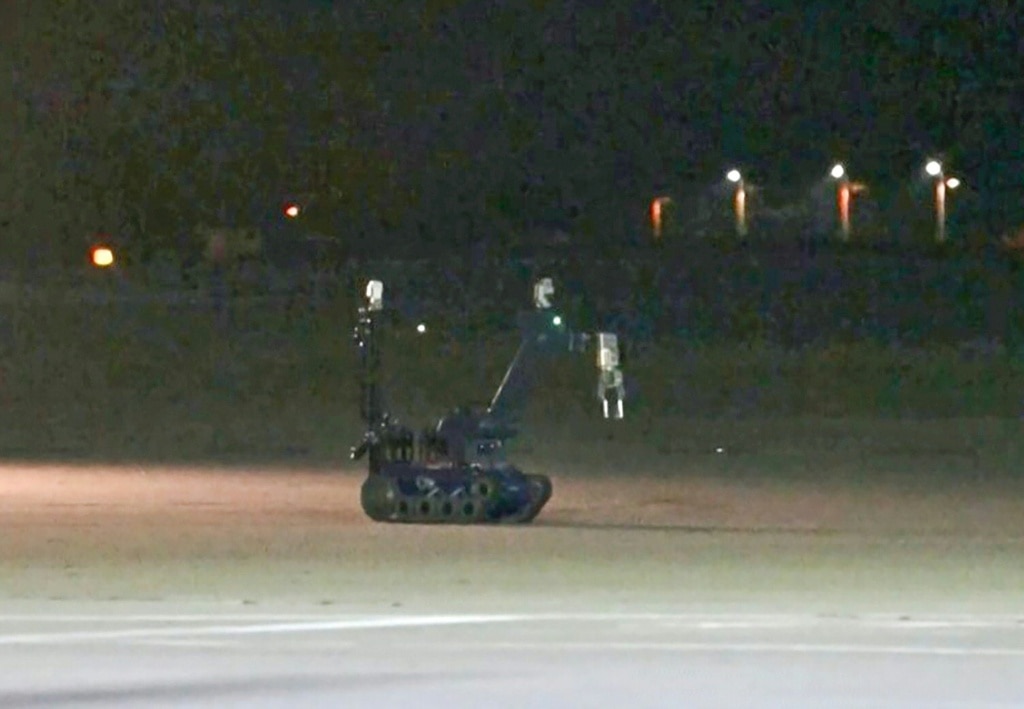
    Starting around midnight, all incoming flights to the eastern German transport hub were diverted to alternate airports for several hours as specialized bomb disposal units deployed a remote-controlled robot to safely disarm the unmanned aerial vehicle (UAV). Located near a Ukrainian Antonov Airlines cargo plane emblazoned with Ukraine’s national blue-and-yellow colors and the slogan “Be Brave Like Kherson” — a tribute to the southern Ukrainian region repeatedly targeted by Russian missile and drone strikes — the discovery sparked immediate security concerns across European capitals.

    Leipzig-Halle Airport is a strategically critical site for European and transatlantic logistics: it serves as a major hub for global logistics giant DHL, a key transport node for German military and NATO military supplies, and an official base of operations for Ukraine’s Antonov Airlines. This combination of roles makes it a high-profile target for actors seeking to disrupt military and commercial supply lines linked to Ukraine’s defense efforts.

    In comments Wednesday to German broadcaster Welt TV, Ukraine’s ambassador to Germany Oleksii Makeiev openly questioned Moscow’s involvement in the incident, saying “Who else could it be but Russia?” German authorities have not yet released concrete evidence linking the drone to Russia, and Moscow has not issued any immediate response to the accusation.

    Hours after the initial alert, police and prosecutors confirmed the quadcopter drone carried both explosive and incendiary components, matching the description of improvised devices used in recent sabotage attempts across Europe. A robot successfully removed the drone’s detonator, eliminating the immediate threat to airport infrastructure and personnel.

    A secondary incident compounded security fears: a DHL cargo plane, which had aborted its landing at Leipzig-Halle following the alert, collided with an unidentified second airborne object roughly six kilometers from the airport. The aircraft sustained minor damage to its nose cone but landed safely at Hanover Airport, where the damage was later documented by police.

    By early Wednesday morning, commercial air traffic had resumed on the airport’s northern runway, while investigators sealed off the southern runway to collect forensic evidence. A German counter-terrorism unit has launched an urgent manhunt for the drone operator or operators, publicly appealing for any witnesses who saw suspicious activity near the airport in the hours before the incident to come forward with information.

    This discovery is the latest in a growing string of unexplained drone incursions at sensitive sites across Germany and wider Europe. In recent months, unidentified UAVs have been repeatedly spotted over airports, military installations, and critical industrial facilities across the continent. German security officials have repeatedly stated they believe many of these incidents are orchestrated by Russia as part of a coordinated hybrid campaign of espionage, sabotage, and intimidation targeting European support for Ukraine.

    Just months earlier in July 2024, a parcel burst into flames on the tarmac at Leipzig Airport before it could be loaded onto a DHL cargo plane, an incident German security services have linked to a Russian arson sabotage plot. Moscow has repeatedly denied any involvement in sabotage activities on German or European territory. In a separate 2023 case, a Chinese national was convicted of espionage for leaking sensitive information on flight schedules and cargo movements at Leipzig-Halle Airport to Chinese intelligence operatives.

    Addressing reporters Wednesday, Ambassador Makeiev drew a direct line between the latest drone incident and previous alleged Russian attacks, arguing that the term “hybrid war” often understates the scope of Moscow’s aggression. “Indeed, Russia has long been waging this hybrid war,” he said. “Yet the word ‘hybrid’ somehow downplays the fact that Russia is waging war not only against Ukraine but also against Europe.”

  • Nigeria’s president orders a 80% salary increase for junior soldiers

    Nigeria’s president orders a 80% salary increase for junior soldiers

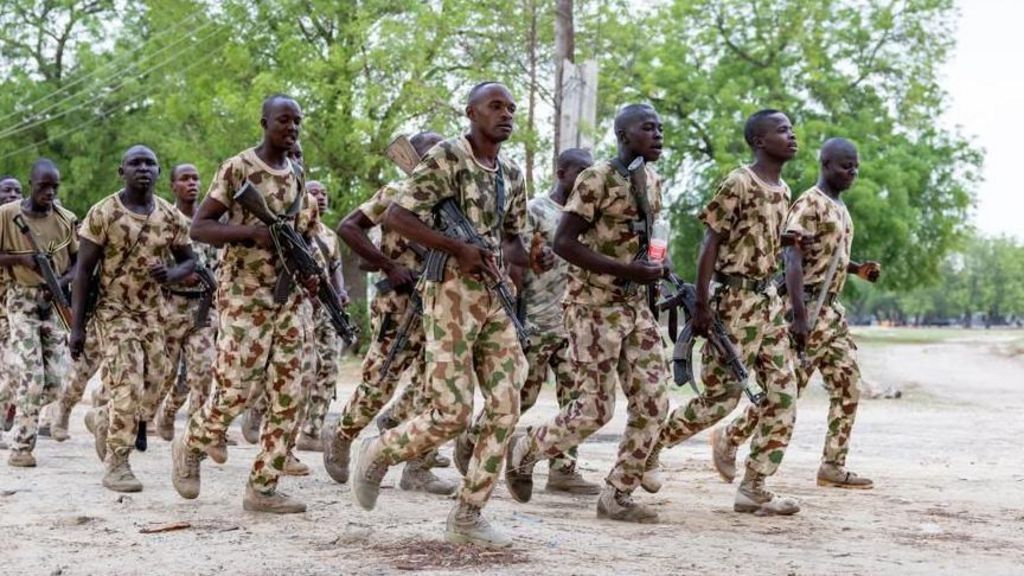
    Nigeria’s President Bola Tinubu has greenlit a sweeping second round of military salary increases in just one month, granting hikes of up to 80% for the lowest-ranking troops as the government ramps up efforts to combat a sprawling multi-front security crisis that has gripped the nation for years.

    The new adjustment, which will go into effect starting September, marks a dramatic jump from an already significant pay raise implemented just last month. Back in July, Nigeria’s defense ministry lifted the monthly wage of privates—the military’s lowest rank—from $36 to $73. Following Tinubu’s latest intervention, these junior troops will now earn $132 per month. The tiered pay structure allocates the largest increases to the most junior personnel: troops from the rank of private up to staff sergeant receive the maximum 80% hike, warrant officers through colonels get a 50% raise, and senior officers from brigadier general to general will see a 30% increase in their salaries. Overall, the adjustment will push Nigeria’s annual military wage bill from $484 million to $678 million.

    Tinubu framed the pay increase as a tangible demonstration of the administration’s deep gratitude for service members who confront the country’s persistent and evolving security threats. Nigerian troops are currently engaged against a complex array of armed adversaries across multiple regions: Boko Haram and the Islamic State West Africa Province (ISWAP) carry out regular insurgent attacks in the country’s northeast, while criminal gangs locally known as bandits operate kidnap-for-ransom schemes and looting campaigns across the northwest and north-central regions. Additional security challenges include separatist unrest in the southeast and recurrent deadly intercommunal clashes over land and water resources between farming and herding communities.

    In an official statement announcing the pay adjustments, Tinubu praised the courage and sacrifices of military personnel combating what he called “the scourge of banditry, kidnapping and terrorism.” “The men and women who help to keep us safe in our homes must be supported and appreciated in the course of their duties to our nation,” he said, urging troops to view the pay hike as a clear signal of the government’s commitment to their wellbeing. “Together we shall prevail over the enemies intent on destroying the fabric of our nation,” he added.

    The pay increase is the latest in a series of security-focused reforms rolled out by the Tinubu administration over the past month. Just weeks ago, the president ordered the recruitment of 28,000 additional troops and the creation of four new army divisions, bringing the total number of army divisions across the country to 12. The restructuring is designed to improve operational coordination, intelligence sharing, and response times to security incidents across Nigeria’s diverse regions. Tinubu has also committed to continuing broader military modernization efforts, equipping the armed forces with updated weapons and technology to counter emerging threats.

    While the pay hike has been broadly welcomed as a long-overdue step, security analysts have raised questions about its long-term sustainability and what it leaves unaddressed. Retired major general and military expert Bashir Galma told the BBC that the adjustment aligns with what defense stakeholders have been demanding for years. However, he noted concern that future Nigerian administrations may struggle to maintain the increased wage commitments given the $194 million annual jump in military salary spending. Galma also argued that other Nigerian security agencies deserve similar pay reviews, emphasizing that national security is a collective responsibility that relies on more than just the military. Beyond pay, he added that critical gaps remain in troop welfare and equipment, including insufficient uniforms, footwear, and most importantly, modern firearms to counter heavily armed armed groups. For their part, currently serving troops have declined to comment publicly on the adjustment, saying they will wait to see the new wages reflected in their bank accounts before forming an opinion.

    Persistent nationwide insecurity has emerged as one of the most pressing political issues for the Tinubu administration, as Nigeria approaches general elections scheduled for 2027. Successive Nigerian governments have struggled to contain widespread violence across the country’s regions despite years of increased military deployment and security spending.

  • German court sentences young members of right-wing extremist group ‘Last Defense Wave’ to prison

    German court sentences young members of right-wing extremist group ‘Last Defense Wave’ to prison

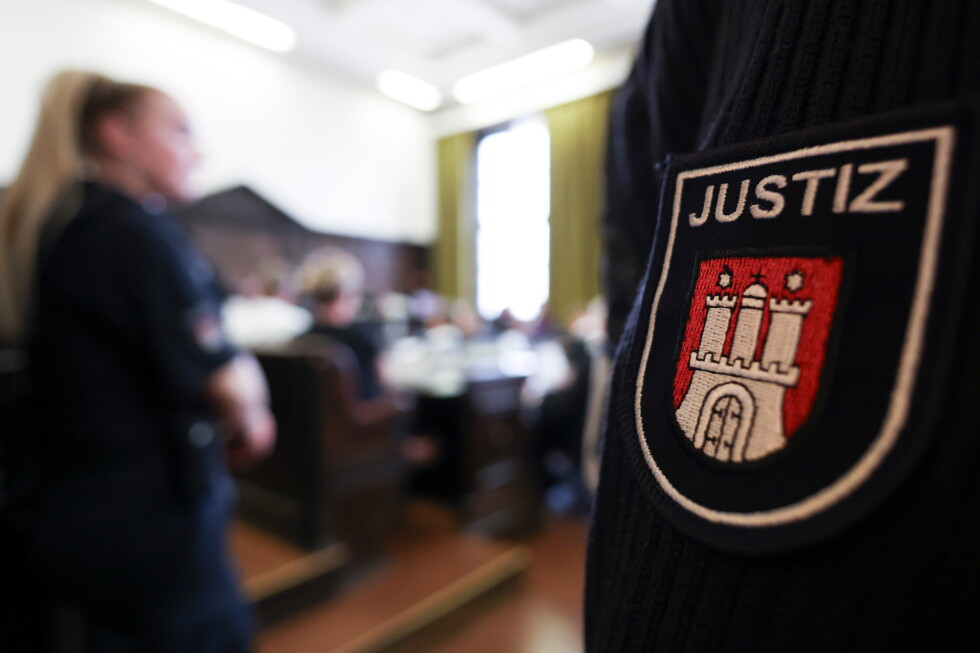
    In a landmark ruling issued Wednesday, a Hamburg court has handed down prison sentences to eight individuals linked to the far-right extremist terror network “Last Defense Wave,” convicting the group on charges spanning attempted murder, arson, aggravated assault, and participation in a banned terrorist organization. The Hanseatic Higher Regional Court’s verdict concluded that the eight defendants — seven active members and one supporter — had orchestrated multiple violent attacks targeting refugee accommodation and left-wing political hubs across eastern Germany, while also engaging in a violent vigilante practice they called “pedo-hunting,” the unauthorised hunting of people they falsely accused of being child predators.

    All of the offenders were aged between 14 and 21 at the time the crimes were committed, so their trials proceeded under Germany’s juvenile justice framework. Sentences range from 18 months to five years of imprisonment. German national news agency dpa confirmed that the youngest defendant’s 18-month sentence has been suspended, and all Wednesday rulings remain open to appeal, per German legal procedure.

    Court documents and the official indictment lay out a string of planned and carried out attacks dating to early 2024. In January 2024, two group members attempted to ignite a blaze at an asylum seeker shelter in Schmölln, a town in the eastern state of Thuringia, using pyrotechnic devices. The attempt failed to trigger a large fire, but the attackers defaced the building’s exterior with swastikas and anti-immigrant slogans reading “foreigners out.”

    That October, the group carried out a successful arson attack on a cultural center in Altdöbern, located in the neighboring state of Brandenburg. The indictment notes that no occupants were injured in the attack only by pure chance; the entire structure was completely destroyed by the spreading fire. Three additional members had also finalized plans to launch an arson attack on a second asylum shelter in Senftenberg, Brandenburg, but that plot was derailed before it could be executed after a journalism team tipped off law enforcement to the plan.

    The conviction marks the latest development in a broader crackdown on the extremist network: in June of this year, two more teenage suspects were taken into custody in Thuringia on charges of belonging to “Last Defense Wave,” according to dpa’s reporting.

  • Congressman Chuck Edwards drops re-election bid after ethics investigation

    Congressman Chuck Edwards drops re-election bid after ethics investigation

    A sitting Republican congressman from North Carolina has announced he will end his campaign for a new term, a decision that comes just days after a congressional investigative panel officially censured him over findings of persistent sexual harassment. Chuck Edwards made the announcement of his withdrawal from the 2026 re-election race in a public social media statement published in the early hours of Wednesday.

    In his statement, Edwards framed the choice as a difficult one, reached after a period of deep personal reflection, prayer and extensive discussions with his immediate family. The announcement caps off a months-long ethics probe conducted by the U.S. House of Representatives Ethics Committee, which concluded last week that Edwards had repeatedly engaged in unprofessional and inappropriate behavior that violated House conduct standards, aligned with the sexual harassment allegations first brought against him.

    Crucially, Edwards has maintained his innocence from the start of the investigation, and the committee’s censure and investigative findings do not constitute a formal legal finding of criminal or civil guilt. This story remains actively developing as new details about the race for Edwards’ now-open congressional seat emerge, and updates will be issued as more information becomes available.

  • Uganda team manager has ‘no idea’ why boxers have disappeared

    Uganda team manager has ‘no idea’ why boxers have disappeared

    In the aftermath of the 2026 Commonwealth Games hosted in Glasgow, a puzzling disappearance has captured public attention: four elite Ugandan boxers who competed at the event have gone missing ahead of their scheduled return flight to their home country. The group, made up of 20-year-old Ibrahim Kemis, 22-year-old Nuhu Batte, 32-year-old Emily Nakalema, and 21-year-old Angel Katushabe, was set to depart Scotland for Uganda on Tuesday, but never arrived at the airport. Since their disappearance, all of their mobile phones have been switched off, cutting off all contact with team officials.

    Godwin Kayangwe, Uganda’s chef de mission for the Commonwealth Games, spoke exclusively to BBC Scotland News, stating that team leadership remains completely in the dark about the boxers’ motivations for vanishing. While Kayangwe confirmed that he has no confirmed information about the athletes’ whereabouts, he told reporters he believes the four are likely still in Glasgow or somewhere else in Europe. “They told their team manager they would return to the team before the flight, but after that conversation, all contact stopped,” Kayangwe said. “This is a clear violation of team camp rules, as no athlete is permitted to leave the group without explicit approval from leadership.”

    Local media in Uganda has circulated widespread speculation that the four boxers made the deliberate decision to disappear in order to seek asylum in Europe, citing better athletic opportunities and improved training infrastructure overseas. One of the missing boxers spoke to Ugandan sports outlet NBS Sports, confirming that the group intended to apply for asylum and pursue their professional boxing careers in a nation that can offer greater resources and competitive opportunities than they had access to in Uganda. The unnamed athlete also issued a public appeal, asking Ugandan citizens to show understanding and refrain from passing judgment on their life-altering choice.

    When questioned about the asylum speculation, Kayangwe pushed back on assumptions about political or social motivations for the disappearance, saying, “I have absolutely no idea what asylum they could be seeking. This is not a political issue, it has nothing to do with gender persecution or anything of that sort – I cannot explain why they chose to do this.” Despite the breach of team rules, Kayangwe struck a hopeful tone, noting that the boxers’ British visas remain valid through October, and that he holds out hope they will change their minds and return home before the visas expire.

    Scottish law enforcement have launched official inquiries into the disappearances, along with a number of other unreported absences of Commonwealth athletes who failed to board return flights after the Games. Police officials noted that no formal action can be taken to locate the athletes until their current visas expire, as they are still legally residing in the UK. The case is now being handled by the Ugandan High Commission, which is coordinating with Scottish law enforcement and government authorities to resolve the situation.

    In a public message to the four missing boxers, Kayangwe emphasized his core request: “My message is straightforward: abide by local laws, do not overstay your visas before sorting out your status. If you return to Uganda now, you will be free to apply for travel back to Europe at any point in the future.” He added that he hopes the athletes will make the “right decision” and rejoin their team in Uganda.

    This is not the only unexplained disappearance from the 2026 Glasgow Commonwealth Games: Pakistani outlet Pakistan Today has also reported that Pakistani boxer Qudrat Ullah failed to join his teammates for their return flight home, and was not found in his team accommodation when officials came to search for him.

  • South Africa pushes for Africa migration talks after violent internal protests and Ceuta crisis

    South Africa pushes for Africa migration talks after violent internal protests and Ceuta crisis

    JOHANNESBURG – South Africa is navigating a sharp diplomatic and domestic crisis triggered by widespread anti-immigration demonstrations that have displaced thousands of migrant workers and stoked tensions with neighboring and fellow African nations, as its government pushes for a coordinated, Africa-wide approach to addressing the root causes of the continent’s growing irregular migration challenges.

    Domestic protest groups in South Africa have organized repeated demonstrations calling for the mass deportation of people living in the country without official documentation, vowing to continue weekly protests every Thursday to pressure the government to tighten border security, strictly enforce existing immigration laws, and speed up deportation processes. Reports of violent assaults on targeted migrant communities have followed these demonstrations, forcing many foreign-born residents to flee the country, and drawing sharp criticism from governments across the continent whose citizens have been affected.

    According to official South African government data, roughly 68,000 people were repatriated from the country between June and July alone. The majority of those repatriated are from Malawi, followed by Zimbabwe and Mozambique, three neighboring nations that have arranged to bring their citizens home in recent weeks. While the exact split between voluntary repatriation and forced deportation of undocumented migrants has not been released, the scale of the outflow has put significant strain on border infrastructure. South Africa’s Border Management Authority has already cut the capacity of its temporary repatriation holding facility in Musina, a border town near the Zimbabwean crossing of Beitbridge, from 20,000 to just 1,500 people amid the ongoing upheaval.

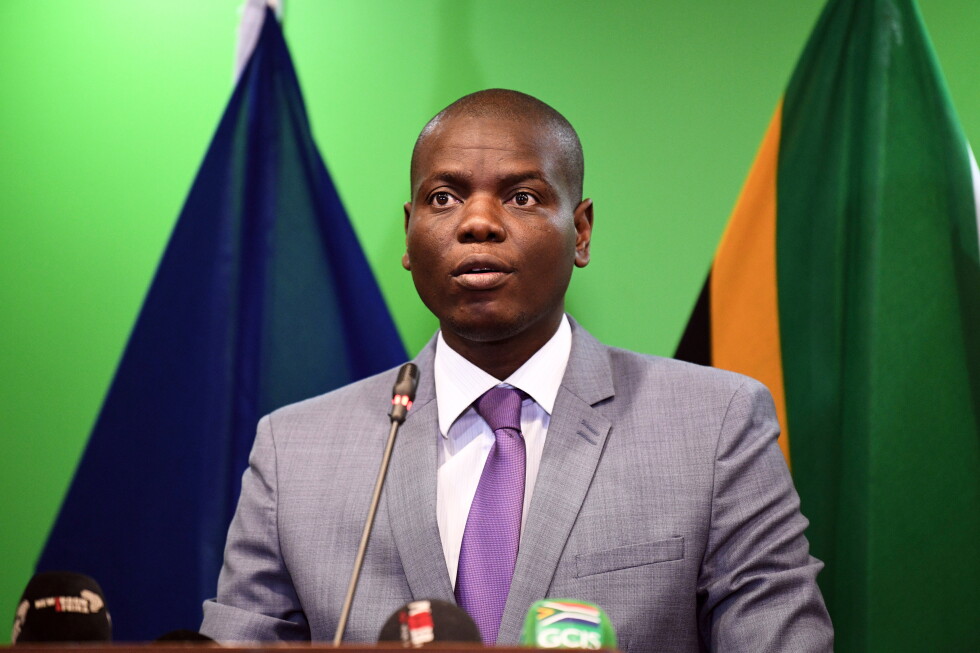
    Rather than accept unilateral focus on South Africa’s domestic migration tensions, Pretoria is pushing for a broad, continent-wide dialogue to address the systemic issues driving irregular migration across Africa, arguing that the crisis extends far beyond its own borders. South African International Relations Minister Ronald Lamola explained earlier this week that the government wants discussions centered on the core “push-pull factors” that force people to leave their home countries in search of safety and opportunity across the continent. This framework would cover irregular migration hotspots across the continent, including North Africa, where a mass crossing of thousands of migrants from Morocco into the Spanish territory of Ceuta last week left more than 80 people dead.

    In recent weeks, Lamola has held high-level consultations with regional leaders, including Ghanaian President John Dramani Mahama and a senior representative from Nigerian President Bola Tinubu’s administration, to build support for the continental approach.

    The path to a broad discussion has already hit early hurdles. Last week, the African Union, the 55-nation bloc representing all African countries, rejected a Ghanaian proposal to add South Africa’s migration tensions to the agenda for its upcoming October coordination meeting. South Africa itself opposed the Ghanaian move, arguing that it would unfairly single the country out while ignoring the scope of the broader continental migration crisis that requires collective action.

    The issue will come to the regional forefront later this month, when heads of state from the Southern African Development Community gather for a summit in Durban, South Africa, where the divisive migration situation is set to be a core topic of discussion. South Africa will use the regional summit to build momentum for bringing the full African Union into a continent-wide conversation about coordinated migration policy, to address the root issues that have sparked the current crisis.

  • Pope Leo XIV will visit Uruguay, Argentina and Peru in his first Latin American trip as pontiff

    Pope Leo XIV will visit Uruguay, Argentina and Peru in his first Latin American trip as pontiff

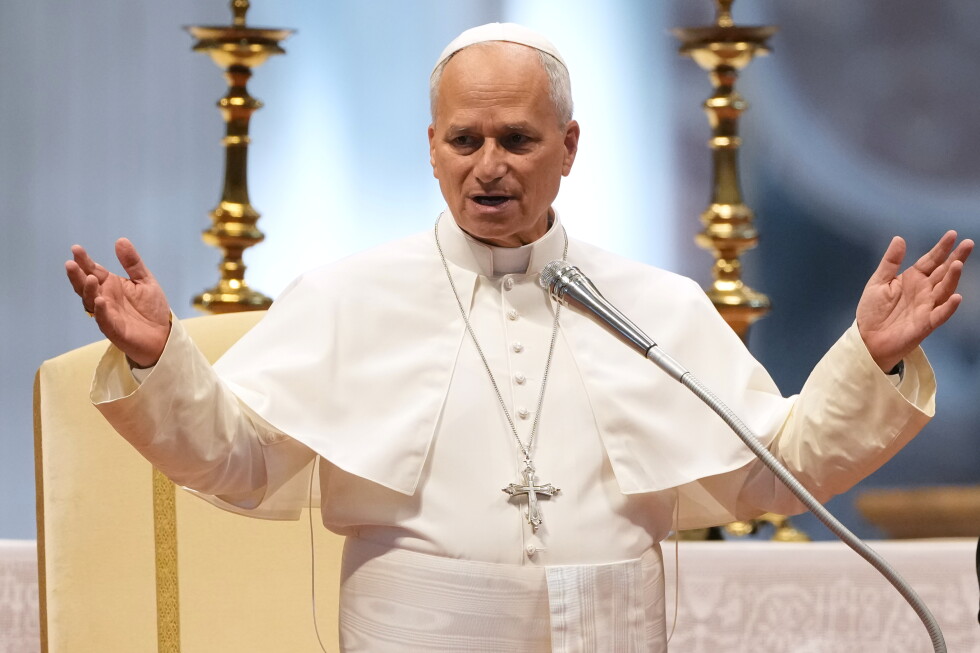
    VATICAN CITY – The Vatican confirmed Wednesday in an official announcement that Pope Leo XIV will embark on his first papal visit to Latin America this coming November, marking a homecoming of sorts to the region where he built decades of his ecclesiastical career. The 12-day journey, scheduled from November 6 to 17, will include stops in three South American nations: Uruguay, Argentina, and Peru, with multiple cities set to welcome the pontiff across the three countries.

    In Uruguay, Pope Leo’s itinerary will include public and private engagements in the capital Montevideo, as well as the smaller cities of Paysandú and Florida. He will then travel to Argentina from November 8 to 11, where he will visit Buenos Aires, Córdoba, and the major pilgrimage site Luján. The tour will conclude with a six-day stay in Peru from November 11 to 17, with stops in the capital Lima, northern coastal city Chiclayo, iconic Andean tourist hub Cusco, and Amazonian city Pucallpa. Vatican officials note a full, detailed breakdown of daily events and public appearances will be published at a later date.

    This upcoming trip carries unique personal and symbolic weight for the first U.S.-born pontiff, who retains deep long-standing connections to Peru. Before his election to the papacy, Leo lived and worked in Peru for decades as a missionary and senior church leader, holding the position of Bishop of Chiclayo from 2015 through 2023. He also holds dual Peruvian citizenship, making his return to the diocese he once led one of the most anticipated moments of the entire journey.

    The visit to Argentina also carries notable historical context: it is the birthplace of Pope Francis, Leo’s immediate predecessor and the first pope to hail from Latin America. Despite receiving repeated invitations from government and church leaders to return to his home country during his 12-year papacy, Pope Francis never made the trip back to Argentina after his election in 2013.

    The Latin American tour will follow hot on the heels of Pope Leo’s four-day visit to France, scheduled for September 25 to 28, which marks his first trip to the country as the head of the Roman Catholic Church. The back-to-back international visits highlight a notably active early travel schedule for the new pontiff just months into his papacy.

    This report is part of the Associated Press’ religion coverage, which receives funding support through a collaboration with The Conversation US from Lilly Endowment Inc. The AP retains full editorial responsibility for all content.

  • Waste workers help find binned €1m lottery ticket in Italy

    Waste workers help find binned €1m lottery ticket in Italy

    In what waste management officials are calling a near-miracle, an anonymous Italian lottery player has reclaimed a €1 million ($1.09 million, £857,158) winning ticket that had been accidentally thrown in the trash — all thanks to the quick work and determined searching of local refuse workers.

    The unusual chain of events unfolded in the small southern Italian town of Bitonto, where the regular lottery player purchased his ticket and stopped to check his numbers at the same shop where he bought it. When the point-of-sale terminal displayed a “non-payable” message, the player assumed he had not won anything and tossed the slip into the shop’s trash bin without a second thought.

    It was not until the player returned home that the misunderstanding came to light: a relative noticed that the player’s go-to set of lucky numbers — 2, 4, 8, 10, and 51 — had been drawn in the latest draw. Stunned by the mistake, the player and his family rushed back to the shop, only to confirm that the discarded ticket had already been collected by a waste collection truck operated by SANB, the local municipal waste management firm.

    Roberto Nicola Toscano, head of SANB, shared details of the frantic recovery operation with local Italian media, explaining that the “non-payable” message that sparked the mistake is a standard terminal notification: it appears when a prize is too large to be paid out directly by a retail location, not when a ticket is worthless.

    Toscano said the player immediately reached out to his company to request help retrieving the ticket, and the team acted fast: they located the collection truck before its load of trash was compacted and sent to the regional landfill. As Toscano told Italian broadcaster TGCOM24, timing was critical to the successful recovery. “Luckily it was a Sunday, otherwise the load would have already ended up in landfill,” he said.

    The truck was diverted to a dedicated secured search site, where a team of SANB workers began the painstaking process of sifting through thousands of kilograms of mixed waste to find the small paper ticket. After two full days of methodical searching, a waste worker finally spotted the ticket tucked in a torn bag filled with other discarded non-winning tickets on Tuesday morning. Toscano told news agency Ansa that the winning ticket was one of the only intact slips in the bag, despite being buried under a mountain of refuse.

    Per a pre-search agreement, the winner will cover all costs associated with the recovery operation, after signing a formal declaration agreeing to cover related expenses before the search began. In a delightful side note, the good fortune even rubbed off on the recovery team: Toscano and his colleagues bought a scratch card as a lighthearted joke mid-search, and ended up winning €50 (£43) themselves. Toscano summed up the entire event simply: “This story is nothing short of miraculous.”