JOHANNESBURG – South Africa is navigating a sharp diplomatic and domestic crisis triggered by widespread anti-immigration demonstrations that have displaced thousands of migrant workers and stoked tensions with neighboring and fellow African nations, as its government pushes for a coordinated, Africa-wide approach to addressing the root causes of the continent’s growing irregular migration challenges.
Domestic protest groups in South Africa have organized repeated demonstrations calling for the mass deportation of people living in the country without official documentation, vowing to continue weekly protests every Thursday to pressure the government to tighten border security, strictly enforce existing immigration laws, and speed up deportation processes. Reports of violent assaults on targeted migrant communities have followed these demonstrations, forcing many foreign-born residents to flee the country, and drawing sharp criticism from governments across the continent whose citizens have been affected.
According to official South African government data, roughly 68,000 people were repatriated from the country between June and July alone. The majority of those repatriated are from Malawi, followed by Zimbabwe and Mozambique, three neighboring nations that have arranged to bring their citizens home in recent weeks. While the exact split between voluntary repatriation and forced deportation of undocumented migrants has not been released, the scale of the outflow has put significant strain on border infrastructure. South Africa’s Border Management Authority has already cut the capacity of its temporary repatriation holding facility in Musina, a border town near the Zimbabwean crossing of Beitbridge, from 20,000 to just 1,500 people amid the ongoing upheaval.
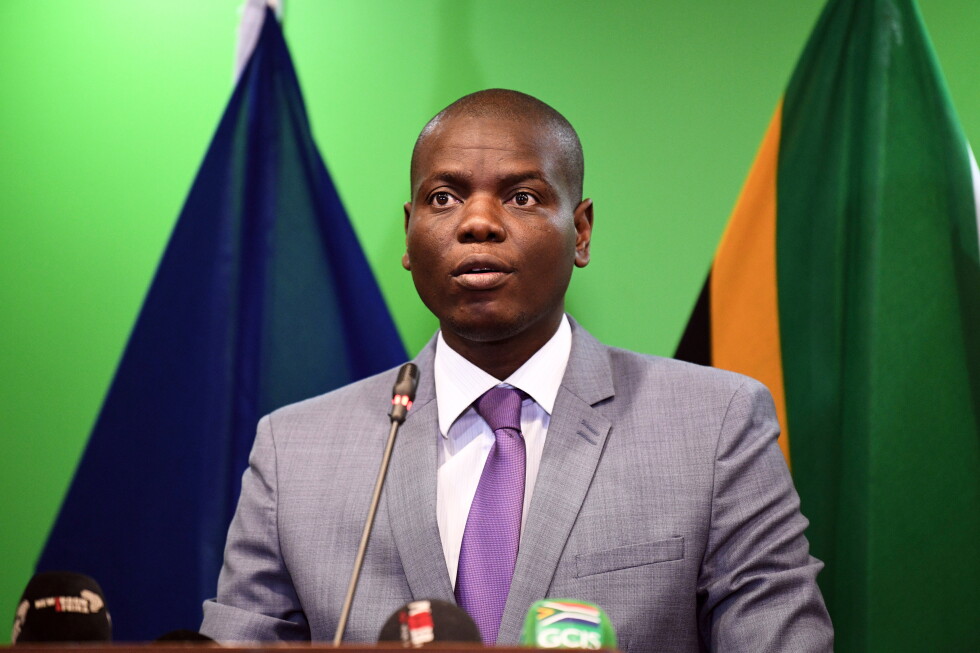
Rather than accept unilateral focus on South Africa’s domestic migration tensions, Pretoria is pushing for a broad, continent-wide dialogue to address the systemic issues driving irregular migration across Africa, arguing that the crisis extends far beyond its own borders. South African International Relations Minister Ronald Lamola explained earlier this week that the government wants discussions centered on the core “push-pull factors” that force people to leave their home countries in search of safety and opportunity across the continent. This framework would cover irregular migration hotspots across the continent, including North Africa, where a mass crossing of thousands of migrants from Morocco into the Spanish territory of Ceuta last week left more than 80 people dead.
In recent weeks, Lamola has held high-level consultations with regional leaders, including Ghanaian President John Dramani Mahama and a senior representative from Nigerian President Bola Tinubu’s administration, to build support for the continental approach.
The path to a broad discussion has already hit early hurdles. Last week, the African Union, the 55-nation bloc representing all African countries, rejected a Ghanaian proposal to add South Africa’s migration tensions to the agenda for its upcoming October coordination meeting. South Africa itself opposed the Ghanaian move, arguing that it would unfairly single the country out while ignoring the scope of the broader continental migration crisis that requires collective action.
The issue will come to the regional forefront later this month, when heads of state from the Southern African Development Community gather for a summit in Durban, South Africa, where the divisive migration situation is set to be a core topic of discussion. South Africa will use the regional summit to build momentum for bringing the full African Union into a continent-wide conversation about coordinated migration policy, to address the root issues that have sparked the current crisis.