博客

  • Nero’s Bridge emerges from Tiber River as Rome faces water crisis

    Nero’s Bridge emerges from Tiber River as Rome faces water crisis

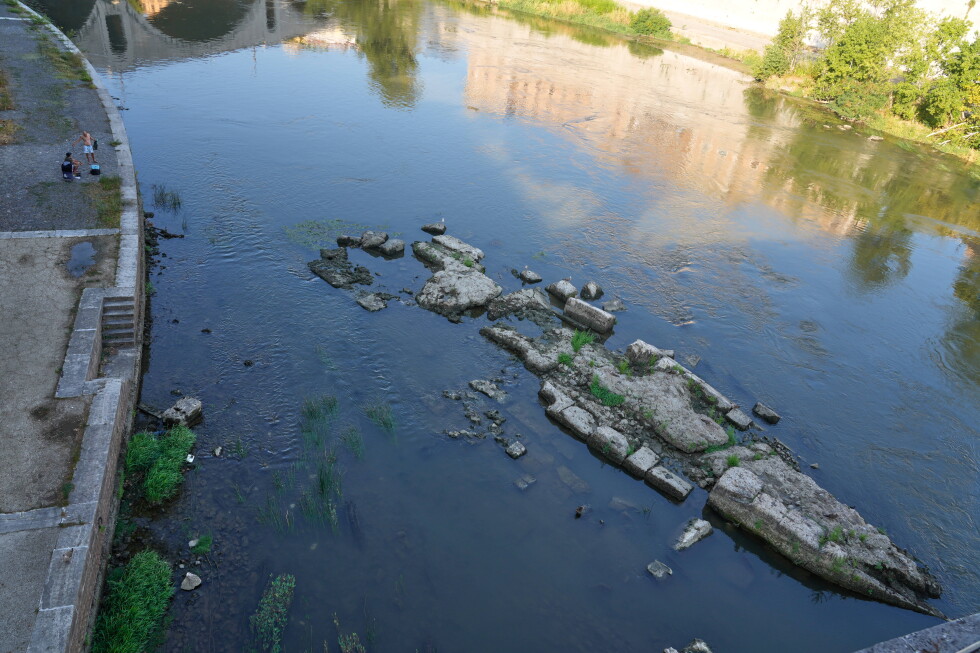
    A centuries-old archaeological treasure has risen from the shrinking waters of Rome’s iconic Tiber River, as a prolonged dry spell pushes the Italian capital into a growing water crisis. The stone remains of Nero’s Bridge, a structure that once linked central Rome to the right bank of the Tiber just steps from the famous St. Peter’s Basilica, are now fully exposed after weeks of near-total rainfall sent water levels plummeting to well below seasonal averages.

    While the bridge bears the name of the infamous early Roman emperor Nero, archaeological scholars have traced its origins back even further in history. Antonella Bonini, an archaeologist with Rome’s cultural heritage superintendency, explained the name connection comes from the Emperor’s association with the surrounding area: Nero’s circus, the site where Christian tradition holds Apostle Peter was martyred, sits on the land that now houses the Vatican. But research indicates the bridge was actually constructed by Nero’s uncle, the Emperor Caligula, with evidence confirming it stood as early as 39 AD, nearly 2,000 years ago.

    The dramatic drop in Tiber water levels that revealed the ancient structure is a symptom of a worsening water emergency across Rome. Giovanni Giganti, coordinator of the Rome civil protection service’s water management center, confirmed the river’s current flow has fallen below 80 cubic meters per second. That figure is roughly half the historic average flow for the month of July. Giganti added that while winter brought above-average precipitation to the region this year, extended dry spells that followed through spring and early summer created the current crisis, putting stress on the city’s water resources and revealing long-submerged landmarks along the river’s course.

    The unexpected emergence of Nero’s Bridge has drawn public and archaeological attention, offering a rare chance to study a well-preserved piece of Rome’s ancient infrastructure that has spent most of its modern history hidden beneath the Tiber’s flowing waters.

  • Air India to test all pilots for banned substances

    Air India to test all pilots for banned substances

    In a sweeping move to restore public confidence in its aviation safety standards, Air India has announced it will immediately implement mandatory banned substance testing for all of its pilots, a policy that far exceeds current Indian regulatory requirements. The sudden policy shift follows a high-altitude incident earlier this month that left multiple people injured and sparked fresh scrutiny of the carrier’s safety protocols, coming on the heels of a devastating fatal crash just over a year prior.

    The triggering incident took place on August 4, when an Air India Airbus operating a flight from Phuket to Delhi experienced an unplanned rapid loss of altitude shortly after departing the Thai resort city. The plane dropped roughly 300 feet (91 meters) mid-ascent, resulting in injuries to 17 passengers and crew members. Preliminary investigations into the near-accident have revealed that the flight’s senior captain tested positive for marijuana, a banned substance under global aviation safety rules, and has since been ordered to undergo a confirmatory retest. Both the captain and co-pilot of the flight have been suspended from active flying duties pending the outcome of the full probe, which is being conducted jointly by Indian aviation authorities, aircraft manufacturer Airbus, and France’s civil aviation safety agency.

    The mandatory testing requirement will not be limited to Air India’s mainline fleet. The airline confirmed that pilots working for its low-cost subsidiary, Air India Express, will also begin undergoing the tests starting this Thursday. Current Indian aviation regulations only require airlines to conduct random drug testing of at least 10 percent of their pilot workforce annually. Air India’s new policy moves far beyond this baseline, a decision the carrier framed in an internal memo reviewed by the BBC as a necessary step to strengthen its safety culture.

    “It is important to go further in our testing,” the memo stated. “This initiative, which goes beyond regulatory requirements, reflects our determination to uphold the highest standards of safety and professionalism, and to provide reassurance to our passengers, stakeholders and the community at large.”

    The policy announcement comes at a time of intense ongoing scrutiny for Air India, which has not yet fully recovered from public outrage over the June 2025 crash of an Ahmedabad-to-London flight that went down shortly after takeoff. That disaster killed all but one of the 241 people on board, as well as 19 people on the ground, making it one of the deadliest aviation accidents in South Asia in recent decades.

    Testing will screen for both recreational banned substances and prescription medications that are prohibited under international aviation rules, as any form of impairment can pose catastrophic risks to flight safety. According to Air India, the tests will be integrated into existing training schedules at the airline’s in-house training academy, and will also be administered at other operational locations including pilot briefing centers and corporate offices.

    The policy change is the first major safety-related announcement from Air India since the arrival of its new chief executive, Tewolde Gebremariam, the former long-serving CEO of Ethiopian Airlines, who took over the top role at the Indian carrier last week.

  • Mangione lawyers to meet federal prosecutors amid reports of plea deal

    Mangione lawyers to meet federal prosecutors amid reports of plea deal

    In a key development in the high-profile assassination of UnitedHealthcare CEO Brian Thompson, legal representatives for accused shooter Luigi Mangione are set to hold a closed-door meeting with federal prosecutors this Friday, according to multiple U.S. media reports citing speculation over a potential plea agreement.

    Mangione is currently facing two federal charges of stalking tied to the 2024 killing in New York City. Conviction on both counts could result in a maximum sentence of life imprisonment without the possibility of parole, though officials have not yet confirmed which specific charges are on the negotiating table. This week, Jamie McDonald, U.S. Attorney for the Southern District of New York (SDNY), confirmed the scheduling of the meeting, telling reporters only that “There’s a conference scheduled for 11 am on Friday, and that’s all we can say at this time.”

    Beyond the federal prosecution, Mangione also faces identical murder-related charges in a separate New York state court proceeding. To date, the accused has entered not guilty pleas to every charge brought in both cases. Legal experts emphasize that ongoing discussions about a plea deal do not guarantee a final agreement will be reached: such negotiations can collapse at any stage, and any finalized deal requires formal approval from a sitting judge before it can take effect.

    Federal prosecutors brought the stalking charges after alleging Mangione traveled across the country and conducted pre-attack surveillance of Thompson before carrying out the killing. In a key ruling earlier this year, a federal judge dismissed two additional charges against Mangione in January, one of which would have allowed prosecutors to pursue the death penalty if the accused was convicted.

    All three relevant legal bodies – Mangione’s defense team, the SDNY, and the Manhattan District Attorney’s office – declined to respond to multiple requests for comment from the BBC when reached earlier this week. Mangione’s legal team has long challenged the dual prosecutions, arguing that trying their client in both state and federal court for the same killing violates fundamental legal principles. Presiding judges for both cases have so far rejected that challenge and allowed both proceedings to move forward.

    However, a guilty plea in the federal case could upend the scheduled state trial. If a plea deal is finalized, defense attorneys will likely argue that the state prosecution violates the Fifth Amendment’s double jeopardy clause, a core constitutional protection that bars individuals from being prosecuted twice for the same offense. New York’s state constitution also includes its own explicit ban on double jeopardy, which would add further weight to this legal argument if it is raised, potentially derailing the state case entirely.

    Mitchell Epner, a former federal prosecutor and currently a white-collar defense attorney not affiliated with the case, explained the broader legal context: “If a federal prosecution has been completed on a matter, the state cannot prosecute the matter on those same facts.”

    Currently, Mangione’s state trial is scheduled to open on September 8, while the federal trial is currently slated to begin in January 2027. If a plea deal is reached in the federal case, the timeline and future of the state trial will be thrown into uncertainty, reshaping the trajectory of one of the most high-profile criminal cases in the United States this year.

  • Weekly quiz: What was used to smuggle Donald Trump off Air Force One?

    Weekly quiz: What was used to smuggle Donald Trump off Air Force One?

    This week, three major, widely covered events dominated public attention across the European continent. Millions of spectators traveled to prime viewing locations across the region to gather and witness the rare solar eclipse, an event that drew cross-generational interest from amateur astronomers and casual observers alike. Separately, archaeological teams working off the northern coast of Sicily made a significant historical discovery: an ancient Roman shipwreck that experts say could unlock new insights into Mediterranean maritime trade and travel from the era. In celebrity news, global football superstar Cristiano Ronaldo tied the knot with his long-term partner Georgina Rodríguez, a story that dominated entertainment headlines across social and traditional media platforms. With all these high-profile events grabbing global headlines, many news consumers have likely missed other important developments unfolding around the world over the past seven days. To help audiences test their knowledge of underreported and other key current affairs stories from the last week, journalists Grace Dean and George Sandeman have compiled a new interactive current affairs quiz for readers. For those who enjoy testing their knowledge of recent events and want additional quizzes, the creators note that readers can access the previous week’s quiz, or browse through a full archive of past current affairs quizzes compiled by the team. This week’s quiz includes questions covering major developments related to former U.S. President Donald Trump and ongoing U.S. political events.

  • Families mourn victims of Zimbabwe ferry disaster as death toll rises to 46

    Families mourn victims of Zimbabwe ferry disaster as death toll rises to 46

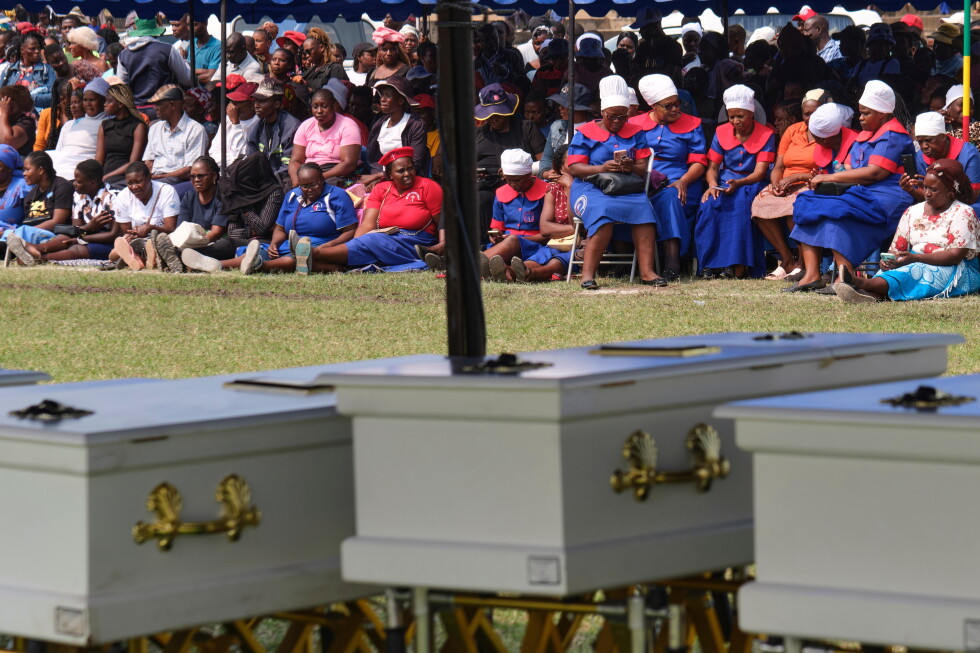
    HARARE, Zimbabwe — Communities across Zimbabwe are in mourning this week after a devastating capsizing incident on Lake Kariba, the world’s largest man-made reservoir by water volume, left at least 46 people dead and dozens more unaccounted for. On Thursday, hundreds of mourners including senior national cabinet ministers assembled at Nyamhunga Stadium in the lakeside town of Kariba to pay their final respects to the victims, with plain wooden coffins arranged in rows across the stadium’s central pitch under large canvas tents.

    The tragedy unfolded on Tuesday, when the overloaded, aging ferry set out from Kariba town bound for remote rural shoreline communities and isolated fishing camps scattered along the lake’s banks. For residents of these outlying areas, the ferry serves as a critical lifeline: years of underinvestment have left regional roads heavily damaged, and formal public road transport is either extremely limited or entirely non-existent for many local families. Many residents rely on the vessel both for daily travel and to move goods for small local businesses that support fishing communities.

    Authorities have not yet released an official final count of how many passengers were aboard the vessel when it overturned, nor a confirmed number of those still missing. Independent estimates suggest as many as 153 people were on board, far exceeding the ferry’s official maximum capacity of 90 passengers. As of Thursday, disaster management teams confirmed that 77 people have been rescued from the lake, with the death toll climbing by two to reach 46 since initial counts were released on Wednesday.

    The disaster has left countless families shattered, with some households losing multiple generations and multiple members. Collen Ndandalika, one grieving resident interviewed by state broadcaster ZBC News, lost his wife and three children in the sinking. “My wife and children all drowned. Two children have been recovered, but my wife and the other child are still missing. I still can’t believe this is a real world I am living in,” Ndandalika said. His wife had been traveling to rural camps to sell goods purchased in Kariba town, and had brought the couple’s children along to help with the business during school holiday breaks. “I have my brothers who are checking on the bodies to see if they can identify my wife and child. I am too traumatized to keep looking at dead bodies,” he added.

    The tragedy has already sparked growing public criticism over the continued operation of the outdated, overcapacity vessel, as well as allegations of a slow initial rescue response. Multiple survivors have come forward to report that they begged the ferry’s captain to turn back to shore as strong winds built large waves shortly before the boat capsized, but their pleas were ignored.

    In an official condolence message, Zimbabwean President Emmerson Mnangagwa acknowledged the systemic failures that allowed the disaster to occur. The president admitted the tragedy had “exposed serious deficiencies in our maritime capabilities which we have to address immediately so that our places of recreation do not become death traps to the innocent.” Following the statement, Mnangagwa declared a national state of disaster, ordering all relevant government agencies to redirect available resources to support affected families and speed up ongoing search and recovery operations.

    Located on the Zambezi River along Zimbabwe’s northern border, Lake Kariba was created between the late 1950s and early 1960s with the construction of the Kariba Dam. Stretching more than 200 kilometers in length and reaching up to 40 kilometers wide in some sections, it remains the largest artificial lake on Earth by total water volume, and is a key economic and transportation hub for northern Zimbabwe.

  • Trump White House says it’s losing $19B-$26B a year in revenue as countries dodge tariffs

    Trump White House says it’s losing $19B-$26B a year in revenue as countries dodge tariffs

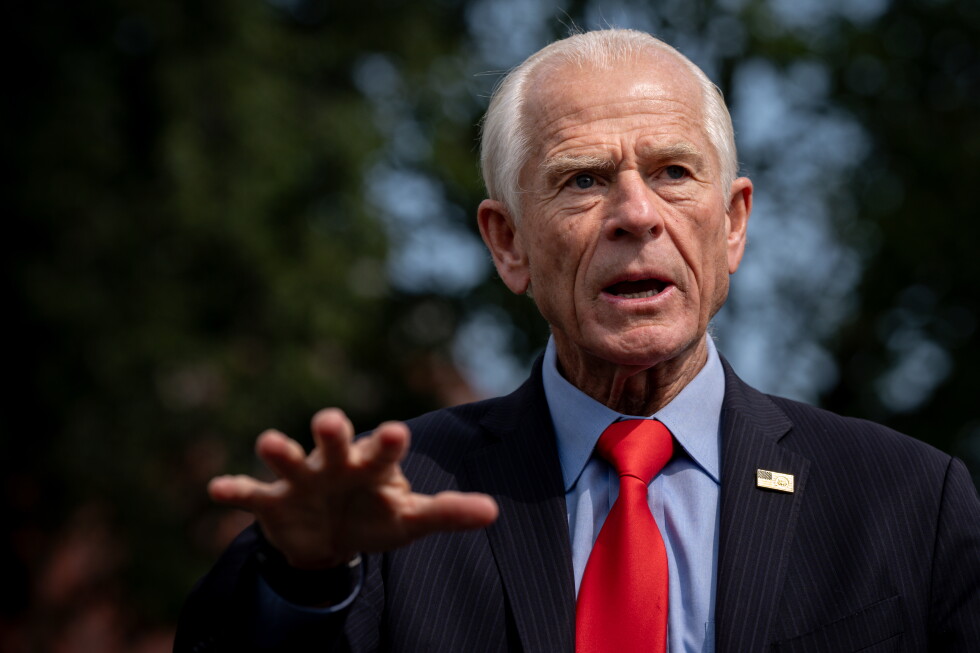
    WASHINGTON (AP) — In a bombshell new report released Thursday, the Trump White House has laid out detailed claims that dozens of nations are facilitating a widespread scheme to route exports through third-party countries to evade steep U.S. import tariffs, with annual losses to American tax revenue estimated between $19 billion and $26 billion. The report places a sharp focus on China, which the administration says adjusted its trade practices after the 2018 introduction of sweeping U.S. tariffs by shifting goods to a network of intermediate countries stretching from North America’s Mexico to Southeast Asia’s Malaysia for basic packaging and limited assembly. This so-called transshipping practice created a misleading statistical picture that showed declining U.S. direct imports from China, while allowing Beijing to keep expanding its manufacturing sector in a pattern that the administration argues threatens U.S. factory output and domestic manufacturing employment. White House trade adviser Peter Navarro told reporters during a press conference call that China routes its tariff-evading exports through more than 40 different countries, though he emphasized the report’s core critique centers on third-party nations enabling the evasion, rather than solely blaming China. “For years, the great transshipment scam has let communist China launder its exports,” Navarro said in prepared comments during the call. The release of the high-stakes report comes just weeks ahead of a planned September visit to the U.S. by Chinese President Xi Jinping, an encounter that comes after Donald Trump spoke glowingly of Xi during Trump’s own 2025 trip to Beijing earlier this May. While Chinese officials have repeatedly framed the U.S.-China bilateral relationship as one rooted in “strategic stability,” the Trump administration’s report argues that Beijing’s state-backed export policies for manufactured goods have created economic disruptions for key industrial sectors across North America, Europe, Japan and other major global economies, including the U.S. auto, metals, and electronics industries. Beyond China, Navarro noted that other major economies including India have also been linked to transshipping practices designed to dodge U.S. tariffs. He added that all new trade frameworks negotiated by the Trump administration will now include strict enforcement provisions that impose meaningful penalties on trade partners that tolerate or facilitate tariff-evading transshipment. The Trump administration has imposed broad, high tariffs on imported goods from most major trading partners over its term, applying the import taxes equally to long-standing U.S. allies and strategic rivals alike to protect domestic manufacturing. Independent economic analysts have noted that these tariffs have simultaneously created new, sustained inflationary pressures for American consumers that have offset some of the economic benefits for domestic producers. The White House report draws on both government and private sector trade data to produce a wide range of estimates for the total annual value of transshipped goods, putting the figure somewhere between $34.2 billion and $303 billion per year. To calculate the projected annual tax revenue loss, analysts used a midpoint estimate of $75 billion in annual transshipped goods. To counter the practice, Navarro confirmed that U.S. Customs and Border Protection has already launched a prototype detection program that leverages artificial intelligence to identify false origin declarations. When an importer is caught falsifying a product’s country of origin, the agency can apply retroactive tariffs to all of the entity’s imports dating back 12 months. The Trump administration’s tariff policies have faced a cascade of legal challenges during its second term, with the U.S. Supreme Court striking down several unilateral tariff orders back in February. Despite persistent criticism of the policies, the administration points to shifting trade data as a sign of progress: the U.S. still runs a global trade deficit, but the 2025 year-to-date deficit of $371 billion is roughly $189 billion lower than the deficit recorded during the same period one year prior.

  • Passenger train derails and 11 people injured after carriages overturn in southern England

    Passenger train derails and 11 people injured after carriages overturn in southern England

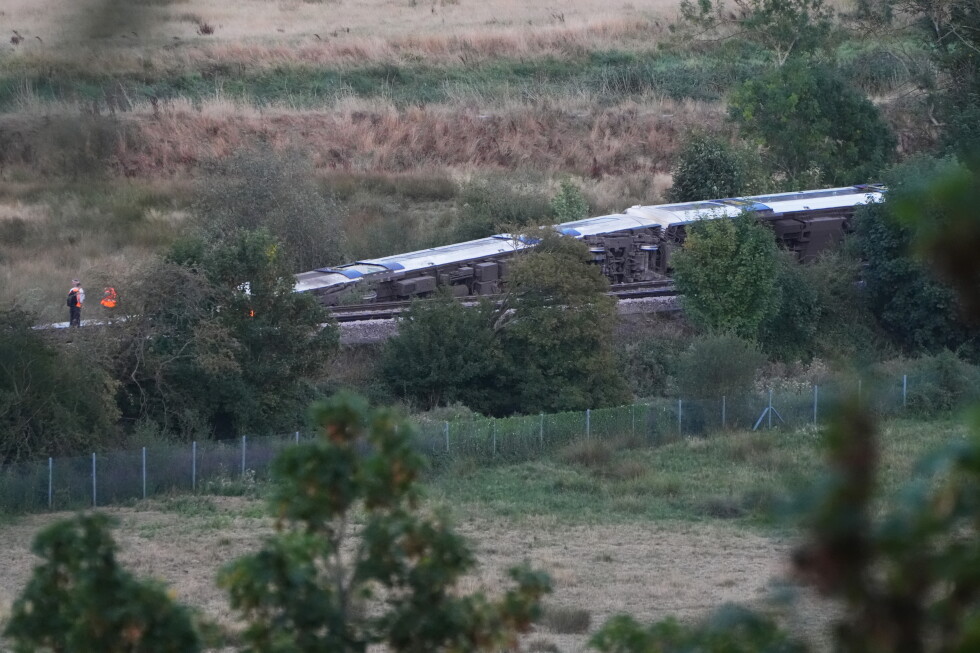
    A routine Thursday commuter and leisure trip between London and the coastal Sussex town of Eastbourne turned into a chaotic incident when a Southern Rail passenger service derailed outside the popular tourist destination of Lewes, southern England, leaving multiple people injured, British Transport Police has confirmed. Three of the train’s carriages overturned in the crash, which left two people with severe injuries and a further nine with minor harm. The train, which departed London’s Victoria Station bound for Eastbourne, was carrying roughly 150 passengers when it left the tracks.

    Rob Bradley, one of the passengers on board, was traveling with his 6-year-old daughter when the incident unfolded. He described how the train began to sway violently as it accelerated, before the carriage he and his daughter were occupying suddenly jolted upward, triggering an immediate emergency brake activation. “Everything got thrown forward. My laptop, my AirPods, our bags,” Bradley told the BBC in a post-evacuation interview. “The train kind of skidded for quite a while before it stopped and only then when we turned around did we see that the whole back of the train — literally where we were sat — was open and there was smoke and dust pouring into the carriage.”

    After the train came to a halt, Bradley saw that one of the rear carriages had flipped onto its side, sliding down a grassy embankment to rest in an open field below. Though Bradley and his young daughter escaped without physical injury, he witnessed other trapped passengers from the overturned carriages with visible blood on their heads and clothing. He added that a second passenger told him they had sustained lacerations after a train window shattered during the derailment.

    Aerial footage captured at the crash site shows emergency responders including firefighters and paramedics treating injured passengers in the adjacent field, with a large response fleet deployed: multiple ground ambulances and three air ambulances were on standby to transport severely injured people to local hospitals. British Transport Police confirmed that all 150 passengers were successfully evacuated from the crash site within approximately three hours of the derailment. As of Thursday, authorities have not confirmed what caused the incident, and a full investigation into the circumstances of the derailment is ongoing.

  • An explosion strikes an ammunition plant near Rome; no injuries reported

    An explosion strikes an ammunition plant near Rome; no injuries reported

    On Thursday, a powerful explosion triggered by an industrial fire ripped through an ammunition manufacturing facility in Colleferro, a small town located just outside of Rome, Italy. Local authorities confirmed that despite the dramatic scale of the incident, no casualties or injuries have been recorded so far.

    The affected site is operated by KNDS Ammo Italy, a defense sector manufacturer that produces military ammunition and a range of other defense-related products. According to initial official briefings, the incident originated in the facility’s powder-pressing production department, where volatile explosive materials are processed.

    Witnesses and local residents described hearing a deafening blast that shook buildings across the town. Visual content shared rapidly across social media platforms captured a massive, mushroom-shaped plume of thick smoke billowing high into the sky above the factory, shocking onlookers and sparking widespread public concern.

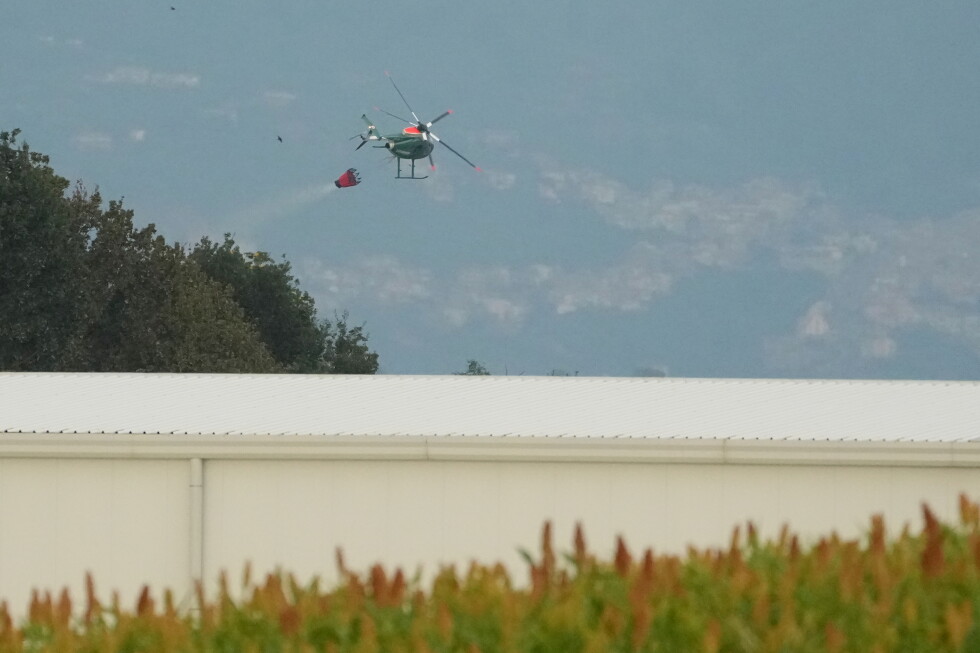
    Emergency services mobilized quickly to contain the blaze: local law enforcement secured the perimeter of the site, while 10 dedicated firefighting crews, supported by a surveillance helicopter, worked to extinguish the flames. The fire spread from the factory grounds to adjacent dry vegetation, complicating initial containment efforts.

    Colleferro Mayor Giulio Calamita acknowledged that the incident sparked widespread panic across the community, noting that “there was a huge scare” for local residents. Importantly, he confirmed that all 24 workers who were present inside the facility when the explosion occurred have now been accounted for, and the blast was limited to a single production and storage zone of the plant, preventing wider damage.

    Francesco Rocca, president of the Lazio regional government, issued an official statement saying he was monitoring the developing situation with “great concern”. He emphasized that “at this time, the absolute priority is to ensure people’s safety and allow all personnel involved in the emergency response to operate under the best possible conditions.”

    As of Thursday evening, the root cause of the explosion remained undetermined. Local law enforcement and public prosecutors have launched an official investigation, with investigators already on site collecting evidence and interviewing witnesses to piece together what led to the incident.

  • Romania shuts its only nuclear plant as Danube water levels drop

    Romania shuts its only nuclear plant as Danube water levels drop

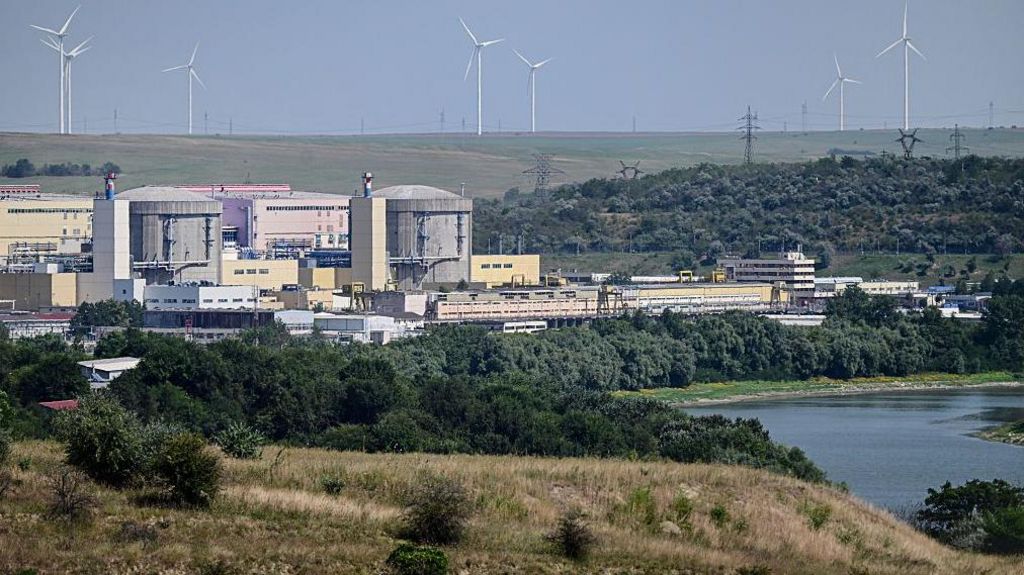
    A record-breaking, climate-fueled drought that has parched much of Central and Southern Europe has forced the complete shutdown of Romania’s sole nuclear power facility at Cernavodă, triggering urgent concerns about energy shortages and economic fallout across the continent. The plant, whose two 706-megawatt reactors normally generate roughly 20% of Romania’s total electricity output, relies on water from the Danube — Europe’s second-longest river, where water levels have dropped to 30-year lows across multiple riparian nations. The second and final operating reactor at Cernavodă was taken offline just before midday Thursday, following the shutdown of the first reactor back in July.

    Plant director Romeo Urjan confirmed to AFP that no restart is planned for at least the next 10 days, marking only the second time the facility has been fully shut down since it began operations, with the only previous full shutdown occurring in 2003. In a last-ditch effort to raise water levels around the plant’s cooling intake infrastructure, Romanian authorities sank rock-loaded barges in the Danube earlier this week, but the intervention failed to reverse the falling water levels enough to keep the reactors running.

    Neighboring Hungary, which also operates its only nuclear plant — the Soviet-era Paks facility with four reactors — on the Danube, has so far avoided a similar shutdown, but the threat remains imminent. Last month, Hungarian Prime Minister Péter Magyar warned that Paks could be forced to shut down entirely for the first time in its history if water levels continue to drop. Plant officials have already noted that Danube levels are so low that some of the facility’s water intake suction nozzles are no longer fully submerged.

    The full shutdown of Cernavodă has created an immediate gap in Romania’s energy grid that officials are scrambling to fill. While solar and wind generation are able to offset most of the shortfall during hot, windy daylight hours, evening demand requires increased output from coal and gas-fired power plants, as well as additional energy imports from neighboring countries. Romania’s large hydropower sector, which could otherwise fill the gap, has also seen its output slashed dramatically by the same low river levels that forced the nuclear shutdown.

    Beyond energy security, the ongoing drought and accompanying extreme heat waves are causing widespread disruption across the European continent. Key waterways including the Rhine are seeing record-low levels that have severely restricted commercial shipping traffic, while the agricultural sector has suffered billions of euros in damage. Italy’s largest agricultural trade association Coldiretti estimates that climate-related damage from drought, hailstorms and wildfires this year could exceed €3 billion. In France, Environment Minister Monique Barbut warned that recent heat waves could result in between €10 billion and €15 billion in combined direct and indirect economic losses.

    The extraordinary conditions have even revealed long-submerged remnants of history: dozens of sunken World War II ships that have sat hidden beneath the Danube’s waters for decades have now re-emerged as levels have dropped. Across Western Europe, the heat wave has pushed temperatures to record levels. On Thursday, temperatures at London’s Kew Gardens provisionally reached 38.1°C (100.6°F), which would mark the hottest day recorded in the United Kingdom so far this year if confirmed. Some parts of England already saw temperatures top 37°C (99°F) earlier the same day.

    Scientists from the European Union’s Copernicus Climate Change Service confirm that climate change is the primary driver of these extreme conditions, noting that Europe is warming twice as fast as the global average, making it the fastest-warming continent on Earth. This accelerated warming is leading to more frequent and intense summer heat waves, increasing water scarcity, and spurring more severe wildfire seasons across the continent. Economists warn the extreme conditions could already erase much of the European Union’s projected economic growth for the year. Dutch bank Triodos noted that the EU’s projected 1.1% annual growth, and the International Monetary Fund’s 0.9% growth forecast for the euro area, are at severe risk from the cascading impacts of the drought and heat wave.

  • Presidential pardon for French alleged spy accused of plotting Mali coup

    Presidential pardon for French alleged spy accused of plotting Mali coup

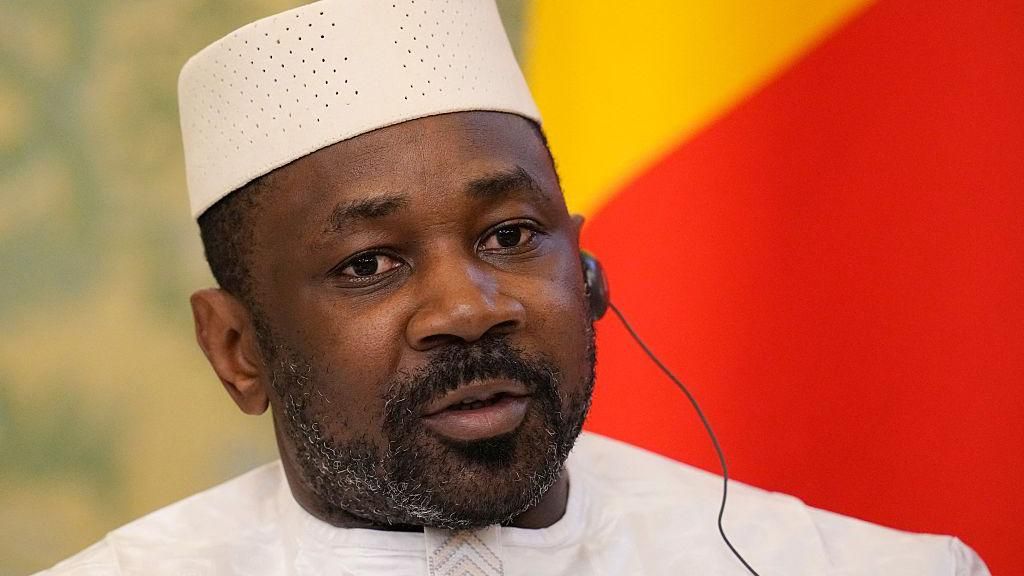
    In a surprise move announced Thursday, Malian President Assimi Goïta has issued a presidential pardon to Yann Vezilier, a French national who was sentenced to 20 years in prison last year for his alleged role in plotting to overthrow Goïta’s ruling junta.

    Vezilier was originally accused alongside a group of Malian army generals and dozens of soldiers of attempting to destabilize the current administration, with Malian officials claiming he was acting on behalf of French intelligence services. A year after the charges were laid, the clemency grant comes as a sudden reversal of the West African nation’s previous legal position, and no official explanation has yet been provided for what drove the policy shift.

    The French foreign ministry, which previously dismissed the espionage allegations against Vezilier as completely unfounded, has remained silent on the pardon announcement to date. In an official statement posted to its Facebook page, the Malian government clarified that the act of mercy does not challenge the guilty verdict reached during the defendant’s trial, which the government says followed all legal procedures and fully protected Vezilier’s right to a defense. As a condition of the pardon, Vezilier is being immediately expelled from Malian territory.

    The pardon unfolds against a backdrop of deepening political instability and unrelenting security crisis in Mali, a former French colony that has been grappling with a violent Islamist insurgency since 2012. Goïta, who seized power in a 2021 military coup that he justified by citing the ongoing security failure, has overseen a period of worsening violence, with jihadist attacks growing in frequency and reach across the country.

    When Vezilier and other co-defendants were arrested last year, then-Security Minister General Daoud Aly Mohammedine confirmed that authorities had detained what he called “fringe elements of the Malian armed security forces” for conspiring to undermine the country’s republican institutions. He asserted at the time that the group of accused soldiers and civilian co-conspirators had received backing from foreign powers, specifically naming Vezilier as a proxy for French intelligence that had worked to recruit Malian political leaders, civil society figures and military personnel to the plot.

    In the months since Vezilier’s conviction, political and security conditions in Mali have continued to deteriorate. In April, a suicide truck bombing targeting the defense minister’s residence on the outskirts of the capital Bamako killed the top defense official during a surge of militant attacks across the country. Shortly after the attack, Goïta appointed himself to the vacant defense minister post, a move widely interpreted as an effort to consolidate control over the security sector amid growing threats. Later that same month, Islamist fighters advanced on Bamako, enforcing a partial blockade of the capital and full blockades of other major population centers including the central city of Ségou.

    In May 2025, the ruling military junta moved to dissolve all registered political parties in the country, a decision that came in response to rare large-scale anti-government protests. Former Malian Prime Minister Moussa Mara described the crackdown as a devastating blow to national reconciliation efforts that had been initiated by the junta itself after seizing power. When Goïta took power in 2021, he pledged to hold democratic elections within two years to transition back to civilian rule. That commitment has since been abandoned: last July, the junta extended the country’s political transition by an additional five years, extending Goïta’s rule until at least 2030.

    In recent years, Mali has cut diplomatic and security ties with its former colonial ruler France, joining neighboring Niger and Burkina Faso in turning to Russian military allies for support to counter the regional jihadist insurgency. To date, the security partnership has failed to deliver meaningful improvements in stability across the Sahel, with attacks on civilian and government targets continuing to rise.